


Featured ChoiceSave 25%

Save 20%

Save 19%

Save 16%

Save 20%
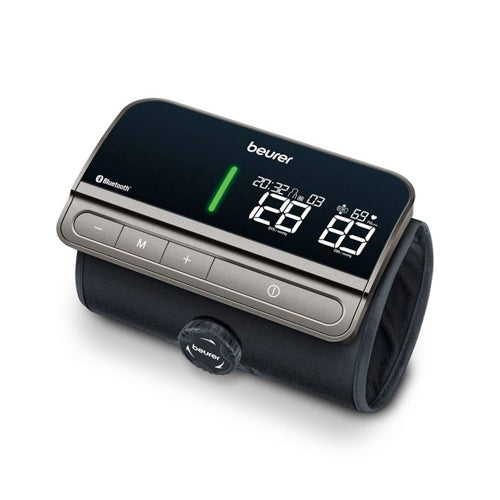
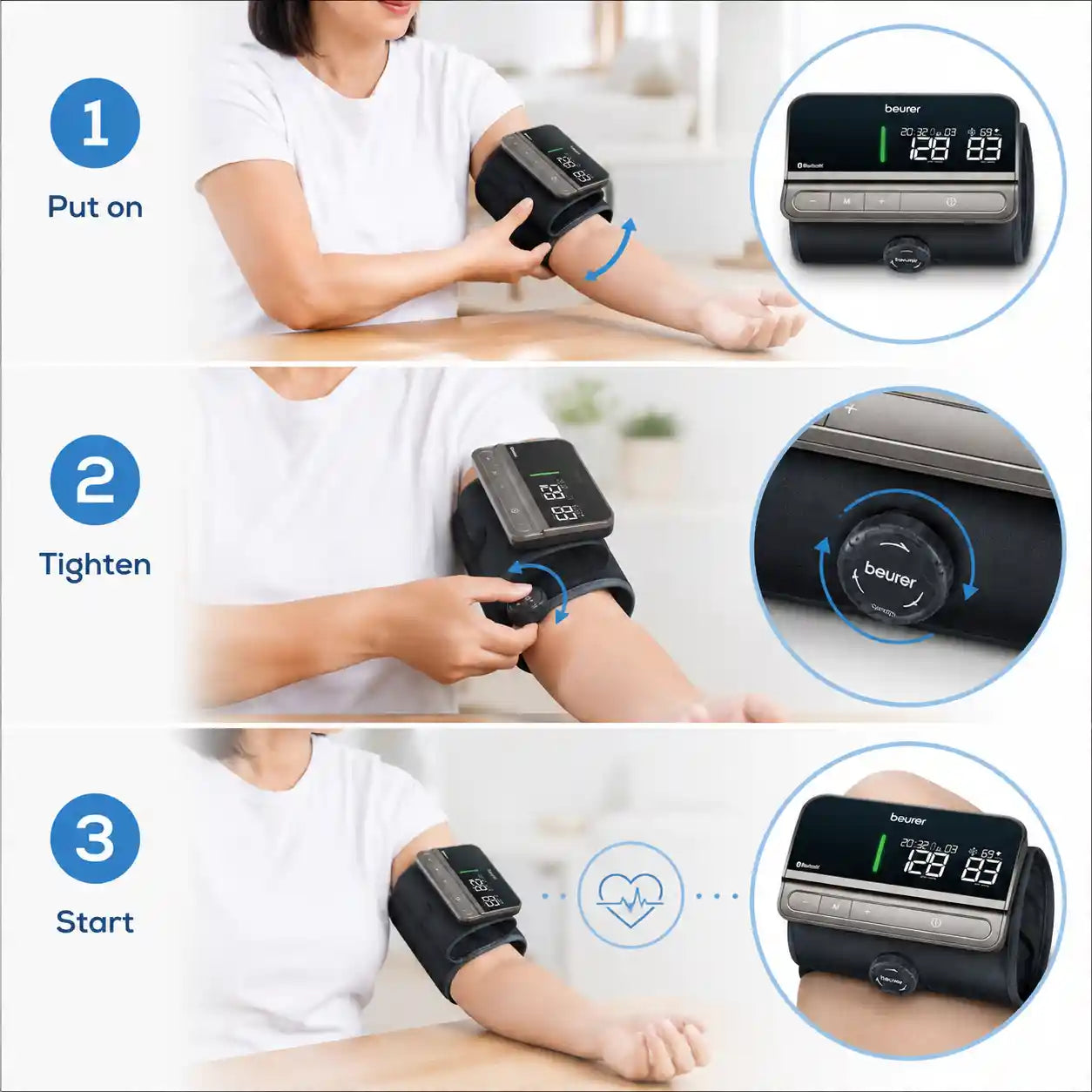

Save 25%

Save 26%

Sold out
Sold out


What customers say
★★★★★ 4.9 · 22 reviews
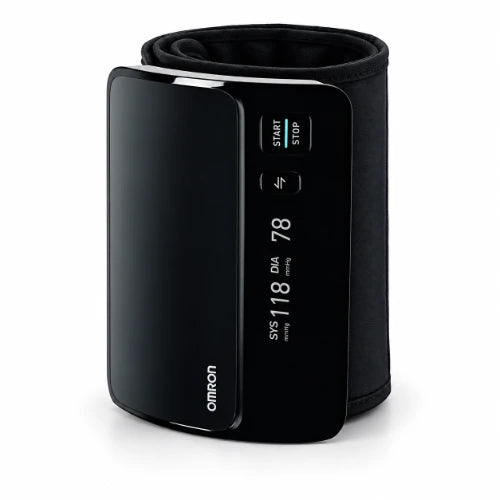
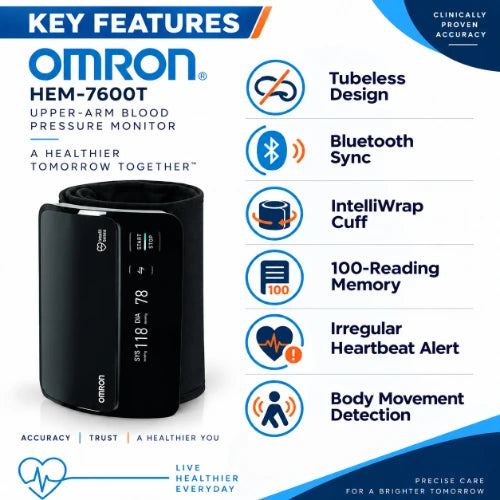
 Omron HEM-7600T Tubeless Bluetooth BP Monitor – Made in Japan
“This is amazing! Tubeless design and Bluetooth connectivity make it super convenient.”
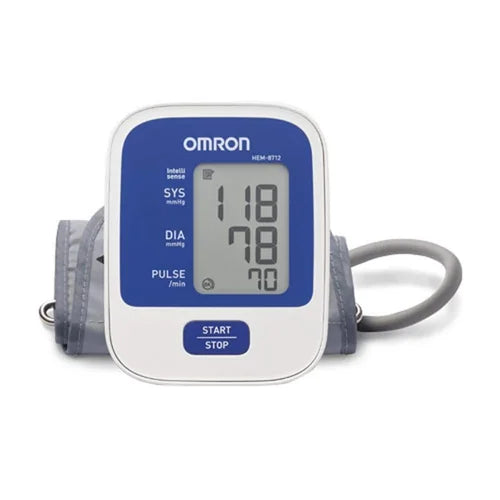
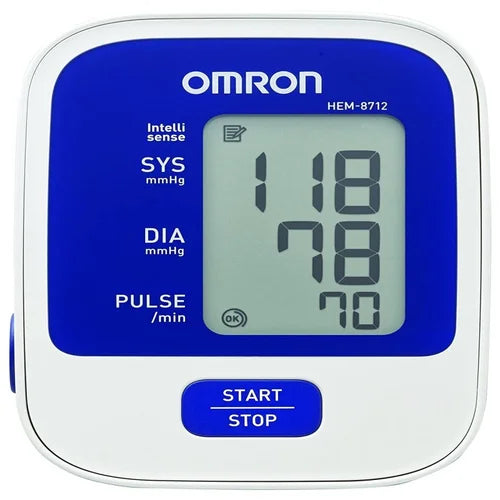
 Omron HEM-8712 AP Blood Pressure Monitor with Memory
“This is easy to use, and the 3-year warranty adds great value.”
“This is a fantastic device! It’s simple to use, with a clear display that shows readings quickly and accura...”
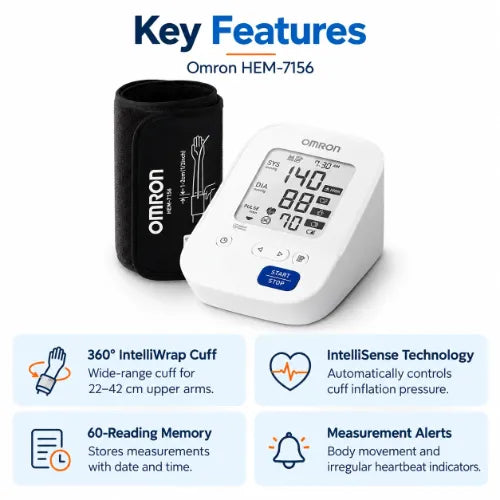
 Omron HEM-7156 Blood Pressure Monitor with 360° IntelliWrap Cuff
“it's super easy to use.”
“This is absolutely fantastic! The 360 Accuracy Intelli Wrap cuff makes taking readings so much easier, as i...”
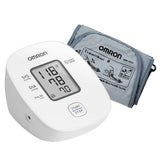 Omron HEM-7121J Blood Pressure Monitor with IntelliSense
“It's simple, accurate, and the hypertension indicator is really helpful.”
“This is a great addition to my health routine! It’s easy to use and provides accurate readings every time. ...”
 Beurer BM28 Upper Arm Blood Pressure Monitor
“This is a fantastic BP machine! It’s easy to use,”
“I’m impressed with the ease of use and accurate readings. The device also has a hypertension indicator, whi...”
 Beurer BM 81 Blood Pressure Monitor with EasyLock & Bluetooth
“It's accurate, easy to use, and highly recommended for home use.”
“This is an absolute game-changer! The tubeless design makes it incredibly easy to use, eliminating the hass...”
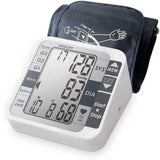 AccuSure TS Smart Inflation BP Machine
“This is very easy to use. A great choice for home health monitoring!”
“This is a brilliant device! The smart inflation feature makes taking BP measurements much more comfortable ...”
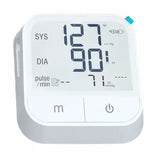 Digital Blood Pressure Machine YE670AR
“Accurate and easy!”
“This is a great choice for home use! It provides fast and accurate readings every time. The large display m...”
Normal blood pressure: readings by category and how to check at home

Normal blood pressure in adults means a top number below 120 and a bottom number below 80. The American Heart Association uses both limits when defining its normal category. This article explains the categories, accurate home checks, low readings, and warning signs that need medical attention.
What is considered a normal blood pressure reading for adults?
For most adults, the American Heart Association defines normal blood pressure as below 120/80 mmHg. Both numbers must stay below their respective limits. However, unusually low readings need separate consideration, especially when symptoms occur.
The expression “120 over 80” describes two separate measurements, not one combined score. A reading of 118/76 falls within the AHA normal category. A reading of exactly 120/80 does not meet that category’s strict limits.
People often search for a normal BP range expecting one perfect number. In practice, the category describes a range of blood pressure values, not a daily target of exactly 120/80. Your doctor also considers symptoms, previous results, and your health circumstances.
A normal category also differs from an individual care target. Someone receiving medical care may have instructions that reflect their circumstances. Ask your doctor which numbers require contact rather than assuming one chart answers every personal question.
Use adult charts for adult blood pressure values. Children need different interpretation, while pregnancy requires specific clinical guidance. Neither situation should rely solely on a general adult category table.
The practical starting point is simple: read both numbers, check your measurement method, and consider how you feel. A number becomes more useful when those details accompany it.
What do the two numbers in a blood pressure reading mean?
The top number is systolic blood pressure. It measures how hard blood pushes against artery walls when your heart beats. The bottom number is diastolic blood pressure, measured while your heart rests and refills with blood between beats.
What do the top and bottom numbers in a blood pressure reading mean in everyday terms? They describe the force of blood during two parts of each heartbeat. They do not represent separate results for different sides of your body.
Blood pressure uses the unit mmHg, meaning millimetres of mercury. A monitor may also show your pulse. Pulse counts how often your heart pumps blood and does not replace either blood pressure number.
When writing a result, keep the numbers in their original order. For example, record 116/74, not 74/116. Include the unit when sharing results outside your usual blood pressure record.
Do not focus only on the larger number. Either number can place a result in a higher AHA category. A lower top number does not cancel a raised bottom number.
Suppose your result is 118/84. The top number meets the normal limit, but the bottom number does not. Under AHA categories, that blood pressure falls within stage 1. This example illustrates classification, not a diagnosis.
Reading both numbers also makes conversations clearer. Instead of saying “my blood pressure was 118,” give the complete result. Your doctor needs the pair to interpret what happened.

Normal blood pressure chart by category
The following blood pressure chart presents the American Heart Association categories. All values use mmHg. The words and and or matter because they determine how the two numbers work together.
|
AHA category |
Top number |
Relationship |
Bottom number |
|---|---|---|---|
|
Normal |
Below 120 |
And |
Below 80 |
|
Elevated |
120 to 129 |
And |
Below 80 |
|
Stage 1 hypertension |
130 to 139 |
Or |
80 to 89 |
|
Stage 2 hypertension |
140 or higher |
Or |
90 or higher |
|
Severe hypertension |
Above 180 |
Or |
Above 120 |
For normal and elevated categories, both conditions must apply. For stage 1, stage 2, and severe results, either number can qualify. When the numbers occupy different categories, use the higher category.
Severe hypertension and a hypertensive emergency can involve the same very high numbers. Emergency symptoms change the urgency. The table therefore needs the safety guidance later in this article.
Treat the categories as a way to describe results clearly. They do not let a home user diagnose hypertension independently. A healthcare professional must assess the pattern and confirm any diagnosis.
Avoid adding an informal age adjustment to this chart. A higher blood pressure should not become “normal for age” through guesswork. Discuss personal interpretation with your doctor instead of changing the category yourself.

Elevated or high blood pressure: worked examples
What is elevated blood pressure and how is it different from high? Under AHA categories, elevated means 120 to 129 systolic with diastolic below 80. High blood pressure categories begin at 130 systolic or 80 diastolic.
The distinction becomes clearer with examples. These examples apply the AHA chart to individual results. None establishes a diagnosis by itself.
|
Example reading |
AHA category |
Reason |
|---|---|---|
|
117/75 |
Normal |
Both numbers meet the normal limits |
|
126/77 |
Elevated |
Top number is 120–129; bottom remains below 80 |
|
126/83 |
Stage 1 |
Bottom number is within 80–89 |
|
134/76 |
Stage 1 |
Top number is within 130–139 |
|
142/78 |
Stage 2 |
Top number reaches 140 or higher |
|
124/92 |
Stage 2 |
Bottom number reaches 90 or higher |
At what reading is blood pressure called high? The answer depends partly on which guideline describes the result. Within the AHA system, either 130 systolic or 80 diastolic enters a high category.
That does not mean every isolated result at those levels confirms hypertension. Measurement conditions and repeated results still matter. Record the result accurately and follow your clinician’s instructions about further checks.
Avoid treating “elevated” as another word for “normal.” It names a separate category. Equally, avoid assuming a category label means an emergency without considering the actual numbers and symptoms.
Why normal blood pressure charts differ by source
Different organisations use different thresholds for diagnosing high blood pressure. This explains why two trustworthy charts can label the same result differently. Identify the source before comparing categories.
The NHS gives high blood pressure thresholds of 140/90 in a clinic and 135/85 at home. These are high-pressure thresholds, not definitions of an ideal blood pressure. Diagnosis involves clinical assessment rather than one home result.
|
Source or setting |
Threshold used to assess high blood pressure |
|---|---|
|
AHA classification |
130 systolic or 80 diastolic enters stage 1 |
|
NHS clinic measurement |
140 systolic or 90 diastolic |
|
NHS home measurement |
135 systolic or 85 diastolic, assessed through repeated measurements |
For Indian readers, an important correction prevents confusion. Indian guidance does not universally use the same categories as the AHA. Government guidance uses a clinic threshold around 140/90, with category labels differing from the AHA system.
There is no reason to invent a separate, unverified “Indian normal range.” However, that does not make all Indian diagnostic categories identical to American categories. Your doctor should explain which recognised framework guides your assessment.
Keep the source beside any category you record. Writing “AHA stage 1” communicates more clearly than writing only “high.” This small detail can prevent confusion when discussing blood pressure from different settings.
What counts as low blood pressure?
What is low blood pressure and which values count as low? The NHS defines low blood pressure as a level below 90/60 mmHg. The AHA also uses below 90/60 when discussing hypotension.
This needs separate attention because “below 120/80” does not mean “the lower, the better.” A very low result requires interpretation alongside symptoms and your usual pattern. Do not label every low number as reassuring.
Some people have low blood pressure without concerning symptoms. Others develop problems when blood pressure falls. A doctor can help distinguish an established pattern from a new change needing assessment.
If you notice a low result, record both numbers and how you feel. Add whether the result differs substantially from your usual results. This gives your doctor more useful information than the number alone.
For example, a note could say: “Reading taken while seated; felt lightheaded after standing earlier.” This describes the event without guessing its cause. Avoid writing “definitely low blood pressure” beside symptoms without medical confirmation.
Do not assume a low result proves your monitor is faulty. Equally, do not assume an unexpected result must be accurate. Check your method and arrange medical advice when symptoms persist.
The aim is interpretation, not chasing a smaller number. A useful record shows blood pressure values, symptoms, timing, and context together.
What symptoms can and cannot show about blood pressure
Does high blood pressure always cause symptoms? No; it often causes no warning signs. Feeling comfortable cannot confirm that your blood pressure falls within the normal category.
Avoid using headaches, tiredness, or facial warmth as a substitute for measurement. These feelings cannot reliably assign a blood pressure category. Proper checks provide information that symptoms alone cannot supply.
What symptoms can low blood pressure cause? Possible symptoms include dizziness, fainting, blurred vision, nausea, weakness, and confusion. These symptoms can have other causes, so a doctor should assess recurring problems.
Symptoms after standing or changing position deserve mention during your appointment. They may suggest postural hypotension, which needs appropriate assessment. Do not try to confirm it through repeated standing tests when you feel faint.
Keep symptom notes separate from category labels. Write what happened, when it started, and whether it continued. Clear observations help more than trying to diagnose the cause yourself.
A normal-looking result also does not explain every illness. New, serious symptoms still deserve urgent assessment. Do not let a reassuring display delay help for chest pain or stroke-like symptoms.
How do I measure blood pressure correctly at home?
Use a properly fitting upper-arm cuff, prepare beforehand, and sit quietly for at least five minutes. Support your arm at heart level and take two measurements one minute apart. Measure at the same time daily when following a daily monitoring plan.
The American Heart Association recommends the following approach. Keep the sequence consistent rather than changing your position between measurements. Ask a healthcare professional to demonstrate anything unclear.
-
Prepare beforehand. Avoid smoking, caffeine, and exercise for at least 30 minutes before checking.
-
Empty your bladder. Do this before settling into your measurement position.
-
Sit properly. Support your back, keep your feet flat, and leave your legs uncrossed.
-
Rest quietly. Allow at least five minutes before starting; avoid talking or using your phone.
-
Expose your upper arm. Place the cuff on bare skin, not over clothing.
-
Support your arm. Position the middle of the cuff at heart level.
-
Take the first reading. Stay still and silent while the cuff inflates and releases.
-
Wait one minute. Remain seated, then take the second reading.
-
Record both results. Include the date, time, and any symptoms.
-
Repeat consistently. Follow the same daily timing and the schedule your clinician recommends.
The cuff briefly tightens around your arm and pauses blood flow during measurement. Follow the device’s operating directions rather than adjusting the cuff during inflation. If the process remains unclear, ask for a supervised practice check.
These steps improve measurement consistency; they do not diagnose or fix a blood pressure condition. Home measurements support a clinician’s assessment. They should not replace medical review when results or symptoms cause concern.

How should you prepare before a blood pressure check?
Should I sit and rest quietly before taking a reading? Yes; allow at least five quiet minutes in the correct position. Starting immediately after activity can make the result less representative of resting blood pressure.
For a practical home routine, complete household tasks before your rest period. Then sit in your measurement chair without continuing the conversation. Avoid taking a reading while answering calls or supervising another activity.
Tea and coffee can contain caffeine. Include them when applying the 30-minute caffeine restriction. Do not assume the rule applies only to strong coffee or energy drinks.
Keep this simple checklist near your record:
-
No smoking, caffeine, or exercise during the previous 30 minutes.
-
Bladder emptied before sitting down.
-
Back supported and feet flat on the floor.
-
Legs uncrossed, with no talking during rest or measurement.
-
Cuff on bare upper-arm skin.
-
Arm supported with the cuff at heart level.
-
Two measurements planned, one minute apart.
-
Both results ready to record.
If someone interrupts your quiet rest, settle again before measuring. If you forget a preparation step, note it beside the result. An honest note helps more than pretending every check followed identical conditions.
Preparation creates a fairer comparison between sessions. Think of it as standardising the measurement, not trying to produce a preferred number.
Which cuff and arm position give accurate readings?
Is an upper-arm cuff or a wrist monitor better at home? The AHA recommends an automatic, upper-arm cuff-style monitor. It does not recommend wrist or finger monitors because they provide less reliable results.
Cuff fit also matters. A cuff that does not match your arm size can produce inaccurate results. Ask your healthcare professional to check the fit and show you the correct placement.
Support your forearm on a stable surface rather than holding it in the air. Position the cuff around the upper arm at heart level. Keep your shoulder relaxed while maintaining the supported position.
Clothing should not sit beneath the cuff. A tightly rolled sleeve can also squeeze the arm and restrict blood flow. Use clothing that allows access without leaving a tight band above the cuff.
If a table sits too low, ask your clinician how to arrange suitable support. Avoid guessing from the monitor’s position alone. The cuff’s position on your arm matters, not whether the display sits at chest height.
This guidance concerns correct use, not choosing or purchasing a product. If standard upper-arm positioning is difficult, seek individual advice. Do not assume a different body position provides directly comparable results.

Common blood pressure measurement mistakes and fixes
An unexpected result should prompt a method check, not an immediate assumption about its cause. Several everyday details can affect blood pressure. Correcting them helps you collect information your clinician can interpret.
|
Common mistake |
Practical correction |
|---|---|
|
Measuring straight after walking upstairs |
Complete the preparation period and sit quietly first |
|
Talking during the check |
Pause conversation until measurement finishes |
|
Crossing your legs |
Place both feet flat and keep legs uncrossed |
|
Letting your arm hang down |
Support it with the cuff at heart level |
|
Wrapping the cuff over clothing |
Move clothing away and apply it to bare skin |
|
Using a cuff with uncertain fit |
Ask a healthcare professional to check the fit |
|
Recording only the lower result |
Keep both results and explain unusual circumstances |
|
Changing position between measurements |
Maintain the same supported sitting position |
Do not repeatedly tighten, loosen, or reposition the cuff during a measurement. Complete the check according to the device directions. If an error appears, consult those directions before trying again.
When another person helps, explain the routine beforehand. Ask them to avoid conversation while the cuff operates. They can write the results after each completed measurement.
Keep the table and chair arrangement practical enough to repeat. A complicated setup may encourage rushed checks or unsupported posture. Simplicity helps you follow the same process each time.
If results remain inconsistent despite careful technique, take your record to a healthcare professional. Bring the monitor when requested so they can review your method. Do not dismiss repeated unusual results as measurement error without checking.
How to keep a home blood pressure record
A written record gives your doctor more context than a remembered number. Record both values from each session, alongside their date and time. Use the same format throughout the monitoring period.
A notebook or simple digital note can work. Choose a method you can read clearly and maintain consistently. The record does not need elaborate graphs or complicated calculations.
Useful entries include:
-
The date and exact measurement time.
-
The first complete reading, including both numbers.
-
The second complete reading, taken one minute later.
-
Any symptoms during or near the session.
-
Any missed preparation step, such as recent caffeine.
-
A note about interruptions or unusual measurement conditions.
-
The arm used, if your clinician asks you to record it.
Keep observations brief and factual. “Spoke during first reading” is more useful than “probably inaccurate.” “Felt dizzy before sitting” is clearer than assuming the reading caused dizziness.
Do not delete a result simply because you dislike it. Keep the original entry and add any correction separately. A complete record makes the sequence easier to discuss.
Record symptoms even when the blood pressure appears normal. Your doctor may need to assess symptoms independently of the blood pressure category. The log should describe what happened, not force every experience into one explanation.
At the end of the monitoring period, keep all pages together. Add any questions you want answered at your appointment. This turns scattered numbers into an organised account of your home checks.

Sample blood pressure log and how to average readings
The table below shows an illustrative recording format, not a patient’s results. The example values are invented solely to explain documentation. Your own schedule should follow your clinician’s instructions.
|
Session |
Time |
First reading |
Second reading |
Context |
|---|---|---|---|---|
|
Day 1 |
7:30 am |
118/76 |
116/74 |
No symptoms; seated quietly |
|
Day 2 |
7:30 am |
122/78 |
120/76 |
No symptoms; same position |
|
Day 3 |
7:30 am |
117/75 |
119/77 |
No symptoms; same position |
If your clinician requests an average, calculate the top and bottom numbers separately. For 118/76 and 116/74, the two-reading average is 117/75. Do not average all four numbers into one value.
A session average differs from an average covering several days. Label each calculation clearly so nobody mistakes one for the other. Keep the original measurements available alongside any average.
Some diagnostic protocols specify which days to include. NICE recommends repeated morning and evening measurements over several days, usually seven. Its diagnostic approach excludes the first day when calculating the remaining average.
Do not apply that exclusion casually to every home record. Follow the protocol your clinician gives you. Keep the first day’s measurements even when they will not enter a particular calculation.
Likewise, do not remove a high value simply to improve the average. Mark any measurement problem and discuss it. Your clinician can decide how to interpret the complete record.
Why home and clinic blood pressure readings differ
A clinic measurement and a home measurement may differ. Nervousness in a medical setting can raise clinic measurements. Clinicians call this pattern white-coat hypertension when appropriate assessment confirms it.
The opposite pattern can also occur. Someone may have lower clinic blood pressure but higher blood pressure elsewhere. This pattern is known as masked hypertension and needs clinical assessment.
These possibilities explain why neither setting automatically cancels the other. A normal clinic result does not make repeated high home results irrelevant. A higher clinic result also needs interpretation rather than dismissal.
Bring both sets of information to your appointment. Explain how you prepared at home and whether the same arm was used. Include any difficulties with cuff placement or supported sitting.
Avoid directly comparing a rushed afternoon check with a quiet morning session. The conditions differ, so the comparison may be less useful. Note those differences rather than trying to decide which number is “real.”
Your clinician may request a structured home series or 24-hour monitoring. These approaches help assess patterns beyond a single clinic visit. They still require professional interpretation.
Home results alone do not diagnose hypertension. They can provide evidence that helps a healthcare professional confirm or exclude it. Keep that distinction clear when discussing results with family members.

Is one high blood pressure reading an emergency?
Does one high blood pressure result at home mean an emergency? Not usually; one isolated high result does not automatically mean an emergency. However, very high numbers or serious symptoms require a different response.
If you feel well after an unexpectedly high result, remain seated and check your technique. Wait at least one minute, then repeat the measurement. Record both results rather than keeping only the lower one.
A top number above 180 or bottom number above 120 needs urgent attention. If you have no emergency symptoms, repeat after at least one minute. If it remains that high, contact a healthcare professional immediately.
With very high blood pressure, watch for these emergency symptoms:
-
Chest pain.
-
Breathlessness.
-
Back pain.
-
Numbness.
-
Weakness.
-
Vision change.
-
Trouble speaking.
Call local emergency services immediately when very high blood pressure accompanies these symptoms. Do not wait for the numbers to settle or continue collecting measurements. Do not delay urgent help to complete your log.
Serious chest pain, sudden weakness, or trouble speaking also needs emergency assessment without a blood pressure result. A normal-looking result must not become a reason to wait. Symptoms can signal an emergency independently of the display.
Avoid treating exactly 180/120 as a safe boundary. Repeated results around this level also deserve urgent professional advice. Measurement uncertainty makes it unwise to rely on a one-point difference.
The key distinction is not simply “one reading versus several.” Consider the severity, symptoms, and whether the result stays very high. When emergency symptoms occur, seeking help takes priority over rechecking.
When should I see a doctor about my blood pressure readings?
Arrange medical review when your blood pressure repeatedly exceeds the thresholds your clinician uses. Also seek review for recurring low blood pressure with symptoms, or a clear change from your usual pattern. Persistent dizziness or fainting needs medical assessment.
Do not wait for symptoms before discussing repeated high results. High blood pressure often remains silent. Your measurement record can identify a concern even when you feel well.
Use the following distinctions when deciding your next step:
|
Situation |
Appropriate response |
|---|---|
|
Blood pressure repeatedly above your agreed threshold |
Arrange a medical appointment and share the record |
|
Recurring dizziness, fainting, or weakness |
Seek assessment, even if some results look normal |
|
Repeated blood pressure above 180 systolic or 120 diastolic, without emergency symptoms |
Contact a healthcare professional immediately |
|
Very high blood pressure with emergency symptoms |
Call local emergency services immediately |
|
New serious chest pain or stroke-like symptoms |
Seek emergency help regardless of the displayed reading |
If someone faints, do not assume a low blood pressure explains the event. Fainting can have different causes and deserves medical evaluation. Seek urgent help if recovery is incomplete or serious symptoms accompany it.
When contacting a clinic, describe the actual numbers and symptoms. Say when they occurred and whether you repeated the measurement. This helps staff assess urgency more clearly than saying only “my BP is abnormal.”
Never stop prescribed blood pressure medicine without consulting your doctor. Normal home results do not replace that discussion. This safety rule applies regardless of how reassuring an individual result appears.
Does normal blood pressure mean the same for everyone?
A general adult chart cannot answer every individual question. Pregnancy, childhood, and certain health conditions need specific clinical interpretation. Tell your healthcare professional about relevant circumstances before applying general advice.
During pregnancy, do not use the severe adult threshold as your only trigger for seeking advice. Ask your maternity team which results and symptoms require contact. Follow their instructions even when a general chart appears less concerning.
Children should not use this adult table for self-assessment. Their blood pressure may require comparison with age, sex, and height. A clinician should interpret the result rather than a family member adapting adult categories.
If you cannot maintain the usual seated position, explain the limitation. Ask how to support your body and arm consistently. Record any position changes that could affect comparisons.
Similarly, tell your clinician about repeated monitor errors or irregular-pulse alerts. Do not interpret an alert as a diagnosis. Bring the device details and recorded measurements for review.
Family comparisons also have limits. Another person’s usual number does not establish your individual care instructions. Use their experience as encouragement to ask questions, not as a substitute for assessment.
The chart supplies vocabulary and thresholds. Your clinician supplies the personal interpretation that a general article cannot provide.
What to bring to a blood pressure appointment
Bring your full record rather than a selected list of reassuring results. Include both numbers, measurement times, and symptom notes. If requested, bring the monitor so someone can review your technique.
Prepare a short explanation of your routine. Describe the chair, arm support, rest period, and cuff placement. Mention whether you measured before or after caffeine or exercise.
Useful discussion points include:
-
Which guideline categories apply to my assessment?
-
What readings should prompt an appointment or urgent contact?
-
How many days should I measure at home?
-
Should I measure once daily or follow a morning-and-evening schedule?
-
Does my cuff fit correctly?
-
Am I supporting my arm at the right height?
-
How should I record symptoms or unusual results?
-
Do my home and clinic readings need further comparison?
Write the answers in the same notebook as your measurements. Clear instructions reduce the need to guess between appointments. Ask for clarification if a threshold or schedule remains unclear.
If a family member helps with checks, invite them to learn the method too. They can assist with positioning or recording without interpreting results themselves. Agree beforehand who will contact the clinic if results cause concern.
Be direct about practical difficulties. For example, explain if a chair leaves your feet unsupported. A workable routine matters more than claiming perfect technique you cannot repeat.
Before leaving, confirm the next step. Know when to send your record, when to return, and whom to contact. This makes monitoring a defined task rather than an open-ended source of worry.

How to keep normal blood pressure checks in perspective
A useful home blood pressure check combines an accurate measurement with a clear record. It does not need to match yesterday’s result exactly. Blood pressure varies, so clinicians assess patterns rather than expecting identical numbers.
Avoid measuring repeatedly until the display shows a number you prefer. Follow the agreed schedule and keep the results honestly. Additional checks should serve a clear purpose, especially when your clinician has given specific instructions.
Likewise, avoid checking only when you feel unwell. Symptoms cannot reliably identify high blood pressure. Planned checks provide information that symptom-triggered measurements alone may miss.
Keep three ideas separate: the category of a result, a diagnosis, and an individual care target. A chart helps with the first. A healthcare professional assesses the other two.
For Indian home users, consistent technique matters alongside understanding different guideline labels. Share the actual numbers instead of relying only on “normal” or “high.” That keeps the conversation useful across clinics and different category systems.
Key points about normal blood pressure
Normal blood pressure under AHA categories means below 120 systolic and below 80 diastolic. Low blood pressure needs separate attention when symptoms occur.
Prepare carefully, sit quietly, support your arm, and record two measurements one minute apart. Use the pattern to support medical assessment, not diagnose yourself.
Discuss repeated unusual results or persistent dizziness and fainting with a doctor. Seek emergency help for very high blood pressure with warning symptoms. A careful routine and clear action plan make home checks easier to interpret.
Explore Medical Collections
All Categories
Abdominal Belt: Support After Surgery, in Pregnancy and After Delivery

Accessories
Accu-Chek Instant Strips: Use, Compatibility, Price & Blood Sugar Testing Guide
Accu-Chek Instant Strips: Uses, Features & Complete Guide

accupuncture

Acupuncture Needles & Supplies

Advanced Physiotherapy Machines & Lumbar Physiotherapy
AED Defibrillator: How It Works, Who Can Use It and Where to Place It

Airways
Alcohol Swab: Uses, Safe Use and Disposal Guide

Ambu Bag Full Form: Is There an Official Meaning?

Ambu Bag: Parts, Uses and Safety Guide

Ambu Full Form: What the Name Means and BVM Basics

Ambulance

Anatomy Models
You may also need
FOR YOURecommended for you
Save 25%
Save 20%
Save 19%
Save 16%
Save 20%
Save 25%
Save 26%