


Featured ChoiceSave 78%

Save 73%
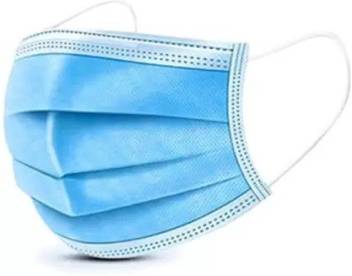
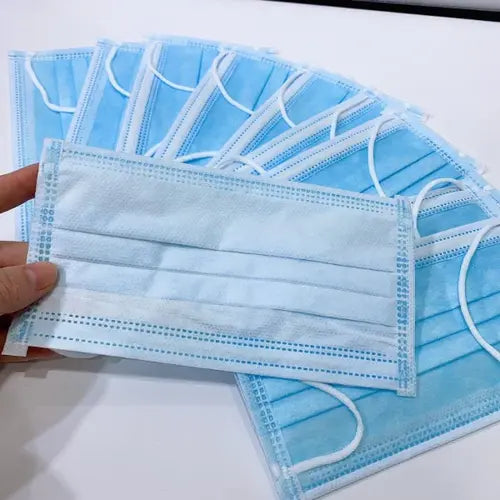

Surgical Mask Guide: Virus Protection Insights
How Surgical Masks Protect Against Viruses
A surgical mask helps reduce the spread of respiratory viruses by limiting infectious particles released by the wearer and providing a barrier against splashes and larger droplets. It can also offer some protection to the person wearing it, but its loose fit makes it less protective against inhaled airborne particles than a well-fitting respirator. Understanding that distinction—and knowing how to choose, wear, and replace a mask—helps you use it with realistic expectations.

Surgical mask quick facts
- It limits the particles you release and blocks splashes and larger droplets.
- It fits loosely, so it protects less against inhaled airborne particles than a well-fitting respirator.
- Wear it over your nose, mouth, and chin, and replace it when it turns wet, dirty, or damaged.
- Treat it as single-use: do not wash it, and do not share it.
What is a surgical mask used for?
A surgical mask is a disposable medical device worn over the nose and mouth to provide a physical barrier against fluids and particulate material. In healthcare, it helps protect patients from particles released by staff and helps protect the wearer’s nose and mouth from splashes and sprays. Manufacturers do not design it to form the tight facial seal required for dependable respiratory protection against airborne hazards.
Outside clinical settings, surgical masks can help reduce respiratory virus transmission, particularly when worn consistently and fitted closely to the face. They are one prevention tool rather than a guarantee against infection. CDC generally places surgical and disposable masks above cloth masks for wearer protection, while identifying well-fitting respirators as more protective options.
Product names can make shopping confusing. You may encounter terms such as surgical medical mask, medical face mask, procedure mask, or surgical face mask. Some describe related medical products, but a similar name or appearance does not establish that two products meet the same requirements. FDA distinguishes surgical masks intended for medical purposes from general face masks, which may not provide fluid-barrier protection.
Start with the job you need the mask to do. A person seeking source control during everyday activities has a different decision to make from a healthcare worker who needs protection for a particular patient encounter. When your workplace requires protective equipment, follow the facility’s instructions rather than choosing a product solely because its packaging says “medical.”

How it works: material and fit
Two features determine how a mask performs: what passes through its material and what escapes around its edges. A mask can have useful filtering material yet leave substantial openings beside the cheeks or nose. Those openings allow air to bypass the material, reducing the protection available to the wearer and people nearby.
This is why the question is not simply whether viruses are smaller than visible spaces in a mask. Respiratory viruses can travel in particles expelled from the respiratory tract, and filtering materials interact with those particles. Masks and respirators use related filtration principles, but their testing methods, construction, and fit requirements differ. Comparing a virus’s dimensions with a photograph of mask fabric does not establish real-world protection.
What the mask material does
Many surgical masks use layered, nonwoven materials, although construction varies by product. One FDA-cleared product family, for example, uses three layers of nonwoven polypropylene. Do not treat that example as a specification for every medical mask: buyers still need to check the particular product’s labeling and documented performance.
FDA’s surgical-mask guidance addresses several separate characteristics, including fluid resistance, particulate filtration, bacterial filtration, and breathability. These properties answer different questions. Resistance to a splash does not establish a tight facial seal, and a laboratory filtration result does not by itself describe how a loose-fitting mask performs on someone’s face.
Why the edges are the weak point
A surgical mask normally rests against the face without creating a respirator-style seal. Air can move around the nose, cheeks, and chin, particularly when the size or shape is unsuitable. Improving fit reduces obvious leakage, but it does not turn the product into an approved respirator.
Think of fit and filtration as partners, not alternatives. Choosing better material while ignoring large side gaps leaves a preventable weakness. Tightening a poorly documented product cannot establish performance that its manufacturer has never demonstrated.
Source control: how masks protect people nearby
Source control means reducing the infectious particles that an infected person releases into the surrounding environment. A surgical mask can intercept some of those particles before they spread farther. This outward-facing function is an important reason clinicians use medical masks around patients and during periods of respiratory illness.
Research examining exhaled breath has found that surgical masks reduced detection of some respiratory viruses in collected droplets or aerosols, with results differing by virus and particle category. That supports their role in source control without proving that every mask prevents every infection. Detecting less viral material in a controlled experiment is also not identical to measuring infection risk in every household, workplace, or clinic.
For everyday decisions, source control has several practical implications:
- Keep the nose covered. A mask positioned only over the mouth leaves part of the respiratory tract uncovered.
- Keep it on while speaking. Removing it for conversation defeats its purpose during that interaction.
- Choose a fit you can maintain. A mask that repeatedly slips encourages adjustments and incomplete coverage.
- Do not use masking as permission to ignore illness. Staying away from others when sick remains an important prevention measure.
Consider a necessary visit to a clinic while experiencing respiratory symptoms. Wearing a medical mask can contribute to protecting people nearby, but you should also tell staff about your symptoms and follow their instructions. The mask is part of managing the encounter, not evidence that there is no remaining risk. Healthcare settings may apply requirements that differ from general community advice.
How much protection does the wearer get?
A surgical mask can block splashes and larger droplets from reaching the covered areas of the nose and mouth. However, it does not provide a reliable level of protection from aerosolized particles because it fits loosely. NIOSH therefore distinguishes surgical masks from respiratory protective devices such as N95 respirators.
This does not mean a surgical mask offers no benefit to its wearer. It means you should not confuse that benefit with the more dependable filtration and fit of an appropriately chosen respirator. CDC describes a general progression in wearer protection from cloth masks to surgical masks and then to well-fitting respirators.
The distinction matters when choosing a protective mask for a crowded indoor environment, close contact with someone who is ill, or an occupational exposure. Do not present a loose surgical mask as equivalent to a well-fitting N95. If stronger protection is the goal, choosing the appropriate respirator is more useful than relying on reassuring marketing language.
Labels such as virus mask, safety mask, or infection control mask do not answer the essential questions on their own. Ask what the product is, what standard it meets, and whether it fits the intended wearer. A broad description of purpose is not a substitute for documented performance.
Also consider what is not covered. A surgical mask does not protect the eyes, and its presence does not remove the need for other protective equipment during clinical tasks. Healthcare precautions may require eye protection, gloves, gowns, and a respirator according to the hazard and procedure.
Surgical mask vs N95 respirator: key differences
Manufacturers design a respirator to reduce the wearer’s inhalation of airborne particles through filtration and close facial fit. A surgical mask primarily provides a medical barrier and source control without requiring that same seal. Surgical N95 respirators combine respiratory protection with additional characteristics needed for certain healthcare uses.
| Product | Main distinction | Important limitation |
|---|---|---|
| General disposable face mask | Covers the nose and mouth; performance depends on the product | It may not meet a recognized medical or filtration standard |
| Surgical mask | Medical barrier with specified performance characteristics | Loose fit prevents dependable aerosol protection |
| NIOSH-approved N95 respirator | Tested particulate filtration with a tight-fitting design | Protection depends on selecting and wearing it correctly |
| Surgical N95 respirator | Respirator intended for relevant healthcare applications | Workplace use still requires appropriate procedures and fit testing |
These distinctions come from FDA and NIOSH descriptions; similar shapes and colors do not make the categories interchangeable.
An N95 designation refers to filtration under specified testing conditions, not a promise that the wearer has a 95% lower chance of infection. Actual protection also depends on fit and correct use. In workplaces that require respirators, fit testing and a respiratory protection program help confirm that the chosen model is appropriate.
For consumers, the practical lesson is straightforward: compare product categories before comparing brands. If your need calls for a respirator, a premium-looking surgery mask is not an equivalent purchase. Conversely, a clinical task may involve fluid-barrier requirements, so check those separately rather than assuming them from an N95 label alone.
How to wear a surgical mask correctly

Wear a surgical mask with clean hands, following its instructions so it covers your nose, mouth, and chin with as few gaps as possible. Shape the nosepiece, secure the loops or ties, and check that the mask stays in position during normal movement. Avoid touching the front while wearing or removing it.
Use this sequence whenever you put on a fresh mask:
- Clean your hands. Wash them or use an appropriate hand sanitizer before handling the mask.
- Inspect the product. Do not use a mask with visible damage, contamination, or broken attachments.
- Identify its orientation. Follow the manufacturer’s directions for the top edge and inward-facing surface.
- Cover the whole area. Extend the mask over the nose, across the mouth, and beneath the chin.
- Secure and adjust it. Position the loops or ties and shape the nosepiece without crushing or damaging the mask.
- Check coverage and gaps. Look at the nose and cheeks, then speak briefly to see whether it slips.
Do not rely on color alone to decide which side faces outward. Packaging instructions are a better reference, especially when both surfaces look similar. This is particularly useful with a black surgical mask, where the inward and outward surfaces may be harder to distinguish by sight. Use the product’s directions rather than assuming every brand has the same layout.
How to remove a surgical mask safely
Removal deserves the same care as placement. Take the mask off using its ear loops or ties rather than grabbing the front, then discard a single-use mask appropriately. Clean your hands afterward. Avoid letting the used surface drag across your face while removing it.
Before entering a setting where you want protection, take a moment to finish adjusting the mask. That is easier than repeatedly handling it during a conversation or appointment. If you need to readjust it, clean your hands before and after touching it, as healthcare guidance recommends.

How to improve mask fit safely
Begin with a size and shape that already cover your face properly. The mask should sit close to the cheeks without leaving broad openings, while remaining securely over the nose and beneath the chin. If it shifts whenever you talk, another model may be a better starting point than repeated tightening.
A flexible nose wire can help reduce gaps near the bridge of the nose. Mask fitters or braces can also reduce leakage around the edges of some procedure masks. These approaches address fit; they do not establish that the underlying product meets medical or respirator requirements.
CDC laboratory research has examined knotting and tucking ear loops and placing a cloth mask over a medical procedure mask. Some modifications improved performance in those experiments, but they can introduce drawbacks. Knotting may reduce coverage on larger faces, while additional layers may interfere with breathing or vision for some wearers.
Check the result rather than assuming an adjustment must help. Can you still see clearly, speak, and keep both your nose and mouth covered? If a modification pulls the mask away from your chin or creates another large gap, it has not solved the problem. For stronger respiratory protection, consider a well-fitting respirator rather than indefinitely modifying a surgical mask.
How many hours can you use a surgical mask?
No single wear-time number fits every surgical mask in every situation. Follow the manufacturer’s instructions and any workplace requirements, and replace the mask sooner if it becomes wet, dirty, damaged, or difficult to breathe through. A clock is not a reason to keep wearing a mask that already needs replacement.
For ordinary disposable-mask use, CDC advises throwing the mask away after one wearing or when it becomes wet or dirty. That guidance does not support a universal claim that every product is suitable for an uninterrupted full day. Clinical extended-use arrangements are separate, setting-specific practices rather than general consumer instructions.
Use a condition-based replacement check alongside the product instructions:
- Moisture: Replace a mask that becomes damp or wet.
- Soiling: Replace it when visibly dirty or contaminated.
- Damage: Discard it if the material, ties, or loops no longer function properly.
- Breathing difficulty: Do not continue wearing a mask that has become hard to breathe through.
- End of use: Follow the single-use directions rather than saving it for another day.
Plan for replacement before leaving home. For example, someone attending an appointment and then completing errands can carry fresh masks rather than depending on one remaining suitable throughout every activity. This is a preparation strategy, not a prediction of how many masks any particular person will need.
The useful question is therefore broader than “How many hours?” Ask whether the mask is still appropriate for the task, meets its instructions, and remains clean, dry, and intact. Time matters when specified by the manufacturer or facility, but it cannot override those basic checks.

Why single-use masks are not washable
Can we reuse a surgical mask? For routine use, follow its single-use labeling and discard it after use rather than washing it or saving it for repeated wear. FDA explains that you cannot wash disposable protective equipment, because washing can change its barrier or protective capabilities. An item that looks unchanged afterward is not necessarily performing as intended.
Do not treat airing out, spraying, ironing, or otherwise processing a used surgical mask at home as a validated way to make it reusable. Unless the manufacturer provides a supported reprocessing method for that product, there is no basis for assuming your method preserves its performance. Single-use labeling is a product-use limit, not simply a suggestion about appearance.
It helps to distinguish two terms found in clinical discussions:
- Extended use means wearing the same mask continuously across more than one encounter without removing it.
- Reuse means removing a mask and later putting that same mask back on.
CDC discusses these practices within healthcare supply-conservation strategies. Such arrangements have conditions and limitations, so do not lift them out of context as everyday advice for household reuse.
Never share a used face medical mask with another person. FDA advises against sharing single-use protective equipment because no one can assure its protective capabilities and sharing may expose another user to infectious materials. Keep fresh masks available so replacing one does not become a difficult choice between convenience and following its instructions.
If you encounter contradictory reuse advice online, check which product it concerns. You cannot automatically transfer instructions for a reusable elastomeric respirator, a washable fabric mask, and a disposable surgical mask between categories. Their designs and cleaning requirements are different.
Wearing a mask all day: comfort and safety
Is it safe to wear a mask all day? Properly worn medical masks generally do not cause oxygen deficiency or carbon dioxide poisoning, according to WHO. However, tolerating mask use does not mean you should wear one disposable mask indefinitely. Comfort, replacement needs, individual health circumstances, and the conditions of the activity still matter.
A study examining healthy adults at rest and during brisk walking found no evidence of pathological gas-exchange impairment from surgical or cloth masks under its testing conditions. That is useful reassurance, but it is not a personalized assessment for every medical condition or every type of exertion. People with heart or lung conditions should discuss appropriate mask or respirator use with their clinician.
For a more manageable day, prepare for the situations that make correct use difficult. Carry replacements, identify a suitable place for eating and drinking, and choose a model that does not constantly slip. The goal is a routine you can follow without repeatedly uncovering your nose or handling the front of the mask.
Do not dismiss significant symptoms as something you must endure to keep masking. If you experience substantial breathing difficulty, chest pain, faintness, or other concerning symptoms, seek appropriate medical help. Long-shift PPE guidance also emphasizes that dizziness can have multiple causes and deserves attention rather than an automatic assumption about the mask.
For children and people who need assistance, suitability requires additional thought. Do not place masks on children younger than two or on anyone unable to remove one without help. For older children, choose an appropriate fit and consider whether they can wear it correctly and communicate comfortably.
Black surgical mask: does color change protection?
Assess a black surgical mask using the same questions as a blue or white product: its intended use, documented performance, condition, and fit. Color is not a substitute for those checks. FDA’s surgical-mask guidance addresses materials, dimensions, design features, and performance testing rather than treating appearance as proof of protection.
Listings may describe a product as a black hospital mask, black surgery mask, or black surgical face mask. Those descriptions can help identify an appearance preference, but they do not establish whether the product is suitable for a particular medical task. Check the actual product information before drawing that conclusion.
If you search using a phrase such as “surgical mask black,” look beyond the search-result title. Open the packaging details, find the manufacturer and model, and examine the stated use. If the listing provides only lifestyle photographs and broad protective claims, request the missing information rather than filling in the gaps yourself.
Appearance can remain part of your choice once the product meets the essential requirements. Someone who prefers a black healthcare mask does not need to abandon that preference; they need to avoid making color their evidence of quality. Apply the same standard to labels such as “doctor mask,” which describe an association rather than a specific performance result.
For clinical purchasing, have the appropriate team verify suitability. A dark-colored product is neither automatically unsuitable nor automatically appropriate for patient care. What matters is whether that particular product meets the relevant requirements and facility policy.

Surgery masks in the operating room: a wider protection system
Masks in surgery help limit contamination of the operative field by particles released from a wearer’s nose and mouth. They can also provide a barrier against splashes and sprays. These functions explain their place in surgical practice without implying that a surgery mask alone creates a sterile environment or protects against every inhalation hazard.
Selecting a face mask for surgery is therefore a task-specific decision. Fluid resistance, breathability, filtration characteristics, and compatibility with the required protective equipment all deserve attention. A consumer should not assume that a product is appropriate for an operating room simply because its listing contains the word “surgical.”
Clinical precautions also depend on the patient, procedure, and suspected infection. In the United States, CDC recommends NIOSH-approved N95 or higher-level respirators for healthcare personnel caring for patients with suspected or confirmed SARS-CoV-2 infection. A surgical mask is not an equivalent replacement when guidelines call for a respirator.
For patients, the useful lesson is not to copy an operating-room product for every everyday situation. Clinicians select equipment within a broader infection-prevention system, with training and other precautions around it. For staff, facility procedures and task-specific protective requirements take priority over general shopping advice.
How to buy a surgical mask: what to check first
Before buying disposable masks, decide whether you need a general face covering, a surgical mask, or a respirator. Then compare products within the appropriate category. Otherwise, an attractive price or familiar shape can distract from a more important mismatch between the product and its intended job.
A useful purchasing checklist includes:
- Manufacturer and model: Identify the specific product rather than relying on a generic photograph.
- Intended use: Check whether the maker describes it for medical use, general source control, or respiratory protection.
- Performance information: Look for the relevant standard and results or claims associated with that exact model.
- Directions: Confirm orientation, use limits, storage guidance, and any stated shelf life.
- Fit options: Check dimensions and attachment style before ordering a large quantity.
- Traceability: Keep packaging information so you can direct questions to the supplier or manufacturer.
Be cautious with phrases such as “FDA registered” or “FDA certified.” FDA explains that establishment registration and device listing do not mean FDA has approved, cleared, or authorized a device. A registration certificate is not a substitute for checking the regulatory status relevant to the product.
Likewise, read filtration percentages in context. Ask what the lab tested, which method it used, and whether the claim concerns material performance or the complete device. Research comparing test methods shows that different conditions can produce different filtration results, making isolated percentages poor tools for comparing unlike products.
For household use, a small initial purchase can help you assess practical fit before committing to a bulk order. That is a purchasing precaution, not a substitute for performance documentation. For a business or healthcare facility, involve whoever is responsible for infection prevention, occupational safety, or purchasing specifications before selecting a replacement product.
Surgical mask price: compare cost per mask the right way
The most useful surgical mask price comparison starts with equivalent products. Comparing an unspecified general face mask with a documented surgical mask does not tell you which offers better value for a medical task. First establish suitability; then compare the cost of meeting that need.
Calculate a straightforward unit cost:
Cost per mask = total purchase cost ÷ number of masks supplied.
Include delivery charges when comparing quotations, and check whether each listing supplies the same quantity. A low advertised box price is not informative if the box contains fewer masks. This simple calculation does not measure protection, but it prevents avoidable purchasing confusion.
Next, compare what accompanies that cost. Does the seller clearly identify the model, supply instructions, and answer questions about its intended use? Are you buying a size you can wear correctly? A purchase that leaves those questions unresolved is difficult to assess, regardless of its price.
Consider the price of surgical mask products alongside replacement needs. Budgeting for only one item per person may be impractical when masks need changing or you need fresh ones after use. Do not stretch a single-use product beyond its instructions to make a quoted unit price appear more economical.
Avoid assuming that higher cost proves stronger protection, too. Price is a transaction detail; documented performance and suitable fit address different questions. When you need greater inhalation protection, compare appropriate respirators rather than paying more for a surgical mask on the assumption that cost changes its category.
Build a simple daily mask routine
Good preparation reduces the temptation to keep using an unsuitable mask. Before leaving home, identify the situations in which you plan to wear one and pack fresh replacements. Keep the instructions or packaging available until you are familiar with the product.
A simple routine might look like this:
- Before an appointment: Check the facility’s instructions, choose the appropriate mask, and take replacements.
- Before entering a busy indoor setting: Put it on and complete adjustments before joining the crowd.
- During use: Maintain coverage and replace it if its condition requires it.
- After use: Remove it by the loops or ties, dispose of it appropriately, and clean your hands.
At home, separate unused supplies from items already worn. Follow the manufacturer’s storage directions, keep packaging intact where practical, and inspect a fresh mask before putting it on. A visible tear or failed loop is a reason to select another one, not to improvise around a damaged product.
For shared supplies at work, make the decision process clear. Staff should know which product suits which task and where to find replacements. A box that only says “masks” may leave important distinctions unresolved, particularly where staff need respiratory protection. Workplace respiratory protection depends on more than simply making face coverings available.
Combine masking with other prevention steps
A surgical mask works best as one part of reducing exposure and transmission, not as the only precaution. CDC’s respiratory-virus prevention guidance also emphasizes recommended immunizations, hygiene, cleaner air, and staying away from others when sick. Additional measures can be particularly useful around people at greater risk of severe illness.
Cleaner air addresses a different part of the problem from a face covering. Bringing in outdoor air when appropriate and using suitable air filtration can reduce airborne contaminants indoors. EPA advises that air cleaners and HVAC filtration can contribute to reducing airborne virus exposure, while emphasizing that filtration is not sufficient on its own.
If someone at home is ill, consider several precautions together rather than expecting their medical mask to handle every exposure. Reduce close contact where possible, improve air, practice hygiene, and use well-fitting masks appropriately. These measures complement each other because they address different opportunities for transmission.
Match the strength of your precautions to the situation. A brief interaction, prolonged close contact, and caring for a sick person are not identical decisions. When protecting a particularly vulnerable person or managing a medical condition, seek individualized guidance rather than relying on a generic label such as “protective mask.”
Shop surgical masks at Meddey
Meddey stocks surgical masks in pack sizes for households, clinics, and hospitals. The box below lists three active products with their current Meddey prices.
Use the cost per mask formula from earlier to compare them. The pack of 100 works out to about Rs. 5.05 per mask, and the pack of 1000 to about Rs. 2.02 per mask. The N95 pack is a different product category, so compare it with other respirators, not with surgical masks. Read each listing for its stated use before you choose.
Surgical masks available at Meddey
 3 Ply Surgical Pollution Mask with Nose Pin (Pack of 100)Pack of 100 masksRs. 505View product
 3 Ply Surgical Pollution Mask with Nose Pin (Pack of 1000)Bulk pack of 1000 masksRs. 2,024View product
 N95 Anti Pollution Mask (Pack of 10)Pack of 10 masksRs. 349View product
Prices and offers can change. Check the live product page for the latest price and availability.
Frequently asked questions about surgical masks
1. Do surgical masks protect against viruses?
Yes, to a degree. A surgical mask limits the infectious particles that the wearer releases and blocks splashes and larger droplets. However, it fits loosely, so it gives less protection against inhaled airborne particles than a well-fitting respirator. Use it as one prevention tool alongside hygiene, cleaner air, and staying away from others when sick.
2. What is the difference between a surgical mask and an N95 respirator?
A surgical mask is a loose-fitting medical barrier that also provides source control. An N95 respirator filters airborne particles and seals tightly against the face. NIOSH approves N95 respirators, and protection still depends on correct selection and fit. Therefore, choose a respirator when you need stronger protection against inhalation.
3. How do I wear a surgical mask correctly?
Clean your hands first, then check the mask for damage. Follow the packaging to find the top edge and the outward-facing side. Next, cover your nose, mouth, and chin, and shape the nosepiece. Finally, look for gaps and speak briefly to see whether the mask slips.
4. How many hours can I use a surgical mask?
No single time limit applies to every product. Follow the manufacturer’s instructions and any workplace rules. In addition, replace the mask as soon as it turns wet, dirty, or damaged, or when breathing becomes difficult. For ordinary use, CDC advises discarding a disposable mask after one wearing.
5. Can I wash and reuse a surgical mask?
No. Surgical masks carry single-use labeling, so discard them after use. FDA explains that washing can change the barrier or protective capabilities of disposable protective equipment. Moreover, airing out, spraying, or ironing a used mask has no validated basis. Never share a used mask with another person.
6. Is it safe to wear a surgical mask all day?
WHO states that properly worn medical masks generally do not cause oxygen deficiency or carbon dioxide poisoning. Even so, one disposable mask should not stay on indefinitely, so carry replacements. People with heart or lung conditions should ask their clinician about suitable masks. Seek medical help if you notice chest pain, faintness, or serious breathing difficulty.
7. Are black surgical masks as protective as blue ones?
Color does not decide protection. Judge a black surgical mask by the same checks as any other: its intended use, documented performance, condition, and fit. Therefore, read the product information rather than relying on the listing title or the color.
8. Does “FDA registered” mean a surgical mask is approved?
No. FDA explains that establishment registration and device listing do not mean the agency has approved, cleared, or authorized a device. Instead, ask for the manufacturer, model, intended use, and performance information for that exact product.
9. Can children wear surgical masks?
Do not place a mask on a child younger than two or on anyone who cannot remove it without help. For older children, choose a comfortable fit. Also, check that they can wear the mask correctly and communicate comfortably.
Explore Medical Collections
All Categories
Abdominal Belt: Support After Surgery, in Pregnancy and After Delivery

Accessories
Accu-Chek Instant Strips: Use, Compatibility, Price & Blood Sugar Testing Guide
Accu-Chek Instant Strips: Uses, Features & Complete Guide

accupuncture

Acupuncture Needles & Supplies

Advanced Physiotherapy Machines & Lumbar Physiotherapy
AED Defibrillator: How It Works, Who Can Use It and Where to Place It

Airways
Alcohol Swab: Uses, Safe Use and Disposal Guide
Ambu Bag Full Form: Is There an Official Meaning?
Ambu Bag: Parts, Uses and Safety Guide
Ambu Full Form: What the Name Means and BVM Basics

Ambulance

Anatomy Models
You may also need
FOR YOURecommended for you
Save 78%
Save 73%