


Featured ChoiceSave 15%
Save 23%
Save 29%

Save 78%

Save 53%
Save 10%

Save 73%

Save 50%

Save 23%

Surgical Mask for Home Use: 3 Ply & N95 Packs
Surgical mask for home use: 3 Ply, N95 & How to Choose
Surgical mask choices for home use can feel simple at first, but the details matter: layers, fit, nose pin, intended use, pack size, and disposal all affect how practical a surgical option feels in daily life. People often choose a surgical mask for routine errands, visitors, light dust, and general household readiness. An N95 respirator may suit people who prefer a closer fit and higher filtration level for pollution exposure. This guide explains the difference between a 3 ply surgical mask, a version with nose pin, and a general pollution option so you can choose with more confidence.
Consult your doctor before daily wear if you have a breathing condition.
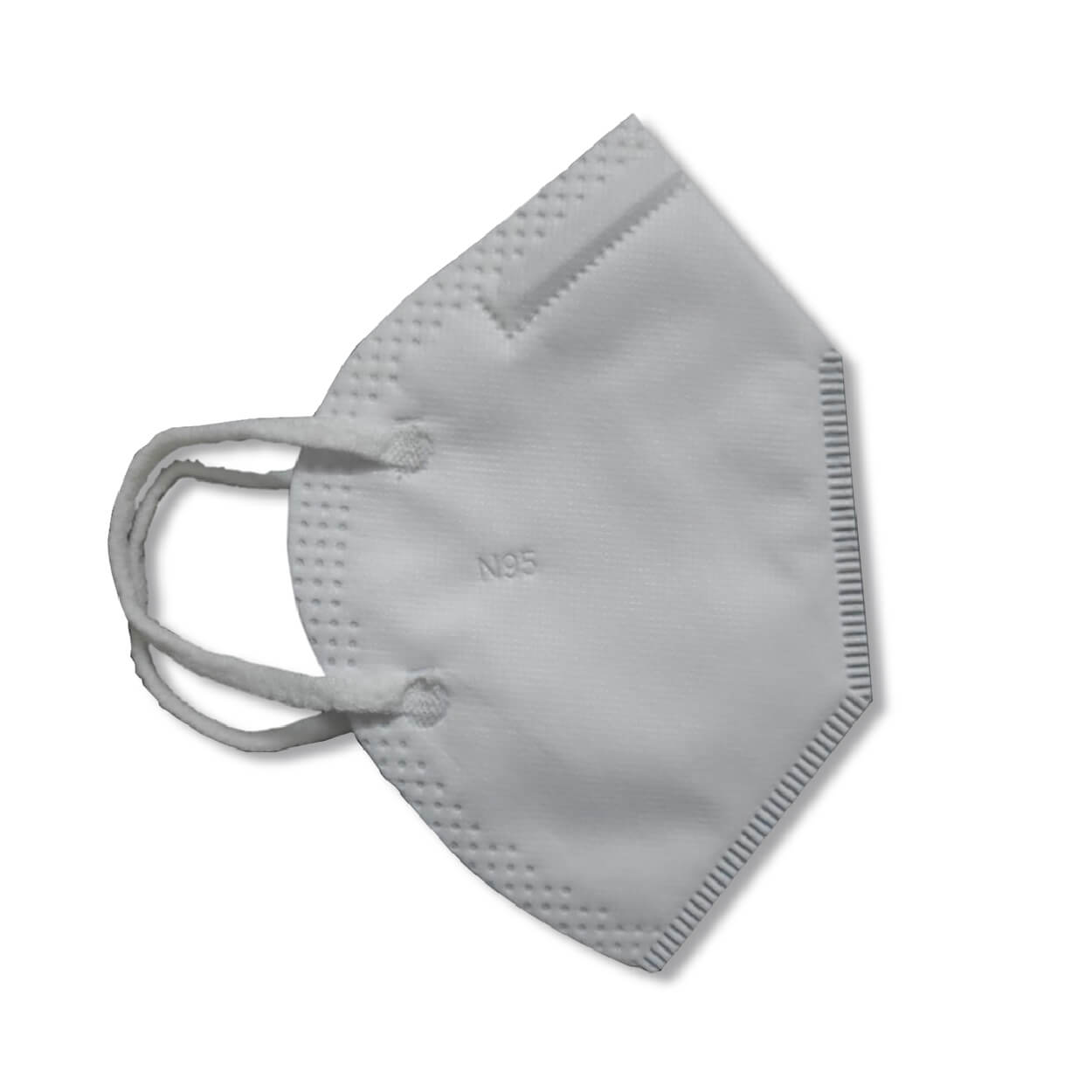
This guide covers only the 3 Ply Surgical Pollution Mask with nose pin available in packs of 100, the 3 Ply Surgical Pollution Mask with nose pin available in packs of 1000, and the N95 Anti Pollution Mask available in packs of 10.


Which surgical mask for home use should you choose?
For most routine home and personal errands, a 3 ply surgical mask with a nose pin is a practical choice because it is lightweight, easy to keep in a drawer, and simple to replace after use. If your main concern is everyday dust, short outdoor trips, guest use, or keeping surgical stock ready for family members or staff, the 3 ply surgical type with nose pin in packs of 100 or 1000 is the more convenient option. If you are specifically looking for a closer-fitting anti-pollution option for outdoor exposure, the N95 Anti Pollution Mask in packs of 10 may be more suitable.

The best choice depends less on the label alone and more on the situation. A mask that fits poorly, slips under the nose, or becomes damp will not perform as intended. Surgical use lowers exposure but gives no guarantee. For home use, the goal is to pick a mask that people will actually wear correctly, replace when needed, and store cleanly.
The role of a surgical mask at home
A surgical mask for home use is not only for one specific situation. Many households keep spares near the entrance, in a vehicle, in a work bag, or in a first-aid storage area so they are available when needed. This is especially useful during dusty cleaning tasks, short visits to crowded indoor spaces, travel preparation, or days when outdoor air feels uncomfortable.
A disposable face mask can also help maintain a basic routine: take a clean mask, wear it properly, remove it carefully, and discard it after use. That routine is often easier with a surgical pack than with loose individual pieces stored without order. When spares are easy to access, people are less likely to reuse one that is dirty, crushed, or already worn too long.
For families, offices, workshops, reception counters, and shared households, pack size matters. A pack of 100 suits regular home and small workplace use. For higher-volume settings, a pack of 1000 suits better: multiple people use them frequently, and stock needs to last longer between restocking cycles.
What does 3 ply mean in a mask?
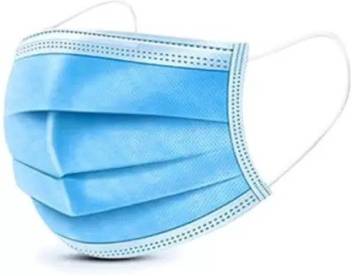
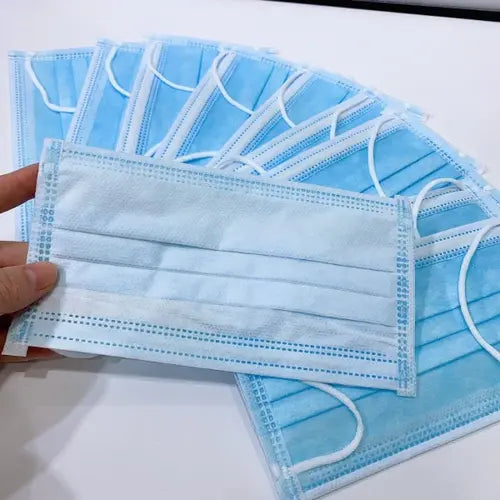
A 3 ply design has three layers that work together: an outer layer, a middle filter layer, and an inner layer that sits closer to the face. In a typical 3 ply surgical mask, the middle layer is the key filtering layer, often described as a melt blown filter layer. The purpose of this structure is to balance filtration, breathability, and comfort for everyday wear.

This “3 ply” description matters because a single thin layer does not behave the same way as a layered design. The outer layer faces the environment, the melt blown filter layer helps reduce particle exposure, and the inner layer improves comfort against the skin. Together, the layers create a practical face mask for routine use without making it too bulky.

A 3 ply surgical style with nose pin is especially useful because the nose pin helps shape the top edge of the cover around the bridge of the nose. That small feature can make a noticeable difference in comfort and fit. Without it, air may escape upward more easily, glasses may fog more, and it may shift during speaking or walking.
Why the melt blown filter layer matters
The middle layer is often the most important part of a 3 ply surgical mask. It helps capture fine particles while still allowing air to pass through with reasonable comfort. That is why people commonly associate the phrase melt blown filter with better everyday surgical construction.
For home buyers, this means you should not judge surgical quality only by appearance. Two covers may look similar from the outside, but their layer structure can affect performance, comfort, and durability during use. A proper 3 ply surgical build gives you a more reliable structure than a thin, loosely made covering.
Why a nose pin version is easier to wear
A mask with nose pin helps create a closer contour around the upper face. This can reduce side movement, improve stability, and make it feel more secure during routine activities. It also helps users position it consistently each time.
Press the nose pin gently after placing it over the nose and mouth. Do not pinch it so tightly that it causes discomfort. The aim is a comfortable seal-like shape, not pressure or pain.
surgical mask vs n95 mask for everyday decisions
The phrase surgical mask vs n95 mask usually comes up when people are trying to choose between convenience and closer fit. A surgical type is generally lighter, easier to wear for routine tasks, and simpler to distribute in larger quantities. An N95 fits more closely, and people commonly choose it when they want a stronger anti-pollution option for outdoor particle exposure.
For home use, the choice is often situational. A 3 ply surgical option may be enough for quick errands, visitors, general dust, and keeping surgical stock ready. The N95 in packs of 10 may be better reserved for times when pollution exposure is a bigger concern and the wearer can take the time to fit it properly.
Do not treat either option as a magic shield. Fit, handling, duration of use, storage, and disposal all matter. A surgical cover that you wear under the nose, touch repeatedly, or reuse beyond its practical condition loses much of its value.
Practical comparison for home buyers
| Feature | 3 Ply Surgical Pollution Mask with nose pin | N95 Anti Pollution Mask |
|---|---|---|
| Available pack sizes | Packs of 100 and 1000 | Packs of 10 |
| Best fit for | Routine home use, visitors, errands, general stock | Closer-fitting anti-pollution use |
| Comfort style | Lightweight and easy to replace | More structured fit |
| Use pattern | Good for frequent distribution | Good for selective use |
| Key detail | 3 ply structure with nose pin | Closer face fit when worn correctly |
This comparison is meant to guide everyday selection, not to overcomplicate the decision. If you need surgical stock available for many people, the 3 ply surgical mask packs make sense. If you need a smaller pack for higher pollution days or outdoor exposure, the N95 Anti Pollution Mask pack of 10 may fit that purpose better.
Is a surgical mask better than a cloth mask?
Many people prefer a surgical mask over cloth for routine disposable use because it has a defined layered structure, suits single-use convenience, and does not require washing between wears. A 3 ply surgical mask also has a middle filter layer, which gives it a more purpose-built structure than many basic cloth coverings. However, the better choice still depends on fit, cleanliness, and whether it is worn correctly.
For home use, disposable convenience is a major factor. You must wash, dry, and store a cloth covering, and replace it if it stretches or wears out. You can take a surgical piece from a clean surgical pack, use it, and discard it when it is no longer suitable.
That does not mean every surgical option automatically performs well in every situation. A poorly fitted surgical cover can leave gaps. A cloth covering that fits tightly may feel more secure than a loose surgical one, but it may not have the same structured 3 ply design. For many households, the simplest approach is to keep 3 ply surgical packs with nose pin available and use them correctly.
Does a surgical mask protect against pollution?
A surgical mask for pollution can help reduce exposure to dust and some airborne particles, especially when it has a 3 ply structure and a nose pin that improves fit. It is not the same as a closely fitted N95 Anti Pollution Mask, but it can still be useful for short, routine exposure such as commuting, light outdoor activity, or moving through dusty areas. The key is to understand its role as exposure reduction, not a guaranteed barrier.
When people search for a pollution mask, they often want something comfortable enough to wear consistently. That is where a 3 ply surgical option can be practical. It is lightweight, easy to replace, and available in pack sizes that make daily use manageable.
For heavier pollution concerns, the N95 respirator in packs of 10 may be the more appropriate option. It is still important to wear it properly, check the fit, and replace it when it becomes dirty, damaged, damp, or hard to breathe through.
When a 3 ply surgical mask is practical for pollution
A 3 ply surgical mask may be a practical option when:
- You need a surgical option for short outdoor errands.
- Guests or family members may need surgical stock available at home.
- You are doing light cleaning where dust may be present.
- A disposable face mask routine suits you better than washing reusable coverings.
- You need a nose pin version for improved upper-face fit.
- You want an easy-to-store pack for a reception desk, entry area, or household supply shelf.
The main advantage is convenience. If a cover is uncomfortable, hard to find, or difficult to replace, people may avoid wearing it when they intended to. A 3 ply surgical style solves part of that problem by being simple and ready to use.
When a closer-fitting pollution option may be preferred
The N95 Anti Pollution Mask may be preferred when outdoor air quality feels poor, when a person expects longer exposure to dust or particles, or when a closer fit is desired. Because it is available in packs of 10, it suits selective use rather than high-volume daily distribution. This makes it a practical addition alongside a larger 3 ply surgical mask pack.
The important point is to match the surgical option to the use case. A household may keep 3 ply surgical packs with nose pin for everyday use and keep the N95 pack of 10 for specific pollution-focused situations. That combination gives flexibility without requiring you to treat every situation the same way.
surgical mask pack sizes and how to plan stock
Choosing between packs of 100 and 1000 is mostly about frequency of use. A pack of 100 is easy to manage for a household, small team, reception counter, or occasional use. A pack of 1000 makes more sense when many people use them daily or when restocking less often is more convenient.
The N95 Anti Pollution Mask in packs of 10 serves a different role. It is not meant to replace bulk surgical stock in settings where many people need quick access. Instead, it is useful when a smaller quantity of closer-fitting N95 respirators is needed for specific situations.

Simple stock planning checklist
Use this checklist before choosing a surgical pack:
- Count the number of regular users. A single person needs far fewer surgical pieces than a household, office, or front desk.
- Estimate daily use. If they are worn often, a larger pack reduces the chance of running out.
- Separate routine use from pollution use. Keep 3 ply surgical mask packs for general access and N95 Anti Pollution Mask packs for more selective needs.
- Check storage space. Spares should stay clean, dry, and protected until use.
- Plan replacement, not reuse. Change disposable surgical pieces when they are damp, dirty, damaged, or no longer fitting well.
- Make access easy. Store them near the place where people leave home, receive guests, or begin dusty tasks.
Good stock planning prevents the common habit of stretching one piece far beyond its practical condition. It also helps ensure that clean spares are available when people actually need them.
how do you wear a surgical mask correctly?
To wear a surgical mask correctly, clean your hands first, place it over both nose and mouth, secure the ear loops, press the nose pin gently to shape the top edge, and keep it in place while wearing it. It should cover from the bridge of the nose to under the chin, with the sides sitting as close to the face as comfortably possible. Avoid pulling it down to speak, wearing it under the nose, or touching the front repeatedly.
Surgical wear works best when it stays in position. If you keep adjusting it, the fit may not be right, or it may be too loose. A nose pin helps because it gives the upper edge a better shape and reduces slipping.
Step-by-step wearing guide
Follow these steps for a 3 Ply Surgical Pollution Mask with nose pin:
- Start with clean hands. Handle it by the ear loops, not the front panel.
- Identify the nose pin. The stiff or shapeable edge belongs at the top.
- Place it over the face. Cover the nose, mouth, and chin fully.
- Secure the ear loops. Make sure it sits evenly on both sides.
- Shape the nose pin. Press gently along the bridge of the nose for a closer fit.
- Check for gaps. Adjust the sides so it sits comfortably against the face.
- Leave it in place. Avoid pulling it down or touching the front while wearing it.
- Remove carefully. Take it off by the loops and dispose of it properly after use.
These steps may sound basic, but they make a real difference. Many wearing problems come from rushed wearing, upside-down placement, loose nose fit, or repeated touching. A few seconds of proper placement improves comfort and consistency.

Common wearing mistakes to avoid
People can use even a good surgical mask poorly. Avoid these habits:
- Wearing the surgical cover below the nose.
- Leaving the chin uncovered.
- Crisscrossing loops if it causes side gaps.
- Touching the front panel repeatedly.
- Reusing a surgical piece that is damp, dirty, torn, or crushed.
- Keeping a used mask loose in a pocket or bag.
- Sharing a mask with another person.
A face mask is a personal-use item. Once worn, treat it as used and handle it with care. That simple habit keeps your surgical routine cleaner and easier to manage.
How long does a surgical mask last?
A surgical mask lasts only as long as it stays clean, dry, intact, and comfortable to breathe through. For routine use, replace it after a single use session or sooner if it becomes damp, dirty, damaged, stretched, or difficult to wear properly. If you remove it and cannot store it cleanly, it is better to discard it rather than keep reusing it.
The question “how long does a surgical mask last?” does not have one universal hour-based answer for every home situation. One worn briefly in a clean indoor setting may remain in better condition than one worn outdoors in dust, humidity, or heavy activity. The practical rule is to judge condition, not just time.
How many times can you wear a surgical mask?
A surgical mask suits single-use convenience, so do not treat it as a long-term reusable item. If it has already been worn, handled, folded, placed on a surface, or stored in a pocket, it may no longer be suitable for clean reuse. For households, the safest routine is to use a fresh mask when needed and dispose of the used one responsibly.
This is where a surgical pack becomes useful. When clean spares are available, people are less tempted to reuse one that has lost shape or cleanliness. Packs of 100 and 1000 support that routine better than keeping only a few loose pieces around.
For the N95 Anti Pollution Mask, replacement also depends on condition and fit. If it becomes dirty, damaged, damp, misshapen, or harder to breathe through, replace it. The more carefully you handle it, the more reliable the wearing experience will be during its intended use.
surgical mask storage and handling at home
Storage is one of the most overlooked parts of surgical use. A clean surgical mask should stay in its packaging or in a clean, dry storage area until needed. It should not be left uncovered on a table, car seat, kitchen counter, or inside a bag with keys and other items.
If you buy the 3 ply surgical type with nose pin in packs of 100 or 1000, keep the main supply protected and place a smaller number in a clean accessible container for daily use. This stops you from handling the entire pack repeatedly. For the N95 Anti Pollution Mask pack of 10, keep them in a clean place where nothing will crush them.
Home storage tips
A simple storage system can make mask use more hygienic and organized:
- Keep unopened surgical stock in a dry cabinet or drawer.
- Store daily-use spares near the entrance or work area.
- Avoid placing clean ones next to used ones.
- Do not compress them under heavy objects.
- Keep them away from moisture and strong odors.
- Use a small clean container for spares carried in a bag.
- Check the surgical piece before wearing it for tears, dirt, or weak ear loops.
Good storage supports good fit. If a surgical mask is bent, crushed, or contaminated before use, it may be less comfortable and less practical. Keeping them clean and in shape is a small habit with a big effect on daily use.

how do you dispose of a used mask?
Dispose of a used surgical piece by removing it from the ear loops, avoiding contact with the front panel, placing it in a covered waste bin, and cleaning your hands afterward. Do not leave used pieces on tables, in vehicles, on sidewalks, or loose in bags. Treat a used disposable face mask as waste, not as an item to save casually for later.
At home, it helps to place a waste bin near the area where people remove them. This makes proper disposal easy and reduces the chance of used ones being left around the house. In a workplace or shared setting, a clearly marked bin encourages the same habit.
If a mask becomes wet, dusty, torn, or visibly dirty, remove and dispose of it as soon as practical. Do not shake it, wash it for reuse, or share it. The simpler the disposal routine, the more likely people are to follow it consistently.
surgical mask buying checklist for home and daily use
Before choosing a surgical mask for home use, look beyond the product name. Consider the structure, fit, pack size, comfort, and how you will actually use them. A good buying decision is one that matches your day-to-day routine.
What to check before buying
Use this checklist when selecting between the available options:
- Layer structure: Choose a 3 ply surgical mask when you want a defined layered design.
- Nose fit: Look for a nose pin to improve upper-face shaping.
- Pack size: Choose 100 for regular home or small-setting use; choose 1000 for higher-volume needs.
- Pollution focus: Consider the N95 Anti Pollution Mask in packs of 10 when you prefer a closer fit for pollution exposure.
- Comfort: A surgical option should be breathable enough for the intended activity.
- Handling: Each piece should be easy to remove without touching the front panel.
- Storage: The pack should be easy to keep clean, dry, and protected.
- Replacement routine: Make sure you have enough spares to avoid overusing one piece.
This checklist keeps the decision practical. Instead of asking only which one sounds strongest, ask which one fits the setting, the users, and the frequency of use. A cover that is available, comfortable, and worn correctly is more useful than one that stays unused in a drawer.
Matching mask choice to real-life situations
Different home and daily situations call for different mask habits. You do not need to overthink every moment, but it helps to match the surgical option to the job. A 3 ply surgical mask, a surgical mask for pollution, and an N95 Anti Pollution Mask can all have a place when used thoughtfully.
For quick errands, a 3 ply surgical style with nose pin is usually practical because it is light and disposable. A pack of 100 or 1000 makes access simple for guests or staff. For days when pollution exposure is a bigger concern, keeping the N95 pack of 10 available gives you a more selective option.

Everyday examples
Here are a few simple ways to think about surgical choice:
- At the front door: Keep a small number of 3 ply surgical pieces ready for visitors or quick trips.
- In a cleaning kit: Add a 3 ply surgical mask for dusty household tasks.
- In a work bag: Carry a clean mask in a protective pouch or container.
- For shared spaces: Use a surgical pack so clean spares are available without searching.
- In high-use areas: Choose the pack of 1000 when many people need them regularly.
- For pollution-focused days: Keep the N95 Anti Pollution Mask pack of 10 for closer-fitting use.
The point is not to create a complicated system. It is to make the right mask easy to find at the right time. The easier the routine, the more consistently people follow it.
The comfort factor in surgical mask selection
Comfort is not a minor detail. If a cover irritates the ears, slips down, feels too warm, or fogs glasses constantly, people are more likely to adjust it or stop wearing it. A comfortable surgical mask supports better use because it stays in place with less effort.
The nose pin helps with comfort because it shapes the top edge. Ear loops should hold it securely without pulling too tightly. The inner layer should feel smooth enough for the intended wearing period.
Breathability also matters. A cover can have a good structure, but if the wearer finds it uncomfortable for the task, it may not be the right choice for that situation. That is one reason many homes keep both 3 ply surgical packs and a smaller N95 Anti Pollution Mask pack for different needs.
surgical mask myths that create poor habits
A few common assumptions can lead to poor use. One myth is that any face cover works the same as long as it covers the face. In reality, layer structure, fit, nose shaping, and condition all matter.
Another myth is that people can reuse a surgical mask indefinitely if it still looks acceptable from a distance. It may lose shape, collect moisture, or become dirty even when it does not look severely damaged. If it no longer sits properly or feels clean, replace it.
A third myth is that a stronger-sounding option is always the better choice. The best option depends on the situation. A 3 ply surgical version may be more practical for everyday distribution, while the N95 Anti Pollution Mask may be better for selected pollution-focused use.
Final takeaway on surgical mask choice
A surgical mask for home use should be simple to wear, easy to replace, and suitable for the situation. The 3 Ply Surgical Pollution Mask with nose pin in packs of 100 or 1000 is practical for routine household, visitor, workplace, and daily-use needs, while the N95 Anti Pollution Mask in packs of 10 fits more selective anti-pollution use.
If you remember only a few points, choose one with the right structure, wear it over both nose and mouth, shape the nose pin, replace it when it becomes damp or dirty, and dispose of it carefully after use. A surgical mask works best as part of a consistent routine: clean storage, correct wearing, careful removal, and responsible disposal.
Explore Medical Collections
All Categories
Abdominal & Maternity Support

Accessories

Accu-Chek Instant Strips: Use, Compatibility, Price & Blood Sugar Testing Guide
Accu-Chek Instant Strips: Uses, Features & Complete Guide

Accupressure Products for Pressure Point Therapy, Pain Relief & Wellness

accupuncture

Acupuncture Needles & Supplies

Advanced Physiotherapy Machines & Lumbar Physiotherapy

Airways

Ambulance

Anatomy Models
Anesthesia Machine

Anesthesia Products
Ankle Support for Home Use: Braces, Sleeves & Walker Boots

Ankle Weights & Exercise Weights for Home & Rehab
You may also need
FOR YOURecommended for you
Save 15%
Save 23%
Save 29%
Save 78%
Save 53%
Save 10%
Save 73%
Save 50%
Save 23%