


Featured ChoiceSave 50%

Save 50%
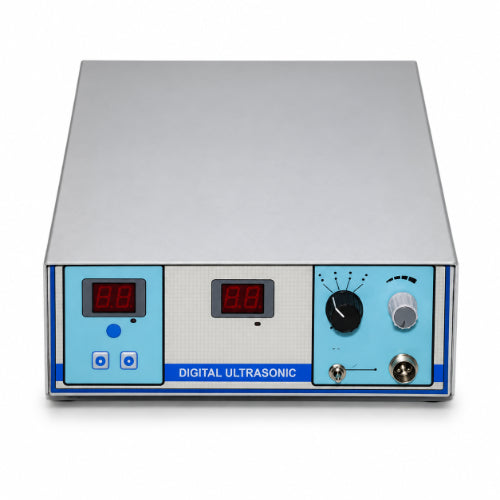

Save 53%
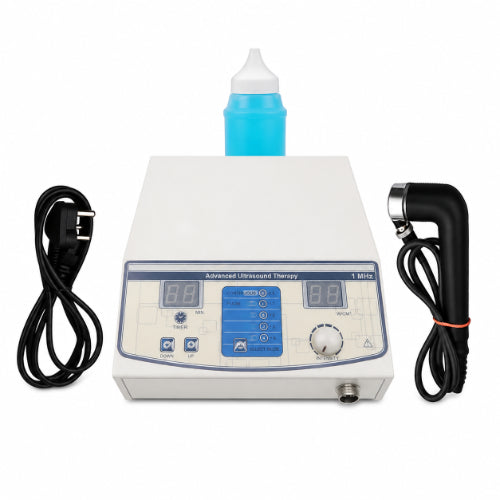
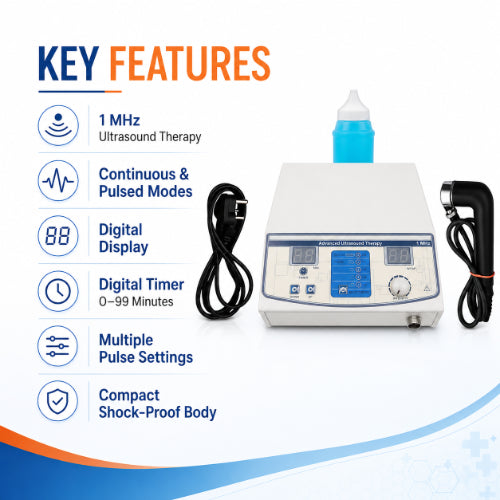

Save 20%

Save 46%
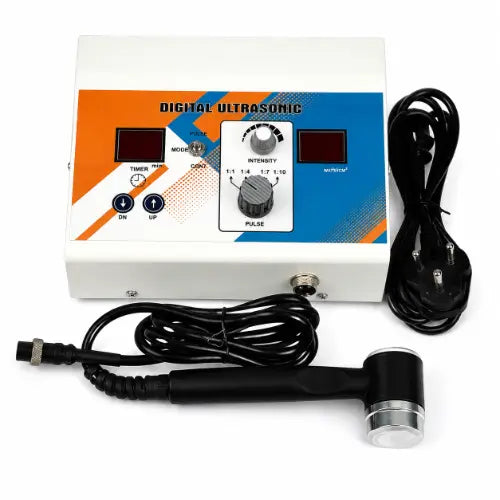
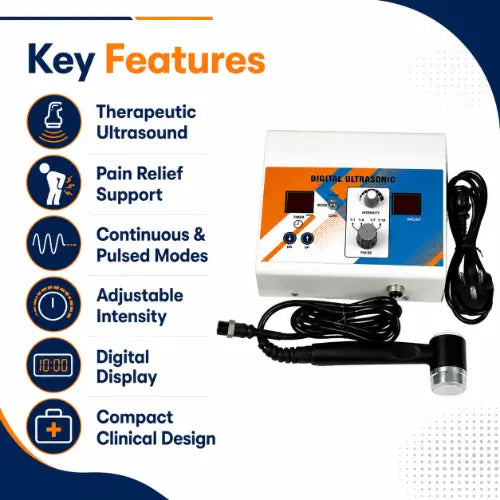

Save 57%
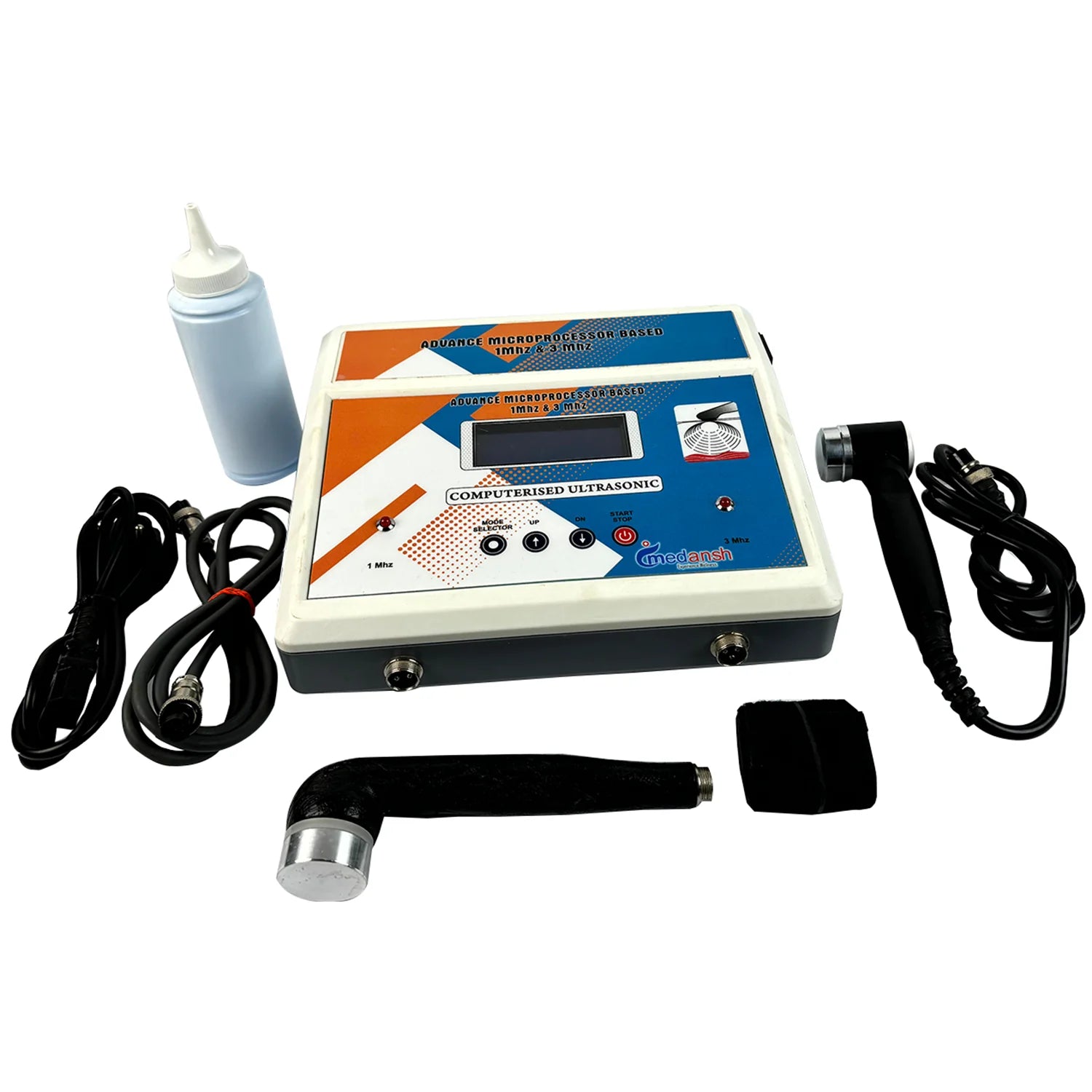
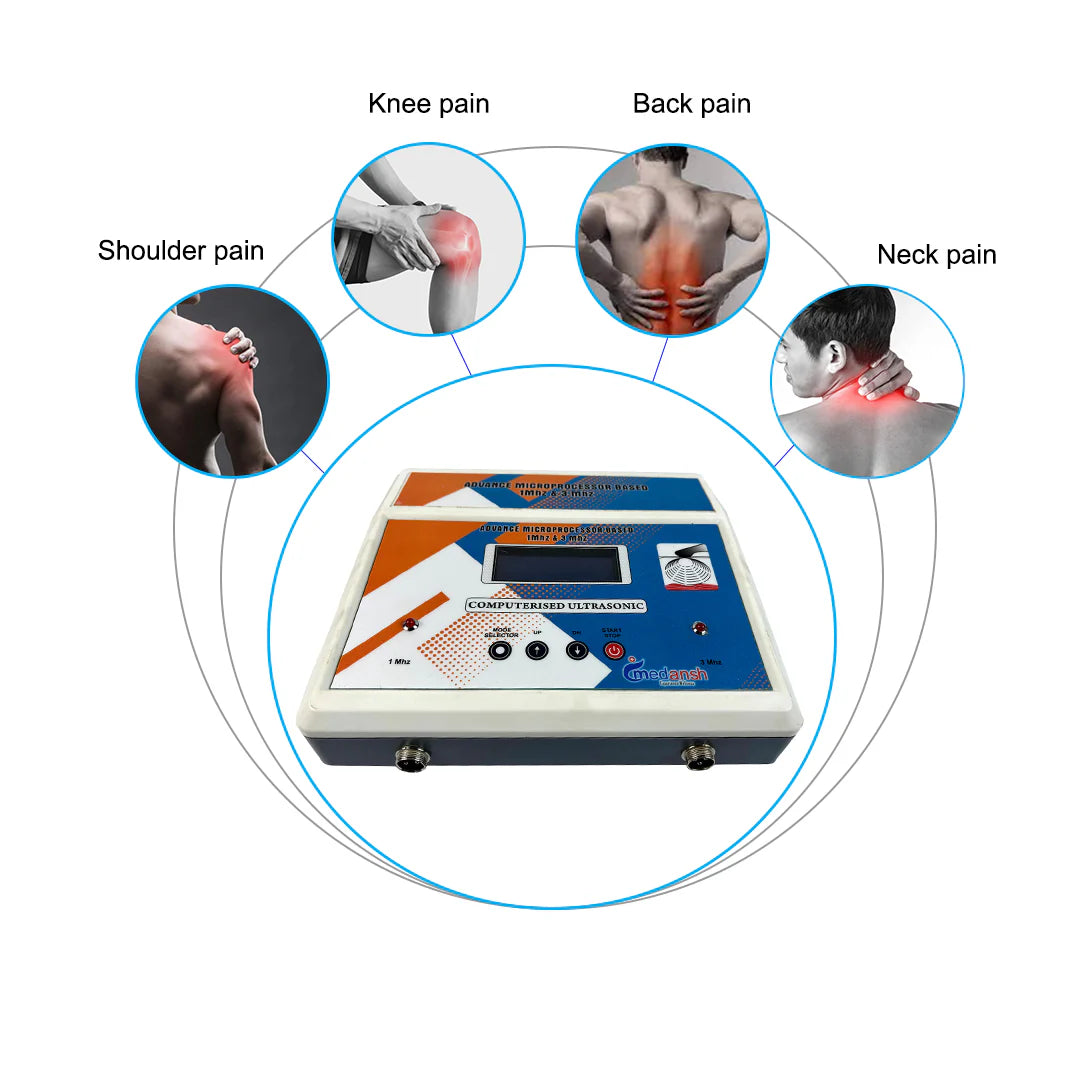

What customers say
★★★★★ 5.0 · 4 reviews
 Ultrasound Gel, 250 ml (Pack of 10)
“Very nice and on time delivered”
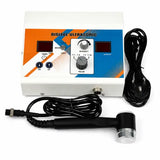 Medansh Portable Digital Ultrasonic Therapy Machine with 1 Year Warranty
“Portable, powerful, great for pain relief!”
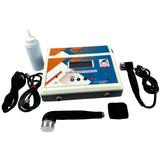 Medansh Ultrasonic LCD 27 Program 1MHz and 3MHz with 1year warranty
“Versatile, effective, great for recovery!”
“This is an incredible device for pain relief and muscle therapy. The variety of programs is great for custo...”
Ultrasound machine: diagnostic vs therapeutic types
Ultrasound machine means medical equipment that uses sound waves for body imaging or physiotherapy care. It helps trained professionals either view internal body structures or apply therapeutic ultrasound during physiotherapy.
For Indian families, the key point is simple. A diagnostic ultrasound machine is for images. A therapeutic ultrasound machine is for physiotherapy use. These two types do different jobs and should not be swapped.
Medical use must stay under a doctor, qualified radiology team, or trained physiotherapist. Ultrasound energy is usually considered safe when used prudently by trained health care providers, but it can still affect body tissue if used wrongly.
What is an ultrasound machine?
An ultrasound machine is a medical device that sends high-frequency sound waves into the body. The reflected sound helps form images, or the sound energy supports physiotherapy use.
The word “ultrasound” means sound above normal human hearing. The device uses this sound in a controlled way. It does not use ionising radiation like X-ray imaging.
Most families hear about ultrasound during a hospital visit. A doctor may advise diagnostic imaging for a health question. A physiotherapist may use a therapeutic ultrasound machine for a musculoskeletal plan.
Both uses need skill. The device does not decide care by itself. A trained person must assess the patient first.
Diagnostic imaging half: ultrasound machine use for viewing inside the body
Diagnostic ultrasound imaging helps medical teams see soft tissues and body structures. The machine sends ultrasound waves through a probe placed on the skin.
The returning echoes become a live image. A trained operator moves the probe and studies the image. A doctor then connects the image with symptoms and history.
This half of ultrasound use is only for explanation here. Families should not treat diagnostic imaging as a home activity. The machine, report, and medical meaning belong in a clinical setting.
The FDA notes that ultrasound imaging has been widely used in medical care. It also says providers should use it prudently and appropriately.
How does ultrasound technology work?
Ultrasound technology works by sending sound waves into the body and reading the returning echoes. Different tissues reflect sound in different ways, so the device can create useful images.
A probe touches the skin with gel between the probe and skin. The gel helps sound pass more smoothly. Air gaps can block sound and reduce image quality.
The unit changes returning echoes into visual information. The image changes as the probe moves. This live view helps trained staff examine the required area.
In physiotherapy, the idea is different. The therapeutic ultrasound machine does not aim to make pictures. It applies ultrasound energy to a selected area under professional guidance.
Digital ultrasound machine meaning for family readers
A digital ultrasound machine uses digital processing to handle ultrasound signals. It receives echoes, processes them electronically, and shows information on a screen.
The question “What is meant by a digital ultrasound machine?” often comes from families comparing modern medical words. In simple terms, digital means the machine processes signals through electronic systems, not older analogue methods.
Digital does not mean automatic diagnosis. It also does not mean every machine has the same role. A digital diagnostic machine and a therapeutic ultrasound machine still serve different purposes.
For a family user, the practical point is clear. Do not judge safety or suitability from the word “digital”. Ask who will operate the unit and why it is being used.
Diagnostic ultrasound machine workflow in a clinic
A diagnostic ultrasound machine is usually used after a doctor advises imaging. The patient lies or sits as instructed by the clinic team.
Gel is applied on the skin. The operator places the probe on the area. The unit creates images as the probe moves.
The operator may ask the patient to change position. The patient should follow simple instructions calmly. Clear communication helps the examination go smoothly.
After imaging, a qualified person reviews the images. Families should avoid self-reading images on the screen. A medical report needs training and clinical context.
Diagnostic ultrasound machine limits families should understand
A diagnostic ultrasound machine can give useful information, but it is not magic. Image quality depends on the body area, operator skill, and clinical question.
Some health conditions need other tests. A doctor may choose a different test after examining the patient. This does not mean ultrasound failed.
Families should share symptoms honestly. They should mention past surgery, medicines, pain, and reports. The device supports medical judgement, but it cannot replace it.
The FDA advises medical imaging decisions through health care providers. It also supports choosing imaging with little or no ionising radiation when medically appropriate.
Therapeutic ultrasound machine half for physiotherapy care
A therapeutic ultrasound machine is used by physiotherapists as part of a care plan. It is not used to create body images.

This machine sends ultrasound energy through a treatment head placed on the skin. Gel is used between the head and skin. The physiotherapist moves and controls the application.

Therapeutic ultrasound may be one part of physiotherapy. It may sit beside exercise, posture advice, movement work, and manual therapy. The exact plan depends on professional assessment.
No family should use a therapeutic ultrasound machine casually. A painful area may have many causes. Wrong use can delay proper medical care.
How is therapeutic ultrasound different from diagnostic ultrasound imaging?
Therapeutic ultrasound is different because it applies ultrasound energy for physiotherapy care. Diagnostic ultrasound imaging uses echoes to form images for medical assessment.
The purpose changes everything. A diagnostic machine is made for viewing. A therapeutic ultrasound machine is made for physiotherapy application.
Families sometimes think both machines are similar because both use ultrasound. That is not correct. The same word does not mean the same use.

|
Point |
Diagnostic ultrasound machine |
Therapeutic ultrasound machine |
|---|---|---|
|
Main purpose |
Creates body images |
Supports physiotherapy care |
|
Usual operator |
Trained imaging professional |
Trained physiotherapist |
|
Output |
Visual image |
Applied ultrasound energy |
|
Family role |
Follow clinic instructions |
Follow physiotherapy advice |
|
Home use idea |
Not for self-use |
Not for self-use without guidance |
|
Gel use |
Helps probe contact |
Helps treatment head contact |
This difference matters for safety. A therapeutic ultrasound machine cannot replace diagnostic imaging. A diagnostic ultrasound machine should not be treated like a physiotherapy device.
Can a therapeutic ultrasound machine be used for scanning?
No, a therapeutic ultrasound machine cannot be used for scanning or making medical images. It is designed for physiotherapy application, not diagnostic imaging.
It does not provide the image system needed for medical viewing. It also does not replace a radiology visit. If a doctor asks for imaging, use the advised clinical route.
Families should not ask a physiotherapist to “check inside” with a therapeutic ultrasound machine. That is not its job. It cannot confirm internal problems by showing pictures.
The safe path is simple. Use diagnostic imaging only when a doctor advises it. Use therapeutic ultrasound only when a trained physiotherapist includes it in care.
Which type of ultrasound machine do physiotherapists use?
Physiotherapists use a therapeutic ultrasound machine when ultrasound is part of the treatment plan. The machine is made for physiotherapy application, not for image diagnosis.

A trained physiotherapist decides whether it suits the person. The decision depends on assessment, symptoms, medical history, and safety checks. It should not be chosen only because pain is present.
Therapeutic ultrasound can involve risks if misused. Professional guidance matters because body areas and health conditions differ. Safety checks must come before application.
Anyone buying a machine should still arrange trained use.
Therapeutic ultrasound machine role in a physiotherapy plan
A therapeutic ultrasound machine is usually not the whole plan. Physiotherapy often needs movement education, strengthening, stretching, or activity changes.

The machine may support a broader plan chosen by the physiotherapist. It should not become a shortcut. Pain often needs a full assessment, not only one device.
Good physiotherapy also includes feedback. The patient should tell the therapist about discomfort, warmth, skin feeling, or unusual symptoms. The therapist can then adjust or stop use.
Families should avoid pressuring a therapist for machine use. The therapist may decide another method is better. That choice can be safer and more suitable.
Why is coupling gel used with therapeutic ultrasound?
Coupling gel is used with therapeutic ultrasound because sound does not pass well through air. Gel reduces air gaps between skin and the treatment head.

Without gel, contact can become poor. Poor contact can reduce proper energy transfer. It may also increase discomfort or risk.

The FDA notes that gel can help good contact and reduce burn risk in therapeutic ultrasound uses.
Families should use the gel advised for the machine and care setting. Do not replace gel with household creams. A trained physiotherapist should guide correct use.
Ultrasound gel is an important support item for therapeutic ultrasound machine use in physiotherapy.
Ultrasound machine gel use and clean handling
Gel touches skin, so cleanliness matters. The bottle cap, nozzle, and treatment area should stay clean.
Do not share open gel carelessly between unclean surfaces. Avoid touching the nozzle directly to skin if hygiene may be affected. Follow the clinic or physiotherapist’s method.
Skin should also be checked before use. Broken skin, infection signs, or unusual irritation need professional attention. A physiotherapist should decide whether application is suitable.
Research-based physical therapy guidance notes caution for ultrasound over skin loss or skin at risk of breakdown. It also warns that warming gel gives no therapeutic benefit and may support microbial growth.
Who should operate a therapeutic ultrasound machine?
A trained physiotherapist should operate a therapeutic ultrasound machine for physiotherapy care. Medical use should not be handled by an untrained family member.

This answer matters for homes in India. Many families care for elders, athletes, and working adults at home. Still, the device needs proper assessment and safe handling.
A trained physiotherapist understands body areas, warning signs, and contraindications. The therapist also knows when not to use the machine. This judgement protects the patient.
Family members can support care in simple ways. They can arrange appointments, note symptoms, and keep gel ready. They should not decide application on their own.
What safety precautions apply to therapeutic ultrasound?
Therapeutic ultrasound safety starts with professional assessment, correct contact, clean gel use, and stopping when discomfort appears. It should never be used casually or over risky areas.
The physiotherapist should ask about health history. The patient should mention implants, sensation changes, skin problems, recent surgery, fever, and serious illness. Honest answers help safe decisions.
Do not use the machine over areas the therapist has not checked. Do not use it when pain is unexplained. Do not continue if the patient feels unusual discomfort.
Therapeutic ultrasound can cause tissue burns in some uses if not handled safely. Good contact and trained use help reduce risk.
Ultrasound machine precautions for Indian home settings
Many Indian homes are busy and shared. A therapeutic ultrasound machine should be stored and handled with care.
Keep the machine away from children. Keep wires and the treatment head safe from falls. Do not use it near spills or wet floors.
Use it only in a clean, calm area. The patient should sit or lie comfortably. The physiotherapist should have enough space to work.
Do not copy online videos for treatment. A video cannot examine the patient. A trained professional must decide whether therapeutic ultrasound suits the case.
Therapeutic ultrasound machine should not promise cure
A therapeutic ultrasound machine should never be presented as a guaranteed cure. Health recovery depends on diagnosis, body condition, movement, rest, and medical care.
Families should be careful with strong claims. Words like “sure relief” or “permanent result” can mislead. Responsible care avoids promises.
A physiotherapist may explain the expected role of ultrasound. That explanation should stay specific to the patient. It should not become a blanket claim for every pain.
If pain worsens or new symptoms appear, contact a doctor. Do not keep using it to avoid medical review. The machine supports care; it does not replace care.
Ultrasound machine comparison for common family doubts
Families often hear many terms at once. This simple table keeps the main ideas clear.
|
Family doubt |
Simple answer |
|---|---|
|
What is an ultrasound machine? |
A device using sound waves for imaging or physiotherapy use. |
|
What is meant by a digital ultrasound machine? |
A machine that processes ultrasound signals electronically. |
|
Can a therapeutic ultrasound machine be used for scanning? |
No, it does not create diagnostic images. |
|
Which type do physiotherapists use? |
A therapeutic ultrasound machine for physiotherapy care. |
|
Why is gel used? |
Gel helps sound contact by reducing air gaps. |
|
Who should operate it? |
A trained professional, usually a physiotherapist for therapy. |
|
Is it a cure? |
No, it is only one possible part of care. |
This table is not medical advice. It only helps families ask better questions. A doctor or trained physiotherapist should guide real use.
Diagnostic ultrasound machine questions to ask your doctor
Before diagnostic imaging, families can ask simple questions. These questions help reduce confusion and fear.
Ask why the doctor recommends ultrasound imaging. Ask which body area will be examined. Ask whether any preparation is needed.
Also ask when and how the report will be explained. Do not depend only on the screen view. The medical meaning comes from the report and clinical judgement.
Keep previous reports with you. Tell the doctor about ongoing medicines and symptoms. Clear information helps the medical team choose the right path.
Therapeutic ultrasound machine questions to ask your physiotherapist
Before therapeutic ultrasound, ask why the physiotherapist recommends it. Ask how it fits into the full physiotherapy plan.
Ask what you should feel during application. Ask when to report discomfort. Ask which activities you should avoid or continue.
Do not ask for exact device choices based on brand names. The safer question is about suitability and professional handling. The machine matters, but assessment matters more.
If the physiotherapist says it is not needed, respect that decision. Not every pain needs a therapeutic ultrasound machine. Care should match the person.
Ultrasound machine warning signs families should not ignore
Stop and speak to a professional if the patient feels unusual pain. Also report burning, numbness, dizziness, skin changes, or sudden swelling.

Do not hide discomfort to “complete” use. The body gives signals for a reason. A trained person should review the situation.
If symptoms are severe or sudden, contact a doctor quickly. Do not depend on a home physiotherapy device. Some conditions need urgent medical attention.
Families should also avoid repeated self-use. Repetition without assessment can be unsafe. The machine should follow a care plan, not habit.
Ultrasound machine buying mindset for families
When buying for physiotherapy use, start with the patient’s care plan. Do not start with the machine.
Speak to the treating physiotherapist first. Ask whether therapeutic ultrasound is suitable. Ask who will use it and how safety will be managed.
A machine or gel is not a substitute for medical advice.
Do not expect it to solve every pain. Keep realistic expectations. Use should remain professional, careful, and patient-specific.
Ultrasound machine care at home after purchase
Home care starts with reading the user information supplied with the machine. Families should also follow the physiotherapist’s instructions.
Keep the machine clean and dry. Store the treatment head carefully. Keep cables free from pulling and bending.
Use only suitable ultrasound gel advised for therapeutic ultrasound. Wipe excess gel after use as guided. Keep the gel container clean.

Do not open or repair the machine at home. If anything seems damaged, stop using it. Contact the seller or qualified service support.
Ultrasound machine myths Indian families should avoid
One myth says any ultrasound machine can do any ultrasound work. This is false. Diagnostic imaging and physiotherapy use are different.
Another myth says more use means better care. This is not safe thinking. A trained professional decides need and use.
A third myth says gel is optional. Gel is part of proper contact. Skipping it can make use unsafe or ineffective.
A fourth myth says family members can learn everything from short videos. Videos may explain basics, but they cannot examine a patient. Professional judgement is still needed.
Ultrasound machine safety depends on people, not only equipment
A machine becomes useful only when the right person uses it correctly. Training, assessment, hygiene, and patient feedback all matter.
The FDA explains that ultrasound energy may produce biological effects. It also says ultrasound imaging is generally considered safe when used prudently by trained providers.
This idea also helps families understand therapy use. Safety does not come from the label alone. Safety comes from proper use and correct decision-making.
Therefore, families should avoid shortcuts. Ask questions. Share symptoms. Follow professional advice.
Ultrasound machine choice starts with the purpose
Always begin with one question. Is the need diagnostic imaging or physiotherapy care?
If the doctor wants images, the path is diagnostic ultrasound imaging in a clinical setting. A therapeutic ultrasound machine cannot do that job.
If the physiotherapist includes ultrasound in care, the path is therapeutic ultrasound. That machine supports physiotherapy use only.
This purpose-first thinking prevents confusion. It also helps families avoid buying the wrong product. The right question is not “which machine is popular?” The right question is “what use has the professional advised?”

Ultrasound machine terms in plain language
Here are simple meanings families can remember.
|
Term |
Plain meaning |
|---|---|
|
Ultrasound |
High-frequency sound used in medical equipment. |
|
Machine |
The device that creates and controls ultrasound. |
|
Probe |
The handheld part used for diagnostic imaging. |
|
Treatment head |
The handheld part used in physiotherapy ultrasound. |
|
Gel |
A contact medium placed between skin and device head. |
|
Diagnostic |
Used to help examine and understand health concerns. |
|
Therapeutic |
Used as part of physiotherapy care. |
|
Digital |
Uses electronic processing for signals and display. |
These words can feel technical at first. Once purpose is clear, the terms become easier. Families should still ask professionals to explain any unclear word.
Ultrasound machine use for elders at home
Many Indian families care for elders at home. A therapeutic ultrasound machine may look helpful for joint or muscle complaints. Still, elders need careful assessment.
Older adults may have other health issues. They may also have reduced skin sensation. They may not report discomfort quickly.
A physiotherapist should check the person before use. Family members should watch comfort and communication. Never use the machine on an elder without professional guidance.
If an elder has sudden pain, weakness, fever, or swelling, seek medical advice. Do not treat new symptoms as simple body pain. The machine should not delay diagnosis.
Ultrasound machine use for sports or work pain
Young adults may want quick help for sports or work pain. A therapeutic ultrasound machine may be suggested by a physiotherapist in some plans.
But pain can come from many causes. Strain, posture, load, nerve irritation, and injury can feel similar. A proper assessment matters.
The machine should not replace rest advice, exercise correction, or medical review. It should also not be used to keep playing through serious pain.
Families should support sensible recovery. Follow the physiotherapist’s plan. Avoid self-use based on gym talk or office advice.
Ultrasound machine communication checklist before use
Clear communication makes care safer. Before therapeutic ultrasound, the patient should tell the physiotherapist key details.
Share where the pain is. Share how it started. Share what increases or reduces it.
Mention skin problems, numbness, fever, swelling, or recent injury. Mention medical conditions and procedures. Mention any advice already given by a doctor.
During use, speak up early. Tell the physiotherapist if anything feels uncomfortable. Do not wait silently.
After use, follow the plan given. If symptoms change, report them. Good care needs teamwork.
Ultrasound machine expectations should stay realistic
Families often want a simple answer for pain. That is understandable. Daily life, work, travel, and sleep can become difficult.
Still, no machine should be treated as a guaranteed answer. Body problems need assessment and time. Physiotherapy may involve active work from the patient.
A therapeutic ultrasound machine may be one tool in that care. It should sit inside a plan made by a trained physiotherapist. It should not become the whole plan.
Diagnostic ultrasound imaging also has limits. It can help doctors see certain structures. It does not replace full clinical judgement.
Ultrasound machine summary for family decisions
The most important difference is purpose. Diagnostic ultrasound imaging creates images. Therapeutic ultrasound supports physiotherapy care.
A therapeutic ultrasound machine cannot be used for scanning. A diagnostic imaging machine should not be treated as a therapy device. The two roles are separate.
Gel matters because ultrasound needs good contact. Professional guidance matters because bodies differ. Safety depends on correct assessment and use.
For physiotherapy use, the relevant product types are therapeutic ultrasound machines and ultrasound gel. Use them with trained guidance and realistic expectations.
Ultrasound machine final checklist
-
Understand that an ultrasound machine uses sound waves for medical imaging or physiotherapy care.
-
Remember that diagnostic ultrasound imaging creates body images for medical assessment.
-
Remember that a therapeutic ultrasound machine supports physiotherapy care and does not create images.
-
Ask a doctor before any diagnostic ultrasound imaging decision.
-
Ask a trained physiotherapist before therapeutic ultrasound machine use.
-
Never use a therapeutic ultrasound machine for scanning.
-
Never treat the machine as a guaranteed cure.
-
Use ultrasound gel because it improves contact between skin and the device head.
-
Keep gel clean and avoid unsafe substitutes.
-
Stop use and report discomfort, burning, numbness, or skin changes.
-
Do not copy online videos for medical use.
-
Keep the machine away from children, spills, and damage.
-
Share symptoms, medical history, and skin concerns before use.
-
Buy only for the purpose advised by a trained professional.
-
For physiotherapy use, focus on therapeutic ultrasound machines and ultrasound gel.
Sources:
-
U.S. Food and Drug Administration (FDA): Ultrasound Imaging
-
U.S. Food and Drug Administration (FDA): Non-Invasive Body Contouring Technologies
-
Physical therapy guidance on ultrasound precautions, PubMed Central (PMC3031347)
Explore more physiotherapy equipment
Ultrasound therapy machine
Explore Medical Collections
All Categories
Abdominal & Maternity Support

Accessories

Accu-Chek Instant Strips: Use, Compatibility, Price & Blood Sugar Testing Guide
Accu-Chek Instant Strips: Uses, Features & Complete Guide

accupuncture

Acupuncture Needles & Supplies

Advanced Physiotherapy Machines & Lumbar Physiotherapy

Airways

Alcohol Swab: Uses, Safe Use and Disposal Guide
Ambu Bag Full Form: Is There an Official Meaning?

Ambu Bag: Parts, Uses and Safety Guide
Ambu Full Form: What the Name Means and BVM Basics

Ambulance

Anatomy Models
Anesthesia Machine
You may also need
FOR YOURecommended for you
Save 50%
Save 50%
Save 53%
Save 20%
Save 46%
Save 57%