


Featured ChoiceSave 36%

Save 31%

Save 42%


Save 29%

Sold out

What customers say
★★★★★ 5.0 · 10 reviews
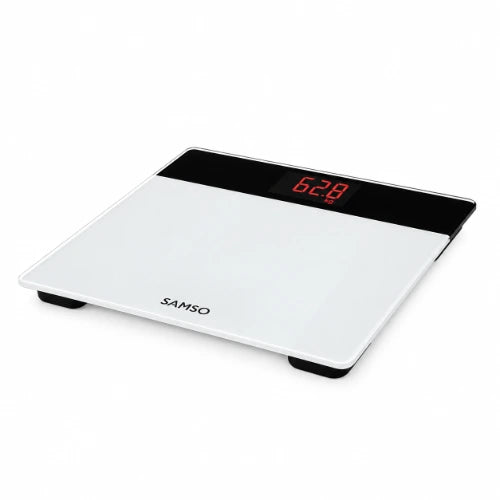
 SAMSO Supreme Automatic Digital Weighing Scale 180 kg
“The SAMSO Supreme Automatic Digital Weighing Scale is super accurate, easy to use, and has a sleek design. ...”
“This is a game-changer! It’s sleek, modern, and delivers incredibly accurate readings every time. The displ...”
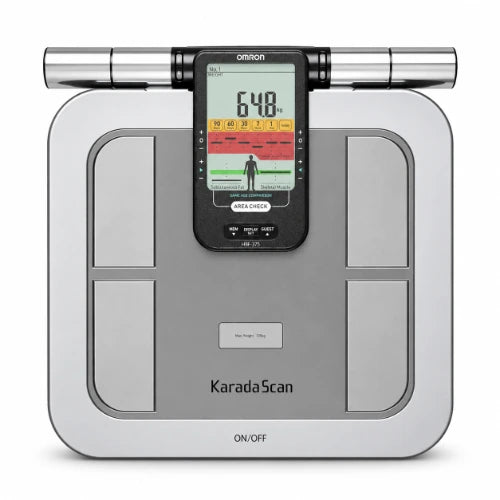
 Omron HBF-375 Karada Scan Body Composition Monitor
“Love this device! The readings are consistent and detailed. Great for tracking body fat, muscle mass, and m...”
“This is a great buy! It provides precise body composition data”
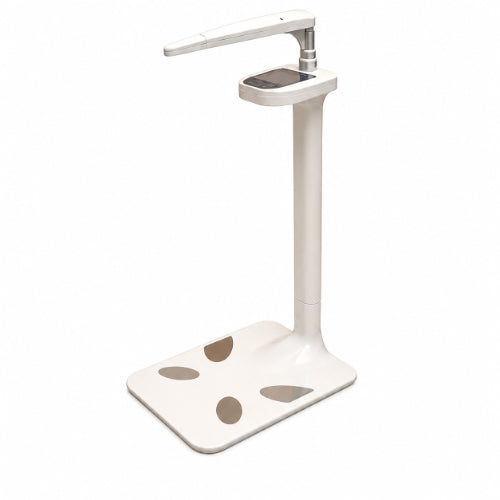
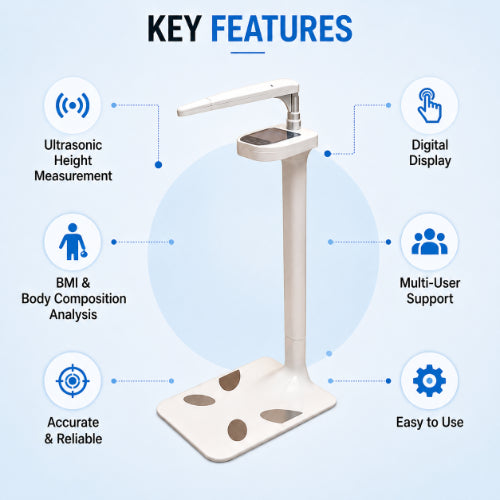
 Ultrasonic Digital BMI Body Fat Scale | Smart Body Composition Scale
“amazing!”
“I’m really impressed with the Ultrasonic Digital BMI Body Fat Scale! It provides precise measurements of bo...”
 Beurer GS10 Bathroom Weight Machine
“The Beurer GS10 Bathroom Weight Machine is sleek, easy to use, and gives precise readings. A great addition...”
“This is fantastic! It’s sleek, modern, and fits perfectly in any bathroom. The digital display is clear, an...”
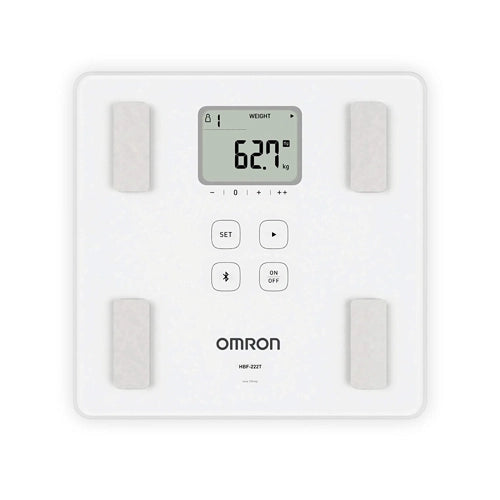
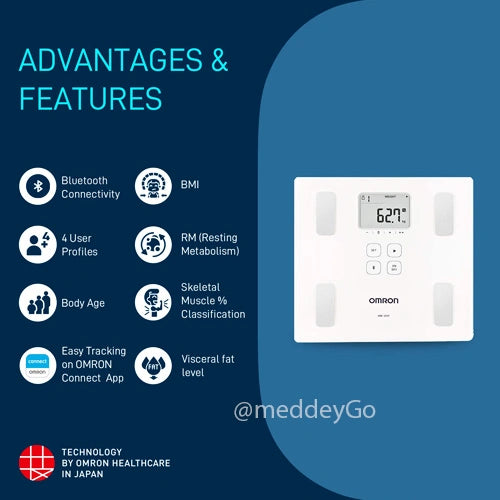
 Omron HBF 222T Complete Digital Body Composition Monitor With Bluetooth
“Syncs seamlessly with my phone. Tracks weight, BMI, and more!”
“This is fantastic! Accurate readings, Bluetooth connectivity is smooth”
Weighing Machine for Home: Digital, Body Fat & Baby Scale
Weighing machine for home use: digital, body fat & baby scale guide
Weighing machines for home use help you check body weight regularly without visiting a clinic or gym. For most Indian homes, the right choice depends on who will use it, how easy it is to read, where it will be kept, and whether you want only weight or extra body composition estimates. This guide explains mechanical scales, digital bathroom scales, body fat scales, smart Bluetooth models, and baby weighing scales in simple language so you can choose with confidence.
Consult your doctor before using a body composition weighing machine if you have a pacemaker, an implanted medical device, or are pregnant.
Before buying any weighing scale, remember one important point: a home weighing machine is a tracking tool, not a medical device. It does not diagnose health problems, it does not make you lose weight, and body fat readings are only estimates. If you have health concerns, sudden weight changes, pregnancy-related questions, or medical conditions, speak to a doctor.
What is a weighing machine?
A weighing machine is a device that measures weight and shows the result on a dial or digital display. At home, people usually use it to check body weight, monitor a baby’s growth between doctor visits, or follow fitness progress in a simple way. In India, most home weighing machines show weight in kilograms, and some also show grams, pounds, BMI, body fat estimate, or app-based records.


The common home options are mechanical spring scales, digital bathroom scales, body fat or body composition scales, smart Bluetooth scales, and baby weighing scales. You may also see products called weight machine, body weight machine, weight check machine, electronic weight machine, or digital weight machine. These names often describe similar products, but the features can be very different.
A good weighing machine should be easy to step on, easy to read, stable on the floor, and suitable for the user’s weight range. It should also fit your home routine. For example, an older adult may prefer a large platform and bright display, while a fitness-focused user may want app tracking and body composition estimates.
The main types of weighing machines for home use
The best weighing machine is not always the most expensive one. It is the one that matches your purpose, family members, space, and comfort level. Here are the four main categories used in homes.

Mechanical spring scales
A mechanical weighing machine, also called a spring scale, uses an internal spring and a dial. When you stand on it, your weight compresses the spring, and the pointer moves to show your body weight. It does not need a battery, which makes it simple for homes where people want a basic weighing option.

This type suits users who want a low-maintenance weighing machine for human body weight checks and do not need app records, body fat estimates, or digital numbers. It can be useful for occasional checks, but the dial may be harder to read for older adults or anyone with weak eyesight. Over time, spring scales may also need adjustment because the pointer can shift from zero.
When choosing a mechanical weighing machine, check the maximum weight capacity, dial size, platform size, and base strength. A larger platform feels more stable, especially for adults with bigger feet. Metal bases may feel strong, while plastic models may be lighter and easier to move, but stability matters more than looks.
Digital bathroom scales
Digital bathroom scales use sensors to measure weight and show the number on an electronic display. A digital weighing scale is popular because it is easy to read, usually compact, and often gives results in clear numbers. Many homes in India prefer this type because it fits in bedrooms, bathrooms, dressing areas, or near a wardrobe.

A digital body weight machine suits families who want quick daily or weekly weight checks. It is also useful for people who prefer exact-looking readings rather than reading a needle on a dial. Most models work on batteries and may include auto on/off, low-battery indication, tempered glass tops, and backlit displays.
When choosing one, look at the maximum capacity, readability, platform size, display size, battery type, and automatic features. If the display is small or not backlit, it may be difficult to read in a dim room. If the platform is too small, the user may not stand comfortably, which can affect balance and reading.
Body fat and body composition scales
Body fat scales and body composition scales estimate weight plus extra values such as body fat percentage, body water, muscle estimate, bone estimate, BMI, and sometimes metabolic age. These are often sold as an advanced electronic weighing machine for people who want more than body weight. Many models send a very small electrical signal through the body to estimate composition, a method commonly known as bioelectrical impedance.


This type suits fitness users, people following diet and exercise plans, and families who like tracking trends. However, the readings are estimates only and can change with water intake, meal timing, exercise, sleep, and skin moisture. They are not medically exact body fat figures, and BMI is only a general guide, not a perfect measure of health.
Safety is important here. Body composition weighing machines that send an electrical signal are not suitable for people with pacemakers, implanted medical devices, or pregnant women unless a doctor has approved use. If you only need body weight, a normal digital weighing machine is a safer and simpler option.
Smart and Bluetooth weighing scales
Smart weighing machines are usually body composition scales with Bluetooth or Wi-Fi features. They connect with an app and store readings over time, so you can see weekly or monthly trends. Some apps allow multiple user profiles, goal tracking, BMI display, and sync with fitness apps.
A smart digital weighing machine suits people who want records without writing numbers in a notebook. It can also help family members keep separate profiles on the same device. But the app should be easy to use, work well on your phone, and clearly show data in kilograms if that is your preference.
Before buying, check whether the app supports your phone, how user profiles work, and whether the app needs constant internet. Also check privacy settings because weight and body data are personal. Choose a model that still shows weight on the machine display even if the app is not open.
Baby weighing scales
A baby weighing scale is designed with a tray or curved surface so infants can lie down safely during weight checks. It measures smaller changes than an adult weighing machine and is easier to use for newborns and infants. For Indian parents, it can be helpful between paediatric visits, especially when monitoring feeding progress as advised by a doctor.
This type suits babies and very young children who cannot stand safely on a normal body weight machine. It should have a stable base, smooth surface, easy-to-clean tray, clear display, and hold or tare function if you use a cloth. The maximum capacity should match the baby’s expected use period.
Never leave a baby unattended on a weighing machine, even for a few seconds. Always keep one hand close, use the scale on a low, stable, flat surface, and avoid placing it on a bed, sofa, or uneven table. Baby weight readings should be discussed with a doctor if you are worried about feeding, growth, illness, or sudden changes.
How to choose a weighing machine for your home
Choosing a weighing machine becomes easier when you start with the user and purpose. A single adult may need only a simple weighing machine, while a family with older adults, children, and fitness users may prefer a larger platform or smart tracking. If you are comparing weighing machine price, do not focus only on the lowest cost; check whether the product is safe, readable, stable, and suitable for daily use.

Use this checklist before you buy:
- Purpose: Choose a basic mechanical weighing machine for simple weight checks, a digital weighing machine for easy reading, a body composition weighing machine for estimates, or a baby weighing scale for infants.
- Maximum capacity: Select a weighing machine with enough capacity for the heaviest user at home. Do not use any weighing machine above its rated limit.
- Accuracy and readability: Look for clear readings and a display or dial you can read without bending too much.
- Platform size: A wider platform gives better comfort and balance, especially for adults and older adults.
- Display type: Backlit digital displays are easier to read in bedrooms and bathrooms with low light.
- Battery: Check the battery type, availability in local stores, and whether the weighing scale has a low-battery warning.
- Auto on/off: This saves battery and makes the scale easier to use, especially for daily checks.
- Base material: Tempered glass looks modern and is easy to clean, while metal can feel strong and steady. Avoid slippery or weak bases.
- App features: For smart weighing machines, check Bluetooth connection, multiple profiles, trend charts, BMI display, and data privacy settings.
- Storage space: Choose a model that fits under a bed, beside a cupboard, or in a dry corner without being kicked or dropped.
If you are comparing body weight machine price, remember that extra features can increase cost. A body fat estimate, Bluetooth app, glass finish, memory profiles, or larger display may be useful, but only if you will actually use them. A simple, stable small weighing machine can be better than a feature-heavy model that confuses the family.
Height-measuring scales, stadiometers, platform scales, and industrial scales are made for different use cases and are not the main focus for home body weight tracking. If you need those categories, refer to the stadiometer collection for more suitable options. For normal home use, stick to bathroom, body composition, or baby weighing scales.

Is a digital weighing machine accurate?
A digital weighing machine can be accurate enough for regular home tracking when it is used correctly on a flat, hard floor and maintained well. However, small changes can happen because of floor surface, battery level, body position, time of day, food, water, clothing, and natural weight fluctuation. For home users, the most useful habit is to track the trend over time instead of worrying about one single reading.
To improve consistency, place the machine on a hard surface such as tile, marble, granite, or firm cement flooring. Avoid carpets, soft mats, uneven bathroom floors, and gaps between tiles. If the scale moves, rocks, or sits partly on a mat, the reading may not be reliable.

Use the weighing scale at the same time of day, preferably under similar conditions. Many people check weight in the morning after using the washroom and before breakfast, but the exact time matters less than consistency. Wear light clothing, stand still, and keep both feet placed evenly on the platform.
For a digital weighing machine, wait for the display to show zero before stepping on if the model requires it. If your scale has auto-on, step on gently and stand still until the number stops changing. Do not jump on the machine, lean on a wall, hold a heavy item, or shift your weight from one foot to the other.
Correct use for each type of home weighing machine
Correct use is the biggest factor in getting useful readings from any weighing machine for body weight. Even a good weighing machine can give confusing results if it is placed on the wrong floor or used at different times every day. Simple habits make the reading more consistent.
Using a mechanical spring scale
Place the mechanical weighing machine on a flat, hard floor. Check that the pointer is at zero before use; if not, adjust it if the model allows. Step onto the centre of the platform with light clothing and stand still without leaning.
Use it at the same time of day for comparison. Mechanical weighing machines can be slightly harder to read because the dial pointer may fall between numbers. If several family members use it, remind everyone not to drag it roughly or drop it because this can affect the spring and dial.
Store it in a dry place away from water splashes. Bathroom moisture can slowly affect metal parts or the dial area. If the pointer does not return to zero or readings feel very different from normal, do a simple calibration check with a known weight or compare it with another reliable weighing machine.
Using a digital bathroom scale
Keep the digital weighing machine on a hard, level surface and avoid moving it often. Many digital weighing machines reset themselves when placed down, so shifting them between rooms can cause temporary variation. If you move it, let it settle and follow the reset instructions in the manual.
Step on with dry feet, light clothing, and an even stance. Stand still until the reading locks on the display. If you check weight daily, avoid reacting strongly to normal ups and downs because water, salt intake, menstrual cycle, sleep, and meals can affect body weight.
Maintain it by replacing weak batteries early. Low battery power can cause fading displays or unusual readings. Keep the glass or platform clean and dry, and store it where children will not use it as a toy.
Using a body fat or body composition scale
Use this machine under similar conditions each time, because body composition estimates are sensitive to hydration and skin contact. Stand barefoot on the metal sensor areas if the model requires it. Keep your feet clean and dry, but not extremely dry, as poor contact may affect readings.
Do not use a body composition weighing machine if you have a pacemaker, implanted device, or are pregnant unless a doctor says it is safe for you. The small electrical signal used by many models is not suitable for everyone. Children should use such features only with adult guidance, and the results should not be used to judge health.
Treat body fat, muscle, water, and BMI readings as trend indicators, not medical truth. If your app shows sudden changes that do not match your routine, check battery level, floor placement, and whether the user profile details are correct. For health concerns, consult a doctor rather than depending on the scale.
Using a smart Bluetooth scale
Open the app, select the correct profile, and confirm the weighing machine is connected before weighing if you want the reading saved. Some smart weighing machines can still show weight without the app, but body composition or history may need syncing. Make sure the phone is nearby if the model uses Bluetooth.
Use the same placement and same time-of-day habits as any digital weighing machine. Wear light clothing, stand still, and wait until syncing is complete. If different family members use it, confirm that readings are not being saved under the wrong profile.
Keep the app updated and check privacy settings. If the weighing scale starts showing connection problems, replace batteries, restart Bluetooth, or re-pair the device. Store the scale in a dry, safe place and avoid letting water enter sensor or battery areas.
Using a baby weighing scale
Place the baby weighing scale on a low, flat, hard surface where it cannot tip or slide. Keep a soft cloth if needed, use the tare function if available, and gently place the baby in the centre of the tray. Always keep an adult beside the baby and never step away.
Use the machine at a calm time, such as before feeding or at another consistent time recommended by your doctor. Babies move a lot, so a hold function can help capture a stable reading. Do not force a crying or restless baby to remain on the scale for long.

Clean the tray after use and store the weighing scale safely. Check batteries regularly so the scale does not fail during use. If you are concerned about a baby’s weight gain, feeding, dehydration, fever, or growth pattern, consult a paediatrician.
Maintaining accuracy at home
A home weighing machine works best when you treat it like a measuring device, not a piece of furniture. Keep it in one place, use it gently, and protect it from moisture, shocks, and weak batteries. These small actions help your weight check machine stay useful for longer.
Follow these maintenance habits:
- Keep batteries fresh. Replace batteries when the display fades, the low-battery sign appears, or readings become unusual.
- Do calibration checks. Use a known weight if you have one, or compare with another trusted weighing machine occasionally. Do not expect two different weighing machines to match perfectly every time.
- Store it properly. Keep the machine flat in a dry place, away from water, direct heat, and heavy objects placed on top.
- Clean gently. Use a dry or slightly damp cloth. Avoid pouring water, using harsh chemicals, or scrubbing the display area.
- Avoid rough handling. Do not drop the machine, jump on it, or drag it across the floor.
- Check the floor. If readings suddenly change, first test the scale on another hard, level surface.
For mechanical weighing machines, check whether the pointer returns to zero. For digital scales, check battery level and reset instructions. For smart weighing machines, also check the app profile, Bluetooth connection, and user data.
Safety points every home user should know
Home weighing machines are usually simple to use, but basic safety matters. A wet floor, slippery glass platform, or unstable baby weighing scale can cause accidents. Always choose a weighing machine that feels steady and suits the user’s age and balance.
For adults and older adults, place the weighing machine where there is enough space to step on and off safely. Avoid using it immediately after a bath if your feet or floor are wet. If an older adult has balance issues, someone should stand nearby for support, but the user should not lean on another person while the reading is being taken.
For body composition scales, remember the electrical signal warning. People with pacemakers, implanted devices, or pregnant women should avoid these features unless approved by a doctor. If your smart weighing machine has a normal weight-only mode, check the manual to see whether it can be used without body composition measurement.

For babies, adult supervision is non-negotiable. Weigh babies only on a stable, low surface, keep one hand close, and never leave the baby alone on the tray. A baby weighing scale is for monitoring, not diagnosing illness or deciding feeding changes without medical advice.
Understanding readings without stress
Weight is useful information, but it is not the full story of health. A person’s weight can change from morning to evening because of water, meals, clothing, salt, travel, exercise, or digestion. For many people, weekly trends are more meaningful than daily numbers.
A body composition weighing machine may show body fat, muscle, water, or BMI, but these are not exact medical measurements. Body fat readings are estimates, and BMI is a general guide based on height and weight. It does not understand body shape, muscle level, age, health condition, or pregnancy.
If you are trying to become healthier, use the weighing scale as one small tracking tool. Food habits, sleep, movement, medical conditions, stress, and doctor advice all matter. No digital weighing scale or smart app can replace proper medical guidance.
Matching the weighing machine to your household
For a small family that only wants body weight checks, a basic digital weighing machine is usually practical. It is easy to read, simple to store, and suitable for most adults when the capacity is appropriate. If the users include older parents, choose a stable model with a large platform and clear display.
For fitness-focused users, a body composition or smart weighing machine can be interesting, especially when tracking trends over months. Still, the extra values should be treated as estimates. If the app makes you anxious or confused, a simple digital bathroom scale may be a better choice.
For homes with newborns or infants, a baby weighing scale is safer and more useful than trying to weigh the baby with an adult weighing machine. Some parents try weighing themselves with and without the baby, but that is not as convenient or precise for small changes. A proper baby weighing scale gives a more suitable surface and easier reading.
For occasional use, a mechanical weighing machine can still work well. It has no battery worries and is easy to understand. Just make sure the dial is readable, the platform is stable, and the pointer returns to zero.
A simple buying checklist for Indian homes
Before you finalise a digital body weight machine or any other home weighing machine, ask these practical questions:
- Will the scale be used by adults, older adults, children, babies, or multiple family members?
- Is the maximum capacity enough for all users?
- Can the user read the display clearly while standing?
- Is the platform wide and stable enough for safe standing?
- Will it be used on a hard floor such as tile, marble, granite, or cement?
- Does it need batteries that are easily available in your area?
- Is auto on/off included to save battery?
- Is the surface safe when feet are slightly damp, or does it become slippery?
- If it is smart, does the app support your phone and multiple users?
- Are body fat features really needed, or is body weight enough?
- Is the body weight machine price justified by features you will use?
- Is the product easy to clean and store in your home?
This checklist helps you avoid buying only by appearance or discount. A good weighing machine for body weight should fit your routine, not complicate it. The right model is the one your family can use safely and consistently.
Final takeaway
A home weighing machine is useful when it is chosen carefully and used correctly. Mechanical scales are simple and battery-free, digital weighing machines are easy to read, body composition and smart weighing machines add estimated tracking features, and baby weighing scales are safer for infants. For most Indian homes, stable placement, consistent timing, light clothing, fresh batteries, and careful storage matter more than fancy features.
Use your machine to understand trends, not to judge health from one number. Body fat and BMI readings are only guides, and no electronic weighing machine can diagnose health problems or create weight loss by itself. If a reading worries you, or if you have medical concerns, consult a qualified doctor.
Frequently Asked Questions
What is a weighing machine?
A weighing machine is a device that measures weight and shows it on a dial or digital display. At home, it is commonly used to check body weight or baby weight.
What are the types of weighing?
For home use, the main types are mechanical spring scales, digital bathroom scales, body fat or body composition scales, smart Bluetooth scales, and baby weighing scales. Other types like platform scales, stadiometers, and industrial scales are for different needs.
How to choose a weighing machine?
Choose a weighing machine based on who will use it, maximum capacity, accuracy, readability, platform size, display, battery, auto on/off, and material. If you want app records, check Bluetooth features, user profiles, and privacy settings.
Is a digital weighing machine accurate?
A digital weighing machine can be accurate enough for home tracking when used on a flat, hard floor with good batteries. For best results, weigh at the same time of day, wear light clothing, and stand still.
What is the difference between a weighing machine and a body fat scale?
A normal weighing machine measures body weight. A body fat scale also estimates body composition, but those readings are not medically exact.
Does a weighing machine help in weight loss?
No, a weighing machine does not cause weight loss. It only helps you track weight changes while your food habits, activity, sleep, and medical advice affect health.
What should I check in weighing machine price?
When comparing weighing machine price, check features, capacity, display quality, platform strength, battery type, and warranty or support if available. Do not buy only because the price is low.
Is a body composition scale safe for everyone?
No, body composition weighing machines that send a small electrical signal are not suitable for people with pacemakers, implanted devices, or pregnant women unless a doctor approves. If unsure, choose a normal weight-only weighing machine.
Can I use a baby weighing scale at home?
Yes, you can use a baby weighing scale at home with adult supervision. Place it on a stable, low, flat surface and never leave the baby alone on the scale.
Where should I place a digital weighing machine?
Place it on a flat, hard floor such as tile, marble, granite, or cement. Avoid carpets, mats, uneven floors, and wet areas because they can affect readings and safety.
Explore Medical Collections
All Categories
Abdominal & Maternity Support

Accessories

Accu-Chek Instant Strips: Use, Compatibility, Price & Blood Sugar Testing Guide
Accu-Chek Instant Strips: Uses, Features & Complete Guide

accupuncture

Acupuncture Needles & Supplies

Advanced Physiotherapy Machines & Lumbar Physiotherapy

Airways

Alcohol Swab: Uses, Safe Use and Disposal Guide

Ambu Bag Full Form: Is There an Official Meaning?

Ambu Bag: Parts, Uses and Safety Guide

Ambu Full Form: What the Name Means and BVM Basics

Ambulance

Anatomy Models
Anesthesia Machine
You may also need
FOR YOURecommended for you
Save 36%
Save 31%
Save 42%
Save 29%