


Featured ChoiceSave 17%
Save 25%

Save 26%
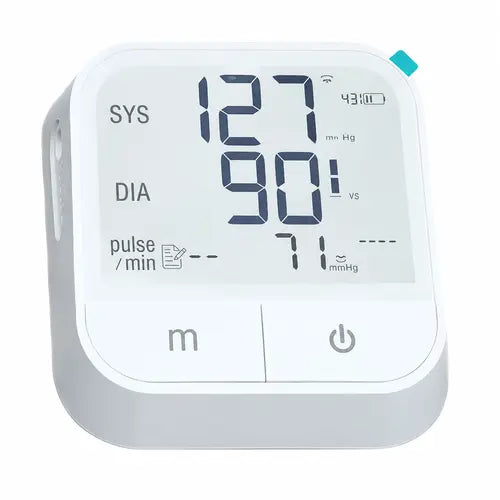
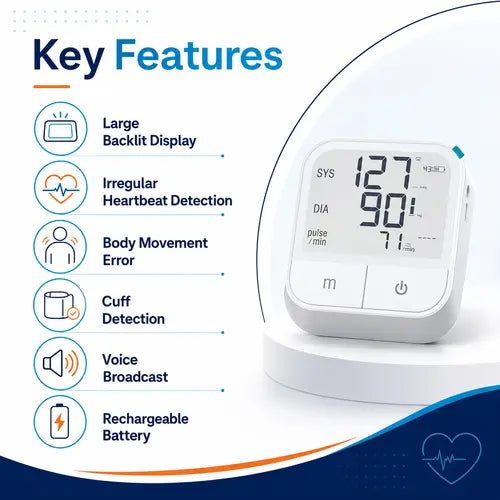

Save 14%
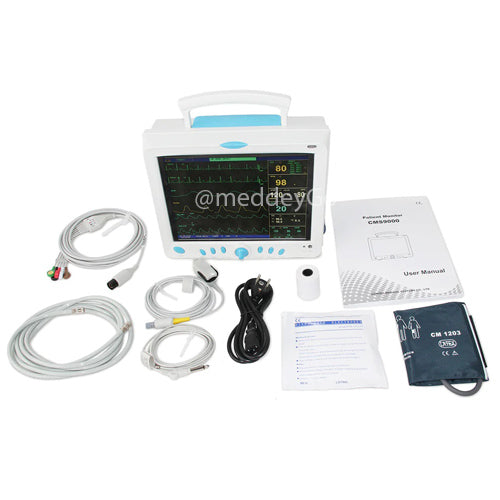
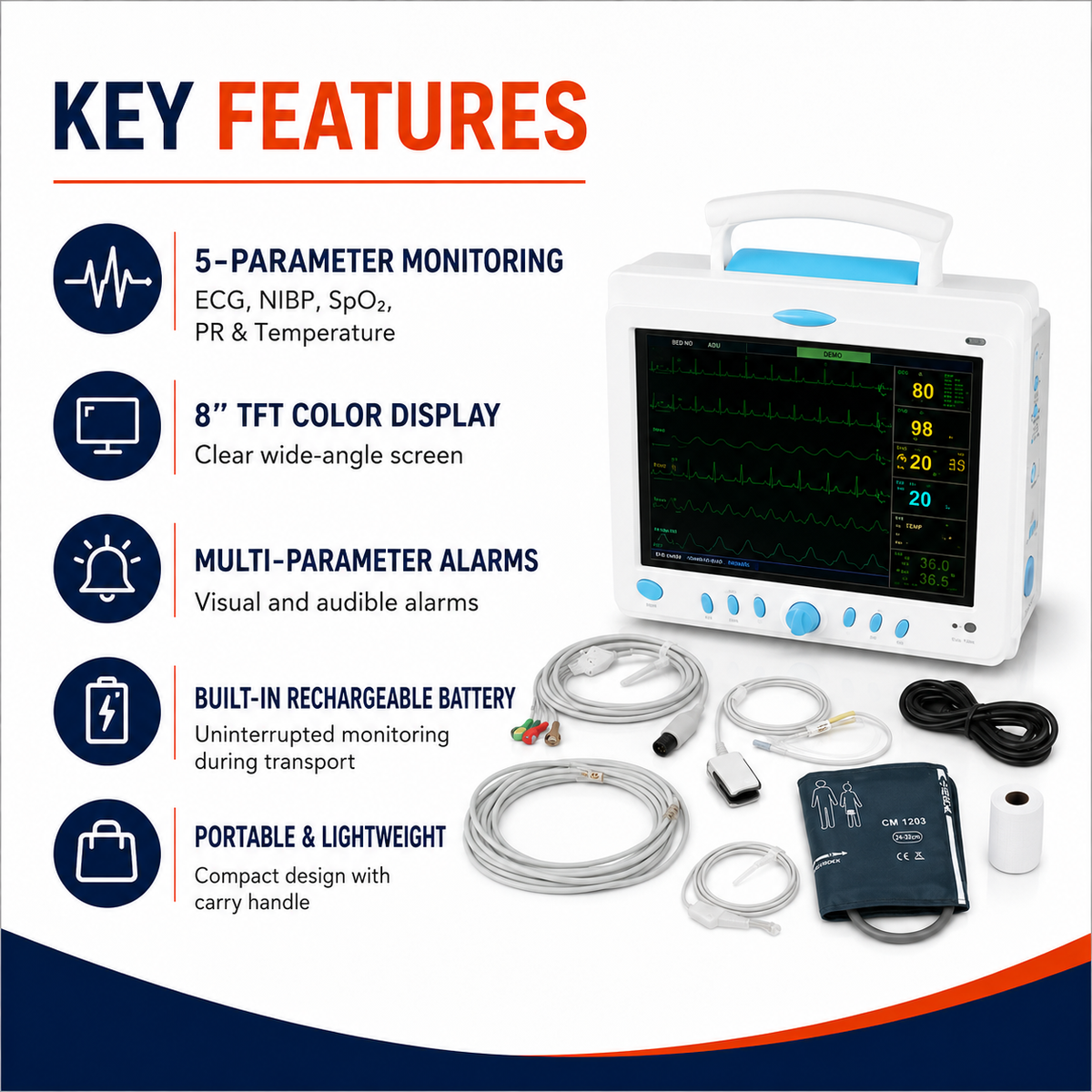

Save 16%
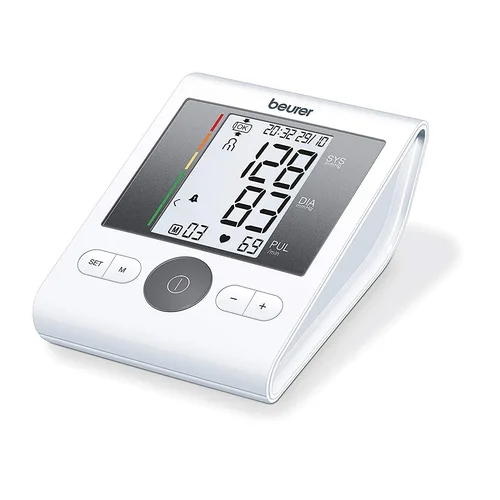
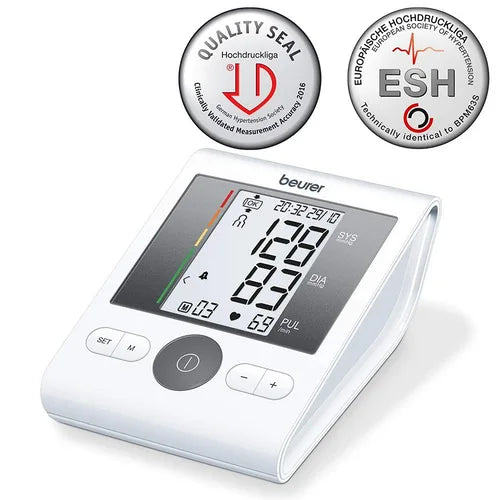

Save 26%
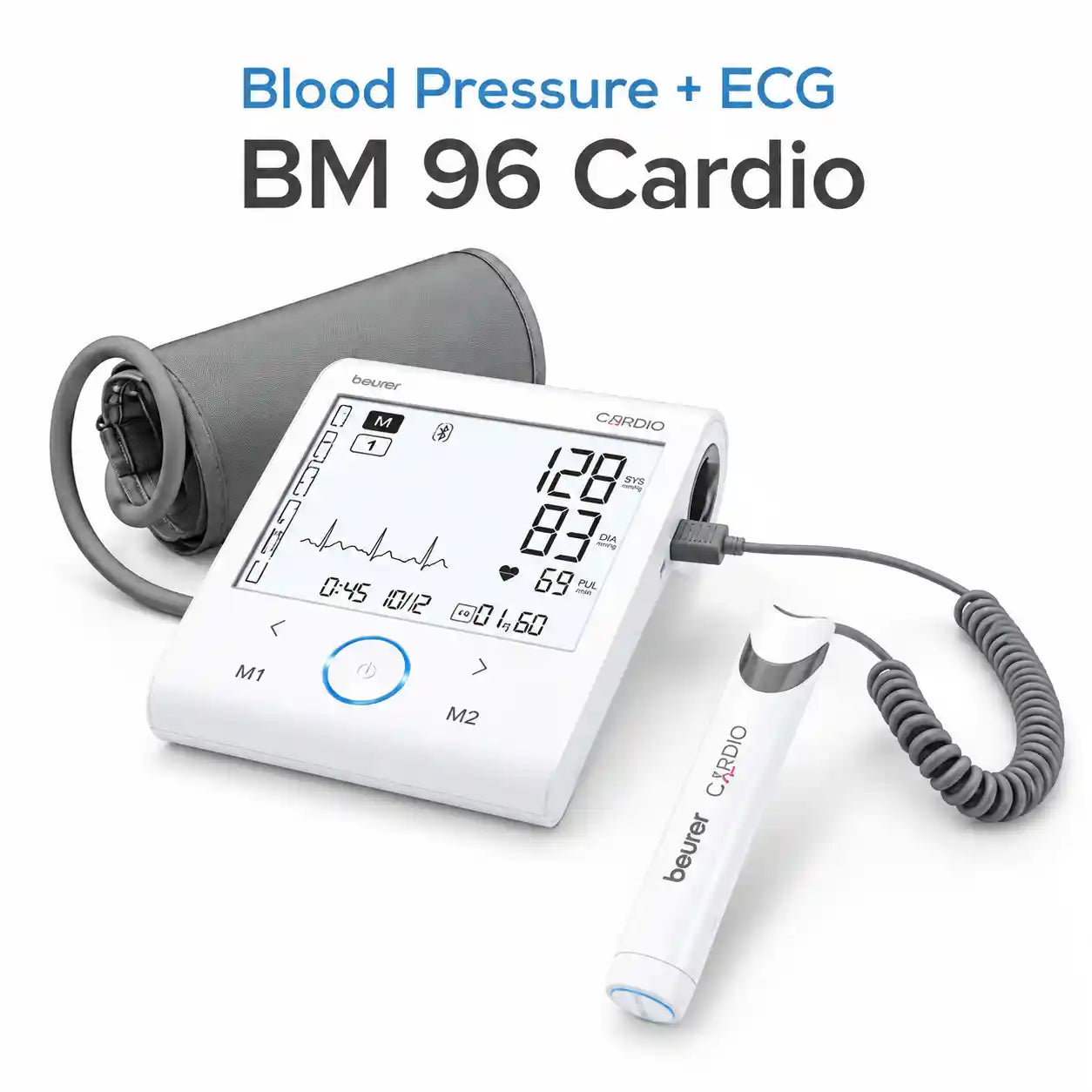
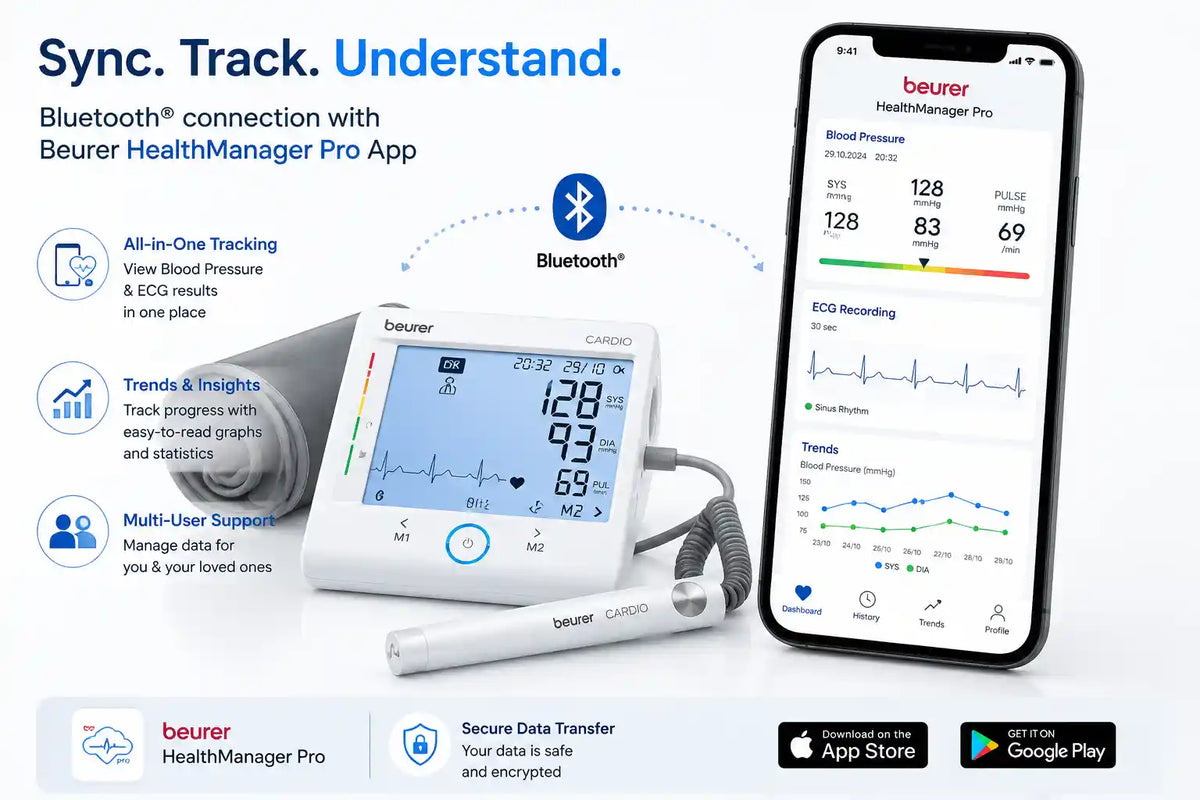

Sold out

Sold out

About this collection
Blood Pressure Machine: Types, Accuracy, BP Machine Price and Professional Buying Guide
A blood pressure machine is one of the most commonly used diagnostic and monitoring devices in homes, clinics, hospitals and other healthcare settings. It measures arterial blood pressure and helps healthcare professionals and patients monitor changes in systolic and diastolic pressure over time.
For clinicians, accurate blood pressure measurement is fundamental to screening, diagnosis and management of hypertension. For patients, home blood pressure monitoring can provide useful information between clinical visits and may help healthcare professionals identify patterns that are not always visible from a single office measurement.
However, buying a BP machine should not be based only on brand name, digital features or BP machine price. Measurement accuracy depends on several factors, including whether the device has undergone appropriate clinical validation, correct cuff size, proper positioning, patient preparation, device maintenance and correct measurement technique.
This professional guide explains what a blood pressure machine is, how it works, the different types available, upper-arm versus wrist monitors, factors affecting accuracy, features that matter in hospitals and clinics, and what to consider when comparing BP measurement machine prices in India.
Healthcare professionals and institutions looking for available equipment can explore the blood pressure monitor collection at Meddey.
What Is a Blood Pressure Machine?

A blood pressure machine is a medical device used to measure the pressure exerted by circulating blood against the walls of the arteries. Blood pressure is normally expressed in millimetres of mercury (mmHg) and represented using two measurements:
- Systolic blood pressure: the arterial pressure associated with ventricular contraction.
- Diastolic blood pressure: the arterial pressure during cardiac relaxation between beats.
A typical reading may therefore be displayed as systolic pressure over diastolic pressure, such as 120/80 mmHg. Interpretation of an individual patient's measurements should always consider the clinical context, measurement setting, repeated readings and applicable professional guidelines rather than relying on a single isolated value.
The term blood pressure monitoring machine may refer to a simple home digital monitor, a professional automated monitor, an aneroid sphygmomanometer or an ambulatory blood pressure monitoring system, depending on the clinical purpose.
What Is a BP Machine Called?
The traditional medical term for a device used to measure blood pressure is a sphygmomanometer.
Different names are commonly used depending on device design and clinical context:
| Common Name | Typical Meaning / Use |
|---|---|
| Blood Pressure Machine | General term for a device used to measure blood pressure. |
| BP Machine | Common abbreviated term for a blood pressure measuring device. |
| Blood Pressure Monitor | Commonly used for digital or automatic monitoring devices. |
| BP Monitor | Short form of blood pressure monitor. |
| Blood Pressure Apparatus | General clinical term for blood pressure measuring equipment. |
| BP Apparatus | Abbreviated term commonly used in clinical and medical supply settings. |
| Sphygmomanometer | Traditional medical term for a blood pressure measuring instrument. |
| Digital Blood Pressure Monitor | Electronic device that automatically calculates and displays BP readings. |
| Automatic Blood Pressure Monitor | Automated monitor that inflates, measures and displays blood pressure electronically. |
| Non-Invasive Blood Pressure or NIBP Monitor | Clinical term often used for automated non-invasive blood pressure monitoring equipment. |
Manual devices used with a stethoscope are generally described as manual or aneroid sphygmomanometers. Automated electronic monitors commonly used at home employ an inflatable cuff with electronic pressure sensing and an automated measurement algorithm.
How Does a Blood Pressure Machine Work?
The measurement mechanism depends on the type of device.
Automatic Digital Blood Pressure Machines
Most contemporary digital BP monitors use an oscillometric method. The cuff inflates around the arm and temporarily compresses the underlying artery. As the cuff pressure changes, the device detects pressure oscillations produced by arterial pulsation.
An internal algorithm analyses these oscillations and estimates systolic and diastolic blood pressure. Most automatic devices also calculate pulse rate, while some models may provide additional functions such as irregular-heartbeat indicators, multiple-reading averages, movement detection or connectivity.
Manual Aneroid Blood Pressure Machines
An aneroid sphygmomanometer uses a mechanical pressure gauge, inflatable cuff and inflation bulb. During an auscultatory measurement, the healthcare professional positions a stethoscope over the brachial artery and identifies Korotkoff sounds while cuff pressure is gradually released.
Manual measurement can be highly useful in clinical practice when performed correctly, but its reliability depends substantially on operator training, hearing, observation, cuff selection, deflation rate, gauge condition and adherence to a standardized measurement protocol.
Main Types of Blood Pressure Machines
There is no single BP machine that is optimal for every clinical environment. The appropriate device depends on the intended user, patient population, measurement frequency and workflow.
1. Automatic Upper-Arm Blood Pressure Machine
An automatic upper-arm blood pressure monitor places the cuff around the upper arm, usually over the brachial artery region. For routine home monitoring, an appropriately validated automatic upper-arm cuff device is generally the preferred option.
Advantages may include:
- Simple one-touch operation
- Reduced observer-dependent measurement error
- Digital systolic and diastolic BP display
- Pulse-rate display
- Memory storage on many models
- Useful for repeated home measurements
- Suitable for many outpatient monitoring programmes
The key limitation is that the cuff must fit the patient's arm correctly. An inappropriate cuff size can introduce clinically important measurement error.
2. Manual Aneroid Sphygmomanometer
Aneroid sphygmomanometers remain widely used by trained healthcare personnel. Instead of an electronic display, pressure is read from a mechanical dial.
They are useful in:
- General clinics
- Medical colleges
- Nursing education
- Hospital examination areas
- Clinical skills laboratories
- Mobile healthcare environments
Aneroid instruments require good technique and periodic inspection or calibration according to the manufacturer's instructions and institutional quality-control policies.
For example, healthcare professionals can review options such as the Diamond Dial Deluxe Sphygmomanometer available through Meddey.
3. Wrist Blood Pressure Monitor
A wrist BP machine measures blood pressure at the wrist rather than the upper arm. Its compact design can make it convenient for travel or for selected patients in whom conventional upper-arm measurement presents practical difficulties.
However, wrist devices are highly sensitive to positioning. The wrist must generally be maintained at heart level during measurement, and deviations in position can affect the reading.
For routine home measurement, professional guidance generally favours a validated upper-arm monitor when one can be used appropriately.
4. Professional Automated Blood Pressure Monitor
Professional automated monitors are designed for repeated use in clinics, hospitals, screening programmes and other healthcare environments. Compared with entry-level household monitors, professional systems may offer features such as:
- Durable construction
- Multiple cuff sizes
- Fast repeated measurement
- Memory or data-management functions
- Manual or auscultatory support modes on selected devices
- Integration with broader clinical workflow
Institutions should assess the clinical validation status of a specific model, intended-use population, cleaning requirements, calibration or performance-check recommendations, cuff inventory and service support before procurement.
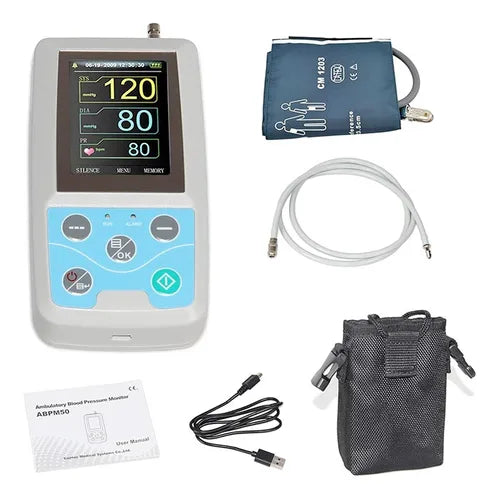
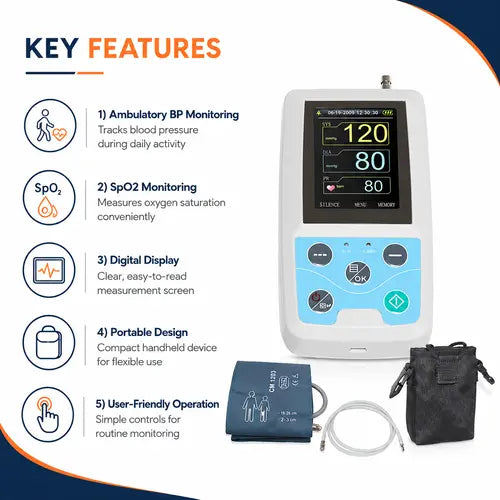
5. Ambulatory Blood Pressure Monitoring Machine
Ambulatory blood pressure monitoring, commonly abbreviated as ABPM, uses a portable device that takes BP measurements at programmed intervals over an extended period, often including daytime and sleep periods.
ABPM can provide clinically valuable information about blood pressure outside the consultation room and is distinct from ordinary home BP monitoring.
Healthcare institutions requiring this category can review an ambulatory blood pressure monitoring system as one example of the equipment category.
Which Is the Most Accurate Blood Pressure Machine?
The most accurate BP machine is not determined simply by whether a device is expensive, digital, manual or manufactured by a familiar brand. A more clinically appropriate question is whether the specific model has been independently validated for measurement accuracy in the population in which it will be used.
Professional organisations and validation initiatives emphasize the importance of validated blood pressure measuring devices. Clinicians and procurement teams should therefore check the exact model number rather than assuming that every product made by a particular manufacturer has the same validation status.
Factors that influence measurement reliability include:
- Independent clinical validation of the specific device
- Appropriate cuff size
- Correct cuff placement
- Patient posture
- Arm position
- Rest before measurement
- Recent exercise, caffeine, smoking or other physiological influences
- Movement or talking during measurement
- Device condition and maintenance
- Operator technique for manual devices
Validation resources such as STRIDE BP and other validated-device listings can help clinicians identify devices with documented evidence of measurement accuracy. Device validation should be considered at the model level.
Which BP Machine Is Better: Upper Arm or Wrist?
For most adults who can use a correctly sized upper-arm cuff, an automatic validated upper-arm BP monitor is generally preferred over a wrist monitor.
The upper arm is the conventional measurement site used in most standardized clinical BP protocols. Wrist monitors can be more sensitive to position, particularly the vertical relationship of the wrist to the heart.
| Feature | Upper-Arm BP Machine | Wrist BP Machine |
|---|---|---|
| Routine home monitoring | Generally preferred when suitable | Alternative for selected users |
| Position sensitivity | Present but usually easier to standardize | High; wrist position is critical |
| Portability | Moderate | High |
| Cuff fitting | Correct arm circumference is essential | Correct wrist fit is essential |
| General professional preference | Preferred for most routine home users | Used when clinically or practically appropriate |
A wrist device should therefore not automatically be considered inferior in every situation, but the indication and technique matter. In patients with very large arm circumference, anatomical limitations or other practical difficulties, a healthcare professional should determine the most appropriate measurement approach.
What Is the Best BP Machine for Home Use?
For most home users, the best choice is usually a clinically validated automatic upper-arm blood pressure monitoring machine with an appropriately sized cuff.
Rather than selecting a monitor only according to online ratings or price, patients and healthcare professionals should evaluate several factors.
Essential Features for a Home BP Machine
- Clinical validation: Check whether the exact model has evidence of validation under an accepted protocol.
- Correct cuff size: The supplied cuff should be appropriate for the user's measured arm circumference.
- Easy operation: One-touch measurement can improve usability for users and patients monitoring BP independently.
- Clear display: Large, legible systolic, diastolic and pulse values improve usability.
- Memory: Stored readings can help users and clinicians review trends.
- Multiple-user support: Useful when more than one family member uses the device.
- Average-reading function: Can simplify review of serial measurements.
- Movement or cuff indicators: These can help users recognize some measurement problems.
- Connectivity: Bluetooth or app synchronization may assist longitudinal monitoring when implemented appropriately.
- Warranty and service: Important for long-term ownership.
Meddey lists multiple automatic upper-arm models in its BP machine collection, allowing users and procurement teams to compare specifications and current availability.
Blood Pressure Machine Options Available on Meddey
The following examples illustrate different BP-machine categories. Their inclusion here does not replace model-specific clinical validation checks or individual clinical judgement.
Omron HEM-7121J Blood Pressure Monitor
The Omron HEM-7121J is an automatic upper-arm BP monitor intended for convenient blood pressure measurement. Features listed for the product include automatic operation, hypertension indication, irregular-heartbeat detection and cuff-related guidance.
Omron HEM-7121J BP Monitor with Hypertension Indicator
Omron HEM-7156 with IntelliWrap Cuff
The HEM-7156 is another automatic upper-arm model and is listed with an IntelliWrap cuff. A broader cuff application design may be useful for users seeking easier cuff positioning, although correct fit and adherence to the manufacturer's instructions remain essential.
View Omron HEM-7156 BP Monitor
Omron HEM-7600T Tubeless Bluetooth BP Monitor
For users interested in a more compact connected design, the HEM-7600T combines an upper-arm format with tubeless construction and Bluetooth connectivity. Connected features may be particularly useful when patients need organized longitudinal records for discussion with their healthcare team.
View Omron HEM-7600T Tubeless Bluetooth BP Monitor
Diamond Dial Deluxe Sphygmomanometer
For trained clinicians, students and institutional environments requiring manual auscultatory BP measurement, an aneroid sphygmomanometer may be appropriate.
View Diamond Dial Deluxe Sphygmomanometer
BP Machine Price in India
BP machine price in India varies considerably according to measurement technology, device category, features, cuff design, connectivity, intended use, warranty and manufacturer.
Entry-level automatic digital monitors may cost considerably less than advanced connected monitors, ECG-integrated systems, ambulatory monitors or professional hospital equipment.
As a general buying framework, price should be evaluated together with:
- Clinical validation
- Intended use
- Cuff-size availability
- Warranty
- After-sales support
- Replacement cuff availability
- Memory capacity
- Connectivity requirements
- Frequency of use
- Institutional durability requirements
Because online prices and stock can change, the most reliable way to check the current BP measurement machine price is to view the live product listing.
Check current blood pressure machine prices on Meddey
Note: Product prices, discounts and availability may change over time. Always check the live product page before purchasing.
How to Measure Blood Pressure Correctly at Home
Even a high-quality BP machine can produce misleading values when measurement technique is poor. Standardization is therefore essential.
Before Taking the Measurement
- Follow the instructions supplied with the specific monitor.
- Avoid measuring immediately after physical exertion.
- Consider factors such as recent caffeine intake, tobacco exposure or other activities that may temporarily influence BP.
- Empty the bladder if necessary.
- Sit quietly and rest before beginning the measurement.
- Use an appropriately sized cuff on a bare arm rather than over thick clothing.
Correct Position
- Sit in a supported chair.
- Keep the back supported.
- Place both feet flat on the floor where feasible.
- Avoid crossing the legs.
- Support the measurement arm.
- Position the cuffed arm so the relevant measurement site is approximately at heart level.
- Remain still and avoid speaking during the measurement.
During Home Monitoring
When serial home readings have been recommended, follow the schedule given by the treating clinician. Professional home BP protocols commonly use repeated measurements rather than relying on one reading.
Patients should document measurements accurately or use device memory when available. The treating clinician can then interpret the pattern in relation to medications, symptoms, time of day and other clinical factors.
Why Cuff Size Matters
Cuff selection is one of the most important—and frequently overlooked—elements of blood pressure measurement.
A cuff that is inappropriate for the patient's arm circumference may lead to inaccurate readings. Clinics and hospitals should therefore maintain appropriate cuff sizes for the patient populations they serve rather than relying on one standard cuff for every individual.
Before purchasing a home blood pressure monitoring machine, users should:
- Measure their upper-arm circumference according to the device manufacturer's instructions.
- Check the supported cuff range of the exact model.
- Select another cuff or device if the arm circumference falls outside that range.
This is particularly important in paediatric patients, individuals with obesity and patients whose arm circumference lies outside the range covered by standard adult cuffs.
Common Causes of Incorrect Blood Pressure Readings
Unexpected BP values do not always indicate a true physiological change. Measurement conditions should be reviewed before interpreting unusual results.
- Incorrect cuff size
- Cuff applied over clothing
- Unsupported arm
- Arm positioned substantially above or below heart level
- Talking during measurement
- Patient movement
- Insufficient rest before measurement
- Crossed legs
- Unsupported back
- Improper wrist position when using a wrist monitor
- Damaged tubing, cuff or inflation system
- Device performance problems
- Poor auscultatory technique with a manual sphygmomanometer
Digital BP Machine vs Manual BP Machine
| Parameter | Digital BP Machine | Manual Aneroid BP Machine |
|---|---|---|
| Operation | Automatic or semi-automatic | Manual |
| Typical method | Oscillometric | Auscultatory |
| Training required | Relatively low for routine home use | Significant operator training required |
| Stethoscope required | No | Usually yes |
| Memory | Available on many models | No electronic memory |
| Home use | Highly practical | Generally less suitable without training |
| Clinical use | Common | Common in trained hands |
| Maintenance consideration | Manufacturer-specific performance checks | Gauge integrity and calibration are important |
How to Choose a BP Machine for a Clinic or Hospital
Healthcare procurement requires a different approach from purchasing a household device. A hospital BP monitor may be used many times each day and across patients with very different arm circumferences, ages and clinical conditions.
1. Intended Clinical Use
Determine whether the equipment is intended for general outpatient assessment, inpatient monitoring, emergency use, perioperative areas, specialty care, community screening or ambulatory monitoring.
2. Validation Evidence
Check independent validation for the exact model and relevant patient population wherever applicable.
3. Cuff Inventory
Ensure compatible cuffs are available in the sizes required for the institution's patient population.
4. Infection-Control Requirements
Cuffs and device surfaces may need repeated cleaning. Confirm that cleaning and disinfection procedures are compatible with manufacturer recommendations.
5. Durability
A device intended for high-volume clinical use should tolerate substantially more frequent operation than a typical home monitor.
6. Service and Calibration Support
Review manufacturer's maintenance recommendations, service network, calibration requirements and replacement-part availability.
7. Data Connectivity
Larger healthcare facilities may benefit from monitors capable of interfacing with digital records or centralized monitoring workflows, depending on their clinical infrastructure.
8. Total Cost of Ownership
The purchase price alone may not reflect long-term cost. Consider replacement cuffs, batteries, adapters, servicing, calibration, downtime and expected product lifespan.
Blood Pressure Machines for Medical Students
Medical and nursing students frequently learn BP measurement using a manual sphygmomanometer and stethoscope because auscultatory measurement develops foundational understanding of cuff inflation, deflation, Korotkoff sounds and systolic/diastolic determination.
At the same time, students should also become familiar with validated automated BP monitors because these devices are widely used in contemporary clinical practice.
A useful educational setup may therefore include both:
- A good-quality aneroid sphygmomanometer for clinical skills training
- An automated upper-arm BP monitor for understanding contemporary oscillometric measurement
Students should learn not only how to operate the device but also how preparation, positioning, cuff selection and repeated measurements affect the clinical usefulness of the result.
Blood Pressure Monitoring at Home: Clinical Value
Home blood pressure monitoring can provide a series of measurements under everyday conditions rather than limiting assessment to occasional clinic visits.
When appropriately performed and clinically interpreted, home readings may help clinicians evaluate BP control and compare office measurements with measurements obtained outside the healthcare setting.
However, home monitoring should complement professional care—not replace it. Patients should not independently stop, start or alter antihypertensive medication solely in response to a single home measurement unless specifically instructed by their treating clinician.
Understanding Blood Pressure Readings
Blood pressure classification and treatment decisions depend on the guideline being followed, measurement setting, patient characteristics and broader cardiovascular risk.
Healthcare professionals should therefore interpret values according to current evidence-based recommendations rather than using a generic internet chart as a substitute for clinical assessment.
Patients should also understand that a BP monitor does not diagnose the cause of an abnormal value. Persistently abnormal measurements, major changes from baseline or readings associated with concerning symptoms require appropriate clinical evaluation.
Should a BP Machine Have Bluetooth or Smartphone Connectivity?
Bluetooth is not necessary for the basic measurement of blood pressure. Its value is primarily in data management.
- Automatically record measurements
- Display long-term trends
- Reduce manual transcription errors
- Organize multiple readings
- Facilitate discussion of longitudinal data with healthcare professionals
Nevertheless, connectivity should never be treated as a substitute for measurement validation. A sophisticated application does not make an inaccurate sensor or poorly validated algorithm clinically reliable.
Does a More Expensive BP Machine Mean Better Accuracy?
No. A higher BP machine price does not automatically guarantee greater measurement accuracy.
- Bluetooth connectivity
- Additional memory
- Multiple user profiles
- Advanced cuff design
- Compact tubeless construction
- ECG functionality on selected products
- Data synchronization
- Professional-use durability
Accuracy should be assessed primarily through model-specific validation evidence and proper measurement technique, not retail price alone.
How Often Should a BP Machine Be Replaced?
There is no universal replacement interval that applies to every BP machine. Follow the manufacturer's instructions for maintenance, performance verification and service.
- The cuff or tubing is damaged
- The display or controls malfunction
- Readings become unexpectedly inconsistent
- The device fails a performance or calibration check
- Compatible replacement components are unavailable
- The manufacturer recommends replacement
For home users, bringing the monitor to a healthcare visit periodically can also allow the healthcare team to review technique and, where appropriate, compare measurements with clinic equipment.
Frequently Asked Questions About Blood Pressure Machines
1. What is the best BP machine for home use?
For most people, a clinically validated automatic upper-arm blood pressure monitor with the correct cuff size is the preferred home option. The exact model should be selected according to validation status, arm circumference, usability, memory requirements and any clinician recommendations.
2. What is the best type of blood pressure machine to use at home?
An automatic cuff-style upper-arm monitor is generally preferred for routine home blood pressure monitoring when the patient can use an appropriately sized cuff.
3. What is a BP machine called?
The medical term is sphygmomanometer. Digital models are commonly called blood pressure monitors, automatic BP monitors or BP machines.
4. Which is the most accurate blood pressure machine?
No single model can be declared universally most accurate for every patient. A device with independent validation for the intended population, used with the correct cuff and proper technique, provides the strongest basis for reliable measurement.
5. Which BP machine is best, arm or wrist?
An upper-arm device is generally preferred for routine home monitoring. Wrist monitors can be useful in selected circumstances but require particularly careful positioning and should ideally be selected with professional guidance.
6. Is a digital BP machine accurate?
A properly validated digital monitor can provide clinically useful measurements when used correctly. Accuracy depends on the exact model, cuff fit, measurement conditions and technique.
7. Can doctors use digital BP machines?
Yes. Validated automated blood pressure monitors are widely used in healthcare environments. Professional devices may also include features designed for frequent clinical use.
8. What is the BP machine price in India?
Prices vary according to technology, brand, cuff design, connectivity and intended use. Entry-level home devices, manual sphygmomanometers, connected monitors and professional hospital systems can fall into very different price ranges. Check current listings because online prices can change.
9. Is a manual BP machine better than a digital machine?
Neither category is universally better. Manual devices can perform well in trained hands and are important in clinical education and practice. Validated automated monitors reduce several observer-dependent steps and are generally more convenient for routine home monitoring.
10. Can one BP machine be used by several family members?
Yes, provided the cuff fits each user correctly and the manufacturer's instructions permit the intended use. Multi-user memory can help prevent records from being mixed.
11. Can a BP machine detect an irregular heartbeat?
Some digital BP monitors display an irregular-heartbeat indicator when irregular pulse intervals are detected during measurement. This feature is not equivalent to a definitive cardiac diagnosis or full ECG assessment. Recurrent alerts should be discussed with an appropriate healthcare professional.
12. Is one blood pressure reading enough?
A single reading may not represent a patient's usual blood pressure. Clinical decisions commonly rely on standardized repeated measurements and, where appropriate, home or ambulatory monitoring.
Professional Checklist Before Buying a Blood Pressure Machine
- Is the exact device model independently validated?
- Is it suitable for the intended patient population?
- Does the cuff range cover the user's arm circumference?
- Is an upper-arm monitor practical for the intended user?
- Is the display sufficiently clear?
- Is memory required?
- Are multiple users supported if necessary?
- Is Bluetooth or data export clinically useful?
- Are replacement cuffs available?
- What warranty is offered?
- Is service support available?
- What maintenance or calibration does the manufacturer require?
- Is the device appropriate for home, clinic or high-volume hospital use?
- Does the total cost fit the clinical requirement rather than simply the initial purchase budget?
Where to Buy a Blood Pressure Machine Online in India
Buyers comparing blood pressure equipment should look for clear product specifications, model information, warranty details, cuff information and after-sales support rather than selecting solely on discount percentage.
Meddey provides a selection of digital, manual and professional blood pressure monitoring equipment for home users, healthcare professionals, clinics and hospitals.
Explore BP Machines:
https://meddey.com/collections/bp-machines
Browse Blood Pressure Monitors:
https://meddey.com/collections/blood-pressure-monitors
Conclusion
A blood pressure machine is an essential tool in cardiovascular assessment, but reliable monitoring requires more than simply purchasing a digital device. Clinical validation, correct cuff size, appropriate patient preparation, standardized positioning, proper measurement technique and consistent monitoring practices all influence the quality of blood pressure data.
For routine home use, a validated automatic upper-arm BP machine is generally the preferred choice. Healthcare professionals and hospitals may additionally require aneroid sphygmomanometers, professional automated monitors or ambulatory blood pressure monitoring systems according to the clinical setting.
When comparing BP machine prices, buyers should evaluate validation, intended use, cuff compatibility, warranty, service support and long-term reliability rather than choosing on cost alone.
Doctors, medical students, clinics, hospitals and home users can compare currently available blood pressure monitoring equipment through Meddey and its dedicated blood pressure monitor collection.
Medical Disclaimer
This article is intended for educational and general informational purposes and is not a substitute for diagnosis, individualized medical advice or treatment by a qualified healthcare professional. Blood pressure readings should be interpreted in the context of the patient's medical history, measurement method and applicable clinical guidelines. Patients should not alter prescribed medication solely on the basis of information in this article.
Professional References and Validation Resources
- American Heart Association – Home Blood Pressure Monitoring: Home Blood Pressure Monitoring Guidance
- STRIDE BP – Validated Blood Pressure Monitors: STRIDE BP Device Validation Resources
- World Health Organization – Technical Specifications for Automated Non-Invasive Blood Pressure Measuring Devices: WHO Blood Pressure Measuring Device Specifications
- ValidateBP – Validated Device Listing: Validated Blood Pressure Device Listing
```
Explore Medical Collections
All Categories
Abdominal & Maternity Support

Accessories

Accu-Chek Instant Strips: Use, Compatibility, Price & Blood Sugar Testing Guide
Accu-Chek Instant Strips: Uses, Features & Complete Guide

Accupressure Products for Pressure Point Therapy, Pain Relief & Wellness

accupuncture

Acupuncture Needles & Supplies

Advanced Physiotherapy Machines & Lumbar Physiotherapy

Airways

Ambulance

Anatomy Models
Anesthesia Machine

Anesthesia Products
Ankle Support, Braces & Walker Boots for Recovery
Ankle Weights & Exercise Weights for Home & Rehab
You may also need
FOR YOURecommended for you
Save 17%
Save 25%
Save 26%
Save 14%
Save 16%
Save 26%