


Featured ChoiceSave 12%

Save 23%

Save 22%

Save 6%

What customers say
★★★★★ 5.0 · 6 reviews
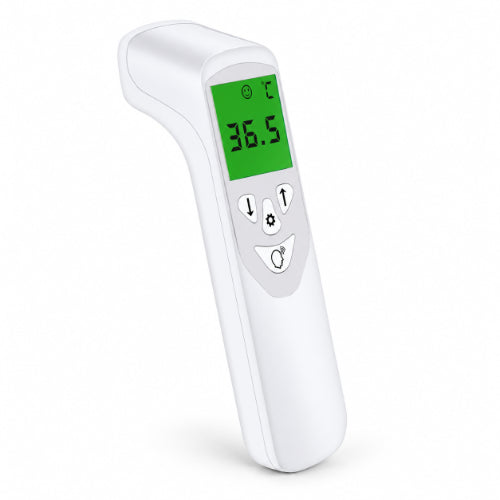
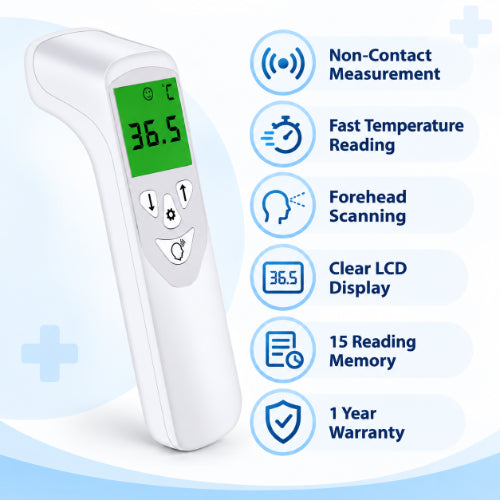
 Non Contact Infrared Thermometer With 1 Year Warranty - Naulakha
“The Naulakha Non-Contact Infrared Thermometer is easy to use, provides instant and accurate readings, and t...”
“I’m very satisfied with the Naulakha Non-Contact Infrared Thermometer! It provides fast and accurate readin...”
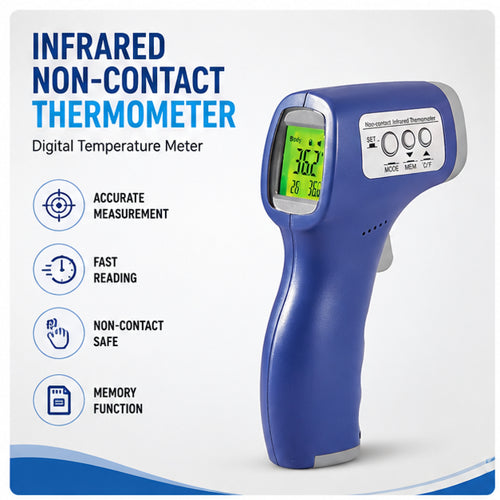
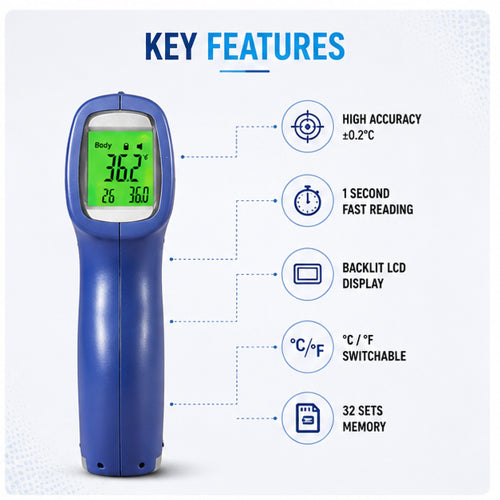
 Infrared Non-Contact Thermometer | Digital Temperature Meter
“It’s incredibly easy to use – just point and click for an instant, accurate reading. The non-contact featur...”
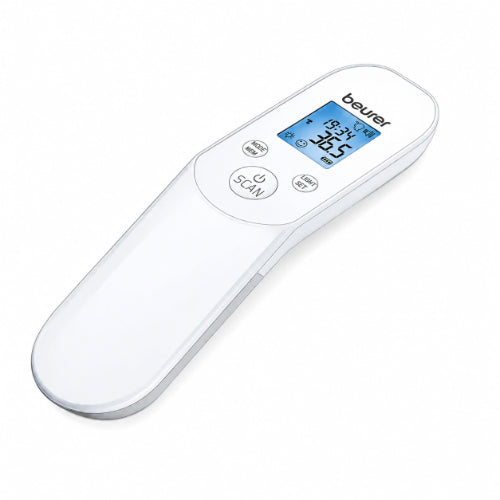
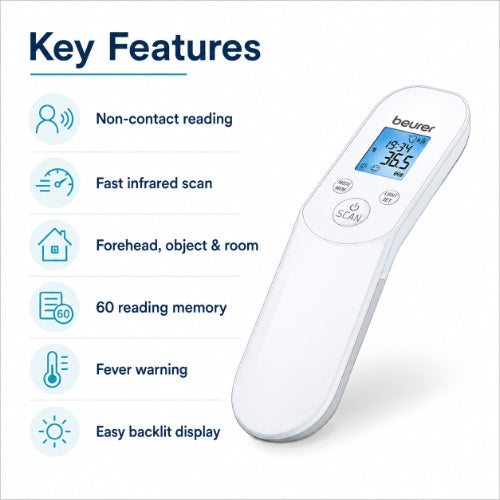
 Beurer FT 85 Clinical Non Contact Thermometer
“This is outstanding! It gives quick and highly accurate temperature readings without any contact, which is ...”
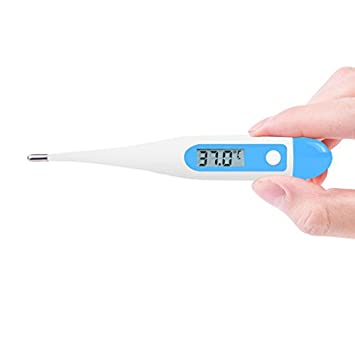
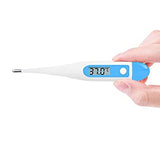 Digital Thermometer Fixed Tip
“The Digital Thermometer Fixed Tip is highly accurate and easy to use. A great tool for quick temperature re...”
“This Digital Thermometer with a fixed tip is a great buy! It’s compact, easy to use, and gives fast, accura...”
Clinical thermometer: mercury vs digital and how to use it
Clinical thermometer use at home helps families note body temperature and share clear information with a doctor. A clinical device is made for human body checks, not for kitchen, lab, or industrial use. For most homes, a digital clinical option is safer and easier than old glass mercury models. Mercury clinical devices are being replaced because glass can break and mercury is poisonous.
What is a clinical thermometer and what is it used for?
A clinical thermometer is a device used to check human body temperature. The main clinical thermometer uses are home checks, clinic checks, child care, and follow-up during illness. It does not diagnose any illness by itself.

A doctor interprets the reading with symptoms, age, medicines, and medical history. So, note the reading, site, and time. Then share these details if you call a doctor.
At home, keep one clean clinical device for family use. Read the leaflet before first use. Store it safely, away from children.
Clinical thermometer basics for Indian homes
Many Indian families use a clinical thermometer only when someone feels unwell. That is why simple handling matters. A rushed reading can confuse everyone and delay the right advice.
Use the same site when you compare readings. For example, do not compare one mouth reading with one armpit reading. Different sites can show different values.
A home clinical thermometer is useful when you record:
-
the reading shown on the device
-
the body site used
-
the time of the reading
-
the person’s main symptoms
-
any medicine already taken
-
the device type used
This small note helps the doctor understand the situation better. It also reduces guesswork during phone advice.
What is the difference between a mercury and a digital clinical thermometer?
A mercury model is an old glass device with liquid mercury inside. A digital clinical thermometer uses an electronic sensor and shows the reading on a screen. The digital type is usually easier to read, quicker to use, and safer for daily family handling.

The main concern with mercury is safety. If the glass breaks, mercury can spill. Mercury is poisonous, and broken glass can also injure someone.

For this reason, mercury models are being replaced in many healthcare settings. Families should not buy or start using mercury models. If one is already at home, handle it only as old hazardous equipment.
|
Feature |
Mercury model |
Digital clinical thermometer |
|---|---|---|
|
Body material |
Glass |
Plastic body with metal tip |
|
Reading style |
Mercury line on scale |
Number on display |
|
Safety concern |
Breakable glass and poisonous mercury |
Battery and handling care |
|
Ease for older adults |
Can be hard to read |
Easier screen reading |
|
Home suitability |
Not recommended |
Better for most homes |
|
Disposal |
Needs local waste guidance |
Follow local e-waste or product guidance |
Why are mercury clinical thermometers being replaced?
Mercury clinical thermometers are being replaced because mercury is toxic to human health. Glass can break during storage, shaking, or use. A small home accident can become a safety problem.
Health groups also support moving away from mercury measuring devices. This reduces exposure for patients, families, health workers, and waste handlers. It also helps keep mercury out of the environment.
For families, the message is simple. Choose a safer clinical digital option for home use. Do not treat a mercury device as a normal household item.
Why is a mercury clinical thermometer shaken down before use?
A mercury clinical thermometer is shaken down because mercury may stay in the narrow tube after the last reading. Shaking moves the mercury column below the starting point. Without this step, the next reading may be wrong.
This design has a constriction near the bulb. It helps hold the mercury line after the device is removed from the body. That made reading possible, but it also made shaking necessary.
This explanation is only for understanding old devices. It is not a recommendation to use or buy mercury models. A digital clinical thermometer does not need shaking.
How accurate is a digital clinical thermometer?
A digital clinical thermometer can give useful home readings when it is used correctly. Accuracy depends on device quality, battery condition, placement, waiting time, and the user’s method. Always follow the product leaflet.
Do not judge accuracy only by speed. A fast reading is helpful, but wrong placement can still give a poor result. Mouth, armpit, and forehead methods need different technique.
If readings look unusual, repeat the check after a short rest. Use the same site and the same device. If the person looks very unwell, contact a doctor instead of relying only on the number.
Clinical thermometer placement matters more than people think
Where you place the clinical device affects the reading. A mouth check, armpit check, and forehead check are not the same. Each method has its own use.

For a digital fixed-tip model, common home sites include under the tongue and under the arm. For a clinical non-contact thermometer, the forehead is commonly used as directed by the leaflet. Keep the person still during the check.
Avoid checking just after hot drinks, cold drinks, bathing, running, or coming in from strong sun. Wait until the person is calm and settled. This helps the clinical reading reflect the body more fairly.
Where should a clinical thermometer be placed to check body temperature?
A clinical thermometer should be placed according to its type and leaflet. A digital fixed-tip model may be used under the tongue or in the armpit when the instructions allow it. A non-contact infrared model is usually aimed at the forehead from the stated distance.


For mouth use, place the tip under the tongue and close the lips gently. Do not bite it. The person should breathe normally through the nose.
For armpit use, place the tip high in the dry armpit. Bring the arm close to the body. Keep it steady until the device signals completion.
For a non-contact clinical device, keep the forehead clean and dry. Hold the device as the leaflet says. Hair, sweat, dust, and wrong distance can affect the reading.

How do you read a clinical thermometer?
To read a clinical thermometer, first check that the device has finished measuring. A digital clinical thermometer usually beeps or shows a stable number. Read the full display and note the unit shown.
With an old mercury clinical thermometer, the mercury line must be read at eye level. The glass is turned until the line is visible. This can be difficult for older adults and in low light.
Do not round the reading from memory. Write it down as shown. Add the site, such as mouth, armpit, or forehead.
A simple note can look like this:
|
What to note |
Example format |
|---|---|
|
Reading |
Write the number shown |
|
Site |
Mouth, armpit, or forehead |
|
Time |
Morning, afternoon, evening, or exact time |
|
Device |
Digital fixed-tip or non-contact |
|
Symptoms |
Cough, chills, weakness, pain, or other concern |
|
Medicine |
Name and time, if already taken |
Clinical thermometer use with babies and children
Children need extra care because they may move, bite, or pull the device. A clinical thermometer can be used for babies and children when the type and method suit the child. Ask a doctor which site is best for your child.
Do not place an oral clinical thermometer in a baby’s mouth. Small children may not hold it correctly. They may also bite the tip or move suddenly.
For many families, an armpit check is easier for small children. A clinical non-contact thermometer can also help when the child is asleep or restless. Still, follow the leaflet closely.
Keep the child calm before checking. Remove heavy blankets for a short time if they make the child sweaty. Do not force a struggling child with a glass device.
Can a clinical thermometer be used for babies and children?
Yes, a clinical thermometer can be used for babies and children if it is suitable for their age and method. The safest choice depends on the child, the site, and the device instructions. A pediatrician’s advice matters most.
Use a separate, clean device if your doctor advises separate use. Label family devices clearly if needed. Never share a device without cleaning it between users.
If a baby or child looks very drowsy, breathless, dehydrated, or unusually weak, seek medical help. Do not wait only for another reading. A doctor interprets the reading with the child’s condition.
Clinical thermometer steps for a digital fixed-tip model
A digital fixed-tip model is common in homes. It is small and easy to carry. Use it gently and do not bend the fixed tip.
Follow these general steps, unless your leaflet says otherwise:
-
Wash or sanitise your hands.
-
Clean the tip before use.
-
Switch on the device.
-
Wait for the ready sign.
-
Place it at the correct site.
-
Keep it steady until the beep.
-
Read the display carefully.
-
Write the reading, site, and time.
-
Clean it again after use.
-
Store it in its case.

Do not keep pressing buttons while the reading is in progress. Do not remove the device too early. If the display is unclear, check the battery and leaflet.
Clinical thermometer checklist before every reading
A quick checklist prevents common mistakes. It is especially useful when several family members are worried. Keep this list near your medicine box.
-
Use the right clinical device for the person.
-
Read the leaflet before first use.
-
Check that the display is working.
-
Clean the tip before and after use.
-
Use the same site for comparison.
-
Keep the person still during measuring.
-
Avoid checking just after food, drink, bath, or exercise.
-
Note the reading, site, and time.
-
Let a doctor interpret the result.
-
Store the device away from children.
This checklist also helps older adults at home. It keeps the method simple. It also makes readings easier to explain during a clinic visit.
How do you clean a clinical thermometer between users?
Clean a clinical thermometer before and after each user. For a digital fixed-tip model, wipe the tip as the leaflet advises. Many home users clean the tip gently with an alcohol swab, then let it dry.

Do not dip the full device in water unless the product clearly allows it. Do not boil it. Do not use harsh chemicals on the display or battery area.
For a non-contact infrared unit, keep the sensor area clean and dry. Wipe only as directed. A dirty sensor can affect the clinical reading.
Clinical thermometer hygiene in shared homes
Indian homes often have joint families, guests, and children using the same medicine box. Shared use needs careful cleaning. A clinical thermometer touches skin or mouth, so hygiene matters.
If someone has mouth sores, vomiting, or infection risk, avoid sharing the same oral device. Ask a doctor or pharmacist about safer use. Keep the device dry after cleaning.
Store it in its case. Do not leave it loose in a drawer with coins, blades, keys, or ointment tubes. Damage can affect performance.
Why does a clinical thermometer scale cover only a narrow range?
A clinical thermometer scale covers only a narrow range because it is designed for human body checks. Human body readings fall within a limited clinical span. A narrow scale makes small changes easier to read.
A laboratory model is different. It is made for substances, experiments, and wider measurement needs. It is not meant for checking a family member’s body temperature.
This is why a clinical thermometer and a laboratory one should not be swapped. A clinical device belongs in the home medical kit. A lab device belongs in a lab setting.
What is the difference between a clinical thermometer and a laboratory thermometer?
A clinical thermometer is made for human body temperature checks. A laboratory model is made for lab work and wider temperature measurement. The two devices have different design, purpose, and safety expectations.
A clinical device focuses on comfort, hygiene, and body-site use. A laboratory device may not suit the mouth, armpit, or child care. It can be unsafe or misleading for home health checks.
Do not use laboratory or industrial models for family body readings. Do not buy them for home fever checks. Use a suitable clinical device and follow medical advice.
|
Point |
Clinical thermometer |
Laboratory model |
|---|---|---|
|
Main use |
Human body checks |
Experiments or lab substances |
|
Home medical use |
Suitable when used correctly |
Not suitable |
|
Scale design |
Narrow clinical range |
Wider measurement range |
|
Body placement |
Designed for body sites |
Not designed for body sites |
|
Interpretation |
Doctor reviews with symptoms |
Not for patient interpretation |
Clinical thermometer safety around mercury
If you still have an old mercury model at home, keep it away from children. Do not let children play with it. Do not shake it near hard floors or walls.
Do not keep it loose in a drawer. Store it in a rigid container until you can ask about safe disposal. Follow local health, municipal, or waste authority guidance.
Never treat mercury as a normal liquid. It is poisonous. Broken mercury devices need careful official guidance.
What should you do if a mercury thermometer breaks?
If a mercury model breaks, keep children and pets away from the area. Ventilate the room by opening windows if you can do so safely. Follow local health or waste authority guidance for the next steps.
Do not allow anyone to touch the spill casually. Do not move children through the area. If anyone may have been exposed, contact a doctor or poison advice service.
This guide does not give cleanup instructions. Mercury spill handling depends on the surface, the room, and local rules. Use official local advice.
Clinical thermometer types for home use
Clinical options suit home needs. The relevant product types are digital thermometer with fixed tip, non-contact infrared thermometer, and clinical non-contact thermometer. Choose based on user age, ease, and the method your doctor suggests.
A digital fixed-tip model suits many homes that want a simple contact device. It needs cleaning between users. It also needs correct placement and steady handling.
A non-contact infrared unit can be helpful when quick, touch-free checking is preferred. A clinical non-contact thermometer may help with children, older adults, or shared spaces. Always follow the leaflet for distance, site, and cleaning.

Clinical thermometer buying points for families
Do not choose only by price. A family device should be easy to read, easy to clean, and easy to store. The display should be clear for older adults.
Check whether the product has a case. A case protects the sensor and tip. It also keeps the device clean in a busy home.
Look for simple controls. Too many modes can confuse users. A clear start button and readable screen are enough for many families.
Before buying, ask yourself:
-
Who will use it most often?
-
Will older adults read the display easily?
-
Is it for mouth, armpit, or forehead use?
-
Can the family clean it correctly?
-
Is storage safe from children?
-
Is the battery easy to replace?
-
Does the leaflet explain use clearly?
Clinical thermometer mistakes to avoid
Many wrong readings come from small mistakes. These mistakes are easy to prevent. Slow down and use the same method each time.
Avoid these common errors:
-
using a contact device without cleaning it
-
removing the device before the beep
-
comparing mouth and armpit readings directly
-
checking after hot tea or cold water
-
using a device with a weak battery
-
holding a non-contact device too far or too close
-
checking a sweaty forehead without reading instructions
-
letting a child bite the tip
-
storing the device without its case
-
expecting it to diagnose illness
A clinical thermometer gives information. It does not explain the cause. A doctor connects the reading with the person’s full condition.
Clinical thermometer storage and care
Good storage keeps the clinical device ready. Keep it dry, clean, and inside its case. Place it on a clean shelf or in a medical box.
Do not store it in direct sunlight. Do not keep it near cooking heat, bathroom steam, or open liquids. Moisture and heat can damage electronic parts.
Remove batteries if the device will not be used for a long time, if the leaflet advises it. Keep spare batteries away from small children. Dispose of used batteries as per local rules.
Clinical thermometer readings and doctor advice
A clinical reading is only one part of health information. Doctors look at symptoms, age, medical history, medicines, and examination findings. So, never panic only because of one number.
Also, do not ignore a sick-looking person because one reading seems mild. Watch the person, not just the display. Behaviour, breathing, hydration, and alertness matter.
Call a doctor if you are worried. Share the reading, site, time, and device type. Clear details help the doctor guide you better.
Clinical thermometer use during family illness
When several people at home feel unwell, use a calm system. Do not pass the device from one person to another without cleaning. Keep a small note for each person.
Use names or initials in your note. Record the site and time. This helps avoid mixing readings between family members.
If one member needs regular monitoring, use the same device and same site when possible. This makes the pattern easier to discuss. Still, the doctor decides what the pattern means.
Clinical thermometer disposal and replacement
Replace a digital clinical thermometer if it is cracked, unclear, unreliable, or battery-damaged. Do not keep using a device with a broken tip. Do not tape a damaged device and continue use.
For old mercury models, ask local municipal, health, or waste authorities about safe disposal. Do not throw mercury items casually into household waste. Local rules may vary by city or state.
For digital devices, follow local e-waste guidance when disposal is needed. Batteries also need safe handling. Keep all discarded devices away from children.
Clinical thermometer quick comparison table
This table can help families choose the right home method. It does not replace medical advice. Always follow the device leaflet.
|
Need at home |
Suitable option |
Useful note |
|---|---|---|
|
Simple contact check |
Digital fixed-tip model |
Clean before and after use |
|
Touch-free check |
Non-contact infrared unit |
Use correct forehead distance |
|
Shared family setting |
Clinical non-contact thermometer |
Reduce contact, still keep clean |
|
Easy reading for older adults |
Digital display model |
Choose a clear display |
|
Child who moves often |
Non-contact option may help |
Keep child calm first |
|
Old mercury device found |
Do not use as a routine device |
Ask about safe disposal |
Final takeaway for safe clinical thermometer use
A clinical thermometer is a useful home tool when families use it calmly and correctly. Choose a safer digital or non-contact clinical option, keep it clean, and record readings clearly. Avoid mercury models because glass can break and mercury is poisonous.
Use the right site, wait for the device to finish, and write down the reading. Do not expect any clinical thermometer to diagnose illness. Let a doctor interpret the reading with symptoms and the person’s condition.
Explore more temperature devices
Digital thermometer Infrared thermometer Temperature meter All thermometers
Explore Medical Collections
All Categories
Abdominal Belt: Support After Surgery, in Pregnancy and After Delivery

Accessories
Accu-Chek Instant Strips: Use, Compatibility, Price & Blood Sugar Testing Guide
Accu-Chek Instant Strips: Uses, Features & Complete Guide

accupuncture

Acupuncture Needles & Supplies

Advanced Physiotherapy Machines & Lumbar Physiotherapy
AED Defibrillator: How It Works, Who Can Use It and Where to Place It

Airways
Alcohol Swab: Uses, Safe Use and Disposal Guide
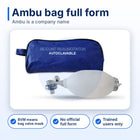
Ambu Bag Full Form: Is There an Official Meaning?
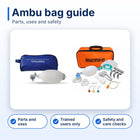
Ambu Bag: Parts, Uses and Safety Guide
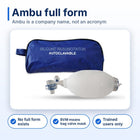
Ambu Full Form: What the Name Means and BVM Basics

Ambulance

Anatomy Models
You may also need
FOR YOURecommended for you
Save 12%
Save 23%
Save 22%
Save 6%