


Featured ChoiceSave 25%

Save 12%
Save 18%
Save 11%

Save 50%

Save 20%
Sold out
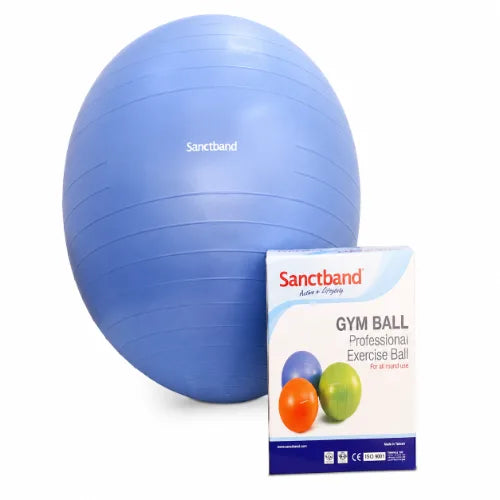
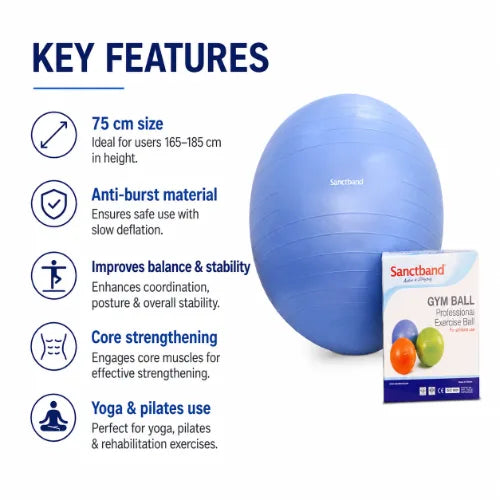

What customers say
★★★★★ 5.0 · 3 reviews
Core Strengthening Equipment helps you train more than visible abs. It supports posture, balance, lifting mechanics, and everyday movement. For a home gym, start with tools that match your space, fitness level, and training goals instead of buying the biggest machine first.

This guide explores popular Core Strengthening Equipment, including ab wheels, suspension trainers, cable machines, kettlebells, medicine balls, and compact ab machines. You will also learn how to choose the right tools, plan effective workouts, and build core strengthening equipment through steady progress.
Top Core Strengthening Equipment for Home
Core Strengthening Equipment can improve your training by helping you build stability, control, and Strengthening equipment . The right tools also support better movement during daily activities. However, you do not need an expensive machine to get started. Choose equipment that fits your ability, available space, and preferred exercises. This guide covers useful options, practical buying tips, and simple workouts for a stronger core at home.

What Can I Use to Strengthening equipment My Core?
You can Strengthening equipment your core with bodyweight exercises, stability gear, and targeted Core Strengthening Equipment. Popular options include ab wheels, suspension trainers, medicine balls, kettlebells, benches, sliders, resistance bands, and cable machines. Each tool offers different benefits. For example, beginners may prefer supported exercises, while experienced users may want adjustable resistance and more challenging movements.
A balanced home routine should cover several movement patterns. Use an ab wheel or plank variation to resist excessive arching. Add a medicine ball, resistance band, or cable machine for rotation and anti-rotation exercises. Finally, use kettlebell carries to train your torso while your body moves under load.
If you are returning to exercise, start with core strengthening equipment exercises without equipment. Then introduce resistance as your control improves. Searches such as “core strengthening equipment exercises PDF free download no equipment” and “core strengthening equipment exercises for beginners PDF no equipment” show that many people want a simple plan before buying gear. This is a sensible starting point because equipment should support good movement, not replace it.
Why Core Strengthening Equipment Matters Beyond Abs
Good core training equipment gives you useful feedback during exercise. An ab wheel, for instance, can reveal whether your hips sag as you roll forward. Suspension trainers can expose differences in balance between your two sides. Meanwhile, cable machines allow controlled resistance, and medicine balls help you practise power with good technique.
The main benefit is better movement control. You may find daily tasks easier, including carrying groceries, walking uphill, lifting a child, swinging a racket, or getting up from the floor. Core Strengthening Equipment can also provide alternatives to repeated crunches, especially when you want to train balance, bracing, and movement in different positions.
Core Strengthening matters for beginners, experienced gym users, and people who want a balanced fitness routine. However, the goal is not to perform the hardest exercise every day. Focus on controlled movement, consistent technique, and gradual increases in difficulty. Over time, these habits can help you build a stronger and more capable core.
The Main Types of Core Strengthening Equipment for Home Use
The best core equipment for a home gym depends on your needs. Some people want quiet, compact tools for an apartment. Others prefer gym equipment for core strengthening that supports heavier resistance. Fortunately, a useful setup does not need to be large. It simply needs to cover different movement patterns and allow steady progress.
Ab Wheels and Rollers
Ab wheels and rollers rank among the most compact core training tools. A basic core ab wheel challenges your abdominal muscles, lats, shoulders, glutes, and deep bracing muscles. Some designs include wider wheels, ergonomic handles, elbow pads, or assisted rebound features.
The main benefit is anti-extension Strengthening. Your trunk must resist arching as you roll forward and return to the starting position. Beginners should start on their knees, use a short range of motion, and breathe steadily throughout each repetition.
An ab wheel may be too demanding if you cannot yet hold a controlled plank or if the movement causes lower-back discomfort. In that case, begin with dead bugs, elevated planks, or stability ball rollouts. Once you can control your ribs and pelvis, the ab wheel can become a valuable piece of Core Strengthening Equipment.
When comparing ab wheels, check the wheel width, handle grip, build quality, floor compatibility, and storage requirements. A wider wheel may feel more stable for some beginners. A narrower wheel can create a greater balance challenge, but it is not automatically the better choice. Select a design that allows smooth, controlled repetitions.
Suspension Trainers
Suspension trainers use straps attached to a suitable door anchor, beam, rack, or wall mount. They work well in small home gym setups because one system supports rows, presses, lunges, planks, body saws, mountain climbers, and pikes. For core training, the main benefit comes from instability and adjustable body angles.
When your hands or feet are suspended, your stabiliser muscles must work to keep your body aligned. This makes suspension trainers useful for anti-rotation and full-body control. They also offer simple progressions. Stand more upright for an easier exercise, or move closer to the floor to increase the challenge.
Use suspension trainers patiently. If your hips twist, shoulders shrug, or lower back sags, reduce the difficulty. Core training should feel challenging without becoming uncontrolled. Begin with supported movements before progressing to body saws, pikes, or other advanced exercises.
Safety starts with the anchor point. Check the attachment before every session and follow the manufacturer's instructions. The anchor must support the intended load and movement. Never attach straps to weak fixtures or surfaces that may shift during exercise.
Medicine Balls
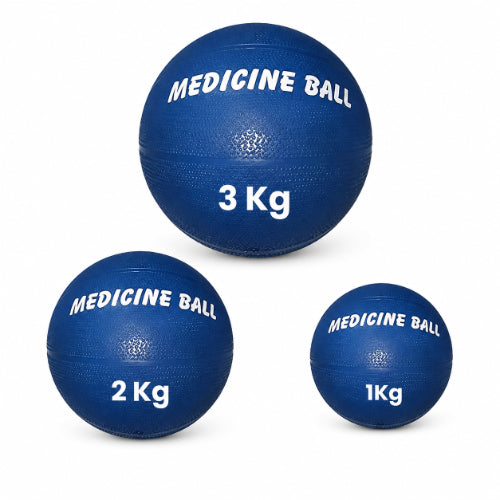
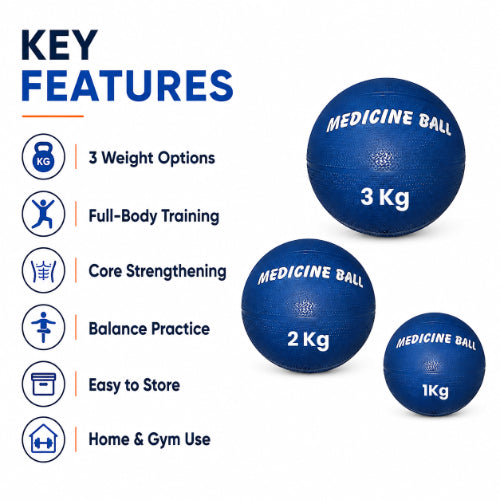
Medicine balls support rotational exercises, slams, carries, dead bug variations, partner drills, and controlled throws. They add dynamic movements that many core exercise machines cannot provide. A lighter ball can help you practise coordination, while a heavier option can increase the Strengthening and power demands.

For home use, choose a medicine ball that suits your floor, available space, and noise limits. Soft wall balls work for throws against suitable surfaces, while rubber medicine balls may bounce and roll. If you live in an apartment, controlled lifts, seated rotations, and carries may be more practical than slams.
Medicine balls also show that core training does not need to happen only on the floor. Standing rotations, overhead movements, and controlled steps challenge your trunk while your body moves. These exercises can also support coordination during everyday activities and sports.
Choose a weight you can control throughout the movement. A heavy ball is not automatically more effective. If your body twists without control, your balance changes, or you cannot stop the ball safely, reduce the load and practise a simpler variation.
Kettlebells
Kettlebells are versatile Core Strengthening Equipment, even though people often associate them with general Strengthening training. Carries, deadlifts, goblet squats, windmills, Turkish get-ups, and swings all require the torso to stabilise under load. As a result, kettlebells train the core alongside the hips, grip, shoulders, and legs.
A single kettlebell can support many training levels. For example, a suitcase carry challenges the side of your trunk to resist leaning. A goblet squat teaches your ribs, pelvis, and hips to work together. More advanced drills should wait until you have developed good hip-hinge mechanics and shoulder control.
Kettlebells also help answer a common question: “What happens if I only do core workouts?” Floor-based abdominal exercises alone may leave gaps in your Strengthening, mobility, cardiovascular fitness, and lower-body training. Kettlebells connect core work with whole-body movement.
Choose a kettlebell that lets you learn each movement without losing control. Begin with carries, deadlifts, and goblet squats before trying dynamic swings. Keep your back position steady, avoid rushing repetitions, and increase the weight only when your technique remains consistent.
Cable Machines and Resistance Systems
Cable machines provide controlled, adjustable resistance for core training. They support Pallof presses, cable chops, lifts, standing rotations, kneeling crunches, and resisted carries. For a home gym, a cable station can be a versatile investment if you have enough space and a suitable budget.
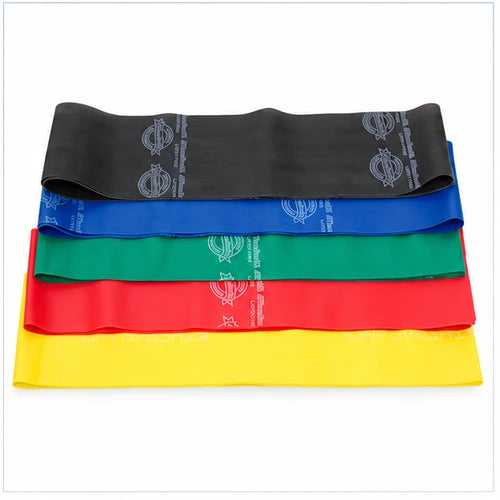
Compact wall-mounted cable systems, resistance bands, and pulley trainers can offer similar movement patterns. Their main advantage is adjustable resistance through a controlled path. This feature makes it easier to progress gradually than with bodyweight-only rotational exercises.
When people search for “core strengthening exercises with gym equipment,” cable training is often a useful option. It challenges the abs, obliques, and trunk muscles while allowing you to work in standing, kneeling, or seated positions.
A cable machine may suit you if you want measurable progress and a broad choice of exercises. However, it requires enough room for the cable path, secure installation, and safe movement. Check the dimensions carefully before buying a larger unit.
Ab Crunch and Foldable Machines
Ab crunch and foldable machines can help you practise a guided movement with padded support. Some designs use a curved track, while others guide the body through a crunch-like pattern. Foldable models may also suit smaller home gym setups because they require less storage space when not in use.
The main advantage is accessibility. A guided machine can help beginners understand the movement without guessing where to position their hands, hips, or spine. Some models also provide a more defined head and arm position than unsupported floor crunches.
However, many ab machines focus on one movement pattern. They should not form your entire routine. Pair them with planks, carries, anti-rotation exercises, and hip-focused Strengthening work to develop a more balanced core.
Before buying a foldable ab machine, check its assembled size, folded dimensions, weight capacity, frame stability, padding, and adjustment options. Also consider whether the movement feels comfortable for your body. A machine is useful only when it fits your needs and training space.
General Core and Stability Gear
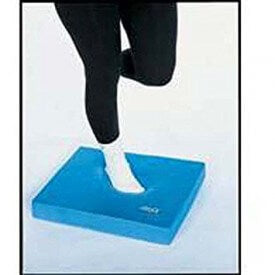
General core and stability gear includes stability balls, balance pads, sliders, mats, resistance bands, yoga blocks, foam rollers, and adjustable benches. These items may not look like dedicated abdominal machines, but they can support a wide range of effective exercises.
Sliders make mountain climbers, body saws, hamstring curls, and plank reaches more challenging. A stability ball supports rollouts, stir-the-pot drills, dead bugs, and back extensions. Meanwhile, bands work well for Pallof presses, chops, and warm-ups before heavier lifting.
This category is particularly useful for budget-friendly home training. If you are not ready to buy core exercise machines, a mat, resistance band, sliders, and one kettlebell can provide a varied starting setup.
A mat creates a comfortable surface for floor exercises, while sliders add movement without requiring a large machine. Resistance bands are easy to store and support warm-ups, anti-rotation exercises, and controlled resistance work. Buy each item according to your needs rather than purchasing every accessory at once.
Popular Core Equipment and Options Compared
Choosing Core Strengthening Equipment becomes easier when you match each tool to your training goal. Use the comparison below as a starting point. Your budget, experience, available space, and preferred exercises should guide the final decision.
| Equipment | Best For | Home Gym Advantage | What to Consider |
|---|---|---|---|
| Ab wheel | Anti-extension Strengthening and bracing | Compact, affordable, and challenging | May be too difficult without good plank control |
| Suspension trainer | Full-body stability and adjustable angles | Easy to pack away | Requires a secure anchor |
| Medicine ball | Rotation, power, and dynamic drills | Supports varied exercises | Throws and slams need space |
| Kettlebell | Carries, bracing, and Strengthening | Trains the core and whole body | Technique matters, especially for swings |
| Cable machine | Progressive resistance and anti-rotation | Allows precise loading | Needs more space and budget |
| Foldable ab machine | Guided crunch movements | Supportive and easy to store | May offer limited exercise variety |
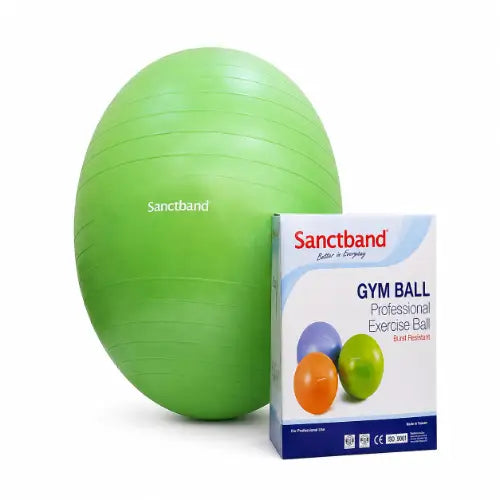
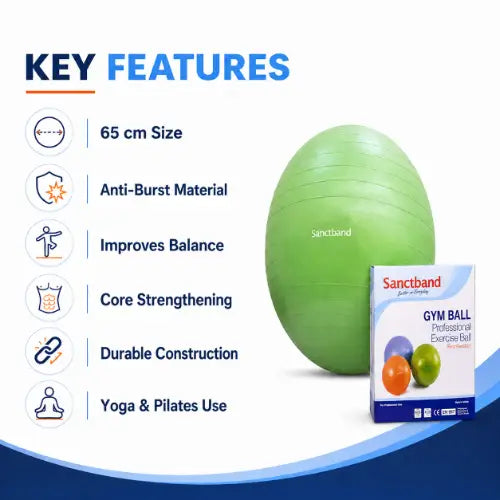
| Stability ball | Rollouts, balance, and progressions | Lightweight and versatile | Requires storage space |
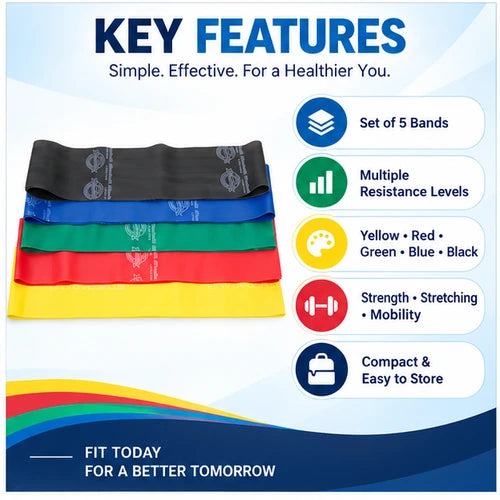
| Resistance bands | Anti-rotation, warm-ups, and travel | Low-cost and portable | Resistance varies through the movement |
If you are building a home gym from scratch, begin with versatile tools. A mat, resistance band, ab wheel, and kettlebell can support a useful beginner-to-intermediate routine. Later, add a suspension trainer or medicine ball for variety. Consider a cable machine only when you have enough space and expect to use it regularly.
8 Gym Machines to Use for Stronger Abs
Not every home has room for large machines, but learning about gym options can help you plan your routine. If you train at a fitness centre and want to recreate part of that experience at home, consider these core exercise machines and stations.

- Cable machine: Supports Pallof presses, chops, lifts, and kneeling crunches with adjustable resistance.
- Captain’s chair or vertical knee raise station: Helps you practise knee raises and leg raises when the supported position feels comfortable.
- Roman chair or back extension bench: Trains the posterior chain and balances front-side abdominal work.
- Adjustable decline bench: Supports sit-ups, reverse crunches, and controlled trunk flexion when used correctly.
- Ab crunch machine: Provides a guided movement and adjustable resistance for measurable progress.
- Functional trainer: Offers cable-based exercises from different angles through adjustable arms.
- Glute-ham developer: Provides advanced posterior-chain training and challenges trunk control.
- Rowing machine or ski trainer: Reinforces bracing during movement while adding cardiovascular conditioning.
Although machines can add variety, you do not need all eight to build a strong core. The best gym equipment for core strengthening depends on your technique, training plan, and ability to progress safely. Bodyweight exercises and compact tools can also produce useful results.
Are Planks Better Than Crunches?
Planks are useful for building abdominal stability, while crunches train controlled spinal flexion. Both exercises can fit into a balanced routine. However, if you have limited time or tend to pull on your neck during crunches, begin with planks, dead bugs, carries, and anti-rotation drills.
Planks teach your body to maintain alignment under tension. The aim is to resist collapse rather than create unnecessary movement. This skill can support push-ups, squats, hip hinges, running, and everyday lifting.
Crunches are not automatically harmful. Problems often arise when people use momentum, pull the head forward, or perform repeated movements without control. If crunches cause discomfort, try a comfortable variation, switch to dead bugs, or use a cable crunch with an appropriate load.
For most home routines, planks should form one part of the plan rather than the entire workout. Side planks, suspension trainer planks, and plank shoulder taps offer useful variations. Meanwhile, crunches, reverse crunches, and ab-machine exercises can train controlled flexion when your body tolerates them.
The Best Core Strengthening Equipment by Goal
The best device to Strengthening your core is one that suits your goal and allows consistent, controlled training. Someone rebuilding general fitness may need simple support, while an experienced athlete may want heavier resistance. If you have limited space, choose compact and quiet core workout tools.
For Beginners Building Confidence
Start with a mat, resistance band, and light kettlebell if you can use one comfortably. These tools support dead bugs, bird dogs, glute bridges, Pallof presses, suitcase carries, and simple hip hinges. They are portable, practical, and easy to progress.
A stability ball can also help if you prefer supported movement. Short-range ball rollouts are easier to adjust than full ab-wheel rollouts. A foldable ab machine may suit people who prefer guided movements, but include standing and side-body exercises for a more complete routine.
If you are asking, “How do I get my core back?” after a break from exercise, focus on consistency before intensity. Short sessions with good technique are more useful than occasional extreme workouts. Pay attention to breathing, alignment, and controlled movement.
For Small Spaces and Apartments
Choose quiet, versatile equipment such as resistance bands, sliders, a mat, a suspension trainer, and one or two kettlebells. Avoid medicine ball slams if noise is a concern. An ab wheel can also work well in an apartment when you use a suitable surface and control every repetition.
Suspension trainers are helpful when storage space is limited. You can pack them away after use, provided the anchor is secure and suitable. Foldable machines may also work, but measure the available space before buying because a foldable design is not always easy to store.
Think about where each item will stay between sessions. Equipment that is difficult to access may go unused. A compact setup that stays ready can be more useful than a large machine that takes over the room.
For Progressive Strength
If measurable strength is your goal, prioritise adjustable resistance. Cable machines, functional trainers, kettlebells, dumbbells, and weighted medicine balls allow you to increase the load, repetitions, sets, time under tension, or range of motion.
Cable machines stand out for controlled rotation and anti-rotation work. Kettlebells integrate the core with the hips, grip, shoulders, and breathing. Together, these tools can form a useful foundation for a serious home gym.
Progress does not require constant novelty. Repeat key movements long enough to improve your technique and strength. Change accessories when you need variety, but keep the main movement patterns consistent.
For Comfort and Support
If floor exercises bother your wrists, neck, or lower back, supportive equipment may help. Ab benches, foldable ab machines, elevated handles, stability balls, and cable stations provide different exercise positions. Choose a variation that lets you feel the target muscles without aggravating discomfort.
Comfort does not mean the exercise must be easy. A supported movement can still challenge your muscles. The benefit is that it allows you to focus on technique without unnecessary distractions.
If you experience sharp, persistent, or worsening pain, stop the exercise and seek qualified guidance. Core training should create muscular effort rather than alarming symptoms.
How Long Will It Take to Strengthen My Core?
Many people notice better movement control after several weeks of consistent practice. Building a stronger core usually takes longer and depends on training frequency, sleep, nutrition, starting fitness, and overall strength work. Think in stages: first learn control, then build endurance, and finally add resistance or more demanding movements.
A beginner can start with 10 to 20 minutes of focused exercise, three or four days per week. Is a 20-minute core workout enough? Yes, it can be useful when the session has a clear purpose, includes progression, and supports your wider fitness routine. A planned combination of bracing, side planks, and carries is more useful than random crunches.
Recovery also matters. Light activation drills may suit frequent practice, while hard ab-wheel rollouts, heavy cable crunches, and loaded carries may require more recovery. Treat your core like any other muscle group: apply a suitable challenge, then allow your body time to adapt.
How to Activate Deep Core Muscles
To activate your deep core muscles, begin with breathing and pelvic control before adding resistance. Lie on your back with your knees bent and breathe into your lower ribs. Then exhale gently and allow your ribs to settle without forcing your lower back flat. Next, try slow dead bugs, heel taps, or banded Pallof presses.
The deep core does not switch on through one magic cue. It responds to body position, breathing, pressure, and controlled movement. If you brace so hard that you cannot breathe comfortably, you may be using more tension than the exercise requires.
Use this simple activation sequence before demanding core training:
- Breathing reset: Take three to five slow breaths. Expand through your ribs instead of lifting your shoulders.
- Dead bug variation: Move one limb at a time while keeping your pelvis steady.
- Glute bridge: Connect your hips and trunk without arching your back.
- Pallof press: Use a resistance band to resist rotation and maintain a tall posture.
- Carry or plank: Finish with a bodyweight or loaded exercise that challenges trunk stability.
This sequence can help prepare your body for kettlebells, cable machines, suspension trainers, and ab-wheel exercises. Adjust the difficulty so you can maintain comfortable breathing and good alignment throughout each movement.
A Practical Home Core Equipment Checklist
Before buying Core Strengthening Equipment, consider how each item will fit your routine. The best core equipment is not always the most impressive-looking product. Instead, choose gear that you can use safely, store easily, and progress with over time.
- Training goal: Decide whether you want better stability, stronger abs, athletic rotation, general strength, or improved movement control.
- Space: Make sure you can use the equipment without hitting walls, furniture, or ceiling fixtures.
- Noise: Choose tools that suit your home and will not disturb others.
- Progression: Check whether you can increase the load, angle, range, tempo, or repetitions.
- Comfort: Select equipment that supports your movement without unnecessary wrist, neck, or back irritation.
- Versatility: Consider whether the item supports several exercises or muscle groups.
- Storage: Choose gear that remains accessible between workouts.
- Skill level: Match the equipment to your current control, not just your future goals.
Be cautious when a product promises instant abs or effortless transformation. Core Strengthening Equipment can improve your training, but it cannot replace regular exercise, recovery, and progressive effort. Compare real specifications and intended uses before making a purchase.
Core Exercises to Pair With Your Equipment
Equipment works best when you combine it with suitable exercises. Many people ask, “What are the top three core strengthening exercises?” A useful starting combination is the dead bug, side plank, and Pallof press. Together, these movements train body control, lateral stability, and resistance to rotation without requiring advanced skills.
Another useful combination includes a plank, suitcase carry, and bird dog. There is no single best exercise for every person. The right choice depends on your ability to maintain tension without compensating. For some people, that may be a plank; others may benefit more from a Pallof press, ab-wheel rollout, or hanging knee raise.
Try these pairings to get more value from different equipment types:
- Ab wheel: Kneeling rollouts, short-range rollouts, and controlled lowering movements.
- Suspension trainer: Body saws, suspended planks, mountain climbers, and pikes.
- Medicine ball: Rotational throws, dead bug presses, slams, and tall-kneeling chops.
- Kettlebell: Suitcase carries, goblet squats, deadlifts, windmills, and Turkish get-up progressions.
- Cable machine: Pallof presses, wood chops, lifts, kneeling crunches, and anti-rotation holds.
- Resistance bands: Standing anti-rotation presses, resisted dead bugs, and half-kneeling chops.
- Stability ball: Stir-the-pot drills, rollouts, jackknives, and back extensions.
A gentle daily routine might include dead bugs, bird dogs, and side-plank holds. However, daily practice differs from demanding strength sessions. If you perform challenging rollouts or loaded carries, allow enough recovery before repeating the same workload.
Signs Your Core Needs Work or Is Getting Stronger
A weak core does not always feel obviously weak. You may notice poor posture under fatigue, difficulty balancing, or trouble controlling your ribs and pelvis during movement. Other possible signs include excessive back arching during planks, side-to-side hip movement during single-leg exercises, and unnecessary neck tension during abdominal work.
However, these signs do not prove that every ache or movement problem comes from your core. Discomfort can have many causes. Appropriately scaled core exercises may still help you improve control and confidence during everyday activities.
Signs of a stronger core include smoother movement, steady breathing under effort, better balance, and greater control when carrying weight. A strong core is not simply a visible midsection. It is the ability to create and maintain useful tension when daily life or exercise demands it.
You may notice progress when planks feel steadier, kettlebell carries become easier to control, or your lower back no longer takes over during rollouts. Similarly, you may perform cable anti-rotation exercises without twisting. These functional improvements matter more than feeling sore after every workout.
Core Training and Cardio Can Work Together
Core training and cardio can support the same fitness plan. Walking uses your core Strengthening to help maintain posture and balance, especially on hills or when carrying items. However, walking alone may not provide enough progressive resistance to build a stronger core Strengthening.
The best order for core Strengthening and cardio depends on your main goal. If core Strengthening control is your priority, train it early while you are fresh. If cardiovascular performance matters most, complete a brief activation routine, perform your cardio, and save demanding core Strengthening exercises for later or another day.
For general fitness, try this workout order:
- Begin with gentle mobility and controlled breathing.
- Add core Strengthening activation, such as dead bugs or Pallof presses.
- Complete strength training with kettlebells, dumbbells, or machines.
- Perform cardio through walking, cycling, rowing, or suitable intervals.
- Finish with carries, planks, or gentle stretching if needed.
This structure connects core Strengthening work with the rest of your workout. It also helps prevent fatigue before heavy lifts that require strong bracing. Adjust the order according to your goals, experience, and recovery needs.
Weekly Programming for Home Core Strengthening Training
Most beginners can start with three focused core Strengthening sessions per week. Combine lighter activation exercises with more demanding strength work, and allow recovery between hard sessions. You do not need to train your abs intensely every day to make progress.
Use this simple weekly plan as a starting point:
- Day 1: Stability and anti-extension. Perform dead bugs, planks, suitable ab-wheel progressions, and glute bridges.
- Day 2: Total-body strength. Use kettlebell carries, squats, hip hinges, rows, and presses.
- Day 3: Rotation and anti-rotation. Practise Pallof presses, cable chops, or controlled medicine ball drills.
- Day 4: Light recovery. Walk, practise mobility, and perform gentle breathing exercises or bird dogs.
- Day 5: Mixed core Strengthening circuit. Combine suspension trainer planks, side planks, carries, and sliders.
Beginners can reduce this plan to three short sessions. More experienced trainees may add resistance, complexity, or volume as their technique improves. Give each session a clear purpose, and reduce the challenge if fatigue affects your form.
If your goal is to tighten your core, Strengthening remember that training can improve muscle strength, posture, and control. Visible changes also depend on body composition, nutrition, sleep, and your overall lifestyle. Consistent effort is more useful than expecting immediate results from one machine.
No-Equipment Core Strengthening Work Still Belongs in Your Plan
Although this guide focuses on Core Strengthening Equipment, bodyweight training remains valuable. These exercises teach control before you add resistance. They also work well during travel, warm-ups, and recovery sessions.
Core strengthening exercises without equipment include dead bugs, bird dogs, planks, side planks, hollow holds, glute bridges, bear holds, and slow mountain climbers. These movements often form the foundation for more advanced equipment-based training. If you cannot control a dead bug, an ab wheel may expose the same weakness more quickly.
Free resources, such as a core strengthening exercises PDF free download no equipment or a core strengthening exercises for beginners PDF no equipment, can help you plan a routine. Choose guides that explain technique, progression, and rest instead of listing random movements without instructions.
Build your home gym gradually, starting with your own movement skills. Learn each pattern before adding tools. This approach can help you avoid unnecessary purchases and get more value from the equipment you already own.
Buying Core Strengthening Equipment Online
Online searches for Core Strengthening Equipment can produce many different products. You may find phrases such as “Core Strengthening Exercises Equipment: A Guide to the Best,” “Shop Abs Core Strengthening Fitness Equipment Online in India,” “Buy Abs and Balance Equipment Online,” and “Fitness Equipment for Home and Gym Abdominal Training.” These searches can help you discover options, but a clear buying strategy will make your decision easier.
Read product details before making a purchase. Check the dimensions, weight limits, storage requirements, return policy, material quality, and intended use. For ab rollers, review wheel width, handle comfort, and rebound features. For suspension trainers, pay particular attention to the anchor and installation requirements.
For larger machines, confirm whether the model suits commercial or residential use. Commercial-style equipment may be durable but larger than expected. Compact home gear can save space, although some models may offer less stability or fewer adjustment options.
Avoid buying based only on dramatic before-and-after images or promises of instant results. Instead, choose equipment that supports regular exercise and solves a real training need. A simple tool that you use several times a week may offer better value than a large machine that rarely gets used.
Check the Product Details Before Purchase
Review the product specifications carefully. Check its dimensions, materials, maximum user weight, included accessories, assembly requirements, warranty terms, and storage instructions. If the equipment has moving parts or adjustable resistance, learn how the adjustments work and whether replacement parts or customer support are available.
Storage matters in a small home gym. Measure both your training area and the place where you will keep the equipment. Make sure you can extend your arms, move your legs, and complete every exercise without hitting furniture or walls.
For equipment that attaches to a wall, door, rack, or ceiling point, confirm that the mounting method suits the structure. Not every anchor works with every home. Follow the manufacturer's instructions and never use equipment if the attachment feels loose or unstable.
Common Mistakes When Using Core Strengthening Workout Tools
One common mistake is performing every movement too quickly. Core Strengthening training often works best when you slow down enough to feel your position and maintain tension. If momentum does most of the work, your muscles may miss the intended challenge.
Another mistake is chasing the burn instead of focusing on control. Abdominal burning can occur during an effective session, but it is not the only sign of progress. For example, a suitcase carry may not feel like a crunch, yet it can challenge abdominal stability and side-body strength.
Some people also neglect the rest of the body. Core Strengthening develops alongside hip, back, and shoulder strength, as well as good breathing mechanics. This is why kettlebells, cable machines, and suspension trainers can offer more long-term value than single-purpose gadgets.
Progressing too soon can also affect your results. If you cannot maintain a controlled ribcage and pelvis during a short rollout, a longer rollout is not automatically better. Likewise, shorten a plank when your lower back starts to sag. Improve the position before adding more time or difficulty.
Finally, avoid building your entire routine around one movement pattern. Flexion, rotation, anti-rotation, extension control, carries, and breathing all have a place in a balanced programme. The right Core Strengthening Equipment can help you practise these patterns without making your routine unnecessarily complicated.
A Sample 20-Minute Home Core Strengthening Workout
This sample workout uses simple core Strengthening fitness equipment and offers options for beginners. Move at a controlled pace, breathe comfortably, and stop any exercise that causes pain. Choose an easier variation whenever you cannot maintain good form.
Warm-Up: 3 Minutes
- Rib breathing: five slow breaths.
- Dead bugs: six repetitions per side.
- Glute bridges: ten controlled repetitions.
Main Circuit: 12 Minutes
Complete three rounds of the following exercises. Rest as needed, and maintain good form throughout each round.
- Band Pallof press: eight to ten repetitions per side.
- Kettlebell suitcase carry: 20 to 40 steps per side.
- Side plank: 15 to 30 seconds per side.
- Ab wheel or stability ball rollout: five to eight controlled repetitions.
Finisher: 3 Minutes
- Suspension trainer body saw or plank shoulder taps: work for 20 seconds, then rest for 20 seconds.
Cool Down: 2 Minutes
- Walk slowly around the room.
- Finish with a comfortable child's pose or gentle breathing exercise.
A 20-minute core Strengthening workout can be effective when it combines bracing, anti-rotation, side stability, and progressive challenge. Start with a manageable workload and increase it gradually rather than adding every exercise at once.
Can a Weak Core Strengthening Be Improved?
You can often improve core strength through consistent training that builds control before intensity. The best exercise for a weak core Strengthening is not necessarily the hardest abdominal movement. Instead, choose an exercise you can perform with good alignment, steady breathing, and a suitable level of challenge.
Start with dead bugs, bird dogs, side planks, glute bridges, and band Pallof presses. Then introduce Core Strengthening Equipment when it helps you progress. A resistance band, for instance, makes anti-rotation work easy to adjust, while a kettlebell provides a measurable challenge during carries.
If you are returning to exercise after pregnancy, injury, surgery, or persistent pain, general advice may not meet your needs. Seek guidance from a qualified professional when appropriate. A good programme should build confidence and control without making symptoms worse.
How to Choose the Best Device to Strengthen Your Core Strengthening
If you want one recommendation, choose equipment according to your current ability. Beginners may benefit most from a resistance band and mat. A kettlebell supports compact, full-body strength work, while an ab wheel provides a demanding abdominal challenge. For greater exercise variety, consider a suspension trainer or cable machine.

Follow this simple buying path:
- Start with bodyweight control: Learn dead bugs, planks, bird dogs, and side planks.
- Add low-cost resistance: Use a band for Pallof presses and controlled chops.
- Add external load: Choose a kettlebell for carries, squats, and hip hinges.
- Increase the challenge: Consider an ab wheel, suspension trainer, or medicine ball.
- Buy machines when needed: Choose a foldable ab machine or cable system only if it suits your goals and space.
This approach keeps your home gym practical and helps prevent unnecessary purchases. Every piece of core strengthening exercise equipment should meet a clear need in your routine. Start with the basics, then add tools as your training develops.
Evidence, Learning, and Realistic Expectations
Research articles about Core Strengthening Equipment can help you learn about trunk stability, motor control, resistance training, and rehabilitation principles. However, a study involving one exercise or group may not directly tell you which tool will work best in your home gym. Use research as guidance while considering your own needs and ability.
Realistic expectations are important. Core Strengthening training can improve strength, balance, posture awareness, and exercise performance, but it cannot target fat loss in one specific area. Visible abs depend on several factors, including body composition, nutrition, genetics, and consistent full-body training.
These limitations do not reduce the value of core Strengthening exercise. In fact, practical benefits may matter more than appearance. A stronger trunk can help you move with greater confidence, perform exercises with better control, and handle daily tasks more comfortably.
No single machine guarantees results. Your training plan, technique, recovery, and gradual progression determine how effectively you use your equipment. Choose tools that encourage regular practice and match your current ability.
Final Takeaway
The best Core Strengthening Equipment for home is the equipment you can use consistently, safely, and progressively. For most people, a practical setup starts with a mat, resistance bands, and bodyweight exercises. You can then add an ab wheel, kettlebell, suspension trainer, medicine ball, or cable machine according to your goals and available space.
You do not need every popular tool to build a stronger core Strengthening . Instead, create a routine that trains stability, rotation control, abdominal flexion, carries, and total-body strength. With suitable equipment and a steady plan, your home gym can support effective core Strengthening training without becoming complicated.
Before buying anything, compare the equipment's size, features, resistance options, storage needs, and intended use. Start with the basics, practise good technique, and add tools when your routine calls for them. A well-planned setup can make home training more practical and help you stay consistent over time.
Need help choosing Core Strengthening Equipment?
Compare equipment types, specifications, storage needs, resistance options, and intended uses before making a purchase. Choose products that match your routine, available space, and current training level.
Explore Medical Collections
All Categories
Abdominal Belt: Support After Surgery, in Pregnancy and After Delivery

Accessories
Accu-Chek Instant Strips: Use, Compatibility, Price & Blood Sugar Testing Guide
Accu-Chek Instant Strips: Uses, Features & Complete Guide

accupuncture

Acupuncture Needles & Supplies

Advanced Physiotherapy Machines & Lumbar Physiotherapy
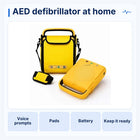
AED Defibrillator: How It Works, Who Can Use It and Where to Place It

Airways
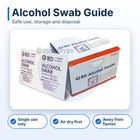
Alcohol Swab: Uses, Safe Use and Disposal Guide
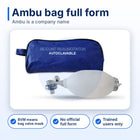
Ambu Bag Full Form: Is There an Official Meaning?
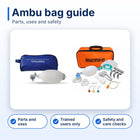
Ambu Bag: Parts, Uses and Safety Guide
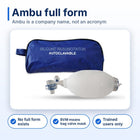
Ambu Full Form: What the Name Means and BVM Basics

Ambulance

Anatomy Models
You may also need
FOR YOURecommended for you
Save 25%
Save 12%
Save 18%
Save 11%
Save 50%
Save 20%