


Featured ChoiceSave 31%

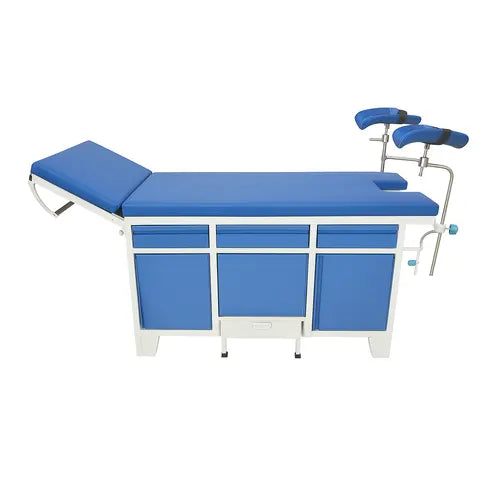
Save 40%
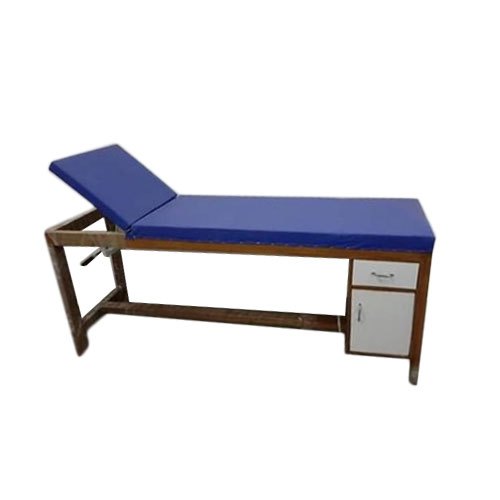
Save 24%
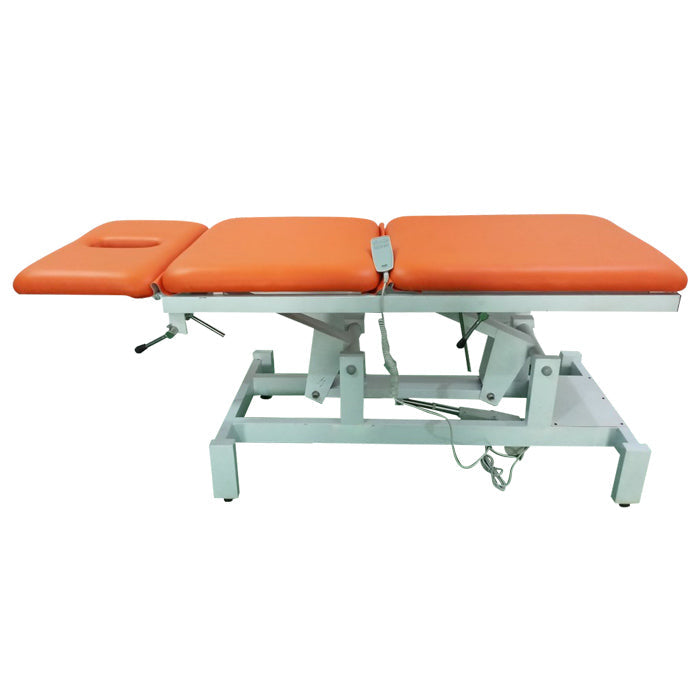

Save 50%
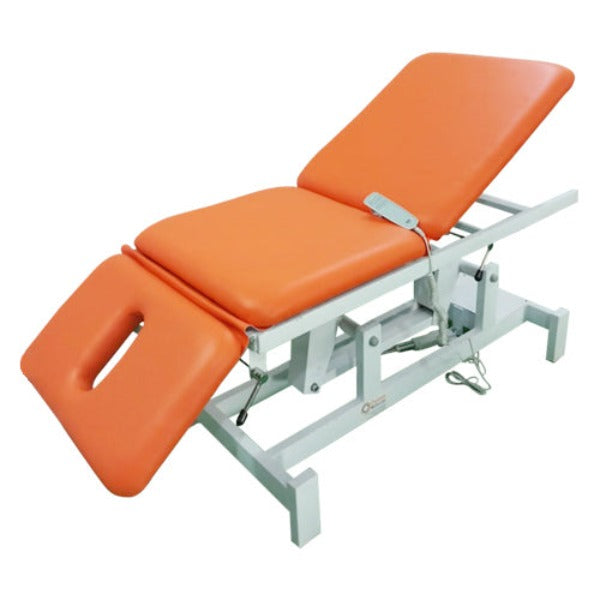
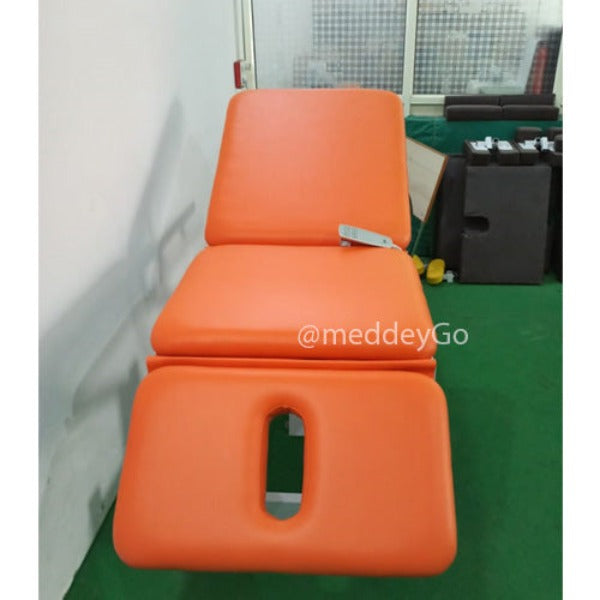
Examination Table for Home Use: Types, Sizes & How to Choose
Examination table for home use: types, sizes & how to choose
Examination tables for home use give families, carers, and small home care rooms a stable, raised surface for everyday care support. The right choice depends on the person using it, the room it will sit in, how often it must be moved, and how easy it is to clean and store. This guide explains the main types, practical sizes, comfort features, weight capacity, and simple safety checks so you can choose with more confidence.
How do you choose an examination table for home?
How do you choose an examination table for home? Start by matching the examination couch to the person, the room, and the kind of care support you need, rather than buying the first model that looks clinical.

A good choice should feel steady, fit through the available space, be simple to wipe clean, and be comfortable enough for short periods of use. For families, ease matters just as much as features. If the examination couch is too heavy to move, too high to access, or too large for the room, it may sit unused.
Use this quick decision path:
- Measure the room first. Allow space around the examination couch, not just for the couch itself.
- Choose fixed or folding. Fixed suits regular use; folding suits storage and occasional use.
- Check the height. The person should be able to get on and off with suitable support.
- Review the weight rating. Look for a clear manufacturer limit.
- Think about cleaning. Smooth, wipeable surfaces are easier to maintain.
Examination table basics for everyday home support
Examination table basics begin with one simple idea: it is a stable raised couch used to make home care tasks more comfortable and controlled. In a house or small home care room, it can reduce awkward bending and give the person a clearer, flatter place to sit or lie down.
If you are wondering, “What is an examination table used for?”, the practical answer is broad but simple. It can support general care routines, personal support, rest during care visits, and safe positioning for non-emergency assistance. It is not chosen because it performs care by itself; it is chosen because it provides a suitable surface.
Common priorities include:
- A surface that feels secure and does not wobble.
- Padding that is firm enough to support the body.
- A covering that can be cleaned without fuss.
- Sizing that works for the user and room.
- A design that carers can use without strain.
Fixed examination table options for regular use
Fixed examination table options are best when the table will stay in one room and be used often. They usually have a solid frame, a padded top, and legs or a base that remain assembled. This makes them a practical choice for small home care rooms or families who have a dedicated care space.

The main benefit is stability. A fixed examination table does not need to be unfolded, locked, or packed away each time, so there is less setup work. It can also feel more reassuring for someone who dislikes movement under them.
The trade-off is space. A fixed examination table needs a permanent footprint, and it may be hard to move through narrow halls or doorways after assembly. Before choosing one, measure the room, check delivery access, and decide whether the examination couch can stay in place without blocking daily life.
Folding examination table options for flexible homes
Folding examination table options suit homes where space is shared with other activities. A folding examination table can often be packed down and stored against a wall, in a cupboard, or in a spare room when not in use. This can be helpful for families who only need a raised care surface from time to time.

The key is to check the locking system. A folding model should open fully, sit level, and lock firmly before anyone uses it. If the legs or hinges feel loose, the table is not ready for use.
Look for practical details:
- Strong hinges that do not pinch during setup.
- Secure leg braces or locks.
- Carry handles if it will be moved often.
- A folded size that fits your storage space.
- A weight that one or two people can manage safely.
Folding models are convenient, but convenience should never replace stability.
Examination couch choices for comfort at home
Examination couch choices are often similar to examination table choices, especially in everyday language. Some sellers use “couch” to describe a padded care surface with a backrest, head section, or more furniture-like design. For most users, the best term matters less than the practical fit.


An examination couch may feel less clinical, which can be welcome in a bedroom, guest room, or small care area. Some models have an adjustable head section, allowing the person to rest at a slight incline. Others are simple flat couches designed for basic support.
When comparing a couch for home care, check the same core points you would check on any table: size, height, padding, frame strength, cleaning surface, and stability. A couch that looks comfortable but rocks, sags, or is hard to clean will not be a good long-term choice.
Examination bed or examination table: the practical difference
Examination bed language is often used when a product looks wider, more cushioned, or closer to a narrow care bed. When shopping, the words “examination bed,” “examination table,” and “examination couch” may overlap, so read the product details carefully.

A bed-style design may feel more familiar to the person using it, especially if they need a little more room. A table-style design may be narrower, simpler, and easier to place in a smaller room. Neither is automatically better; the right choice depends on the space and how the surface will be used.
Ask these practical questions:
- Is it wide enough for the person to feel settled?
- Is it narrow enough for carers to reach comfortably?
- Does it have a clear weight capacity?
- Can the top be cleaned easily?
- Will it fit through doors or around corners?
Is an examination couch the same as a massage table?
Is an examination couch the same as a massage table? Not always, because a massage table is usually designed around bodywork comfort and portability, while an examination couch is usually chosen for stable support in care settings.


A massage table can look similar because it has padding, folding legs, and a raised surface. However, buyers should compare more than appearance. Some massage models are soft and portable, but they may not offer the height, surface material, frame design, or steady feel needed for frequent care support.
That does not mean a massage table is never useful. For light, occasional, non-clinical support, some families may consider one if the rating, stability, width, and cleaning surface are suitable. Still, the main focus should remain the home care purpose. Choose the examination couch that feels safe, firm, and practical for the person who will use it.
What size examination table do I need?
What size examination table do I need? You need an examination couch long enough for the person to rest comfortably, wide enough to feel secure, and compact enough to fit the room with working space around it.

Start by measuring the person’s height, the available floor area, and the route into the room. Do not judge by the room’s total size only. A couch can technically fit but still leave no space to stand, assist, clean, or open a door.
A practical measuring checklist:
- Measure the table footprint you are considering.
- Leave clear space on at least one long side.
- Check room for drawers, doors, radiators, and furniture.
- Measure the path from delivery point to final room.
- Consider whether a wider couch makes access harder.
For many homes, the best size is not the largest possible option. It is the size that balances comfort, access, and safe movement around it.
Examination table height and access matter
Examination table height affects how easy it is for someone to get on, get off, and feel settled. An examination table that is too high can feel intimidating, while one that is too low can make support awkward for carers. The best height depends on the person’s mobility, the room layout, and the type of help available.

Some home models have a fixed height. These are simpler and often more affordable, but you need to be confident that the height suits the user. Other designs may offer adjustable height, though these can be heavier, more costly, or more complex to place.
Think about access from a chair, standing position, or transfer aid if one is used. Avoid relying on guesswork. If possible, compare the examination couch height with a bed, sofa, or chair the person already uses comfortably.
Examination table padding and comfort features
Examination table padding should feel supportive rather than overly soft. Thick, soft padding may seem more comfortable at first, but it can make the surface feel less steady. Firm padding helps the person rest without sinking deeply into the couch.
For home care, comfort is about both the person using the examination couch and the people helping nearby. A smooth padded top can make short periods of use more pleasant. Rounded edges may reduce the hard, clinical feel. A head pillow or shaped head section can also help some users feel more relaxed.
Check the covering as well as the foam. The surface should resist cracking, be easy to wipe, and have seams that do not trap dirt. If the padding is already wrinkled, loose, or damaged, cleaning and comfort may become harder over time.
Examination table with head rest features
Examination table with head rest features can make the setup feel more adaptable. A head rest may be fixed, removable, or adjustable, depending on the model. For families, the main question is whether it adds comfort without making it harder to clean or store.
An adjustable head section can support a slightly raised position for reading, talking, or resting during care support. A removable pillow-style head rest can be simple, but it should stay in place and have a wipeable cover. A face opening, often seen on massage-style tables, is not always useful for home care and should not be treated as essential.
Look at the mechanism closely. It should move smoothly, lock securely, and feel steady when weight is placed near it. If the head rest wobbles or drops unexpectedly, it is not a helpful feature.
Examination table weight capacity and user safety
Examination table weight capacity tells you the maximum load the manufacturer says it can support. If you ask, “How much weight can an examination table hold?”, the only safe answer is the stated rating for the exact model you are considering. Do not assume all tables are the same.
Weight capacity should include the person using the examination couch and any normal pressure placed on the surface during support. A higher rating can add reassurance, but it should still come from clear product information, not guesswork. Avoid models with missing, vague, or hard-to-find load details.
Safety note: If you are unsure whether a table is suitable for a person’s needs, see a doctor or trained professional.
Also check how the weight is distributed. An examination table may feel strong in the middle but less steady near the edges or head section. Stability and rating should be considered together.
Examination table surface cleaning at home
Examination table surface cleaning should be simple, frequent, and realistic for a busy household. A wipeable surface is one of the most important features for home use because the examination couch may sit near bedrooms, bathrooms, pets, storage, or daily family activity.

Choose a smooth covering that can be wiped with suitable household cleaning products recommended by the manufacturer. Avoid rough fabrics, deep seams, or cracked vinyl, as these can hold dust and make cleaning harder. If the product instructions limit what cleaners can be used, follow them to protect the surface.
A simple cleaning routine can include:
- Wiping the surface before and after use.
- Cleaning edges, seams, and head rest areas.
- Letting the surface dry fully before storage.
- Checking for tears, peeling, or sticky patches.
- Using clean covers only if they do not create slipping.
Cleanability is not a small detail; it affects daily confidence.
Examination table storage in shared spaces
Examination table storage matters when the examination couch is used in a bedroom, living room, spare room, or small home care room. A fixed model needs a permanent place, while a folding model needs a safe storage spot when closed. Planning storage before buying prevents frustration later.
For a folding examination table, check the folded length, width, and thickness. A couch that folds but is too heavy to lift or too tall for a cupboard may not solve the space problem. Also consider whether it needs a protective bag or cover to keep the surface clean between uses.
Good storage habits include:
- Store the examination couch dry and clean.
- Keep it away from sharp objects.
- Do not stack heavy items on the padding.
- Avoid damp garages or sheds unless the product allows it.
- Keep hinges and locks easy to inspect.
Storage should protect both the examination couch and the people moving around it.
Examination table stability checks before use
Examination table stability checks should become a normal habit, especially in a home where different people may set up or move the examination couch. Even a strong couch can become unsafe if a lock is missed, a foot is uneven, or a screw has loosened.

Before use, pause for a quick check. Place the couch on a flat surface. Make sure all legs touch the floor evenly. Look at the hinges, braces, and frame. Press gently on the surface to see whether it rocks or shifts.
A useful pre-use checklist:
- Legs fully open or fixed in place.
- Locks clicked or tightened as designed.
- Feet level and not sliding.
- Padding secure on the frame.
- Head rest locked if adjustable.
- No new cracks, bends, or loose parts.
If something feels wrong, do not ignore it. A few seconds of checking can prevent a poor setup.
Examination table room setup for home care
Examination table room setup can make it easier and calmer to use. The best room is not always the largest room; it is the room where there is good access, enough privacy, suitable lighting, and a clear path in and out.
Avoid placing the couch where someone must squeeze between furniture or step over cords. Keep the floor dry and clear. If the couch has adjustable parts, leave enough room for them to move without hitting a wall or cabinet.
Think about everyday flow:
- Can the person approach the examination couch easily?
- Is there space for a chair nearby?
- Can carers stand without twisting awkwardly?
- Is the cleaning kit close but safely stored?
- Can the examination couch be reached without blocking exits?
A calm setup supports better routines. It also makes the examination couch feel like a planned part of the home, not an obstacle.
Examination table materials and frame choices
Examination table materials affect weight, strength, cleaning, and appearance. Common frame materials include metal and wood, with metal often chosen for a more clinical feel and wood sometimes chosen for a warmer look. The best choice depends on how often the examination couch is moved and how visible it will be in the room.
A metal frame may be easier to wipe and may feel sturdy for regular use. A wooden frame can look less medical, but you should check how it handles cleaning and whether joints remain firm. For folding designs, frame strength and hinge quality are especially important.
Also check the feet. Rubber or non-slip feet can help protect flooring and reduce movement. If you have carpet, tiles, or wood floors, make sure the examination couch sits level on that surface. A strong frame still needs steady contact with the floor.
Examination table comfort for the person using it
Examination table comfort is about feeling secure, not just feeling soft. Many users are more relaxed when the couch is easy to approach, does not shake, and has enough width to avoid a perched feeling. Small comfort details can make a big difference.
Consider the person’s preferences where possible. Some may prefer a slightly raised head section. Others may want a flatter, firmer surface. If the examination couch feels too narrow, too high, or too slippery, it may create stress even if the product looks suitable on paper.
Useful comfort features can include:
- Firm padding with a smooth cover.
- A stable head rest or pillow.
- Rounded corners or softened edges.
- Enough length for relaxed positioning.
- A surface that does not feel cold or sticky.
Comfort should never hide poor stability. The goal is an examination couch that feels both supportive and dependable.
Examination table access for carers and family members
Examination table access matters because home care often happens in small rooms with real furniture, real clutter, and limited walking space. A couch that is comfortable for the person but impossible to work around can create daily strain.

Choose a width that allows the person to feel supported while still letting helpers reach without leaning too far. Leave space on the main working side, and avoid pushing the examination couch tight against a wall unless the other side is fully usable. If two people often help, plan enough room for both.
Height also affects access. A very low couch may cause bending. A very high couch may make getting on and off harder. The right balance depends on the home, the person, and the type of support usually needed.
A practical test is to mark the couch size on the floor with tape before buying. Walk around it and see how the room feels.
Examination table buying checklist for families
Examination table buying checklist items should focus on daily reality, not just product photos. Families often compare price and appearance first, but the better questions are about fit, stability, cleaning, and ease of use.

Before buying, confirm:
- Type: fixed, folding, couch-style, or bed-style.
- Size: length, width, and room clearance.
- Height: fixed or adjustable, and easy to access.
- Padding: firm, comfortable, and not damaged.
- Head rest: useful, stable, and cleanable.
- Weight capacity: clearly stated for the exact model.
- Surface: smooth, wipeable, and suitable for cleaning.
- Storage: realistic for the space available.
- Stability: strong frame, level feet, secure locks.
- Delivery: able to pass through halls, doors, and stairs.
This checklist helps you avoid buying an examination couch that looks right online but does not work well in your home.
Examination table comparison for home situations
Examination table comparison is easier when you match each type to a real home situation. There is no single best design for everyone, because a small apartment, a spare bedroom, and a home care room all create different needs.
| Home situation | Table type to consider | Main benefit | Main caution |
|---|---|---|---|
| Daily use in one room | Fixed examination table | Steady and always ready | Needs permanent space |
| Occasional use | Folding examination table | Stores away when not needed | Must be locked correctly |
| More relaxed appearance | Examination couch | Softer home-friendly look | Check cleaning and stability |
| Need more surface room | Examination bed style | Wider, more bed-like feel | May take more space |
| Light portable support | Massage table style | Easy to move | Not always ideal for care use |
Use comparison as a starting point, then check the exact model details. Two models in the same category can feel very different.
Examination table mistakes to avoid
Examination table mistakes often happen when people buy for appearance instead of practical use. A couch can look neat, padded, and compact but still be the wrong choice for the person or room. Taking time to check details can save money and stress.

Common mistakes include:
- Buying without measuring the room.
- Ignoring the path through doors and hallways.
- Choosing very soft padding that feels unstable.
- Forgetting to check the weight capacity.
- Assuming every massage table works as a care table.
- Buying a folding model that is too heavy to store.
- Overlooking cleaning instructions.
- Placing the examination couch on an uneven floor.
Another mistake is choosing too many features. Adjustable sections, extra cushions, and folding parts can be useful, but only if they are easy to handle. Simple and sturdy is often better than complex and awkward.
Examination table upkeep after purchase
Examination table upkeep keeps the surface pleasant and the frame dependable. Once the couch is in your home, treat it as a piece of care equipment rather than ordinary furniture. Small habits help it last longer and stay easier to use.
Create a simple routine. Wipe the surface as recommended. Check the padding for tears. Look at the legs, feet, and frame. For a folding model, open and close it carefully rather than forcing the hinges.
Monthly checks can include:
- Tightening parts if the product instructions allow it.
- Looking for rust, cracks, or bent areas.
- Checking that locks still hold firmly.
- Making sure the head rest stays secure.
- Confirming the examination couch still sits level.
If it becomes noisy, uneven, or harder to lock, stop and inspect it. Upkeep is easier when problems are noticed early.
Examination table choices for small home care rooms
Examination table choices for small home care rooms should balance a welcoming feel with practical durability. A home care room may use the examination couch more often than a private household, so cleaning, surface quality, and frame strength become especially important. The room should also look tidy and feel easy to move around in.
A fixed examination table may be the better option if the space is dedicated to care support all day. It avoids repeated setup and can look more settled. If the room changes purpose, a folding examination table may still make sense, but it should be strong enough for regular handling.
Small home care rooms should also think about the impression the examination couch creates. A clean, stable, well-placed examination couch or table can make the room feel organized without looking harsh. Keep spare covers, cleaning items, and accessories stored neatly so the couch area remains clear.
Examination table choices for families caring at home
Examination table choices for families caring at home should feel manageable, not overwhelming. Most families need plain language, simple setup, easy cleaning, and a design that fits normal household life. The best couch is the one that supports daily routines without taking over the room.
If several family members help, choose an examination couch that everyone can understand. Folding locks should be obvious. Cleaning should be straightforward. Storage should not require heavy lifting each time.
It also helps to involve the person who will use it when possible. Ask how the height, width, and padding feel. Notice whether they seem steady and relaxed when sitting or lying on it. A table may meet every technical detail and still feel wrong to the person using it.
For home care, confidence is built through fit, comfort, and repeatable setup.
Examination table accessories worth considering
Examination table accessories should solve a real problem rather than add clutter. In daily use, simple accessories often work best because they are easier to clean, store, and replace. Avoid adding anything that makes the surface slippery or harder to inspect.

Useful accessories may include a wipeable pillow, a fitted protective cover, a storage bag for a folding examination table, or floor protectors for hard surfaces. If using any cover, make sure it stays smooth and does not bunch up. If using a pillow, check that it supports comfort without lifting the head awkwardly.
Be cautious with add-ons that attach to the frame. They should not affect balance, block folding parts, or make cleaning more difficult. Accessories should support the couch’s main job: offering a stable, comfortable, cleanable surface for home care support.
Examination table final takeaway for home buyers
Examination table selection is easiest when you focus on fit, steadiness, comfort, and cleaning before extra features. For most homes, the right choice will be a practical balance: large enough to feel secure, compact enough for the room, strong enough for the user, and simple enough to maintain.
If you want a permanent setup, look closely at fixed examination tables and examination couch designs. When space is limited, compare folding examination table models with extra care, especially locks, weight, and storage size. If you are tempted by a massage table, make sure it truly fits the home care purpose rather than choosing it only because it is portable.
Measure first, check the rating, inspect the surface, and think through the room layout. A well-chosen examination couch can make home care support feel calmer, more organized, and easier to manage day after day.
Explore Medical Collections
All Categories
Abdominal & Maternity Support

Accessories

Accu-Chek Instant Strips: Use, Compatibility, Price & Blood Sugar Testing Guide
Accu-Chek Instant Strips: Uses, Features & Complete Guide

accupuncture

Acupuncture Needles & Supplies

Advanced Physiotherapy Machines & Lumbar Physiotherapy

Airways

Ambulance

Anatomy Models
Anesthesia Machine

Anesthesia Products

Ankle Support for Home Use: Braces, Sleeves & Walker Boots

Ankle Weights & Exercise Weights for Home & Rehab

Anti-Bedsore Air Mattresses
You may also need
FOR YOURecommended for you
Save 31%
Save 40%
Save 24%
Save 50%