


Featured ChoiceSave 22%
Save 33%

Save 50%

Save 22%

Save 11%


Save 11%


Save 33%
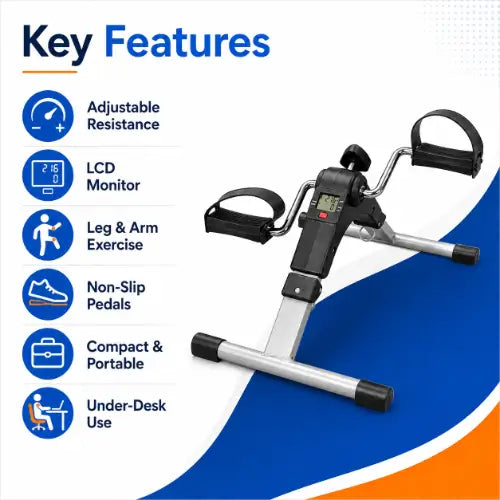

Save 11%


Save 11%


Save 11%


Save 11%


Save 11%


Save 11%
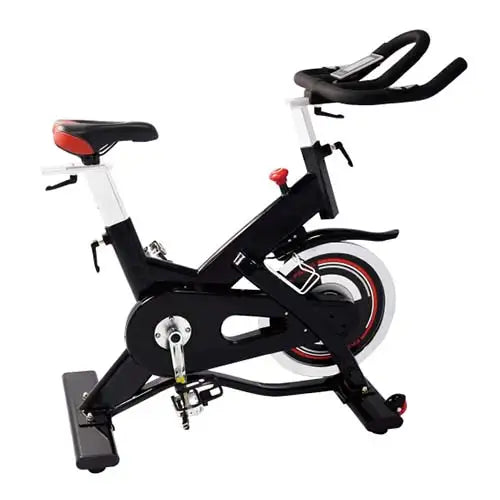

Save 11%


Save 5%
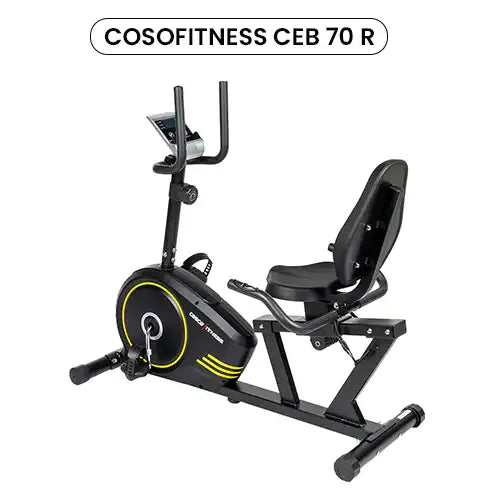


Save 8%
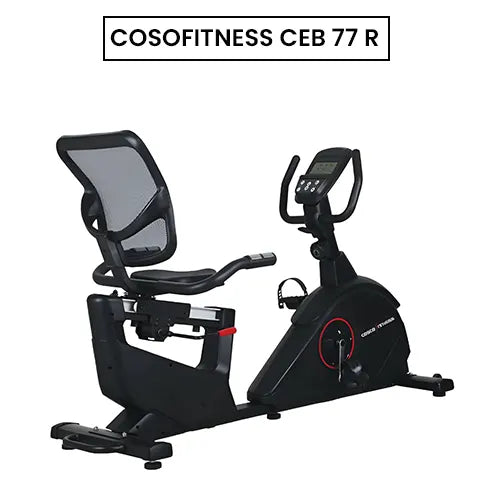


Save 25%

Save 38%
Save 29%


Sold out

Sold out


What customers say
★★★★★ 5.0 · 7 reviews
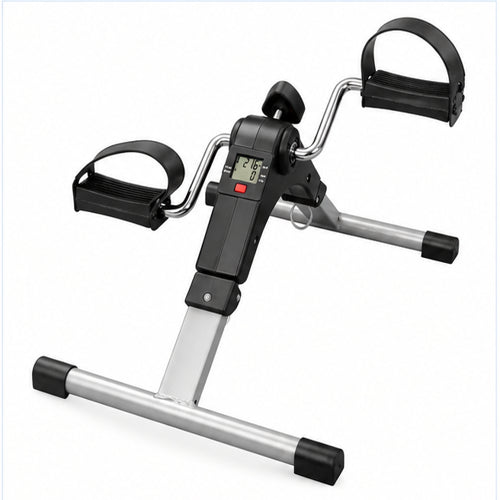
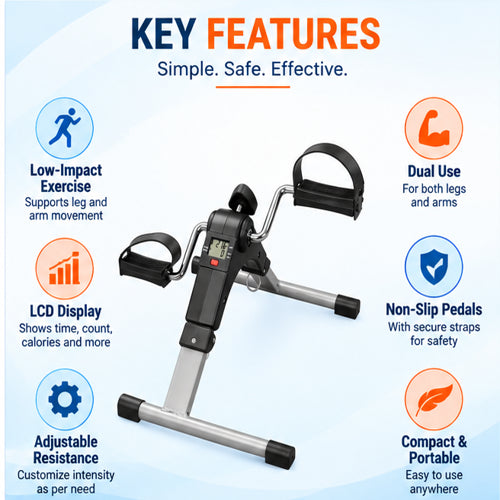
 Mini Pedo Pedal Exerciser Cycle
“LCD monitor is clear and easy to read. Great for tracking time, speed, and calories burned”
“Good product for light exercise at home or office. I use it daily under my desk – great for circulation, th...”
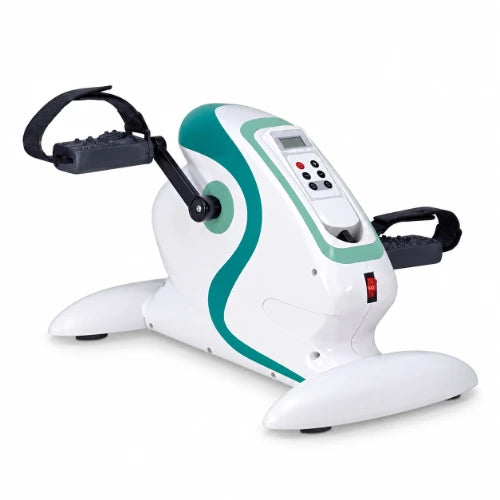
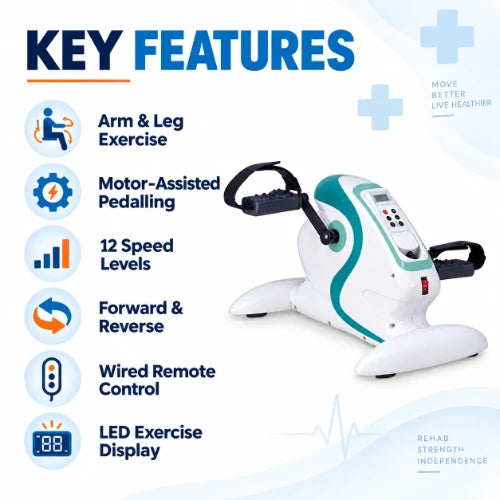
 Motorized Pedo Cycle for Arm & Leg Exercise with Remote Control
“It’s easy to use, adjustable, and provides a smooth pedaling experience. The motor assistance makes it grea...”
Leg Exerciser for Home Use: Pedal, Cycle & Stepper Guide
Leg exerciser for home use: Pedal, Cycle & Stepper Guide
Leg exerciser choices for home use can make gentle leg activity easier to fit into everyday life, especially when you want a compact option for seated pedaling, stepping, or guided leg motion. A leg exerciser can support a more active routine without requiring a large setup, and the best choice depends on your space, comfort level, balance, and daily habits. In this guide, you’ll learn how pedal, cycle, stepper, motorized, and supportive options compare so you can choose a leg exerciser that is practical at home.
Consult your doctor or physiotherapist before using a leg exerciser, especially if you have pain, balance concerns or a recent change in your health.
A home-friendly leg exerciser should be simple enough to use often, stable enough to trust, and easy enough to store when you are finished. Some people want an under desk leg exerciser for light leg activity while reading or working. Others prefer a static cycle with digital meter, a foot stepper, a motorized electric mini exerciser, or supportive add-ons such as a knee pillow for comfort between sessions.
What is a leg exerciser for home use?
A leg exerciser for home use is a compact device or support aid designed to help you move your legs in a controlled way at home. It may use pedals, a cycle motion, a stepping motion, guided powered pedaling, or a raised platform that helps you practice simple leg exercise. The goal is convenience: you can keep exercise accessible without needing a dedicated workout room or complicated setup.


The term covers several styles. A pedal unit, sometimes called a leg pedal exerciser or mini leg exerciser, sits on the floor and lets you pedal while seated. A static cycle or exercise cycle looks more like a compact bike-style cycle and may include a digital meter. The foot stepper creates an up-and-down stepper action. The motorized leg exerciser uses powered pedaling for those who want a more guided experience. Supportive options, such as a wooden foot stool stepper, wooden exercise staircase, medansh quadriceps chair, and knee pillow, can also play a role depending on the user’s comfort and routine.

The right option is not simply the one with the most features. It is the one you will use safely and consistently in your real home environment. Before choosing, think about where it will live, who will use it, whether sitting use is preferred, and how much physical effort seems appropriate. Consult your doctor before starting or changing an activity routine, especially if you have pain, balance concerns, or a recent change in your health.
leg exerciser styles for different home routines
A useful way to compare options is to start with the motion they create. Pedaling, stepping, and guided leg motion each feel different, and each fits a different kind of day. You may prefer one option for easy seated pedaling and another for a more active, upright routine.
Pedal exerciser
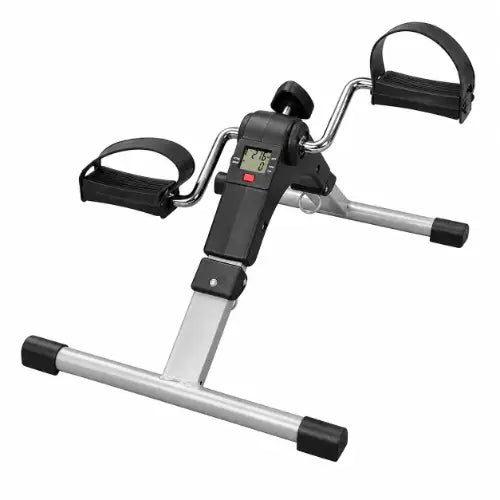
A leg pedal exerciser is one of the most familiar compact choices. It usually sits on the floor in front of a seat and allows you to pedal with your feet while seated. Because it is small, it can work in a living room, bedroom, office corner, or under a table if the height and clearance are comfortable.
This style is often appealing for people who want light leg activity while watching television, listening to music, reading, or taking breaks from long sitting. A pedal unit can be simple and manual, or it may include adjustable resistance and a small display. If you want a leg exerciser that does not dominate a room, this is often a sensible place to start.
Under desk leg exerciser
An under desk leg exerciser is built around the idea of quiet, low-profile seated use. It should fit beneath the desk without forcing your knees upward into the tabletop. The best fit depends on your seat height, desk height, leg length, and the size of the unit.
For work-from-home use, smooth motion matters. A jerky pedal cycle can distract you, while a stable pedal action is easier to use during light tasks. If you plan to type, read, or join calls while moving, look for a design that stays planted and does not slide forward with every pedal stroke.
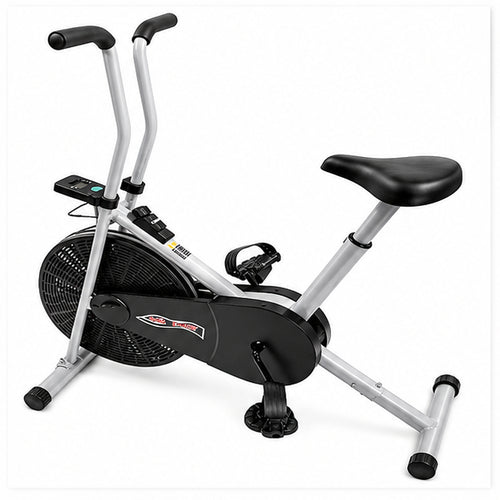
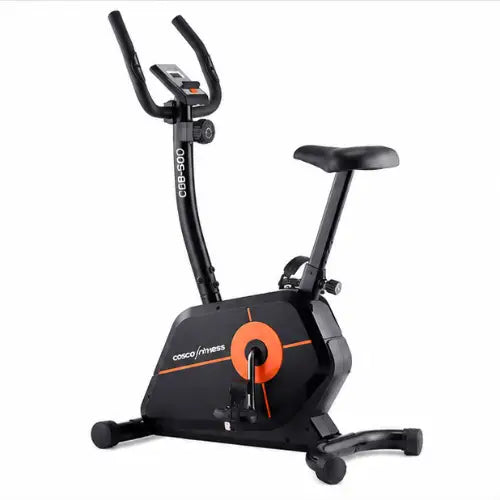
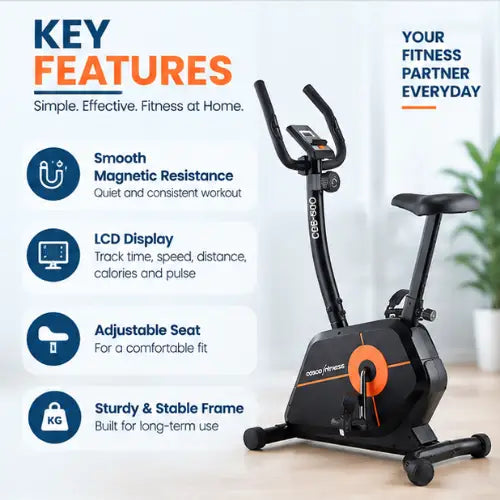
Static cycle with digital meter
A static cycle with digital meter gives you a more bike-like setup while still being suitable for home use. The digital meter may show basic feedback such as pedal count or other general feedback information, depending on the model. That feedback can be motivating for those who like to see progress without using a complicated app.
Compared with a very small pedal unit, a static cycle may seem more substantial. It can suit people who want a steadier base, a clearer riding position, and a more familiar cycle motion. The trade-off is that it may take up more space and may not be as easy to move from room to room.
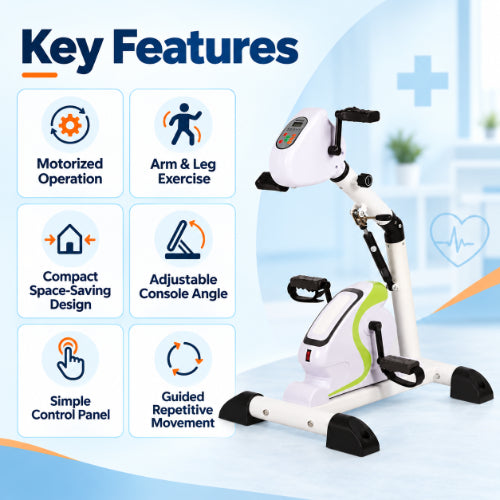
Motorized electric mini exerciser
A motorized electric mini exerciser uses powered motion to move the pedals. This can appeal to those who prefer a guided rhythm instead of fully manual pedaling. Some users like this style because it is less demanding on tired leg muscles, particularly on days when motivation or energy is low.

Because powered units vary, comfort and control are important. Look for easy-to-reach controls, a speed range that is gentle, and a design that lets you stop without fuss. A motorized leg exerciser should never seem like it is pulling you faster than you want to go.
Foot stepper
A foot stepper uses an up-and-down leg motion rather than a circular pedal stroke. It may be used while seated or standing, depending on the design, but stability is essential. For many home users, a seated stepper action is more approachable than standing stepping.
A foot stepper can be useful if you prefer a simple action pattern and do not enjoy cycling. It may also suit smaller spaces because many steppers have a compact footprint. However, the stepping feel can be different from pedaling, so it is worth choosing based on comfort rather than appearance alone.
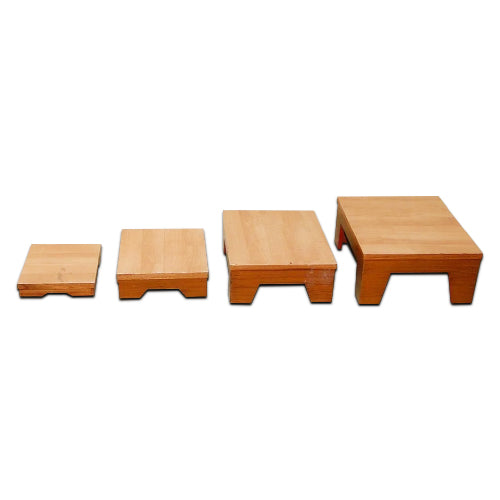
Wooden foot stool stepper
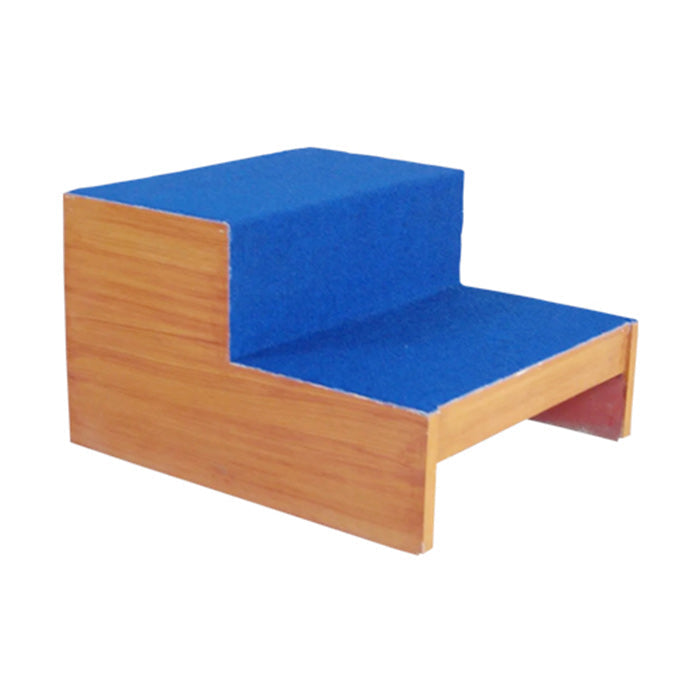
A wooden foot stool stepper is a sturdy raised platform that can support basic step-up practice, foot placement, or foot positioning. It is not the same as a pedal device; it is more about controlled placement and simple leg activity. The natural firmness of wood can be reassuring when the build is stable and the surface is not slippery.

This style may appeal to people who want something simple, quiet, and easy to understand. It can also be useful near a favorite seat when you want a dedicated place to position your feet. The key is choosing a height and surface that feel safe for the person using it.
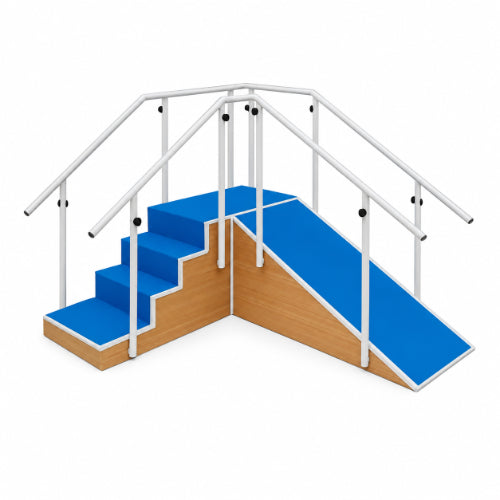
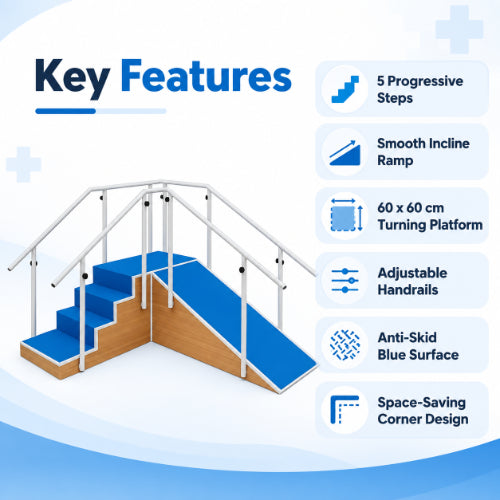
Wooden exercise staircase
A wooden exercise staircase is a larger step-based unit with multiple step levels. It is designed for practicing controlled leg stepping patterns in a home setting. Because it involves changes in height, it requires more attention to balance, nearby support, and available floor space.

This staircase is best considered when the person can move with confidence or has appropriate support nearby. It should be placed on a stable surface with enough room around it. For some households, it may be too large or too advanced; for others, it provides a structured way to practice stepping at home.
Medansh quadriceps chair
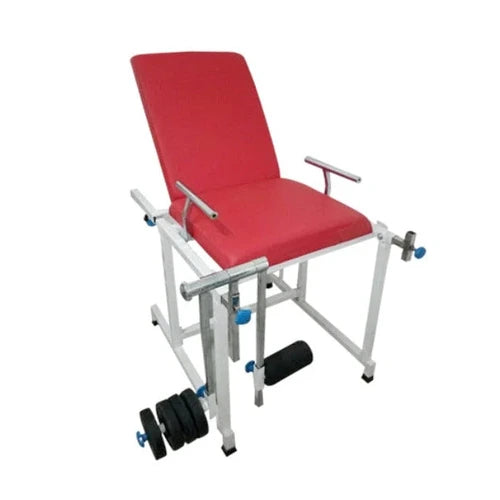
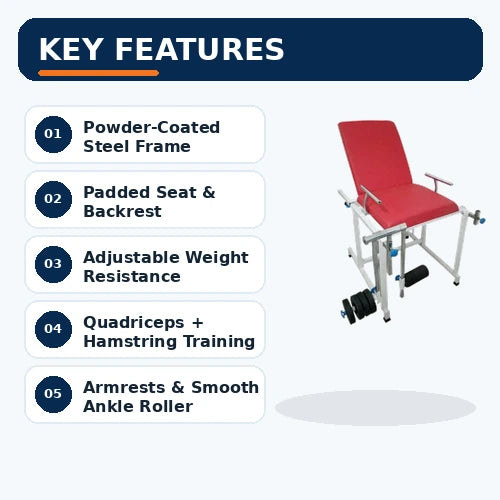
A medansh quadriceps chair is a seated unit designed around focused upper-leg work. Rather than general pedaling, it supports a more specific leg action while the user remains seated. This can be helpful for those who want a defined chair-based routine and prefer not to use a floor pedal cycle.

Comfort, seat height, and ease of use matter with this type of unit. A chair-based unit should allow the person to sit securely with both legs supported, start slowly, and stop easily. It may take more room than a mini leg exerciser, but it can seem more structured for people who like a dedicated station.
Knee pillow
A knee pillow is not a leg exerciser by itself, but it can support comfort during rest. Many people focus on exercise products and forget that positioning between sessions also affects how comfortable a routine is. A knee pillow may be used while lying on the side or resting, depending on personal preference.

The benefit is simple: better alignment and less pressure from one leg resting directly on the other. If you are building a home leg movement routine, comfort outside the active session can make the overall habit easier to maintain. Choose a shape and firmness that seems supportive without forcing your legs into an awkward position.
Are leg exercisers good for older adults?
Leg exercisers can be good for older adults and their families when the device matches the person’s comfort, balance, strength, and home setup. The best option is usually simple, stable, easy to start, and easy to stop. For older adults, safety and consistency matter more than intensity, so a gentle leg pedal exerciser or motorized leg exerciser may be more practical than a leg exerciser that demands standing balance.
Many older adults prefer sitting options because they reduce the need to stand while moving the legs. A leg exerciser for older adults should have a non-slip base, clear controls, smooth motion, and a design that works with a sturdy chair. If bending down is difficult, controls that are easy to see and reach may be especially important.
Family members often ask whether a leg exerciser for home use will see regular use. The answer depends on how convenient it is. A heavy leg exerciser left in a cupboard may go unused, while a compact pedal cycle kept near a favorite seat may become part of a daily rhythm. Comfort, familiarity, and low setup effort can make a big difference.
Buying checklist for older adults
Here is a simple buying checklist for older adults:
- Stable base: The unit should not slide, wobble, or tip during normal use.
- Comfortable seated position: The chair, floor height, and device angle should work together.
- Simple controls: Buttons, knobs, or displays should be easy to understand.
- Gentle motion: The movement should be smooth rather than sudden or forced.
- Easy storage: The user should not need to lift an awkward object every time.
- Clear purpose: Choose pedaling, stepping, or guided motion based on what the person actually wants to do.
- Room to move: There should be enough floor space around the device to avoid clutter.
A unit can look impressive online and still be wrong for a particular home. If the person has limited space, a pedal unit may be better than a larger static cycle. If the user wants powered motion, a motorized electric mini exerciser may seem more inviting. When the person enjoys step practice and has steady support nearby, a wooden foot stool stepper or wooden exercise staircase may be considered with care.
Can you use a leg exerciser while sitting?
Yes, you can use a leg exerciser while sitting if the product is designed for sitting use and your seat position is stable. Seated use is one of the main reasons people choose a leg pedal exerciser, under desk leg exerciser, motorized leg exerciser, or mini leg exerciser. The most comfortable setup usually allows your feet to reach the pedals or stepper surface without forcing your knees too high or making your hips slide forward.
Start with the chair. A rolling chair can move unexpectedly, so a firm chair with a stable base is usually easier to manage. Your feet should sit securely on the pedals or platform, and the cycle should be placed close enough that you are not reaching. If the device shifts forward, a grippy mat may help keep it in place.
Seated leg pedaling also works well for multitasking, but it should not be careless. If you are using an under desk leg exerciser while working, check your posture often. A desk that is too low can make your knees bump the underside, while a seat that is too soft can make pedaling feel awkward. Small adjustments can make the difference between a unit you enjoy and one you abandon.
A sitting setup should be natural in the first few uses. If your lower back, hips, knees, or legs feel strained, change the chair, distance, or resistance. If discomfort continues, stop and get guidance before continuing.
leg exerciser benefits without overpromising
A leg exerciser can make leg activity easier to access, but it is important to stay realistic. No home device promises results. The real value is convenience: it lowers the barrier between wanting to move and actually moving.
For many people, the hardest part of exercise is not knowing what to do; it is getting started. A compact leg exerciser in a visible, comfortable place can serve as a reminder. When the leg exerciser is easy to use, you are more likely to build a repeatable habit around it.
People often ask, “can a leg exerciser help circulation?” A careful answer is that gentle leg movement may support a more active routine, but no device should be relied on for promises about circulation concerns. If circulation is one of your reasons for considering a product, speak with your doctor and choose a device only as part of guidance that fits you.
Similarly, a leg exerciser for knee pain should be approached thoughtfully. Some people prefer gentle, controlled motion, while others may find certain movements uncomfortable. Avoid forcing the leg through a wide range of motion, heavy resistance, or fast speed. Comfort should guide the choice, and any persistent pain is a sign to pause and seek advice.
Pedal exerciser vs exercise bike: the practical difference
The phrase “pedal exerciser vs exercise bike?” usually comes down to size, posture, effort, and purpose. A leg pedal exerciser is compact and usually used from an ordinary seat. An exercise cycle or static cycle is more like a dedicated bike-style cycle, often with a more defined riding position and a larger frame.


A pedal exerciser is often better for small spaces, casual seated exercise, and under-desk use. It can be moved more easily and does not require a full bike setup. The trade-off is that it may be less stable than a larger cycle if the base is very light or the person pedals forcefully.

An exercise cycle or static cycle may be more secure for users who want a more traditional cycling experience. A static cycle with digital meter can also provide visible feedback, which some people find motivating. It may be better for a person who wants a dedicated spot for exercise and does not need to store the cycle after each use.
Quick comparison of leg exerciser options
Use this quick comparison to narrow your choice:
| Option | Best fit | Things to consider |
|---|---|---|
| Pedal exerciser | Compact seated movement, small rooms, easy storage | Chair height and floor grip matter |
| Under desk leg exerciser | Work breaks, reading, light multitasking | Desk clearance must be checked |
| Static cycle with digital meter | More structured cycling at home | Needs more space than a mini unit |
| Motorized electric mini exerciser | Guided pedal motion while seated | Controls and speed should feel easy |
| Foot stepper | Simple stepping movement | Stability is essential |
| Wooden foot stool stepper | Basic step or foot placement support | Height and surface grip matter |
| Wooden exercise staircase | More structured step practice | Requires room and steady support |
| Medansh quadriceps chair | Seated focused leg movement | Takes a more dedicated setup |
| Knee pillow | Resting comfort between movement routines | Not an active movement device |
If you are choosing between a leg pedal exerciser and a larger cycle, picture the exact place you will use it. Will it sit under a desk? Beside a sofa? In a bedroom corner? A leg exerciser that fits naturally into your environment will usually serve you better than one that looks impressive but is inconvenient.
Choosing a leg exerciser for knee pain or sensitive joints
If you are searching for a leg exerciser for knee pain, the most important principle is gentleness. Choose smooth, gentle leg movement, low starting effort, and a setup that does not force your knees into an uncomfortable angle. A leg pedal exerciser may work well for some people because it allows leg exercise, but the pedal circle, resistance, and chair distance must seem right.
A motorized electric mini exerciser may be attractive because it offers guided pedaling. However, powered motion should still be fully controllable. If the device moves too fast or the range is too wide, it may not be a good match. Comfort is more important than features.
A foot stepper or wooden exercise staircase may require more caution because stepping can place more demand on balance and control. A wooden foot stool stepper may be simpler, but even a basic raised platform should be used thoughtfully. Make sure the surface is stable and the action is manageable.
A knee pillow can also be part of a comfort-focused setup. It will not replace active exercise, but it can make resting positions seem better for some people. When your overall routine includes both exercise and comfortable rest, it may be easier to stay consistent.
How to set up a leg exerciser safely at home
Good setup can make a simple leg exerciser seem much better. Before using any leg exerciser, clear the floor area and check that the unit sits flat. Keep cords, rugs, and loose items away from the pedal path. If the cycle has pedals, straps, or a stepping surface, make sure your feet can sit securely without slipping.
The chair matters as much as the device. A stable chair helps you control your posture and avoid sliding. If you use a pedal unit under a desk, test the pedaling slowly before you settle into work. Your knees should not hit the desk, and the device should not pull you forward.

A basic setup routine can help:
- Place the cycle on a flat surface. Avoid uneven flooring or anything that causes rocking.
- Choose a steady seat. A firm seat often works better than a soft, deep cushion.
- Check the distance. You should not need to reach with your toes or bend your knees sharply.
- Start gently. Use the easiest comfortable setting at first.
- Notice your posture. Keep your body relaxed rather than braced.
- Stop if something feels wrong. Do not push through sharp discomfort or unusual strain.
- Store it accessibly. A product that is easy to reach is more likely to be used.
For a motorized leg exerciser, also check the controls before placing your feet on the pedals. Know how to stop the motion. If the motorized cycle includes a remote or control panel, keep it within easy reach.
How long should you use a pedal exerciser?
“How long should you use a leg pedal exerciser?” is a common question, but there is no single answer that fits everyone. Instead of chasing an exact session length, begin with a short, comfortable amount of leg exercise and build only if it continues to feel good. Your comfort, energy, and guidance from your doctor should shape the routine.
The same approach applies to resistance. More resistance is not automatically better. A smooth, easy leg rhythm may be more useful for building a habit than a hard setting that makes you avoid the unit. If you are new to seated pedaling, focus on relaxed pedaling first.
You can also use natural cues instead of strict timing. For example, some people pedal during part of a favorite show, a reading break, or a calm part of the day. Others use a pedal machine as a transition between long seated tasks. The goal is to make leg activity easy to repeat without turning it into a chore.
How often should you use a leg exerciser?
“How often should you use a leg exerciser?” depends on your goals, comfort, and current routine. Many people do better with a gentle pattern they can maintain than with an ambitious plan that fades quickly. If you are unsure, start conservatively and adjust based on how you feel afterward.
Consistency is easier when the leg exerciser has a clear place in your day. You might pair it with a familiar habit, such as morning reading, an evening television program, or a work break. A visible device near your usual chair can act as a prompt, while one stored out of sight may be forgotten.
Keep a simple note if you like feedback. You do not need detailed tracking; a checkmark or brief comment can show whether the routine is working for you. If leg soreness, fatigue, or discomfort builds, reduce the effort or pause. If the movement is easy and pleasant, you can gradually make it a more regular part of your lifestyle.
Matching products to real-life needs
The best leg exerciser is the one that solves a real problem in your daily environment. Someone working at a desk may need a quiet under desk leg exerciser. A person who wants a more defined routine may prefer a static cycle with digital meter. Someone who needs a very simple stepping aid may look at a wooden foot stool stepper.
Here are a few common home situations and the item types that may fit:
- For a small apartment: A pedal unit, leg pedal exerciser, or mini leg exerciser is usually easier to place and store.
- Work-from-home leg activity: An under desk leg exerciser can add gentle motion during low-focus tasks if desk clearance works.
- For a guided sitting rhythm: A motorized electric mini exerciser may be more approachable than a fully manual device.
- Dedicated cycling corner: A static cycle or exercise cycle can provide a more traditional seated cycling feel.
- Simple step practice: A foot stepper or wooden foot stool stepper may suit those who prefer up-and-down stepping.
- For structured stepping space: A wooden exercise staircase may be considered when there is enough room and confidence with balance.
- Focused seated leg work: A medansh quadriceps chair offers a more specific seated setup.
- For rest support: A knee pillow can help make downtime more comfortable between active routines.
This kind of matching prevents overbuying. A large model is not automatically better, and a small model is not automatically too basic. Fit matters more than size.
Features that make a leg exerciser easier to keep using
Many people focus on the product category first, but small features often decide whether the device becomes part of daily life. A leg exerciser should be easy to start, comfortable to use, and simple to put away. If every use requires rearranging furniture, motivation will fade.

Look for these practical features:
- Non-slip contact points: Rubber feet or a stable base can reduce sliding.
- Smooth action: Pedals or steps should move without catching.
- Adjustable effort: A gentle starting level helps different users feel comfortable.
- Readable display: A digital meter should be easy to see without leaning forward.
- Simple controls: Especially important for a motorized leg exerciser.
- Manageable weight: The unit should not be so heavy that moving it seems like a task.
- Comfortable pedal shape: Feet should rest naturally and securely.
- Quiet operation: Useful for shared homes, work areas, and television time.
- Easy cleaning: Smooth surfaces are simpler to wipe down.
If more than one person will use the same model, adjustability becomes more important. Different leg lengths, seat heights, and comfort levels can change the experience. A device that works for one person may need repositioning for another.
Common mistakes to avoid
Buying a leg exerciser is easier when you know what not to do. The most common mistake is choosing based on appearance rather than daily use. A product can look compact, but if it slides on your floor or seems awkward with your seat, it may not work well.
Another mistake is assuming a harder setting is always better. For home use, comfort and repeatability matter. A setting that is smooth and manageable is more likely to become a habit than one that feels demanding from the beginning.
Avoid these common problems:
- Ignoring chair height: A good device can feel wrong with the wrong chair.
- Forgetting desk clearance: Under-desk use requires space for your knees to move.
- Choosing too much complexity: Extra settings are only helpful if you will use them.
- Skipping stability checks: Sliding and wobbling make pedaling frustrating.
- Storing it too far away: If it is hard to access, it may not become part of your routine.
- Pushing through discomfort: Discomfort is information, not a challenge to defeat.
- Buying for someone without asking preferences: The user’s comfort and confidence should lead the decision.
A thoughtful purchase begins with the person, not the leg exerciser. Consider the user’s favorite chair, usual room, balance, storage needs, and comfort preferences before comparing features.
A simple decision path for choosing your leg exerciser
If you feel unsure, use a step-by-step approach. Start with the exercise style, then narrow by space, setup, and comfort. This keeps you from being distracted by options that do not fit your real life.

- Decide seated or standing. If seated movement is safer or more convenient, start with pedal or motorized options.
- Measure your available space. Consider floor area, desk height, seat clearance, and storage.
- Choose the movement type. Pedaling, stepping, and guided motion feel different.
- Think about controls. Manual resistance may be enough, while some people prefer powered motion.
- Check stability. A steady base is essential for confidence.
- Plan where it will live. The best location is visible, uncluttered, and easy to access.
- Match support items as needed. A knee pillow may help with rest comfort, while step items need careful placement.
For many people, the best first choice is a simple leg pedal exerciser because it is compact and familiar. For others, the added structure of a static cycle with digital meter makes the routine seem more intentional. If the user prefers guided motion, a motorized electric mini exerciser may be worth considering.
leg exerciser care and storage tips
A leg exerciser that stays clean, stable, and easy to reach will serve you better. After use, check whether the cycle has shifted, gathered dust, or developed loose parts. Basic care helps the unit feel dependable each time you return to it.
For pedal cycles, keep the pedal area clear and wipe surfaces as needed. If the product folds, fold it only according to its design and avoid forcing parts into place. For a static cycle, check that the display area and base remain secure. For a motorized cycle, keep the cord tidy and avoid placing it where someone might trip.
Wooden products need their own kind of attention. A wooden foot stool stepper or wooden exercise staircase should be checked for stable placement and surface grip. If the wood finish becomes slippery, dusty, or uneven, address that before use. A knee pillow should be kept clean and replaced if it loses the support you bought it for.
Good storage is not just about tidiness. It also affects whether you use the unit. Store the device close enough that setup seems easy, but not in a walkway where it becomes a hazard.
Final takeaway
A leg exerciser for home use can be a practical way to bring gentle leg activity into ordinary routines, whether you choose a pedal cycle, under desk leg exerciser, static cycle, foot stepper, motorized leg exerciser, or supportive item such as a knee pillow. The right leg exerciser is not the most complicated one; it is the one that fits your seat, space, comfort, and habits. Choose thoughtfully, start gently, and build a routine that is realistic enough to keep using.
Explore Medical Collections
All Categories
Abdominal & Maternity Support

Accessories

Accu-Chek Instant Strips: Use, Compatibility, Price & Blood Sugar Testing Guide
Accu-Chek Instant Strips: Uses, Features & Complete Guide

accupuncture

Acupuncture Needles & Supplies

Advanced Physiotherapy Machines & Lumbar Physiotherapy

Airways

Ambulance

Anatomy Models
Anesthesia Machine

Anesthesia Products
Ankle Support for Home Use: Braces, Sleeves & Walker Boots
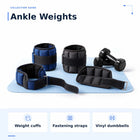
Ankle Weights & Exercise Weights for Home & Rehab

Anti-Bedsore Air Mattresses
You may also need
FOR YOURecommended for you
Save 22%
Save 33%
Save 33%
Save 50%
Save 22%
Save 11%
Save 11%
Save 11%
Save 11%
Save 11%
Save 11%
Save 11%
Save 11%
Save 11%
Save 5%
Save 8%
Save 25%
Save 38%
Save 29%