


Featured ChoiceSave 20%
Save 22%
Save 10%


Save 6%

Save 30%



Save 25%
Save 33%


Save 20%

Save 8%

Save 17%
Save 20%
Save 12%
Save 6%

Save 20%

Save 15%


Save 29%


Save 50%

Save 50%

Save 50%


Save 50%
Save 13%


Save 17%

Save 50%


Save 10%
Save 11%
Save 11%
Save 20%
Save 30%

Sold out

Sold out

What customers say
★★★★★ 5.0 · 39 reviews
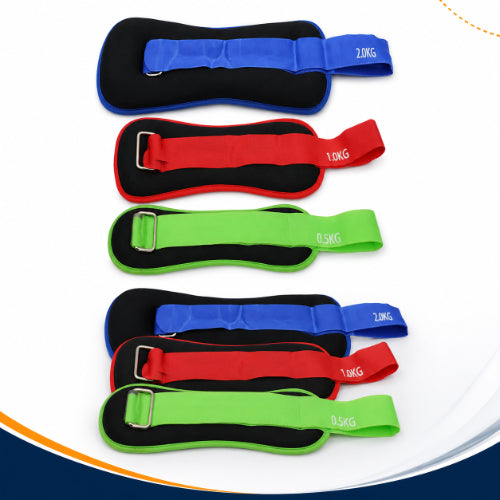
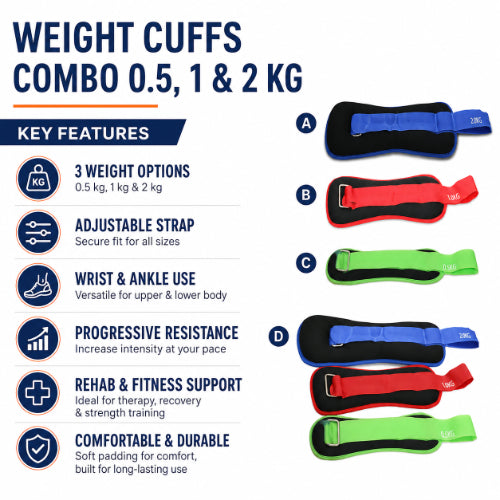
 Weight Cuffs Combo 0.5, 1 & 2 Kg | Rehabilitation Equipment
“Effective, comfortable, and great for workouts!”
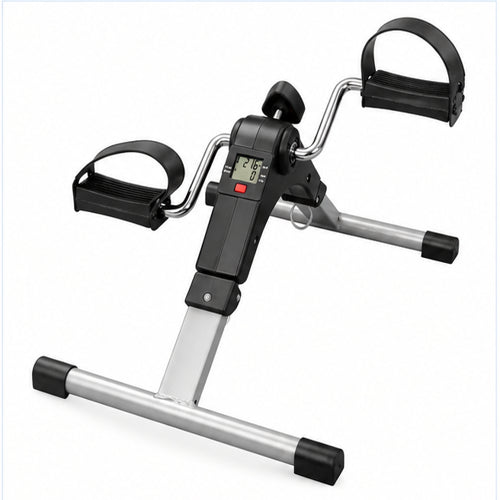
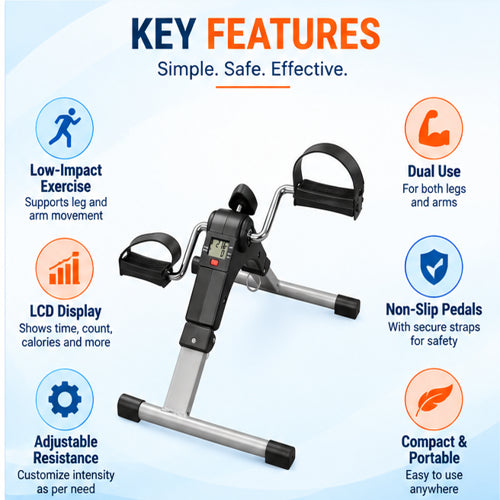
 Mini Pedo Pedal Exerciser Cycle
“LCD monitor is clear and easy to read. Great for tracking time, speed, and calories burned”
“Good product for light exercise at home or office. I use it daily under my desk – great for circulation, th...”
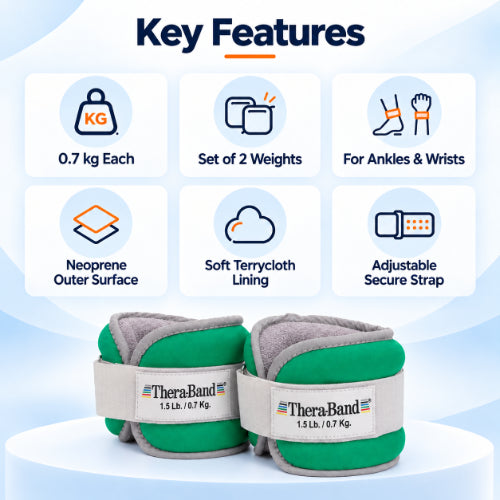
 Original Theraband Comfiort Ankle Weight 0.7Kg Green
“I have tried dozens of ankle weights, but nothing compares to these TheraBand Comfort Fit Ankle Weights! Th...”
“The Original Theraband Comfort Ankle Weight 0.7Kg Green is very comfortable to wear and perfect for light w...”
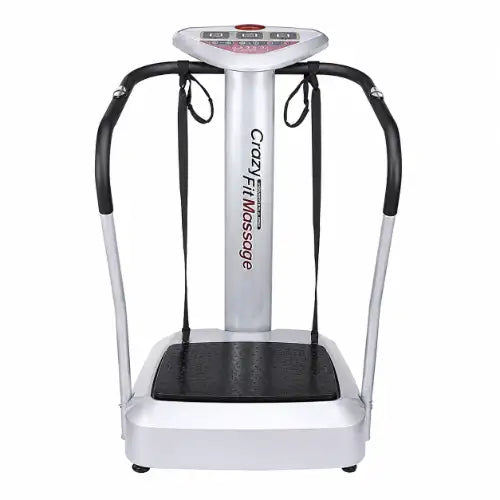
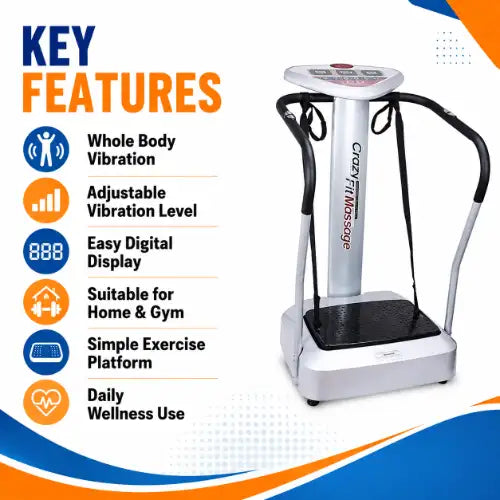
 Fit Body Massager | Full Body Vibration Machine
“This Crazy Fit Body Massager is an excellent addition to any fitness or relaxation routine. Easy to store a...”
“The vibrations improve blood flow and relieve muscle soreness, making it ideal for post-workout recovery or...”
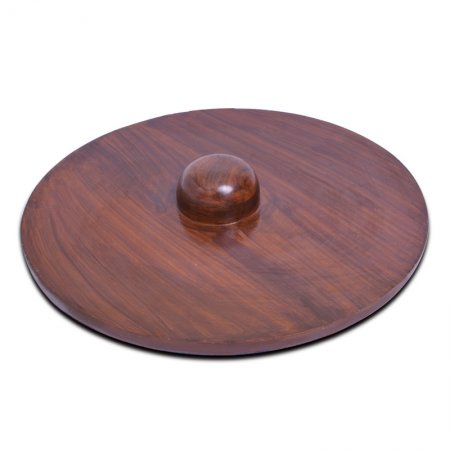
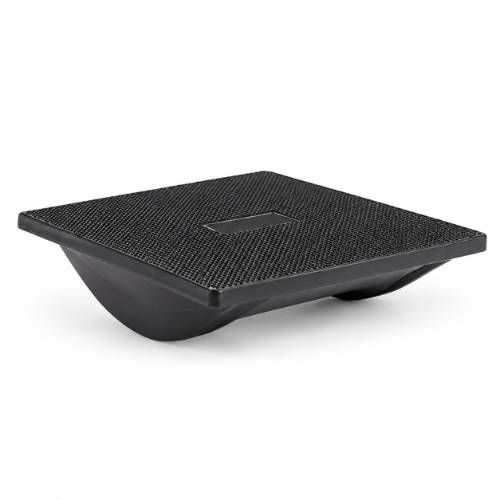
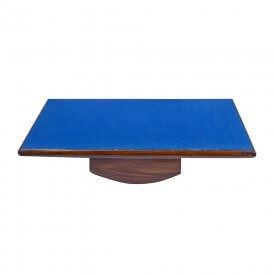
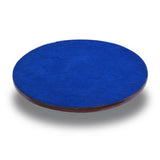 Wooden Wobble Board
“Great for improving balance and stability!”
“The Wooden Wobble Board is an excellent tool for improving balance and stability. It’s sturdy, easy to use,”
 Weight Cuff Combo of Half One Two Kg
“I’ve been using them for just a week, and I can already feel my muscles getting stronger! The fit is perfec...”
“The Weight Cuff Combo of Half, One, and Two Kg is perfect for adding adjustable resistance to any workout. ...”
 Weight Cuff Premium Quality 2Kg
“The Weight Cuff Premium Quality 2Kg is excellent for strength training. It’s well-made, comfortable to wear...”
“It’s well-made and feels sturdy, providing a comfortable yet secure fit during my workouts. The weight is p...”
Weight Cuff Premium Quality 4Kg
“The Weight Cuff Premium Quality 4Kg is perfect for more challenging strength training. It’s comfortable, hi...”
“This is a great addition to my training routine. They are well-made, durable, and provide excellent resista...”
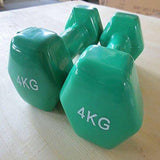 Vinyl Dumbbell 4 Kg (1 Pair)
“The Vinyl Dumbbell 4 Kg (1 Pair) is perfect for more intense strength training. Solid build, comfortable gr...”
 Vinyl Dumbell (Pack of 1,2,3Kg)
“The Vinyl Dumbbell (Pack of 1, 2, 3 Kg) is great for varying workout intensities. The vinyl coating ensures...”
Home Gym Equipment for Cardio, Strength & Fitness
Home Gym Equipment: Treadmill, Exercise Bike, Elliptical & Rower Guide
Home gym equipment for an Indian home is mainly about matching the gym gear to your space, comfort, noise level, and daily routine. A treadmill, exercise bike, elliptical cross trainer, rowing machine, or compact multi gym can all work well at home when you choose the right size and use it safely. This guide explains the main home gym equipment, what each one does, who it suits, and what to check before buying.
Consult your doctor or physiotherapist before starting any home exercise routine.
Before you start using any home gym equipment, begin slowly, increase activity gradually, and follow advice from a doctor or qualified fitness professional if you are unsure. Stop and seek advice if you feel pain or dizziness. People with heart conditions, high blood pressure, breathing problems, joint problems, pregnancy, or older adults should check with a doctor before starting any exercise.
What gym equipment should you have at home?
The best home gym equipment is the equipment you can use safely, comfortably, and regularly in the space you already have. For many homes in India, a good setup may include one main piece of cardio equipment such as a treadmill for home, gym cycle for home, elliptical, or rowing machine, plus a mat and a few basic accessories. If you prefer strength-style exercises at home, a compact multi gym station can be useful, while dumbbells and weights should be chosen carefully and kept simple.


A practical home setup does not need to look like a commercial gym. It should fit your room, allow safe movement around the home fitness machine, and be easy to maintain. If space is limited, foldable equipment, transport wheels, and quiet resistance systems can make a big difference.
Here is a simple way to think about your choices:
- For walking or running-style movement: choose a manual or motorised treadmill.
- Seated cycling-style movement: choose an upright, recumbent, or spin bike.
- For low-impact full-body movement: consider elliptical machines or a rower.
- Guided strength-style exercises: consider a multi gym or home gym station.
- For balance and light accessories: add an exercise ball, medicine ball, or mat if suitable.
- For weights: keep it brief and safe, and see the weights collection for more information.


Planning space for home gym equipment in India
A good home gym starts with the room, not the gym gear. Many Indian homes use a spare bedroom, balcony area, study corner, or part of the living room for home gym equipment. Before buying anything, measure the floor area, check the ceiling height, and make sure there is enough free space around the home fitness machine to get on and off safely.

Place home gym equipment on a flat surface. If the floor is smooth tile, a protective mat can help reduce movement, protect the floor, and make cleaning easier. Avoid placing machines where they block doors, cupboards, prayer spaces, kitchen access, or children’s play areas.
Noise also matters in apartments. Motorised treadmills, rowing machines, and spin bikes can create sound through the floor if not placed properly. A mat, correct assembly, and regular tightening of bolts can help reduce vibration, but you should still consider neighbours, sleeping family members, and work-from-home schedules.
Tips for a small home gym on a budget
You do not need to buy every piece of equipment at once. Start with one main piece of gym equipment that suits your routine and space, then add small accessories later if needed. Prices vary depending on equipment type, motor or flywheel quality, resistance system, build, display features, and warranty, so compare practical features rather than only looks.
A simple budget plan can include:
- Pick one main goal for movement style. Decide whether you prefer walking, cycling, stepping, rowing, or guided strength exercises.
- Measure before you buy. Include space for folding, opening, sitting, pulling handles, and stepping down safely.
- Check maximum user weight. Choose gym equipment that supports the heaviest intended user with a safe margin.
- Prioritise warranty and service. For large gym equipment, easy service support is important.
- Avoid unused extras. Fancy programs and large displays are useful only if you will actually use them.
- Plan storage. Foldable or wheeled gym gear may be better for smaller flats.
Treadmills for home walking and running-style movement
A treadmill is a running machine for home that lets you walk or run indoors on a moving belt. It is one of the most familiar types of home gym equipment because the movement is simple and easy to understand. Treadmills are useful for people who want an indoor option during heat, rain, pollution, late evenings, or busy days.
There are two main types: manual treadmills and motorised treadmills. Foldable models are available in both categories, though the folding design and stability can vary. A treadmill can take more floor space than a bike, so it is best for homes where the gym machine can stay safely placed or be folded without becoming a daily obstacle.
Manual treadmills
A manual treadmill has a belt that moves when you move. It does not use a motor to drive the belt, so the walking feel is different from a motorised model. Manual treadmills are often simpler, may be lighter, and can suit people who want basic indoor walking-style home gym equipment.
When choosing a manual treadmill, check the frame strength, belt size, incline design, handle support, and maximum user weight. The belt should move smoothly, and the walking surface should feel stable under your feet. If the home fitness machine feels jerky or too narrow, it may not feel comfortable for regular home gym use.
Assembly is usually straightforward, but the frame and handles must be fitted tightly. After assembly, check that the belt is centred and that all screws are secure. Keep the belt clean, avoid water near the frame, and follow the manual for belt adjustment.
For safety, always use the treadmill on a flat floor. Step on and off slowly, keep children away from the moving belt, and do not use the home fitness machine if it shakes or makes unusual sounds. Check the maximum user weight before use.
Motorised treadmills
A motorised treadmill uses an electric motor to move the belt. It usually offers speed controls, preset programs, and sometimes incline settings. This type suits home gym users who want a smoother, more adjustable walking or running-style experience.
When comparing a motorised treadmill for home, look at motor power, belt size, cushioning, speed range, incline options, display, programs, maximum user weight, noise level, foldability, and warranty. Motor quality is important because it affects smoothness and long-term use. A clear display can help you see basic information while using the gym equipment, but it should be easy to read and not confusing.
A foldable motorised treadmill is helpful where space is limited. Check how it folds, whether it locks securely, and whether it has transport wheels. Heavy gym machines may still be difficult to move even if it folds, so think about who will fold and shift it at home.
Assembly often includes fixing the upright arms, console, safety key area, and side parts. After assembly, check the belt alignment and make sure the emergency stop or safety key works. Clean dust from the belt and motor cover area, keep the gym machine dry, and follow the lubrication and service guidance in the product manual.
Which type of treadmill is best for home use?
The best type of treadmill for home use depends on your space, budget, body comfort, and how many family members will use it. A manual treadmill may suit simple walking-style use and smaller budgets, while a motorised treadmill may suit users who want smoother speed control, more programs, and easier adjustment. A foldable treadmill is useful for small homes, but it should still feel stable when open.
Use this checklist before buying a treadmill or other home gym equipment:
- Motor power: For motorised models, choose a motor that feels smooth and does not struggle during use.
- Belt size: The belt should feel wide and long enough for a natural stride.
- Maximum user weight: Always check this before purchase and before use.
- Noise level: Important for apartments and shared homes.
- Foldability: Check whether folding is easy, safe, and practical for your room.
- Display and programs: Choose simple controls you can understand quickly.
- Warranty: Check coverage for motor, frame, parts, and service terms.
Exercise bikes for compact seated cardio movement
An exercise bike is a stationary cycling machine for indoor use. It is one of the most space-friendly types of home gym equipment and is popular for homes where a treadmill may feel too large or noisy. A home fitness bike can fit into many bedrooms, living rooms, or study corners if there is enough space to mount and dismount safely.

If you are searching for stationary bikes for home, you will usually find three common styles: upright bikes, recumbent bikes, and spin or group cycling bikes. Each one feels different, so comfort should guide your choice. Seat position, handle reach, pedal smoothness, and resistance control matter more than appearance.
Upright exercise bikes
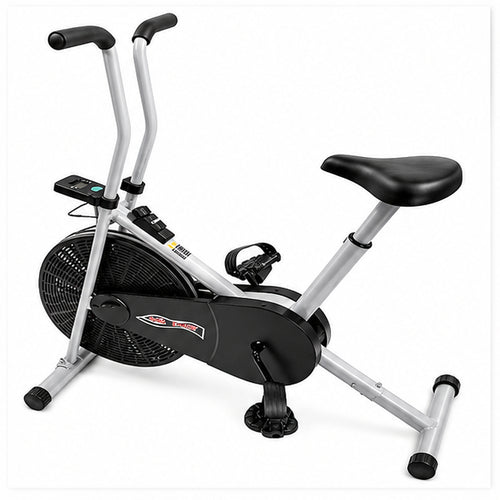
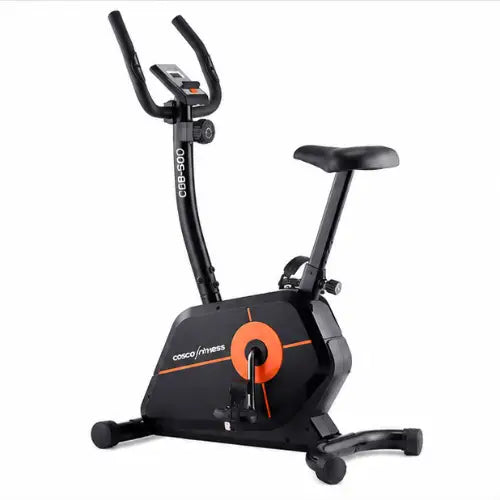
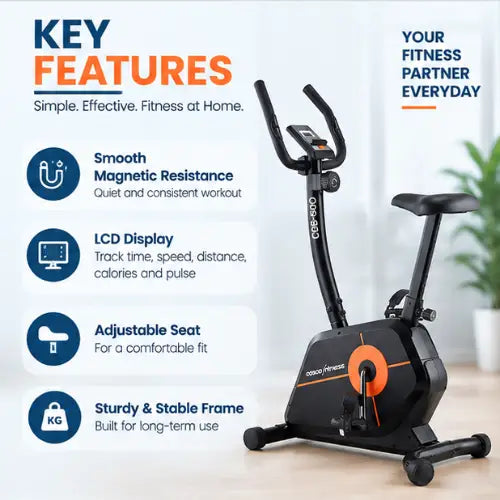
An upright bike places the rider in a position similar to a regular cycle. It has a seat, pedals below the body, handles in front, and adjustable resistance. This type of gym cycle for home suits users who want compact home gym equipment with familiar cycling-style movement.

When choosing an upright bike, check flywheel weight or resistance smoothness, seat adjustment, handle comfort, pedal straps, display, programs, maximum user weight, noise level, and warranty. A heavier or better-designed flywheel often feels smoother, but the full frame design also matters. Magnetic resistance is usually quieter than friction-based systems, which can be useful in flats.
Assembly usually includes attaching the stabilisers, seat post, handlebar, pedals, and display. Pedals must be fixed on the correct side because many bikes have left and right pedal threading. Keep bolts tight, wipe sweat from the frame, and check pedal straps regularly.
For safety, adjust the seat before use so your movement feels controlled. Keep the bike on a flat surface and do not stand on the pedals unless the gym bike is designed for that style of use. Keep children away from pedals and moving flywheel parts.
Recumbent exercise bikes
A recumbent bike has a larger seat with back support and pedals placed forward. It can feel more relaxed than an upright bike and may suit users who prefer extra support while sitting. It also suits homes where comfort is a top priority.

When selecting a recumbent exercise bike, check seat support, backrest comfort, sliding seat adjustment, pedal reach, resistance levels, display, programs, maximum user weight, noise, and warranty. Because recumbent bikes are longer than upright bikes, measure your room carefully. They may not be the best option if you need to move the equipment often.
Assembly usually involves a longer frame, front and rear stabilisers, seat support, console mast, handles, and pedals. Take time to tighten the seat system properly because it carries much of the user’s weight. Clean the rails if the seat slides, and check that adjustment knobs lock firmly.
For safety, sit fully back before pedalling and avoid leaning too far to the side. Make sure the gym bike does not rock on the floor. Check all seat locks and the maximum user weight before use.
Spin or group cycling bikes
A spin-style bike is built for a more forward-leaning cycling position and usually has a heavier flywheel. It may suit home gym users who like a strong cycling feel and want home gym equipment with quick resistance changes. Although some people call them group cycling bikes, in this guide the focus is only on home gym use, not studio use.
When comparing spin bikes, look at flywheel weight, resistance type, frame stability, seat and handle adjustment, pedal quality, maximum user weight, noise level, and warranty. A stable frame is especially important because the riding position can put more force through the equipment. If the bike uses friction resistance, check how easy it is to maintain the resistance pad.
Assembly includes fitting stabilisers, pedals, seat, handlebar, and resistance knob area. After assembly, test the emergency stop function if provided. Keep the flywheel area clean, tighten adjustment knobs, and inspect pedals from time to time.
For safety, do not make sudden resistance changes until you are comfortable with the bike. Keep loose clothing away from the flywheel and pedals. Place the bike on a level floor and keep children away from moving parts.
Is it worth getting a home exercise bike?
A home exercise bike can be worth it if you want seated movement, compact size, and lower noise compared with many larger pieces of gym gear. It is a practical choice for people who want home gym equipment that is easy to use while staying indoors. The value depends on choosing a comfortable seat, suitable resistance, stable frame, and warranty that matches your expected use.
An exercise bike home gym setup works best when the bike is easy to access. If you fold clothes on it or place it behind heavy furniture, you may not use it often. Keep it in a clean, open corner with enough air flow and safe clearance.
Elliptical cross trainers for low-impact full-body movement
An elliptical cross trainer, often simply called an elliptical, has foot pedals that move in a smooth oval path. Many models also include moving handles, so the arms and legs move together. Among common home gym equipment, users who want a standing movement without the belt impact of a treadmill often choose elliptical machines.

Ellipticals can suit people who prefer a smooth stepping and gliding feel. They are also useful for homes where users want one piece of home gym equipment that involves both upper and lower body movement. However, the gym machine must match the user’s height, stride comfort, and balance level.
When choosing an elliptical, check stride length, flywheel weight, resistance levels, handle design, pedal size, display, programs, maximum user weight, noise level, foldability if available, and warranty. A short stride may feel uncomfortable for taller users, while very large equipment may not suit small rooms. Magnetic resistance is often quieter and smoother for home gym settings.
Displays can show basic information and programs, but the controls should be simple. Some users prefer fixed handles for balance, while others like moving handles for coordinated motion. Try to choose a model that feels stable from side to side.
Elliptical assembly, care, and safety
Assembly is usually more involved than an exercise bike because the moving arms, pedals, link rods, and console must align correctly. Follow the manual carefully and avoid forcing parts into position. After assembly, check all pivot points, tighten bolts, and listen for rubbing or knocking sounds.
Care includes wiping the pedals and handles, keeping dust away from moving joints, and checking bolts regularly. Some models may need occasional lubrication at specified points, depending on the manual. Do not overload the gym equipment or use it if a pedal feels loose.
For safety, step onto the lowest pedal carefully and hold the handles. Keep the equipment on a flat surface with enough side clearance. Children should not play on the pedals or moving handles because they can pinch fingers or move suddenly.
Rowing machines for coordinated seated movement
A rowing machine is seated home gym equipment that uses a sliding seat, footrests, handle, and resistance system to copy a rowing-style pull. It is a different option from treadmills and bikes because the movement uses a push with the legs and a pull with the arms. A rowing machine can suit home gym users who enjoy rhythmic, coordinated movement and have enough floor length for the rail.
There are different resistance styles, such as magnetic, air, water, or hydraulic systems. For home gym use, the main points are smoothness, noise, storage, and comfort. Some rowers fold or stand upright for storage, but you should check whether that is safe and easy in your room.
When choosing a rowing machine, look at rail length, seat smoothness, handle grip, footrest adjustment, resistance levels, display, programs, maximum user weight, noise level, foldability, and warranty. Taller users may need a longer rail for comfortable movement. If you live in an apartment, check whether the resistance system and seat rollers are quiet enough for your home gym.
Rowing machine assembly, care, and safety
Assembly often includes connecting the rail, front resistance unit, seat, stabilisers, footrests, and display. Make sure the rail locks properly and that the seat rolls smoothly without wobbling. If the model folds, test the folding lock before using it fully.
Care is simple but important. Wipe the rail so the seat can move smoothly, keep the handle strap or chain clean, and check the foot straps for wear. If the rower has water resistance, follow the manual for water care and storage.
For safety, learn the movement slowly and avoid pulling with sudden jerks. Strap your feet properly, keep fingers away from the rail, and do not let children sit on the sliding seat. Place the rower on a flat surface and check the maximum user weight before use.
Multi gym and home gym stations for guided strength-style exercises
A multi gym or home gym station is a larger piece of home gym equipment with cables, pulleys, weight stacks or plate-loading points, and exercise arms. It is designed to allow several guided movements from one station. This type of home gym equipment suits users who want a fixed setup for strength-style exercises at home and have enough permanent space.

A multi gym is not as easy to move as a bike or foldable treadmill. It is best for a room where it can stay in one place. Before buying, think about ceiling height, side clearance, access to the seat, and whether the equipment can be delivered and assembled in your home gym.
When choosing a multi gym station, check frame strength, cable quality, pulley smoothness, seat adjustment, exercise options, maximum user weight, load limit, floor space, noise, and warranty. A smooth pulley system is important because jerky cables can make the equipment unpleasant to use. Do not choose equipment only because it lists many exercises; choose one that feels safe, stable, and understandable.
Multi gym assembly, care, and safety
Assembly is usually more complex than most cardio equipment. It may involve a heavy frame, pulleys, cables, guards, seats, handles, and weight stack parts. If the instructions are not clear or the equipment is heavy, professional assembly support is a sensible choice.
Care includes checking cables for wear, tightening bolts, keeping pulleys clean, and making sure selector pins or loading points are secure. Do not use damaged cables or loose handles. Keep the area around the station clear so nothing catches in the moving parts.
For safety, use controlled movement and avoid sudden pulling or dropping of weights. Keep children away from cables, plates, pins, and moving arms. Check the maximum user weight and load limits before use, and use the equipment only on a flat, stable surface.
Smaller gym instruments for home
Not every useful piece of home gym equipment is a large machine. Some smaller gym instruments for home can support balance, mobility, stretching, or simple activity when used correctly. These items are usually easier to store, but they still need safe use.


A vibration plate is a platform that vibrates while the user stands, sits, or performs simple supported movements on it. It may suit users who want a compact accessory, but it is not suitable for everyone. People with medical conditions, pregnancy, joint problems, heart concerns, high blood pressure, breathing problems, or older adults should ask a doctor before using one.
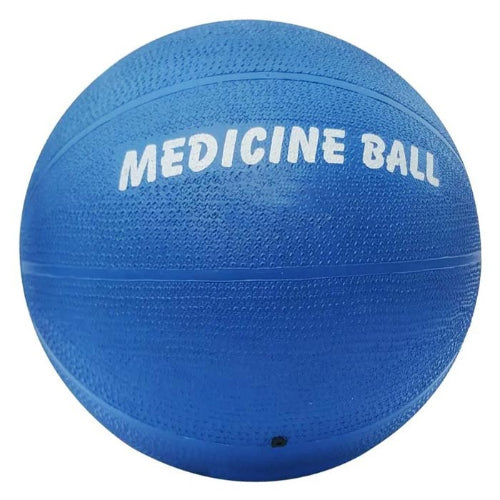
A medicine ball is a weighted ball used for controlled movements. Choose a manageable weight and make sure the floor area is clear before use. Do not throw it indoors unless the space and wall or floor surface are designed for that type of activity.
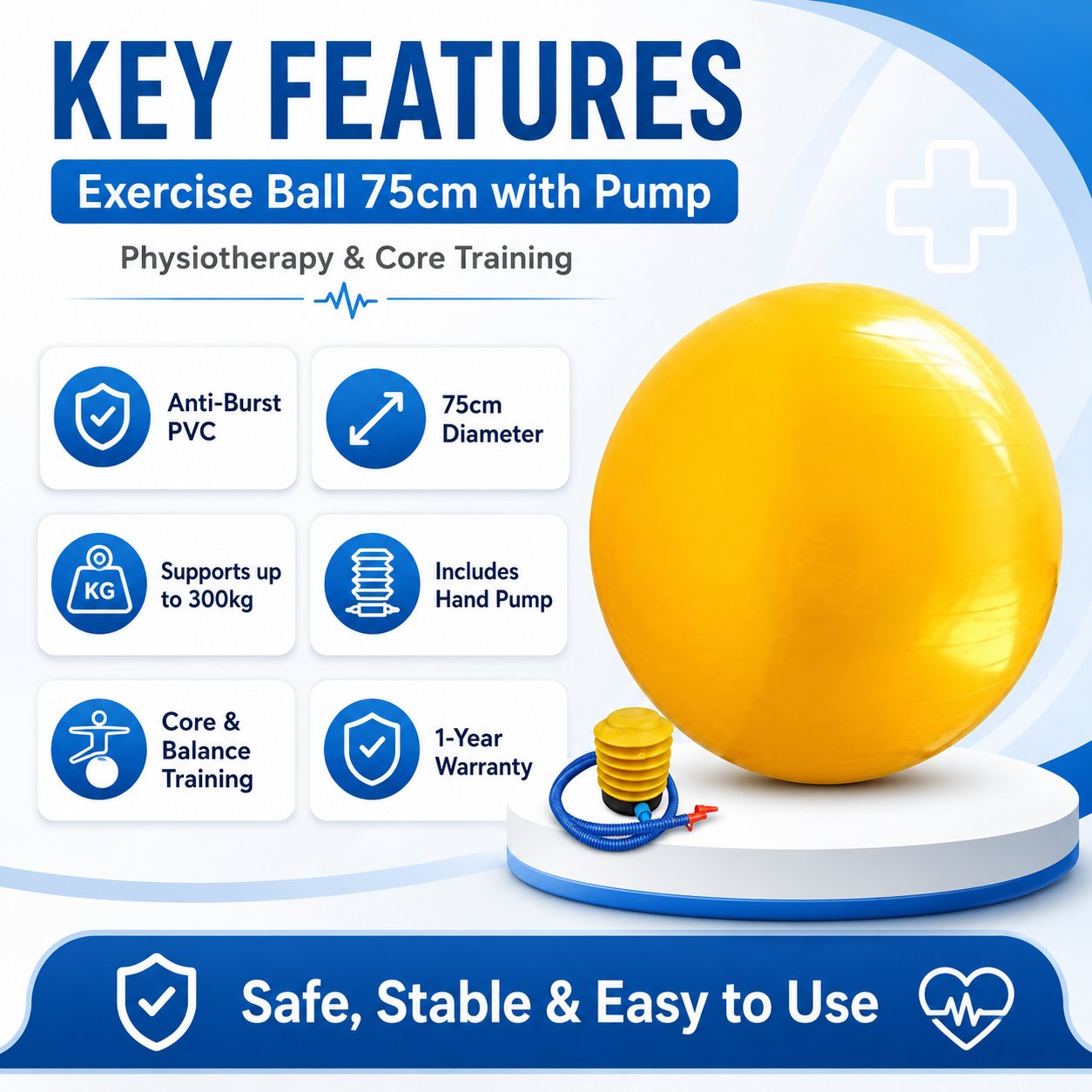
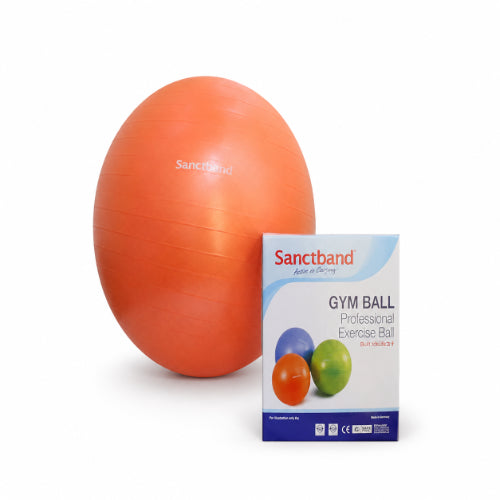
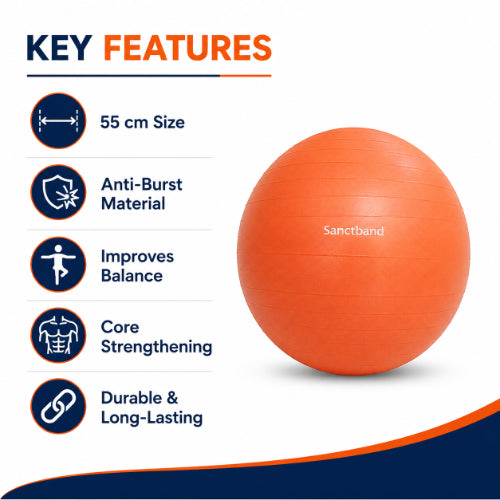
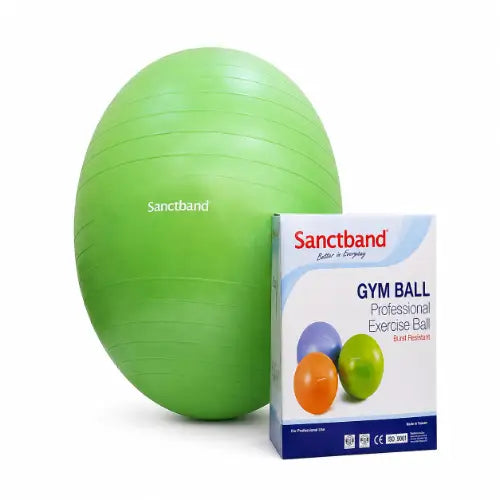
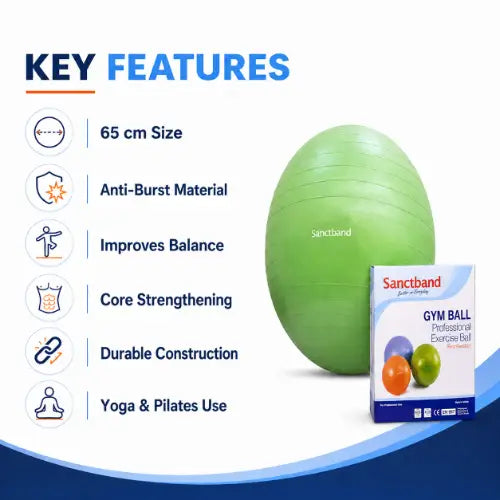
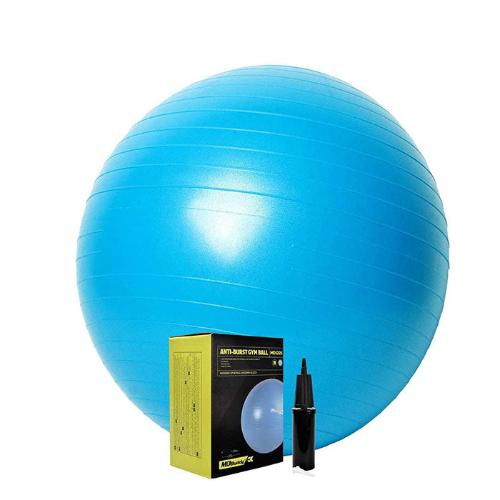
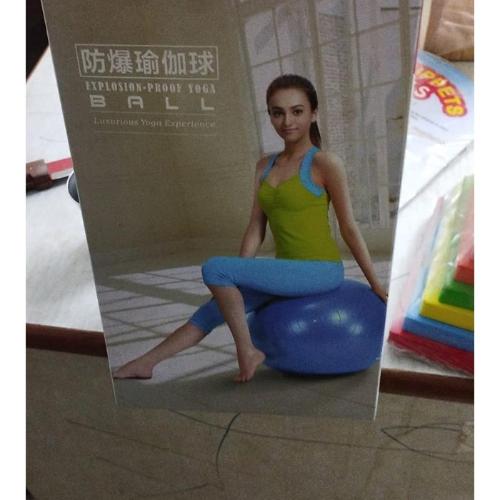
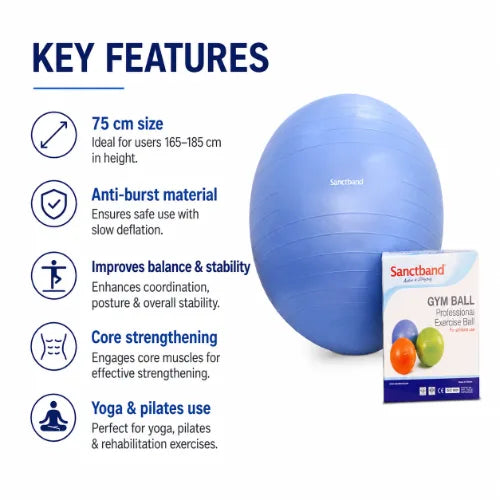
An exercise ball is a large inflatable ball used for balance, seated support, and simple movements. Choose the right size, inflate it as instructed, and keep it away from sharp edges. Use it on a non-slippery surface and avoid sudden bouncing if you are not confident with balance.
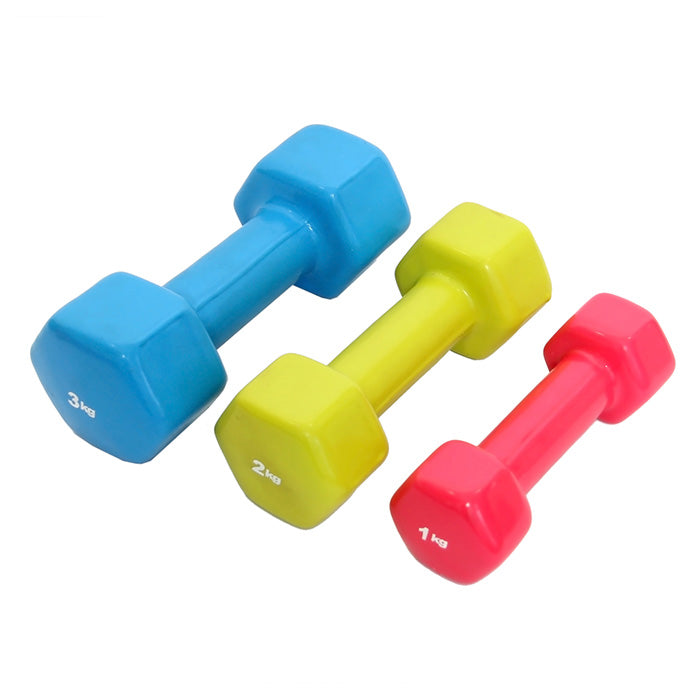
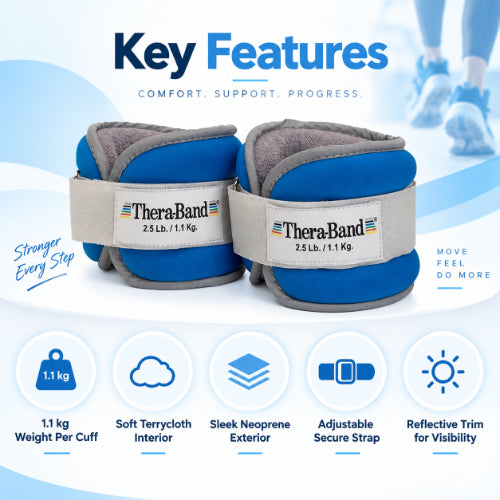
Dumbbells and weights can be useful in a home setup, but they should be selected carefully and stored safely. Keep them away from children and walking paths. For more details, refer to the weights collection.

How to choose between home gym equipment
Choosing home fitness machines becomes easier when you compare them by comfort, space, and maintenance rather than by popularity. Equipment that fits your neighbour’s home may not fit yours. The right equipment should feel safe, stable, and practical for your daily life.
Use this comparison as a simple guide:
| Machine type | Best suited for | Space need | Key checks |
|---|---|---|---|
| Manual treadmill | Basic walking-style movement | Medium | Belt smoothness, incline, frame stability, user weight |
| Motorised treadmill | Adjustable walking or running-style movement | Medium to large | Motor power, belt size, cushioning, noise, warranty |
| Upright bike | Compact seated cycling | Small to medium | Flywheel, seat adjustment, resistance, pedals |
| Recumbent bike | Seated cycling with back support | Medium | Seat comfort, pedal reach, frame length |
| Spin bike | Stronger cycling feel | Small to medium | Flywheel, resistance, frame stability, emergency stop |
| Elliptical | Smooth standing full-body movement | Medium to large | Stride, flywheel, handles, side stability |
| Rowing machine | Seated rowing-style movement | Long floor space | Rail length, seat smoothness, resistance, folding lock |
| Multi gym station | Guided strength-style exercises | Large and fixed | Cables, pulleys, frame, load limits, assembly |
Also think about who will use the equipment. If more than one family member will use it, adjustable seat height, handle position, resistance levels, and maximum user weight become more important. If you live in an apartment, noise and floor vibration should be checked before purchase.
Assembly, care, and safe use basics for all home gym equipment
Most home machines need some assembly. Even if the equipment looks simple, loose bolts, wrong pedal fitting, uneven placement, or poor belt alignment can cause problems. Read the manual, keep small tools in one place, and do not use the equipment until you are sure it is assembled correctly.

Basic care is also important. Wipe sweat after use, keep equipment away from water, dust under and around the equipment, and check moving parts from time to time. If your equipment makes a new sound, feels unstable, or shows damage, stop using it until it is checked.
Follow these safety basics for all home gym equipment:
- Place equipment on a flat, stable surface.
- Check the maximum user weight before buying and before use.
- Make sure assembly is complete and all locks, knobs, and bolts are secure.
- Keep children away from moving parts, belts, pedals, pulleys, rails, and cables.
- Wear comfortable clothing that does not catch in the equipment.
- Keep the area around the equipment clear.
- Start slowly and build up gradually.
- Stop if you feel unwell, dizzy, breathless in an unusual way, or uncomfortable.
- Ask a doctor before starting if you have heart conditions, high blood pressure, breathing problems, joint problems, pregnancy, or if you are an older adult.
Displays, programs, resistance, and warranty details
Much home gym equipment includes displays and preset programs, but more features do not always mean a better choice. A clear display with simple controls is often easier for home gym use than a complicated console. Look for buttons and settings that you can understand without confusion.
Resistance levels matter on bikes, ellipticals, and rowers. More levels can give finer control, but smooth adjustment is more important than a long list of settings. On treadmills, motor power, belt movement, speed control, and incline design are more important than decorative console features.
Warranty is especially important for larger home gym equipment. Check what is covered, how service is handled, and whether installation support is available. Prices vary depending on the type of equipment, motor or flywheel quality, resistance system, frame, display features, and warranty, so compare the full value rather than only the upfront cost.
A simple buying checklist for home users
Before you buy any home gym equipment, slow down and check the basics. Equipment may look attractive online, but it still needs to fit your room, your body, and your home routine. This checklist can help you avoid common mistakes.

- Room fit: Measure the equipment in use, not only when folded.
- User fit: Check height comfort, seat position, stride, handle reach, and user weight limit.
- Noise: Consider apartment living, family schedules, and floor vibration.
- Power needs: Motorised treadmills need a safe electrical point nearby.
- Foldability: Make sure folding is easy and the lock is secure.
- Movement feel: Choose smooth belt, pedal, flywheel, rail, or pulley action.
- Display: Prefer clear controls over unnecessary features.
- Programs: Choose useful programs only if you will use them.
- Warranty: Read coverage for motor, frame, electronics, cables, and parts.
- Care: Check lubrication, cleaning, tightening, and service requirements.
- Safety: Keep children away and use all equipment on a flat surface.
Final takeaway
The right home gym equipment is not the biggest or most advanced equipment; it is the one that fits your home gym, feels comfortable, and can be used safely. A treadmill for home, exercise bike home gym setup, elliptical, rower, or multi gym station can all be practical choices when you consider space, noise, user weight, assembly, care, and warranty.
If you are new to home gym equipment, start slowly and increase activity gradually. If you have any health concerns, speak with a doctor or qualified professional before starting. A safe, simple, well-planned setup will always be better than a crowded room full of equipment you do not enjoy using.
Quick FAQ
What gym equipment should you have at home? For most homes, one main piece of equipment such as a treadmill, exercise bike, elliptical, or rowing machine is enough to begin. Add a mat and simple accessories only if you have space and can store them safely.
Which type of treadmill is best for home use? A motorised treadmill suits users who want smoother speed control and more settings, while a manual treadmill suits basic walking-style use. A foldable model is useful in small homes if it remains stable and locks safely.
What is the disadvantage of a treadmill? A treadmill can take more space than a bike and may create more noise, especially in apartments. It also needs belt care, safe electrical use for motorised models, and careful placement on a flat surface.
Bikes, ellipticals, and rowers
Is it worth getting a home exercise bike? Yes, it can be worth it if you want compact seated equipment that is usually easy to place in a home gym. Choose the right type: upright for compact use, recumbent for back support, or spin-style for a stronger cycling feel.
Are elliptical machines good for small homes? Some ellipticals fit small homes, but many need more side and height clearance than expected. Check stride length, handle movement, and floor space before buying.
Is a rowing machine suitable for home use? A rowing machine can suit home gym use if you have enough floor length and can learn the movement safely. Check rail length, seat smoothness, resistance type, noise, and foldability.
Choosing and caring for home gym equipment
How do I choose home gym equipment in India? Measure your room, check maximum user weight, compare warranty, and think about noise and service support. Choose a gym machine that fits your space and is simple enough for your family to use safely.
Does home gym equipment need much maintenance? Most equipment needs regular wiping, bolt checks, and basic care according to the manual. Treadmills may need belt alignment or lubrication, while bikes, ellipticals, rowers, and multi gyms need moving parts checked.
Can older adults use home gym equipment? Older adults should check with a doctor before starting, especially if they have heart, blood pressure, breathing, or joint concerns. Stable equipment with easy access, clear controls, and comfortable support is important.
Should I buy all home gym equipment at once? No, it is better to start with one suitable piece of equipment and add more only if needed. This keeps the space open, controls spending, and helps you understand what you actually use.
Explore more exercise options
Weights for home exercise
Explore Medical Collections
All Categories
Abdominal & Maternity Support

Accessories

Accu-Chek Instant Strips: Use, Compatibility, Price & Blood Sugar Testing Guide
Accu-Chek Instant Strips: Uses, Features & Complete Guide

accupuncture

Acupuncture Needles & Supplies

Advanced Physiotherapy Machines & Lumbar Physiotherapy

Airways

Alcohol Swab: Uses, Safe Use and Disposal Guide
Ambu Bag Full Form: Is There an Official Meaning?
Ambu Bag: Parts, Uses and Safety Guide
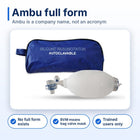
Ambu Full Form: What the Name Means and BVM Basics

Ambulance

Anatomy Models
Anesthesia Machine
You may also need
FOR YOURecommended for you
Save 20%
Save 22%
Save 33%
Save 10%
Save 6%
Save 30%
Save 25%
Save 20%
Save 8%
Save 17%
Save 20%
Save 12%
Save 6%
Save 20%
Save 15%