


Featured ChoiceSave 57%
Save 60%


Save 36%
Save 45%
Save 23%
Save 50%
Save 27%

Save 50%

Save 31%
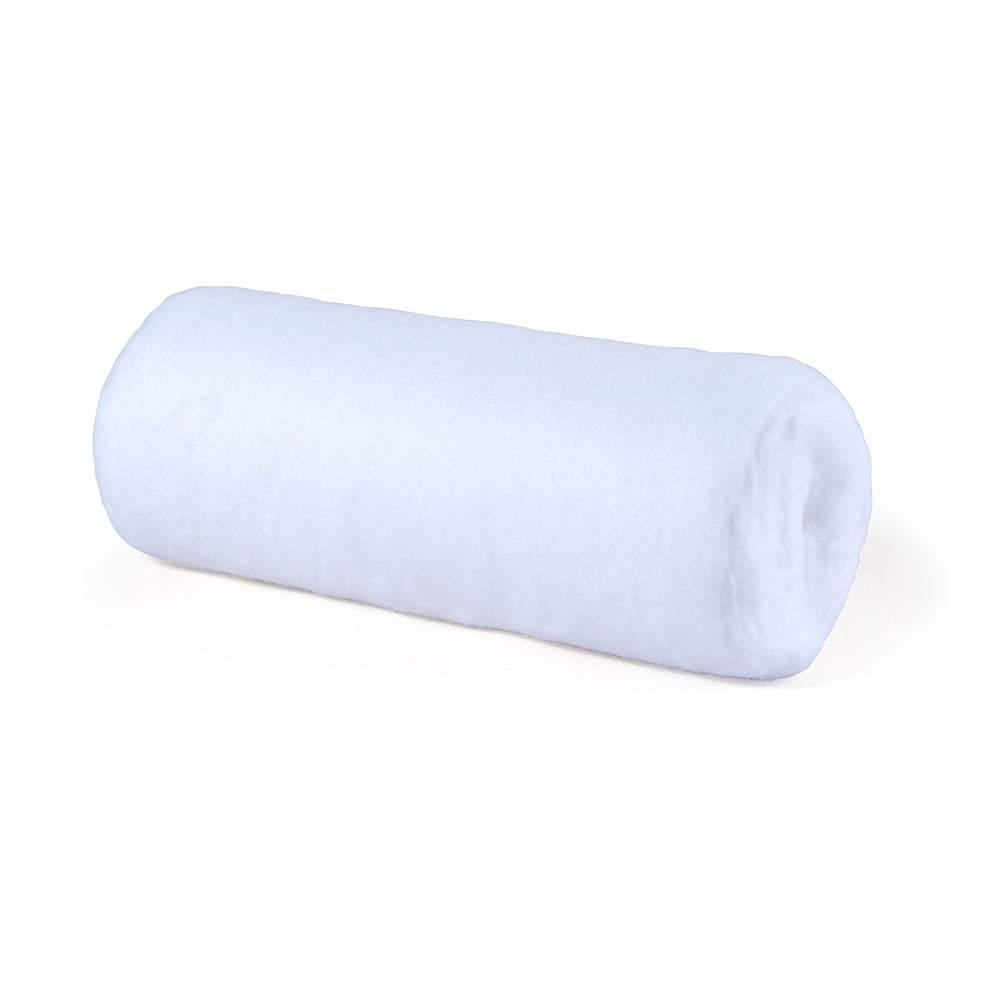

Gauze for Home Use: Gauze Roll, Pads & Sterile Types
Gauze for home use: gauze roll, pads & sterile types
Gauze is a simple first aid item that many people keep at home for cleaning, covering, padding, or holding another dressing in place. Choosing the right gauze for home use is easier when you understand the main types: gauze roll, gauze pad, swab, sterile gauze, and non sterile types. This guide explains the common options in plain words, so you can stock your home kit with more confidence and use them in a clean, careful way.
What is gauze used for?
Gauze is used for basic first aid tasks such as cleaning a small cut, covering an area, adding soft padding, absorbing light fluid, or holding a dressing in place. It is a woven or non-woven fabric product made to be soft, absorbent, and easy to handle.
At home, people often use it for small cuts, grazes, minor scrapes, and light cleaning around the skin. It can also be folded to make a thicker pad or wrapped gently around a part of the body to keep another layer steady. Gauze does not replace medical care, but it can help you manage the area in a cleaner and more controlled way.
See a doctor for serious wounds, deep cuts, heavy bleeding, bites, burns, or wounds that look infected.
The main gauze types for home buyers
Most home buyers only need to understand a few common forms. The names may sound similar, but each one has a slightly different use.


Common types include:

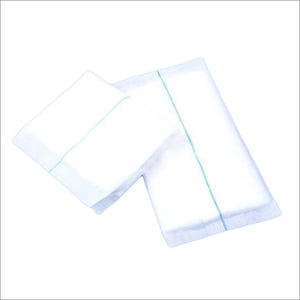
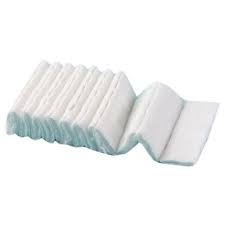
- Gauze pad: A flat square or rectangle used for covering, cleaning, or absorbing.
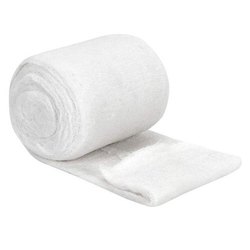
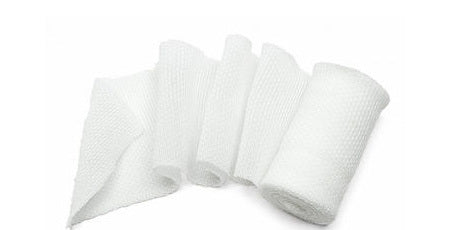
- Gauze roll: A long strip used for wrapping, padding, or holding a dressing in place.
- Swab: A small folded piece often used for cleaning or dabbing.
- Sterile gauze: Packed to stay free from germs until opened.
- Non sterile: Clean, but not packed for direct use on open wounds.
Keeping more than one type at home can be useful because cuts, scrapes, and skin areas do not all need the same shape or size.
Gauze rolls are useful for wrapping and support
A gauze roll is a long, rolled strip of fabric. A roll is easy to wrap around fingers, hands, arms, feet, or other areas where a flat pad may not stay in place by itself.

People often use a gauze roll to hold a pad or light dressing over a minor scrape. The roll can also serve as soft padding under tape or as a gentle outer layer. The main benefit is flexibility. You can wrap as much of the roll as needed and cut the extra length with clean scissors.
Wrap the roll snugly, but not tightly. If the skin beyond the wrap becomes pale, blue, cold, numb, or tingly, the wrap is too tight, so loosen it right away.
Gauze than may mean a long piece
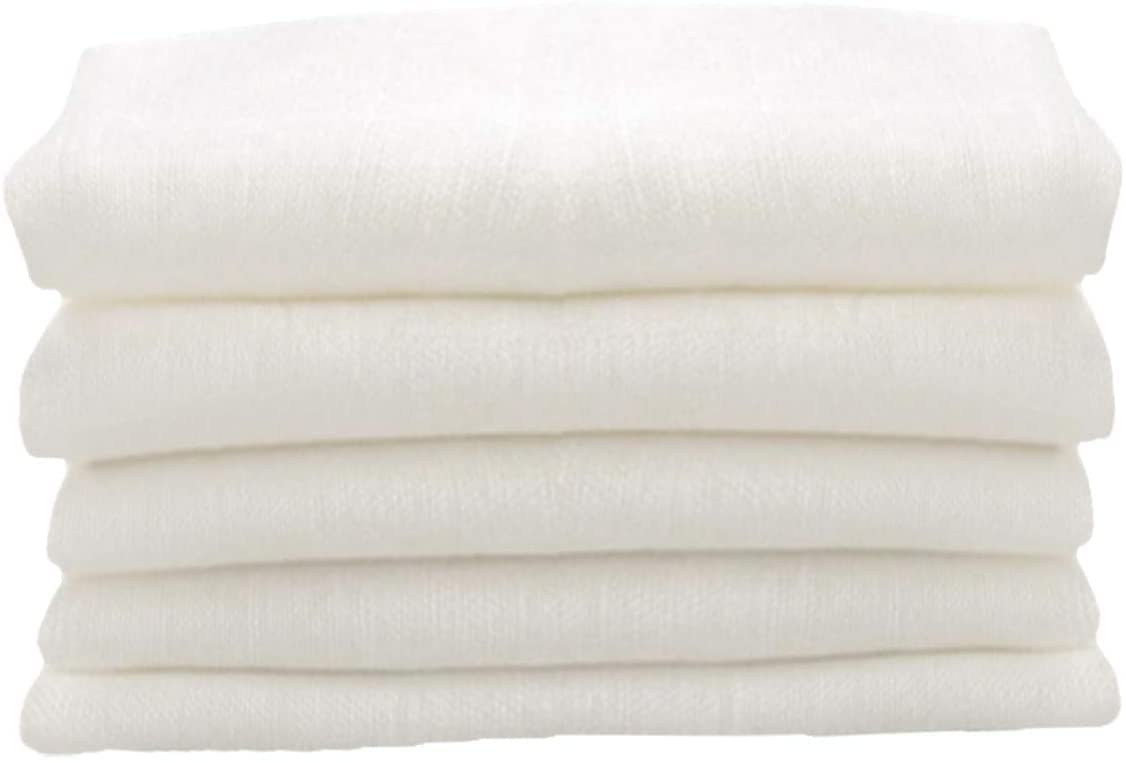
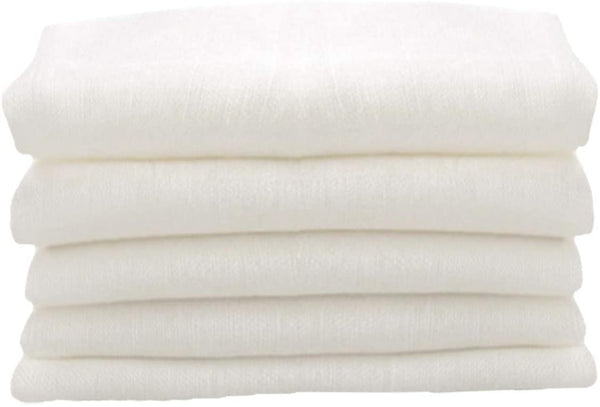
Some buyers may see or hear the term gauze than when shopping for first aid supplies. In many places, this simply refers to a long piece, sheet, or roll of cloth that can be cut to size.

If you are not sure what a seller means by gauze than, look at the product size, width, length, and whether it is sterile or non sterile. The practical use is often similar to a roll: wrapping, layering, padding, or cutting smaller pieces.
For home use, the key question is not the name alone. Check whether the product is cleanly packed, suitable for your intended use, and easy to store in your first aid box.
Pads are simple and easy to place
A gauze pad is one of the easiest forms to use at home. It is usually a flat square or rectangle and may come in different sizes.
You can place a pad over a minor scrape after cleaning the area. It can also be used to dab around the skin, absorb light fluid, or add a soft layer between the skin and tape. Many pads come folded, which gives them more thickness than a single thin layer.
For direct use on a cut, a sterile pad is usually the better choice. If the pad touches an open area, avoid touching the part of the pad that will face the skin. Hold it by the edges as much as possible.
Swabs are made for small tasks
A gauze swab is usually a small, folded square of cloth. It is useful when you need better control than a larger pad or roll gives you.
You can use a swab for gentle cleaning around a minor scrape, dabbing away light fluid, or applying light pressure for a short time. Because swabs are small, they are handy for fingers, toes, and small skin areas.
Some swabs are sterile, and some are non sterile. Read the pack before use. If the swab will touch an open cut, choose a sterile one when possible. If it is only for cleaning nearby intact skin, a non sterile one may be suitable.
What is the difference between sterile and non sterile gauze?
The difference between sterile and non sterile types is how the maker prepares and packs the product. Sterile gauze comes processed and sealed, so it stays free from germs until you open the pack. Non sterile gauze is clean, but it comes without the same packing for direct contact with open wounds.
Use sterile gauze when it will touch a cut, scrape, or open skin. It is the safer choice for direct wound contact because the sealed pack helps keep it clean until use.

A non sterile pad is better for general tasks. You might use it as padding, as an outer layer, for cleaning intact skin, or for practice when learning how to wrap. It should not be your first choice for direct contact with an open cut.
When sterile gauze makes sense at home
Sterile gauze is a smart item to keep in a home first aid kit. It is useful because small injuries often happen without warning, and a sealed pack is ready when needed.
Choose a sterile pack for direct contact with open skin. This includes a small cut, scrape, or graze after basic cleaning. A sterile pad is often easier to place than a loose roll because it already has a neat shape.
Before use, check that the pack is sealed and dry. If the pack is torn, wet, dirty, or already open, do not treat it as sterile. Once opened, use it right away or discard it if it becomes contaminated.
When non sterile gauze is useful
Non sterile gauze still has a place in home care. It is often useful for tasks where it will not touch an open wound.

You can use it for adding padding, wiping around unbroken skin, holding another layer in place, or protecting clothing from contact with a covered area. It may also be useful when you need extra bulk under a wrap.
The main point is to match the type to the task. If it will touch open skin, choose a sterile one. If you only need an outer layer or general cleaning of intact skin, non sterile gauze may be enough.
How do you use a gauze pad on a cut?
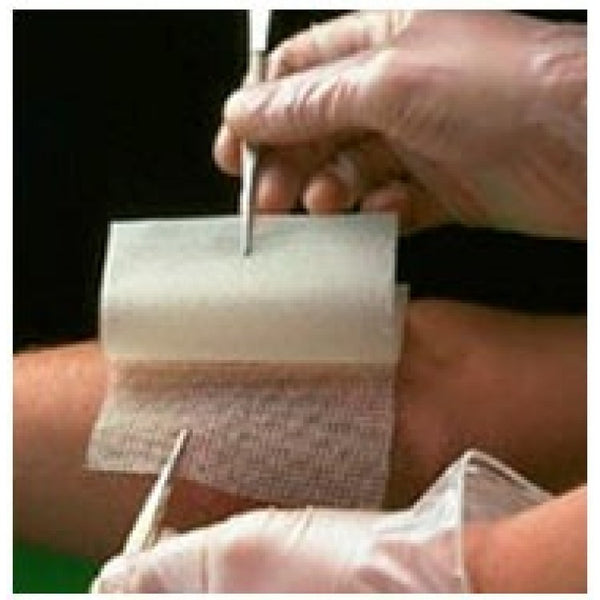
To use a gauze pad on a cut, wash your hands, clean the area as directed by basic first aid guidance, place a sterile pad over the cut, and secure it gently if needed. Keep your fingers away from the part of the pad that will touch the cut.

A simple process helps keep things clean:
- Wash and dry your hands.
- Open the sterile pack carefully.
- Hold the pad by the corners or edges.
- Place it flat over the cut.
- Use a gauze roll or suitable tape to keep it in place if needed.
- Change the pad if it becomes wet, dirty, or loose.
Do not press a dirty pad onto a cut. If the cut needs more than simple home care, get medical help.
What does 12 ply gauze mean?
12 ply gauze means it has twelve layers of material. The word “ply” refers to layers, so a higher ply number usually means a thicker piece.
For example, a 12 ply pad is thicker than a lower-ply option of the same size and material. This can make it more absorbent and more cushioned. A thicker pad may be useful when you want extra softness or more bulk in one piece.
Ply is only one feature, though. Size, weave, material, and whether it is sterile also matter. When shopping, look at the full label instead of choosing by ply alone.
Ply affects thickness and absorbency
Ply can help you compare products more easily. A 4 ply product has fewer layers than 8 ply or 12 ply. More layers often mean the pad feels fuller in the hand.
Thicker gauze may absorb more light fluid and add more padding. Thinner types may be easier to fold, layer, or use in smaller areas. Neither one is always better. It depends on what you need it to do.

For a home kit, it can be useful to keep a mix of sizes and thicknesses. A small low-ply swab may be enough for a tiny scrape, while a thicker sterile pad may be better for covering a larger area.
Gauze and cotton wool are not the same
Gauze and cotton wool are both common home care items, but they are not the same. Gauze is a fabric-like material you can fold, wrap, or place over an area. Cotton wool is fluffy and loose, and small fibres can pull away more easily.


Because cotton wool can shed fibres, it is often better for cleaning around intact skin rather than placing directly on a cut. Woven fabric is usually easier to handle when you need a neat pad or wrap.
If you are choosing between gauze and cotton wool for a first aid kit, think about control. Gauze is usually better when you need a clear shape, gentle pressure, or a layer you can hold in place.
Cleaning small skin areas
Gauze can be useful for gentle cleaning around small skin areas. A swab or folded pad gives you a clean surface to wipe with care.
Use clean hands and clean supplies before touching them. If the area is open, use sterile gauze. If you are cleaning nearby unbroken skin, a non sterile pad may be suitable. Avoid rubbing hard, because that can irritate the skin.
For small tasks, a swab may be easier than a large pad. Folding the pad can give you a firmer edge for controlled wiping. After use, throw it away and use a fresh piece if you need more cleaning.
Padding and comfort
Gauze can add a soft layer between the skin and an outer wrap. This is useful when you want to reduce rubbing or create a little extra cushion.
For padding, it does not always need to be sterile, as long as it is not touching open skin. You can fold or wrap a roll to build gentle thickness. A pad also works under tape or under a light wrap.
Keep padding smooth. Wrinkles, lumps, or tight folds can press into the skin and feel uncomfortable. If it shifts, becomes wet, or feels irritating, remove it and replace it with a clean piece.
Holding another layer in place
A gauze roll often holds a pad or simple dressing in place. A roll works well because it can wrap around the body part and give light support without being stiff.

Start with the end of the roll near the area you want to cover. Wrap the roll gently, overlapping each turn slightly. The goal is to keep the pad from moving, not to squeeze the area tightly.
After wrapping, check comfort and circulation. The wrap should feel secure but not painful. If the roll slips, you may need to rewrap it. If it feels tight, loosen it. Simple, careful wrapping is better than pulling hard.
Can gauze be reused?
Do not reuse gauze after it has touched a cut, body fluid, dirt, or a used surface. Once used, it may carry germs or debris, even if it still looks clean.
For home first aid, single use is the safest habit. Throw away the used piece and take a fresh one if you need to clean, cover, or pad the area again. This applies to a pad, a swab, and pieces cut from a gauze roll.
An unused piece from an opened pack is different. If it has stayed clean, dry, and untouched, you may still use it for general outer-layer tasks. However, once a sterile pack is open, do not assume the rest is still sterile.
How to choose gauze for a home first aid kit
A useful home kit does not need to be complicated. A few options can cover many simple needs.
Consider keeping:
- Sterile gauze pads for direct contact with small cuts or scrapes.
- A gauze roll for wrapping and holding pads in place.
- Swabs for small cleaning and dabbing tasks.
- Non sterile pieces for padding or outer layers.
- More than one size so you are not forced to fold a large piece for a tiny area.
Choose packaging that is easy to open, clearly labelled, and simple to store. For buyers, clear labels are important because you may need to find the right item quickly.
Size matters more than people think
Pads and rolls come in many sizes, and size can make use much easier. A pad that is too small may not cover the area well. A pad that is much too large may be bulky and awkward.
For small cuts, a small sterile gauze pad or swab may be enough. A larger scrape may suit a bigger pad, which sits flatter and needs less folding. For fingers and hands, a gauze roll can be easier because it wraps around curves.
It is helpful to keep at least two pad sizes and one roll at home. You do not need many complicated options, but a small and medium size can make common first aid tasks simpler.
Read the label before use
Labels can tell you a lot. Before using a product, check the type, size, ply, and whether it is sterile or non sterile.

Look for these details:
- Sterile or non sterile: This helps you choose the right use.
- Size: This tells you how much area it can cover.
- Ply: This tells you how many layers it has.
- Material: Many gauze products are cotton or a cotton blend.
- Expiry date: This matters most for sterile items.
If the label is unclear or the pack is damaged, use a different piece. Clear, sealed packaging helps you avoid guessing during first aid.
How to store gauze at home
Store it in a clean, dry place where it is easy to find. A closed first aid box, drawer, or cupboard works well if it stays away from moisture, dust, and direct sunlight.
Keep sterile gauze in its original sealed pack until you need it. Do not open packs early “just in case,” because opening them can affect cleanliness. Keep different types together but separated enough that labels are easy to read.
Avoid storing it in damp rooms or loose in bags where it can tear, collect dirt, or become crushed. If a pack becomes wet, dirty, or damaged, replace it with a fresh one.
Expiry dates and damaged packaging matter
Sterile gauze usually has an expiry date. This date helps show how long the maker expects the sealed pack to keep its sterile condition when stored properly.
Before use, check the expiry date and the package. If it is past the date, torn, open, wet, stained, or dirty, do not use it as sterile. For direct contact with an open area, choose a sealed, in-date pack.
Non sterile types may also have storage guidance. Even when sterility is not the goal, it should still be clean, dry, and free from visible dirt. Good storage keeps it ready for simple tasks.
Clean handling makes supplies more useful
Gauze works best when you handle it with care. Even a clean piece can become dirty if you place it on an unclean surface or touch it with unwashed hands.
Before use, wash your hands and prepare a clean area. Open the pack only when you are ready to use it. Try to touch only the edges, especially if it will face a cut.
If you drop a piece on the floor, do not use it on open skin. If you cut from a roll, use clean scissors. Small habits like these make it safer and more practical for everyday use.
Common mistakes to avoid
Many mistakes are easy to prevent. The most common issue is using the wrong type for the task.

Avoid these habits:
- Using non sterile gauze directly on an open cut when a sterile pack is available.
- Reusing a piece that has already touched skin fluid, dirt, or a cut.
- Wrapping a gauze roll too tightly.
- Storing it in damp or dirty places.
- Ignoring torn packs or expired sterile ones.
- Leaving loose fibres or small pieces behind on the skin.
Gauze is simple, but it still needs clean handling. A few careful steps can make home first aid calmer and more organized.
Gauze roll, pad, and swab at a glance
Here is a simple way to compare the main forms:
| Type | Best for | Key point |
|---|---|---|
| Gauze roll | Wrapping, padding, holding a pad | Do not wrap too tightly |
| Gauze pad | Covering or absorbing | Choose sterile for open skin |
| Swab | Small cleaning or dabbing | Good for controlled use |
| Non sterile | Outer layers and padding | Keep away from direct open-wound contact |
| Sterile | Direct contact with small cuts | Use only if pack is sealed and clean |
This quick comparison can help you choose the right item without overthinking it.
A simple home first aid checklist
A basic checklist can make shopping and storage easier. Use it when setting up or checking your first aid supplies.
Home checklist:
- Keep sterile gauze pads in at least one common size.
- Keep a gauze roll for wrapping and holding pads.
- Add swabs for small cleaning tasks.
- Keep non sterile pieces for padding and outer layers.
- Check expiry dates on sterile packs.
- Replace torn, wet, or dirty packs.
- Store everything in a clean, dry place.
- Throw away used pieces after one use.
You do not need a large collection. You need clean, suitable pieces that are easy to find when needed.
Final takeaway on gauze for home use
Gauze is one of the most practical items in a home first aid kit because it can clean, cover, pad, absorb, and help hold another layer in place. The most important choice is matching the type to the task: sterile gauze for direct contact with open skin, and non sterile gauze for general padding or outer-layer use.
When buying for home use, look at the form, size, ply, packaging, and expiry date. A gauze roll, a few sterile pads, and some swabs can cover many simple needs. Store them well, handle them with clean hands, and replace anything that is used, damaged, wet, or out of date.
Explore Medical Collections
All Categories
Abdominal & Maternity Support

Accessories

Accu-Chek Instant Strips: Use, Compatibility, Price & Blood Sugar Testing Guide
Accu-Chek Instant Strips: Uses, Features & Complete Guide

Accupressure Products for Pressure Point Therapy, Pain Relief & Wellness

accupuncture

Acupuncture Needles & Supplies

Advanced Physiotherapy Machines & Lumbar Physiotherapy

Airways

Ambulance

Anatomy Models
Anesthesia Machine

Anesthesia Products
Ankle Support for Home Use: Braces, Sleeves & Walker Boots
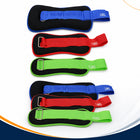
Ankle Weights & Exercise Weights for Home & Rehab
You may also need
FOR YOURecommended for you
Save 57%
Save 60%
Save 36%
Save 45%
Save 23%
Save 50%
Save 27%
Save 50%
Save 31%