


Featured ChoiceSave 14%


What customers say
★★★★★ 5.0 · 5 reviews
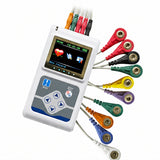
Holter monitor: uses, how it works and what to expect
Holter monitor means a small wearable heart recording device. It records your heart’s electrical activity while you continue normal daily life.
For many Indian families, the holter test feels easier when everyone knows what will happen. A doctor or trained professional should guide its use, fitting, removal, and result review. The holter monitor can support heart rhythm evaluation, but it does not promise a diagnosis by itself.
What should an Indian family know first?
A family should know that a holter monitor is usually painless, wearable, and temporary. The person wears small sticky patches on the chest. Wires connect those patches to a small holter monitor.
The main aim is to record heart rhythm during normal activities. This may include walking at home, climbing stairs, travelling locally, eating, resting, and sleeping.
The person should follow the doctor’s instructions closely. Do not change medicines, remove wires, or stop the holter test unless the care team says so.
Keep emergency care separate from the test. If chest pain, fainting, severe breathlessness, or a worrying symptom happens, seek urgent medical help.
What is a holter monitor
A holter monitor is a portable ECG recorder. ECG means electrocardiogram, a test that records the heart’s electrical signals.

The heart beats because tiny electrical signals move through it. A holter monitor records these signals over many hours. This gives the doctor more information than a short clinic reading.
The test is also called ambulatory ECG monitoring. “Ambulatory” means the person can move around during holter recording.
What the holter monitor records
The holter recorder stores a tracing of heart rate and rhythm. Heart rate means how fast the heart beats. Rhythm means the pattern of those beats.
The holter recording may show if beats are too fast, too slow, or irregular. It may also show whether symptoms happen at the same time as rhythm changes.
The holter monitor does not treat the heart. It only records information for review by trained staff.
Who may wear it
Adults, older people, and sometimes children may wear this monitor. The decision depends on the doctor’s advice.
In India, families often help older parents during the holter test. A family member can check that wires stay secure. They can also help note symptoms and timings.
If the patient has sensitive skin, tell the clinic before fitting. If the patient has a pacemaker or implanted device, tell the doctor too.
What families should expect at fitting
A trained person cleans areas on the chest. They place sticky patches called electrodes on the skin. Electrodes detect the heart’s electrical signals.
Some chest hair may need trimming for better contact. The monitor may sit in a pouch, belt clip, or pocket. The fitting is usually simple and painless.
Holter monitor vs resting ECG
A resting ECG records the heart for a short time while the person lies still. A holter monitor records for longer while the person follows daily activities. This is why both tests can give different types of information.
A resting ECG is useful when the heart rhythm issue is present during the test. A holter may help when symptoms come and go.
Quick comparison
|
Point |
Resting ECG |
Holter monitor |
|---|---|---|
|
Where it is done |
Clinic, hospital, or test centre |
Fitted at a centre, worn during daily life |
|
Recording time |
Short recording |
Longer continuous recording |
|
Activity during test |
Usually lying still |
Normal routine, within instructions |
|
Main use |
Snapshot of heart signals |
Pattern over time |
|
Symptom matching |
Only if symptoms happen then |
Better chance if symptoms happen during wear |
|
Bathing |
Not relevant after test |
Usually avoid showering unless told otherwise |
How does a holter monitor differ from a resting ECG?
A holter monitor differs by recording heart signals for a longer period. A resting ECG gives a brief snapshot, often within minutes.

This difference matters when symptoms are not constant. Palpitations, dizziness, or skipped beats may not appear during a clinic ECG.
Your doctor may use both tests together. One does not automatically replace the other.
Why a doctor may order one
A doctor may order a holter monitor when symptoms suggest a possible rhythm problem. It helps compare symptoms with logged heart activity. This supports safer decisions about further tests or care.
Why might a doctor ask for a holter monitor?
A doctor might ask for a holter monitor to check symptoms that come and go. These may include palpitations, dizziness, fainting, chest fluttering, or unexplained tiredness.
It may also be used after a known heart rhythm concern. Some doctors may use it to review rhythm patterns after treatment changes. Follow the exact reason given by your own doctor.
Symptoms that should be written clearly
Families should note symptoms in simple words. Do not use medical terms if you are unsure.
Useful symptom notes include:
-
Fast heartbeat
-
Skipped beat feeling
-
Chest fluttering
-
Dizziness
-
Faint feeling
-
Actual fainting
-
Shortness of breath
-
Chest discomfort
-
Unusual sweating
-
Sudden weakness
Write the time as accurately as possible. The care team compares the diary time with the holter recording.
Questions to ask the doctor
Before leaving the clinic, ask clear questions. This helps avoid confusion at home.
Use this checklist:
-
Why is this test being advised?
-
How long should the holter recording continue?
-
Can regular medicines be taken?
-
Can the person go to work or school?
-
Can the person travel by metro, bus, auto, or car?
-
What activity should be avoided?
-
Can someone shower with a holter monitor?
-
What should we do if an electrode comes loose?
-
Whom should we call if the holter recorder beeps?
-
When and how will results be shared?
If the patient is an older adult, ask who can help at home. If the patient is a child, ask about school, play, and sleep.
How it works: electrodes and recorder
The system has two main parts. The electrodes stick to the chest, and the monitor stores the heart signal. Some devices have wires, while others may use a compact patch design.

The exact fitting depends on the holter monitor used by the clinic. Do not copy another patient’s placement. A trained professional should place or explain the electrodes.
Electrode placement on the chest
Electrodes are small sticky pads. They must touch clean, dry skin to read well.
The chest may be cleaned before placement. Lotions, oils, talcum powder, or sweat can reduce sticking. Wear comfortable clothing that allows easy fitting.
Women may want to wear a comfortable front-opening top. Older patients may prefer a loose cotton shirt or kurta.
The recorder device
The recorder is small enough to wear while moving. It may be attached near the waist or chest.
The patient should avoid pulling wires. Keep the monitor secure while sitting, sleeping, and walking.
Do not open the monitor. Do not press buttons unless the staff explained them.
What the event button may do
Some holter recorders have an event button. The patient may press it when symptoms happen.
Pressing the button does not treat the symptom. It simply marks the time for review. Still write the symptom in the diary.
Ask the clinic to show the button before leaving. Ask them what to do if it is pressed by mistake.
Wearing it: sleep, activity, bathing
Most people can continue many normal activities while wearing the monitor. The aim is to capture an ordinary day or two, unless the doctor advises otherwise. Do not do risky or unusual activity just to “test” the heart.
What should a patient expect while wearing a holter monitor?
A patient should expect sticky chest patches, a small holter recorder, and some limits around water. The holter monitor may feel awkward at first, especially while sleeping.
The patient can usually walk, eat, read, work at a desk, and do light routine tasks. Follow clinic advice about exercise, travel, and lifting.
Sleeping with the holter monitor
Sleep may feel different on the first night. Try lying on the back or side. Avoid sleeping in a way that pulls the wires.
Keep the monitor close to the body. A loose shirt can help reduce tugging.
If the patient turns often, check wires in the morning. Do not remove the electrodes unless told to do so.
Daily activity in an Indian home
Many daily tasks can continue. This may include cooking light meals, walking inside the home, office work, or helping children with homework.
Avoid heavy sweating unless the doctor permits it. Sweat can loosen electrodes. Avoid gym workouts if the clinic has told you to limit exercise.
Take care around gas stoves, crowded buses, pets, and small children. Wires can snag if they hang loose.
Bathing and water safety
Most standard holter recorders should be kept dry. Many hospital instructions advise avoiding bath, shower, and swimming while wearing the holter recorder. Always follow the instruction given with your holter monitor.
If the test lasts one day, plan a bath before fitting. If it lasts longer, ask the clinic what is allowed.
Do not assume the monitor is waterproof. Do not cover it with plastic and shower unless the care team clearly says it is safe.

Can someone shower with a holter monitor?
Someone usually should not shower with a holter monitor unless the care team says the monitor allows it. Water can damage the holter monitor or loosen electrodes.
Some modern monitors may have different rules. Follow the written instructions from the clinic, not general advice from the internet.
Travel and phone use
Local travel may be allowed if the doctor permits it. Keep the monitor secure under clothing or in its pouch.
Ask about airport security if travel is planned. Ask before using strong magnets or electrical equipment near the monitor.
Mobile phone use is usually part of normal life. Still, keep wires neat and avoid placing the phone directly on the monitor.
Keeping a symptom diary
A symptom diary is a simple written record. It helps the doctor match what the patient felt with what the monitor captured.
The diary may be on paper, a phone note, or a clinic form. Use the method advised by the care team.
Should symptoms and activities be written down during the test?
Yes, symptoms and activities should be written down during the test. This helps connect the heart rhythm recording with real-life events.
Write the time, symptom, activity, and any trigger. For example, note whether the person was climbing stairs, resting after lunch, or waking from sleep.
What to include in the diary
Good notes are short but clear. Do not write long stories. Exact time matters more than perfect language.

Use this format:
|
Time |
What happened |
Activity |
Extra note |
|---|---|---|---|
|
8:10 am |
Fast heartbeat |
Walking to shop |
Lasted a few minutes |
|
1:25 pm |
Dizziness |
After lunch |
Sat down |
|
10:40 pm |
Chest fluttering |
Lying in bed |
Pressed event button |
If no symptoms happen, still note major activities. This gives useful context for the holter recording.
Family member role
A family member can help older patients keep notes. They can also remind the patient not to pull wires.
For children, parents can write symptoms in plain words. Note crying, sudden tiredness, or complaints of chest fluttering.
Do not panic over every small feeling. Note it and follow the doctor’s safety advice.
Diary checklist
Keep this checklist handy:
-
Start time of the test
-
Medicine times, if the doctor asks
-
Meal times, if symptoms follow meals
-
Walking or stair climbing times
-
Sleep and wake times
-
Palpitations or fluttering
-
Dizziness or faint feeling
-
Chest discomfort
-
Event button press time
-
Loose electrode time, if it happens
A clear diary can make the recording easier to interpret. Poor notes may make symptom matching harder.
Possible problems and skin care
Most problems are minor, but they can affect recording quality. Common issues include loose electrodes, itching, sweating, wire tugging, and skin redness.
Tell the clinic if the patient has an adhesive allergy or very sensitive skin. Tell them if the patient has wounds, rashes, or recent chest procedures.
What problems can happen while wearing holter electrodes?
Problems can include mild skin irritation, loose patches, poor contact, and discomfort from wires. Sweating or body lotion can make electrodes slip.
If an electrode comes loose, follow the clinic’s instructions. Do not guess if you are unsure.
Skin care before fitting
Keep the chest clean and dry. Avoid oil, cream, perfume, talcum powder, and moisturiser on the chest before fitting.
Wear soft clothing. Cotton is often comfortable in Indian weather.
If the patient sweats a lot, tell the technician. They may give specific instructions for patch care.
Skin care during the test
Do not scratch under the electrode. Scratching can irritate skin and loosen the patch.
If itching is mild, note it and continue if possible. If there is severe burning, swelling, or rash, call the clinic.
Do not apply cream around electrodes unless the care team allows it. Cream can affect sticking.
What to do if a lead comes off
Stay calm. Check whether the clinic gave spare electrodes or written steps.

If instructions were given, follow them exactly. If not, call the clinic or test centre.
Write down the time it came loose. Also note when it was fixed.
When to seek urgent help
The holter test should not delay urgent care. Seek emergency help for severe chest pain, fainting, severe breathlessness, weakness on one side, or confusion.
If symptoms feel dangerous, do not wait for the holter recording to finish. The monitor records information, but it is not emergency treatment.
How a holter monitor fits daily Indian routines
A holter monitor works best when the day is realistic. The patient should follow a normal routine within safe limits. This helps the doctor see rhythm patterns during real life.
For many families, planning makes the holter test smoother. Arrange bathing, clothing, travel, and sleep before fitting.
Before the appointment
Prepare simple clothing. Choose a loose shirt, kurta, or top that opens easily.
Avoid applying oil or cream to the chest. Carry previous prescriptions if the doctor asked.
Keep phone numbers ready. Save the clinic number and emergency contact.
At home during recording
Keep the holter monitor dry. Keep wires tucked safely under clothing.
Avoid letting children pull the wires. Keep pets away from hanging leads.
Do not use heating pads near the monitor. Ask before using any electrical therapy device.
At work or school
Office work may be possible if the doctor allows it. Tell a trusted person if help may be needed.
For students, parents should ask about games, sports, and bathing. Teachers may need a simple note.
Avoid embarrassment by wearing loose clothing. The monitor can often be kept discreet.
After the test: how results are shared
After recording, the holter monitor is returned as instructed. The data is downloaded and reviewed by trained staff. A doctor then explains what the result may mean for care.
What happens after the holter recording period ends?
After the holter recording period ends, the monitor is removed or returned to the centre. The stored data is reviewed with the diary notes.
Do not remove the monitor early unless instructed. If the clinic asked you to return it at a fixed time, try to be punctual.
Returning the holter monitor
Return the holter recorder, wires, pouch, and diary as instructed. Some centres may ask you to discard used electrodes. Others may remove everything at the centre.
Ask for the next step before leaving. Families should know who will call and when to book follow-up.
Do not expect instant results in every setting. Review can take time, depending on the centre and doctor.
How results may be explained
The doctor may explain whether the rhythm looked regular or irregular during the holter recording. They may compare symptoms with the ECG tracing.
If symptoms happened but rhythm stayed normal, that may still be useful. If rhythm changes happened without symptoms, the doctor will guide next steps.
Results should be understood with the full medical history. Never self-treat based only on a report.
What if no abnormal rhythm occurs during the holter recording?
If no abnormal rhythm occurs during the holter recording, the test may still provide useful information. It can show what was captured during that time.
The doctor may suggest observation, repeat monitoring, a longer monitor, or another test. This depends on symptoms, risk, and medical history.
What buyers compare
Some readers may be comparing holter equipment for a healthcare setup. Buyer choice should focus on clinical use, workflow, patient comfort, and service needs.
Medical devices should be selected with trained clinical input. Do not buy or use equipment for patient testing without proper medical guidance.
What should buyers compare before buying holter equipment?
Buyers should compare recording workflow, software usability, patient comfort, report handling, service support, and training needs. They should also check whether the device suits their clinical setting.
Avoid choosing only by price or appearance. A good fit depends on how the team will use, clean, store, and review recordings.
Practical buying checklist
Use this checklist during comparison:
-
Intended use in a healthcare setup, camp, or home collection
-
Recording duration options advised by the manufacturer
-
Electrode or patch type compatibility
-
Patient comfort during Indian weather
-
Ease of fitting and removal
-
Clear software workflow for review
-
Report format and export options
-
Data storage and privacy practices
-
Training needs for staff
-
Cleaning and reuse instructions
-
Availability of consumables
-
Service and repair pathway
-
Manufacturer instructions for water exposure
-
Local support and documentation
Do not assume all devices work the same way. Read the manufacturer’s instructions before use.
Comfort and patient handling
Patient comfort affects holter recording quality. A monitor that is hard to wear may cause pulling, loose electrodes, or incomplete recording.
For Indian homes, heat and sweat matter. Clothing, travel, and sleeping habits also matter.
Ask how the monitor is worn under regular clothing. Check whether staff can explain it easily to families.
Software and reporting workflow
The recorder is only one part of the system. The review software and report workflow also matter.
A healthcare team should understand how data is downloaded, stored, reviewed, and shared. Staff should know who checks recordings and who signs reports.
Patient privacy should be respected. Reports should be shared only through proper clinical channels.
Consumables and maintenance
Electrodes and other accessories may be needed for each test. Buyers should understand what is single-use and what is reusable.
Cleaning instructions should be clear. Staff should follow infection control practices.
Do not invent shortcuts for cleaning, charging, or storage. Follow official instructions from the device maker.
FAQs
What is a holter monitor and what does it record?
A holter monitor is a wearable ECG recorder. It records heart electrical signals during daily life.
It mainly records heart rate and rhythm. The doctor reviews the holter recording with your symptoms and history.
How long does a typical holter recording last?
A typical holter recording often lasts a day or two. Some devices or clinical plans may record for longer.
Your doctor will decide the duration. Ask the clinic what time to return the monitor.
How does a holter monitor differ from a resting ECG?
It records for longer than a resting ECG. A resting ECG records a short snapshot while you are still.
A holter records during routine life. This can help when symptoms are not present in the clinic.
Why might a doctor ask for a holter monitor?
A doctor may ask for it when symptoms come and go. These symptoms may include palpitations, dizziness, or fainting.
The test helps compare symptoms with heart rhythm. It does not promise a diagnosis by itself.
Should symptoms and activities be written down during the test?
Yes, write symptoms and activities during the holter test. Note the time as clearly as possible.
Also write what the person was doing. This helps the doctor match diary notes with the holter recording.
Can someone shower with a holter monitor?
Usually, the person should not shower with the monitor. Many holter recorders must stay dry.
Ask the clinic for device-specific advice. Do not guess based on another patient’s experience.
What should a patient expect while wearing a holter monitor?
The patient should expect sticky patches, wires, and a small recorder. The monitor may feel odd while sleeping.
Most normal light activities can continue. Follow the doctor’s limits on bathing, exercise, and travel.
What problems can happen while wearing holter electrodes?
Mild itching, redness, or loose patches can happen. Sweat can also loosen electrodes.
Call the clinic if the patch falls off or skin reacts badly. Seek urgent help for serious symptoms.
What happens after the holter recording period ends?
The recorder is returned or removed after the set time. The data is then reviewed with diary notes.
Your doctor explains the result and next steps. Do not self-treat from the report alone.
What if no abnormal rhythm occurs during the holter recording?
It means no abnormal rhythm was captured during that period. Symptoms may still need review.
The doctor may suggest another plan. This may include longer monitoring or different tests.
What should buyers compare before buying holter equipment?
Buyers should compare clinical workflow, comfort, software, consumables, training, and support. They should also check official instructions.
The equipment should match the care setting. A trained professional should guide medical use.
Related devices for families and buyers
Use trusted information and clinic guidance together. Online reading cannot replace a doctor’s advice.
If you are a patient, use the page to understand the test before speaking with your doctor.
Conclusion and when to see a doctor
A holter monitor is a useful way to record heart rhythm during normal life. It can help doctors review symptoms that may not appear during a short resting ECG.
For Indian families, the key steps are simple. Keep the holter monitor dry, protect the electrodes, write a clear diary, and return the recorder on time.
See a doctor if palpitations, dizziness, fainting, chest discomfort, or breathlessness keep happening. Seek urgent care for severe chest pain, fainting, or sudden weakness.
A holter monitor should always be used under medical guidance. It supports clinical review, but it does not replace a doctor’s judgement.
Sources: Cleveland Clinic, “Holter Monitor: Purpose, Results & How It Works.”
Sources: NHS, “Electrocardiogram (ECG)” and related portable ECG guidance.
Sources: Royal Papworth Hospital, “ECG Holter Monitoring” patient information.
Explore more heart-health devices
ECG machine
Explore Medical Collections
All Categories
Abdominal & Maternity Support

Accessories

Accu-Chek Instant Strips: Use, Compatibility, Price & Blood Sugar Testing Guide
Accu-Chek Instant Strips: Uses, Features & Complete Guide

accupuncture

Acupuncture Needles & Supplies

Advanced Physiotherapy Machines & Lumbar Physiotherapy

Airways
Alcohol Swab: Uses, Safe Use and Disposal Guide

Ambu Bag Full Form: Is There an Official Meaning?

Ambu Bag: Parts, Uses and Safety Guide
Ambu Full Form: What the Name Means and BVM Basics

Ambulance

Anatomy Models
Anesthesia Machine
You may also need
FOR YOURecommended for you
Save 14%