


Featured ChoiceSave 30%



Save 5%

Save 18%

Save 52%

What customers say
★★★★★ 5.0 · 9 reviews
 Hot and Cold Gel Pack
“Lightweight, comfortable to use, and retains temperature well. Ideal for back pain, swelling, and post-work...”
“This gel pack is flexible, durable, and provides instant relief whether used hot or cold. A must-have for s...”
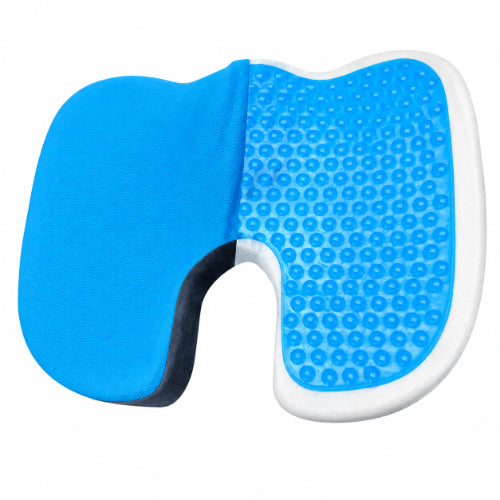
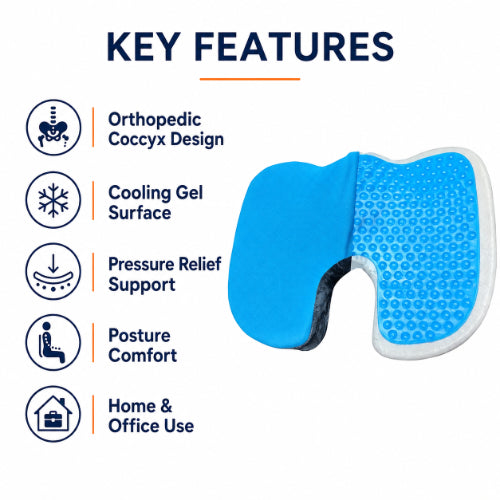
 Coccyx Gel Cushion for Coccydania Tail Bone Sciatica Back Pain Releif by Viaggi
“Provides great support and comfort!”
“This Coccyx Gel Cushion has been a lifesaver for my sciatica and tailbone pain. I’ve tried several cushions...”
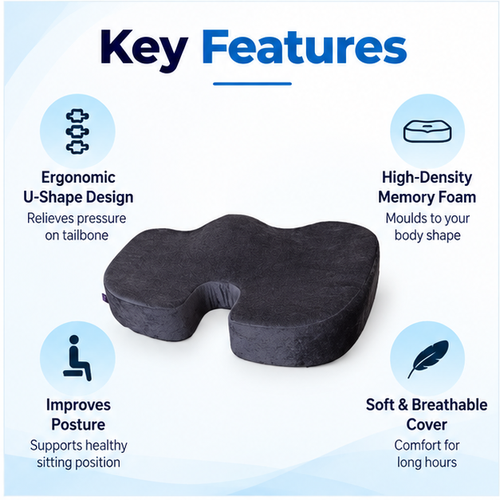
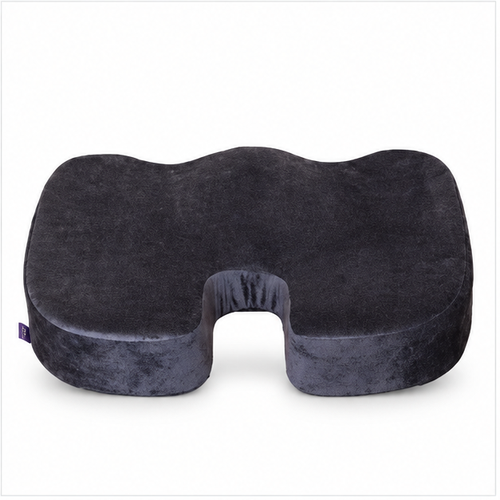
 Coccyx Seat Cushion With Memory Foam For Sciatica Tailbone Back Pain Relief
“Incredibly comfortable and provides great relief from tailbone pain. The memory foam offers perfect support...”
“This is a lifesaver for my tailbone and back pain! It provides excellent support and comfort, especially du...”
Sciatica pain relief: safe self-care and warning signs to know

Sciatica pain relief may start with gentle movement, regular position shifts, supported sitting, and short, skin-protected heat or ice applications. Avoid long bed rest, and seek medical care for new weakness, bladder problems, or other warning signs. This guide explains practical home care and when home care is not enough.

What is sciatica, and is it serious?
Sciatica describes a group of sensations caused by irritation or pressure affecting nerves travelling from the lower back into the leg. Gentle activity, comfortable positions, and suitable self-care may bring sciatica pain relief while you recover. However, new weakness or bladder problems need medical assessment, not another home remedy.
What is sciatica? Think of sciatica as a pattern of nerve-related problems, rather than a name for every backache. The pain often travels through the buttock and down one leg. It may reach the foot or toes.
A sore lower back alone does not automatically mean sciatica. Likewise, leg pain can have causes other than sciatica. A clinician can check the pattern and examine your strength and feeling.
Is sciatica usually serious? Most cases of sciatica improve over time and do not involve a medical emergency. Still, certain new signs can signal serious nerve pressure and need immediate care.
The practical goal is relief that lets you stay safely involved in daily life. That might mean preparing a simple meal, walking indoors, or sitting comfortably for breakfast. It does not mean forcing yourself through every task.
Use the relief advice below as general guidance, not a personal diagnosis. If your sciatica pain is unfamiliar, severe, or worsening quickly, seek advice before assuming ordinary sciatica.
What does sciatica pain feel like in the leg?
Sciatica can cause shooting or burning pain, tingling, numbness, and weakness in the affected leg. It usually affects one side and may extend into the foot or toes. Some people have leg pain alongside a less troublesome backache.
Different sensations can occur together. One area may hurt while another feels numb. Coughing, sneezing, or certain movements may make sciatica more noticeable.
The table below gives simple words for describing your sciatica. It cannot confirm its cause or tell you whether home care is suitable.
|
Symptom |
Everyday description |
Useful detail to record |
|---|---|---|
|
Shooting pain |
A sharp streak down the leg |
Where it starts and how far it travels |
|
Burning |
A hot or stinging feeling |
Whether it stays constant or comes and goes |
|
Tingling |
Pins and needles |
Which part of the leg or foot feels affected |
|
Numbness |
Reduced feeling in an area |
Whether the area is new or spreading |
|
Weakness |
Trouble controlling the leg or foot |
Any new difficulty walking or lifting the foot |
These descriptions reflect recognised sciatica sensations. New or worsening weakness deserves particular attention. Do not judge safety only by how much the leg hurts.
For example, tell your doctor about a newly dragging foot, even if the back feels easier. Describe what you notice during normal activity rather than repeatedly testing yourself. Clear observations are more useful than trying to recreate severe pain at home.
Which sciatica warning signs mean I need urgent medical care?
Get immediate medical care for symptoms in both legs, saddle-area numbness, or new bladder or bowel problems. Sudden leg numbness or weakness, or problems after serious injury, also need immediate assessment. Do not wait to see whether rest or a pack brings relief.
Go to an emergency department or contact your local emergency service for these warning signs:
-
New sciatica-like pain in both legs, particularly with weakness or numbness.
-
Severe or worsening weakness or numbness affecting both legs.
-
Numbness around the inner thighs, genitals, buttocks, or anus.
-
New difficulty starting urine, inability to pass urine, or loss of bladder control.
-
New loss of bowel control or reduced awareness of needing to pass stool.
-
Sudden leg numbness or muscle weakness.
-
New leg or back problems following a serious fall, road accident, or direct blow to the back.
The area between your legs is sometimes called the saddle area. A difference may become noticeable when washing or using toilet paper. Mention this clearly, even if it feels private or embarrassing.
You do not need every warning sign before seeking care. A new bladder problem alongside sciatica can matter without severe back pain. Serious nerve pressure can affect functions beyond the painful area.
Ask someone to accompany you where possible. Do not drive yourself if weakness, numbness, or poor foot control makes driving unsafe. Tell emergency staff when the problem began.
This is the point where home care stops being the priority. Do not delay assessment while searching online, booking routine appointments, or finishing household work.
What is foot drop, and why does it matter with sciatica?
Is difficulty lifting the foot a sign to take seriously? Yes: difficulty raising the front of the foot or toes can be foot drop. Foot drop may signal nerve damage and needs medical assessment.
You might notice your toes catching the floor during ordinary walking. The foot may drag, or you may lift your knee unusually high. These signs are different from simply feeling reluctant to move because something hurts.
Do not try to confirm foot drop through repeated balance tests. Avoid walking on your heels without support or climbing stairs to test strength. Describe what you have already noticed to a clinician.
Seek immediate care if weakness starts suddenly or worsens quickly. If lifting the foot has become difficult gradually, arrange prompt medical assessment. Do not leave a new walking problem unexplained.
While arranging care, reduce avoidable trip hazards. Clear loose rugs, wires, and objects from walking routes. Keep rooms well lit, and ask someone to stay nearby if you feel unsteady.
A calmer day does not cancel a new weakness problem. Report both facts: the pain improved, but foot movement is different. This distinction lets the clinician understand what needs checking.

When home pain relief is not enough
When should I see a doctor for sciatica? Arrange a review if leg pain worsens or brings no relief after a few weeks of self-care. Seek advice sooner if the pain prevents normal activities or feels severe.
You do not need to finish a fixed home-care trial before you ask for care. If you cannot manage essential tasks, explain that. Difficulty reaching the toilet or walking safely matters more than meeting a calendar target.
Seek prompt medical advice if sciatica comes with fever, night sweats, or unexplained weight loss. Tell the doctor about any history of cancer, tuberculosis, HIV, or rheumatoid arthritis. These details can alter the assessment needed.
These conditions do not automatically explain your sciatica. They are reasons to avoid assuming a routine flare-up. Give your clinician the relevant history rather than trying to decide the cause yourself.
Prepare a brief account before contacting the clinic:
-
When your sciatica started and whether it followed an injury.
-
Which leg is affected and where the pain travels.
-
Whether numbness, weakness, or walking problems are new.
-
Which daily activities have become difficult.
-
Whether your sciatica is improving, unchanged, or worsening.
A short note can make an appointment easier. If emergency warning signs appear while you wait, seek immediate help instead of waiting for that appointment.
Should you rest or keep moving for sciatica pain relief?
Should I rest in bed or keep moving with sciatica? Keep moving gently as tolerated rather than staying in bed for long periods. Brief rest can bring short-term relief during a difficult spell, but prolonged inactivity is generally discouraged.
Movement for relief does not need to mean a formal workout. Walking between rooms, switching position, or doing a manageable everyday task can be a starting point. Choose something you can control and stop easily.
Use a little-and-often approach to relief. Break activity into smaller parts instead of saving everything for one long session. Gradually build tolerance rather than making a sudden jump on a good day.
For example, you could separate preparing ingredients from cooking the meal. Put away a few light items, then shift position. Leave heavier work for someone else while pain is troublesome.
Some pain during movement does not automatically mean damage. However, do not push through severe worsening, increasing numbness, or new weakness. Stop and seek medical advice for those problems.
Avoid treating activity as a test of determination. The aim is steady relief at a manageable level you can repeat, not exhaustion. A small amount of useful movement can be more practical than one ambitious effort.
If even basic movement is extremely difficult, ask a clinician to review it. General relief advice cannot replace an assessment of severe or disabling symptoms.
How to choose sciatica exercises for pain relief
Sciatica exercises should suit your needs, current ability, and any other health problems. There is no single exercise that gives everyone relief. A physiotherapist can guide you in selecting and adapting suitable movement.
Online demonstrations cannot check your strength, sensation, or balance. They also cannot know why your leg pain started. Ask for guidance if you feel unsure about a suggested movement.
Do not assume a stronger pulling feeling means more relief. Avoid forcing a position because someone else finds it comfortable. Your response matters more than copying the shape precisely.
Before trying unfamiliar exercises, discuss existing health conditions, recent injuries, and any pregnancy-related concerns with a healthcare professional. Stop if exercise causes concerning signs or makes you unwell.
Useful questions for a physiotherapy visit include:
-
Which movements suit my sciatica pain?
-
How can I adapt activity when sitting is difficult?
-
What signs mean I should stop and seek advice?
-
How should I increase activity as daily tasks become easier?
Keep the discussion linked to your own day. Explain whether you need to manage stairs, desk work, cooking, or caring duties. This gives the professional a practical goal beyond simply naming an exercise.
How to sit comfortably for sciatica pain relief
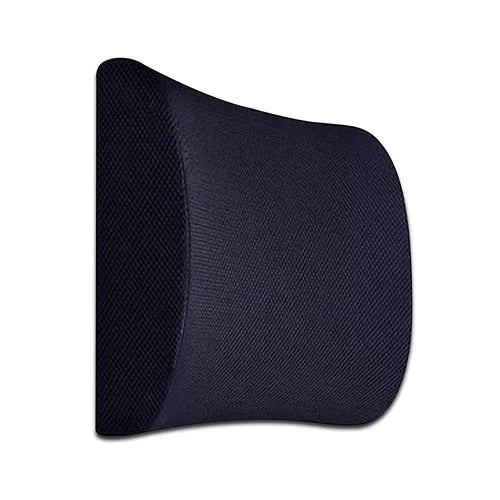
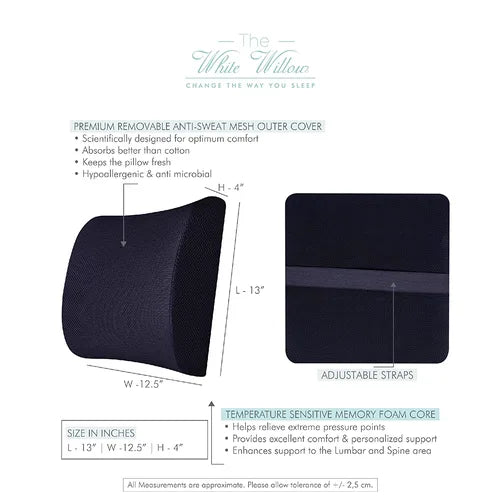
Can a cushion or rolled towel support my lower back while sitting? Yes, a supportive chair or small rolled towel may bring comfort and relief. Place the towel behind your lower back and adjust it gently.
The support should feel comfortable, not push you into a rigid arch. Try a smaller roll if the first feels bulky. Remove it if it makes leg pain worse.
Keep your feet supported on the floor or a stable footrest. Bring your work closer instead of reaching forward continuously. A comfortable, supported position matters more than holding yourself stiffly upright.
Does sitting for long hours make sciatica worse? Long, unbroken sitting can aggravate sciatica pain for some people. Switch position and move regularly rather than relying on one supposedly perfect posture.
For desk work, try these relief steps:
-
Move frequently used items within comfortable reach.
-
Sit close enough to avoid repeatedly leaning towards the table.
-
Support your feet rather than leaving them dangling.
-
Stand or walk when sitting becomes uncomfortable.
-
Alternate tasks so one position does not dominate the day.
Treat these as comfort adjustments, not a strict posture test. You do not need to hold your shoulders in one exact place. Nor does every relaxed sitting position mean you are harming your back.
If a chair remains uncomfortable, switch the task or position. Adding more cushions is not always the best route to relief.

How to manage work and travel with sciatica pain
Work and travel often involve positions you cannot alter immediately. Planning small breaks can make daily arrangements more manageable. Discuss temporary adjustments if your usual duties repeatedly aggravate sciatica pain.
At work, explain the specific difficulty rather than saying only that your back hurts. You might need flexibility to stand, swap tasks, or avoid heavy handling. Clear requests help others understand what you can still do.
For example, ask whether a long seated meeting can include a standing break. If you work from home, divide calls and computer tasks. Avoid replacing continuous sitting with equally continuous standing.
For travel, choose arrangements that allow position shifts where possible. Adjust the seat for comfort and consider gentle lower-back support. During longer car journeys, stop safely for opportunities to stand and walk.
Do not treat a cushion as permission to remain still indefinitely. Comfort support and movement breaks serve different purposes. Use whichever options make the journey manageable without ignoring worsening sciatica.
If foot weakness affects control, do not drive yourself. Arrange alternative transport and seek medical advice. A journey should not become a test of whether you can manage despite unsafe movement.
Returning to work does not always require all sciatica pain to disappear. However, your role and current limitations matter. Discuss a gradual return when full duties are not yet manageable.

Using heat or ice for sciatica pain relief safely
Can I use a heat pack or ice pack on my back? Either may offer temporary relief for some people. Use it only for limited periods, with a towel between the pack and skin.
Neither option replaces movement advice or assessment of warning signs. There is no need here to follow a rule favouring heat over cold. Keep the focus on safe, brief relief rather than a particular sequence.
Is it safe to put heat or ice straight on skin? No: direct contact can injure your skin. Wrap the pack, check the skin regularly, and stop if irritation develops.
Use short sessions. Remove the pack sooner if it feels uncomfortable. Follow any time limit advised by your clinician or the pack's safety instructions.
Before applying a pack:
-
Check that the skin feels normal and is not numb.
-
Place a towel between your skin and the pack.
-
Stay awake and able to check the area.
-
Remove it if burning, stinging, or unusual skin reactions occur.
-
Ask for advice first if you have poor circulation or reduced sensation.
Do not leave a pack against your back while sleeping. Avoid using extra heat or extreme cold to chase faster results. A stronger temperature is not a reason to expect better pain relief.

How to lift safely with sciatica
How should I lift things safely with a sore back? Reduce unnecessary lifting, keep manageable loads close, and turn by moving your feet. Avoid twisting while lifting, and ask for assistance with awkward or heavy objects.
Start by deciding whether the item needs moving now. A full water bucket, large shopping bag, or heavy storage box can wait. Another person may be able to handle it instead.
If lifting is manageable, plan the route first. Clear obstacles and decide where the object will go. Avoid discovering a blocked doorway while carrying something heavy.
Use these principles:
-
Move close to the object before lifting.
-
Take a stable stance with enough room for your feet.
-
Bend your hips and knees comfortably without forcing a deep squat.
-
Hold the load close to your body.
-
Move smoothly rather than jerking upwards.
-
Step around to turn instead of twisting under the load.
-
Put the object down before adjusting its final position.
Good technique does not make every load suitable. Size, grip, weight, and your current sciatica pain still matter. Split a load where possible, or ask for assistance instead of taking a risk.
If lifting brings on marked worsening, stop and reconsider the task. New numbness or weakness calls for medical advice, not another attempt with a different grip.
Adjusting household tasks with sciatica pain
Home responsibilities rarely disappear when sciatica begins. A useful approach is to adjust how tasks happen. Keep manageable activities while sharing or postponing those that repeatedly aggravate pain.
Think about the difficult part of each job. Is it the weight, the long standing, or repeated reaching? Adjusting that part may be more useful than abandoning the whole activity.
For cooking, you could prepare smaller amounts and keep common utensils within easy reach. For laundry, separate sorting from carrying. Ask someone else to move a heavy wet load.
If floor-level work makes pain worse, consider a raised surface or temporary assistance. You do not need to practise an uncomfortable position simply because it is familiar. Adapt the task to today's ability.
Avoid putting every demanding job into one catch-up session. Spread tasks across the day and switch position between them. Pacing means balancing activity and relative rest rather than alternating overwork with complete inactivity.
Be specific when asking family members for support. “Please carry this bucket” is easier to act on than “I cannot do anything.” You can still choose and organise tasks without handling every physical part.
These examples are options, not rules for every household. Keep what gives you steady pain relief and lets you function comfortably. If ordinary home activity remains unmanageable, arrange a medical review.
Finding a sleeping position for sciatica pain relief
There is no single sleeping position that everyone with sciatica must use. Choose a position that brings relief and allows rest. It is normal to shift position during the night.
Some people find side-lying with a pillow between the knees comfortable. Others prefer lying on their back with support beneath the knees. Try gentle adjustments rather than forcing either position.
Judge the adjustment by comfort, not by whether it looks perfectly aligned. If extra support increases leg pain, remove or reposition it. You do not need to build a complicated arrangement around your body.
Getting into and out of bed also deserves a little planning. One option is rolling onto your side before bringing your legs over the edge. Use your arms to push yourself up without rushing.
Keep the route to the toilet clear and reasonably lit. This is especially important if your foot catches or you feel unsteady. Ask for assistance rather than walking unsupported when balance feels unsafe.
Do not leave heat or ice against your skin while asleep. Remove any pack before settling down. Skin protection still matters when you are tired.
Tell your clinician if pain repeatedly interrupts sleep or makes finding any comfortable position difficult. Mention new weakness, fever, or other accompanying signs rather than reporting sleep loss alone.

A flexible daily plan for sciatica pain relief
Sciatica self care works better as a flexible relief plan than a demanding schedule. Combine manageable activity, position shifts, and brief rest. Adjust the plan around your sciatica pain and any professional advice.
The example below is not a treatment timetable. It shows how ordinary choices can support relief by reducing long, uninterrupted stretches of one activity. You can adapt it to your home, work, and caring responsibilities.
|
Part of the day |
Practical choice |
What to avoid |
|---|---|---|
|
Getting up |
Rise without rushing and notice any walking problems |
Testing strength repeatedly |
|
Breakfast |
Use comfortable sitting support |
Staying seated after pain builds |
|
Household work |
Split tasks and share heavy handling |
Completing every demanding job together |
|
Desk time |
Alternate tasks and switch position |
Holding one posture for hours |
|
Rest time |
Choose a comfortable position briefly |
Turning the whole day into bed rest |
|
Evening |
Prepare an easy route around the bedroom |
Leaving clutter where you may walk |
Choose only a few adjustments at first. For example, start with a better sitting arrangement and shorter household tasks. This makes it easier to tell which steps bring relief.
Do not measure success by following every suggestion perfectly. The useful question is whether your day becomes more manageable without new warning signs. Seek advice if function declines despite these adjustments.
If a clinician gives you individual guidance, use that over a general example. Their advice can account for your examination, health history, and current limitations.
How to track your sciatica without checking constantly
A brief sciatica note can show your progress at an appointment. Record meaningful shifts rather than checking every sensation all day. Include daily function as well as pain.
For example, write down whether you could prepare a meal or walk to the bathroom. Note whether sitting became easier or harder. Record new numbness or weakness separately from the intensity of pain.
A useful note might include:
-
The main area affected that day.
-
Whether your sciatica travelled into the foot.
-
Any difference in ordinary walking or foot movement.
-
Which tasks were manageable and which were not.
-
What you adjusted and whether it gave any relief.
Keep the note short enough to maintain. A few clear observations can be more useful than a lengthy diary. You do not need to assign a number to every sensation.
Bring the overall pattern to your clinician. Explain whether you are gradually doing more, staying the same, or losing ability. Diagnosis commonly includes a history and checks of strength, sensation, and reflexes.
Do not use tracking as a reason to delay care. New bladder problems, saddle numbness, or sudden weakness need immediate assessment. Record the onset if possible, but seek care first.
What to do during a sciatica flare-up
A difficult day can make it tempting to stop everything. Instead, reassess what is manageable and shorten demanding tasks. Brief rest and a shift of position can bring relief alongside gentle activity.
For example, replace a longer walk with shorter movement around the home. Leave heavy cleaning for another day. Ask for practical assistance so essential tasks do not become an endurance test.
Avoid trying several unfamiliar stretches or home relief techniques together. That makes it difficult to judge what you tolerate. Return to familiar, manageable choices while deciding whether medical advice is needed.
Check whether the flare includes a genuinely new problem. More pain after a demanding day differs from new foot weakness or bladder trouble. Those signs need the medical response described earlier.
A flare should not become an excuse to ignore steady decline. Seek review if your sciatica keeps worsening or prevents ordinary activities. Do not repeatedly restart a home-care plan that brings no relief without discussing it.
When relief arrives, rebuild activity gradually. Avoid using the first better day to complete every delayed chore. A steady return is more manageable than repeatedly doing too much and then stopping entirely.
How to prepare for a sciatica appointment
An appointment can clarify whether your pain fits sciatica and what care suits you. Expect questions about onset, location, injuries, and daily limitations. The clinician may examine movement, strength, sensation, and reflexes.
Describe practical problems in everyday words. Say that your toes catch the floor or that sitting through meals has become difficult. You do not need medical language to give useful information.
Mention relevant health history early. Include fever, night sweats, unexplained weight loss, and previous cancer, TB, HIV, or rheumatoid arthritis. These details guide the clinician in deciding what requires further checking.
Before leaving, ask for guidance you can use at home:
-
Which daily activities should I continue or adapt?
-
Would individual physiotherapy advice suit me?
-
Which new problems need urgent care?
-
When should I arrange another review?
-
What should I do if I cannot manage basic tasks?
Ask for clarification if an instruction feels too general. “Keep active” becomes more useful when linked to your current walking, work, and household duties.
Tests are not automatically needed for every episode. Decisions depend on the examination and whether results would change care. Ask what a proposed test would show rather than assuming more testing always improves care.

How family and friends can support someone with sciatica
Family support can focus on making the day manageable. Ask for assistance with carrying, transport, or tasks you cannot safely handle. Keep comfortable activities within your control wherever possible.
A useful request names the job and the limit. For example: “I can prepare lunch, but please move the heavy pan.” This allows assistance without making you feel excluded from normal life.
If you support someone with sciatica, listen before suggesting more stretching or more rest. Ask what feels difficult and what they would like you to do. Their needs may change between sitting, walking, and household work.
Offer company when they need medical care. Encourage them to explain when the sciatica started and how things have shifted. A family member can also note advice from the appointment.
Do not dismiss a new walking problem because the person looks calm. Likewise, do not discourage discussion of bladder or genital-area problems. Private problems can be medically important and deserve a respectful response.
Keep assistance specific rather than taking over everything. The aim is to support safe daily activity and steady relief while recognising when professional assessment matters. Neither pushing someone harder nor insisting on complete bed rest replaces individual advice.
A simple checklist for safer sciatica pain relief at home
Use this checklist to keep the main relief steps clear. It is not a test you must complete before seeking care. If something feels severe, unfamiliar, or unsafe, contact a healthcare professional.
-
Keep gently active instead of spending long periods in bed.
-
Alternate sitting and standing positions regularly.
-
Try comfortable lower-back support without forcing your posture.
-
Divide demanding tasks and share heavy lifting.
-
Use heat or ice briefly, always with a protective towel.
-
Avoid temperature packs over numb skin.
-
Seek advice if sciatica worsens or brings no relief after a few weeks.
-
Report new difficulty lifting the foot.
-
Seek immediate care for sudden weakness or pain after serious injury.
-
Treat saddle numbness and new bladder or bowel problems as emergencies.
You do not need an elaborate routine to start finding gentle relief. Choose manageable movement, comfortable support, and practical assistance. Keep watching for new signs that move the situation beyond ordinary home care.
The main takeaway is balance: avoid prolonged inactivity without forcing demanding activity. Sciatica pain relief should support safer daily life, not distract from warning signs. Seek assessment when sciatica worsens, function declines, or new nerve-related problems appear.
Explore Medical Collections
All Categories
Abdominal Belt: Support After Surgery, in Pregnancy and After Delivery

Accessories
Accu-Chek Instant Strips: Use, Compatibility, Price & Blood Sugar Testing Guide
Accu-Chek Instant Strips: Uses, Features & Complete Guide

accupuncture

Acupuncture Needles & Supplies

Advanced Physiotherapy Machines & Lumbar Physiotherapy
AED Defibrillator: How It Works, Who Can Use It and Where to Place It

Airways
Alcohol Swab: Uses, Safe Use and Disposal Guide

Ambu Bag Full Form: Is There an Official Meaning?
Ambu Bag: Parts, Uses and Safety Guide

Ambu Full Form: What the Name Means and BVM Basics

Ambulance

Anatomy Models
You may also need
FOR YOURecommended for you
Save 30%
Save 5%
Save 18%
Save 52%