


Featured ChoiceSave 55%
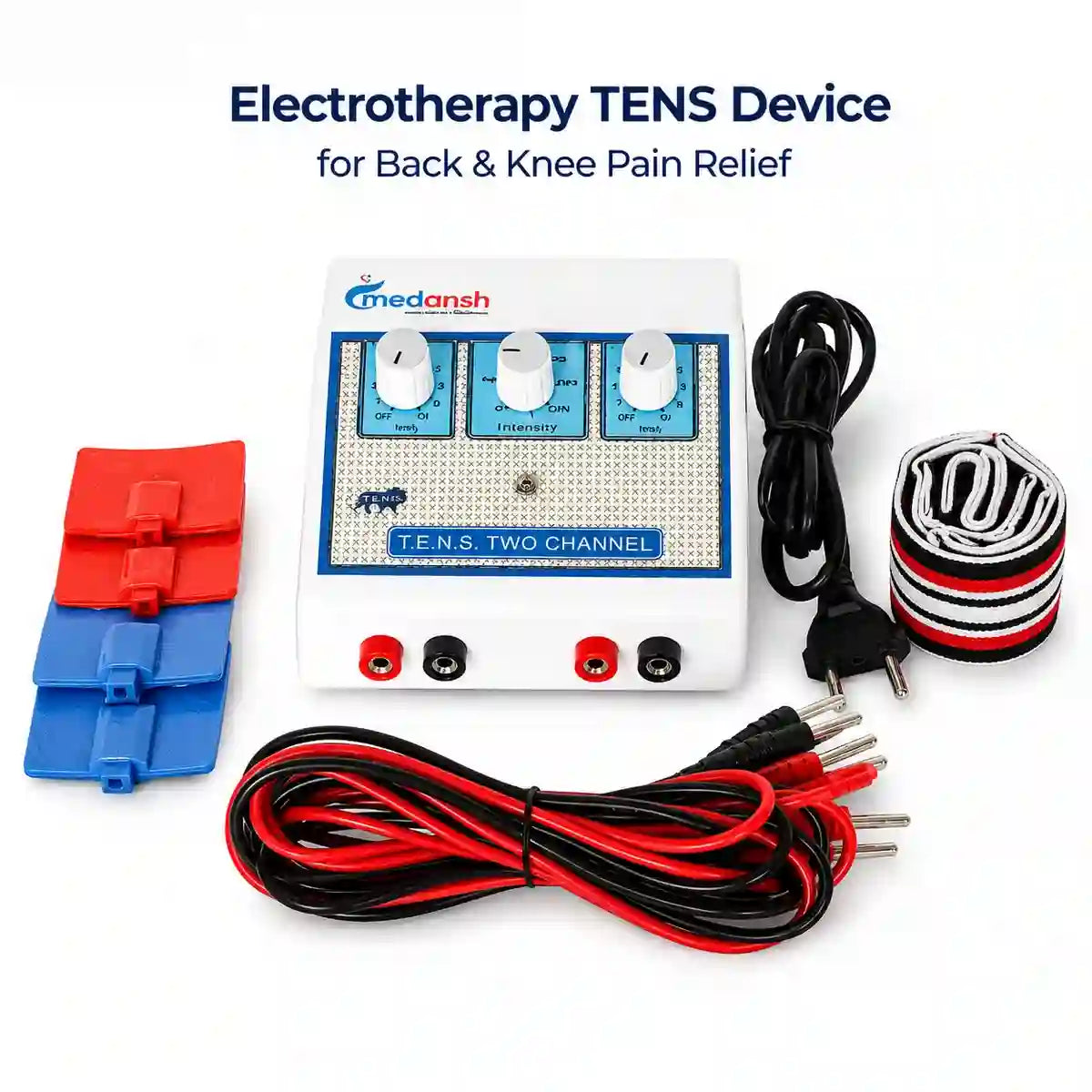
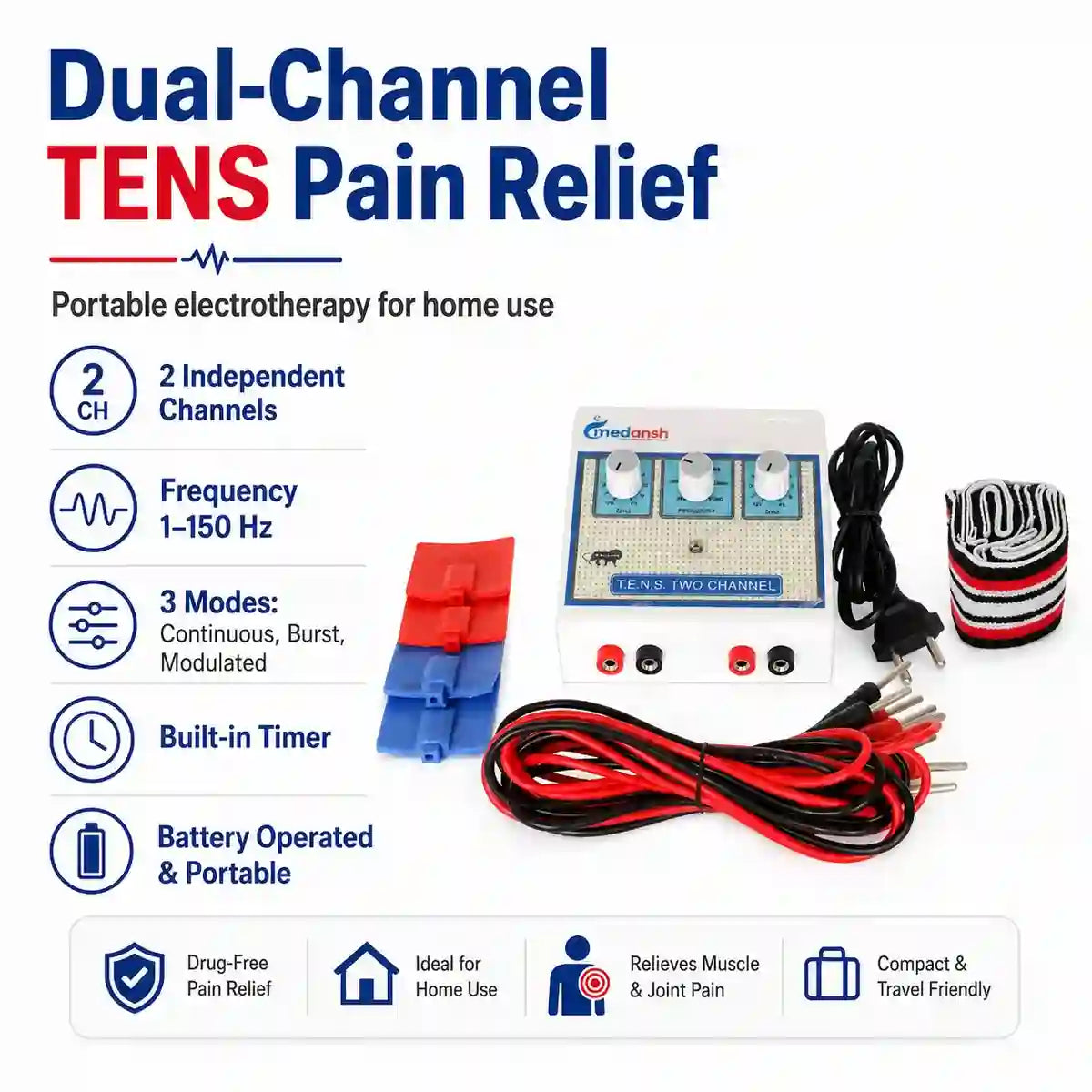

Save 53%
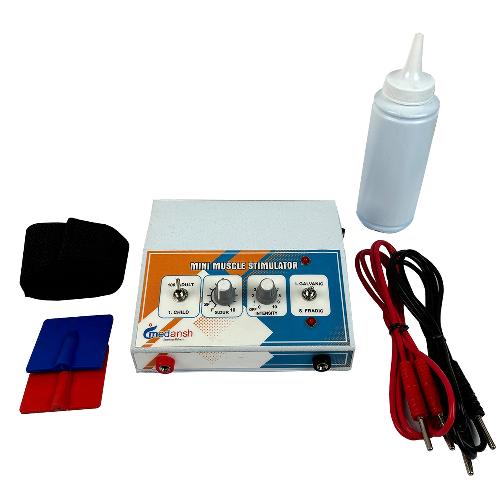


Save 57%
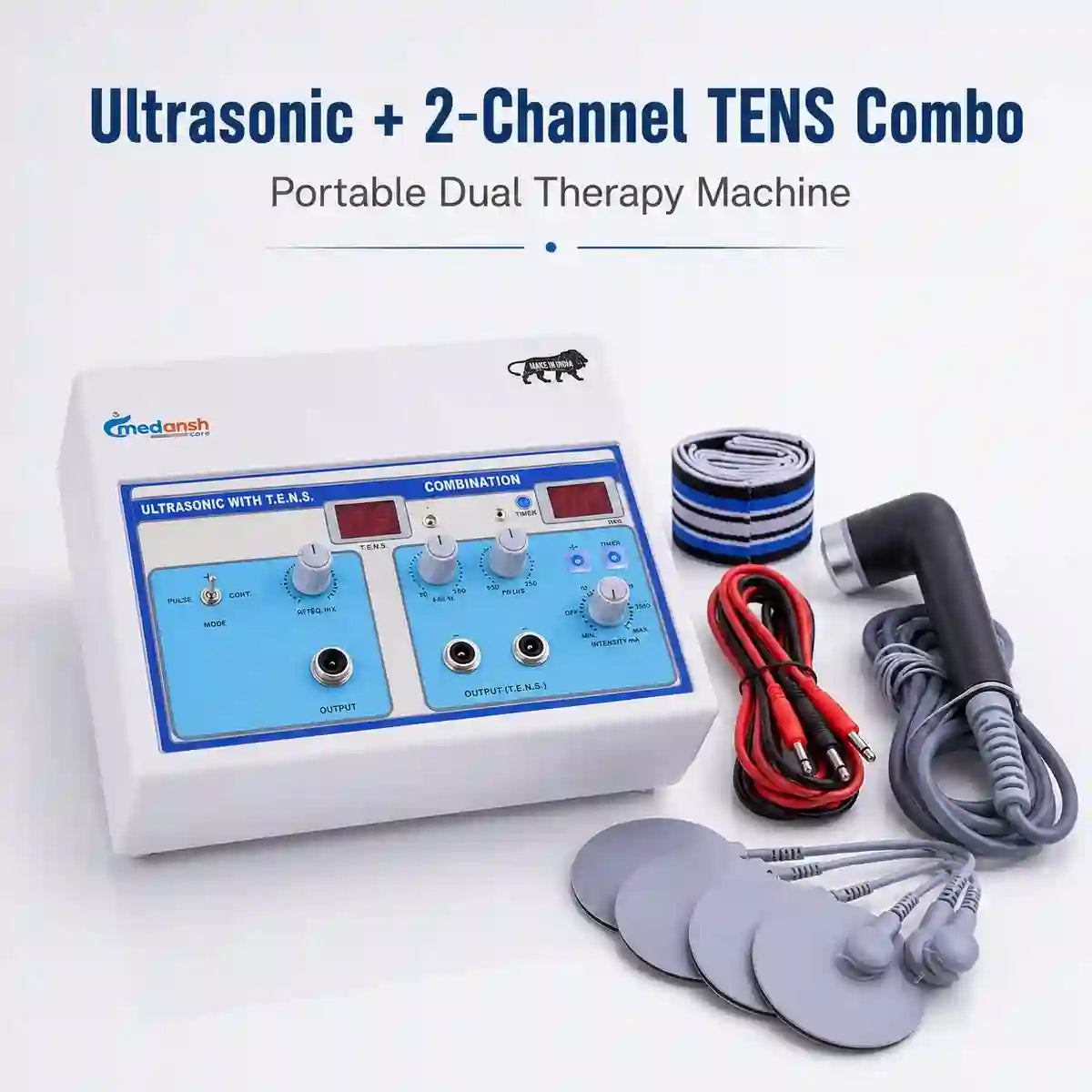
Save 47%

Save 38%

Save 40%

Save 55%


Save 37%


Save 33%
Save 51%

Save 28%

Save 33%
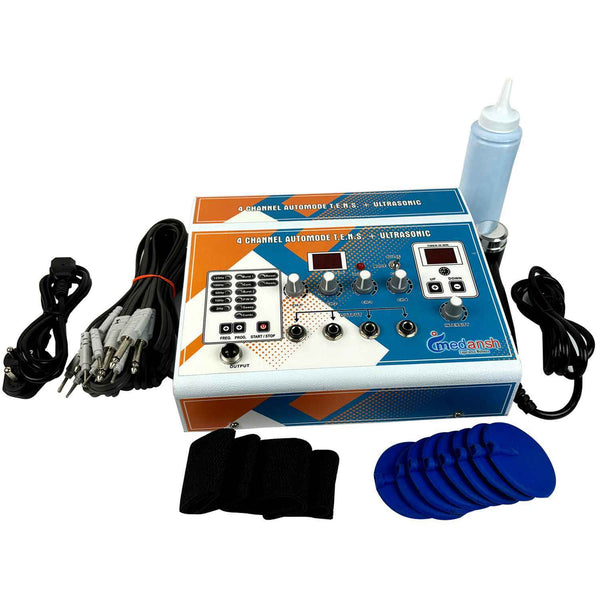
Save 55%
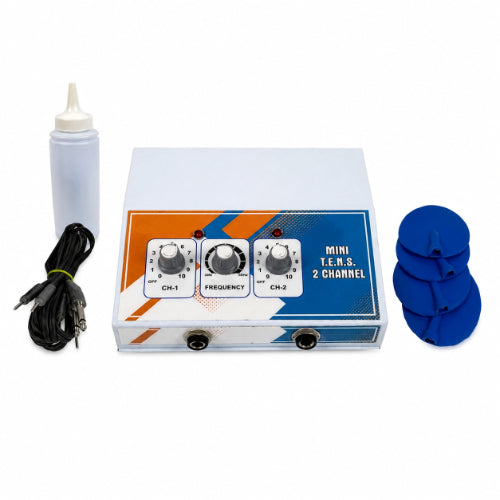

Save 54%
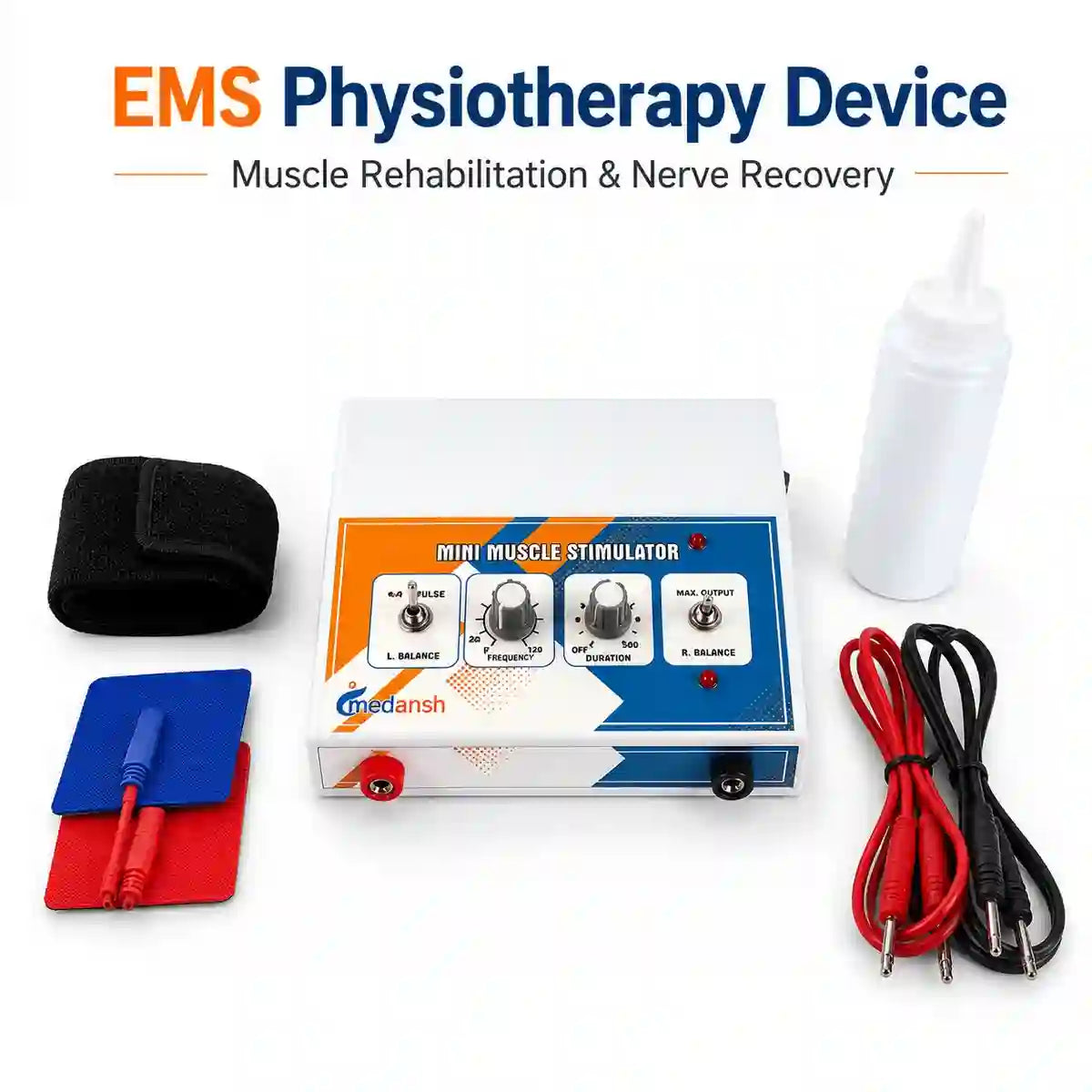

Save 39%

Save 44%

Save 44%

Save 47%
Save 10%
Save 27%

Save 48%

Save 50%


Save 52%

Sold out


Sold out


Sold out

Save 36%

What customers say
★★★★★ 5.0 · 14 reviews
 Muscle Stimulator Portable Electrotherapy Device
“Great affordable device. Hope Will get a great equipment from meddey🙌💥🎉”
 TENS Machine for Home Use | 2-Channel Pain Relief
“Provides instant relief from muscle stiffness and soreness”
“Excellent product for arthritis, sciatica, and nerve issues”
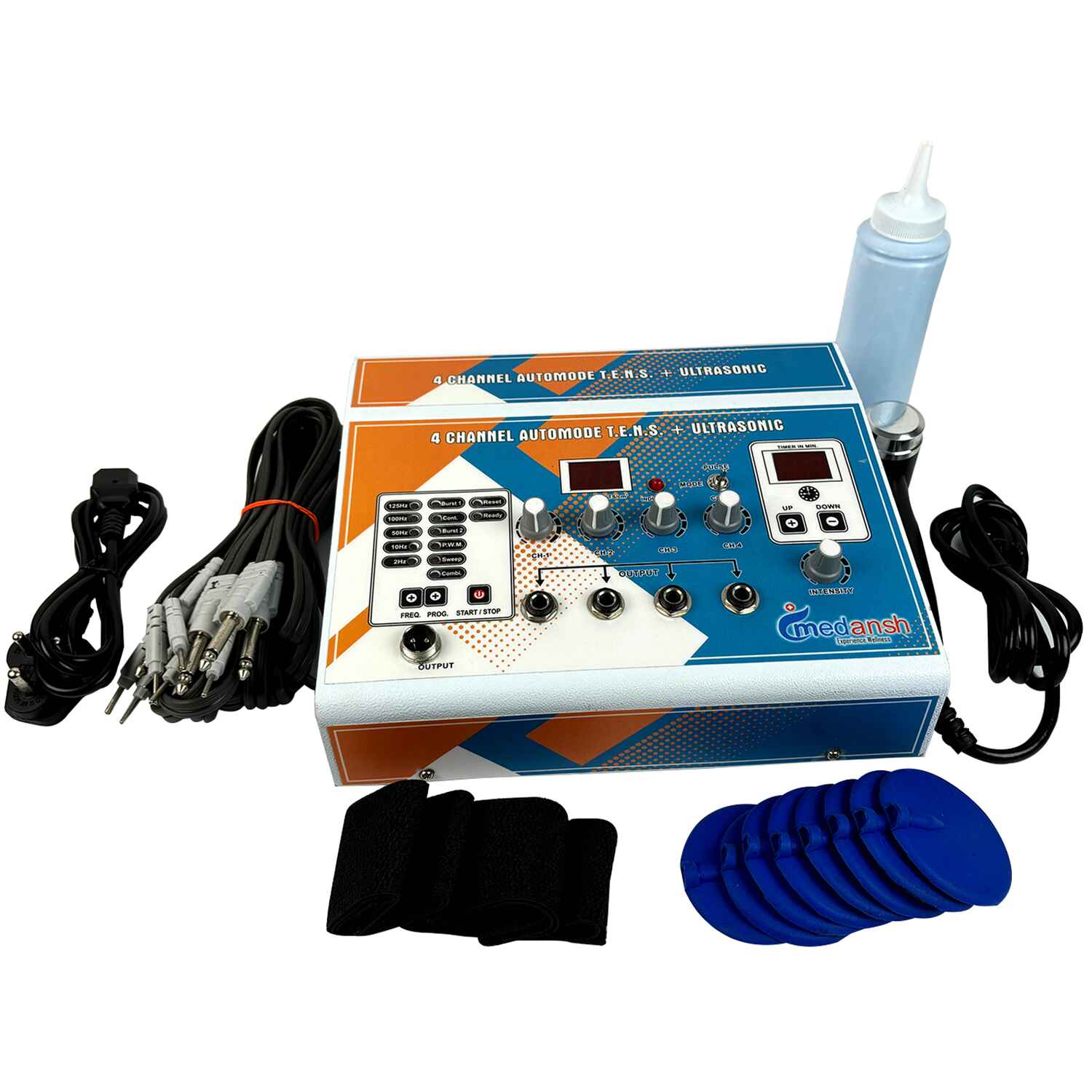
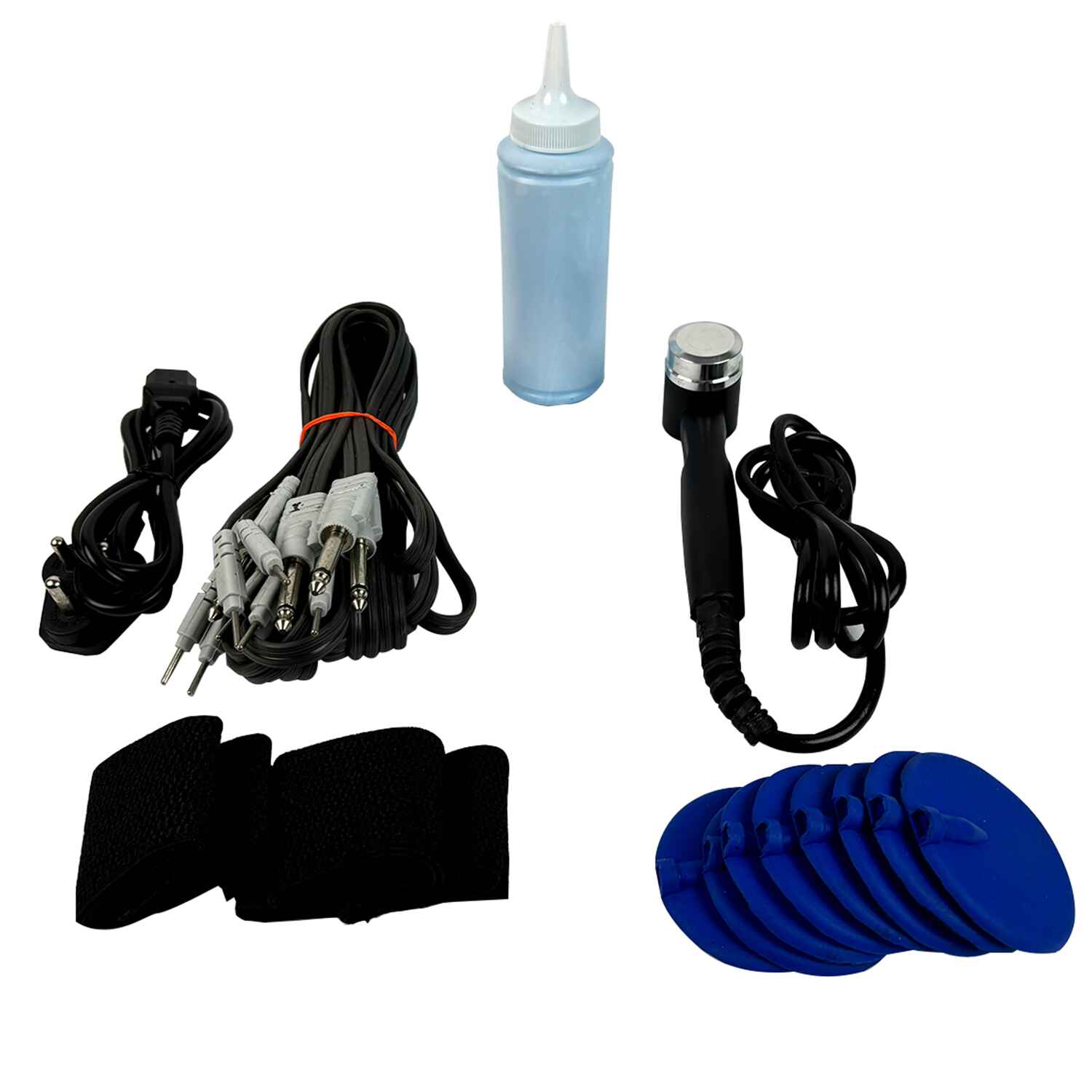
 Muscle Stimulator Machine – EMS Electrotherapy for Strengthening
“Effective, portable, great for recovery!”
“The Medansh Portable Muscle Stimulator is highly effective for muscle strengthening. It’s easy to use,”
 Beurer EM50 Menstrual TENS & Heat – Drug-Free Period Pain Relief
“Comfortable, soothing, highly effective for relief!”
“This is a lifesaver! It combines TENS and heat therapy to provide natural, effective relief from menstrual ...”
 Portable TENS Machine – Convenient Electrical Muscle Stimulation
“Portable, easy to use, highly effective!”
“The Portable TENS Machine is amazing for pain relief! It’s small, easy to use,”
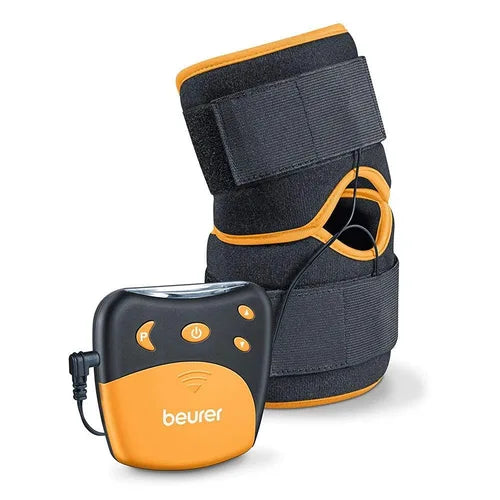
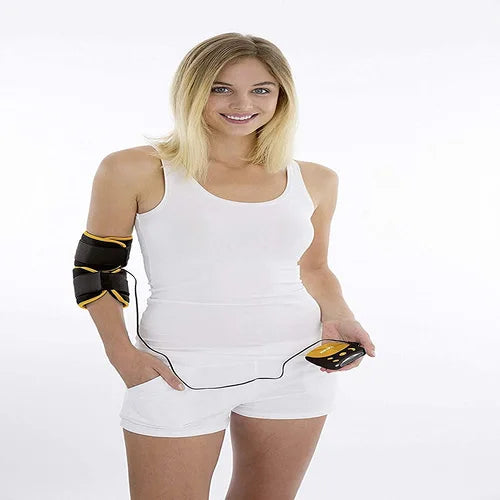
 Beurer TENS Machine for Knee and Elbow Pain Therapy
“This is perfect for relieving knee and elbow pain. It’s simple to use, offers multiple intensity levels, an...”
TENS Physiotherapy Devices for Home Use
TENS physiotherapy for Home Use: Devices, Benefits & How to Choose
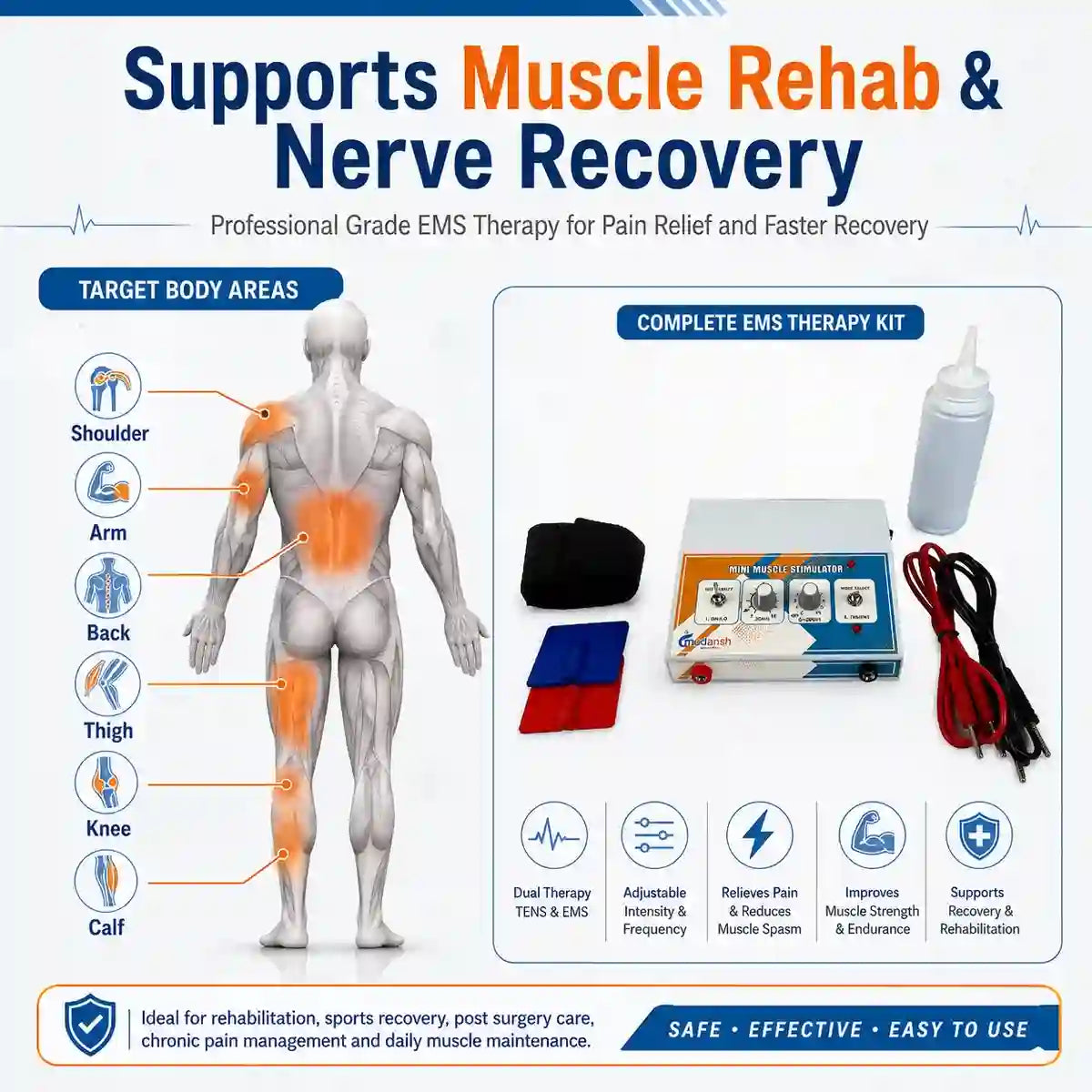
Tens physiotherapy can be a practical part of home pain management when you use it with clear guidance, sensible settings, and realistic expectations. For many people, it sits alongside stretching, strengthening, movement, posture advice, and recovery habits rather than replacing them. This guide explains tens physiotherapy for home use. It also shows how EMS fits into physiotherapy, what to look for in a physiotherapy device, and how to stay safe. Consult your doctor or physiotherapist before using tens physiotherapy.
Is tens physiotherapy safe to use at home?
Tens physiotherapy is often safe for home use when a physiotherapist has shown you the basics. You should know where to place the pads, how to choose comfortable settings, and when to stop. It is not suitable for everyone. Take care if you have implanted electronic devices, certain heart concerns, epilepsy, pregnancy unless advised, or skin that is broken, numb, infected, or irritated. If your pain is new, severe, unexplained, spreading, linked with weakness, or not improving, speak with a healthcare professional before relying on home tens physiotherapy. The NHS also advises people to seek professional advice if they are unsure what is causing their pain before using tens.
A simple way to think about home use is this: the current should feel strong but comfortable, never sharp, burning, or alarming. The pads should sit on clean, dry, intact skin near the sore area or along the nerve pathway your clinician recommends. You should not use tens physiotherapy while driving, bathing, swimming, sleeping, or doing anything where a sudden muscle twitch could cause a problem. Clinical references also stress reviewing contraindications, checking skin and sensation, and avoiding unsafe electrode sites before use.
What tens physiotherapy means in plain English
Tens stands for transcutaneous electrical nerve stimulation. “Transcutaneous” simply means “through the skin.” In daily use, tens physiotherapy means placing sticky electrode pads on the skin. A small tens unit then sends mild electrical pulses to nerves near a sore area.


The aim is usually pain relief. People often try tens physiotherapy for sore backs, neck or shoulder pain, knee pain, joint aches, muscle pain, or discomfort linked with some long-term conditions. It does not “fix” every pain problem, and it does not heal tissue by itself. Think of it as one tool that may help calm pain enough for you to move, sleep, exercise, or take part in physiotherapy more comfortably.
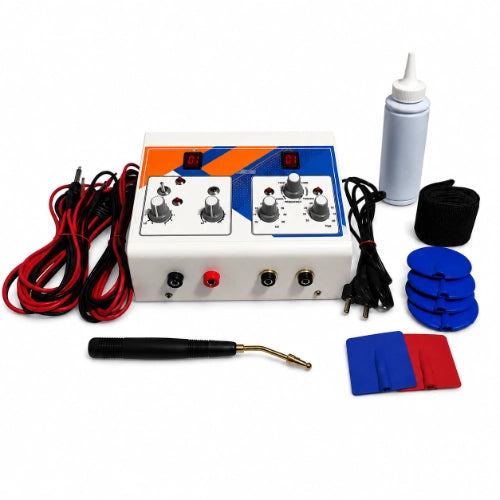
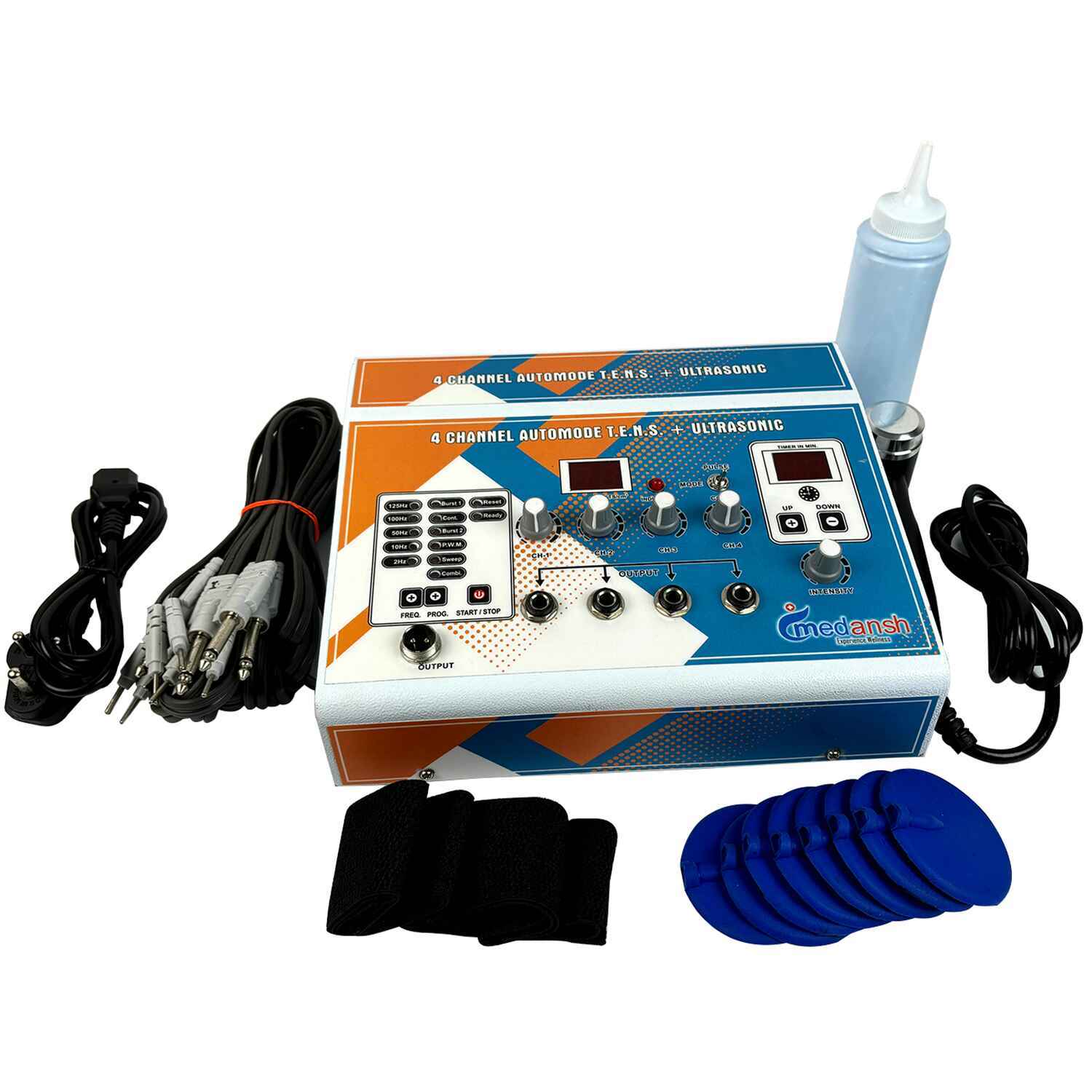
In physiotherapy, tens is part of a wider group called electrotherapy. This group can include tens, EMS, NMES, interferential current, ultrasound, and other clinic-based methods. For home users, the two names you will see most often are tens and EMS. A combined physiotherapy machine may offer both, but the two modes are not the same.
The phrase tens machine physiotherapy is often used online, but it can be misleading if it makes the unit sound like the whole treatment. Good physiotherapy is not just a box with wires. It is assessment, education, graded movement, strength work, pacing, confidence, and follow-up. A tens unit can support that plan, but it should not become the plan.
How tens physiotherapy works in the body
Tens physiotherapy works by sending low-level electrical pulses through pads on the skin. These pulses stimulate sensory nerves, which may reduce how strongly you feel pain signals. Many people describe the feeling as tingling, buzzing, tapping, or pulsing. It should not feel like a shock.
One common explanation is the “pain gate” idea. Your nervous system carries many types of messages at the same time. Comfortable electrical stimulation may compete with pain messages, so the brain receives less of the pain signal. This is why tens often works while the unit is on. For some people, the effect may fade after the session.
Another possible effect is the body’s own pain-control system. With certain settings, tens physiotherapy may encourage natural pain-modulating chemicals and pathways to become more active. The exact response varies from person to person, and it can depend on pad placement, intensity, frequency, pain type, and how consistently the person uses the physiotherapy unit.
The most useful setting is often the strongest level that still feels comfortable. Turning the intensity too low may feel pleasant but may not give much benefit. Turning it too high can irritate the skin, make muscles jump too much, or make you tense up, which defeats the purpose.
Research on tens is mixed. A Cochrane overview found that evidence for chronic pain was too uncertain to say confidently whether tens helps compared with sham or usual care. That was partly because studies were small and evidence quality was very low. A later broad review and meta-analysis in BMJ Open looked across many studies of acute and chronic pain. Even so, home users should still treat tens physiotherapy as a supportive tool rather than a sure fix.
What is the difference between tens and EMS?
Tens physiotherapy mainly stimulates nerves for pain relief, while EMS mainly stimulates muscles so they contract. A tens setting usually feels like tingling on the skin, and the goal is comfort and symptom control. An EMS machine, muscle stimulation machine, or ems muscle machine aims to create visible muscle contraction, often for muscle re-education, activation, or physiotherapy support.


Tens focuses on pain signals
Tens physiotherapy is the better-known option for electric stimulation for pain. You usually place the pads around or near the sore area, depending on the body part and guidance from the manual or clinician. The feeling should be steady and manageable, not painful.

People may use tens before exercise to make movement easier, after activity to settle symptoms, or during a flare to reduce discomfort. A tens unit for muscle pain may help some users when tightness, overuse, or a sensitive area causes the pain. It does not strengthen the muscle, though. If the main problem is weakness, poor activation, or loss of muscle size after injury, EMS may be more relevant.
EMS focuses on muscle contraction
EMS stands for electrical muscle stimulation. It uses electrical pulses to make muscles contract and relax. In physiotherapy settings, people also call similar approaches NMES, or neuromuscular electrical stimulation, when the goal is to help a weak muscle “switch on” again.
The FDA notes that many EMS devices it has reviewed are for physical therapy and rehabilitation under the direction of a healthcare professional. It also states that an EMS device may temporarily strengthen, tone, or firm a muscle. However, cleared EMS devices are not for weight loss, girth reduction, or “rock hard” abs claims.
A quick comparison for home users
|
Feature |
Tens |
EMS |
|---|---|---|
|
Main goal |
Pain relief |
Muscle contraction and activation |
|
Common feeling |
Tingling, buzzing, pulsing |
Muscle tightening, twitching, contracting |
|
Main target |
Sensory nerves |
Motor nerves and muscles |
|
Common use |
Electrotherapy for pain relief |
Rehab support, muscle re-education, reduced spasm support |
|
Should it hurt? |
No |
No, though contraction may feel strong |
|
Best used with |
Movement, pacing, exercise, physio advice |
Exercise, strengthening plan, physio guidance |
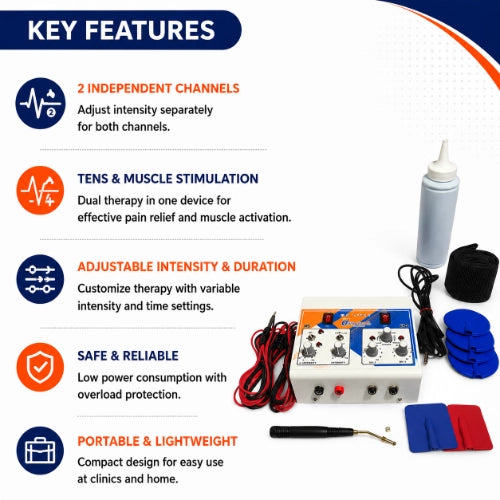
A combined physiotherapy machine for home may include both tens and EMS modes. This can be useful, but only if the controls are clear and you understand which mode you are using. Accidentally using EMS when you expected tens can cause unexpected muscle contractions.

Benefits of tens physiotherapy at home
The main benefit of tens physiotherapy is that it may help reduce pain without needing to take another tablet. That does not mean it replaces prescribed medicine or medical care. It simply gives some people another way to manage symptoms, especially when pain makes normal movement feel harder than it should.
It can support movement
Discomfort often makes people move less. Less movement can lead to stiffness, weakness, fear of activity, and more sensitivity. If tens physiotherapy helps reduce discomfort for a short time, you may be able to do gentle exercises, walk, stretch, or finish daily tasks with more confidence.
This is one reason physiotherapists may use tens physiotherapy as part of a wider plan. The aim is not to lie still with pads on forever. The aim is to use the window of comfort to build function.
It can help during flare-ups
Flare-ups can be frustrating. A home tens physiotherapy machine may give you a way to respond early when symptoms rise. Some people use it while resting, before bed, or after a demanding day.

The practical benefit is control. You are not waiting for an appointment every time symptoms spike. You still need to watch for red flags and worsening symptoms, but for familiar symptom patterns, home tens physiotherapy can be part of a calm self-care routine.
It may reduce fear of pain
When people live with discomfort for a long time, they may start to fear every sensation. Tens can sometimes help by changing the sensation from “sharp pain” to “manageable tingling.” That change can make the area feel less threatening.
This is not just about comfort. Confidence matters in physiotherapy. If you feel safer moving, you are more likely to stay active, which is often important for recovery and long-term pain management. Physiotherapy guidance for chronic pain commonly includes education, movement, posture advice, and strategies for reaching daily goals rather than relying on passive treatments alone.
It is adjustable
Most home tens physiotherapy units allow you to adjust intensity, frequency, pulse width, and program type. You do not need to master every technical term at once. Start with the recommended program, increase intensity slowly, and aim for a strong but comfortable feeling.
Adjustability matters because symptoms change. What feels good on your lower back may not feel right on your knee. What worked during a flare may feel too strong on a calmer day.
Who may use tens and EMS as part of physiotherapy
Many adults can use tens physiotherapy for familiar muscle or joint pain if they have no contraindications and can feel the stimulation clearly. It may suit people with recurring back ache, shoulder discomfort, knee pain, sports-related soreness, or long-term pain conditions where a clinician has said tens is reasonable. It may also suit people who want a non-drug support option while they work on exercise, strength, and daily activity.
EMS is more specific. It may be useful when a muscle is not activating well, such as after injury, surgery, swelling, or a period of reduced use. In these cases, a physiotherapist or trained clinician should ideally introduce EMS because pad placement, contraction strength, timing, and exercise pairing matter.
Home users should be able to follow instructions, inspect their skin, control the tens unit, and stop if something feels wrong. If a person has reduced feeling, confusion, poor skin health, or difficulty handling controls, they may need supervision or a different approach.
Good candidates often have these traits
-
They know the likely cause of their pain or have had it assessed.
-
They can place pads safely or have help from someone trained.
-
Normal skin sensation lets them feel the stimulation clearly.
-
They understand that tens physiotherapy is for symptom control, not a fix.
-
Their routine also includes movement, exercise, or physiotherapy advice.
-
They are willing to start low, increase slowly, and track their response.
If you are unsure, ask a physiotherapist, doctor, pharmacist, or qualified healthcare professional before starting tens physiotherapy. This is especially important if you have a medical condition, implanted device, pregnancy, heart problem, epilepsy, cancer history, or unusual symptoms.
Who should avoid electrical stimulation or get medical advice first
Tens physiotherapy is not suitable for everyone. The main concern is that electrical current can interfere with implanted devices, affect sensitive body areas, irritate skin, or hide symptoms that need medical attention. Safety advice varies by device and country, so always follow the manual and clinician instructions.

People with pacemakers, implanted cardioverter-defibrillators, deep brain stimulators, or other implanted electronic devices should not use tens or EMS unless their specialist says it is safe. The FDA has received reports of shocks, burns, bruising, skin irritation, pain, and possible interference with implanted devices linked with some electrical muscle stimulators.
You should also get medical advice first if you are pregnant, have epilepsy, or have a heart rhythm problem. The same applies if you have cancer in or near the treatment area, a blood clot risk, unexplained pain, or reduced skin sensation. Some sources say tens physiotherapy needs professional advice in pregnancy and epilepsy. The NHS specifically lists epilepsy and pacemakers among reasons to speak with a healthcare professional before using tens.
Avoid using tens or EMS on these areas
-
Front or side of the neck, including the throat and carotid sinus area.
-
Across the chest or through the heart.
-
Eyes, eyelids, temples, mouth, or head unless specifically prescribed.
-
Broken, infected, irritated, fragile, numb, or recently treated skin.
-
Over a transdermal medicine patch.
-
Any area near implanted electronic devices.
-
Over the abdomen, pelvis, or lower back during pregnancy unless a qualified maternity professional has advised it.
-
While bathing, showering, swimming, driving, sleeping, or operating machinery.
Clinical references warn against placing electrodes over the anterior neck, eyes, chest, open wounds, or irritated skin. They also warn against transdermal patches and areas near implanted electronic devices unless an appropriate specialist clears it.
How to choose a tens physiotherapy machine for home
Choosing a tens physiotherapy machine for home is not about buying the strongest or most expensive unit. It is about matching the unit to your goal, your body, your ability to use it safely, and the advice you have received. A simple, clear unit is often better than a complex one with too many programs.


Start with your main goal
If your main goal is pain relief, look for tens functions. If your main goal is muscle activation or physiotherapy strengthening support, look for EMS or NMES functions. To get both, choose a combined unit that clearly separates tens and EMS programs.

Be honest about what you need. If you are dealing with knee pain that stops you walking, tens physiotherapy may help you move more comfortably. If your quadriceps muscle is not switching on after injury, EMS may be the more relevant tool, but you should use it with a physiotherapy plan.
Look for clear controls and instructions
A home physiotherapy unit should be easy to understand. You should be able to see which mode is active, adjust intensity in small steps, pause quickly, and turn it off without confusion. The manual should explain pad placement, session length, warnings, cleaning, storage, and when not to use the device.
Avoid any product that makes extreme promises. Be cautious with claims about instant healing, permanent pain removal, fat loss, or dramatic muscle building without exercise. The FDA states that EMS devices must meet regulatory requirements before legal marketing in the United States and that companies should only market devices for supported uses.
Check pad quality and replacement cost
Pads matter more than many people think. Poor pads can lift at the edges, create uneven stimulation, irritate the skin, or make you turn the intensity higher than needed. Good pads stick evenly, feel comfortable, and are easy to replace.

Before buying, check whether replacement pads are easy to find. Also check whether the unit uses standard connectors or brand-specific pads. A cheaper unit can become annoying if the pads are hard to replace.
Decide whether you need guidance
If you are using basic tens physiotherapy for a familiar ache, the manual may be enough. If you are using EMS for rehab, recovering after surgery, managing neurological weakness, or dealing with complex pain, you should get professional guidance. EMS can be very helpful in the right setting, but pad placement and contraction quality matter.
A physiotherapist can show you where to place pads, what intensity to use, how long to use the program, and which exercises to pair with it. This turns tens physiotherapy from a gadget into a practical physiotherapy tool.
Home tens physiotherapy checklist
Before you buy, ask:
-
What is my main goal: pain relief, muscle activation, or both?
-
Does the unit clearly label tens and EMS modes?
-
Are the safety warnings easy to understand?
-
Can I adjust intensity slowly and separately for each channel?
-
Are replacement pads affordable and available?
-
Does the unit have a timer or auto shut-off?
-
Is the screen readable and simple?
-
Do I know where to place the pads safely?
-
Have I checked contraindications that apply to me?
-
Am I using it with movement or physiotherapy, not instead of physiotherapy?
Using tens physiotherapy safely step by step
Safe tens physiotherapy starts before you switch the unit on. Do not rush pad placement, and do not copy random images online without checking whether they are suitable for your condition. Different body areas need different setups.

1. Check your body and your symptoms
Look at the skin where the pads will go. It should be clean, dry, and intact. Do not place pads over cuts, rashes, swelling, infection, bruising, or numb areas. If you cannot feel light touch normally, do not use stimulation there without professional advice.
Also check your symptoms. Do not use tens to cover up chest pain, sudden severe pain, unexplained weakness, new numbness, fever, suspected fracture, or pain after major trauma. These need medical assessment.
2. Place pads before turning the device on
Attach pads to the leads, then place them on the skin while the unit is off. Make sure the pads are flat and fully stuck down. Loose edges can make the current feel prickly or sharp.
For tens physiotherapy, you often place pads around the sore area, not directly on the most tender point. For EMS, you place pads over the target muscle so the contraction is useful and controlled. If you do not know the correct EMS placement, ask a clinician.
3. Start low and increase slowly
Turn the tens unit on at the lowest setting. Increase intensity slowly until you feel a strong but comfortable sensation. For tens, you may feel tingling or pulsing. For EMS, you may see or feel the muscle contract.

Do not chase maximum intensity. More is not always better. The right level is one you can tolerate calmly without guarding, grimacing, or feeling startled.
4. Keep sessions sensible
Session length for home tens physiotherapy depends on the device, the condition, and professional advice. Cleveland Clinic recommends checking with a healthcare provider before trying tens, because session length and frequency vary.
EMS sessions may be shorter or more structured because repeated muscle contractions can cause fatigue. If the muscle feels overly tired, sore, cramped, or shaky afterward, reduce the intensity, duration, or frequency next time and ask for advice.
5. Check your skin afterward
When the session ends, turn the unit off before removing the pads. Peel pads away gently. Check for redness, itching, blisters, burns, or irritation.
Mild temporary redness from adhesive may settle quickly. Ongoing redness, rash, pain, or burning is a sign to stop. You may need different pads, lower intensity, shorter sessions, or medical advice.
6. Track what happens
A simple diary helps you see whether the treatment is worth continuing. Write down the area treated, setting used, session length, pain before and after, and what you were able to do afterward. This is especially helpful if you are using tens or EMS as part of physio tens care at home.
If there is no clear benefit after a fair trial, do not keep using it just because you bought the unit. It may not be the right tool for your symptoms. Your time may be better spent on a different exercise, activity plan, or clinical review.
How tens and EMS fit into a real physiotherapy plan
Electrotherapy works best when it supports a clear goal. A person with a sore back may use tens to calm symptoms before a walking program. Someone recovering from a knee injury may use EMS to help the quadriceps contract during a straight-leg raise or seated knee extension. A person with shoulder discomfort may use tens physiotherapy during a flare, then focus on mobility and strengthening when pain settles.
The key is to link tens physiotherapy to function. Ask yourself, “What will this help me do?” If the answer is “move more comfortably,” “complete my exercises,” “sleep better,” or “reduce a flare so I can stay active,” the device has a useful role. If the answer is “avoid all movement,” the plan may need rethinking.
Physiotherapy is active by nature. It may include advice, reassurance, exercise, strength training, balance work, breathing strategies, manual therapy, education, and changes to daily habits. The NHS describes physiotherapy as helping restore movement and function when someone is affected by injury, illness, or disability. It also lists tens as one possible treatment among others.
Common mistakes to avoid
Even a good unit can cause problems if you use it poorly. Most problems come from unsafe pad placement, too much intensity, using the wrong mode, or expecting tens physiotherapy to do more than it can.
Mistake 1: Using EMS like tens
EMS is not just “stronger tens.” It makes muscles contract. If you place EMS pads across the chest, neck, or a sensitive area, the result can be unsafe or very unpleasant.
Always check the mode before starting tens physiotherapy. If your unit has both tens and EMS, treat them as separate tools with separate goals.
Mistake 2: Turning the current up too high
A strong sensation can be useful, but pain is not the target. If you feel burning, stabbing, cramping, or panic, turn it down or stop. Your body should relax into the session, not fight it.
With EMS, rehab may need a strong contraction, but you should still control it. If the joint jerks, the muscle cramps, or the contraction changes your posture in a risky way, reduce the setting.
Mistake 3: Placing pads on unsafe areas
Pad placement is not guesswork. Avoid the front of the neck, eyes, chest pathway, broken skin, numb skin, and implanted devices. Do not place pads so current travels through the head or heart.
If you are treating areas near the upper chest, shoulder, neck, or face, get professional guidance. These are common problem areas, but they need extra care.
Mistake 4: Ignoring the cause of pain
Symptom relief is useful, but it is not a diagnosis. If pain keeps returning, spreads, worsens, or comes with other symptoms, do not keep masking it with electric stimulation for pain. Get assessed.
This is especially important after falls, accidents, surgery, infection, unexplained weight loss, fever, new weakness, bladder or bowel changes, or numbness in the groin area. These are not situations for self-treatment.
Mistake 5: Expecting EMS to replace exercise
EMS can help a muscle contract, but it does not replace full-body strength training, balance, coordination, and real movement. Muscles need load, practice, and progressive challenge. EMS may help start the process, especially when activation is poor, but it is not a shortcut around physiotherapy.
Practical examples of home use
Imagine someone with a familiar sore lower back. They use tens physiotherapy before a gentle walk and mobility routine. The goal is not to numb the back completely; it is to reduce discomfort enough to move confidently.
Now imagine someone after a knee injury who struggles to tighten the thigh muscle. A physiotherapist may recommend EMS on the quadriceps while the person practices muscle squeezes or simple leg raises. The goal is muscle activation, not pain relief alone.
Or consider someone with shoulder muscle tightness after desk work. Tens may help settle soreness, but the longer-term plan may include posture breaks, upper-back strengthening, shoulder mobility, and changes to workstation habits. The device helps the symptoms; the plan addresses the pattern.
These examples show why the best home results often come from pairing tens physiotherapy with action. Use the tool, then use the comfort or contraction to move better.
FAQ: tens physiotherapy, EMS, and home electrotherapy
Where should tens pads not be placed?
Do not place tens pads on the front or side of the neck, over the eyes, in the mouth, or across the chest. Also avoid broken or infected skin, numb skin, medicine patches, and areas near implanted electronic devices unless a specialist has cleared it. Do not place pads so the current passes through the heart or head. NHS advice also says not to use tens on the neck, mouth, or eyes.
Who should not use electrical muscle stimulation?
People with pacemakers, defibrillators, implanted electronic devices, certain heart rhythm problems, pregnancy unless advised, epilepsy unless advised, poor skin sensation, or broken and irritated skin should avoid electrical muscle stimulation or get medical advice first. This includes EMS, NMES, and many muscle stimulation machine programs. If you are under medical care, recovering from surgery, or unsure, ask your clinician before using EMS.
How long does a tens session take?
Session length varies from person to person. Some people need less, and some device programs run for a set time. Start with the device manual or your clinician’s advice, then judge by comfort, skin response, and whether it helps you function.
How often can I use tens physiotherapy in a day?
How often you use tens physiotherapy depends on your device, your symptoms, and your clinician’s advice. Cleveland Clinic suggests checking with a healthcare provider first. If your skin gets sore or the benefit fades, reduce frequency and review your plan.
Does tens therapy really work for muscle pain?
Tens physiotherapy may help some people with muscle pain by changing nerve signals and making movement feel easier. It does not work for everyone, and research is mixed, especially for chronic pain. The best test is a safe, time-limited trial linked to a clear goal, such as walking farther, exercising with less discomfort, or sleeping more comfortably.
Can an EMS machine build muscle?
An EMS machine can make a muscle contract and may help with temporary strengthening, toning, or muscle re-education, especially in physiotherapy. But it should not be treated as a replacement for exercise, progressive strength training, nutrition, and recovery. The FDA says EMS devices have not been cleared for weight loss, girth reduction, or obtaining “rock hard” abs.

What is the difference between tens and EMS?
Tens targets sensory nerves mainly for pain relief, while EMS targets motor nerves to make muscles contract. Tens usually feels like tingling; EMS feels like the muscle is tightening. Many home devices include both, so always check the mode before use.
Is a tens unit for muscle pain the same as an EMS device?
No. A tens unit for muscle pain is usually intended to reduce pain sensations. An EMS device is intended to create muscle contraction. Some combined devices do both, but the settings, pad placement, and goals are different.

What does “physio tens” mean?
“Physio tens” is a casual term people use for tens as part of physiotherapy. It usually means using tens with guidance from a physiotherapist or as part of a physiotherapy plan. The important point is that the device supports therapy; it does not replace assessment, exercise, or advice.
Is electrotherapy for pain relief enough by itself?
Usually, no. Electrotherapy for pain relief can be helpful, but pain often needs a wider plan. That may include movement, strengthening, pacing, better sleep, stress management, ergonomic changes, and medical review when symptoms are unusual.
Final takeaway on tens physiotherapy for home use
Tens physiotherapy can be a useful home support when you use it safely, understand its limits, and pair it with movement or physiotherapy exercises. Tens is mainly for pain relief, while EMS is mainly for muscle contraction and activation. A good home plan starts with the right goal, safe pad placement, comfortable settings, and honest tracking of whether the device helps you do more.
If you are healthy, your symptoms are familiar, and you follow the safety rules, a simple physiotherapy device may be worth considering. If you have medical conditions, implanted devices, pregnancy, epilepsy, unexplained symptoms, or reduced sensation, get professional advice first. The best results come when tens physiotherapy is not a quick fix, but one helpful part of a sensible physiotherapy routine.
Explore Medical Collections
All Categories
Abdominal & Maternity Support

Accessories

Accu-Chek Instant Strips: Use, Compatibility, Price & Blood Sugar Testing Guide
Accu-Chek Instant Strips: Uses, Features & Complete Guide

accupuncture

Acupuncture Needles & Supplies

Advanced Physiotherapy Machines & Lumbar Physiotherapy

Airways

Ambulance

Anatomy Models
Anesthesia Machine

Anesthesia Products

Ankle Support for Home Use: Braces, Sleeves & Walker Boots

Ankle Weights & Exercise Weights for Home & Rehab

Anti-Bedsore Air Mattresses
You may also need
FOR YOURecommended for you
Save 55%
Save 53%
Save 57%
Save 55%
Save 55%
Save 47%
Save 37%
Save 38%
Save 40%
Save 33%
Save 54%
Save 51%
Save 28%
Save 33%
Save 39%
Save 44%
Save 44%
Save 47%
Save 10%
Save 27%