


Featured Choice
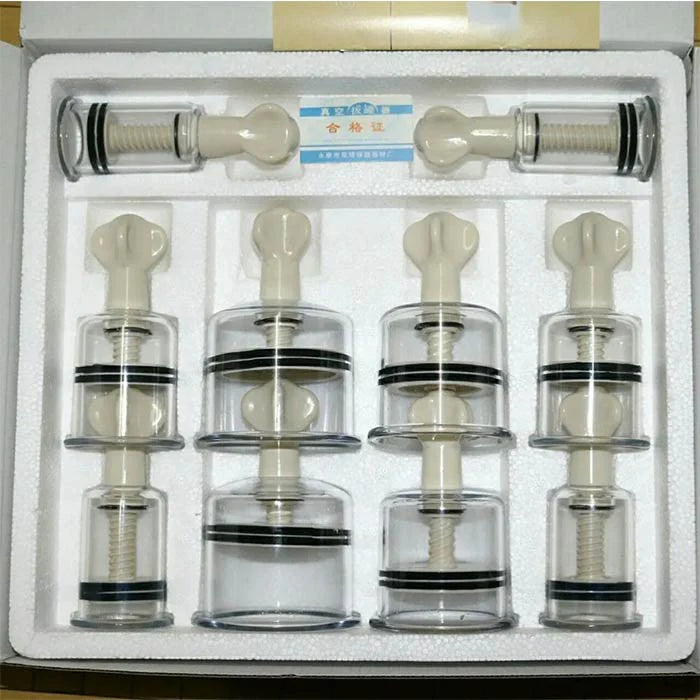
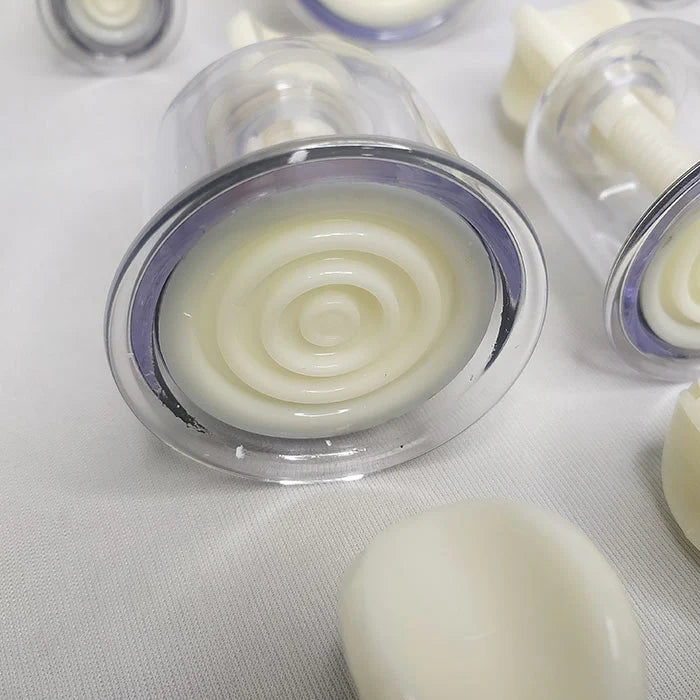

Save 50%
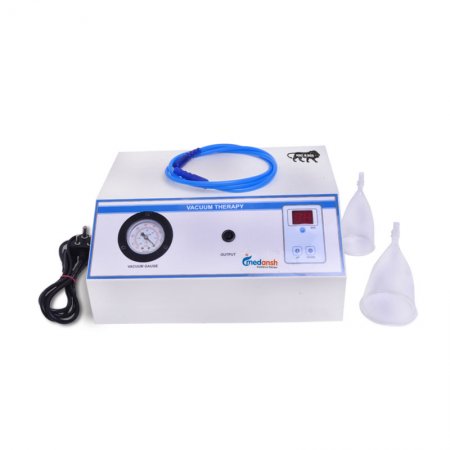
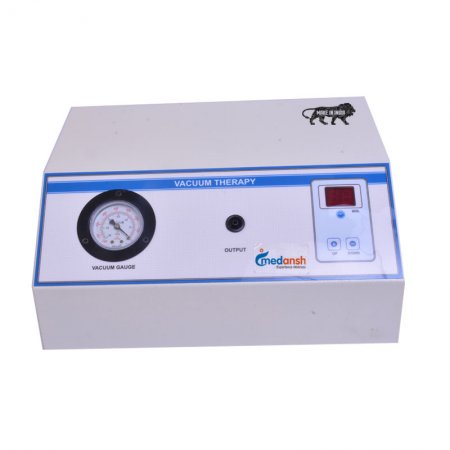

Save 20%
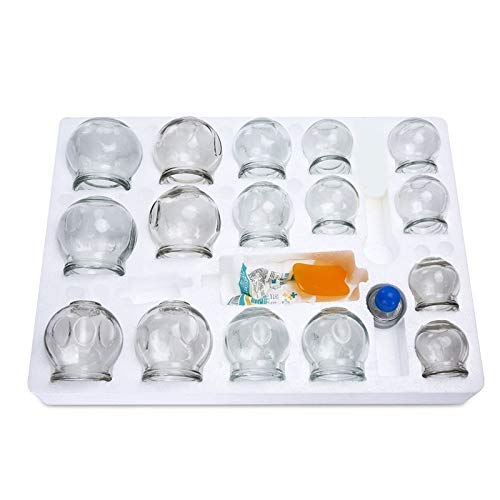
Cupping therapy: does it work and what risks to know

Cupping therapy uses suction cups on the skin, but research does not firmly establish its effectiveness. Evidence remains mixed, and risks include skin damage, burns, and infection. A doctor or trained healthcare professional should guide medical use, especially when cupping involves broken skin.
What is cupping therapy?
Cupping therapy involves placing cups against the skin and creating suction inside them. This suction pulls the skin upward rather than pressing it down. Dry cupping leaves the skin unpierced, while wet cupping deliberately breaks the skin.
You may also hear the term suction cupping. It describes the pulling action, not a separate promise of medical benefit. Providers use different cup materials and methods, so the word alone does not explain the therapy.
Before agreeing, ask the practitioner to describe exactly what they plan to do. Find out whether they will break the skin, move the cups, or leave them in place. Ask which body area they intend to treat and why.
Do not assume every cupping therapy session carries the same risks. Your health, skin condition, medicines, and the chosen method all matter. Equipment hygiene also matters, even when the practitioner does not intend to draw blood.
A useful discussion starts with your reason for considering cupping. Explain what troubles you and whether a doctor has assessed it. Ask how the proposed therapy fits your existing care.
You can decline cupping after this conversation. You can also accept a consultation without agreeing to cupping therapy immediately. Take time when the explanation feels unclear or the practitioner dismisses your concerns.
For home users, the key distinction is straightforward. Understanding cupping does not mean you can safely judge every medical risk yourself. Keep medical decisions separate from demonstrations, personal stories, and pictures of circular marks.

Does research prove that cupping therapy works?
No. Research does not prove that cupping reliably works across the uses people claim. Evidence is mixed, with little good-quality research supporting firm conclusions. Some studies report improvements, while others find no meaningful advantage over comparison treatments.
This uncertainty deserves a clear explanation, not a sales claim. Feeling different after cupping therapy does not establish that suction caused the change. Researchers need suitable comparisons to separate specific therapy effects from other influences.
One randomised trial found dry cupping no better than sham cupping for its measured outcomes. Another smaller trial reported favourable findings on some measures. These differing results show why one positive study cannot settle the question.
Sham cupping aims to resemble the therapy without reproducing the full procedure. Comparing groups helps researchers test whether cupping adds something beyond the therapy experience. The comparison matters more than simply asking whether participants felt better afterwards.
A separate randomised trial tested cupping alongside conventional care. Adding dry cupping did not produce additional benefits for its measured outcomes. That finding does not answer every question, but it challenges broad claims about added value.
When someone presents research, ask for a plain explanation of these points:
-
The comparison: Did researchers compare cupping with sham therapy, usual care, or no therapy?
-
The outcome: Did they measure daily function, symptoms, or only an immediate response?
-
The follow-up: Did they check whether any change lasted beyond the therapy period?
-
The uncertainty: Did the findings clearly support a conclusion, or leave substantial doubt?
-
The safety reporting: Did researchers record unwanted effects as well as possible improvements?
These questions help you discuss evidence without needing specialist training. Ask your doctor to explain unfamiliar research terms rather than accepting impressive wording.
Treat personal recommendations as personal experiences. They can explain why somebody chose cupping, but they cannot establish what caused their experience. Expectations and practitioner interactions can influence how people respond to this therapy.
Avoid two opposite mistakes. Do not treat limited evidence as proof of success. Equally, do not pretend every unanswered research question has already been resolved.
For your decision, uncertainty should make the discussion more careful. Ask what remains unknown, what risks apply to you, and what happens if you decline. You should not need to accept exaggerated claims to receive respectful care.
How might cupping therapy work in the body?
Researchers have proposed several explanations for cupping, but no established mechanism proves its claimed medical effects. Suggestions involve local circulation, skin stimulation, and changes in how the nervous system processes signals. These remain explanations under investigation, not guarantees.
The visible action is easier to understand than the medical claims. A cup creates suction and lifts the skin. That physical action does not automatically establish a useful effect elsewhere in the body.
Keep three separate questions in mind. What does the cup physically do? What changes might follow? Do those changes produce a meaningful health benefit?
An explanation can answer the first question while leaving the others uncertain. Do not let a clear demonstration replace a clear discussion of evidence.
For example, a practitioner may show skin rising inside a cup. You can observe that movement yourself. You still need evidence before accepting claims about lasting medical effects.
Ask the practitioner to separate what they know from what they believe. A useful explanation should acknowledge uncertainty without becoming defensive. It should also make room for your doctor's assessment.
Be cautious when an explanation relies mainly on dramatic language. Ask what the claim means in everyday terms. Then ask how anyone would test whether that claim is correct.
You do not need to debate every theory before making a decision. Focus on the practical questions: suitability, evidence, skin safety, and your existing care. Those questions matter more than whether an explanation sounds scientific.
Also separate relaxation from treatment of a medical problem. Ask the provider what purpose they propose for your session. Do not accept an unclear mixture of comfort claims and unsupported medical promises.
How does dry cupping therapy differ from wet?
Dry cupping applies suction without deliberately piercing the skin. Wet cupping breaks the skin and draws blood into the cup. That break adds bleeding concerns and creates further opportunities for infection.
The names describe different procedures, not different levels of effectiveness. Do not assume that drawing blood makes the therapy stronger or more worthwhile. Ask the provider to justify the proposed method without relying on that assumption.
|
Feature |
Dry cupping |
Wet cupping |
|---|---|---|
|
Intended skin contact |
Suction over unpierced skin |
Suction with deliberate skin breaks |
|
Blood exposure |
Not intended, but accidental contamination can occur |
Expected during the procedure |
|
Main additional concern |
Skin damage and contaminated equipment still matter |
Bleeding and blood-borne infection risks increase |
|
Equipment discussion |
Ask about cleaning and appropriate reprocessing |
Ask about sterile equipment and safe blood handling |
|
Home decision |
Seek professional guidance before medical use |
Do not attempt it at home |
Both methods require attention to hygiene and individual health risks. Dry cupping is not risk-free simply because it avoids deliberate cuts. Wet cupping requires additional precautions because blood and broken skin are involved.
Ask the provider to name the method before touching your skin. Agreeing to dry cupping should not silently become agreement to wet cupping. If the proposal changes, pause and request a fresh explanation.
You should understand what will touch your body and what may happen afterwards. Ask whether you should expect intact skin, dressings, or follow-up checks. Request that explanation before the therapy, not while it is already happening.
For a family discussion, use the skin break as the starting point. It makes the difference easier to understand than unfamiliar terminology. Keep the conversation focused on safety rather than which method looks more dramatic.
If a practitioner treats both methods as interchangeable, ask further questions. The distinction affects consent, equipment handling, and aftercare. A clear explanation should cover all three without dismissing your concern.

Wet cupping therapy carries added risks
Is wet cupping riskier than dry cupping? Yes, particularly regarding infection, blood exposure, and bleeding. Wet cupping breaks the skin, creating an entry point for germs. It also exposes patients and practitioners to blood.
Published reports describe serious infections following wet cupping, including infection in an otherwise healthy adult. Such reports do not establish how often complications happen. They do show that serious infection is possible.
Is it safe to try wet cupping at home? No. Do not attempt wet cupping at home. Medical assessment, sterile equipment, blood handling, and complication management require professional safeguards.
A demonstration cannot check your medical history or manage an unexpected complication. Having somebody nearby also does not replace professional training. Neither does owning equipment that appears similar to clinic equipment.
Do not ask a relative to perform the procedure after watching somebody else. Familiarity with the person does not answer questions about infection control. Keep the decision centred on clinical safeguards rather than confidence alone.
If you are considering wet cupping, speak with your doctor first. Discuss medicines, anaemia, bleeding concerns, and your reasons for considering it. Ask whether the proposed therapy introduces risks that outweigh its uncertain value.
You can refuse the skin-breaking part even if someone presents it as essential. Do not continue because you feel embarrassed about changing your mind. Your consent should remain voluntary throughout the discussion.
For home users, the boundary should stay simple. Do not turn general information about cupping into an attempt to perform wet cupping yourself. Choose assessment over experimentation when blood and broken skin are involved.
Why do cupping marks look like bruises?
Why do cupping marks look like bruises and do they fade? Suction can damage tiny blood vessels beneath the skin. This produces circular discoloration that resembles bruising. The marks usually fade, although persistent colour changes can occur.
A mark is a surface response, not a report card for the therapy. Do not judge the therapy session by how dark the circles look. Ask about comfort, skin condition, and any unwanted effects instead.
Before cupping therapy, ask where marks may appear. Discuss any upcoming event, work requirement, or personal concern about visible changes. You should understand this possibility before agreeing.
Do not request stronger suction to produce a more noticeable mark. Equally, do not let someone use a faint mark to pressure you into another therapy session. Ask for a medical explanation of the proposed care, not a judgement based on appearance.
Keep these observations separate when checking your skin:
-
Colour: Note the location and whether the appearance changes.
-
Surface: Check whether the area remains intact or develops a blister or open area.
-
Comfort: Notice whether tenderness settles or pain becomes more troublesome.
-
Surrounding skin: Watch for increasing warmth, swelling, discharge, or spreading changes.
Hot, painful, swollen skin can indicate infection and needs prompt medical assessment. Redness may be harder to recognise on brown skin. Do not rely on colour alone when deciding whether something needs attention.
Tell any healthcare professional examining you that you recently had cupping therapy. Explain when it happened and whether the therapy broke your skin. This helps them interpret the marks in context.
If you take photographs for your own record, use similar lighting each time. Do not use photographs to diagnose yourself. Share them with your healthcare provider if the area changes or concerns you.
Avoid comparing your marks with somebody else's pictures. Instead, describe your own symptoms clearly. A calm description of changing pain, swelling, or skin damage helps frame the medical conversation.

Possible side effects of cupping therapy
Cupping can cause bruise-like marks, soreness, headache, nausea, itching, scarring, and skin infection. Burns can also occur. Rarely, people faint, particularly around wet cupping and blood-related procedures.
Can cupping cause burns or blisters? Yes. Burns and fluid-filled blisters are recognised complications. They are not signs that the therapy worked particularly well.
You should not have to tolerate extreme pain during a therapy session. Tell the practitioner immediately if you feel sharp pain, burning, dizziness, or nausea. Ask them to stop and assess what is happening.
Describe the sensation instead of trying to label it. Say where it hurts, when it started, and whether it is worsening. That gives the provider something more useful than saying you feel generally uncomfortable.
Before starting, agree on how you will signal a problem. This matters if your position makes conversation awkward. The practitioner should remain able to hear and respond to you.
Ask what unwanted effects they discuss with every patient. Then ask which effects need a call to a doctor. Do not accept a single reassuring sentence in place of that explanation.
If you have previously fainted around needles or blood, mention it beforehand. Also explain any past reaction during cupping. Do not assume an earlier reaction was too minor to mention.
A previous therapy session without complications does not remove the need for a fresh assessment. Tell the provider about changes in your health or medicines. Ask them to reconsider suitability rather than simply repeat an earlier plan.
Keep your decision separate from pressure to appear brave. Stopping because something hurts is reasonable. Your role is to report what you feel, not to endure cupping therapy at any cost.
Can cupping cause a skin infection?
Can cupping lead to a skin infection? Yes. Contaminated equipment and damage to the skin can create infection risks. Wet cupping adds deliberate skin breaks, but dry cupping still requires infection precautions.
Blood contamination can happen unintentionally during dry cupping therapy. Sharing inadequately sterilised equipment can spread blood-borne infections, including hepatitis B and C. Cups that look clean may still require proper reprocessing.
Do not assess hygiene only by the room's appearance. Ask about the cups, other reusable equipment, and handling between clients. A tidy room does not answer those specific questions.
Ask how the practitioner separates used equipment from ready-to-use equipment. Ask who takes responsibility for reprocessing. Request an explanation that covers the whole process rather than one visible step.
If the therapy involves blood, ask how the provider prevents cross-contamination. You do not need a technical lecture. You do need a clear account of how they protect each client.
Avoid accepting vague phrases such as “everything is hygienic.” Ask what that means for the particular equipment touching your skin. If the answer stays vague, postpone the therapy session.
Afterwards, take new pain, swelling, warmth, or discharge seriously. Do not assume every change belongs to the expected circular marks. Seek medical assessment when the pattern concerns you.
Do not seek reassurance only from the person who performed the procedure. Contact a healthcare provider when infection seems possible. Explain the method used and any known equipment concerns.
You do not need to prove where an infection came from before seeking care. Focus first on describing symptoms and getting assessed. Questions about the therapy can follow without delaying that assessment.
Who should check with a doctor before cupping therapy?
Who should avoid cupping or check with a doctor first? People with pregnancy, certain medical conditions, or relevant medicines need assessment. Some circumstances make cupping unsuitable. Do not treat a general explanation as personal clearance.
Use the following table to prepare for a medical discussion. It does not replace your doctor's judgement. Tell the practitioner even when you think a condition is well controlled.
|
Health issue |
What to do before considering cupping |
|---|---|
|
Anaemia |
Seek medical advice; blood loss is an additional concern with wet cupping. |
|
Pacemaker |
Avoid proceeding without specialist medical advice. |
|
Bleeding disorder |
Avoid cupping unless your treating doctor explicitly assesses suitability. |
|
Blood-thinning medicines |
Consult the prescriber; never stop medicine yourself to receive cupping. |
|
Blood clots or past stroke |
Seek your treating doctor's advice before considering cupping therapy. |
|
Heart disease |
Ask your doctor whether cupping is unsuitable for your situation. |
|
Eczema or psoriasis |
Avoid affected skin and discuss the possibility of worsening symptoms. |
|
Epilepsy |
Consult your treating doctor before considering a session. |
|
Cancer |
Avoid proceeding without assessment from your treating medical team. |
Clinical guidance identifies these conditions as reasons for avoidance or medical review. It also advises avoiding unsuitable treatment sites, including wounds and fractures. The exact decision depends on your situation, not this table alone.
Do not apply cups over varicose veins, wounds, inflamed skin, or fractures. Areas with suspected blood clots also require medical assessment, not cupping. Tell the provider about any unexplained lump, rash, or damaged area.
Bring an updated medicine list rather than relying on memory. Include non-prescription medicines and anything you take only occasionally. Ask your doctor which details matter for bleeding and skin safety.
Never stop a prescribed medicine because a practitioner requests it. Ask the prescriber directly before making any change. If the procedure depends on stopping treatment, pause until the medical team reviews it.
Mention recent changes, even if you have received cupping before. A new diagnosis, medicine, or skin problem deserves attention. Ask the practitioner to review your history each time rather than assume nothing has changed.
If different providers give conflicting advice, return to your treating doctor. Explain the proposed method and body area. Seek a decision based on your medical history, not a general claim that cupping suits everyone.

Is cupping therapy safe during pregnancy?
Is cupping safe during pregnancy? Safety research is insufficient, so do not assume cupping is safe while pregnant. Avoid it during pregnancy and discuss any proposed use with your obstetric clinician.
Tell the practitioner if you are pregnant or might be pregnant. Do this before any examination or therapy begins. Do not assume they will ask every relevant question themselves.
Advice from a friend cannot establish safety for your pregnancy. Neither can a previous experience before pregnancy. Ask your maternity clinician to consider the proposal within your current care.
If you have already received cupping, tell your clinician what happened. Explain whether it involved skin breaks and whether you developed symptoms. Give a straightforward account without trying to judge the risk yourself.
Do not continue with another therapy session simply because the first seemed uneventful. Pause and obtain medical advice. You can decline while the uncertainty remains unresolved.
Keep the conversation practical rather than frightening. Ask what your clinician needs to know and whether any assessment is appropriate. Avoid relying on online reassurance that does not account for your circumstances.
How can you check cupping equipment is clean?
How can I check that cups are cleaned between clients? Ask the provider to explain their reprocessing system before therapy. Find out what they reuse, what they discard, and how they prepare equipment for another person.
Cupping therapy equipment must be cleaned after each use, with sterilisation where required, especially for reusable wet-cupping equipment. Published infection-control recommendations distinguish high-level disinfection for reusable dry-cupping instruments from sterilisation for wet-cupping instruments. A quick wipe is not an equivalent process.
Cleaning removes material from an item before further processing. Providers must also handle and store processed equipment properly. Otherwise, equipment can become contaminated again before use.
Ask these practical questions during the consultation:
-
Which items will touch my skin, and which have been used previously?
-
How do you clean reusable cups after each client?
-
What disinfection or sterilisation process follows that cleaning?
-
How do you know that process suits these cups and their intended use?
-
Where do you keep processed equipment before therapy?
-
How do you prevent used items from mixing with prepared items?
-
What happens if equipment becomes contaminated during a session?
You cannot verify a whole infection-control system by looking at a cup. However, you can assess whether the provider answers clearly. Ask follow-up questions when the explanation skips a step.
For skin-breaking procedures, sterile single-use sharp items should remain unopened until needed. Used sharp items require safe disposal. These safeguards belong alongside equipment reprocessing, not instead of it.
Do not try to reproduce professional sterilisation using a household shortcut. Ask a trained professional about the equipment rather than guessing. Keep home cleaning separate from claims that an item is suitable for clinical reuse.
If you cannot get a clear answer, leave the session for another time. You do not need to accuse anyone of poor practice. Unresolved uncertainty about equipment is enough reason to pause.

What should a cupping therapy consultation cover?
A consultation should give you space to discuss your health before deciding about cupping therapy. Ask the practitioner about their relevant training and experience. Request a clear explanation of what they can assess and when they refer to a doctor.
Do not assume every person offering cupping has the same clinical background. Ask who will perform the therapy and who handles complications. Check that the person answering your questions will actually be involved in your care.
Describe your concern in everyday terms. Explain when it started, how it affects daily life, and what medical assessment you have received. Avoid letting the conversation begin and end with where to place cups.
Ask the provider to explain the proposed therapy session without technical language. You should understand the method, intended body area, possible skin changes, and reasons for stopping. Also ask what follow-up support they offer.
Discuss privacy before therapy starts. Ask which areas need exposure and how the provider will maintain your comfort. You can request clarification or decline anything that makes you uncomfortable.
Consent should include the opportunity to say no. Agree on a simple way to pause the session. Do not continue merely because the practitioner has already prepared equipment.
Ask how they document what happened. Request a record of the method and treated area if you need it for your doctor. Keeping the details clear helps you explain any later concern.
A useful consultation leaves you better informed, even if you decide against cupping. You should not leave feeling that questions were unwelcome. Take that experience seriously when choosing whether to proceed.

A simple checklist to use before cupping
Use this checklist to organise the discussion, not to clear yourself for cupping therapy. Take unresolved medical questions to your doctor. Leave equipment questions with the practitioner until they provide a satisfactory explanation.
-
I know whether the proposal involves dry cupping or wet cupping.
-
I understand that evidence remains uncertain and the mechanism remains unproven.
-
I have discussed relevant conditions, pregnancy, medicines, and previous reactions.
-
I have shown the practitioner any rash, wound, swelling, or other skin concern.
-
I understand which body areas they propose treating and why.
-
I have asked how reusable equipment is cleaned and reprocessed.
-
I know what changes and unwanted effects they have discussed.
-
I know how to ask for an immediate pause or stop.
-
I have contact details for follow-up questions about the therapy.
-
I know when to contact a healthcare provider rather than wait.
-
I will not stop prescribed treatment or attempt wet cupping at home.
Do not turn the checklist into a box-ticking exercise. If an answer raises another question, ask it. A completed list should reflect an understood conversation, not hurried agreement.
You can bring a trusted person to help you remember the discussion, if appropriate. Keep the decision yours. Family enthusiasm or concern should not replace your informed choice and medical assessment.
Does owning a cupping set make home use safe?
A cupping therapy set describes equipment, not a complete system of safe care. Cups may differ in material and how they create suction. Their appearance does not establish whether cupping suits your health needs.
Avoid judging suitability by how simple the device looks. Instead, ask a trained professional whether you should consider cupping at all. That question comes before choosing cup size, material, or other equipment features.
Owning cups does not answer where therapy is appropriate. It also does not establish how to recognise a complication. Keep equipment questions connected to professional assessment rather than treating them as a separate shortcut.
If you already have a set, describe it accurately during your consultation. Say whether anyone has used it and whether another person has shared it. Do not hide a detail because it seems unimportant.
Ask whether any proposed home use is appropriate for you. Request clear boundaries rather than copying a demonstration. If the professional advises against use, do not treat a different cup as the solution.
Do not increase suction or exposure simply because you cannot see much happening. A visible response is not a sensible therapy target. Discuss uncertainty with a professional instead of experimenting to produce stronger marks.
Do not lend equipment to relatives or friends while assuming ordinary washing makes sharing safe. Reusable cupping instruments need appropriate reprocessing. Blood contamination can occur even without deliberate skin piercing.
Keep the wet-cupping boundary firm. Do not adapt general cups or add skin-breaking tools for home use. Access to equipment does not remove the need for professional safeguards.

Skin care and warning signs after cupping
Before leaving, ask the practitioner how to care for the treated skin. Request advice specific to whether the area remains intact. Also ask whom to contact if a concern appears later.
Do not scratch, pick, or deliberately burst a blister. Keep damaged skin clean and seek appropriate advice about covering it. An infected blister needs medical attention rather than home experimentation.
Avoid applying unverified remedies to damaged skin. Ask a healthcare professional before adding creams or other substances. Explain what you have already used if you later need assessment.
Contact a healthcare provider if you develop burns, extreme pain, or signs of infection after cupping therapy. Fever, worsening tenderness, and yellow discharge warrant attention. Do not wait for another scheduled cupping therapy session.
Seek prompt assessment for skin that becomes hot, painful, or swollen. Redness may look less obvious on brown skin. Use the whole symptom picture rather than waiting for a bright red patch.
When you call, describe the therapy and timing clearly. Mention skin breaks, blistering, discharge, and whether symptoms are spreading. Tell the clinician about relevant medicines and medical conditions.
Bring any available therapy record to the assessment. Photographs may help show how the area changed. Do not let collecting those details delay getting help.
Ask the assessing clinician when, or whether, further cupping therapy is appropriate. Do not apply more suction over damaged or inflamed skin. Avoid treating a complication as something another cupping therapy session should correct.
Should cupping therapy replace regular medical care?
Should cupping replace regular medical care? No. Most healthcare providers view cupping as complementary, not a replacement for conventional care. A doctor or trained healthcare professional should guide any medical use.
Keep medical appointments and discuss proposed changes with your treating clinician. Do not make cupping the reason you postpone an assessment. Tell your healthcare team about any sessions you receive.
Before considering another session, review the experience honestly. Note unwanted effects, unresolved concerns, and whether the original reason for therapy still needs medical attention. Do not use darker marks as the reason to continue.
You can choose not to start, pause after a consultation, or stop after a therapy session. None of those choices requires an argument. Uncertain evidence makes your preferences and safety questions especially important.
The practical takeaway is simple: understand the method, check your health risks, and demand clear hygiene answers. Never attempt wet cupping at home. Seek medical care for burns, extreme pain, or possible infection rather than assuming they are expected.
Explore Medical Collections
All Categories
Abdominal Belt: Support After Surgery, in Pregnancy and After Delivery

Accessories
Accu-Chek Instant Strips: Use, Compatibility, Price & Blood Sugar Testing Guide
Accu-Chek Instant Strips: Uses, Features & Complete Guide

accupuncture

Acupuncture Needles & Supplies

Advanced Physiotherapy Machines & Lumbar Physiotherapy
AED Defibrillator: How It Works, Who Can Use It and Where to Place It

Airways
Alcohol Swab: Uses, Safe Use and Disposal Guide
Ambu Bag Full Form: Is There an Official Meaning?
Ambu Bag: Parts, Uses and Safety Guide
Ambu Full Form: What the Name Means and BVM Basics

Ambulance

Anatomy Models
You may also need
FOR YOURecommended for you
Save 50%
Save 20%