


Featured Choice

Save 30%



Save 50%
Save 18%

Save 50%
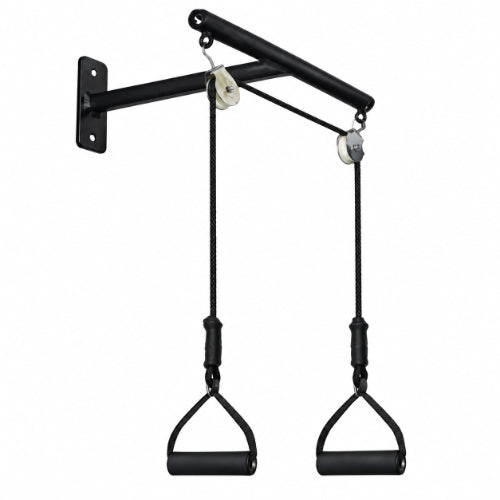
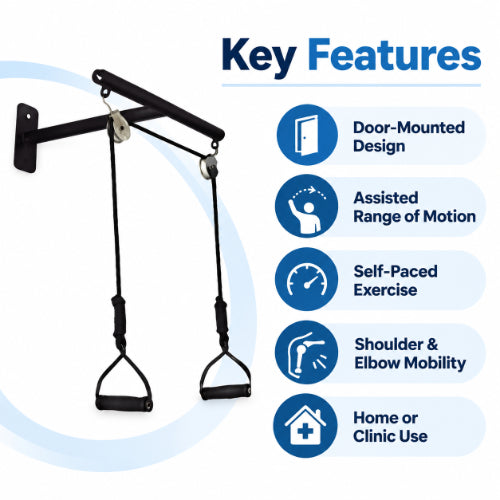

Save 38%


What customers say
★★★★★ 5.0 · 7 reviews
 Hot and Cold Gel Pack
“Lightweight, comfortable to use, and retains temperature well. Ideal for back pain, swelling, and post-work...”
“This gel pack is flexible, durable, and provides instant relief whether used hot or cold. A must-have for s...”
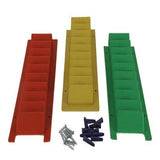 Shoulder Finger Ladder
“Great for shoulder rehabilitation exercises!”
“This is a fantastic tool for shoulder rehab and improving mobility. It’s easy to use,”
Frozen shoulder: stages, home care and when to see a doctor

Frozen shoulder, also called adhesive capsulitis, is a condition in which the tissue surrounding the shoulder joint becomes inflamed, thickened and tight, causing pain and restricted motion. Its main concern is persistent stiffness that can interfere with sleep, dressing, reaching and everyday independence. This article explains the stages, practical home care and warning signs, while showing why guidance from a doctor or trained physiotherapist matters.
What is frozen shoulder?
Frozen shoulder affects the capsule: the sleeve of connective tissue around the ball-and-socket joint. When this capsule becomes inflamed and tight, the frozen joint cannot move as freely. The restriction affects both the motion you make yourself and the motion a clinician gently attempts while supporting your arm.
This explains why the condition feels different from ordinary soreness after an unfamiliar activity. You may want to lift your arm, turn it outward or reach behind your back, yet find that motion is restricted rather than simply uncomfortable. Pain and stiffness often develop gradually, although the way symptoms begin and progress varies.
The word “frozen” does not mean the joint has become cold. It describes the loss of mobility. Nor does it mean the arm should be held still until the problem passes: appropriate movement remains part of care.
Avoid diagnosing yourself from one painful motion or an online demonstration. A stiff, painful joint needs assessment because the label determines what advice is suitable. Think of this article as preparation for that conversation, not as a personal diagnosis or a replacement for an examination. Bring your practical concerns into the discussion, whether that means washing your hair, fastening clothing or getting comfortable enough to sleep.

Symptoms of frozen shoulder and how to describe them
The main symptoms are pain and a progressive loss of mobility. Early on, pain may dominate: reaching suddenly, putting on a jacket or rolling in bed can be uncomfortable. As stiffness becomes more noticeable, familiar tasks may require a different approach even when the background ache is less intense.
Useful examples to mention during an appointment include difficulty reaching a shelf, bringing a hand behind the head, tucking in a shirt or reaching a back pocket. Describe the task rather than trying to name the exact structure that hurts. These functional examples help a clinician understand what the restriction means for you.
Be specific about whether pain stops you, the arm feels physically restricted, or both. Also explain whether someone supporting the arm makes it easier. Do not ask a family member to push the joint to test this; a clinician can assess supported motion safely.
Consider keeping a short note of the activities that matter most to you. “I cannot comfortably wash under my opposite arm” gives a clearer picture than “my motion is bad.” The purpose is not to keep testing yourself throughout the day. It is to provide a useful starting point for assessment and later review.
What are the stages of frozen shoulder?
The frozen shoulder stages are commonly described as freezing, frozen and thawing. These describe a changing pattern of pain and stiffness rather than a fixed calendar. The condition can unfold over months to years; sources differ in their descriptions and timing, so exact stage durations are not reliable predictions for an individual.
|
Common stage |
Typical pattern |
Practical care priority |
|---|---|---|
|
Freezing or pain-dominant stage |
Pain becomes more troublesome and motion gradually decreases; sleep may be disrupted. |
Review pain control and maintain gentle, tolerable motion without forcing a frozen joint. |
|
Frozen or stiffness-dominant stage |
Stiffness remains prominent, although background discomfort may lessen; reaching and rotation stay difficult. |
Follow an individually selected exercise programme and adapt daily activities. |
|
Thawing or improving-mobility stage |
Mobility may gradually increase and some activities become easier. |
Review exercises and progress activity according to symptoms and professional advice. |
Some services instead emphasize two broad phases: pain-dominant and stiffness-dominant. This is not necessarily a disagreement about your experience; it is another way to describe an overlapping process. You may not notice a clear boundary between stages, and symptoms can vary considerably between people.
Use the stage names to understand the care discussion, not to set a deadline. A useful question for your clinician is whether your current plan should focus more on easing pain, preserving comfortable mobility or gradually addressing stiffness. The answer should reflect your examination and symptoms, not just how long the problem has been present. Avoid comparing your progress with another person's calendar or assuming that a stage name predicts exactly what happens next.
How does frozen shoulder care change with each stage?
Treatment should respond to how irritable the frozen joint is. In a highly painful phase, forcing a stretch can aggravate symptoms, so physiotherapy may concentrate on advice, comfortable movement and pain management. When stiffness becomes the main difficulty, more focused stretching may become appropriate under professional guidance.
That distinction matters when you read apparently conflicting exercise advice. One person may have been told to keep exercises small and easy, while another has been given a more challenging programme. Their plans may suit different presentations rather than represent competing approaches. The same programme does not necessarily remain appropriate throughout your own condition.
Ask your physiotherapist to explain the purpose of each exercise in ordinary language. You should know what movement it targets, what a tolerable response feels like and when to request a review. A written plan can be helpful if discomfort or tiredness makes instructions difficult to remember.
At follow-up, discuss the whole response rather than just how far the arm moves during the appointment. Report whether you can complete your daily tasks, how sleep is affected and whether the programme remains manageable. These details give the clinician practical information for deciding whether the approach needs adjustment.
Frozen shoulder and diabetes: risk, injections and check-ups
Diabetes raises the chance of frozen shoulder. The reason for the association is not fully understood, and having diabetes does not mean every episode of arm discomfort is adhesive capsulitis. It does mean that persistent pain and stiffness deserve attention rather than being dismissed as an unavoidable part of living with diabetes.
Diabetes check-ups should continue when the joint is stiff. Keep your usual appointments and tell your diabetes team about the pain, reduced mobility and any difficulty carrying out your normal care routine. Do not postpone wider health care while waiting for the arm to become easier to use.
If a clinician discusses a steroid injection for frozen shoulder pain, mention your diabetes before treatment. Steroid injections can raise blood glucose temporarily. Ask for an individualized monitoring plan and instructions about whom to contact if readings move outside your agreed range; do not change diabetes medicines on your own.
Make the coordination practical. Bring an up-to-date medicine list, explain who usually reviews your diabetes and ask whether information needs to be shared between teams. If stiffness makes it awkward to reach supplies or complete a usual task, describe that specific obstacle. Your frozen shoulder care and diabetes care should be considered together, without assuming that improving one automatically resolves the other.

What else raises the risk of frozen shoulder?
Past injury or surgery that limits normal arm use is another important risk. The original problem does not always have to involve the joint itself: what matters is that the arm has not been moving normally. Tell the clinician about the injury or procedure, any sling use and the restrictions you were given.
Frozen shoulder is also associated with thyroid disorders and some other health conditions. It is more common in middle-aged adults and in women, but these patterns do not exclude other people from developing it. Sometimes no clear trigger can be identified.
A risk factor is a reason to pay attention, not proof of a diagnosis. It is also not a reason to blame yourself for resting after an injury. There may have been a sound medical reason for limiting motion at the time.
If you are still following restrictions after an operation or fracture, do not abandon them because you have read that movement is important. Ask the treating team which movements are permitted now. Bring any discharge or rehabilitation instructions to the assessment so advice about stiffness can be reconciled with the precautions protecting the original injury.
How is frozen shoulder diagnosed?
Assessment usually starts with your symptoms and medical history, followed by a physical examination. The clinician checks the motion you produce yourself and the motion they gently guide while supporting the arm. Restriction in both is an important feature of adhesive capsulitis.
Expect questions about how symptoms began, whether there was an injury and which daily activities are affected. Diabetes, previous procedures and the progression of discomfort are relevant parts of the discussion. An examination also helps determine whether the symptoms fit frozen shoulder or whether something else needs investigation.
Imaging is not automatically needed to confirm every case. An X-ray may be used to check for other explanations for stiffness; an MRI or ultrasound may be considered when the clinician needs to investigate another suspected problem. A request for imaging should have a clear clinical purpose.
You do not need to arrive with a diagnosis or demand a particular scan. Instead, explain what has changed and ask what the examination suggests. If a test is proposed, ask what question it is meant to answer and whether its result could alter your care. If no test is proposed, you can still ask how confident the clinician is about the diagnosis and what changes should prompt reassessment.

What treatments do doctors suggest for frozen shoulder?
Doctors generally combine pain management, advice about activity and exercises or physiotherapy selected for the person's symptoms. The balance depends on how painful and restricted the frozen joint is. The aim is to make symptoms more manageable and support useful mobility, rather than simply prescribe the same routine to everyone.
Medicine choices require an individual discussion. Tell the doctor or pharmacist about other medicines, allergies and relevant health conditions before choosing an over-the-counter product. Follow the advice and product instructions you receive, and ask for a review if discomfort remains poorly controlled rather than increasing treatment yourself.
A clinician may discuss an injection when discomfort remains troublesome. Its potential benefits, limitations and risks should be explained in relation to your circumstances. Pain relief does not make it appropriate to force movement or abandon the agreed rehabilitation plan.
Before leaving, make sure the plan is understandable. Clarify who will guide exercises, how follow-up will work and what you should do if the first approach is not enough. Mention your most important goal, such as sleeping more comfortably or dressing independently. That gives the discussion a practical focus beyond a general instruction to “keep exercising.” You should not have to guess which part of the plan to change when symptoms become difficult.
Should you keep moving with frozen shoulder?
Keeping the frozen joint completely still can worsen pain and contribute to ongoing restriction. Gentle movement, within the limits advised for you, is therefore different from repeatedly provoking pain. The useful middle ground is to avoid unnecessary immobilization while also avoiding movements that clearly aggravate symptoms.
This can feel counterintuitive when movement hurts. “Keep moving” does not mean ignore pain, repeatedly reach beyond your available range or test the most difficult position all day. It means use the arm as comfortably as possible and follow the movements selected by your clinician. Pacing daily activities can help you apply that advice without treating every task as an exercise session.
Avoid wearing a sling for long periods simply to manage established frozen shoulder unless a clinician has specifically advised it. Prolonged immobilization is associated with the condition. However, if a sling was prescribed for a recent injury or procedure, ask the treating team before changing its use.
Ask for concrete examples of acceptable activity. “Can I continue this household task?” is easier to answer than “Should I rest?” A clear distinction between temporary activity modification and complete rest can make home care less confusing, especially when different family members are offering conflicting advice.

Frozen shoulder exercises: what to ask before you start
Follow frozen shoulder exercises recommended by your GP or physiotherapist. A suitable plan should account for pain, stiffness, recent injury and any existing restrictions. Do not make up your own strong exercises at home or assume that a forceful routine is more effective because the joint feels tight.
Clinicians may select supported arm movements, gentle pendulum exercises or stretches aimed at a particular direction of restriction. These are examples of exercise categories, not a complete programme for everyone. The exercise, amount and progression should be explained by the professional who has assessed you.
An exercise appointment is also a chance to practise technique. Ask the physiotherapist to watch you perform the exercise rather than relying only on a picture or verbal description. Tell them if your home setup differs from the clinic: the available table, chair or space may affect how comfortably you can follow the instructions.
Before starting a home programme, clarify these details:
-
The exact starting position and movement you should use.
-
The amount of movement, repetitions and frequency recommended for you.
-
The type of discomfort, if any, the clinician considers acceptable.
-
The response that means you should stop that exercise and seek advice.
-
The point at which the programme should be reviewed or progressed.
Write down the answers in your own words. If an instruction remains unclear, ask for another demonstration. A programme you understand is more useful than a long list of exercises you are unsure how to perform.

What if a frozen shoulder exercise hurts?
More pain is not a useful target. Aggressive stretching beyond a tolerable range can aggravate frozen shoulder, particularly when symptoms are prominent. A joint that feels restricted does not need to be forced through that restriction by you or a family member.
If an exercise produces new pain or clearly worsens symptoms, stop that exercise and contact your physiotherapist or doctor for advice. They may need to adjust the exercise or reconsider the programme. Do not compensate by trying an unrelated routine from a video or increasing the intensity of another exercise.
When asking for help, describe the response clearly. Explain which movement caused trouble, where you felt it and whether your daily activities or sleep became harder afterward. “This exercise is painful” is a useful start; a little more detail makes the conversation more actionable.
Equally, do not increase the programme simply because one session feels easier. Ask how progression should work and whether you should change one element at a time. The goal is a manageable plan with clear boundaries, not a competition with your previous performance. If you have lost the instructions, request another copy rather than reconstructing the routine from memory.
Using heat safely for frozen shoulder
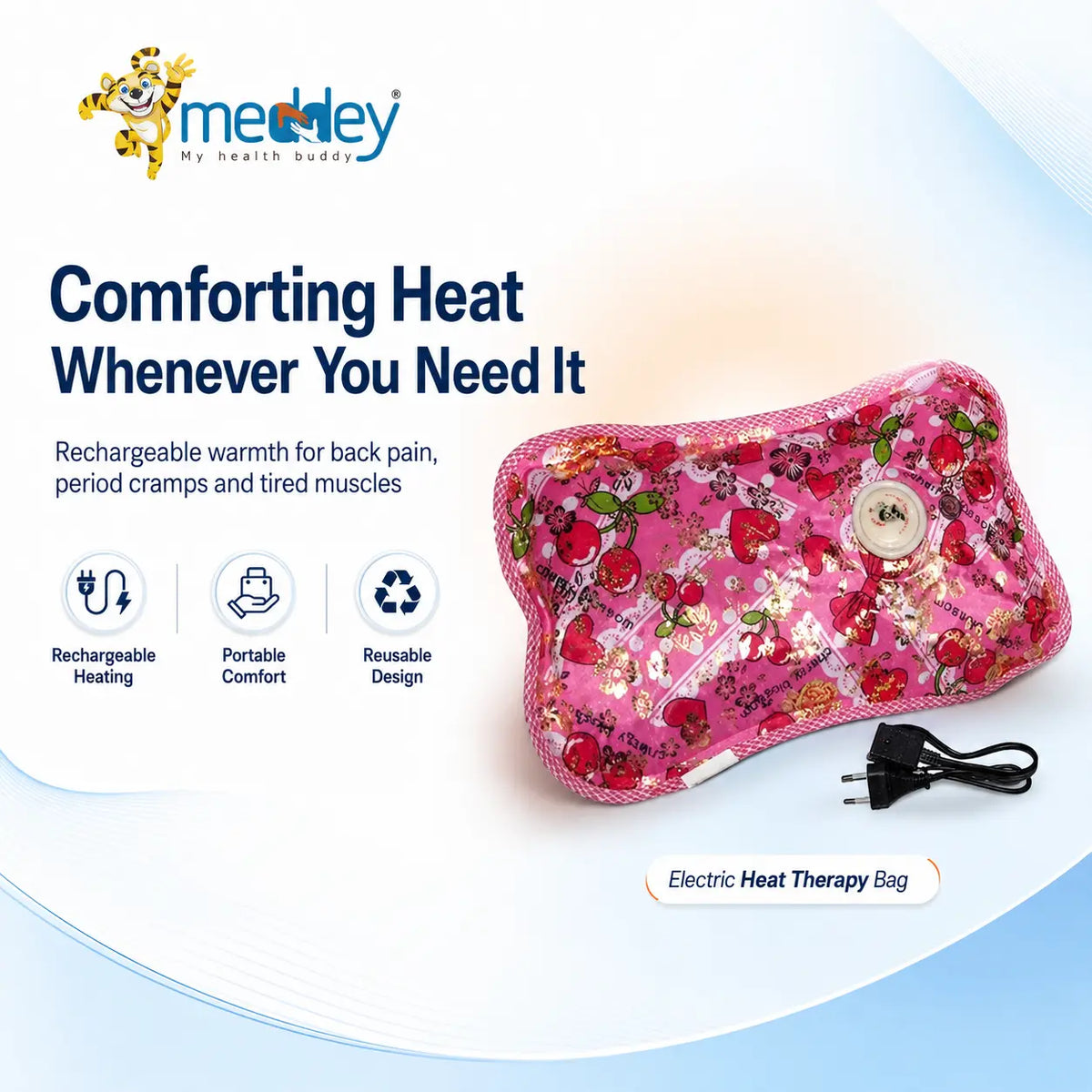
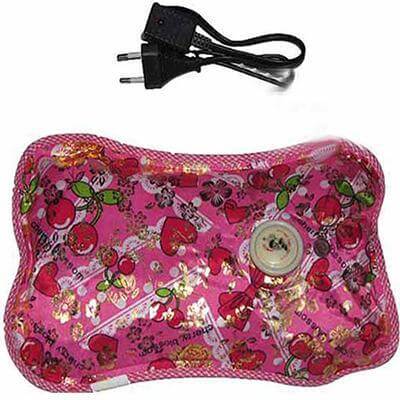
A heat pack or hot water bottle may help ease discomfort, but it should be wrapped in a towel and used for limited periods only. Keep applications brief and follow the instructions supplied with the pack and any advice from your clinician. Heat should feel comfortably warm, not painfully hot.
Do not place a heat source directly against the skin. Check the skin during use and stop if you notice increasing redness, discoloration, blistering or irritation. Do not sleep with a heat pack or hot water bottle in place, because you cannot reliably monitor the skin while asleep.
Extra caution is needed if you have reduced sensation or circulation problems. In that situation, seek professional advice rather than trying heat or cold treatment yourself. Mention diabetes if it has affected your sensation or circulation.
Think of heat as an optional comfort measure, not a test you must pass or a substitute for assessment. If you find it unhelpful, tell your clinician and discuss other ways of managing symptoms. If it makes the area feel better, that still does not mean the joint is ready for a stronger stretch. Keep any exercise afterward within the programme already agreed for you.

Why is frozen shoulder pain worse at night?
Pain often gets worse at night in frozen shoulder, and disturbed sleep is a common concern. Lying directly on the painful side can be uncomfortable, but night pain can also occur without pressure on that side. The condition involves an inflamed, sensitive capsule, so changing position may help without removing every source of discomfort.
There is no need to assume that every difficult night means you have damaged the joint. At the same time, persistent sleep disruption is worth discussing rather than accepting without support. Explain whether discomfort prevents you from falling asleep, wakes you when turning or makes it difficult to find any comfortable position.
Keep the discussion practical. You might note which positions you have tried and whether supporting the arm changes the discomfort. Avoid judging the entire care plan on a single night, but tell your clinician when a recurring pattern is becoming difficult to manage.
If you are uncertain about using prescribed pain relief around bedtime, ask the prescriber or pharmacist for instructions specific to your treatment. Do not add extra medicine or combine products simply because sleep has been poor. Night-time symptoms deserve the same individualized approach as daytime pain, including reassessment when the existing plan is not helping.
How to sleep with frozen shoulder
Sleeping on your back or on the unaffected side, with the painful arm supported by pillows, may be easier than lying directly on it. There is no single position that suits everyone. The useful starting point is to support the arm comfortably rather than let it hang forward or pull into an awkward position.
When lying on your back, try supporting the elbow and forearm with a pillow. On the unaffected side, a pillow in front of your body can support the painful arm. A pillow behind your back may also help discourage rolling onto the sore side if that is a recurring problem.
Use ordinary bedding before assuming you need specialist equipment. Adjust the support gently and judge it by comfort, not by whether it resembles a photograph exactly. Avoid forcing the arm overhead or behind your body to achieve a position someone else recommends.
It can help to try the arrangement while awake so you can make small adjustments without the frustration of repeatedly settling down. Keep frequently used items within an easy reach from bed. If every position remains difficult or pain repeatedly wakes you despite the agreed plan, bring that information to your next clinical review rather than continuing to improvise indefinitely.

Making daily activities easier with frozen shoulder
Frozen shoulder can interfere with dressing, bathing and other routine tasks. Adaptations should make those tasks more manageable without turning into complete avoidance of the arm. Use your available comfortable motion and ask your physiotherapist for help with activities that repeatedly provoke symptoms.
For dressing, consider clothing that does not require a difficult overhead reach or a fastener behind your back. Lay out what you need before starting so you are not repeatedly reaching into awkward spaces. If a particular step is difficult, demonstrate it or describe it at your appointment rather than assuming you must push through it.
For household activities, consider whether you can bring the task closer to your body, place commonly used items at a comfortable height or divide a demanding job into smaller parts. Ask for help with an awkward task while continuing the activities your clinician considers appropriate. The aim is selective assistance, not a rule that someone else must do everything.
At work, identify the actual movement that causes difficulty: a high shelf, prolonged unsupported reaching or a repeated task. Discuss temporary adjustments with the appropriate person rather than relying on a vague request to “take it easy.” Where your job has physical demands, ask your clinician to clarify relevant restrictions and what can continue. A specific plan is easier for you and others to follow than either complete rest or unrestricted activity.
How to track your frozen shoulder without constant testing
A simple record can make follow-up appointments more productive. Choose a few practical activities that matter to you, such as putting on a shirt, reaching a cupboard or sleeping with fewer interruptions. Note whether each feels easier, unchanged or harder, without repeatedly forcing the arm to measure a limit.
Keep pain and function separate in your notes. Frozen shoulder can remain stiff even when background pain lessens, so “less painful” and “moving normally” are not interchangeable. Conversely, an activity may become more manageable because you have found a better way to do it, even while the restriction remains.
Record the details that would help someone adjust your plan: an exercise you cannot perform, an instruction you do not understand or a task that has become harder. There is no need to create a complicated spreadsheet or assign a score to every movement. A few clear observations are enough for a focused conversation.
Avoid setting your own deadline based on a stage chart. The stages overlap and their course varies. Use your notes to support a review of symptoms and care, not to decide that you have succeeded or failed against a timetable.
When should I see a doctor for frozen shoulder stiffness?
See a doctor if pain and stiffness persist, are worsening or make normal arm use difficult. Arrange assessment if you have not received a diagnosis, and return for review if the current plan is not helping. You do not need to wait until every daily activity is impossible before asking for support.
A review is particularly useful when discomfort is disrupting sleep, the exercise programme is difficult to follow or daily function is declining. If you have completed a course of physiotherapy and remain troubled by symptoms, contact the physiotherapist or doctor again. The plan may need reassessment rather than simply more of the same exercises.
If you cannot move the arm, seek prompt medical assessment. A sudden inability to move it is more urgent than longstanding restriction and should not be assumed to be another stage of frozen shoulder. Use the emergency guidance below when symptoms are abrupt or accompanied by injury or other warning signs.
When booking, explain the functional impact clearly. Mention that movement is restricted, whether it is worsening and whether there has been an injury. This helps the service understand the concern. If you are uncertain about the appropriate level of care, seek urgent clinical advice rather than waiting for an online explanation to fit every symptom.
Warning signs that need emergency care
Seek emergency care after an injury if there is severe pain, swelling, a changed joint shape or an inability to move the arm. Sudden loss of movement also needs urgent assessment rather than home stretching. Do not try to force the arm into position or ask someone else to manipulate it.
New swelling, redness or warmth, particularly with fever or feeling unwell, is another reason for immediate assessment. These are not symptoms to explain away as ordinary frozen shoulder. A previous diagnosis does not rule out a new problem.
If arm or shoulder discomfort occurs with chest pain, breathlessness, collapse or pain spreading toward the jaw, call emergency services. Do not delay because you already have stiffness or have been treating the area at home.
When seeking help, describe what changed and when: a fall, a sudden inability to lift the arm or new redness and fever. Bring your medicine list if readily available, but do not postpone urgent care to gather paperwork. The distinction is straightforward: gradual, persistent stiffness deserves a planned assessment; a new severe change or warning signs may require emergency evaluation.
How to prepare for a frozen shoulder appointment
Before a routine appointment, write a short account of how symptoms began and what is hardest now. Include any past injury or surgery, periods of restricted arm use and relevant conditions such as diabetes or thyroid disease. These are useful parts of the clinical history.
Bring your exercise instructions and medicine list. If possible, identify one or two exercises you are unsure about so the clinician can review them with you. You do not need to demonstrate your maximum painful reach before the assessment begins.
Use the appointment to agree on a workable next step. Ask what you should continue, what should change and how to get advice if problems arise. Repeat the instructions back in your own words if that helps confirm your understanding. Leave knowing who is responsible for follow-up rather than assuming someone will automatically contact you.
A practical frozen shoulder checklist
Use this checklist to prepare for care and keep the plan manageable:
-
Arrange assessment for persistent pain and stiffness instead of relying on self-diagnosis.
-
Follow exercises recommended by your GP or physiotherapist; ask for a demonstration when instructions are unclear.
-
Keep moving gently within your agreed limits rather than holding the arm still all day.
-
Avoid prolonged sling use unless it is specifically required for another injury or procedure.
-
Use a towel barrier around a heat pack or hot water bottle, and limit each application.
-
Try comfortable pillow support at night and report ongoing sleep disruption.
-
Continue diabetes check-ups and discuss any treatment-related glucose monitoring.
-
Request review when symptoms or the exercise response change.
-
Seek urgent or emergency assessment for sudden immobility, significant injury, new swelling, redness or fever.
The main takeaway on frozen shoulder
Frozen shoulder care is about balancing appropriate movement with symptom management and professional guidance. Its course varies, so a stage label is less useful than a clear plan you understand and can follow. Keep your wider health appointments, raise practical difficulties early and seek reassessment when the plan is not meeting your needs. Above all, do not treat a sudden severe change as something you must stretch through or wait out.
Explore more frozen shoulder support
Frozen shoulder exercise aids Arm slings and supports Heating pads Glucometers Pain relief massage
Explore Medical Collections
All Categories
Abdominal Belt: Support After Surgery, in Pregnancy and After Delivery

Accessories
Accu-Chek Instant Strips: Use, Compatibility, Price & Blood Sugar Testing Guide
Accu-Chek Instant Strips: Uses, Features & Complete Guide

accupuncture

Acupuncture Needles & Supplies

Advanced Physiotherapy Machines & Lumbar Physiotherapy
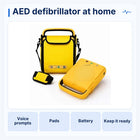
AED Defibrillator: How It Works, Who Can Use It and Where to Place It

Airways
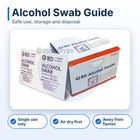
Alcohol Swab: Uses, Safe Use and Disposal Guide
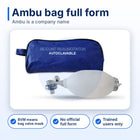
Ambu Bag Full Form: Is There an Official Meaning?
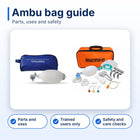
Ambu Bag: Parts, Uses and Safety Guide
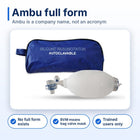
Ambu Full Form: What the Name Means and BVM Basics

Ambulance

Anatomy Models
You may also need
FOR YOURecommended for you
Save 30%
Save 50%
Save 18%
Save 50%
Save 38%