


Featured ChoiceSave 39%

Save 50%









Save 29%

Save 12%

Save 12%







Save 22%

Save 47%


Save 10%

Save 19%
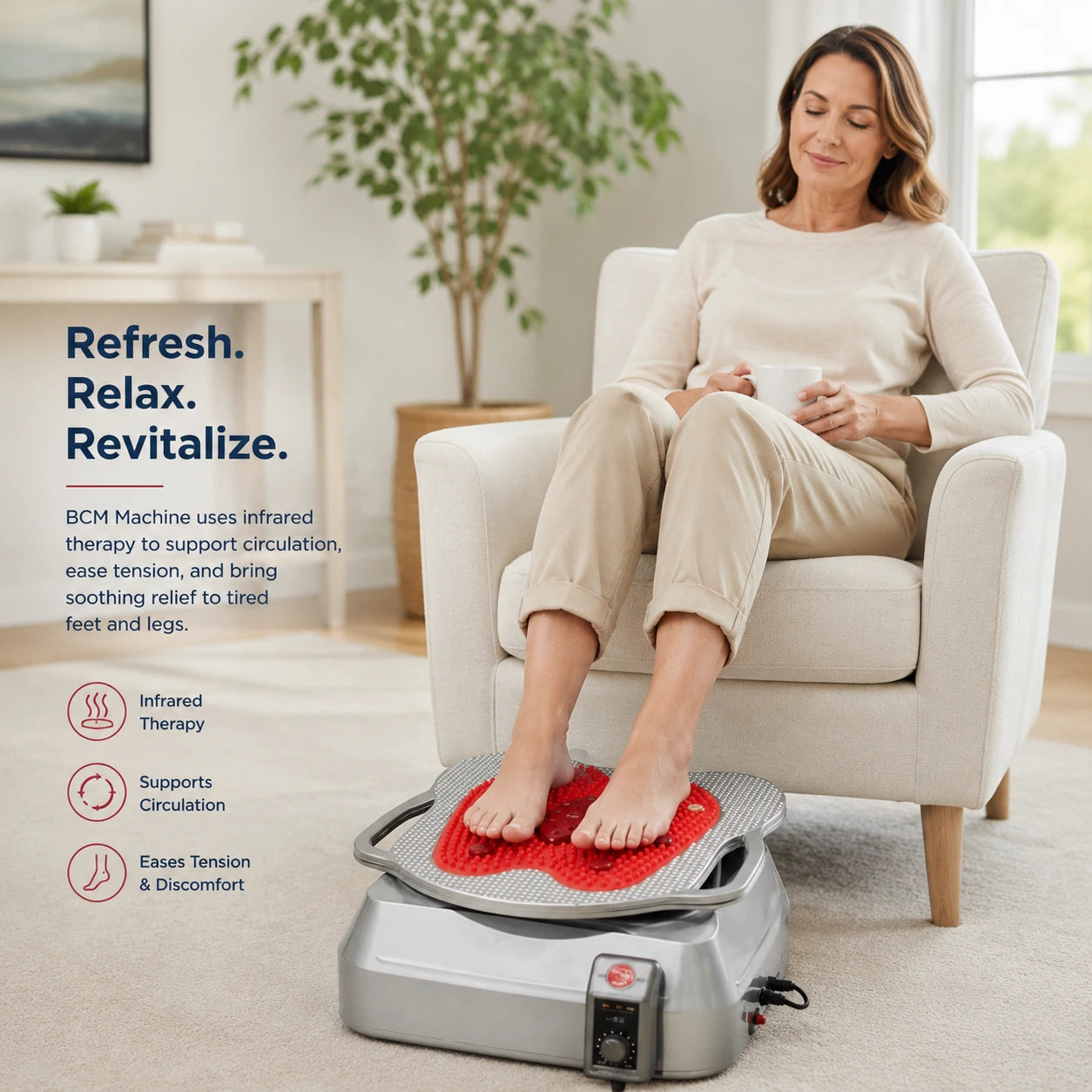
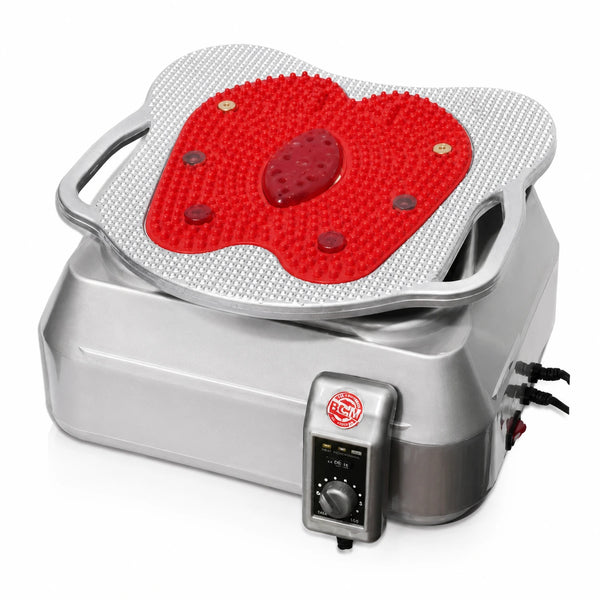
Save 50%
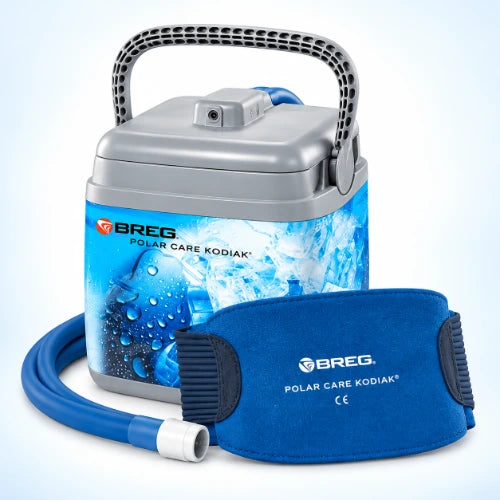
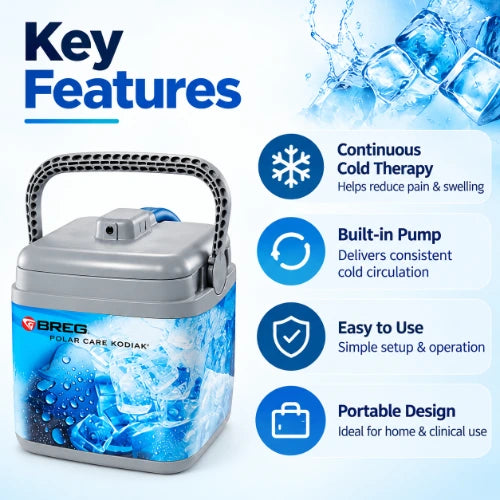

Save 10%
Save 50%

Save 27%

Save 48%

Save 50%

Save 16%
Save 20%
Save 50%

Save 24%
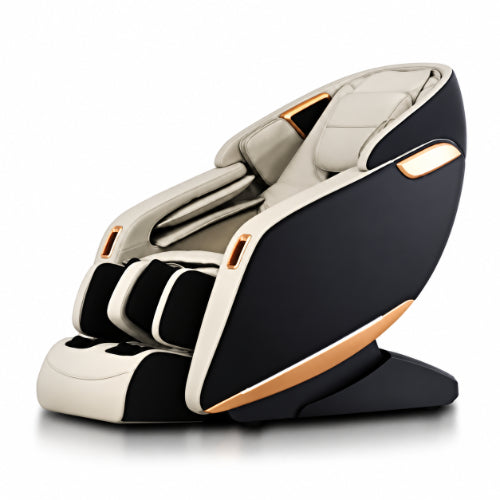
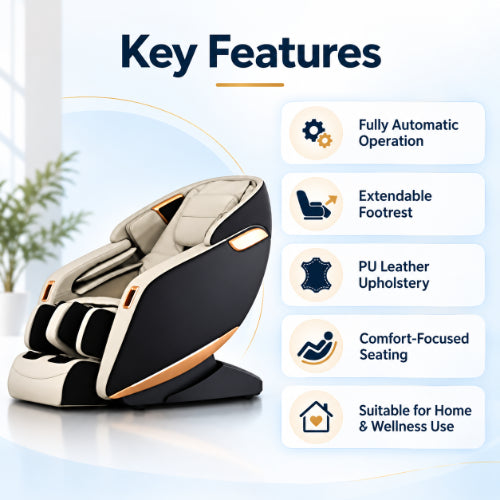

Save 36%
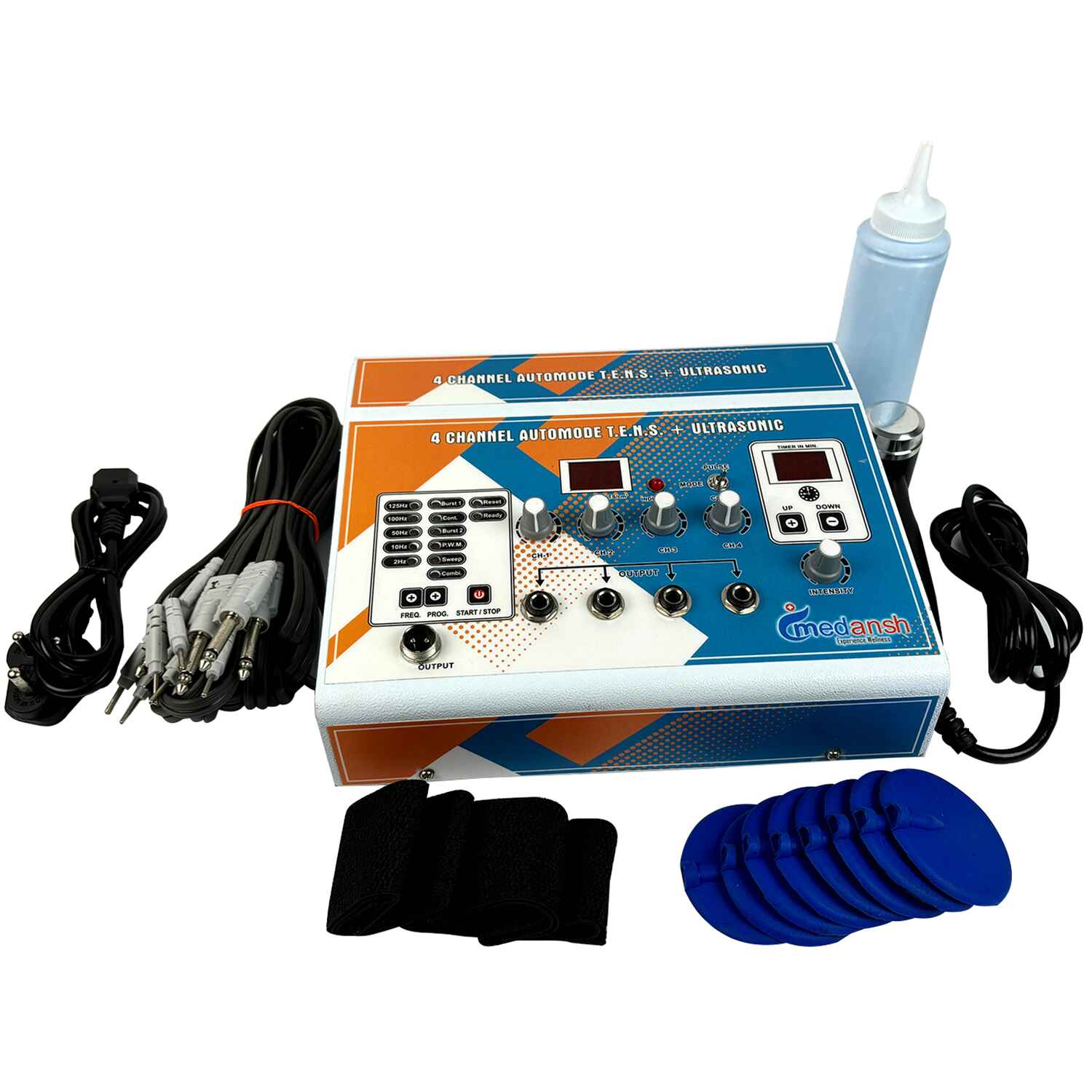
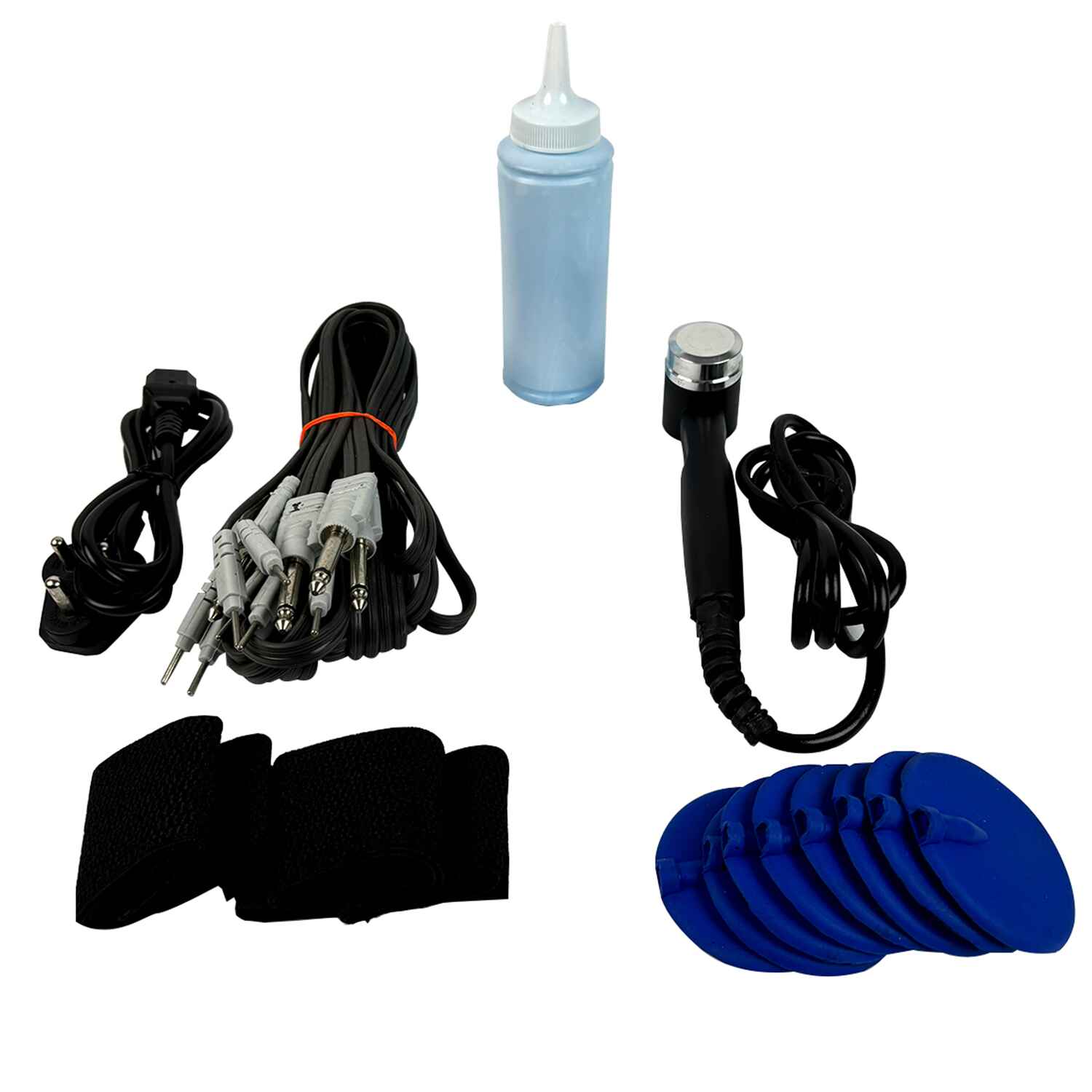

Save 50%

Save 50%

Sold out
Sold out

What customers say
★★★★★ 5.0 · 23 reviews
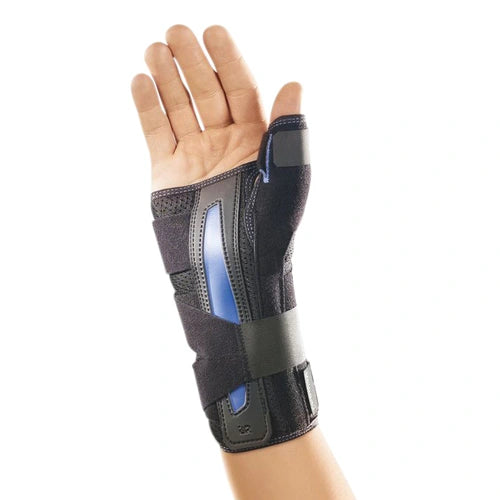
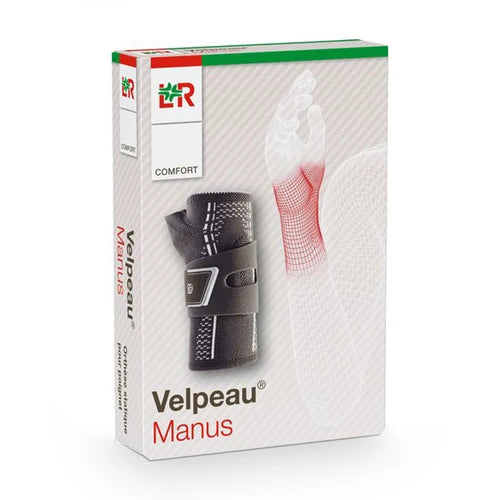
 Wrist Support Manu Xpro Right from Velpeau France
“Comfortable, supportive, great for recovery!”
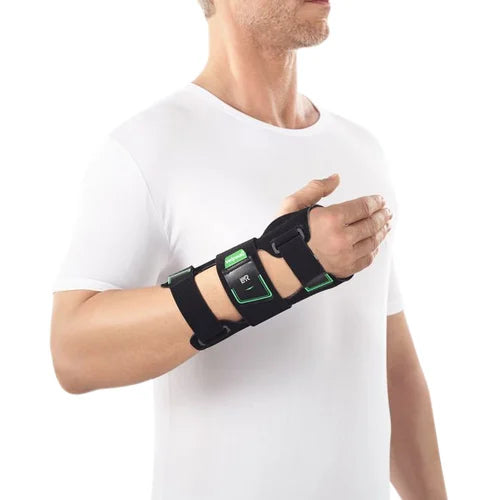
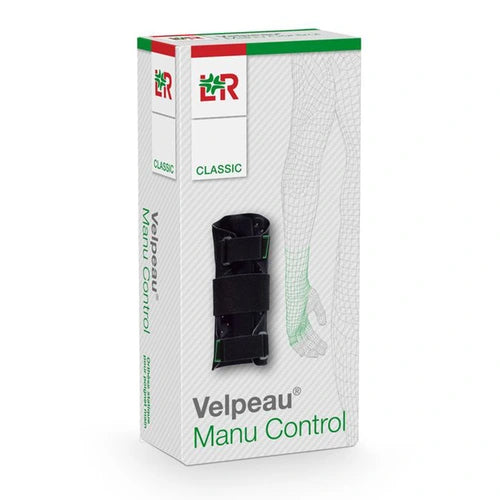
 Wrist Support Manu Control Classic from Velpeau France
“Perfect fit, supportive, highly recommended!”
“The Wrist Support Manu Control Classic from Velpeau France offers great stability and comfort, effectively ...”
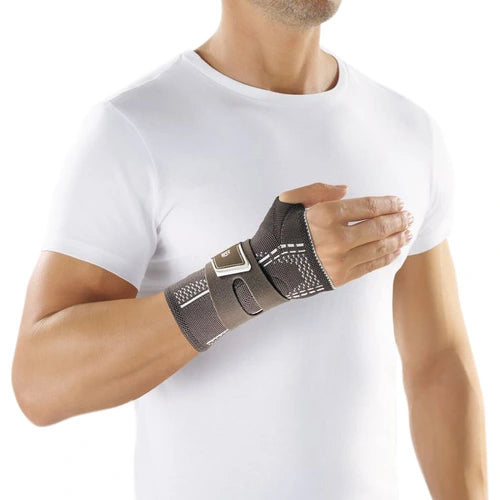
 Wrist Support Manu Comfort Left from Velpeau France
“Comfortable, supportive, great fit overall!”
“The Wrist Support Manu Comfort Left from Velpeau France offers great comfort and secure support, helping to...”
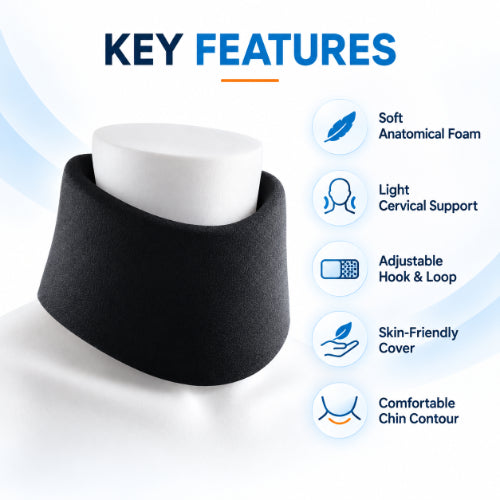
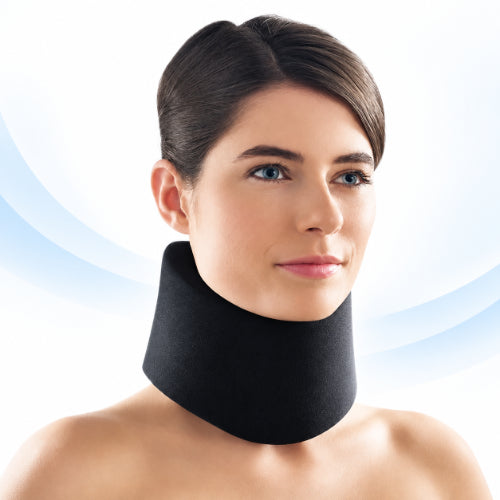
 Neck Collar Cervix 2 Classic from Velpeau France
“Supportive, comfortable, perfect for recovery!”
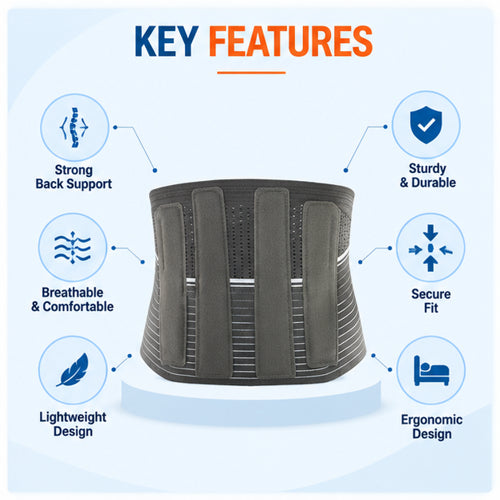
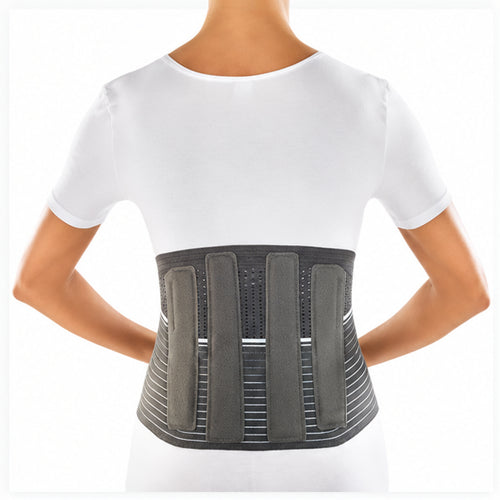
 Velpeau Dorsafit Lumbar Support Belt | Comfortable Back Support
“Sturdy, comfortable, great for posture!”
“The Lumbar Support Belt Dorsafit from Velpeau France is fantastic! It offers excellent lower back support a...”
 Velpeau Epi Comfort Elbow Support for Tennis & Golfer’s Elbow
“Comfortable, supportive, perfect for relief!”
“The Elbow Support Epi Comfort from Velpeau France is fantastic! It offers great support and relief without ...”
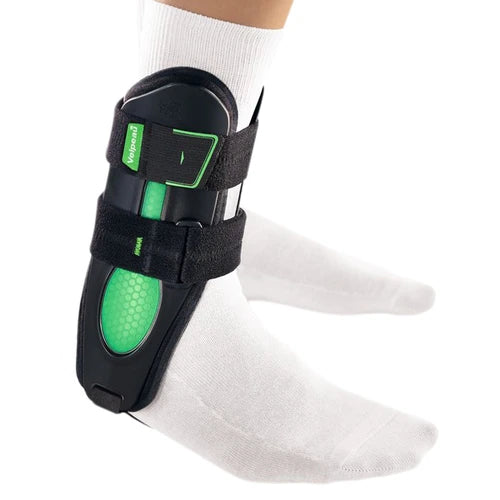
 Ankle Brace Freecast Adjust Universal Size from Velpeau, France
“Adjustable, comfortable, great for ankle!”
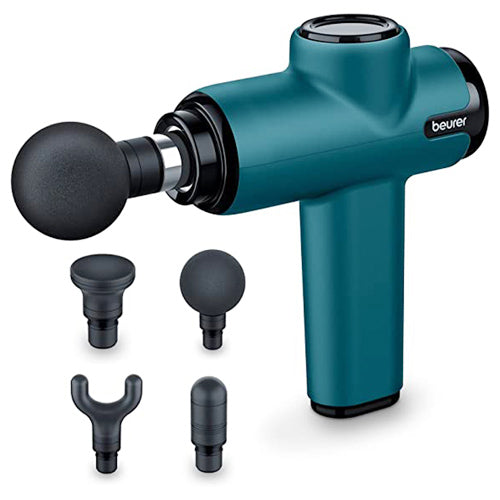
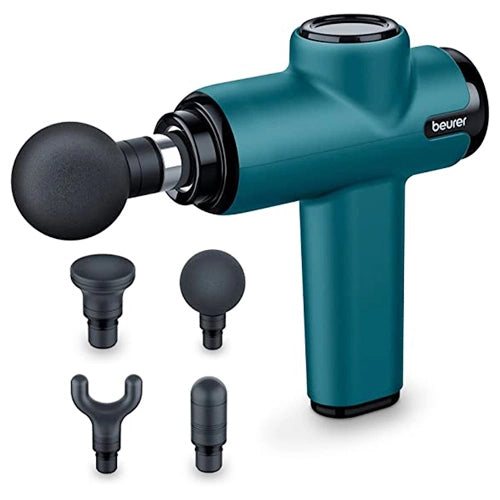
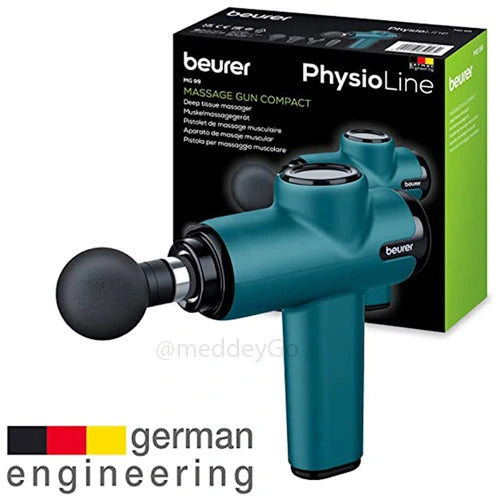
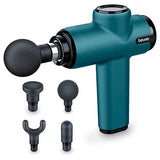 Beurer MG 99 MASSAGE GUN compact
“Effective for muscle relief, very portable!”
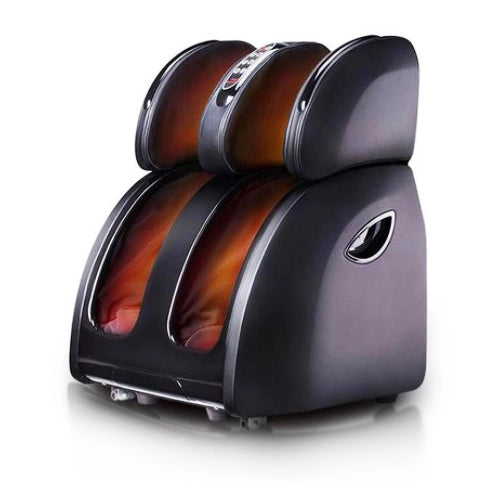
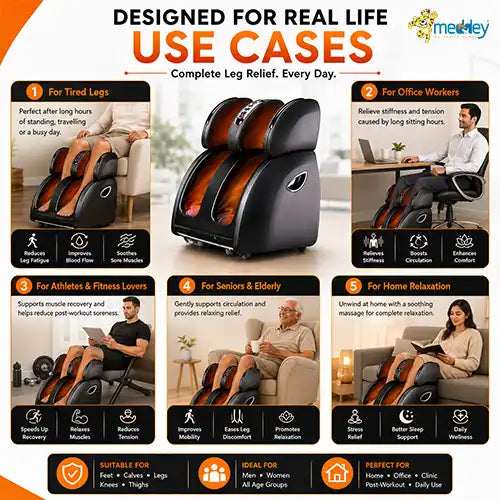
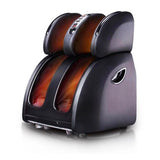 Heavy Duty Massager for Feet Calves Legs Knees and Thighs
“Great relief for feet, calves, and legs!”
“The Heavy Duty Massager offers a deep, soothing massage for my feet, calves, legs, knees, and thighs, effec...”
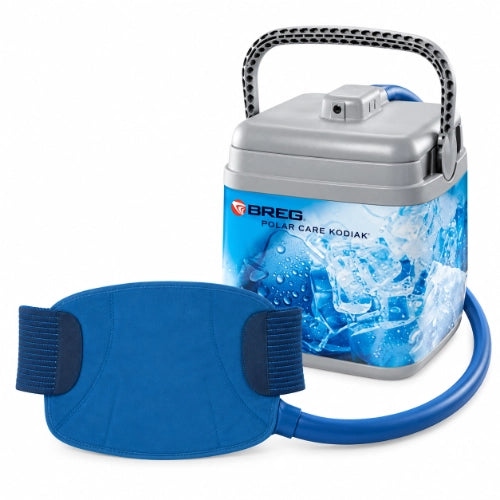
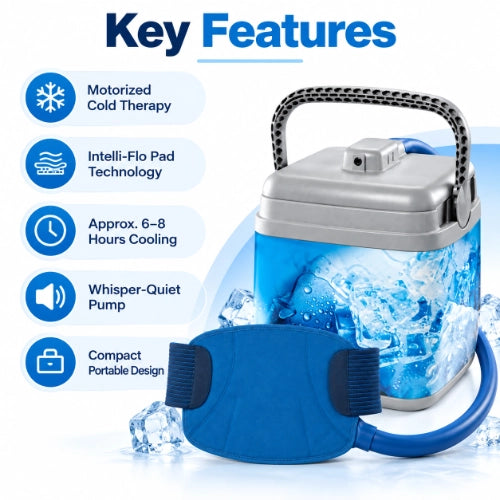
 Polar Care Kodiak® Ice Machine – Motorized Cold Therapy System
“With its easy-to-use design and long-lasting ice retention, this machine is perfect for reducing inflammati...”
“This ice therapy machine is lightweight, quiet, and delivers excellent cooling performance. The wrap-around...”
Pain Relief Devices & Products for Home Use
Pain Relief at Home: Devices, Products & Easy Ways to Feel Better
Pain relief at home starts with knowing what kind of pain you have, what makes it worse, and which simple tools can help you feel better without making the problem worse. For many everyday aches, the first steps are gentle movement, rest from the activity that triggered the pain, heat or cold, safe over-the-counter products, and supportive pain relief devices used correctly. This guide walks through easy options for back, neck, knee, shoulder, and muscle pains, plus clear signs that it is time to get medical help.
Consult your doctor or physiotherapist before using any pain relief device. Do not use electrical therapy with a pacemaker, during pregnancy, with epilepsy, on skin problems, or over open wounds.
Home care is not a replacement for a doctor when pain is severe, new, spreading, or linked with worrying symptoms. But for mild strains, stiffness, overuse aches, and day-to-day soreness, a calm plan can make a big difference. The goal is simple: get enough pain relief to move safely, sleep better, and return to normal activity step by step.
Which device is best for pain relief at home?
The best device for pain relief at home depends on the type of pain. Heat pads often help stiff muscles and joints, and cold packs help fresh swelling. A pain relief massager may help tight muscles, and a TENS unit may ease some nerve or muscle-related pain. A pain relief belt or brace may give short-term support during movement. No single device is best for everyone. The safest choice is the one that matches your symptoms, feels comfortable, and does not hide symptoms while you keep doing the activity that caused it.


A good home setup does not need to be complicated. Most people can start with a reusable cold pack, a safe heating pad, a supportive pillow, comfortable shoes, and a small set of gentle stretches. If aches keep coming back, then a massager, knee sleeve, back support, or TENS unit may be worth considering for pain relief.
Before using any device, read the instructions and avoid using it on numb skin, broken skin, or areas where you cannot feel temperature well. A TENS unit uses low-voltage electrical current and may help some people during use. However, Cleveland Clinic advises talking with a healthcare provider first, especially if you are pregnant or have an implanted device such as a pacemaker.
A simple pain relief at home plan
When pain starts, it is tempting to try everything at once. A better plan is to slow down, notice what your body is telling you, and choose one or two safe steps. This helps you avoid over-treating the area or irritating it more.

Use this basic home checklist:
- Pause the painful activity. Do not push through sharp discomfort. Switch to lighter tasks for a short time.
- Check for swelling, bruising, heat, or weakness. These clues help you decide whether cold, rest, or medical advice is needed.
- Use heat or cold pain relief wisely. Cold is often better soon after a new injury. Heat often brings relief for stiffness.
- Move gently, not aggressively. Short walks, easy range-of-motion movements, and light stretching are usually better than total bed rest for many mild aches.
- Support the area if needed. A brace, wrap, pillow, or pain relief belt may help you move with less strain.
- Sleep and hydrate. Tired, tense muscles often feel worse, and poor sleep can make pain feel louder.
- Track what helps. Write down what you tried, for how long, and whether your pain relief improved or worsened.
This plan works best for mild pain from overuse, posture, simple strain, or stiffness. It is not meant for serious injury, chest pain, sudden weakness, major swelling, fever, or pain after a hard fall.
Heat and cold pain relief made simple
Heat and cold are two of the easiest pain relief tools to use at home. Cold can reduce swelling and calm a fresh injury, while heat can relax tight muscles and help stiff joints move more comfortably. Cleveland Clinic notes that heat and cold are among the most common home remedies for pain relief, with ice often used for new bruises or sprains. People often use heat for stiffness.

When cold is usually better for relief
Cold is often a good first choice when pain is new, sharp, swollen, or linked to a twist, bump, or overuse flare. It can be helpful for a sore knee after too many stairs, a shoulder that aches after lifting, or a strained muscle in the first day or two. Wrap the cold pack in a towel so it does not sit directly on your skin.

A simple cold pain relief routine is 10 to 20 minutes at a time, then take a break. Do not fall asleep on an ice pack. Stop if your skin becomes very painful, white, blue, or numb.
When heat is usually better for relief
Heat is often better for stiffness, tight muscles, and aches that feel better once you loosen up. It may help neck tension after computer work, lower back tightness in the morning, or sore muscles after a long day. Use comfortable warmth, not high heat.


For pain relief, try heat for 15 to 20 minutes, then move gently while the area feels relaxed. A warm shower, moist heat pack, or heating pad can all work. Avoid heat on fresh swelling, open skin, or areas with poor feeling.
When alternating heat and cold helps
Some aches get pain relief from both. For example, back pain relief may start with cold if the area feels irritated, then shift to heat once stiffness becomes the main problem. If one option clearly makes symptoms worse, stop and use the one that feels better.
Natural pain relief that supports healing
Natural pain relief does not mean ignoring pain or refusing medical care. It means using simple, low-risk habits that help the body calm down and move better. These options are often most helpful when used together, not as a one-time fix.
Start with gentle movement. When pain allows, easy walking, light stretching, and relaxed range-of-motion exercises can keep joints and muscles from getting stiffer. For back pain, Mayo Clinic Health System says many cases improve within four to six weeks with self-care such as heat or ice, over-the-counter medicine, exercise, and rest.
Relaxation and everyday natural pain relief
Breathing and relaxation can also help. Stress often makes shoulders rise, jaws clench, and muscles tighten. A few minutes of slow breathing, a warm bath, or quiet stretching before bed may lower that tension and add to your pain relief.

Try these natural pain relief habits:
- Move a little, often. Short, easy movement breaks are better than one hard session.
- Stretch gently after warming up. Do not bounce or force the stretch.
- Improve your work setup. Keep your screen at eye level, feet supported, and shoulders relaxed.
- Use pillows for support. A pillow under the knees, between the knees, or under the arm can reduce strain while resting.
- Sleep on a steady schedule. Poor sleep can make normal aches feel stronger.
- Stay hydrated and eat regular meals. Muscles and joints often feel worse when the body is run down.
- Ease back into activity. A pain-free day does not mean the area is ready for full effort.
What is the best natural pain relief? For many everyday aches, it is a mix of gentle movement, heat or cold, rest from the trigger, better posture, and sleep. The “best” choice is the one that gives pain relief without causing new pain later.
Pain relief devices and products for home users
Pain relief devices can be useful, but they work best when you understand what each one is meant to do. A pain relief product should make it easier to move safely or relax tight tissue. It should not encourage you to ignore sharp pain, swelling, numbness, or weakness.
Pain relief massager
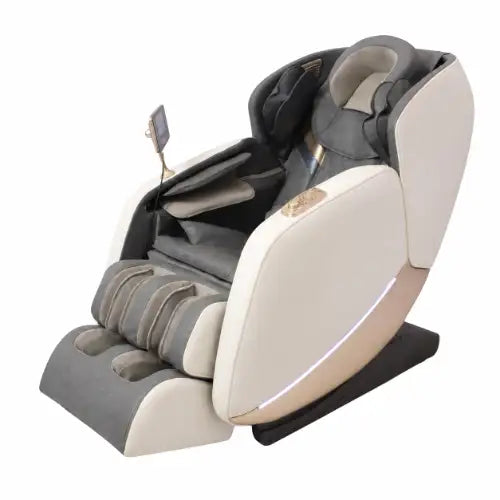
A pain relief massager may help when pain comes from muscle tightness, stress, or mild soreness. It can feel good on the upper back, shoulders, calves, thighs, and other large muscle areas. Start with the lowest setting and short sessions, especially if you are new to massage devices.


Do massagers help with pain relief? They can help some people feel looser and more comfortable, especially when muscle tension is part of the problem. MedlinePlus notes that muscle aches from overuse and fibromyalgia often respond well to massage, and gentle stretching after rest may also help.
Avoid using strong massage over fresh bruises, swollen joints, broken skin, varicose veins, or areas with numbness. If a massager makes the ache sharper or causes tingling, stop.
TENS units for pain relief
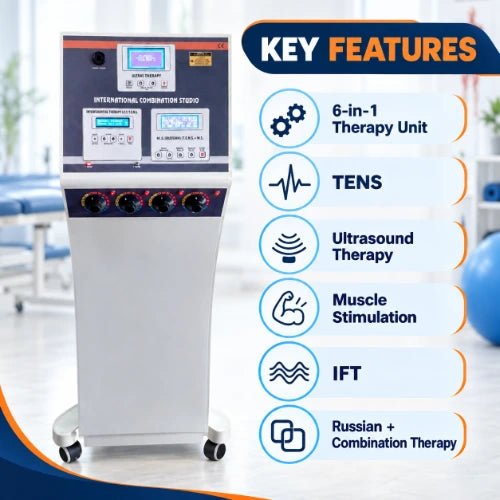
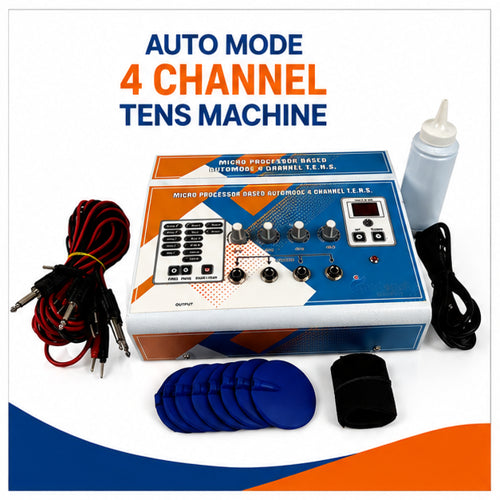
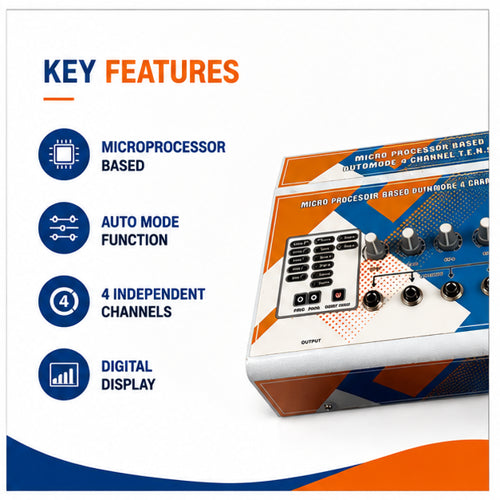
A TENS unit is a small device with pads that stick to the skin. It sends mild electrical pulses through the surface of the skin. Some people use it for pain relief from back pain, knee pain, neck pain, arthritis pain, tendon pain, or muscle pain.


TENS can feel like buzzing, tapping, or tingling. It should feel strong but comfortable, never painful. Because pad placement matters, it is smart to ask a doctor, physical therapist, or pharmacist how to use it safely.
Heat wraps, cold packs, and reusable pads for relief
Heat wraps and cold packs are simple pain relief products that belong in many homes. Reusable packs are often cheaper over time and can be used for many body areas. Instant cold packs may be handy for travel, sports, or outdoor activities.
Choose a pack that bends around the body part you need to treat. For knees and shoulders, flexible wraps are easier than hard packs. For the neck, a soft wrap often stays in place better.
Pain relief belt and braces
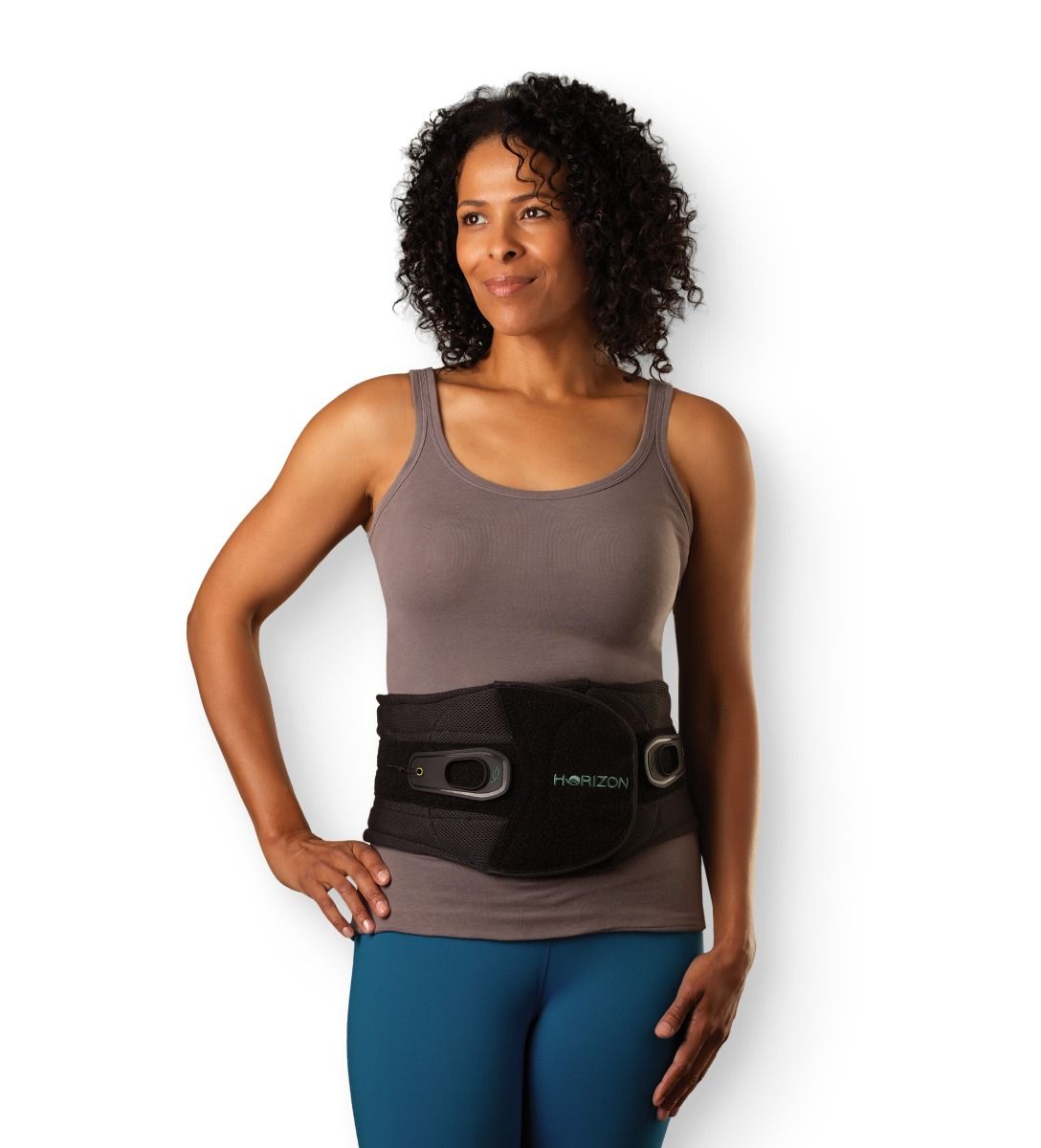
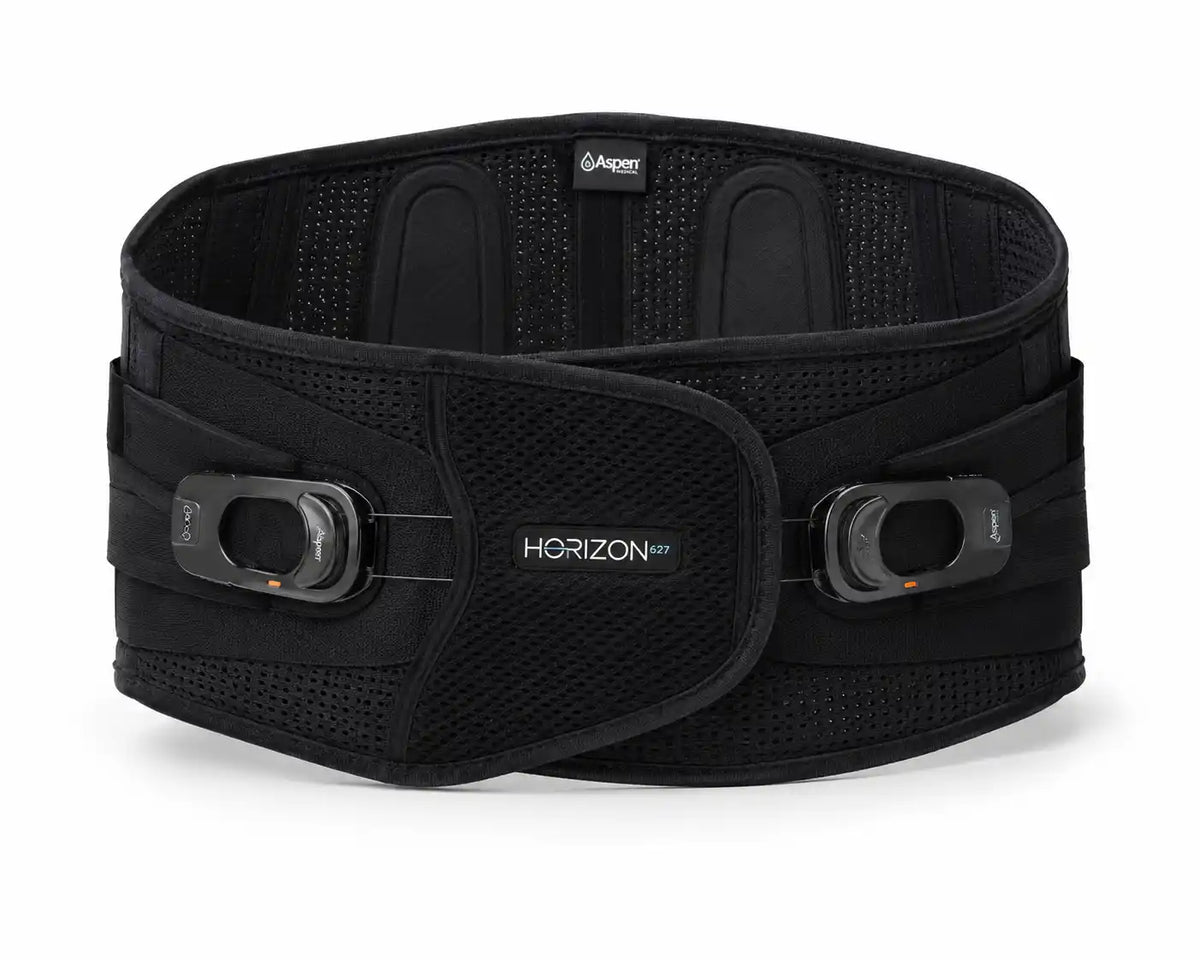
A pain relief belt, back brace, knee sleeve, or shoulder support can give short-term support. These products may remind you to move more carefully and may reduce strain during light tasks. They are not a fix, and wearing them all day without a plan can sometimes make you depend on them too much.


Use support products for specific activities, such as walking, chores, or short periods of standing. If you need a brace every day just to function, it is time to ask a healthcare provider what is causing the pain.
Topical relief products and over-the-counter medicine
Creams, gels, patches, and sprays can offer local pain relief. Some feel warm, some feel cool, and some contain anti-inflammatory medicine. Avoid putting heating pads over medicated creams unless the label says it is safe, because heat can increase absorption and irritate skin.

Over-the-counter pain relievers may help, but they should be used exactly as the label says. The FDA advises following directions for common over-the-counter pain relievers and warns that taking more than recommended can cause serious harm.
Pain relief for common body aches
Different body areas need different kinds of pain relief. The same tool that helps a stiff neck may not be right for a swollen knee. Use the location of pain, the way it started, and your symptoms to guide your next step.

Back pain relief at home
Back aches are one of the most common reasons people look for pain relief at home. It may come from lifting, sitting too long, sleeping awkwardly, stress, weak core muscles, or sudden twisting. The first goal is not to “fix” everything in one day. It is to calm the area enough to move safely.


For fast back pain relief, stop the activity that triggered it, use cold or heat, take short walks if you can, and avoid long periods in bed. Gentle movement often gives more pain relief than staying still all day. If sitting makes it worse, try standing for a few minutes. You can also try lying on your side with a pillow between your knees, or lying on your back with knees supported.
How can I relieve back pain at home fast? Use a short rest break, apply cold for a fresh strain or heat for stiffness, move gently, and avoid lifting or twisting for a while. If pain shoots below the knee, causes weakness or numbness, follows a fall, or comes with bladder or bowel problems, get medical advice quickly. Mayo Clinic Health System lists these as signs that back pain needs medical attention.
Helpful back pain relief products may include a heating pad, cold pack, lumbar pillow, firm mattress support, pain relief belt, or TENS unit. Use them as part of a plan, not as the whole plan.
Pain relief for neck pain
Neck aches often come from looking down at a phone, sitting at a desk, sleeping in a poor position, stress, or muscle tension. It may feel like stiffness, a dull ache, headache at the base of the skull, or discomfort that spreads into the shoulder.

How do I relieve neck pain quickly? Start by changing position, relaxing your shoulders, using heat or cold, and doing gentle neck movements within a comfortable range. NHS guidance for neck pain relief suggests using a low, firm pillow, trying heat or cold packs. It also suggests keeping the neck moving rather than using a collar unless a doctor tells you to.
Try this simple neck pain relief reset:
- Sit tall with both feet on the floor.
- Drop your shoulders away from your ears.
- Turn your head slowly right and left, only as far as comfortable.
- Tuck your chin slightly, as if making the back of your neck longer.
- Take five slow breaths.
Do not force your neck into deep stretches. If pain travels down the arm, causes weakness, causes numbness, follows an injury, or does not improve, seek medical advice.
Pain relief for knee pain
Knee aches can come from overuse, arthritis, running, stairs, squatting, weight changes, weak hip muscles, or a sudden twist. Pain relief for knee pain often begins with reducing stress on the joint. That may mean avoiding stairs for a short time, switching to low-impact exercise, or using a knee sleeve during light activity.

For a sore or swollen knee, the RICE method can bring pain relief: rest, ice, compression, and elevation. AAOS describes RICE and activity changes as common home care for patellofemoral pain, including ice for 20 minutes at a time, avoiding painful activity, and raising the knee when possible.
A simple knee pain relief plan:
- Rest from painful moves like deep squats, jumping, or running.
- Use ice if the knee is swollen or recently irritated.
- Try compression with a comfortable wrap or sleeve, not too tight.
- Elevate the leg when resting.
- Return slowly with walking, cycling, or gentle strengthening if pain allows.
See a doctor if your knee locks, gives way, is badly swollen, cannot bear weight, looks red and hot, or does not improve.
Pain relief for shoulder pain
Shoulder aches may come from overuse, reaching overhead, lifting, rotator cuff irritation, poor posture, or sleeping on one side. It can also be referred from the neck. Because the shoulder moves in many directions, gentle motion is important, but forcing painful movement can make things worse.
For new shoulder soreness, ice and rest from overhead lifting may give pain relief. MedlinePlus suggests ice for shoulder pain in short sessions, resting for a few days, slowly returning to normal activity, and practicing good posture. It also warns that sudden crushing left shoulder pain with chest, jaw, arm, neck symptoms, shortness of breath, dizziness, or sweating can be an emergency.
At home, keep daily items between waist and shoulder height so you do not have to reach high. Use a pillow to support the arm when sitting. Try gentle pendulum movements if they feel comfortable, but stop if it becomes sharp.
Pain relief for muscle pain
Muscle aches often come from overuse, tension, a new workout, lifting, yard work, or holding one position too long. Pain relief for muscle pain usually works best when you combine rest, gentle movement, hydration, and the right temperature therapy.

What is the best pain relief for muscle pain? For a new strain, rest the muscle and use ice first; after the first day or two, heat may give more relief. MedlinePlus recommends rest, acetaminophen or ibuprofen when appropriate, ice for the first 24 to 72 hours after injury, and heat afterward when it feels soothing.
A pain relief massager may help tight muscles, but use light pressure. If muscle pain is severe, unexplained, linked with fever, rash, weakness, dark urine, or a new medicine, contact a healthcare provider.
How to relieve pain fast without overdoing it
Everyone wants fast pain relief, but fast should still be safe. Discomfort is a signal. The goal is to turn down the signal while you protect the area and avoid making it worse.
Use this quick 15-minute pain relief plan:
- Minute 1: Stop and rate the pain from 0 to 10.
- Minutes 2 to 5: Get into a supported position.
- At minutes 5 to 10: Apply heat or cold, depending on the type of pain.
- Minutes 10 to 13: Breathe slowly and relax nearby muscles.
- At minutes 13 to 15: Try one small movement. If discomfort spikes, stop.
When the pain drops, continue with gentle activity. If it stays severe, spreads, or comes with weakness, numbness, fever, chest pressure, or major swelling, do not keep trying home remedies.
Safety rules for home pain relief
Home pain relief products can help, but they can also cause trouble if used carelessly. More heat, more pressure, or more medicine is not always better. Small, steady steps are safer.


Follow these safety rules:
- Do not put ice or heat directly on bare skin.
- Never use heat while sleeping.
- Do not use strong massage on swollen, bruised, or injured areas.
- Avoid wrapping braces or compression sleeves so tightly that toes or fingers tingle or change color.
- Take no more medicine than the label allows.
- Do not combine products with the same active ingredient unless a healthcare professional says it is okay.
- Keep a TENS unit away from the head, throat, chest, or broken skin unless guided by a professional.
- Do not ignore aches that are getting worse each day.
These pain relief rules are especially important for older adults, people with diabetes, people with poor circulation, people taking blood thinners, and anyone with heart, kidney, liver, stomach, or nerve conditions.
When should I see a doctor for pain?
You should see a doctor for pain when it is severe, unexplained, getting worse, lasts longer than expected, follows a serious injury, limits normal movement, or comes with warning signs such as fever, weakness, numbness, swelling, redness, chest pressure, shortness of breath, or bladder or bowel changes. Home pain relief is best for mild, familiar aches; medical care is best when pain feels unusual, unsafe, or does not improve.
Get urgent help right away if pain comes with chest pressure, trouble breathing, sudden weakness, confusion, fainting, severe injury, loss of bladder or bowel control, or numbness in the groin area. For back pain, Mayo Clinic Health System advises medical attention when pain follows a fall or injury, is constant or intense, spreads below the knee, causes weakness or tingling, comes with redness or swelling, causes weight loss, or includes new bowel or bladder problems.
For muscle pain, MedlinePlus advises contacting a provider if pain lasts more than three days, is severe and unexplained, shows signs of infection such as swelling or redness, follows a tick bite or rash, or is linked with starting or changing a medicine. Emergency help is advised for symptoms such as shortness of breath, trouble swallowing, severe weakness, inability to move part of the body, vomiting, very stiff neck, or high fever.
Frequently asked questions about pain relief
When should I see a doctor for pain? See a doctor if pain is severe, unusual, getting worse, caused by a major injury, or not improving with simple home care. Get urgent help for chest pressure, trouble breathing, sudden weakness, loss of bladder or bowel control, numbness in the groin area, high fever, or pain with major swelling, redness, or infection signs.
Is heat or cold better for pain relief? Cold is often better for new injuries, swelling, bruising, or sharp irritation. Heat is often better for stiffness, tight muscles, and aches that loosen with movement. If one makes symptoms worse, stop and try the other.
Back, muscle and natural pain relief questions
How can I relieve back pain at home fast? Pause painful activity, use cold for a fresh strain or heat for stiffness, take short gentle walks, support your back with pillows, and avoid heavy lifting or twisting. If pain goes down the leg, causes numbness or weakness, or comes with bladder or bowel changes, seek medical care.
What is the best pain relief for muscle pain? For many muscle aches, the best first steps are rest from the trigger, ice for a new strain, heat later for stiffness. Add gentle stretching, enough sleep, and safe use of over-the-counter medicine if appropriate. A pain relief massager may help tight muscles, but avoid deep pressure on a fresh injury.
What is the best natural pain relief? The best natural pain relief is usually a combination of gentle movement, heat or cold, better posture, stress reduction, stretching, hydration, and sleep. No natural method works for every pain, so choose what helps without making symptoms worse.
Pain relief device and massager questions
Which device is best for pain relief at home? For swelling, use a cold pack. For stiffness, use heat. A massager may bring pain relief for muscle tightness. For some nerve or muscle pain, a TENS unit may help during use. For support during activity, a brace or pain relief belt may be useful for short periods.

How do I relieve neck pain quickly? Change position, lower your shoulders, use heat or cold, try gentle neck movements, and avoid looking down at your phone for long periods. Use a low, firm pillow and avoid a neck collar unless a doctor tells you to use one.
Do massagers help with pain relief? Massagers can give some people pain relief from tight, sore, or overworked muscles. They are less helpful for serious injury, swelling, infection, numbness, or joint problems that need medical care. Start gently and stop if it becomes sharp.
The main takeaway
Pain relief at home works best when it is simple, safe, and matched to the kind of pain you have. Heat, cold, gentle movement, natural pain relief habits, supportive products, and pain relief devices can all help with everyday back, neck, knee, shoulder, and muscle pain relief when used wisely.
The most important rule is to listen to your body. If the ache eases and movement improves, keep going slowly. If pain gets worse, feels unusual, or comes with warning signs, stop home treatment and get medical advice.
Explore more pain relief devices
Electrotherapy devicesUltrasound devicesIFT devicesBody massagersHeat and cold packs
Explore Medical Collections
All Categories
Abdominal & Maternity Support

Accessories

Accu-Chek Instant Strips: Use, Compatibility, Price & Blood Sugar Testing Guide
Accu-Chek Instant Strips: Uses, Features & Complete Guide

accupuncture

Acupuncture Needles & Supplies

Advanced Physiotherapy Machines & Lumbar Physiotherapy

Airways

Ambulance

Anatomy Models
Anesthesia Machine

Anesthesia Products
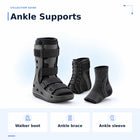
Ankle Support for Home Use: Braces, Sleeves & Walker Boots
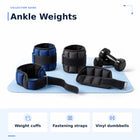
Ankle Weights & Exercise Weights for Home & Rehab

Anti-Bedsore Air Mattresses
You may also need
FOR YOURecommended for you
Save 39%
Save 50%
Save 29%
Save 12%
Save 12%
Save 22%
Save 47%
Save 10%