


Featured ChoiceSave 47%

Save 39%

Save 44%

Save 27%

IFT Machine for Home Use: Uses, Benefits & Buying Guide
IFT machine for home use can be a helpful pain-relief tool when you choose it carefully, use it correctly, and follow advice from a doctor or physiotherapist. An IFT machine sends gentle electrical currents through pads on the skin to support pain control, muscle relaxation, and comfort during recovery. This guide explains what an IFT machine does, how interferential therapy works, who should avoid it, how it compares with TENS, and how to buy and use one safely at home.
Consult your doctor or physiotherapist before using an IFT machine, especially with a pacemaker, pregnancy, epilepsy, skin problems or open wounds.
Can I use an ift machine at home?
Yes, many people can use an ift machine at home, but you should not treat it like a casual gadget. An IFT machine is still an electrotherapy device, so the safest plan is to get a diagnosis first, ask a physiotherapist where to place the pads, and follow the user manual for your exact model.


Home use is usually best for ongoing aches that have already been checked, such as recurring back stiffness, knee discomfort, or muscle soreness after a strain. An IFT machine is not a replacement for medical care when symptoms are sudden, severe, spreading, linked with weakness or numbness, or caused by an injury you have not had assessed.
A simple way to think about it is this: an IFT therapy machine may help reduce pain signals and relax tight tissue, but it does not “fix” the reason the soreness began. For lasting results, an IFT machine often works best alongside movement, posture changes, strengthening exercises, rest, and any treatment plan your clinician has given you.
What an ift machine is
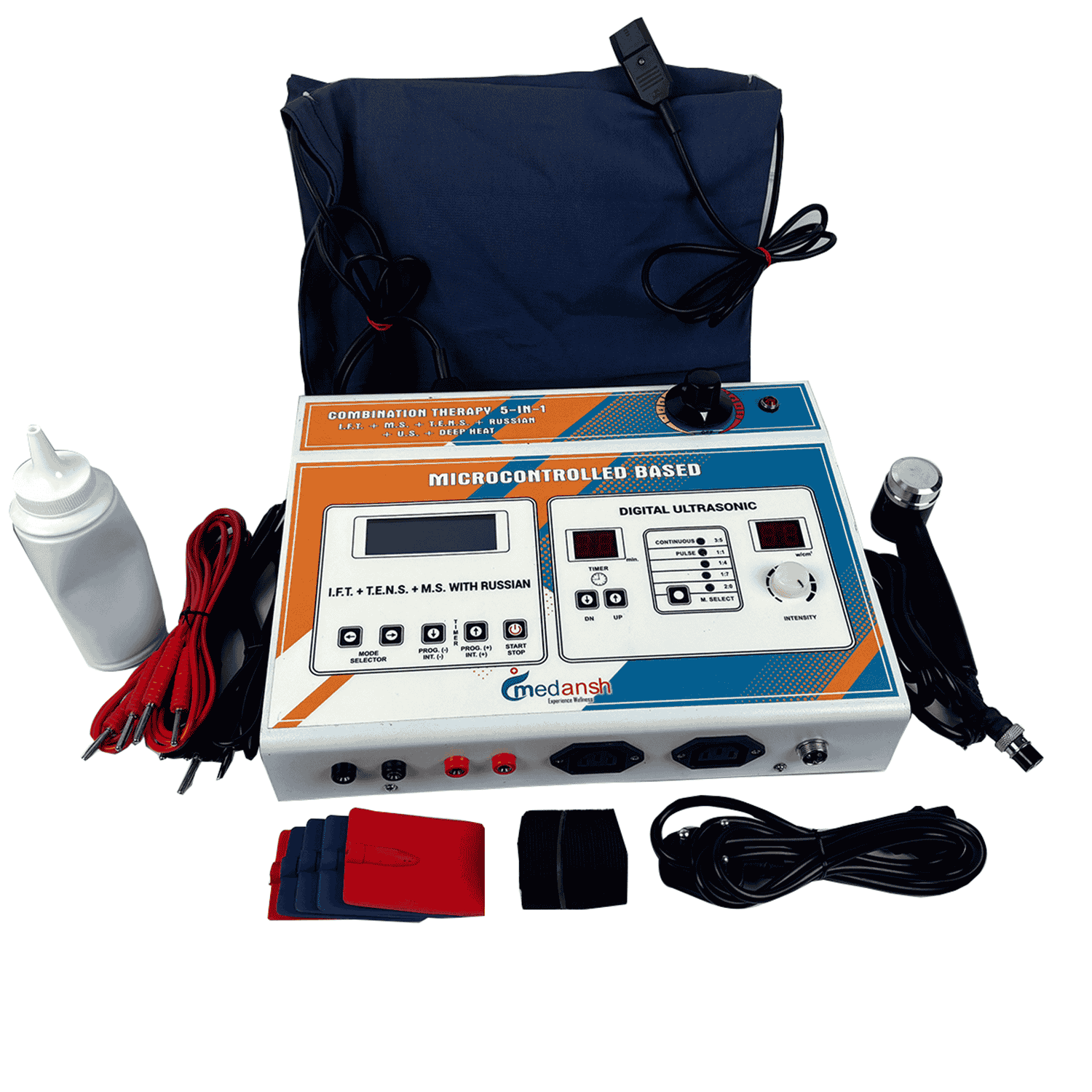
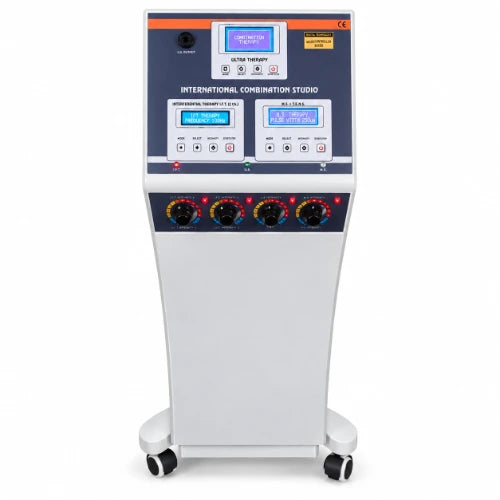
An ift machine is a small electrotherapy device used in physiotherapy and, in some cases, at home. IFT stands for interferential therapy. You may also see it called an interferential therapy machine, interferential current device, or simply an IFT therapy machine.


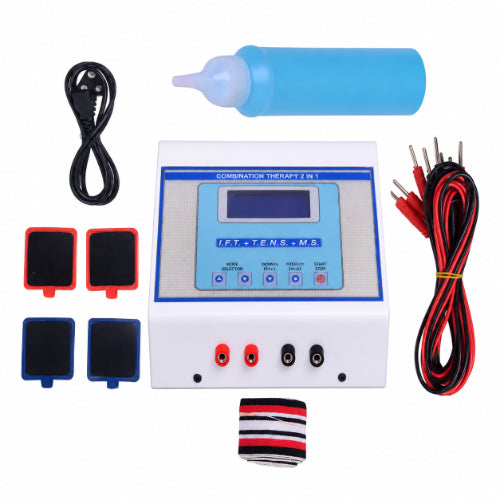
The IFT machine usually has leads and sticky electrode pads. You place these pads around the painful area, not randomly on the body. Once turned on, the IFT unit sends mild electrical signals through the skin. Many users describe the feeling as tingling, buzzing, or pulsing. It should feel comfortable, not sharp, burning, or painful.
With a physiotherapist, ift physiotherapy is often part of a wider plan. A physiotherapist may use an IFT machine to calm discomfort before exercise, reduce muscle guarding, or make movement easier. At home, the goal is similar: short sessions that support comfort and daily movement, not long or repeated sessions without guidance.
How ift machine works in simple terms
The easiest way to understand how ift machine works is to picture two gentle currents meeting under the skin. These currents are set at slightly different frequencies. When they cross, they create a new pulsing effect in the target area. This is why the treatment is called interferential therapy.
This pulsing current may help in several ways. It can make the nerves less focused on pain signals, support local comfort, and relax muscles that have become tight around a sore joint or tender area. Some explanations of interferential current therapy describe the crossing currents as a way to produce a deeper, more comfortable stimulation than some other surface-level electrical treatments. Research reviews describe interferential current as a common electrotherapy option used for painful musculoskeletal conditions, although results can vary by condition and treatment plan.
For home users, the key point is simple: the IFT unit does not “send electricity into the body” in a harsh way. A properly used IFT machine sends controlled, mild stimulation through pads on the skin. You control the intensity, and you should always keep it at a comfortable level.
How does interferential therapy work?
Interferential therapy works by using two medium-frequency currents that cross each other and create a lower-frequency therapeutic effect in the treatment area. In everyday language, this means the IFT machine uses a gentle electrical pattern to “distract” pain nerves and help the area feel less guarded.

The current used in IFT is called interferential current. It is different from a direct shock. The stimulation rises and falls in a controlled rhythm, which is why it may feel like pulsing or waves. Some IFT units allow different modes, such as steady stimulation, sweeping frequency, or programs meant for comfort or muscle relaxation.
Because the current passes between pads, pad placement matters a lot. If the pads are too close, too far apart, placed over unsafe areas, or placed where the skin is damaged, the session may be uncomfortable or unsafe. This is why first-time users should learn correct placement from a trained professional or from the IFT unit instructions.
What an IFT machine is used for
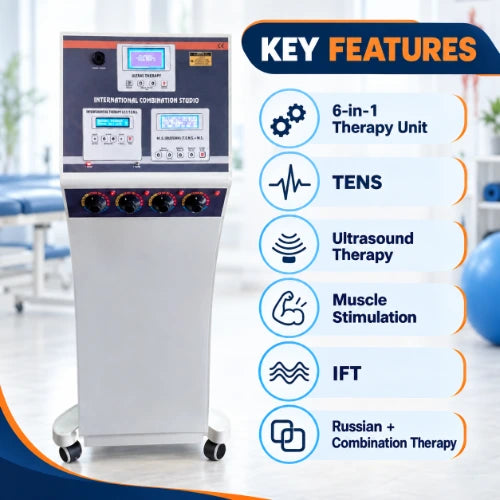
An IFT machine most often supports pain relief and muscle relaxation. In physiotherapy, it may help with back pain, neck and shoulder discomfort, knee osteoarthritis pain, sports-related soreness, joint stiffness, and muscle spasm. At home, people usually consider an IFT machine when they want a drug-free support option for recurring aches.
Common home-use reasons include:
- Back discomfort: an ift machine for back pain may help reduce soreness while you continue gentle movement and strengthening.
- Knee pain: some people use an IFT machine for knee osteoarthritis or long-term knee discomfort as part of a care plan.
- Muscle tightness: pulsing stimulation may help a guarded muscle relax enough for stretching or light activity.
- Joint stiffness: an IFT machine may ease soreness so you can move a stiff area safely.
- Post-activity soreness: some people use an IFT machine after physical activity when a clinician advises it.
It is important to avoid using an ift machine for symptoms that have no clear cause. Chest pain, sudden calf pain with swelling, new weakness, unexplained numbness, fever with joint pain, or discomfort after a serious fall needs medical attention first.
IFT machine benefits for home users
The main ift machine benefits are comfort, convenience, and support for movement. When used properly, an IFT session may reduce discomfort enough to help you do your exercises, walk more comfortably, or get through normal daily tasks with less guarding.

A home IFT machine also gives you more control over timing. Instead of waiting for an appointment, you may be able to use it during a planned session at home. That can be useful for people who have regular flare-ups and already know how their physiotherapist wants them to use the IFT unit.
Some possible benefits include:
- Drug-free support: helpful for people who want a non-medicine option, while still following medical advice.
- Muscle relaxation: tight muscles may feel easier to move after stimulation.
- Better exercise tolerance: less soreness can make rehab exercises feel less intimidating.
- Local comfort: a session may calm a sore area for a short period.
- Easy repeat use when appropriate: home users can follow a planned routine without needing a clinic visit each time.
These benefits can vary. Some people feel quick relief, some feel mild relief, and others do not notice much change. The best results usually come when you use an IFT machine as one part of a broader plan, not as the only treatment.
Conditions where IFT may help
IFT is commonly discussed in relation to musculoskeletal pain, which means discomfort involving muscles, joints, tendons, ligaments, or the spine. An IFT machine may help with both short-term and long-term complaints, depending on the cause and the person’s health.

Back pain
An ift machine for back pain is one of the most common home-use interests. For long-term non-specific low back pain, a systematic review found that interferential current probably reduces pain and disability immediately after treatment compared with placebo, but longer-term results were less clear.
That means IFT may help some people feel better in the short term, especially when discomfort makes movement difficult. You should still pair an IFT machine with sensible steps like gentle walking, core and hip strengthening, posture changes, and avoiding long periods of complete rest unless your clinician advises it.
Knee pain
Does IFT help with knee and back pain? It may help some people with both, but the evidence is stronger for short-term symptom relief than for a lasting fix. A systematic review of knee osteoarthritis studies found improvements in pain and short-term function, while also noting that treatment settings and study quality varied.
For knee pain, IFT may be useful before exercise because less soreness can make strengthening easier. However, an IFT machine cannot rebuild cartilage or replace a full knee-care plan. Weight management, strengthening, footwear, activity changes, and medical care may still be needed.
Neck, shoulder, and muscle pain
Some users ask about an IFT machine for neck or shoulder tightness. A physiotherapist may use it around these areas, but pad placement must be careful. Do not place electrical stimulation on the front of the neck, over the throat, or across the chest.
For muscle pain, the goal is often to reduce guarding. When soreness drops, you may be able to stretch gently or move more normally. This can break the cycle where pain causes tightness, tightness causes stiffness, and stiffness causes more pain.
IFT machine for pain: what results to expect
Think of an ift machine for pain as a symptom-relief tool. It may make discomfort feel lower during or after a session, but the relief can be temporary. That is still useful if it helps you sleep better, move more comfortably, or complete rehab exercises.
Do not judge the IFT unit only by one session. Some people need a few sessions to understand the right intensity, pad position, and timing. At the same time, you should not keep increasing intensity or extending sessions just because relief is not immediate.
A realistic home-use goal could be: “I want my pain to reduce enough to move safely and do my exercises.” A less realistic goal would be: “This machine should remove all pain permanently.” Setting the right expectation helps you use IFT wisely.
What is the difference between IFT and TENS?
The main difference between IFT and TENS is the type of current pattern used. TENS usually sends low-voltage stimulation through pads near nerves to help change pain signals, while an IFT machine uses crossing medium-frequency currents that create an interferential effect in the target area. Cleveland Clinic describes TENS as a small device that delivers current at or near nerves to change pain perception, while IFT is generally discussed as a different form of electrotherapy using interferential current.

Both are used for pain relief. An IFT machine and a TENS unit also use skin pads. Each should feel comfortable. But they are not identical, and one is not automatically “better” for every person.
Here is a simple comparison:
| Feature | IFT | TENS |
|---|---|---|
| Full name | Interferential therapy | Transcutaneous electrical nerve stimulation |
| Main use | Pain relief, muscle relaxation, rehab support | Pain relief |
| Current pattern | Two currents cross and create a pulsing effect | Current stimulates nerves near the pads |
| Common setting | Physiotherapy and some home devices | Home and clinic use |
| Feeling | Deep tingling or pulsing | Tingling, tapping, or buzzing |
| Best choice | Depends on condition, comfort, and clinician advice | Depends on condition, comfort, and clinician advice |
If you already own a TENS unit, do not assume you need an IFT machine. If TENS has not helped, do not assume an IFT machine will definitely work. The best choice depends on your pain type, safety needs, and the advice of a healthcare professional.
Possible ift machine side effects
Most mild side effects from home electrotherapy are skin-related or comfort-related. The most common problems include redness under the pads, itching, mild irritation, tingling that lasts briefly after the session, or discomfort if the intensity is too high.
More serious problems are less common but possible if you use the IFT unit incorrectly. Unsafe pad placement, broken leads, damaged skin, use over numb areas, or use by someone with an implanted electronic device can raise risk. General electrotherapy safety guidance warns that electrical stimulation near pacemakers, defibrillators, neurostimulators, or other implanted electronic devices may interfere with those devices.
Stop the session if you feel burning, sharp pain, dizziness, unusual heart sensations, skin blistering, or worsening symptoms. Wash and check the skin after use. If irritation continues, pause use and ask a clinician what to do.
Who should not use an IFT machine?
Some people should not use an IFT machine unless a qualified healthcare professional has clearly said it is safe. This includes people with pacemakers, implanted defibrillators, implanted neurostimulators, or other electronic implants. It also includes anyone who is pregnant and thinking about placing pads on the abdomen, pelvis, or lower back without medical guidance.

Avoid IFT over or near:
- The front or side of the neck
- Your head, eyes, or mouth
- Your chest, in a way that lets current pass across the heart
- Broken, infected, or badly irritated skin
- Any area with poor feeling or numbness
- Areas with suspected blood clots
- Any area of active cancer unless your cancer care team approves
- Metal implants or surgical sites unless your clinician approves
- Medication patches
People with epilepsy, serious heart disease, poor circulation, or reduced ability to communicate discomfort should get professional advice first. Children should not use an IFT machine without adult supervision and medical guidance.
Is IFT therapy safe?
IFT therapy is generally considered safe for suitable users when the machine is well made, you place the pads correctly, and you keep the session within recommended settings. Safety depends less on the machine alone and more on matching the IFT machine to the right person, the right body area, and the right reason for use.
To use IFT safely at home, follow these rules:
- Get the pain checked first. Do not use an IFT machine to hide symptoms from an unknown injury.
- Read the full manual. Different machines have different controls and warnings.
- Start low. Increase intensity slowly until it feels strong but comfortable.
- Check your skin. Do not place pads over cuts, rashes, burns, or irritated areas.
- Use correct pad placement. Ask a physiotherapist if you are unsure.
- Keep sessions timed. Longer is not always better.
- Do not sleep with it on. You need to stay aware of the sensation.
- Stop if symptoms worsen. Relief should not come with new problems.
A safe session should feel controlled. You should be able to talk, relax, and stop the IFT unit easily at any time.
How long should an IFT session last?
For many home users, an IFT session is commonly kept short, but the right length depends on the machine, the settings, your condition, and professional advice. Some clinical studies use fixed session lengths, but that does not mean every person should copy a study protocol at home.
A beginner should usually start at the shorter end. Watch how your skin and body respond. If you feel worse after treatment, reduce the time, check the pad placement, or stop until you get advice.
Avoid repeated back-to-back sessions unless your clinician has told you to do that. More treatment does not always mean more relief, and too much stimulation can irritate the skin or make the area feel sensitive.
How to choose an ift machine for home use
Choosing an ift machine for home use should be about safety and ease, not fancy claims. A good home IFT machine should be simple enough to use correctly and clear enough that you understand what each button does.

Key features to check
Look for these practical features:
- Clear controls: buttons and screen labels should be easy to understand.
- Adjustable intensity: you should be able to increase or decrease stimulation gradually.
- Timer function: the IFT unit should turn off or alert you when the session ends.
- Quality electrode pads: pads should stick well and feel comfortable on the skin.
- Good lead wires: wires should fit securely and not loosen during use.
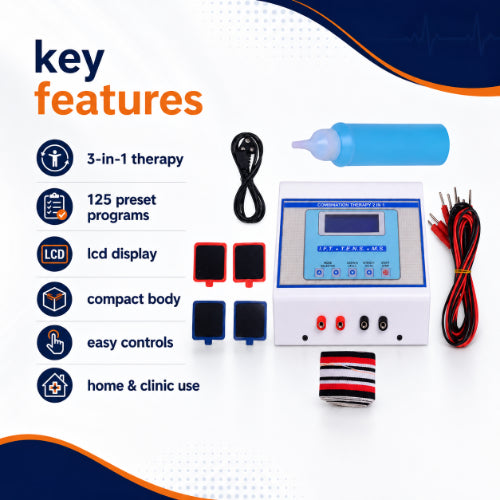
- Preset programs: simple pain-relief programs can help beginners avoid confusion.
- Manual with safety warnings: the instructions should clearly explain who should not use it.
- Battery or power safety: charging and power use should be simple and stable.
- Warranty or support: choose a device with reliable after-sales help if available.
Do not choose a machine only because it promises fast or permanent pain relief. Pain is complex, and no home electrotherapy machine can honestly promise results for everyone.


Comfort and usability matter
A home machine should fit your daily life. If the screen is hard to read, the pads are difficult to place, or the settings are confusing, you are less likely to use it correctly. Simple is often better.
Think about who will use the machine. An older adult may need larger buttons and a clear timer. Someone treating back pain may need help placing pads. A person with sensitive skin may need gentle pads and careful skin checks.
Ask before buying if you have a health condition
If you have a heart condition, implanted device, epilepsy, cancer history, pregnancy, poor skin healing, diabetes-related numbness, or circulation problems, ask a healthcare professional before buying. The right advice before purchase can prevent unsafe use later.
How to use an ift machine safely at home
Safe home use follows a simple pattern: prepare, place, test, treat, and check. Do not rush this process, especially when you are new to an IFT machine.
A simple step-by-step routine
- Confirm the area. Use the IFT unit only on the body area recommended by your clinician or manual.
- Clean and dry the skin. Lotions and sweat can affect pad contact.
- Inspect the skin. Skip areas with cuts, rashes, swelling, infection, or numbness.
- Connect the leads before turning on the IFT unit. This helps avoid sudden stimulation.
- Place the pads around the painful area. Do not place them on unsafe areas like the front of the neck or across the chest.
- Turn the IFT unit on at zero or low intensity. Increase slowly.
- Aim for strong but comfortable tingling. Pain, burning, or sharp sensations are warning signs.
- Use the timer. Stay within the recommended session length.
- Turn intensity down before removing pads. Then switch off the IFT unit.
- Check your skin. Mild redness may fade, but lasting irritation needs attention.
Pad placement basics
Pad placement depends on the pain area. For back pain, you often place pads around the sore region rather than directly on the spine. With knee pain, you may place pads around the joint so the current crosses the painful area. In the shoulder, placement should avoid the neck and chest.
If you do not know where pads should go, do not guess. Bad placement can make treatment less effective or unsafe. A short session with a physiotherapist can be very helpful because they can show you exactly what to do.
Intensity basics
The correct intensity is not the highest intensity you can tolerate. It should feel clear and strong, but still comfortable. You should not tense up, hold your breath, or feel like you want to pull the pads off.
During a session, your body may get used to the sensation. If it fades, you may increase slightly, but stay comfortable. If the feeling becomes sharp or hot, reduce intensity or stop.
Mistakes to avoid with a home ift machine
Many problems with a home IFT machine come from small mistakes. These are easy to avoid when you know what to watch for.
Avoid these common errors:
- Using it without knowing the cause of pain. Have new or unexplained pain checked.
- Placing pads over unsafe areas. The front of the neck, head, and chest are common danger zones.
- Turning intensity too high. Stronger does not always mean better.
- Using old pads. Dry or poorly sticking pads can irritate skin.
- Treating over numb skin. You may not feel if the stimulation is too strong.
- Using it while sleeping. You need to stay awake and aware.
- Ignoring skin irritation. Redness, itching, or burning should be taken seriously.
- Skipping exercise completely. Pain relief works best when it helps you move better.
A good rule is to use an IFT machine as support, not as a shortcut. If soreness keeps coming back, the body may need strengthening, mobility work, ergonomic changes, or medical review.
IFT in physio and home care
IFT in physio is usually more structured than home use. A physiotherapist will assess your pain, check your movement, decide if IFT is suitable, choose pad placement, set the machine, and combine it with exercises or hands-on care when needed.
At home, you do not have that same level of supervision. That is why your home plan should be simple. Use the settings recommended to you, write down how you respond, and avoid experimenting with advanced modes unless you understand them.
A useful home tracking note may include:
- Pain level before the session
- Pad position used
- Session length
- Intensity level or comfort rating
- Pain level after the session
- Any skin reaction
- What activity you could do afterward
This small habit helps you notice patterns. If you share it with your physiotherapist, they can adjust your plan more safely.
When to stop and seek medical help
Stop using the IFT unit and seek advice if pain gets worse, spreads, or changes in a worrying way. Also stop if you develop numbness, weakness, swelling, skin blistering, dizziness, chest symptoms, or unusual heart sensations.
Get urgent medical help for severe chest pain, sudden shortness of breath, signs of stroke, sudden leg swelling with pain, loss of bladder or bowel control, or major weakness after back pain. Never use an ift machine to delay care for serious symptoms.
If you are using IFT regularly but still need it more and more often, that is a sign to review your plan. The goal is better function, not dependence on a machine.
Quick FAQ for home users
What is an IFT machine used for?
An IFT machine supports pain relief, muscle relaxation, and comfort during physiotherapy or home recovery. People often use it for back pain, knee pain, joint stiffness, muscle spasm, and some long-term musculoskeletal pain conditions.
Can I use an IFT machine at home?
Yes, you can use an IFT machine at home if it is suitable for your health, your pain has been checked, and you know how to place the pads safely. It is best to learn from a physiotherapist before regular home use.
How does interferential therapy work?
Interferential therapy works by sending two gentle currents through skin pads. These currents cross and create a pulsing effect that may help calm pain signals and relax tight muscles.
How long should an IFT session last?
Many sessions are short, but you should follow your device manual and professional advice. Start shorter if you are new, and do not keep extending sessions without guidance.
Who should not use an IFT machine?
People with pacemakers, implanted defibrillators, implanted neurostimulators, unsafe skin conditions, certain heart problems, pregnancy-related placement concerns, or reduced feeling in the treatment area should not use IFT without medical advice.
Is IFT therapy safe?
IFT therapy is generally safe for suitable users when used correctly. It becomes risky when pads are placed in unsafe areas, intensity is too high, skin is damaged, or the user has a condition that makes electrical stimulation unsafe.
What is the difference between IFT and TENS?
IFT uses crossing currents to create an interferential effect in the target area. TENS uses surface stimulation near nerves to help change pain signals. Both can help with pain, but they use different current patterns.
Does IFT help with knee and back pain?
IFT may help some people with knee and back pain, especially for short-term relief. It works best when combined with movement, strengthening, and a proper care plan.
What are common ift machine side effects?
Common ift machine side effects include mild redness, itching, tingling, or skin irritation under the pads. Stop use if you feel burning, sharp pain, dizziness, worsening symptoms, or lasting skin changes.
Is an interferential therapy machine the same as an IFT therapy machine?
Yes, in everyday use, an interferential therapy machine and an IFT therapy machine usually mean the same type of device. Both refer to machines that use interferential current for therapy.
Final takeaway
An ift machine can be a useful home support tool for pain relief, especially when you use it with the right guidance and realistic expectations. It may help with comfort, muscle relaxation, knee pain, back pain, and movement confidence, but it should not replace diagnosis, exercise, or medical care.
Choose a simple, safe IFT machine, learn correct pad placement, keep sessions comfortable, and stop if anything feels wrong. Used wisely, an ift machine for home use can become one helpful part of a broader pain-management routine.
Explore Medical Collections
All Categories
Abdominal & Maternity Support

Accessories

Accu-Chek Instant Strips: Use, Compatibility, Price & Blood Sugar Testing Guide
Accu-Chek Instant Strips: Uses, Features & Complete Guide

accupuncture

Acupuncture Needles & Supplies

Advanced Physiotherapy Machines & Lumbar Physiotherapy

Airways

Ambulance

Anatomy Models
Anesthesia Machine

Anesthesia Products

Ankle Support for Home Use: Braces, Sleeves & Walker Boots

Ankle Weights & Exercise Weights for Home & Rehab

Anti-Bedsore Air Mattresses
You may also need
FOR YOURecommended for you
Save 47%
Save 39%
Save 44%
Save 27%