


Featured ChoiceSave 19%
Save 17%
Save 25%

Save 25%

Save 25%


Save 19%

Save 26%

Save 7%
Save 16%

Save 26%


Save 48%
Sold out


Sold out
Sold out

Sold out

Sold out

Sold out

Sold out

What customers say
★★★★★ 4.8 · 46 reviews
 Omron HEM-7156 Blood Pressure Monitor with 360° IntelliWrap Cuff
“it's super easy to use.”
“This is absolutely fantastic! The 360 Accuracy Intelli Wrap cuff makes taking readings so much easier, as i...”
 Omron HEM-8712 AP Blood Pressure Monitor with Memory
“This is easy to use, and the 3-year warranty adds great value.”
“This is a fantastic device! It’s simple to use, with a clear display that shows readings quickly and accura...”
 Omron HBP-1320 Professional Blood Pressure Monitor
“This is perfect for home use”
“This is a great device for anyone needing a reliable and simple way to track their blood pressure. The whit...”
 Omron HEM-7530T Blood Pressure Monitor with ECG, AFib & Bluetooth
“This is fantastic! It accurately measures BP, ECG, and detects AFib. It's easy”
“This is an excellent all-in-one health device! It measures BP, ECG, and even detects AFib, which gives me a...”
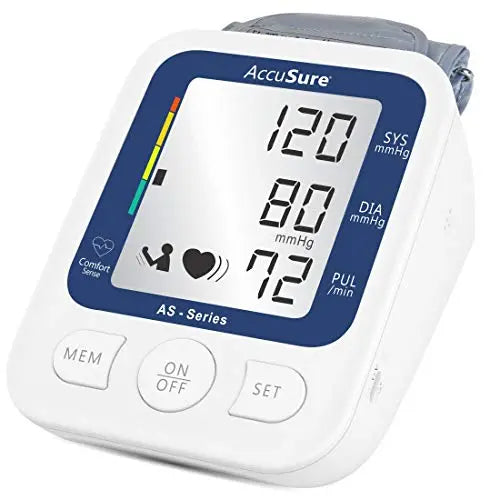
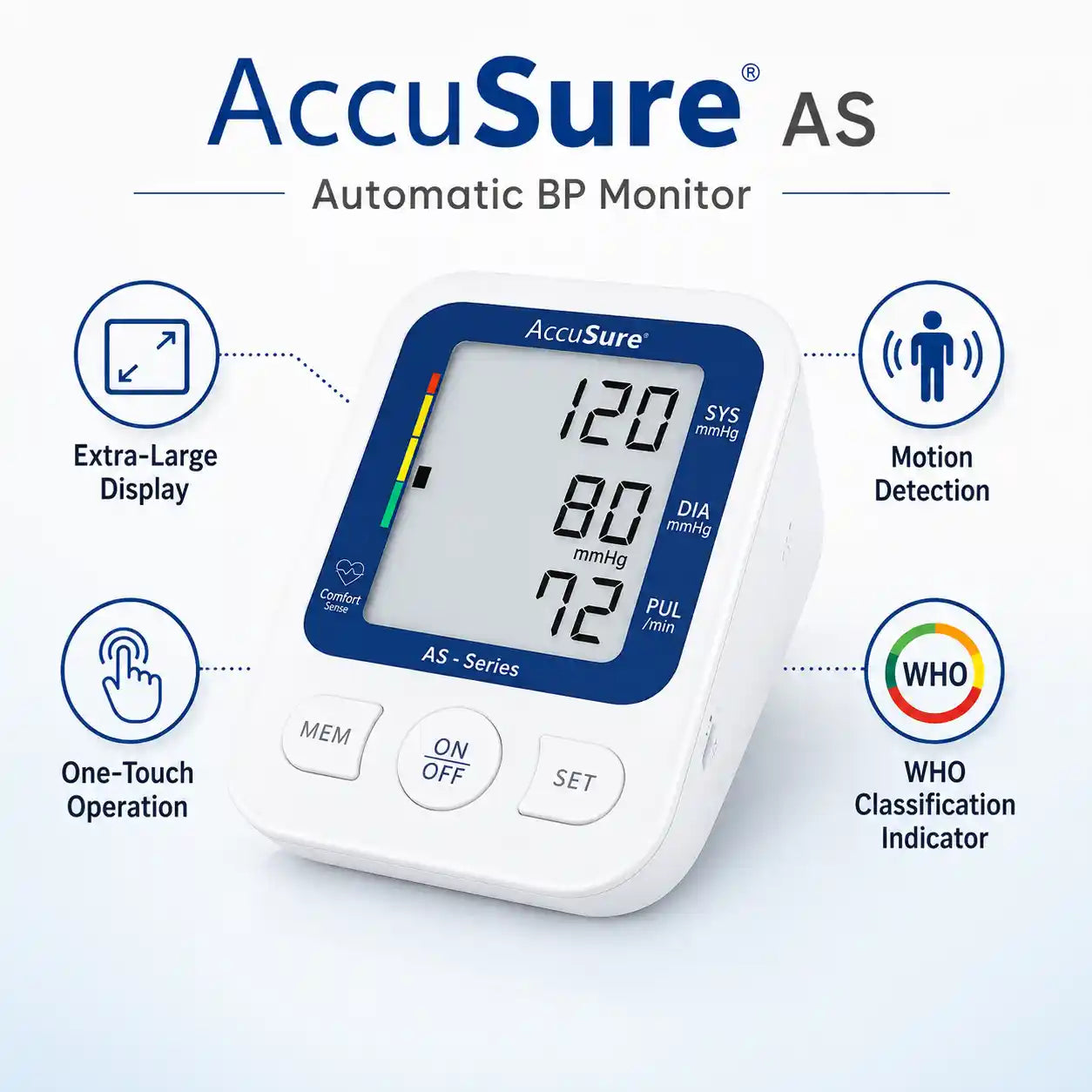
 AccuSure AS Automatic Blood Pressure Monitor
“Accurate and easy-to-use!”
“This is a fantastic product! The extra-large display makes it incredibly easy to read the results, even fro...”
 Omron HEM-7121J Blood Pressure Monitor with IntelliSense
“It's simple, accurate, and the hypertension indicator is really helpful.”
“This is a great addition to my health routine! It’s easy to use and provides accurate readings every time. ...”
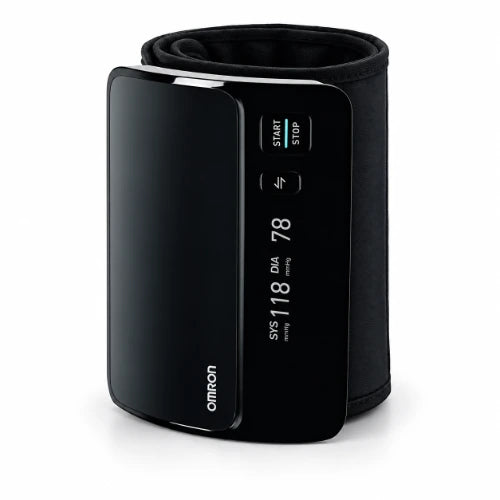
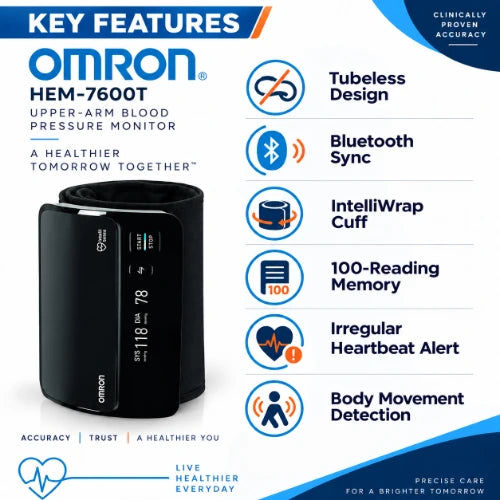
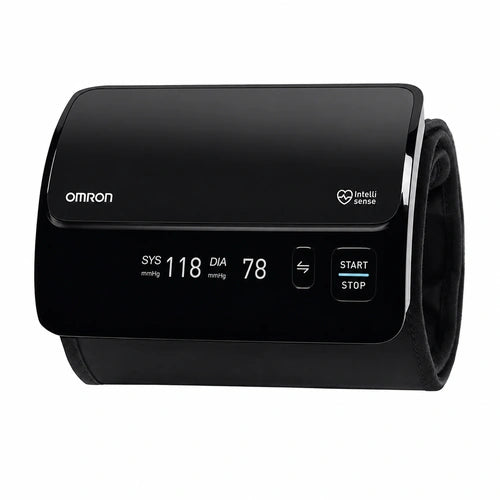
 Omron HEM-7600T Tubeless Bluetooth BP Monitor – Made in Japan
“This is amazing! Tubeless design and Bluetooth connectivity make it super convenient.”
 Omron Smart Elite+ HEM-7600T Tubeless Bluetooth BP Monitor
“This is amazing! Bluetooth connectivity makes tracking effortless,”
“This is an excellent blood pressure monitor! The Bluetooth feature is incredibly convenient, as it syncs ef...”
 AccuSure TS Smart Inflation BP Machine
“This is very easy to use. A great choice for home health monitoring!”
“This is a brilliant device! The smart inflation feature makes taking BP measurements much more comfortable ...”
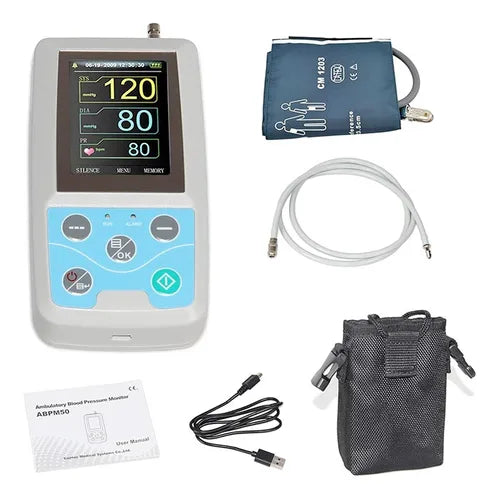
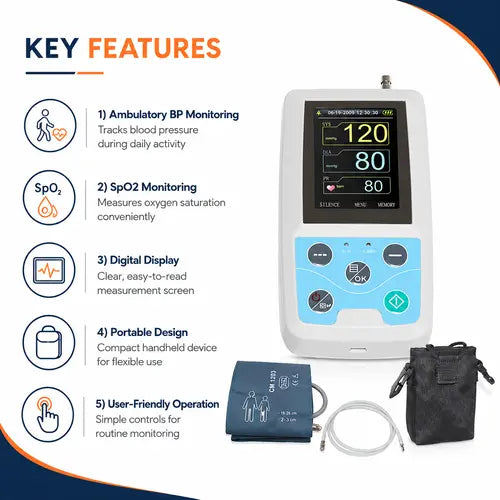
 ABPM50 Ambulatory Blood Pressure Monitor with SpO2 | 24-Hour Monitoring
“This is fantastic! It provides accurate BP readings along with SpO2 measurement,”
“This is an excellent device for anyone looking to monitor their health on-the-go. It not only provides accu...”
BP Cuff
Blood Pressure Apparatus
A BP machine helps you check blood pressure. For example, You can use one at home or in a clinic. The test is quick. Yet the way you sit and use the cuff can change the result. So it helps to learn a few basic steps.
This guide covers each main type of blood pressure apparatus. In addition, It shows how a digital BP monitor works. It also looks at manual tools, cuff fit, and home use. You will learn how to keep a clear blood pressure log. You can then use that log when you speak with your doctor.
No single blood pressure device is right for all people. However, The best choice is one that fits your arm and your needs. For home use, many people find an upper-arm digital monitor easy to use. Trained staff may also use manual tools in a clinic.
Quick answer: A blood pressure apparatus is a tool that checks the force of blood in your arteries. As a result, Most screens show a top number, a bottom number, and your pulse. The top number is called systolic pressure. The lower one is called diastolic pressure.
In this guide
What is a blood pressure apparatus?What do the numbers on a BP monitor mean?Main types of blood pressure machinesHow to use a BP machine at home: step by stepWhy cuff size is so importantWhat makes a BP machine accurate?Manual vs digital BP machine: which should you choose?BP machine price in India: what affects the cost?Explore BP machines on MeddeyFAQs about BP machines and blood pressure devices
HOME CHECKS
Learn a calm BP test routine
CUFF FIT
Find the right arm size
DEVICE TYPES
Compare digital and manual
BUYING TIPS
Know what to check first
What is a blood pressure apparatus?
A blood pressure apparatus is also called a BP machine or BP monitor. Therefore, It checks how much force your blood puts on the walls of your arteries. The test can help you and your care team track changes over time.
Some BP devices have a screen. Moreover, Others have a round dial and a hand pump. Both types use a cuff that goes around the arm. The cuff fills with air for a short time. The device then helps the user find a blood pressure reading.
The term sphygmomanometer is common in clinics. At the same time, It is a long word for a blood pressure gauge. In daily use, most people just say BP machine. Both names can be right. The main point is to check which type you need.
A home device is not a full health check. In practice, It gives a reading at that time. A doctor may use many readings, your health history, and other tests to guide care. A result on its own does not tell the full story.
If you want to shop, see the Meddey BP machine range. If you want to learn first, read the steps below.
Why is it useful to check BP?
Blood pressure can go up or down through the day. For this reason, Work, sleep, stress, and movement may play a part. A single check only shows the level at one point in time.
Your doctor may ask you to check BP at home. Meanwhile, A log can show what your readings look like on more than one day. It may also help your care team see if a plan is working as it should.
A home BP machine can make these checks less hard to fit into your day. In contrast, You do not need a clinic visit for each home reading. Still, you should keep your planned check-ups. You should also follow the advice you have been given.
Do not change or stop any prescribed medicine due to one result. That way, Speak with your care team first. If you feel unwell, do not wait for a blood pressure log to seek help.
What do the numbers on a BP monitor mean?
Most digital BP machines show two large numbers. Consequently, They may show a third number for your pulse. Learn what each one means before you start a home log.
Systolic BP: the top number
The top number shows the force as the heart pumps blood. Even so, This is called systolic pressure. It is the higher number in a usual blood pressure reading.
Diastolic BP: the lower number
The lower number shows the force as the heart rests between beats. More importantly, This is called diastolic pressure. It is shown below the top number on most screens.
Pulse: the heart rate
Many BP monitors also show pulse rate. By doing so, This tells you how many times the heart beats in a minute. A pulse value is not the same as a blood pressure value.
What does mmHg mean?
You will see mmHg next to blood pressure values. In particular, It is the unit used for a blood pressure test. You do not need to learn the full name to use a home machine.
For example, a screen may show 120/80 mmHg. On the other hand, The first value is systolic BP. The next is diastolic BP. This is a sample of how the display looks, not a goal set for each person. Ask your doctor which range applies to you.
Other names used for BP devices
Online shops may use many terms for the same class of tools. For example, Here is a simple guide to the words you may see.
| Term you may see | What it often means |
|---|---|
| BP machine | A common name for a tool that checks BP. |
| Blood pressure monitor | Often a digital screen-based device. |
| Blood pressure apparatus | A wide term for manual and digital tools. |
| BP apparatus | A short name for the same group of tools. |
| Sphygmomanometer | The medical name for a blood pressure gauge. |
| Aneroid BP gauge | A manual tool with a round dial. |
| Digital BP machine | A device that shows values on a screen. |
| Automatic BP monitor | A device that pumps air into the cuff by itself. |
Some people type “BP pressure” when they search online. In addition, BP already means blood pressure, so that phrase repeats the word. In this guide, we use BP or blood pressure to keep the text clear.
Main types of blood pressure machines
You can sort BP devices by where you wear the cuff and how they take a reading. However, Think about who will use the tool. Then choose the type that meets that need.
1. Upper-arm digital BP monitor
This type uses a cuff on the upper arm. As a result, You place it on bare skin and press a button. The machine fills the cuff with air. It then shows the test result on a screen.
For most adults who check BP at home, an automatic upper-arm monitor is a good first type to look at. Therefore, Many models are easy to use. Some can save past readings. Some have a wide cuff or a clear, large screen.
The fit of the cuff still matters. Moreover, So does the way you sit. Do not assume that a screen will fix a poor cuff fit or a rushed test.
2. Manual aneroid BP apparatus
A manual model has a round gauge. At the same time, It also has a cuff, a soft bulb, and a valve. The user pumps air into the cuff by hand. A trained person then lets the air out at a set pace.
A stethoscope is often used to hear blood flow sounds. In practice, The person taking the reading watches the dial at the same time. This is a skill that takes care and practice.
Manual blood pressure tools are often used in clinics and training rooms. For this reason, They can also suit staff who are used to this method. The gauge may need checks over time. A damaged dial or air tube can lead to a poor test.
3. Wrist blood pressure monitor
A wrist monitor has a small cuff that fits on the wrist. Meanwhile, It can be light and easy to pack. Some people may need this type when an arm cuff is not a good fit.
But a wrist reading can change with hand position. In contrast, The wrist must be held at heart level as the device guide says. Small shifts can affect the result. An upper-arm cuff is the usual choice for home blood pressure checks when it can be used.
Ask your care team if a wrist device suits you. That way, Use a model with sound proof of test accuracy where you can.
4. Professional BP monitor for clinics
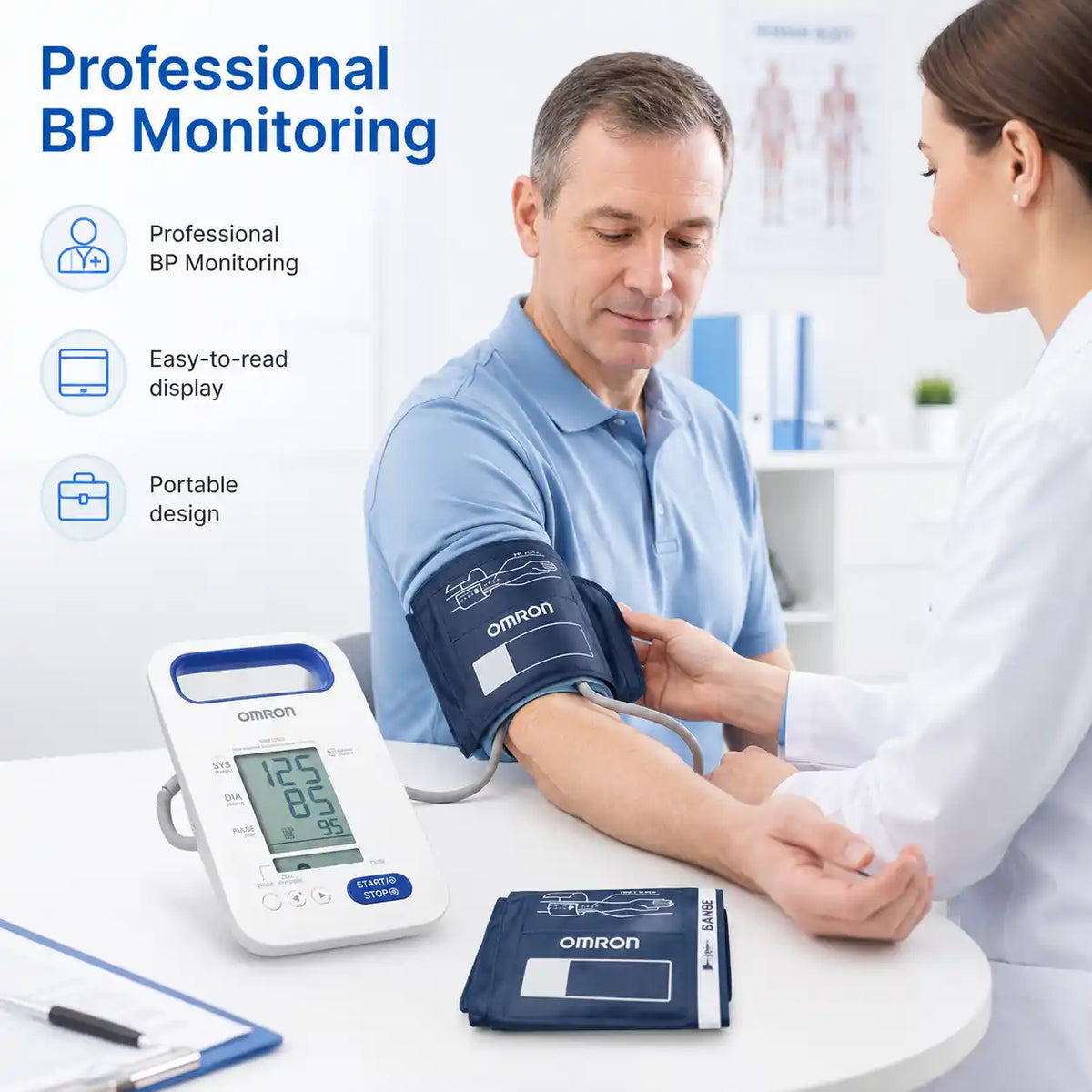
A clinic may take many blood pressure readings each day. Consequently, Staff may need a tough unit, more cuff sizes, and easy ways to clean it. Some models have a desk stand. Others can move on a trolley.
Large screens can help staff read values at a glance. Even so, Some clinic models have both auto and manual test modes. The right model will depend on the work done at that site.
Before you buy, ask about service, spare cuffs, and how often the tool needs a check. More importantly, The low price on day one may not mean low cost over time.
5. 24-hour ambulatory BP monitor
An ambulatory BP monitor is often called an ABPM device. By doing so, A care team fits the cuff and gives you a small unit to wear. It takes readings at set times as you go through the day and night.
A doctor may ask for this test when home and clinic readings do not agree. In particular, It can also help show how BP shifts over a full day. It is not the same as a basic home BP machine.
Use it only as your care team directs. On the other hand, Keep the diary or notes they ask for. The result needs a clinical review.
BP monitor type comparison
This chart can help you see the main trade-offs. It is a guide, not a rating of any one brand.
| Device type | Main use | What to check first |
|---|---|---|
| Digital upper-arm | Routine home blood pressure checks | Cuff fit and proof of accuracy |
| Manual dial | Clinics and trained staff | Training, dial care, cuff range |
| Wrist type | Select needs and travel | Wrist fit and arm position |
| Clinic auto unit | Repeated checks at work | Cuff range, cleaning, service |
| 24-hour ABPM | Tests ordered by a doctor | Fit, test plan, report review |
For most home users, a simple upper-arm BP device may be enough. For example, Do not pay for extra tools just because they look new. Start with the cuff, test method, and ease of use.
How does a digital BP machine work?
A digital BP machine uses air and a sensor to take a reading. In addition, First, its pump fills the cuff. The cuff puts firm but brief force on the arm. Next, the unit lets some air out.
As the air leaves, a sensor picks up small pulse waves in the cuff. However, The device uses these waves to work out a blood pressure result. Most home models use this method. It is called the oscillometric method.
You do not need to use a stethoscope with a full-auto model. As a result, The screen shows the values once the test is done. Some units beep or show a mark if they sense a problem.
A beep or heart symbol does not always mean you have a health issue. Therefore, Check what that symbol means in the guide for your exact model. If the same alert keeps showing, ask a health worker for help.
The device does the math. Moreover, Yet you still need to follow the basic steps. Sit still, use the right cuff, and rest before each check.
How does a manual BP gauge work?
A manual gauge shows the air force inside its cuff. At the same time, A trained user wraps the cuff around the upper arm. The person then pumps it up with a bulb.
Next, they let air out in a slow, smooth way. In practice, They listen with a stethoscope and watch the dial. The sounds help them find the two blood pressure values.
This method can work well when the user knows how to use it. For this reason, It is less easy for a person who has no training. You also need a stethoscope that works well and a gauge that is in good order.
A manual reading can be hard if there is too much noise. Meanwhile, It can also be hard if the user lets air out too fast. Clinics should use a clear set of steps and train staff on the tool.
See the manual BP equipment range for an example of this type.
How to use a BP machine at home: step by step
A sound home routine matters as much as the model you buy. In contrast, These steps match key points from the American Heart Association. Follow the guide for your exact machine as well.
- Pick a calm place. Sit at a table with a chair that has back support. Keep your phone away for the test.
- Plan ahead. Do not smoke, work out, or drink caffeine for 30 minutes before the check. Use the toilet first.
- Rest for five minutes. Sit in peace before the cuff goes on. Do not talk or scroll on your phone.
- Keep both feet flat. Place them on the floor. Do not cross your legs.
- Use bare skin. Do not wrap the cuff over a shirt, sleeve, or thick cloth.
- Check the cuff fit. Use the range shown on your device or cuff label. A cuff that is too small or too large can skew the result.
- Rest the arm. Use a desk or table. The middle of the cuff should be at heart level.
- Start the test. Press the button and let the unit do its full cycle.
- Stay quiet and still. Do not speak, move, or watch the screen while it runs.
- Take a second reading. Wait one minute. Then check once more if your care plan calls for two readings.
- Write the result. Save both readings, the date, and the time. Share the log with your doctor.
Use the same arm each day if your doctor has told you to do so. That way, Your care team may ask you to check both arms at first. Ask which arm to use for your home log.
Do not keep testing every few minutes due to fear about one number. Consequently, If a result looks odd, check your setup and use the plan your doctor gave you.
How to sit for a good blood pressure reading
Your posture can change the number on the screen. Even so, So set up your chair and table before you start. Sit up with your back against the chair. Rest both feet on the floor.
Your legs should stay still. More importantly, Try not to cross them. Place the arm on a flat surface. If the desk is low, use a firm pad to lift your arm.
The cuff should be on bare skin. By doing so, Its middle should sit near the level of your heart. Follow the cuff guide to find the right spot above the bend in your elbow.
You should not have to hold your arm in mid-air. In particular, That can make the muscles tense. Use a rest for the full test. Do not make a fist or talk while the cuff is full.
If someone helps you, ask them to let you sit in peace. On the other hand, A calm, quiet space can make home checks easier to do the same way each time.
Why cuff size is so important
The cuff is not just a strap. For example, It is a key part of each blood pressure test. A wrong fit may give a result that looks too high or too low.
First, check the arm size range on the cuff. In addition, It may be shown in centimetres. You can use a soft tape to check the arm as the brand guide shows.
Next, see if your arm size falls in the stated range. However, Do not guess from labels such as small, large, or one size. Two brands may use those terms in a different way.
Use only cuffs that suit the exact model. As a result, A cuff from one BP device may not work on another. The plug and air tube may look alike but still be wrong for that unit.
A good fit should feel snug before the pump starts. Therefore, It should not be twisted or folded. Pull your sleeve clear so it does not press on the arm above the cuff.
For a family, check the arm size of each user. Moreover, One cuff may not fit all people in the home. Some models let you buy a second cuff in a larger or smaller size.
If you are not sure how to measure your arm, ask a trained care worker. At the same time, A short check now can help avoid many poor readings later.
What makes a BP machine accurate?
A clear screen is nice, but it does not prove a unit is accurate. In practice, The most useful check is whether the exact model has been tested in a sound way.
Look for an independent list of devices with proof of clinical test work. For this reason, You can search a model name on STRIDE BP. Check the same model code, not just the brand name.
A brand may sell many models. Meanwhile, Test proof for one model does not cover every item it makes. A box that says high accuracy is not the same as an independent review of that model.
Next, make sure the cuff fits your arm. In contrast, Even a well-tested device can give a poor result with the wrong cuff. Body position, rest, and timing also matter.
If you own a home monitor, take it to a planned care visit. That way, Ask the care team to check your cuff fit and how you use it. They can also tell you when to check the unit again.
No BP machine can give a full diagnosis by itself. Consequently, A good device and good steps help you gather more useful data for your care team.
Manual vs digital BP machine: which should you choose?
A digital unit is often easier for one person to use alone. Even so, You can fit the cuff, press a button, and read the screen. Some models save the result for you.
A manual BP apparatus gives the user more control over the test. More importantly, But it calls for skill. The person must use the bulb, valve, gauge, and stethoscope with care.
| What matters | Digital BP machine | Manual BP apparatus |
|---|---|---|
| Home use | Easy for many adults | Needs a trained user |
| Pump | Most models pump on their own | You pump by hand |
| Display | Screen with blood pressure values | Gauge with a needle |
| Memory | Some models save results | The user writes results down |
| Power | Often needs cells or a plug | Gauge needs no power |
| Upkeep | Check cuff, power, and unit | Check cuff, tubes, and gauge |
The better type is the one you can use well. By doing so, Choose based on the task, not a claim that one method wins in all cases.
Upper-arm vs wrist BP monitor
An upper-arm cuff is the usual first choice for home checks. In particular, It goes around the arm above the elbow. The arm can rest on a table as the test runs.
A wrist unit is small, but its position can be hard to hold. On the other hand, Your wrist must be at heart level. You also need to keep the hand still.
If a standard arm cuff does not fit, ask about a wide cuff first. For example, If a wrist device is still the right choice, ask your care team to show you how to use it. Do not pick a wrist type just due to its small size.
A watch that shows a BP estimate is not always a stand-in for a cuff device. In addition, Check whether the exact model has sound test proof for BP use. Do not use a watch alert alone to change your medicine.
Common mistakes that can change a blood pressure reading
Small errors can have a real effect on a blood pressure check. However, The good news is that most are easy to avoid once you know them.
- Testing right after a walk: Rest first so your body can settle.
- Having tea or coffee just before: Caffeine can affect the result. Leave time before the test.
- Talking while the cuff pumps: Keep quiet until the unit has finished.
- Crossing your legs: Keep both feet flat on the floor.
- Holding up your arm: Let the arm rest on a table.
- Using a sleeve under the cuff: Put the cuff on bare skin.
- Guessing cuff size: Match the range to your arm size.
- Rushing the test: Sit in peace for five minutes first.
- Moving the hand: Stay still as the cuff fills and lets air out.
- Reading the screen too soon: Wait until the final values show.
- Using a loose air tube: Check that the tube is in place.
- Using weak batteries: Change them if the unit shows low power.
- Keeping no log: Save the date and time with each result.
- Using a damaged cuff: Check for tears and leaks before use.
- Chasing one high value: Follow a calm recheck plan and seek care when needed.
A simple setup can solve many of these issues. As a result, Keep a chair, table, monitor, and log in one place. Use that same place when you can.
Why do blood pressure readings change from day to day?
BP is not one fixed number. Therefore, Your body needs a different flow of blood at rest and during work. Stress, sleep, pain, and strong feelings can affect readings too.
A result may also shift after food, tea, or exercise. Moreover, Some drugs can have an effect as well. That is one reason your doctor may ask for a set of readings over time.
The goal is not to make each result look the same. At the same time, The goal is to take each test in a fair and calm way. Then the log can show a more useful pattern.
Do not compare a reading taken after a run with one taken after a long rest. In practice, The test setting is not the same. Put short notes in your log when it helps to explain a change.
If you have a new symptom or feel unwell, the symptom matters too. For this reason, Do not judge your health from the screen alone.
Why can clinic BP and home BP differ?
Some people have a high reading at a clinic but lower values at home. Meanwhile, Others may have lower values in the clinic than they do on a usual day. Your doctor can assess these patterns.
The place itself may play a part. In contrast, A busy room can feel tense. A calm home may feel quite different. Cuff size, rest time, and the way the test is done can also change the result.
This is one reason a home blood pressure log may help. That way, It gives your care team more than one number from one visit. In some cases, a doctor may order a 24-hour blood pressure test to get a fuller view.
Do not label your own result as a health condition. Consequently, Terms such as white-coat effect and masked high BP need a proper review.
How often should you check blood pressure?
There is no one test plan for every person. Even so, Your doctor may ask for checks each day. Someone else may need them less often. The plan may change when care needs change.
Try to check at set times when you have been asked to keep a log. More importantly, A set routine can make it easier to compare days. Take the number of readings your care team asks for.
If your doctor wants two checks at one sitting, leave about one minute between them. By doing so, Save both values. Do not just keep the one you like best.
Ask when to share your results and what to do if they change. In particular, Keep a note of any new symptoms. A log can help with follow-up, but it cannot take the place of care.
A simple blood pressure log you can keep at home
You can use a notebook, a phone note, or your monitor's memory. On the other hand, Use a format that is easy to keep up. The log should be simple enough to use each day.
| Date | Time | First BP | Second BP | Notes |
|---|---|---|---|---|
| Day 1 | Morning | Record result | Record result | Rested for five minutes |
| Day 1 | Evening | Record result | Record result | Add notes if needed |
| Day 2 | Morning | Record result | Record result | Same arm and chair |
Write each BP value as top number over lower number. For example, You may also write the pulse. Bring the log or device to your next care visit.
You do not need a long note each time. In addition, A short note such as after a walk or poor sleep can help if the reading seems out of place. Keep health records safe if other people share your phone.
Key features to look for in a BP machine
Do not shop by screen size alone. Start with the features that help you use the device the right way.
Correct cuff range
The cuff must fit the main user. However, Check the full arm size range. Ask if other sizes are sold for the same model.
Proof of clinical testing
Look for the exact model on a trusted device list. As a result, Do not rely on a broad claim for the brand as a whole.
Clear screen and simple buttons
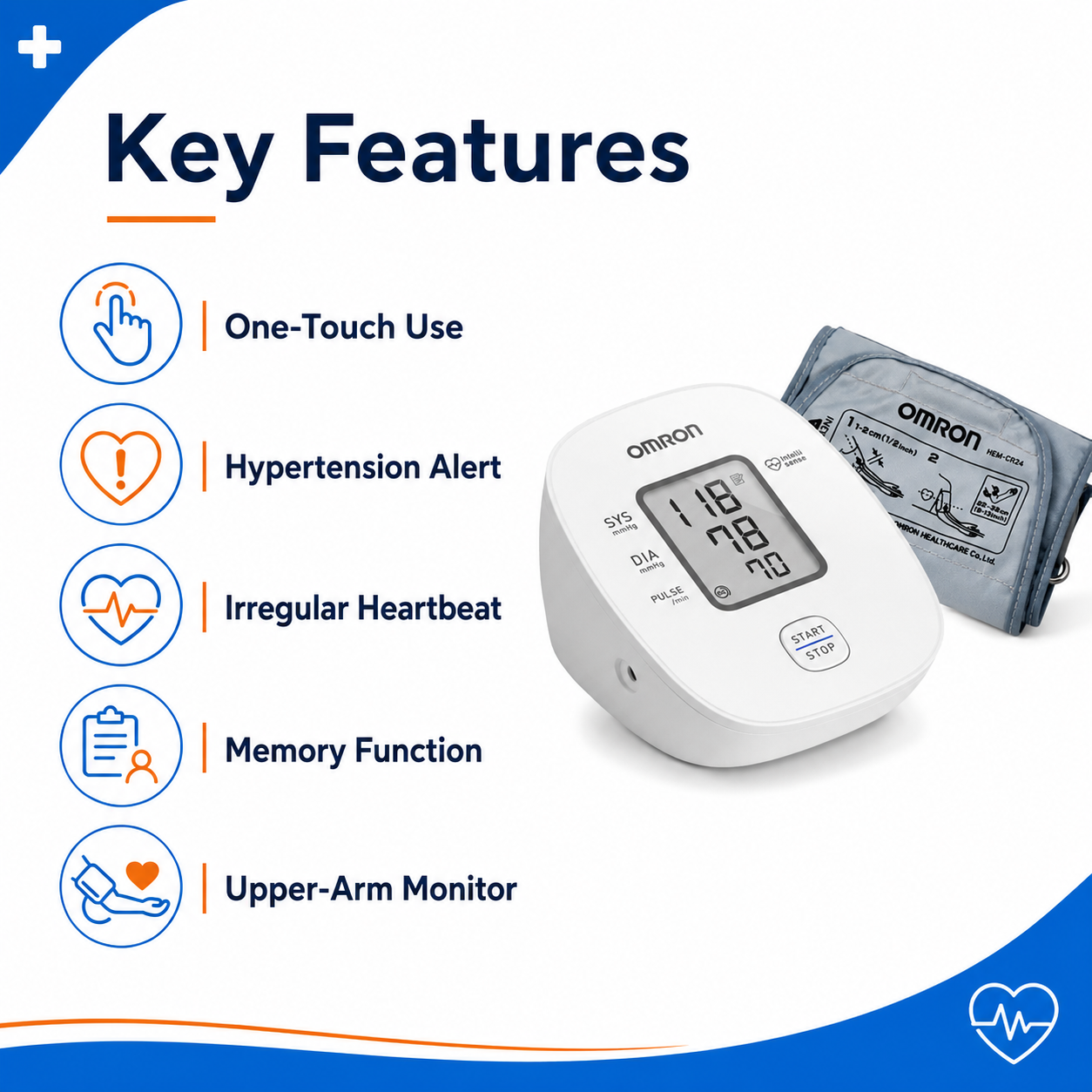
Large numbers may help people who find small text hard to read. Therefore, A one-touch start button can also make the test less complex.
Memory and shared use
Some BP machines save past readings. Moreover, Some can keep separate logs for two or more people. These are useful when the device is shared at home.
Irregular pulse alert
Some screens can flag a pulse pattern that looks uneven. At the same time, This is not a diagnosis. Check the device guide and speak to a health worker if the alert keeps coming back.
Power and travel needs
Check whether the unit runs on cells, an adaptor, or both. In practice, See what is in the box. Do not assume a plug or spare cuff comes with each model.
Service and spare parts
Check the seller's service terms and the brand's care guide. For this reason, A new cuff or power lead may be needed as the unit gets old.
BP machine price in India: what affects the cost?
A BP machine price can change by brand, model, and features. Meanwhile, A basic home device may have one button and a simple screen. A more complex unit may store more data or link to a phone.
Some clinic units cost more because they are made for high use. In contrast, A 24-hour BP unit serves a different task, so it should not be compared with a small home monitor on price alone.
Before you buy, check the cuff size, type, power need, and warranty. That way, Look at the cost of spare cuffs too. These details may matter more than an extra screen icon.
For a live price, see the product page. Consequently, Do not rely on a fixed price printed in a guide, as store prices and stock can change.
See the BP machine collection at Meddey to compare current models and details.
How to choose a BP monitor for your needs
Start with the person who will use the device most. Even so, Then think about where the readings will take place. This can help you avoid features you do not need.
| Your need | Type to review | Main reason |
|---|---|---|
| Daily checks at home | Digital upper-arm | Simple steps and clear screen |
| Use by older adults | Digital upper-arm | Large text and easy buttons may help |
| Trained clinic staff | Manual or clinic auto | Fits the staff's way of work |
| Many checks in one day | Clinic-grade unit | Built for regular shared use |
| Test through day and night | 24-hour BP unit | Used under a care plan |
| Upper-arm cuff is not an option | Ask about a wrist unit | Needs sound fit and method review |
Make a short list before you order. More importantly, Check the size of the cuff first. Then look at the screen, power, and service. Speak to your care team if you need help with the type.
BP machines for older adults
Simple controls can make home checks easier for an older user. By doing so, A large screen may help if small text is hard to see. A clear start button can help as well.
Choose a cuff that is easy to fit. In particular, Some cuffs can be put on with one hand. But no cuff will work well if it is the wrong size. Check the arm range on the label.
If the user needs help, a family member can learn the steps. On the other hand, Set up a calm place with a chair and table. Save the readings in a notebook or in the unit's memory.
Do not assume that age alone tells you which model to buy. For example, Ask the user what feels easy to hold and read. A short test with help from a care worker can be useful.
BP equipment for clinics, hospitals, and care teams
A clinic needs more than a neat screen. In addition, The BP device must suit the number of checks done each day. Staff need the right cuff sizes for a wide range of arms.
Ask how the unit is cleaned between users. However, Check how staff will store it. If it moves from room to room, a safe way to carry it may help.
For manual tools, make sure staff know how to use the bulb and gauge. As a result, For auto units, teach staff how to check posture, cuff fit, and error marks. Use one clear method for routine tests.
Plan for upkeep as well. Therefore, The team should know whom to call if the device shows a fault. Spare cuffs and air tubes may cut time lost to wear or damage.
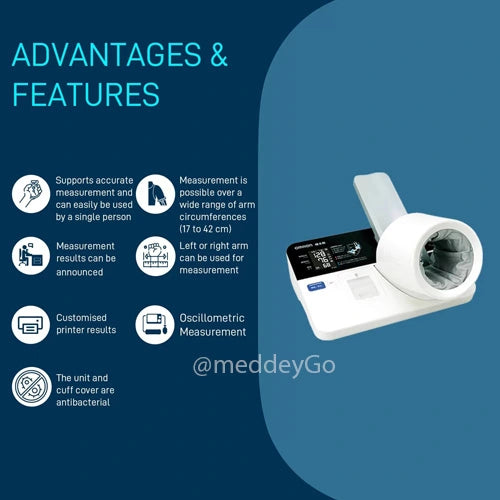
A professional device can also have print or data tools. Moreover, These may help a busy site. Buy them only if they suit your care flow and record needs.
blood pressure checks for children and during pregnancy
Not all BP machines have been tested for every age group or care need. At the same time, A child may need a small cuff. A person who is pregnant may need a device tested for that use.
Ask the care team which model and cuff to use. In practice, Do not guess from an adult label or a low online price. A wrong cuff can make the result hard to trust.
If you need to check BP during pregnancy, follow the plan given by your doctor or midwife. For this reason, Do not use a home reading to rule out a health risk when you feel unwell.
Do not apply an adult BP range to a child. Meanwhile, A clinician should review the result in the right age and care setting.
How to care for a BP machine
Good care can help keep your blood pressure tool ready for use. In contrast, Start with the brand's guide. Each model may have its own rules for cleaning and storage.
- Check the cuff. Look for cuts, worn seams, or loose fasteners.
- Check the tube. Make sure it has no split or air leak.
- Keep the screen dry. Do not put the unit in water.
- Use the right wipes. Clean parts only as the maker directs.
- Store it with care. Do not crush the cuff under heavy items.
- Check the cells. Take out weak cells if the guide says to.
- Keep the unit safe. Try to avoid heat, wet areas, and hard falls.
- Book needed checks. Follow the brand's plan for service or gauge tests.
A manual gauge may need a check if it is dropped. That way, An auto model may show a fault mark when power is low or air leaks out. Do not try to fix a sealed unit on your own.
At a clinic, keep service notes where the team can find them. Consequently, A clear record helps staff know when the unit was last checked.
What to do when a BP machine shows an error
An error mark does not always mean the device is broken. Even so, It may show up when the cuff is loose, the arm moves, or the tube is not in place.
First, stop and read the manual for that exact model. More importantly, Check the cuff and tube. See whether the battery mark is low. Then take a calm break before you try again.
If the error comes back, do not keep pressing start. By doing so, Ask the seller or brand support for help. Do not use a damaged cuff or a unit with a known fault.
An irregular pulse icon is not the same as a loose-cuff warning. In particular, The guide should tell you what each mark means. If you feel ill, seek medical help rather than focus on a device error.
Can a family share one BP monitor?
Yes, some home units can serve more than one person. On the other hand, But the cuff must fit each user. Check both arm sizes before you share the tool.
A model with two-user memory may help keep logs apart. For example, If your device has one shared memory, use a paper log or a phone note for each person.
Keep the cuff clean as the brand guide says. In addition, Do not share it if your care team has told you not to. A clinic may need stricter rules for clean use between patients.
Do not read someone else's blood pressure result as if it were your own. However, Each person may have a different care plan and target range.
Travel tips for a portable BP machine
If you check BP away from home, pack the cuff and main unit with care. As a result, A soft case can help stop dirt and light knocks. Keep the guide close if you do not use the tool often.
Check the power supply before your trip. Therefore, If the monitor uses cells, pack the right type. Do not guess which adaptor will fit it.
Your BP routine should stay as close to normal as you can make it. Moreover, Rest in a chair before the test. A rushed check in a car or on a train may not match your usual home result.
If you take medicines, keep the care plan from your doctor. At the same time, Do not make dose changes based on a travel reading without advice.
Explore BP machines on Meddey
Meddey lists both home and clinic blood pressure tools. In practice, The links below lead to live product pages. Check the latest listing for the cuff, power parts, price, and stock before you order.
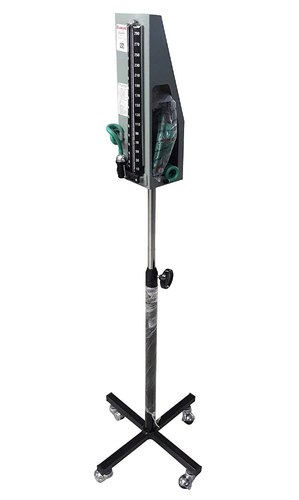
Diamond BPDL250 manual BP apparatus
The Diamond BPDL250 dial gauge is a manual tool. For this reason, It has a cuff, hand pump, and dial. It is for a user who knows how to take a manual reading with a stethoscope.
Its product page gives the gauge range and field check details. Meanwhile, Read those facts on the live listing. It is not a one-button home BP monitor.
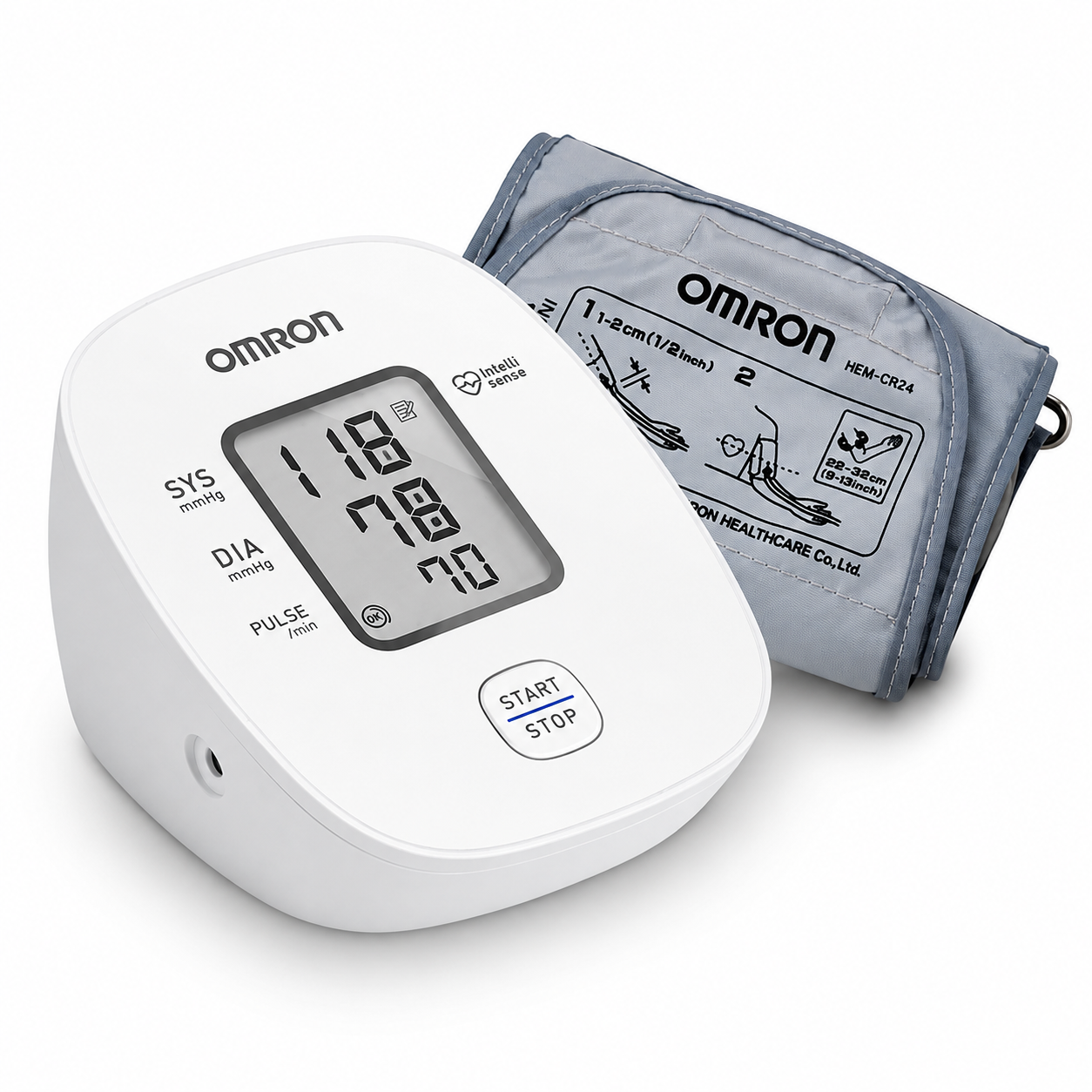
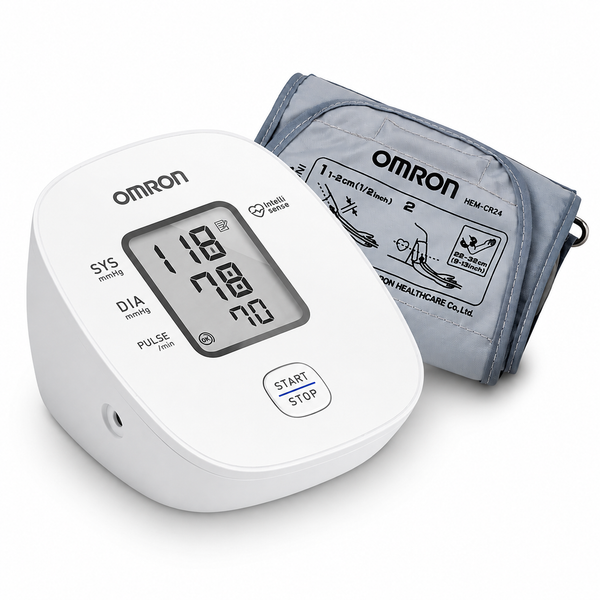
Omron 7121J digital BP monitor
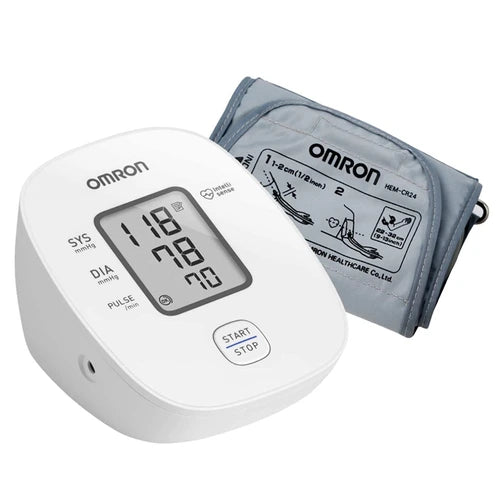
The Omron 7121J upper-arm BP machine is a digital model. In contrast, It is made for a simple home test with an arm cuff. The page lists its current features and care terms.
Check the exact cuff size before you buy. That way, Also see what comes in the box. A digital unit is easy to run, but you still need to sit and fit the cuff well.
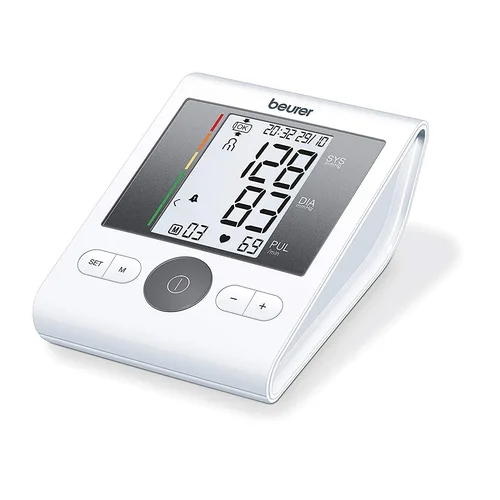
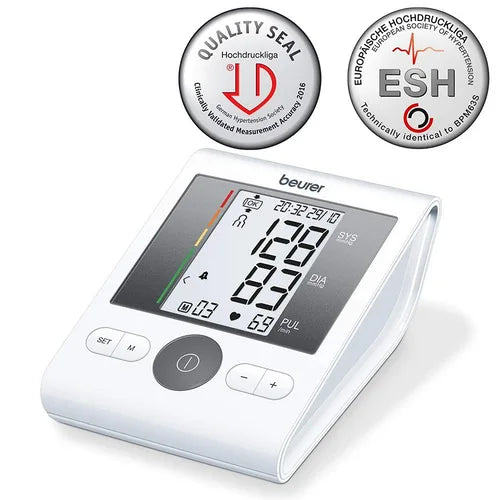
Beurer BM28 upper-arm monitor
The Beurer BM28 BP monitor is a full-auto upper-arm model. Consequently, The Meddey page lists features such as user memory and cuff-fit checks.
Look at the live page to see whether its cuff fits your arm. Even so, Think about whether you need each extra feature. The right fit matters more than a long feature list.
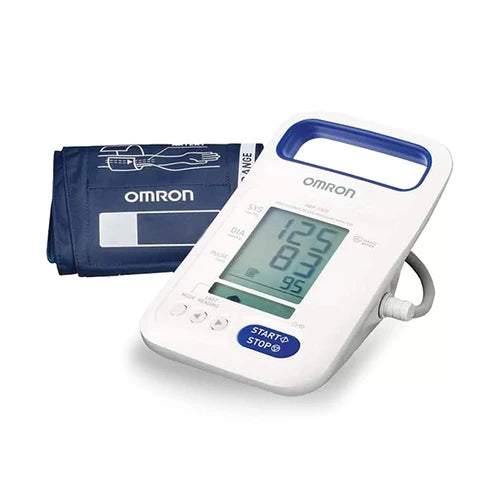
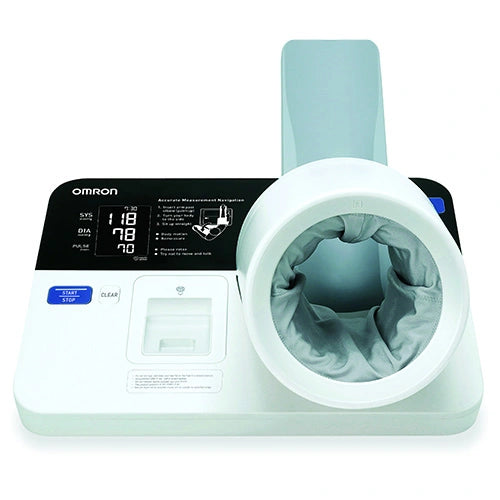
Omron HBP-1320 clinic monitor
The Omron HBP-1320 for clinics is made for care teams. More importantly, Its page lists both auto and manual modes. It also covers cuff and power options.
This type makes more sense for a clinic than a basic home check. By doing so, Compare it with the work your team does each day.
A buyer's checklist before you order
Use this list before you place an order. It can help you compare models with less guesswork.
- Who will use it? Home user, trained staff, or a care team?
- Where will it be used? At a table, in a ward, or on a visit?
- Does the cuff fit? Match the given range to the arm size.
- Is the model tested? Look for proof for the exact code.
- Can you read the screen? Check the text size and buttons.
- How does it get power? Find out what is in the box.
- Do you need saved results? Memory may help with a home log.
- Are spare parts sold? Ask about cuffs, tubes, and adaptors.
- What are the care terms? Read the warranty and help policy.
- Is the price clear? Check today's live price and stock.
A well-chosen basic device can do more good than a complex one that is hard to use. In particular, Buy the features you need and learn the right steps.
Common BP terms in plain English
A few medical words often appear in BP guides. Here is what they mean in daily life.
| Term | Plain meaning |
|---|---|
| Blood pressure | The force of blood on artery walls |
| Systolic | The top number when the heart pumps |
| Diastolic | The lower number when the heart rests |
| Pulse rate | How often the heart beats in a minute |
| Cuff | The band that goes round your arm |
| mmHg | The unit used for blood pressure values |
| Aneroid | A gauge with a needle and round dial |
| Automatic | The unit pumps air on its own |
| Validated model | A model with test proof checked in a set way |
| ABPM | A device for blood pressure checks through day and night |
You do not need to use long terms when you talk with a doctor. On the other hand, Take the readings and the device guide with you. Ask for a plain guide to what the results mean for you.
FAQs about BP machines and blood pressure devices
What is a BP machine used for?
A BP machine is used to check blood pressure. For example, It gives a top and lower value. Many digital models also show your pulse. A doctor can use a set of readings to help plan care.
What is another name for a blood pressure apparatus?
The medical name is sphygmomanometer. In addition, Most people say BP machine, BP monitor, or blood pressure monitor. The names may refer to manual or digital tools.
Is “BP pressure” the correct term?
BP stands for blood pressure. However, So “BP pressure” says the word twice. It is a search term some people use, but BP or blood pressure is clearer.
Which BP machine is best for home use?
For many adults, a tested automatic upper-arm monitor is a good type to review. As a result, Choose a cuff that fits your arm. Ask your doctor if you need a special type.
Is a digital BP monitor easy to use?
Most full-auto models have a start button and a screen. Therefore, They are simple to run after you learn the steps. You still need to rest, sit well, and use the cuff in the right way.
Can I trust all digital BP devices?
Do not assume that all models have the same test proof. Moreover, Check the exact model on a trusted device list. Cuff fit and your test steps matter too.
Are upper-arm BP monitors better than wrist types?
An upper-arm monitor is the usual first choice for home checks. At the same time, Wrist models need great care with hand position. Some people may need one for a special reason. Ask a care worker which type fits your needs.
Can I use a BP cuff over my clothes?
No. In practice, Put it on bare skin unless the maker gives a different rule. A thick sleeve can affect the check. Roll up or take off the sleeve so it does not squeeze the arm.
How long should I rest before I check BP?
Sit in a calm place for at least five minutes. For this reason, Keep your back and arm at rest. Do not talk or look at your phone as you wait or take the reading.
Can tea or coffee change my blood pressure reading?
Caffeine may affect your reading for a while. Meanwhile, Try to avoid it for 30 minutes before the test. The same wait is advised for smoking and exercise.
Why do I get two different blood pressure readings?
BP can shift from one minute to the next. In contrast, The cuff fit and your posture can have an effect too. When asked, take two checks one minute apart and save both results.
What should I do if my blood pressure reading seems high?
Stay calm and check that you used the device well. That way, Follow your care plan for a repeat check. Get urgent help if you have chest pain, trouble breathing, new weakness, or trouble speaking. Do not wait for a second number if you feel very ill.
Does a BP machine tell me if I have high blood pressure?
No single screen value makes a full diagnosis. Consequently, A clinician may review several readings and your health history. Use your home log to support that talk.
Can I stop BP medicine when the screen looks normal?
Do not stop or change prescribed medicine on your own. Even so, Speak with your doctor first. Your treatment plan is based on more than one home check.
What cuff size should I buy?
Use the arm size range given for the exact model. More importantly, A soft tape can help you check the arm. If your size falls outside that range, ask about a cuff made for that unit.
Can one BP machine be used by two people?
It can, if the cuff fits both users and the device suits them. By doing so, A two-user memory can help. If there is no split memory, keep two paper logs.
How can I tell if a BP monitor is accurate?
Look for independent test proof for the exact model. In particular, STRIDE BP is one place to search. Ask a care worker to check your use of the device at a visit.
What is a manual BP apparatus?
It uses a dial gauge, cuff, hand bulb, and valve. On the other hand, A trained user often listens with a stethoscope. It needs more skill than a one-button digital unit.
Is a wrist BP device good for travel?
It can be small and light. For example, But it may be hard to hold at the right level. A compact upper-arm unit may be a sound travel choice too.
How do I clean the cuff?
Use the steps in the maker's guide. In addition, Do not soak a cuff or screen unless the guide tells you to. Stop using any part that is torn or has an air leak.
Why does my BP machine show an error code?
The cuff may be loose, the tube may be off, or you may have moved. However, Weak cells can also cause some errors. Check the model guide for the exact code. Seek support if it stays on screen.
Do I need a monitor with phone sync?
Not always. As a result, A paper log can work well. Phone sync may help if you need a neat set of past results. Think about what you can use with ease each day.
How much does a BP machine cost in India?
The cost changes with model, cuff, and features. Therefore, View current prices on the Meddey BP machine page. Compare fit and test proof before you compare discounts.
Can a BP machine be used during pregnancy?
A home monitor may form part of a care plan in pregnancy. Moreover, But not every model has been tested for that use. Ask your doctor which device and cuff to choose.
Where can I buy a BP apparatus online?
You can view manual and digital BP devices at Meddey. At the same time, Check each product page for the current price, cuff range, features, and stock before ordering.
Key takeaways: choose well and check well
A BP machine can help you keep track of blood pressure at home or at work. In practice, A manual tool needs a trained user. A digital upper-arm device is often simpler for home checks.
Start with cuff fit and test proof. For this reason, Then look at the screen, power, memory, and service. Do not buy a model based only on a price cut or a long list of claims.
For each reading, sit in peace and give yourself five minutes to rest. Meanwhile, Keep your arm at heart level and your feet on the floor. Take the readings your care team asks for and save them in a log.
Most of all, treat the result as one part of your health record. In contrast, Bring odd or new patterns to a doctor. If you feel very ill, seek care without delay.
Sources and further reading
This guide gives general health and buying facts. That way, It is not a personal care plan. For full home BP steps, see the American Heart Association guide. For model test lists, see STRIDE BP. Follow your doctor's plan and the manual for your own device.
Shop BP monitors and manual apparatus at Meddey
Need a home BP machine or a manual dial gauge? Consequently, You can compare the types, cuff sizes, and key features in the Meddey range. Read the live product pages before you place your order.
Explore Medical Collections
All Categories
Abdominal & Maternity Support

Accessories

Accu-Chek Instant Strips: Use, Compatibility, Price & Blood Sugar Testing Guide
Accu-Chek Instant Strips: Uses, Features & Complete Guide

accupuncture

Acupuncture Needles & Supplies

Advanced Physiotherapy Machines & Lumbar Physiotherapy

Airways

Ambulance

Anatomy Models
Anesthesia Machine

Anesthesia Products

Ankle Support for Home Use: Braces, Sleeves & Walker Boots

Ankle Weights & Exercise Weights for Home & Rehab

Anti-Bedsore Air Mattresses
You may also need
FOR YOURecommended for you
Save 19%
Save 17%
Save 19%
Save 25%
Save 25%
Save 25%
Save 26%
Save 7%
Save 16%
Save 26%
Save 48%