


Featured ChoiceSave 9%
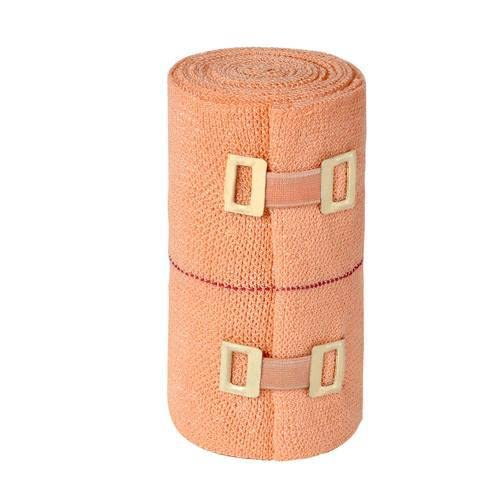
Crepe bandage: how to wrap it and check it is not too tight

Crepe bandage is a stretchable support band that should sit smoothly, without squeezing your fingers or toes. Wrap from the part farthest from your heart towards your heart, keeping the ends of your limb visible. This guide helps Indian families wrap carefully, recognise excess pressure, and know when to seek medical advice. Use it alongside guidance from a doctor or trained professional.

How do I wrap a crepe bandage for a sprained ankle?
Start near the base of the toes, leave the toes uncovered, and work upwards towards the ankle. Use smooth, overlapping figure-of-eight turns without pulling hard, then check colour, warmth, feeling, and comfort. Follow the technique your doctor or trained professional demonstrates.
A crepe bandage for ankle support needs careful placement, not maximum stretch. Stop if the crepe roll causes increasing pain or requires forcing the foot into position. A painful, misshapen ankle needs assessment rather than repeated attempts.
Use this sequence after a professional confirms that home use suits the injury:
-
Help the person sit comfortably. Support the lower leg so the ankle does not hang unsupported. Explain what you plan to do before touching the painful area.
-
Check the foot before starting. Notice the toes’ usual colour, warmth, and feeling. Ask about existing numbness, tingling, or unusual coldness.
-
Hold the ankle comfortably. Keep the foot in the position shown by the professional. Do not bend it sharply or force it against pain.
-
Keep the roll close to the skin. Unroll only enough material to guide the next turn. This gives you more control than pulling from a distant roll.
-
Begin around the forefoot. Start near the base of the toes, leaving the toes visible. Keep the fabric open across its full width.
-
Guide the bandage across the foot. Carry it over the top of the foot towards the ankle. Circle the ankle without sharply increasing the pull.
-
Return across the foot. Bring the fabric diagonally down across the foot and beneath the arch. This creates the crossing pattern of a figure eight.
-
Progress upwards smoothly. Overlap the previous fabric while moving towards the lower leg. Avoid stacking material over one painful spot.
-
Secure according to the instructions. Use the fastening method supplied or demonstrated. Do not pull the final end harder to make it stay.
-
Check the toes again. Ask about new pressure, pain, tingling, or numbness. Remove the crepe bandage if warning signs appear.
Do not keep adding turns simply because fabric remains on the roll. Extra material can create unnecessary bulk and uneven pressure. Ask for another demonstration if you cannot reproduce the technique comfortably.
How tight should a crepe bandage be?
A crepe bandage should feel snug and supportive, not painful, restrictive, or increasingly uncomfortable. Fingers or toes should retain their usual warmth, colour, and feeling. New numbness, tingling, coldness, or colour changes mean the bandage needs immediate attention.
There is no useful home tightness number for every person and every roll. Stretch, limb shape, swelling, and technique all affect the finished crepe bandage. Follow the product instructions and the professional’s demonstration rather than guessing from appearance.
Think about support and safety together:
-
Comfort: The bandage should not create a new ache, burning feeling, or sharp pressure point.
-
Even placement: Fabric should lie flat, without narrow ridges or rolled edges.
-
Visible fingers or toes: Keep them uncovered so changes remain easy to notice.
-
Normal feeling: The person should not develop numbness or pins and needles.
-
Ongoing checks: A comfortable starting fit does not remove the need to check again.
Do not use pain tolerance as a tightness test. Someone may tolerate pressure that still needs correcting. Equally, a neat-looking finish can hide an uncomfortable fold underneath. Ask the person how it feels, then inspect the exposed fingers or toes.
What is a crepe bandage used for at home?
At home, a crepe bandage may provide support and gentle compression for an assessed soft-tissue injury. Ankles and wrists are common examples. Its role depends on the injury and the advice given by a doctor or trained professional.
It does not tell you whether an injury is minor. A swollen ankle after missing a step may need examination before you use a crepe support. The same applies to a painful wrist after a fall. Difficulty using the limb should not be dismissed because the support feels reassuring.
Keep its purpose clear within the family. One person may think the crepe bandage allows normal activity. Another may assume a tighter fit provides stronger protection. Neither assumption should replace the care plan. Ask what activities remain suitable while using it.
For example, ask whether the person should put weight on the ankle. Do not test its safety by making them walk across the room. A crepe support does not provide the protection required for every injury.
Use the crepe roll only for the reason explained. New pain, unexplained swelling, or repeated injuries deserve fresh advice. Reusing an old routine does not establish that the current problem is the same.
How is a crepe bandage different from other bandages?
An elastic compression crepe bandage is a stretchable material used to apply support or pressure. The crepe texture describes its woven structure. The amount of stretch and the care requirements depend on the particular product.

People often ask about the difference between crepe and elastic bandages. These terms can overlap: a crepe support wrap may also be elastic. Do not assume that the words describe completely separate products. Read the intended use and instructions on the pack.
Similarly, a cotton crepe bandage should not be chosen by fabric description alone. Cotton content does not tell you how firmly to pull. It also does not establish whether the product suits a particular injury. Follow the instructions for that roll.
The difference from an adhesive bandage is mainly its role here: crepe wrapping provides external support or compression. It must not serve as the direct covering for an open wound. Keep that distinction clear when explaining its use to family members.
Before opening a roll, read the application and care information. Keep those instructions available after removing the packaging. If wording is unclear, ask a pharmacist or trained professional to explain it. Do not infer safe use from how soft or stretchy the fabric feels.

Choosing a crepe bandage width for an ankle or wrist
Choose a width that follows the body part smoothly without forming narrow pressure bands or awkward folds. A wrist usually needs a different fit from a larger ankle. The person’s size also matters, so avoid choosing by age or joint name alone.
Too narrow a crepe wrap can concentrate pressure and become too tight. Too wide a crepe wrap can become bulky and difficult to place smoothly. Ask a trained professional to show a suitable width on the actual limb.
|
Fit issue |
What you may notice |
Practical response |
|---|---|---|
|
Too narrow |
Thin bands of fabric, repeated stacking, or edges pressing into the skin |
Stop and ask about a more suitable width. |
|
Too wide |
Bunching around curves or difficulty keeping fabric flat |
Ask whether a narrower width would follow the joint better. |
|
Poorly matched to the limb |
Gaps in one area and bulky overlaps elsewhere |
Review the width and technique together. |
|
Suitable handling fit |
Fabric follows the limb without forced folds |
Continue carefully, then complete the circulation and comfort checks. |
Width alone cannot make a crepe wrap safe. Even suitable fabric can cause problems when pulled hard or allowed to roll. Treat the table as a handling check, not proof that compression is appropriate.
Avoid folding a wide roll lengthways to imitate a narrower one. That changes how the fabric sits and may create a thick edge. Ask for a suitable width instead of improvising around repeated bunching.

Getting the person and supplies ready
Prepare everything before touching the injury. Keep the clean, dry roll and its instructions within easy reach. Choose a position where the person can relax without balancing on the injured limb. Support the limb before beginning.
Explain that the person should speak immediately if pressure feels wrong. Use everyday language rather than asking only whether circulation feels normal. Try, “Are your toes tingling?” or “Does this edge feel like it is digging in?”
Note these practical points:
-
Arrange good light so fingers or toes remain easy to inspect.
-
Keep the roll close enough to handle without pulling across the room.
-
Position yourself where you can see the fabric crossing the joint.
-
Keep the person’s hand or foot supported throughout wrapping.
-
Read how the end should be secured before you start.
-
Ask about existing numbness, coldness, or changes in colour.
Remove rings or other jewellery from the affected limb if they come off easily. Do not force a trapped ring over a swollen finger. Seek medical help when swelling makes jewellery difficult to remove.
In a busy home, let one person guide the wrapping. Another family member can read the instructions or support the limb. Avoid several people pulling or adjusting different parts simultaneously. If you lose control of the fabric, pause and restart calmly rather than tightening hurriedly.

Checking fingers and toes before applying a crepe bandage
Notice what is normal before applying the crepe bandage. Compare the affected fingers or toes with the other side where possible. Ask about warmth, feeling, and any symptoms already present. This provides a useful starting point for later checks.
Colour varies naturally between people. Look for a change from the person’s usual appearance rather than expecting one universal shade. Use good light and consider temperature and sensation alongside colour. One observation should not overrule another warning sign.
Ask clear questions before you begin:
-
“Do these fingers or toes already feel numb?”
-
“Can you feel my light touch as usual?”
-
“Does this side feel unusually cold?”
-
“Is there tingling before the wrap goes on?”
-
“Has the pain changed since the injury happened?”
These questions help you describe symptoms accurately; they do not diagnose the injury. Existing numbness, coldness, or unusual colour after an injury needs urgent assessment. Do not apply a crepe bandage over those signs and wait for them to improve.
If a professional shows you an additional circulation check, ask them to watch you repeat it. Do not rely on an unfamiliar test copied from memory. Keep using the simpler observations of colour, warmth, feeling, and comfort as instructed.
Direction and smooth overlaps for a crepe bandage
For limb wrapping, work from the point farthest from the heart towards the heart. At the ankle, this means progressing from the foot towards the lower leg. At the wrist, progress from the hand towards the forearm, following the demonstrated technique.
Keep each overlap smooth rather than gathering fabric into a cord. A broad, flat surface is easier to inspect than twisted material. Watch the edges as carefully as the centre. An edge that rolls can create a narrow pressure band.
Use these handling habits:
-
Guide the roll close to the limb instead of pulling from a distance.
-
Keep the full fabric width open as it meets the skin.
-
Smooth a fold before covering it with another layer.
-
Progress along the limb instead of repeatedly circling one place.
-
Follow the overlap pattern demonstrated for your product and injury.
Do not copy an overlap fraction from a different product. Different instructions and purposes can require different application methods. If the supplied guidance conflicts with your demonstration, ask for clarification before continuing.
Fasten the end without a final hard tug. Check that the fastening does not press into skin. If securing the roll requires extra squeezing, review the placement instead. The finish should not create a tighter band than the rest.
What to check once the crepe bandage is on
Check the exposed fingers or toes as soon as wrapping finishes. Ask how the whole fit feels, including its edges. Compare what you see and feel with the observations made before wrapping. Continue checking while it remains in use.
Do not hide the area under clothing before completing the check. A sock or sleeve can make changes harder to notice. Keep access straightforward for the person and anyone helping them. Follow professional advice about footwear and clothing around it.
|
Check |
What to look or ask for |
Concerning change |
|---|---|---|
|
Colour |
Compare with the person’s usual appearance |
Blue, white, unusually pale, or otherwise changed fingers or toes |
|
Warmth |
Compare with the other side where practical |
New coldness |
|
Feeling |
Ask about touch, tingling, and numbness |
Pins and needles or reduced feeling |
|
Comfort |
Ask about pressure across the support and its edges |
Increasing pain, burning, or digging pressure |
|
Fit |
Look at the fabric surface and exposed limb |
Rolled edges, bunching, slipping, or unusual swelling |
These are safety checks, not a diagnosis. A normal-looking toe does not cancel out numbness or increasing pain. Act on the concerning symptom rather than looking for every warning sign together.
Recheck after any adjustment or reapplication. The fit can change as swelling or fabric position changes. If checking becomes difficult, ask a family member or trained professional for help. Do not assume the original check remains enough.

Signs to remove a crepe bandage straight away
Remove it if fingers or toes turn blue, white, cold, or numb. Remove it if pins and needles develop. If these symptoms persist after removal, seek urgent medical advice. Severe pain or a cold, discoloured limb needs urgent assessment.
Increasing pain, unusual swelling, or a tight rolled edge also needs attention. Do not wait for the person to lose feeling completely. A pressure problem does not need to become dramatic before you act.
When warning signs appear:
-
Stop the current activity and support the limb.
-
Undo the fastening and remove the crepe bandage gently.
-
Check the fingers or toes again without squeezing them.
-
Seek urgent advice if colour, warmth, feeling, or pain remains abnormal.
-
Do not reapply while symptoms remain or before receiving advice about concerning changes.
Do not leave a tight strip in place while removing the rest. Partial removal can leave pressure concentrated around the limb. If you cannot remove it safely, ask for immediate help. Avoid sliding sharp scissors against the skin.
Tell the professional whether symptoms began before or after wrapping. Explain whether removing it changed them. This information helps describe the problem, but improvement does not prove the underlying injury is minor. Seek advice if warning signs return.
What to do when a crepe bandage slips or loosens
A crepe bandage can loosen over time. It may slip, gather into folds, or stop sitting as originally applied. It can be removed, washed when permitted, and reapplied according to instructions. Do not solve slipping by pulling one section much tighter.
A loose crepe bandage and a safely fitted one are not the same thing. Sliding fabric can gather into a narrow band. Check where it has moved, especially around the edges and joint creases. Remove and reassess rather than pushing a gathered section back repeatedly.
Before reapplying, check whether anything else has changed. Is the limb more painful or swollen? Has the skin become irritated? Does the fabric still lie flat? These observations matter more than restoring its previous appearance.
If it repeatedly slips, ask someone trained to review the technique and width. Show them where the material gathers. Mention whether movement or clothing seems to shift it. Do not keep adding layers to a loose crepe roll.
For a family helper, the useful question is not simply, “Can I make this stay?” Ask, “Can I reproduce the demonstrated fit without bunching or extra pressure?” If the answer is no, seek another demonstration. A secure-looking finish should never outweigh comfort and circulation checks.
What if a crepe bandage gets wet?
If your crepe bandage gets wet, remove it and let it dry. Check the skin before considering reapplication. Do not leave a wet crepe bandage in place simply because its outer surface feels less damp.
For Indian households, rain, bathing, and washing tasks can make keeping the crepe bandage dry difficult. Plan those activities around the removal instructions given by your professional. If removing it requires help, arrange that help beforehand. Do not improvise a tight covering around the limb.
After wetting, follow a straightforward sequence:
-
Take it off gently.
-
Look for skin irritation or pressure marks.
-
Follow the product’s washing instructions if cleaning is needed.
-
Let the material dry fully before reuse.
-
Reapply only if home reapplication has been explained.
-
Repeat the finger or toe checks after rewrapping.
Sweat can also leave the material damp. Treat noticeable dampness as a reason to review the fit and skin. Do not tighten slippery fabric to compensate. Ask for advice if moisture repeatedly makes safe placement difficult.
Do not assume every damp crepe bandage can simply be dried and reused. Check whether it is dirty, damaged, or labelled for reuse. Product instructions take priority over a general household washing routine.
Can I wash and reuse a crepe bandage?
You can wash and reuse a crepe bandage when its manufacturer permits reuse. Follow that product’s washing and drying instructions. Do not assume every roll tolerates the same detergent, water temperature, or drying method.
Keep the care information with your household first-aid supplies. A family member who washes the crepe roll may not have seen the original packaging. Explain that ordinary laundry habits may not match the instructions. Avoid guessing when the label is missing.
A practical care sequence is:
-
Read the instructions. Confirm that the product is washable and reusable.
-
Use the stated method. Follow any directions about handwashing, detergent, rinsing, and drying.
-
Avoid unapproved treatment. Do not add heat, ironing, or strong cleaning products unless permitted.
-
Dry completely. Do not roll damp material into storage.
-
Inspect before reuse. Look for fraying, damaged edges, uneven fabric, or a changed feel.
-
Review the fit again. A washed crepe roll still needs careful application and circulation checks.
Do not pull harder to compensate for material that no longer behaves as expected. Ask a pharmacist or trained professional whether replacement is needed. A familiar roll is not automatically suitable indefinitely.
Washing also does not make a crepe bandage a sterile wound covering. Keep its support role separate from wound protection. That distinction remains important even when the fabric looks completely clean.
How do I protect the skin under a crepe bandage?
Inspect the skin whenever the crepe bandage comes off. Look for rubbing, broken areas, rash, or marks where edges pressed. Ask whether itching or burning developed during use. New irritation deserves attention rather than a tighter reapplication.
Never apply a crepe bandage directly over an open wound. Always cover the wound with a sterile dressing first. A doctor or trained professional should guide any crepe application over that covering. Do not use the support fabric as the wound-contact layer.
Keep this safety rule brief and clear for everyone helping. The crepe bandage supports or holds; it does not replace the sterile layer. If you discover broken skin while wrapping, stop and ask what care is needed. Avoid concealing it beneath another turn.
Do not hide a rubbing point by adding several extra layers. The problem may involve placement, width, or an unsuitable wrapping plan. Ask for a review if the same spot repeatedly becomes sore. Mention exactly where it happens.
Seek medical advice for spreading redness, discharge, worsening pain, or feeling unwell with an injured area. These changes need more than a different wrapping technique. Keep the focus on assessment rather than covering the visible problem.
How do I use a crepe bandage on a wrist?
For wrist support, follow the hand-to-forearm pattern demonstrated by a trained professional. Keep the fingers visible and avoid restricting the thumb unnecessarily. Do not copy an ankle figure eight without learning the wrist-specific placement.
Support the hand while wrapping so the person does not hold it rigidly against pain. Begin in the demonstrated position and guide the material smoothly. Keep fabric from gathering between the thumb and finger. Check both edges before securing the end.
Pay attention to everyday use after application. A person may immediately try cooking, lifting a vessel, or carrying shopping. Do not treat the crepe fabric as permission to resume painful tasks. Ask the professional which activities remain suitable for that injury.
Look for these wrist-specific handling problems:
-
Fabric pulling into the space beside the thumb.
-
A rolled edge pressing across the wrist.
-
Fingers becoming unusually swollen or cold.
-
New tingling while holding an object.
-
Increasing pain after the wrap is secured.
Remove it if circulation or feeling changes. Seek urgent advice if symptoms persist. A wrist injured during a fall may need assessment even when wrapping feels comfortable. Comfort alone cannot distinguish a sprain from another injury.

Crepe bandage tips for children and older family members
Make the person’s feedback part of every check. Ask children and older adults simple questions about coldness, tingling, pressure, and pain. Do not assume silence means it feels comfortable. Look at the exposed fingers or toes as well.
For a child, use familiar words. Ask whether the toes feel “fizzy,” “sleepy,” or colder than the other foot. Then clarify what they mean. These descriptions help conversation but do not replace a proper medical assessment.
A person who cannot clearly describe symptoms needs an individual checking plan. Ask the doctor who should help and what changes require action. Do not rely on the person remembering to report problems without support.
When family members share care, pass on practical information:
-
Why the professional recommended the crepe bandage.
-
How it was demonstrated and secured.
-
Which symptoms were present before wrapping.
-
Whether slipping, dampness, or pressure occurred.
-
What warning signs require removal and medical advice.
Keep the explanation in the language everyone understands. If useful, ask the professional to watch the main helper demonstrate the technique. Another family member can keep the instructions accessible. Consistent handling is more useful than several conflicting household rules.
Who needs extra caution with a crepe bandage?
Get individual advice before home compression if the person has poor circulation or reduced feeling in the limb. Mention diabetes and any known nerve problems. A doctor needs this information when deciding whether compression is appropriate.
Reduced feeling makes comfort-based checking less dependable. Someone may not notice pressure in the usual way. Do not respond by wrapping more firmly until they feel support. Ask for a clear checking and application plan instead.
Unexplained swelling also needs assessment rather than automatic wrapping. A crepe roll kept at home does not establish the cause. Tell the doctor whether swelling followed an injury or appeared without one. Avoid applying a previous family member’s instructions to a different problem.
Be cautious when you cannot inspect the fingers or toes properly. Poor light, covered skin, or difficulty communicating can limit home checks. Arrange help rather than assuming it is safe. If safe checking remains impossible, ask for professional guidance before continuing.
These precautions do not mean everyone needs the same treatment. They mean the decision should match the person, not just the body part. Bring existing medical information when asking for crepe bandage advice.
When should I see a doctor about a sprain?
A doctor should assess serious sprains, severe pain, worsening swelling, or difficulty using the injured limb. Seek urgent help if the limb looks misshapen, becomes cold or discoloured, or develops numbness. Do not delay assessment while trying different crepe wrapping methods.
Arrange prompt assessment when:
-
Pain is severe or getting worse.
-
Swelling or bruising is substantial or increasing.
-
The person cannot put weight on an injured ankle.
-
The injured joint is very stiff or difficult to move.
-
Symptoms are not improving with the advised home care.
-
The person feels feverish or unwell alongside the injury.
Seek urgent care for an odd angle, changed shape, or a crack heard during injury. Numbness, tingling, blue or grey skin, and coldness also need urgent attention. These signs may indicate more than a straightforward sprain.
If symptoms began after wrapping, remove the crepe bandage and explain the sequence clearly. Say what changed and whether removal helped. Persistent circulation or sensation changes require urgent advice. Do not repeatedly rewrap while waiting for a different result.
When seeking help, describe the injury, not just the crepe bandage problem. Mention how it happened and what the person can no longer do. Include any colour changes, coldness, or new loss of feeling. Bring the product instructions if available.
A crepe bandage that feels supportive does not rule out a fracture or significant ligament injury. Professional assessment matters when symptoms are serious or uncertain. Let the injury guide the need for care, rather than the neatness of the wrapping.
A final crepe bandage checklist for home use
Use this checklist after a professional has confirmed that home use is suitable. It brings together preparation, fit, care, and warning signs. It does not replace the product instructions or an individual medical plan.
-
The doctor or trained professional has explained the purpose of wrapping.
-
The width follows the limb without narrow pressure bands or bulky folds.
-
The fabric is clean, dry, and suitable for use.
-
Wrapping progresses from farther away from the heart towards the heart.
-
Overlaps lie flat, without twisted fabric or rolled edges.
-
Fingers or toes remain exposed for checking.
-
Colour, warmth, feeling, and comfort have been checked after application.
-
Everyone helping knows to remove it for blue, white, cold, numb, or tingling fingers or toes.
-
Persistent warning signs will receive urgent medical attention.
-
A wet crepe roll will be removed and allowed to dry.
-
Washing and reuse will follow the product instructions.
-
Any open wound has a sterile dressing beneath the crepe bandage.
-
Serious or worsening injury symptoms will not be hidden by repeated wrapping.

The takeaway for safe crepe bandage use
Aim for smooth support, not maximum tightness. Keep fingers or toes visible, listen to the person, and act on changes in colour, warmth, feeling, or pain. Remove the crepe bandage for circulation warning signs and seek urgent advice if they persist.
If the technique remains uncertain, ask for another demonstration. If the injury seems serious, seek assessment instead of adjusting it again. A crepe bandage belongs within a care plan, not in place of one.
Explore more bandages and dressings
Medical tape and bandages Kinesiology tape Wound dressing Gauze Varicose vein stockings
Explore Medical Collections
All Categories
Abdominal Belt: Support After Surgery, in Pregnancy and After Delivery

Accessories
Accu-Chek Instant Strips: Use, Compatibility, Price & Blood Sugar Testing Guide
Accu-Chek Instant Strips: Uses, Features & Complete Guide

accupuncture

Acupuncture Needles & Supplies

Advanced Physiotherapy Machines & Lumbar Physiotherapy
AED Defibrillator: How It Works, Who Can Use It and Where to Place It

Airways
Alcohol Swab: Uses, Safe Use and Disposal Guide
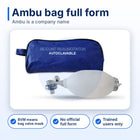
Ambu Bag Full Form: Is There an Official Meaning?
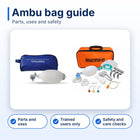
Ambu Bag: Parts, Uses and Safety Guide
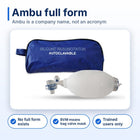
Ambu Full Form: What the Name Means and BVM Basics

Ambulance

Anatomy Models
You may also need
FOR YOURecommended for you
Save 9%