


Featured ChoiceSave 31%
Save 57%
Save 60%


Save 43%
Save 8%

Save 37%
Save 75%
Save 38%
Save 50%
Save 50%
Save 11%

Save 26%
Save 36%
Save 34%
Save 38%
Save 50%
Save 75%

Save 50%
Save 55%
Save 46%

Save 45%

Save 50%
Save 9%
Save 45%

Save 78%

Save 50%
Save 50%

Save 50%
Save 33%
Save 62%
Save 56%
Save 46%
Save 50%
Save 62%

Save 20%
Save 53%
Wound Dressing for Home Use: Pads, Rolls & Cotton
Wound dressing for Home Use: Types, Sizes & How to Choose
Wound dressing for home use helps cover a minor cut, scrape, or weeping area so it stays clean, absorbs fluid, and is easier to manage day to day. The right choice depends on the wound size, the amount of fluid, where it is on the body, and whether you need a sterile dressing pad or a non-sterile support layer. This guide explains common home dressing types, including gamjee roll, combine pad, medicated gauze dressing, and cotton roll, plus simple steps for safe wound care at home.
Consult your doctor if you are unsure about a wound or its dressing.
This article is for everyday home buyers. It can help you choose and use basic supplies, but it is not a replacement for advice from a qualified health professional, especially for deep, dirty, painful, or infected wounds.
What is a wound dressing used for?
A wound dressing is used to cover a wound, absorb blood or fluid, reduce rubbing from clothing, and create a cleaner barrier between the skin and the outside world. For minor cuts and scrapes, trusted first-aid guidance commonly recommends cleaning the area, controlling bleeding with direct pressure, and covering it with a clean dressing or bandage. (medlineplus.gov)

A dressing is different from a bandage, even though people often use the words together. It is the pad or material that sits over the wound area. The bandage, tape, or wrap is what holds that pad in place. Some products combine both functions, but when you are buying supplies for home use, it helps to think of them separately.
The main jobs of a wound dressing are simple:
- Covering: It helps keep dust, dirt, and outside contact away from the wound.
- Absorbing: It takes in blood or wound fluid so the area is less messy.
- Cushioning: It can add cushioning when the wound is on a spot that rubs against shoes, clothes, or bedding.
- Supporting: It can help keep another pad in place when used with tape or a wrap.
- Monitoring: It makes it easier to notice if the wound is leaking more fluid, bleeding again, or showing warning signs.
No home dressing can promise a quick or certain recovery. The aim is practical care: clean the area, cover it properly, change it when needed, and watch for signs that you need professional help.
The main dressing types for home use
Most home first-aid boxes do not need a huge range of products. A small selection of absorbent pads, rolls, tape, and clean cutting tools is usually more useful than buying every product on the shelf. The best wound dressing for home use is the one that matches the wound and can be applied without touching the part that will sit over the skin.

Sterile dressing pad
A sterile dressing pad is individually packed and treated so it is free from living germs until the packet is opened. It is often the first choice for a fresh cut, scrape, or open wound because the part touching the wound should be as clean as possible. Sterile pads are commonly available in small sizes for finger or hand cuts, medium sizes for knees or elbows, and larger sizes for wider scraped areas.
Common home-use sizes include about 5 by 5 cm, 7.5 by 7.5 cm, 10 by 10 cm, and larger rectangular pads such as 10 by 20 cm. Sizes vary by brand, so check the packet before buying. A simple rule is to choose a pad that covers the wound fully, with extra space around the edges so tape does not sit directly on broken skin.
Combine dressing pad
A combine dressing pad is a thicker, absorbent pad used when a wound has more fluid than a small pad can manage. It usually has a soft outer layer and an absorbent inner layer. For home buyers, it is useful for larger scrapes, light-to-moderate leakage, or as an outer absorbent layer over a primary sterile pad.


A combine pad should not be squeezed tightly onto a wound just to “use up” its thickness. It works best when placed flat and held securely with tape, a crepe bandage, or another suitable wrap. Common sizes include 10 by 10 cm, 10 by 20 cm, 20 by 20 cm, and larger options, depending on the brand and pack.
You may also see the phrase combine dressing pad used for the same type of product. For home use, choose it when absorption and cushioning matter more than a very thin, low-profile covering.
Gamjee roll
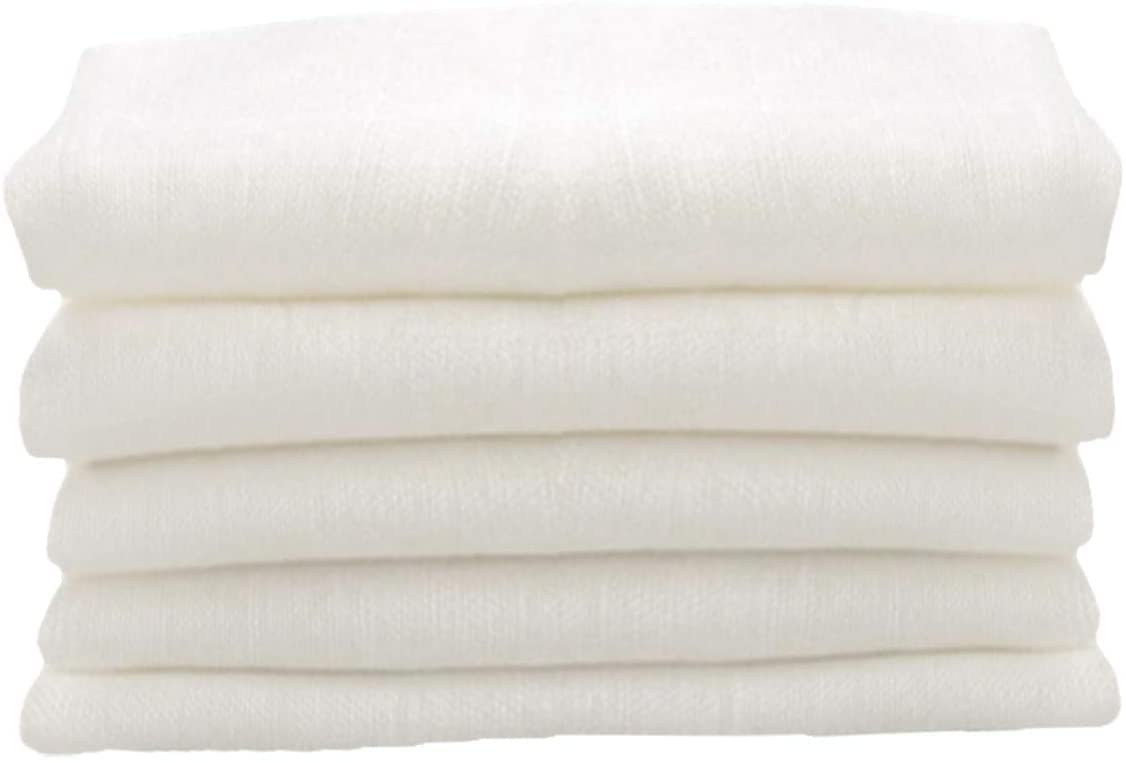
A gamjee roll is a soft, padded roll made with an absorbent cotton layer covered by a gauze-like fabric. It is often used as a cushioning and absorbent layer, especially on arms, legs, hands, or feet where a flat pad may not sit neatly. Because it comes as a roll, you can cut the length you need.

Common gamjee roll sizes are described by width and length, such as 10 cm by 3 m, 15 cm by 3 m, or 20 cm by 3 m. Some packs may be shorter or longer. Wider rolls are useful for larger areas, while narrower rolls are easier to manage around wrists, ankles, and fingers.
For home use, gamjee is usually not the first layer for a fresh open wound unless the product is sterile and the packet says it is suitable for direct wound contact. It is often more practical as a secondary layer over a sterile pad, helping absorb extra fluid and add cushioning.
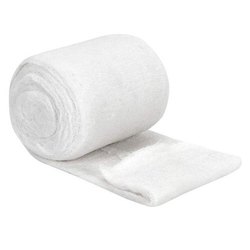
Cotton roll
A cotton roll is a soft roll of absorbent cotton used for cushioning, cleaning around intact skin, or adding comfort under a wrap. It is not usually the best material to place directly on an open wound because loose fibers may stick. For open wounds, a sterile pad is usually a better first layer.

Cotton roll sizes may be listed by weight, width, or length. Home packs may be small rolls for first-aid use, while larger rolls are meant for more frequent changes. If you buy a cotton roll for home care, keep it clean, dry, and covered after opening so it does not collect dust.
Cotton can be helpful around a wound dressing, under a light wrap, or as a cushion over bony areas. It should be used gently and should not be wrapped so tightly that fingers or toes become cold, numb, blue, or swollen.
Medicated gauze dressing
A medicated gauze dressing is a gauze dressing that contains an added substance, such as antiseptic or paraffin-type material, depending on the product. A chlorhexidine gauze dressing is one example that may be used when a product label or professional advice says it is suitable. This category should be chosen with care because some ingredients can irritate sensitive skin or may not be right for every wound.

For home buyers, the safest approach is to read the packet closely and use medicated dressings only as directed. Common sizes may include small strips or pads, such as 5 by 5 cm, 10 by 10 cm, or roll formats. Keep this type of product for situations where it is clearly needed rather than using it as a general cover for every scratch.
Sterile and non-sterile dressings have different roles
Sterile and non-sterile dressings may look similar, but they are meant for different levels of cleanliness. A sterile dressing is sealed in a packet and should be used when the material will touch an open wound. A non-sterile dressing is clean but not packed to the same standard, so it is better for cushioning, outer layers, training practice, or covering intact skin.

Here is an easy way to decide:
| Dressing use | Better choice | Why it matters |
|---|---|---|
| Fresh open cut or scrape | Sterile dressing pad | The part touching the wound should be as clean as possible. |
| Extra absorption over a first layer | Sterile or clean absorbent pad, depending on contact | If it touches the wound, choose sterile. If it sits over another pad, clean may be enough. |
| Padding under a wrap | Non-sterile cotton roll or gamjee, if not touching the wound | Cushioning adds comfort and helps spread pressure. |
| Practice or first-aid kit training | Non-sterile products | Lower cost and fine for learning how to wrap. |
| Dressing for a dirty, deep, or bite wound | Professional advice first | Some wounds need more than home care. |
A sterile pad stops being sterile when the packet is opened, when it touches a table, or when fingers touch the surface that will sit on the wound. Open it only when you are ready to apply it. Hold the pad by the corners or edges whenever possible.
Non-sterile does not mean dirty. It means the product has not been sealed and prepared for direct open-wound contact in the same way. Non-sterile cotton, padding rolls, and outer wraps still have a place in wound care at home when used correctly.
Choosing the right size is as important as choosing the type
A dressing that is too small may leave part of the wound exposed. A pad that is much too large may wrinkle, lift at the edges, or make taping awkward. The best size covers the wound completely and gives you a clean border around it.

Use this simple sizing method:
- Look at the wound area without touching it. Check the length, width, and amount of fluid.
- Choose a pad that extends beyond the wound. Leave a margin on all sides so tape can sit on healthy skin, not on the wound.
- Match thickness to fluid. A thin sterile dressing pad may be enough for a small cut. A combine dressing pad or gamjee layer may suit a wetter or larger area.
- Think about body movement. Joints, fingers, toes, heels, and elbows need pads that can stay in place without pulling.
- Keep a few sizes at home. A small first-aid box should include small, medium, and larger pads instead of only one size.
For example, a small kitchen cut may only need a small sterile pad or adhesive dressing. A scraped knee may need a larger sterile pad because the wound is wider and may rub against clothing. A wound on the shin may need a combine pad and a light wrap if there is more fluid or if the area needs cushioning.

Size guide for common home dressings
| Product | Common sizes or formats | Best home use |
|---|---|---|
| Sterile dressing pad | 5 by 5 cm, 7.5 by 7.5 cm, 10 by 10 cm, 10 by 20 cm | Direct cover for minor open wounds. |
| Combine pad | 10 by 10 cm, 10 by 20 cm, 20 by 20 cm, larger pads | Absorption and cushioning for larger or wetter areas. |
| Gamjee roll | 10 cm, 15 cm, or 20 cm wide rolls; often several metres long | Cushioning and absorption around limbs or over a first layer. |
| Cotton roll | Small first-aid rolls or larger rolls by weight/width | Cushioning, comfort layers, and support under a wrap. |
| Medicated gauze dressing | Small pads, strips, or rolls | Limited use when the product is suitable and directions are clear. |
Because brands package dressings differently, treat these as common examples rather than fixed rules. Always check the label for size, sterile status, and intended use.
What is a gamjee roll used for?
A gamjee roll is used for soft support, extra absorption, and gentle cushioning, especially on parts of the body where a flat pad may not fit well. It is practical for home use because you can cut it to length, layer it over a sterile pad, and secure it with a bandage or tape.
Gamjee is often useful when you want a thicker layer than a small pad provides. For example, if a scraped area on the lower leg has mild fluid leakage, you may place a sterile dressing pad over the wound first, then add a cut piece of gamjee roll as the outer absorbent layer. This keeps the first layer cleaner while giving you more cushioning and coverage.
Gamjee can also help reduce rubbing. On a heel, ankle, elbow, or shin, a thin pad may shift or feel uncomfortable. A soft padded layer can make the wound dressing easier to wear for daily movement.
When using a gamjee roll at home:
- Cut the length with clean scissors.
- Keep the unused roll covered after cutting.
- Do not let the cut roll drag across tables, floors, or clothing.
- Use a sterile first layer if the wound is open and the gamjee is not clearly marked sterile.
- Secure it firmly enough to stay in place, but never so tightly that circulation feels affected.
If you see swelling below the wrap, tingling, numbness, or color change in fingers or toes, loosen the wrap and seek advice if symptoms continue.
How to dress a wound at home
Knowing how to dress a wound is mostly about staying calm, keeping things clean, and using the right layers. For minor cuts, basic guidance includes washing your hands, cleaning the wound with mild soap and water, applying direct pressure if bleeding, and covering the area with a clean dressing. (medlineplus.gov)

Before you begin, gather everything you need. This prevents you from opening a sterile dressing pad and then searching drawers while the pad is exposed.
Home dressing checklist
Keep these items in a small, clean first-aid box:
- Sterile dressing pads in at least two sizes
- A few combine pads for larger or wetter areas
- Gamjee roll for cushioning and secondary absorption
- Cotton roll for padding under a wrap
- Medical tape or a light bandage wrap
- Clean scissors for cutting rolls
- Disposable gloves, if available
- Mild soap and clean running water access
- A small waste bag for used dressings

Step-by-step application
- Wash your hands well. Use soap and water. Dry with a clean towel.
- Control bleeding first. Apply steady pressure with a clean cloth or gauze. For heavy bleeding, keep pressure on and get urgent help. Red Cross guidance for severe bleeding stresses firm direct pressure and adding more dressing on top if needed rather than repeatedly disturbing the wound. (redcross.org)
- Rinse away loose dirt. For minor cuts and scrapes, rinse gently with clean running water. Avoid digging into the wound.
- Clean the surrounding skin. Use mild soap around the area, taking care not to scrub the wound harshly.
- Dry the nearby skin. Tape sticks better to dry skin. Do not rub the wound surface.
- Open the sterile pad carefully. Touch only the edges. Place the clean side over the wound.
- Add extra absorption if needed. Use a combine dressing pad or gamjee roll over the first layer if there is more fluid.
- Hold it in place. Use tape or a wrap. It should stay in place without cutting into the skin.
- Check comfort and circulation. If the wound dressing is on an arm or leg, fingers or toes should remain warm and normal in color.
- Write down the time if needed. This helps you remember when to check or change it.
Avoid placing loose cotton directly onto an open wound. If fibers stick, changes can become more difficult and uncomfortable. Use cotton roll as a cushion around or over a proper first layer instead.

How often should a wound dressing be changed?
How often should a wound dressing be changed? In general, change it when it becomes wet, dirty, loose, uncomfortable, or as directed on the product label or by a health professional. For some wounds, a professional may give a specific schedule, so follow that advice when it is given. (medlineplus.gov)
For simple wound care at home, check the wound and cover regularly. You may need to change it sooner if fluid leaks through, the tape lifts, or it gets wet during bathing. A damp pad can loosen, rub, or allow dirt to move closer to the wound.
Simple changing steps
- Wash your hands before touching the wound dressing. Clean hands reduce the chance of moving dirt to the wound.
- Remove tape slowly. Support the skin as you peel it away.
- Lift the old wound dressing gently. If it sticks, do not yank it off. Moistening the outer layer may help loosen it.
- Look without poking. Check for more redness, swelling, bad smell, thick drainage, or increased pain.
- Clean as needed. For minor wounds, gently clean around the area and follow any instructions you have been given.
- Apply a fresh wound dressing. Use a new sterile dressing pad if the wound is still open.
- Dispose of the used materials. Put it in a waste bag, tie it, and wash your hands again.
A used wound dressing should be treated as dirty, even if it looks fairly clean. Put it in the bin after removal. Do not place it on a counter, reuse it, or keep it “just in case.”

Can a wound dressing be reused?
Can a wound dressing be reused? No, a dressing that has touched a wound should not be reused because it may contain blood, fluid, dirt, or germs. Reusing it can move unwanted material back onto the wound or onto another part of the body.
This applies to sterile dressing pads, combine pads, pieces cut from gamjee roll, medicated gauze dressing, and cotton used near wound care. Once it is removed, throw it away. If the pad falls onto the floor before use, choose a new one.
The same rule applies if you open a sterile packet and accidentally touch the wound-contact surface. It may still look clean, but it is no longer sterile. Use it as an outer layer only, or discard it if you are unsure.
For home buyers, single-use habits are one of the easiest ways to keep wound care simple. Buy enough supplies so you are not tempted to reuse pads to save supplies. If a wound needs frequent changes, choose an economical pack size rather than stretching one pad beyond safe use.
Matching dressing type to common home situations
The best wound dressing depends on what you are dealing with. A tiny cut does not need the same pad as a larger scrape. A dry wound does not need the same absorbent layer as a weeping one.

Small cuts and scrapes
For a small cut, a sterile pad or adhesive dressing is usually the simplest option. Clean the area, cover it, and change it if it becomes wet or dirty. If bleeding does not stop with direct pressure, seek urgent help.
For a scrape, choose a pad large enough to cover the whole scraped area. Scrapes can be wider than they first appear, so a medium sterile dressing pad may be better than a very small one. If the scrape leaks a little, a thin combine pad can add absorption.
Larger grazes or weeping areas
For a larger graze with mild-to-moderate fluid, a combine dressing pad can be helpful. It covers more area and absorbs more than a small pad. If the wound is open, place a sterile dressing pad as the first layer unless the combine pad is sterile and suitable for direct use.
Gamjee roll can be used as a secondary layer if the area needs cushioning. This is useful on the shin, forearm, or other spots that may bump against furniture or clothing.
Wounds on arms and legs
Arms and legs often need a wound dressing that can handle movement. A sterile pad over the wound plus a gamjee or cotton padding layer can help spread pressure under a wrap. The wrap should be snug, not tight.
After wrapping, check the area beyond the wrap. Fingers and toes should not feel numb, cold, or tingly. If they do, loosen the wrap and recheck.
Areas that rub against clothing
If the wound is in a place that rubs, such as the heel, ankle, waistline, or elbow, comfort matters. A thicker outer layer such as gamjee can reduce friction. Tape should sit on healthy skin and should not pull across the wound when you move.
If a dressing keeps falling off because of sweat, bending, or movement, do not keep adding more tape over dirty layers. Remove it, clean the surrounding skin if needed, and apply a fresh dressing in a better size or shape.
Safe use of medicated and antiseptic dressings
Medicated dressings can be useful, but they should not be treated as everyday pads for every wound. A chlorhexidine gauze dressing, for example, contains an antiseptic ingredient and may not be suitable for people with certain sensitivities. Some antibiotic creams and ointments can irritate skin, and the American Academy of Dermatology notes that plain petroleum jelly can be enough for many minor cuts after cleaning, while infection signs require professional advice. (aad.org)
Before using any medicated gauze dressing, read the label for age guidance, allergy warnings, and directions. Do not add several antiseptic products at the same time unless told to do so by a qualified professional. More product does not always mean better care.
If the wound becomes more painful, red, swollen, warm, or begins to drain pus-like fluid, do not try to solve the problem by repeatedly changing antiseptic products. Get proper advice. Signs such as increasing redness, swelling, pus, red streaks, fever, or throbbing pain can point to infection and should be taken seriously. (medlineplus.gov)
Home storage keeps dressings ready to use
Supplies are only useful if they stay clean, dry, and easy to find. Poor storage can damage packets, expose products to moisture, or make sterile items unreliable. A simple storage system is enough for most homes.
Choose a clean box with a lid. Keep it away from bathrooms if possible because steam and moisture can affect packaging. A bedroom cupboard, hallway shelf, or kitchen cabinet away from heat and spills may work better.
Storage checklist
- Keep supplies dry. Moisture can damage paper packets and loosen seals.
- Keep packets closed until use. Do not open sterile items early.
- Store by size. Put small, medium, and large pads in separate sections or bags.
- Check dates. Replace expired sterile items and products with damaged packaging.
- Keep rolls covered. After cutting from a cotton roll or gamjee roll, return the rest to a clean bag or container.
- Separate clean and used items. Never put leftover clean products near used items.
- Keep scissors clean. Wipe and dry scissors before storing them with wound care supplies.
- Keep out of reach of young children and pets. Small packets, tape, and scissors can be unsafe if played with.
If a sterile packet is torn, wet, stained, or partly open, do not use it as the first layer on an open wound. You may use it for practice or outer padding if it is still clean and dry, but it should not be treated as sterile.
When should I see a doctor for a wound?
You should see a doctor for a wound if it is deep, gaping, caused by a bite, has something stuck in it, will not stop bleeding, shows signs of infection, or worries you for any reason. Home care is for simple cases, not for wounds that may need cleaning, closure, medicine, or a more detailed check.

Seek urgent help if bleeding is heavy, spurting, or continues despite steady pressure. For severe bleeding, do not keep removing the dressing to check the wound; keep firm pressure and add more dressing on top if blood soaks through while waiting for help. (redcross.org)
You should also get advice if:
- The wound is from an animal or human bite.
- The wound came from a dirty or rusty object.
- There is glass, metal, wood, or dirt you cannot rinse away.
- The cut is long, deep, or the edges are far apart.
- The wound is on the face, near an eye, across a joint, or on the hand or foot.
- Pain, redness, warmth, or swelling is getting worse.
- There is pus-like drainage or a bad smell.
- Red streaks spread away from the wound.
- A fever develops.
- You have diabetes, poor circulation, a weakened immune system, or take medicine that affects bleeding.
- You are unsure about tetanus protection after a puncture or dirty wound.
A helpful way to think about it: if you are choosing between “watch it” and “ask someone,” ask. Early advice can help you avoid guessing and repeated dressing changes that do not address the real problem.
Common mistakes to avoid
Most wound care mistakes happen because people are trying to help quickly. A little planning makes wound care at home safer and less stressful.
Using a dressing that is too small
A small pad may seem neat, but it can expose the wound edge or let tape touch broken skin. Choose a pad that gives full coverage. If the wound is wide, use a larger sterile dressing pad or combine pad rather than overlapping many tiny pieces.
Wrapping too tightly
A firm wrap may feel secure, but too much pressure can cause discomfort and circulation problems. Wraps should hold the cover in place, not squeeze the limb. Check fingers or toes after application.
Touching the wound-contact side
Once fingers touch the part of a sterile pad that will lie on the wound, it is no longer sterile. Open packets carefully and handle pads by the corners. If you drop the pad, replace it.
Leaving a wet dressing in place
A wet or dirty dressing should be changed. If dressings become wet again and again, you may need a more absorbent size or advice about the wound. Do not solve leakage by adding many tight layers.
Putting loose cotton on an open wound
Cotton is useful, but loose fibers can stick. Use cotton roll as a cushion, not as the main contact layer on an open wound. A sterile dressing pad is usually a better first layer.
Using medicated dressings without reading the label
A medicated gauze dressing may contain ingredients that are not suitable for everyone. Read the directions and warnings before use. Stop using a product and seek advice if irritation appears.
A simple home buying plan
If you are building a home first-aid supply, start with versatile items instead of buying only one dressing type. A balanced kit lets you handle small cuts, larger scrapes, and cushioning needs without overcomplicating things.
A practical home kit may include:
- Small sterile dressing pads for fingers, hands, and small cuts
- Medium sterile dressing pads for knees, elbows, and wider scrapes
- A few combine pads for more absorption
- One gamjee roll for cushioning and secondary coverage
- One cotton roll for comfort cushioning under wraps
- Medical tape that is gentle on skin
- A light wrap or bandage to secure pads on arms or legs
- A small pack of medicated dressing only if you know when and how to use it
When buying, check three things on every pack: size, sterile status, and intended use. If a product does not clearly say it is sterile, assume it is not sterile. If it does not say it can touch an open wound, use it only as an outer or padding layer.
For family homes, keep supplies in more than one size. Children, adults, and different body areas need different coverage. A good kit does not need to be large; it needs to be clean, organized, and easy to use.
Final takeaway
The right wound dressing for home use is clean, correctly sized, and suited to the amount of fluid and the wound location. Use a sterile dressing pad for direct contact with an open wound, a combine dressing pad for extra absorption, gamjee roll for cushioning and secondary coverage, and cotton roll for comfort layers rather than direct open-wound contact.
Change dressings when they are wet, dirty, loose, or as advised. Do not reuse a wound dressing. Store supplies in a dry, clean place, and seek professional help for deep wounds, heavy bleeding, infection signs, bites, embedded objects, or any wound that makes you unsure.
Explore Medical Collections
All Categories
Abdominal & Maternity Support

Accessories

Accu-Chek Instant Strips: Use, Compatibility, Price & Blood Sugar Testing Guide
Accu-Chek Instant Strips: Uses, Features & Complete Guide

Accupressure Products for Pressure Point Therapy, Pain Relief & Wellness

accupuncture

Acupuncture Needles & Supplies

Advanced Physiotherapy Machines & Lumbar Physiotherapy

Airways

Ambulance

Anatomy Models
Anesthesia Machine

Anesthesia Products
Ankle Support for Home Use: Braces, Sleeves & Walker Boots
Ankle Weights & Exercise Weights for Home & Rehab
You may also need
FOR YOURecommended for you
Save 31%
Save 57%
Save 60%
Save 43%
Save 8%
Save 37%
Save 75%
Save 38%
Save 50%
Save 50%
Save 11%
Save 26%
Save 36%
Save 34%
Save 38%
Save 50%
Save 75%
Save 50%
Save 55%
Save 46%