


Featured ChoiceSave 30%



Save 25%
Save 6%

Save 56%
Save 8%

Save 36%
Save 45%
Save 9%
What customers say
★★★★★ 5.0 · 7 reviews
 Hot and Cold Gel Pack
“Lightweight, comfortable to use, and retains temperature well. Ideal for back pain, swelling, and post-work...”
“This gel pack is flexible, durable, and provides instant relief whether used hot or cold. A must-have for s...”
 Digital Thermometer Fixed Tip
“The Digital Thermometer Fixed Tip is highly accurate and easy to use. A great tool for quick temperature re...”
“This Digital Thermometer with a fixed tip is a great buy! It’s compact, easy to use, and gives fast, accura...”
First Aid Box: Essential Items for Your Home
Essential items for your first aid box
First aid box planning is a simple way to keep your home ready for small cuts, fever checks, mild pain, and sudden discomfort. A good home first aid box keeps basic first aid items in one clean, known place, so family members do not search during a stressful moment. This guide explains what to keep, where to store it, when to replace items, and how Indian families can keep tablets and syrups safe around children.
What items should a home first aid box contain?
A home first aid box should contain clean wound care items, basic tools, fever-check items, safe over-the-counter medicines, and emergency contact details. It should not become a drawer full of loose strips, old syrups, or unknown tablets. Keep it simple, labelled, and easy for adults to use.

For a family home in India, focus on daily risks. Children may get scraped knees. Adults may get small kitchen cuts. Someone may need a temperature check during fever season. A well-stocked first aid box helps with these common home needs.
The American Red Cross includes items like adhesive bandages, gauze pads, adhesive tape, antiseptic wipes, gloves, tweezers, a non-glass oral thermometer, and emergency phone numbers in a family kit. It also advises checking the kit often and replacing used or expired contents. (redcross.org)
Here is a practical starter checklist for a first aid box at home:
-
Adhesive bandages in different sizes
-
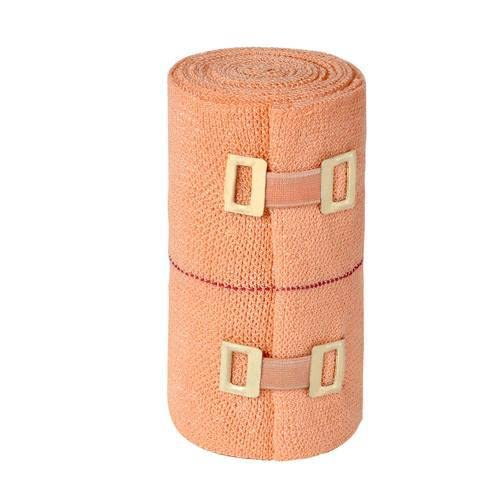
Gauze roll bandage
-
Antiseptic wipes or antiseptic solution
-
Tweezers
-
Small blunt-end scissors
-
ORS sachets
-
Fever and pain relief medicine for adults, as advised by a doctor
-
Child fever medicine only if advised by a doctor
-
Clean cloth or small towel
-
Hand sanitiser
-
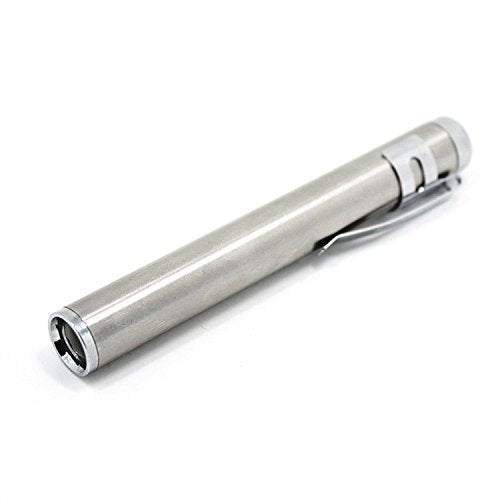
Small torch with working batteries
-
Emergency phone numbers
-
A simple note with family medical details
This list covers most home needs without becoming confusing. Add items based on age, family health needs, and doctor advice. Do not add random tablets or syrups because someone else uses them.


First aid box wound care items for small home injuries
Wound care items form the heart of a home first aid box. They help you cover small cuts, scrapes, and minor bleeding until the area can be checked properly. Clean, sealed items matter more than fancy products.
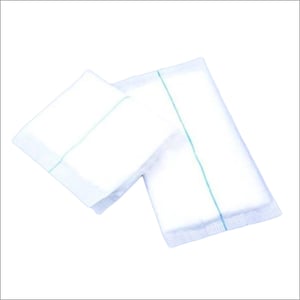
Which wound care items should be in a home first aid box? Keep sterile gauze, adhesive bandages, tape, antiseptic wipes, gloves, cotton pads, and a gauze roll. These items let an adult clean around a small wound, cover it, and keep dirt away.


Choose bandages in mixed sizes. Small strips help with finger cuts. Wider strips help with elbows or knees. Keep larger sterile gauze pads for scrapes that adhesive bandages cannot cover.
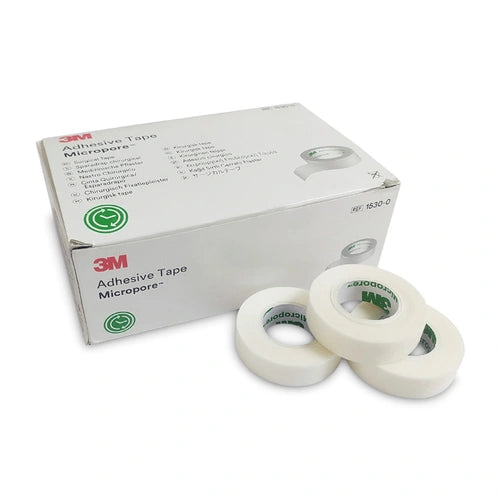
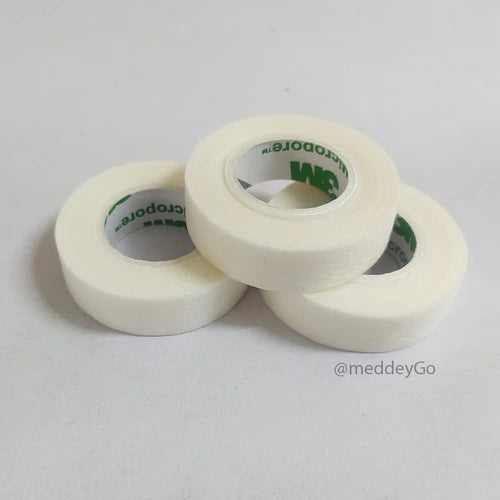
Medical tape should stick well but should not hurt too much when removed. Paper tape is often gentle for children and older adults. Fabric tape may hold better on areas that move.

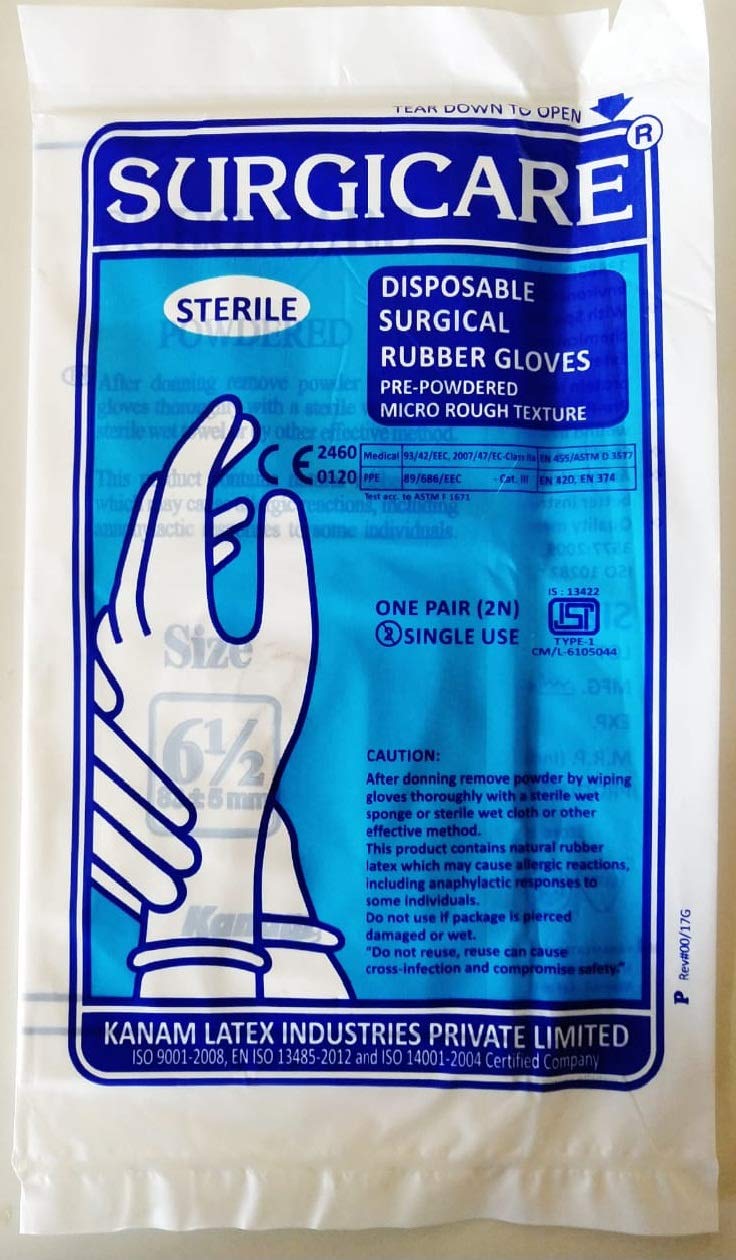
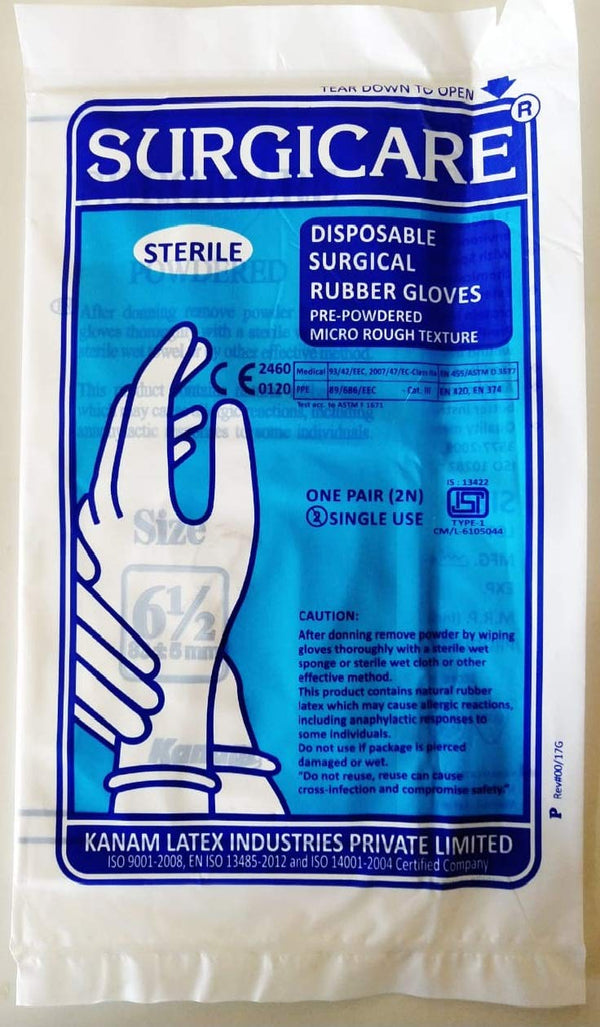
Disposable gloves are useful because hands may not be clean during a rushed moment. Keep at least two pairs in the first aid kit. Replace gloves if the packet tears, becomes sticky, or looks damaged.

Tweezers help remove tiny visible splinters from the skin surface. Do not use rusty tweezers. Clean the tool after use and keep it in a small pouch inside the kit.
A small pair of scissors helps cut gauze and tape. Use it only for first aid kit items if possible. Kitchen scissors may carry food stains or germs.
First aid box tools that make care easier
A first aid box works better when it includes small tools that save time. These tools do not replace a doctor. They only help adults handle simple home needs more calmly.
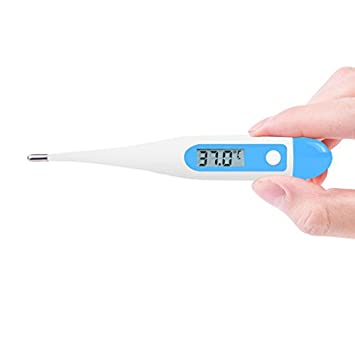
A digital thermometer is one of the most useful tools. Why is a digital thermometer preferred in a first aid box? It is easy to read, avoids glass breakage, and gives a quick reading when someone has fever symptoms.

The Red Cross recommends a non-mercury, non-glass oral thermometer in a family first aid kit. This makes sense for homes with children, older adults, or tiled floors where glass can break. (redcross.org)
Keep a spare battery if your thermometer uses one. Many homes discover the battery is dead only during a fever. Test the thermometer during your monthly first aid box check.
Tweezers, scissors, a small torch, and clean gloves are also useful. A torch helps during power cuts, night checks, or travel. In many Indian homes, power backups are common, but a small torch still helps.

You can keep a small notebook inside the first aid kit. Write allergy notes, medicine restrictions, and doctor numbers. This is helpful when grandparents, guests, or caregivers are at home.
First aid box medicines that need careful choices
Drugs need more care than bandages. A home first aid box can include a few common over-the-counter medicines, but only when adults understand how to use them. Read labels every time, even for familiar medicines.
Should I ask a doctor before stocking medicines in the first aid box? Yes, it is wise to ask a doctor or pharmacist, especially for children, older adults, pregnant people, and anyone with long-term illness. Safe choices depend on age, weight, allergies, and other drugs.
Many Indian homes keep a fever and pain relief medicine advised by a doctor, ORS, antacid, and a simple allergy medicine. These may be useful, but they still need correct use. Keep each one in its original packet with the label and expiry date visible.
Do not store loose tablets in a plastic pouch. You may forget the name, dose, or expiry date. Loose tablets also create risk for children and older adults.
Do not add prescription drugs to the shared first aid box. A drug prescribed for one person may harm another person. Keep personal prescription medicines separately and follow the doctor’s instructions.
Can children be given aspirin from the family first aid box? No, do not give aspirin to children unless a doctor has prescribed it. NHS guidance says aspirin should not be given to children under 16 unless prescribed, due to the risk of Reye’s syndrome. (nhs.uk)
If your family includes young children, keep child medicines separate from adult ones. Use measuring spoons or syringes supplied with the product. Never guess the dose from an adult tablet.
First aid box medicine table for easy home planning
A simple table helps families avoid overstocking. It also helps you see which items need doctor advice. Use this as a planning guide, not as a personal prescription.
|
Item type |
Why it may be useful |
Home storage tip |
Extra caution |
|---|---|---|---|
|
Fever and pain relief medicine |
Fever or mild pain support |
Keep adult and child versions separate |
Follow label or doctor advice |
|
ORS sachets |
Fluid support during loose motions or heat |
Keep sealed sachets dry |
Mix only as directed |
|
Antacid |
Occasional acidity discomfort |
Keep in original strip or bottle |
Ask a doctor for repeated symptoms |
|
Allergy medicine |
Seasonal allergy support |
Keep only known, labelled medicine |
May cause sleepiness in some people |
|
Digital thermometer |
Fever check |
Store with spare battery |
Clean after each use |
|
Antiseptic wipes |
Cleaning skin around small cuts |
Keep packets sealed |
Do not use if dried out |
|
Gauze and tape |
Covering small wounds |
Keep dry and dust-free |
Replace opened or dirty packs |
Should I keep extra cold and allergy medicines for monsoon and winter? You can keep a small, sensible supply if your doctor or pharmacist says it suits your family. Avoid buying many bottles “just in case,” because medicines expire and needs can change.
During monsoon, sealed storage matters. Damp shelves can spoil strips, labels, and gauze packets. Use a strong plastic first aid box with a tight lid.
During winter, many homes reach for cough, cold, and allergy products. Store only medicines you understand. Avoid combination medicines for children unless a doctor has advised them.
Where is the best place to store a first aid box at home?
The best place is cool, dry, visible to adults, and out of reach of children. A high kitchen cabinet, bedroom cupboard, or hallway shelf can work if it stays dry. Avoid bathrooms, sunny windows, and damp utility areas.
Where is the best place to store a first aid box at home? Choose one fixed place that every adult knows. The place should be easy to reach in a hurry but not reachable by small children.
A bathroom may look convenient, but steam and moisture can damage tablets and dressings. A windowsill can heat up in Indian summers. A puja room shelf or TV cabinet may be reachable by children.
NHS-linked guidance commonly advises keeping first aid supplies locked in a cool, dry place and away from children. That simple rule suits most Indian homes too. (nhs.uk)
If your home has older adults, choose a spot they can reach safely. Do not place the first aid box so high that an adult needs to climb on a chair. A locked wall cabinet is often safer than a high open shelf.
Keep one label outside the box. Use simple words like “first aid box.” Do not use a container that looks like a toy box or snack box. Children may become curious if it looks colourful.
How can I keep a first aid box away from small children?
Keep the first aid box locked, raised, and out of sight. Do not rely only on a tight lid. Children can open many containers faster than adults expect.

The CDC promotes keeping medicines up, away, and out of sight to reduce accidental child access. FDA advice also says medicines should be locked in a safe place away from children. (cdc.gov) (fda.gov)
Use a container with a latch or small lock. If you use a cupboard, lock the cupboard after every use. Do not leave the container on the bed, dining table, or kitchen platform after use.
Teach children that tablets and syrups are not sweets. Still, do not depend only on teaching. Safe storage must do the main work.
Grandparents and guests may carry tablets in handbags. Keep handbags away from children too. A child-safe first aid box habit works best when the whole home follows it.
After using the first aid kit, close strips, bottles, and caps. Return every item to the kit immediately. Then place it back in its locked location.
First aid box storage checklist for Indian homes
Use this checklist once after setting up the first aid box. Then repeat it every month. Small habits keep it useful.
-
Store the first aid box in one fixed place.
-
Keep it away from heat, sunlight, and damp walls.
-
Keep it locked or inside a locked cupboard.
-
Tell every adult where it is stored.
-
Keep children from seeing adults open it often.
-
Return it after every use.
-
Keep stock in original packets.
-
Keep sharp tools inside a pouch.
-
Keep emergency phone numbers inside the lid.
-
Check expiry dates once a month.
-
Replace used items the same day or same week.
-
Remove unknown tablets and damaged strips.
A checklist looks simple, but it prevents common mistakes. Many homes buy a first aid box once and forget it. The real value comes from checking, replacing, and storing it well.
First aid box emergency phone numbers and family notes
Should I keep emergency phone numbers inside the first aid box? Yes, keep them inside the lid or in a small plastic sleeve. In a stressful moment, people may forget saved contacts or lose phone battery.
Write numbers in large, clear letters. Include your family doctor, nearby clinic, preferred hospital, ambulance number, and two family contacts. If you live in an apartment, add the security desk number.
Add basic family health notes. Mention known allergies, medicine restrictions, and major conditions. Keep the note short, because long notes are hard to read during stress.
If your child has a known allergy, write it clearly. If an older adult avoids certain medicines, write that too. Do not include private details that are not needed for urgent home help.
Update the note when phone numbers change. Many families move clinics, change doctors, or change phone plans. A wrong number inside the first aid kit can waste time.
Keep the paper dry. Use a zip pouch or laminate the card. Moisture during monsoon can make ink run and paper tear.
First aid box items for fever, cold, allergy, and stomach discomfort
Home illness needs change by season. Indian families often notice more colds during monsoon and winter. Heat, travel, and food changes can also bring stomach discomfort.
Your first aid box can hold basic support items. Keep a digital thermometer, ORS sachets, doctor-approved fever medicine, and a few known allergy products. Add only what your family can use safely.
Do not keep every cold remedy you see at a pharmacy. Many products contain more than one active ingredient. Taking them with other drugs can cause mistakes.
For children, ask a doctor first before stocking cold or allergy medicines. Some products are not suitable for young children. Doses also change with age and weight.
For older adults, ask first before adding allergy tablets. Some can cause sleepiness or interact with other drugs. A pharmacist can help you choose safer options.
Keep a medicine list inside the first aid kit. Note which ones are for adults only. Mark child medicines clearly if a doctor has advised them.
First aid box organisation that saves time
A neat first aid box works better than a stuffed one. Divide items into groups so adults can find things quickly. Clear pouches, small zip bags, or labelled sections help.
Place wound care items together. Keep bandages, gauze, tape, gloves, and antiseptic wipes in one section. Put tools like scissors, tweezers, and thermometer in another section.
Keep tablets and syrups in a separate section. Use original strips and bottles. Do not cut strips so small that the name or expiry date disappears.
Keep child items apart from adult items. You can use two different pouches inside the same kit. This reduces confusion during fever or late-night illness.
Avoid overfilling the container. If you must press the lid down, you have too much inside. Overfilled boxes tear packets and hide expiry dates.
A transparent container helps adults see contents. But if children can see colourful packets, they may become curious. If you use a transparent container, keep it inside a locked cupboard.
First aid box expiry checks and replacement habits
How often should I check medicines in the first aid box for expiry? Check once every month. Also check before monsoon, before long travel, and after any illness at home.

Medicines and sterile supplies can expire. Adhesive can dry out. Antiseptic wipes can lose moisture. Gauze packets can tear.
The Red Cross advises checking a first aid kit regularly, checking expiry dates, and replacing used or out-of-date contents. This is a simple habit that keeps it ready. (redcross.org)
When should I replace items used from the first aid box? Replace them as soon as possible after use. Do not wait for it to become empty.
Create a small “to buy” slip inside the lid. When someone uses the last large bandage, write it down. The next pharmacy visit becomes easier.
Check liquid medicines carefully. If the bottle is open, follow the label for use and storage. Throw away medicine that changes colour, smell, or texture.
Check tools too. Rusty scissors, weak thermometer batteries, and torn gloves reduce usefulness. Replace damaged tools quickly.
First aid box refill list for monthly checks
Use a monthly refill list to make checking easy. Pick one date, such as the first Sunday of the month. Let one adult take responsibility.

|
Check point |
What to look for |
What to do |
|---|---|---|
|
Bandages |
Low count, open packets, weak adhesive |
Refill mixed sizes |
|
Gauze |
Torn cover, dust, dampness |
Replace damaged packs |
|
Tape |
Dry roll, weak stickiness |
Buy fresh tape |
|
Gloves |
Torn packet, sticky gloves |
Replace pair |
|
Thermometer |
Weak battery, unclear display |
Change battery or replace |
|
Medicines |
Expiry date, missing label |
Remove expired items |
|
ORS |
Torn sachet, damp packet |
Replace sealed sachets |
|
Emergency card |
Old numbers, faded ink |
Rewrite clearly |
Keep the refill list short. If it takes too long, people will skip it. A five-minute monthly check is better than a perfect yearly clean-up.
Do not donate expired medicines. Do not pass unknown tablets to neighbours or staff. Dispose of them safely as advised by a local pharmacist.
First aid box choices for babies, children, adults, and older adults
A family first aid box should reflect who lives at home. A home with a toddler needs extra safety steps. A home with older adults may need larger print labels and easy-open pouches for non-medicine supplies.
For babies and children, avoid self-medicating. Keep child fever medicine only if your doctor has advised it. Store it separately and write the child’s name if needed.
For school-age children, keep more knee and elbow bandages. Children often need small wound care after play. Also keep gentle tape and small gauze pads.

For adults, keep basic pain or fever medicine if it suits them. Adults with allergies, stomach issues, pregnancy, kidney disease, liver disease, or other health concerns should ask a doctor first.
For older adults, make the container easy to read. Use large labels on pouches. Keep a simple medicine caution note inside.
Do not assume one tablet suits everyone. A shared family first aid box needs shared safety rules. The safest rule is simple: when unsure, ask a doctor or pharmacist.
First aid box for the car and short family trips
Do I need a separate first aid kit in the car? Yes, it is sensible to keep a small separate first aid kit in the car if your family travels often. The Red Cross advises keeping a first aid kit at home and in the car. (redcross.org)
A car kit should be smaller than the home first aid kit. Keep bandages, gauze, tape, gloves, antiseptic wipes, a small torch, and emergency contacts. Avoid keeping heat-sensitive drugs in a parked car.

Indian cars can become very hot in summer. Heat can damage tablets, adhesive, and some products. If you keep any medicine for travel, ask a pharmacist how to store it.
Check the car kit before road trips. Replace dried wipes, weak tape, and dusty items. Keep the kit in a clean pouch, not loose in the boot.
For train or bus travel, carry a small pouch from your home first aid kit. Include only basic supplies and any personal medicine advised by your doctor. Keep it in your handbag, not deep inside luggage.
When you return home, restock both kits. Travel often uses bandages, ORS, and wipes. A quick refill keeps the home kit ready again.
First aid box mistakes Indian homes can avoid
Most first aid box problems come from neglect, not lack of money. A family buys a kit, uses a few items, and forgets to refill it. Months later, it contains expired tablets and empty wrappers.
Avoid keeping tablets or syrups without labels. This is risky for adults, children, and older adults. If you cannot identify a medicine, remove it safely.
Avoid mixing beauty items and first aid items. Nail cutters, hair pins, old creams, and cosmetics do not belong in the kit. They create clutter and confusion.
Avoid storing the container near gas stoves or sunny balconies. Heat can reduce product quality. Moisture can also spoil dressings.
Avoid using dirty hands to handle sterile items. Wash or sanitise hands first when possible. Keep gloves near the top of the box.
Avoid delaying medical care because you have a first aid box. It supports small home needs. It does not replace professional care for serious symptoms, deep wounds, breathing trouble, severe pain, or repeated vomiting. In an emergency, call 112.
First aid box buying tips without overcomplicating it
You can buy a ready-made first aid box or build your own. Ready-made kits save time, but they may include items you do not need. Homemade kits let you choose better sizes and brands you trust.
Start with a strong container. It should close tightly, stay clean, and fit your shelf. A handle helps, but a lock matters more when children live at home.
Choose plain packaging when possible. Avoid boxes that look like toys. If the container is bright, keep it hidden inside a locked cupboard.
Buy small quantities first. You can add more after you see what your family uses. Large bulk packs may expire before use.
Choose easy-to-read labels. This matters for older adults and low-light situations. Keep a marker in the first aid kit if you need to write dates on opened items.
Do not buy items only because they look “medical.” A practical first aid box needs useful items, not impressive clutter. Bandages, gauze, tape, gloves, thermometer, and safe medicines do most of the work.
First aid box setup steps for a new home
Setting up a first aid box becomes easier with a step-by-step plan. Do it once properly, then maintain it monthly. You can finish a basic setup in one pharmacy visit.
-
First, choose a strong container with a lid or lock.
-
Pick a cool, dry, adult-accessible storage place.
-
Add wound care items first.
-
Add tools like scissors, tweezers, and thermometer.
-
Add only doctor-approved or familiar OTC medicines.
-
Keep child and adult drugs separate.
-
Write emergency phone numbers clearly.
-
Add allergy and medicine restriction notes.
-
Put a refill slip inside the lid.
-
Set a monthly reminder to check the first aid kit.
These steps work for most Indian homes. They also help new parents, newly married couples, and people moving into a new flat. A first aid box is a small setup with a big practical benefit.
If you already have a kit, empty it fully once. Clean the container first. Throw away damaged, expired, or unknown items safely.
Then rebuild it by category. This feels slower, but it prevents confusion later. A clean kit is easier to trust.
First aid box hygiene after every use
After using the first aid box, spend two minutes resetting it. Throw away used gauze, gloves, and wipes. Close medicine bottles and strips.
Wipe scissors or tweezers if used. Let clean tools dry before storing them. Keep sharp tools in a pouch so they do not tear packets.
Wash hands after handling blood, dirt, or used dressings. If someone else helped, ask them to wash too. Hygiene protects the helper and the person being helped.
Do not put half-used dirty cotton back into the container. Do not save opened gauze for later if it is no longer clean. Sterile items lose value when opened and exposed.
Write used items on the refill slip. This small step keeps it ready. It also prevents repeat pharmacy trips.
First aid box safety rules every adult should know
Every adult at home should know the first aid box rules. This includes parents, grandparents, older siblings, and regular caregivers. Simple rules prevent mistakes.
Keep the kit in its fixed place. Use items only for home health needs. Return the box immediately after use.
Read the labels first before giving any dose. Check the name, strength, age advice, and expiry date. If anything seems unclear, do not use it.
Do not give adult tablets or syrups to children. Do not split tablets unless a doctor has advised it. Do not give aspirin to children unless prescribed.
Do not mix medicines with advice from social media. A neighbour’s tablets may not suit your family. A doctor or pharmacist gives safer guidance.
Keep the emergency card updated. If your building has a new security number, change it. If your doctor changes clinic, update the card.
First aid box habits that keep your family ready
A first aid box is not a one-time purchase. It is a small home habit. The habit matters more than the brand or size of the kit.
Check it monthly. Refill it after use. Store it away from children. Keep medicines labelled and current.
In India, seasons also affect storage. Summer heat, monsoon dampness, and winter illness can all change what you need. Review the first aid kit before each season.
Talk to your doctor or pharmacist once if your family includes children, older adults, pregnancy, allergies, or long-term illness. Ask what should or should not be kept. Keep the answer written inside the first aid kit.
A calm home is not a home without small injuries or fever. It is a home where adults know where the first aid box is, what it contains, and how to use its contents responsibly.
A well-planned first aid box gives your family a cleaner, safer, and faster way to handle small home needs. Keep it simple, keep it checked, and keep it away from children. That is the most useful first step.
Explore Medical Collections
All Categories
Abdominal Belt: Support After Surgery, in Pregnancy and After Delivery

Accessories
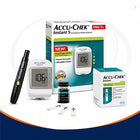
Accu-Chek Instant Strips: Use, Compatibility, Price & Blood Sugar Testing Guide
Accu-Chek Instant Strips: Uses, Features & Complete Guide

accupuncture

Acupuncture Needles & Supplies

Advanced Physiotherapy Machines & Lumbar Physiotherapy
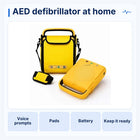
AED Defibrillator: How It Works, Who Can Use It and Where to Place It

Airways
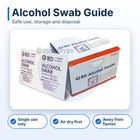
Alcohol Swab: Uses, Safe Use and Disposal Guide
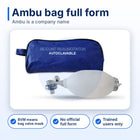
Ambu Bag Full Form: Is There an Official Meaning?
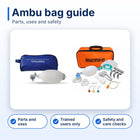
Ambu Bag: Parts, Uses and Safety Guide
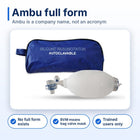
Ambu Full Form: What the Name Means and BVM Basics

Ambulance

Anatomy Models
You may also need
FOR YOURecommended for you
Save 30%
Save 25%
Save 6%
Save 56%
Save 8%
Save 36%
Save 45%
Save 9%