


Featured ChoiceSave 26%

Save 91%
Save 28%
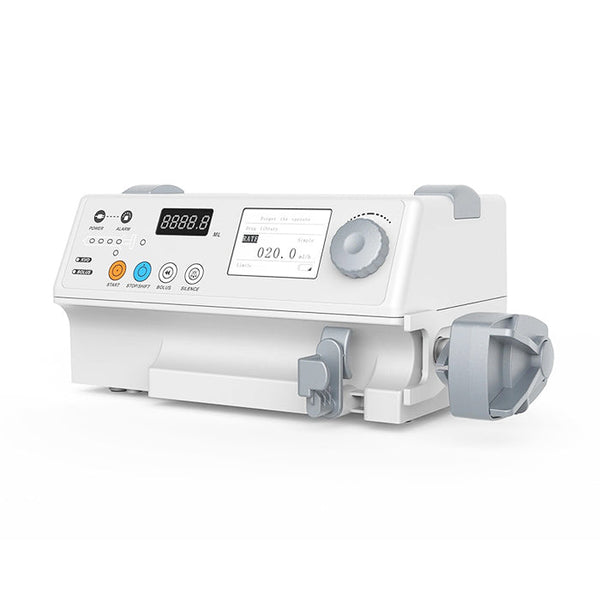
Save 39%
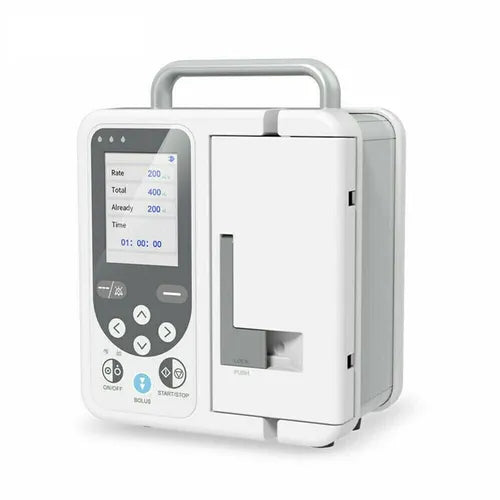


Save 27%
Save 82%
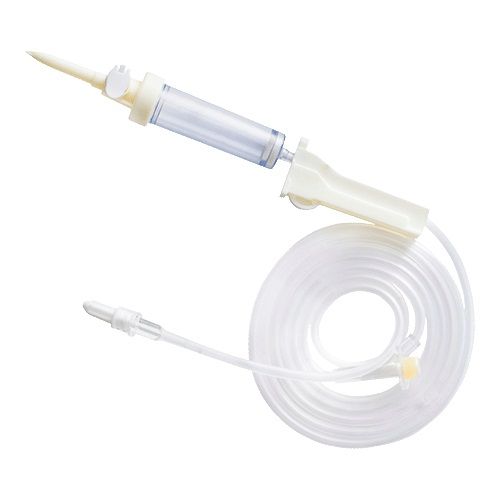
Save 24%
Save 27%
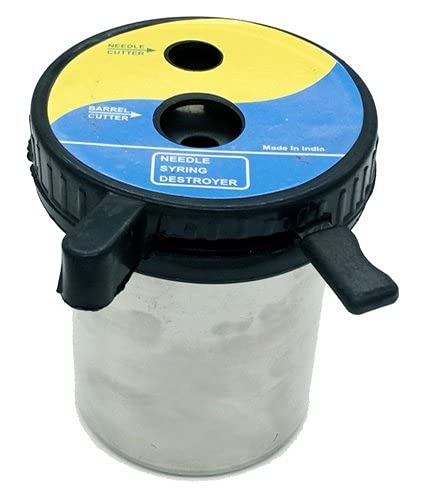
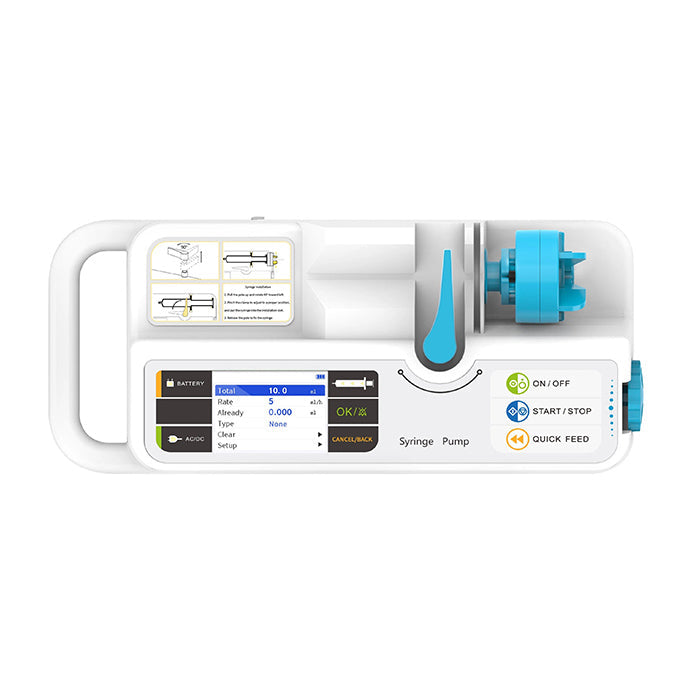
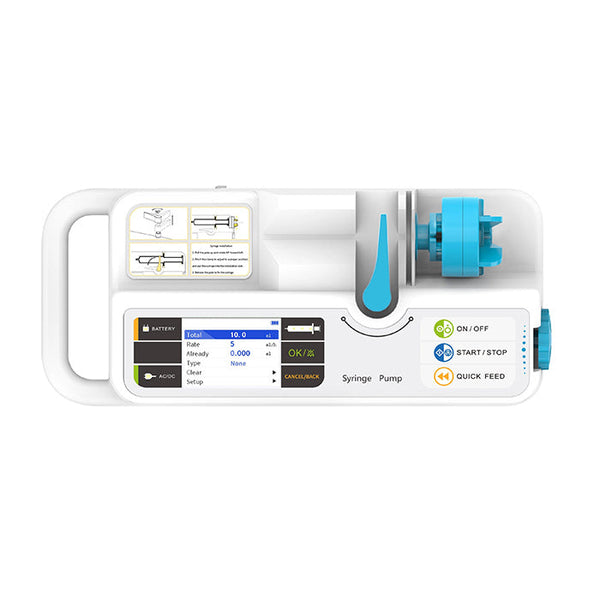
INFUSION – PRODUCT OVERVIEW
Infusion is an important part of modern healthcare. It supports the controlled delivery of fluids, medicines, nutrients, and other prescribed solutions when a patient needs care. Because each patient has different needs, healthcare teams must choose suitable infusion equipment and use it in the right way.
In hospitals and clinics, infusion equipment can support many types of care. For example, healthcare staff may use it during treatment, recovery, surgery, or long-term care. In addition, infusion equipment can help staff manage a planned flow of fluid with better control. Therefore, it plays an important role in many care settings.

At the same time, safe use remains very important. Healthcare staff should follow the instructions supplied with the selected product. They should also follow the treatment plan given by the doctor or other qualified healthcare professional. As a result, proper product choice, correct setup, and regular checks all matter.
This guide explains the main points to know about infusion equipment. It covers its purpose, common uses, key features, selection points, care, safety, and basic use. However, exact features can differ from one infusion product to another. Therefore, users should always check the product details before use.
INTRODUCTION TO INFUSION EQUIPMENT
Infusion care involves giving a fluid or medicine to a patient through a planned route. The care team selects the method based on the patient's needs and the prescribed treatment. In many cases, the process needs steady control. For this reason, suitable infusion equipment can help the care team follow the treatment plan.
Infusion equipment is used in many healthcare areas. Hospitals may use it in patient rooms, treatment areas, operating areas, and critical care units. Similarly, clinics may use it when a patient needs a controlled fluid or medicine delivery method. Nursing and long-term care settings may also use suitable infusion products when required.
Moreover, good infusion equipment can support a clear and organised care process. Staff can check the setup before treatment starts. They can then monitor the system during use. If the product includes controls or settings, staff can check them as part of the normal care process.
However, infusion equipment does not replace professional medical judgment. A doctor or qualified healthcare professional must decide the treatment, fluid, medicine, amount, and rate. The equipment only supports the delivery process. Therefore, trained staff should handle the equipment and follow the product instructions.
KEY FEATURES OF INFUSION EQUIPMENT
Different infusion products can have different designs and functions. Even so, several features are useful when choosing an infusion product. These features can help healthcare staff manage daily use with greater ease.
- Controlled delivery: The equipment supports a planned delivery process.
- Simple operation: Clear controls can make daily use easier.
- Easy monitoring: Staff can check the system during treatment.
- Suitable design: A practical design can support use in busy care areas.
- Clear setup: A clear setup can help staff prepare the system correctly.
- Patient care support: Infusion equipment can support many treatment plans.
- Routine checks: Staff can inspect the product before and during use.
- Flexible use: Different models may suit different care needs.
In addition, some models may offer extra features. These features depend on the exact product and model. Therefore, buyers should check the product page, user manual, and supplied specifications before making a choice.
HOW INFUSION SUPPORTS PATIENT CARE
Infusion care can support treatment when a patient needs a controlled flow of fluid or medicine. The healthcare team first checks the treatment plan. Next, the staff prepare the required equipment and supplies. After that, they set up the system according to the product instructions and the prescribed plan.
During treatment, staff may need to check the patient and the infusion setup. For example, they may look at the equipment, tubing, connections, and other parts of the system. They also watch for any signs that need attention. If a problem appears, staff should follow the correct clinical procedure.
In addition, regular checks can help staff keep the treatment process organised. The care team can record the required details and follow the treatment plan. As a result, the use of suitable infusion equipment can become part of a clear care routine.
Still, each patient is different. Therefore, the exact method of use depends on the patient's condition and the instructions given by the healthcare professional.
COMMON APPLICATIONS OF INFUSION EQUIPMENT
Infusion equipment can support many areas of healthcare. The exact use depends on the product type and the treatment plan. However, common areas include the following.
Hospitals
Hospitals often need infusion equipment for many types of patient care. For example, staff may use it during treatment, recovery, surgery, or other planned care. Because hospitals manage many patients, reliable equipment can support a smooth work process.
Clinics
Clinics may also need infusion products for patients who require controlled fluid or medicine delivery. In this setting, easy setup and clear operation can be useful. Moreover, the equipment should match the type of care offered by the clinic.
Nursing and Long-Term Care
Some patients need ongoing care over a longer period. In such cases, suitable infusion equipment can become part of the care routine. Staff should still follow the treatment plan and check the equipment at the required times.
Specialised Care Areas
Special care areas may need specific infusion solutions. The required product can vary based on the patient, treatment, and clinical setting. Therefore, staff should select equipment that matches the care plan and product instructions.
BENEFITS OF USING SUITABLE INFUSION EQUIPMENT
Choosing suitable infusion equipment can support both patient care and staff workflow. First, the right product can help staff follow the planned treatment method. Next, a clear design can make setup and routine checks easier. In addition, suitable equipment can help create a more organised care process.
Another benefit is consistency. When staff use the correct product according to the instructions, they can follow a standard process. This can make routine care easier to manage. Furthermore, clear product controls can help trained staff check the setup during use.
However, these benefits depend on correct use. The equipment must match the treatment need, and staff must follow the instructions. Therefore, product selection and training remain important parts of safe use.
- Supports a planned treatment process.
- Helps staff manage routine infusion care.
- Can make setup easier with clear controls.
- Supports regular monitoring during use.
- Fits different healthcare settings when the correct model is selected.
- Can help create a more organised workflow.
HOW TO CHOOSE THE RIGHT INFUSION PRODUCT
Choosing an infusion product requires care. First, identify the clinical need. Next, check the type of infusion equipment required for that need. Then, review the product features and instructions. This simple process can help buyers avoid an unsuitable choice.
1. Check the intended use: Start by checking what the product is designed to do. The product should match the planned treatment and care setting.
2. Review the controls: Look for clear controls and an easy-to-understand design. This can help trained staff use the equipment with less confusion.
3. Check the specifications: Always review the exact product specifications before purchase. Different models may have different functions, sizes, power needs, or other features.
4. Consider the care setting: A hospital may need different features from a clinic or care centre. Therefore, think about where the product will be used.
5. Check the instructions: Read the supplied user manual before use. In addition, make sure trained staff understand the correct setup and care steps.
6. Consider support and service: Buyers should also check the available product support, warranty terms, and service options where applicable.
TECHNICAL SPECIFICATIONS
Exact specifications depend on the selected infusion product and model. Because the available source material does not provide model-specific infusion specifications, buyers should confirm the details on the exact product page or product manual before purchase.
| Specification | Details |
|---|---|
| Product Type | Infusion equipment; exact type depends on the selected model. |
| Main Use | Supports controlled delivery of prescribed fluids or medicines. |
| Application | Healthcare and clinical care settings, based on the selected model. |
| Operation | Use according to the supplied instructions and treatment plan. |
| Controls | Controls vary by product and model. |
| Power Requirement | Depends on the exact infusion product. |
| User | Trained healthcare staff or other authorised users. |
The table above gives general guidance only. Therefore, always check the exact model details before use.
HOW TO USE INFUSION EQUIPMENT
Infusion equipment should be used only by trained and authorised users. First, read the product instructions carefully. Next, check the equipment and all required parts. Make sure the parts are clean and suitable for use. Then, prepare the system as directed by the product manual and treatment plan.

Before starting treatment, staff should check the setup. They should make sure the connections are secure and the system is ready. The prescribed fluid or medicine should also match the treatment plan. If anything looks wrong, staff should stop and seek guidance.
During use, staff should monitor the patient and the infusion system. They should follow the checks required by the care plan. In addition, they should watch for leaks, loose connections, unusual changes, or other problems.
After treatment, staff should follow the correct procedure for stopping the system and removing or replacing parts. They should also clean and store reusable equipment according to the manufacturer's instructions. Finally, staff should record any required treatment details.
CARE AND MAINTENANCE
Regular care helps keep infusion equipment ready for use. First, inspect the product before each use. Look for visible damage, loose parts, cracks, worn cables, or other issues. Next, clean the product as directed by the manufacturer.
Do not use cleaning products that the manufacturer does not approve. Also, do not place electrical parts in water unless the product instructions clearly allow it. Instead, follow the cleaning method given in the manual.
Keep the equipment in a clean and dry place when it is not in use. Protect it from excess heat, moisture, dust, and physical damage. In addition, keep accessories and related parts together so staff can find them when needed.
Routine checks are also important. If the equipment shows an error or damage, remove it from use and ask an authorised service person to inspect it. Therefore, proper care can help support safe and reliable daily use.
SAFETY CONSIDERATIONS
Safety should always come first when using infusion equipment. The product should match the treatment plan, and trained staff should operate it. In addition, staff should read the user manual before first use.
- Use the product only for its intended purpose.
- Follow the instructions supplied by the manufacturer.
- Allow trained healthcare staff to operate the equipment.
- Check the product before each use.
- Do not use damaged equipment.
- Check all required connections before treatment.
- Follow the prescribed treatment plan.
- Monitor the patient as required by the care team.
- Keep the product clean and dry.
- Contact authorised service staff if a fault appears.
Furthermore, never change a patient's treatment plan without proper medical direction. The correct fluid, medicine, amount, and delivery rate must come from the responsible healthcare professional. Therefore, infusion equipment should always support, rather than replace, professional care.
WHY INFUSION EQUIPMENT MATTERS IN HEALTHCARE
Infusion care is an important part of many healthcare services. When a patient needs controlled delivery of a fluid or medicine, the care team needs a suitable method. Infusion equipment can support that process.
Moreover, good equipment can help staff follow a planned workflow. The team can prepare the system, check the setup, monitor the treatment, and complete the required care steps. As a result, suitable equipment can support both patient care and staff work.
However, the product alone cannot ensure safe care. Training, correct setup, regular checks, and proper clinical decisions all play a role. Therefore, buyers should consider the complete care process rather than looking at only one product feature.
WHO CAN USE INFUSION EQUIPMENT?
Infusion equipment should be used by trained healthcare professionals or other users who have received suitable training for the exact product. The required training can vary by product type and care setting.
For example, hospital staff may receive product training as part of their work. Similarly, staff in clinics or care centres may use the equipment after they learn the correct setup and operating steps. In every case, users should understand the product instructions before use.
Home use requires extra care. A patient or caregiver should use infusion equipment at home only when a qualified healthcare professional has given clear instructions and the product is suitable for that setting. Therefore, users should not attempt unfamiliar medical procedures without proper guidance.

INFUSION EQUIPMENT FOR PROFESSIONAL HEALTHCARE SETTINGS
Professional healthcare settings need equipment that fits their daily work. Hospitals, clinics, nursing centres, and other care facilities may have different needs. Therefore, buyers should first understand the type of care they provide.
Next, they should compare the features of suitable products. The team should check the operating method, product size, required accessories, care needs, and other listed details. In addition, staff should review the product manual and service information before purchase.
A good buying process can help the facility choose a product that fits its work. It can also help staff understand the product before they begin routine use. As a result, careful planning can make product use easier and more organised.
FREQUENTLY ASKED QUESTIONS ABOUT INFUSION
What is infusion equipment?
Infusion equipment supports the controlled delivery of prescribed fluids, medicines, nutrients, or other solutions. The exact function depends on the product and model.
Where is infusion equipment used?
It can be used in hospitals, clinics, nursing facilities, and other suitable healthcare settings. However, the exact use depends on the product and treatment plan.
Who should operate infusion equipment?
Trained healthcare staff or other authorised users should operate the equipment. In addition, users should understand the product manual and follow the treatment plan.
How should infusion equipment be cleaned?
Follow the cleaning instructions supplied by the manufacturer. Do not use unapproved cleaning methods because they may damage the product.
Can infusion equipment be used at home?
Some products may be suitable for home care when a healthcare professional recommends them and provides the required training. Therefore, users should confirm suitability before home use.
How do I choose the right infusion product?
Start with the treatment need and care setting. Then check the product type, features, specifications, instructions, and support options. Finally, confirm the choice with the responsible healthcare professional when required.
What should I do if the equipment looks damaged?
Do not use damaged equipment. Instead, remove it from use and contact the appropriate service or support team for further guidance.
Are all infusion products the same?
No. Infusion products can differ in design, controls, size, features, and intended use. Therefore, always check the exact model before purchase or use.
CONCLUSION
Infusion equipment can play an important role in modern patient care. It supports the controlled delivery of prescribed fluids, medicines, nutrients, and other solutions. Because healthcare needs can vary, the right product should match the treatment plan and care setting.
Moreover, safe use depends on more than the equipment itself. Staff need proper training, clear instructions, regular checks, and good care practices. Therefore, users should always follow the product manual and the directions given by the responsible healthcare professional.
When choosing infusion equipment, start by identifying the intended use. Next, compare the relevant features and specifications. Then, check the product instructions, care needs, and support options. Finally, confirm that the selected model fits the planned healthcare use.
With the right product and proper use, infusion equipment can support an organised care process. As a result, it can become a useful part of healthcare services where controlled fluid or medicine delivery is required.
Important Note: This content provides general product information. Exact features, specifications, operating steps, and clinical use can vary by infusion product and model. Always check the exact product manual and follow the instructions of a qualified healthcare professional before use.
Explore Medical Collections
All Categories
Abdominal & Maternity Support

Accessories

Accu-Chek Instant Strips: Use, Compatibility, Price & Blood Sugar Testing Guide
Accu-Chek Instant Strips: Uses, Features & Complete Guide

accupuncture

Acupuncture Needles & Supplies

Advanced Physiotherapy Machines & Lumbar Physiotherapy

Airways

Ambulance

Anatomy Models
Anesthesia Machine

Anesthesia Products

Ankle Support for Home Use: Braces, Sleeves & Walker Boots

Ankle Weights & Exercise Weights for Home & Rehab

Anti-Bedsore Air Mattresses
You may also need
FOR YOURecommended for you
Save 26%
Save 91%
Save 28%
Save 39%
Save 27%
Save 27%
Save 82%
Save 24%