


Featured ChoiceSave 32%
Save 35%

Save 50%
Save 29%

Save 39%
Save 46%

Save 27%

Save 50%
Save 12%
Save 27%
Save 50%

Save 28%
Save 33%
Save 22%

Save 38%

Save 50%
Save 34%
Save 50%

Save 50%

Save 50%

Save 50%
Save 50%
Save 19%
Save 13%
Save 50%


Save 50%

Save 50%
Save 50%
Save 22%
Save 38%
Save 50%


Save 22%

Save 14%

Sold out
Sold out
Sold out
About this collection
Sensory Toys & Occupational Therapy Equipment
Sensory toys can make hands-on activity more engaging while giving children and adults different ways to explore touch, movement, balance and coordination. In occupational therapy, however, one product rarely covers every goal. A programme may also use fine-motor boards, swings, standing equipment, gait tools or supportive seating.
For families, the first step is to match the product to the activity recommended for the user. Meanwhile, therapists, special schools and rehabilitation centres may need a wider set of occupational therapy tools for sensory play, hand skills, balance, movement and daily-living practice.
Therefore, this Meddey collection combines sensory toys with broader occupational therapy equipment for home programmes, clinics, schools and supervised rehabilitation settings.
What Are Sensory Toys?
Sensory products encourage interaction through touch, movement, sight, sound or body awareness. Depending on the design, an activity may involve swinging, sorting, squeezing, balancing, reaching or matching.
At the same time, occupational therapy usually looks beyond play alone. Fine-motor control, coordination, posture, mobility and daily activities may also form part of a therapy plan. As a result, buyers should choose products according to the person's actual goals rather than selecting an item only because it is labelled sensory.
Explore Products by Therapy Goal
Sensory Play, Movement & Regulation
Movement-based sensory toys and sensory-room products can provide different types of activity for children and selected therapy programmes. For example, swings involve controlled movement, while ball pools and bubble tubes create different visual or body-based experiences.
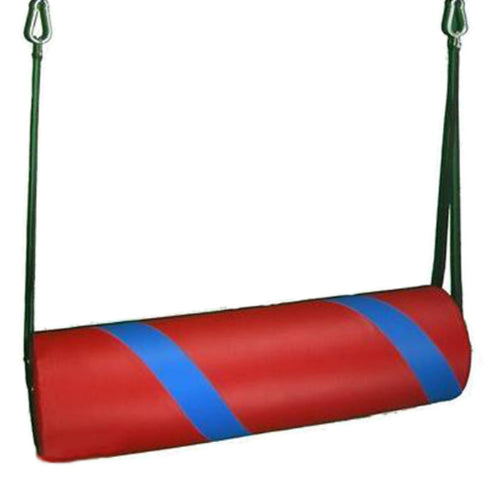
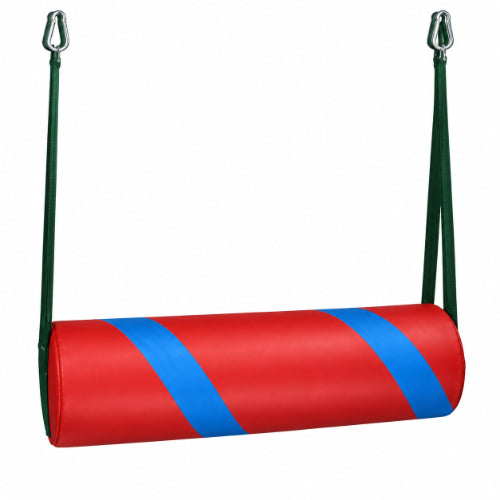
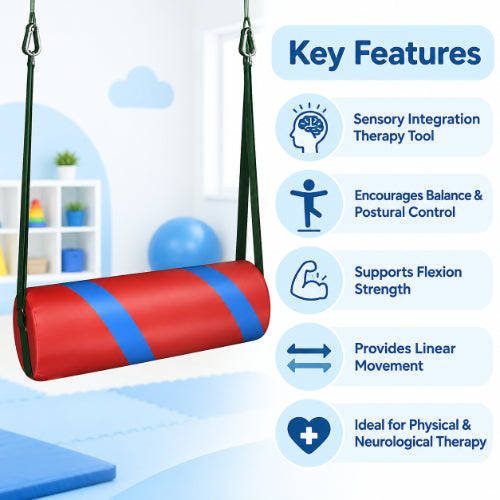
Bolster Swing With Rope & Hooks Deluxe Therapy Bolster Swing Frog Sensory Swing Bubble Tube With Mirrors Round Ball Pool With 500 Balls Indoor Activity Fun Gym
Because movement needs vary, the level of activity should be matched to the user's comfort, ability and professional guidance. In addition, larger sensory products need enough clear space for safe use.
Fine-Motor, Hand & Daily-Living Skills
Fine-motor activities may focus on grasp, finger control, sorting, matching and everyday hand use. Therefore, boards and manipulatives can be useful when the goal is to practise smaller, more controlled movements.
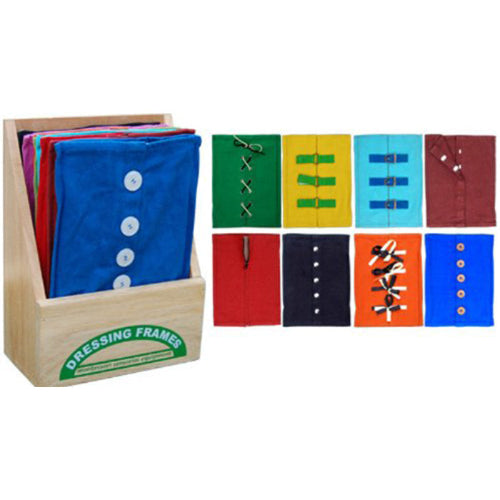
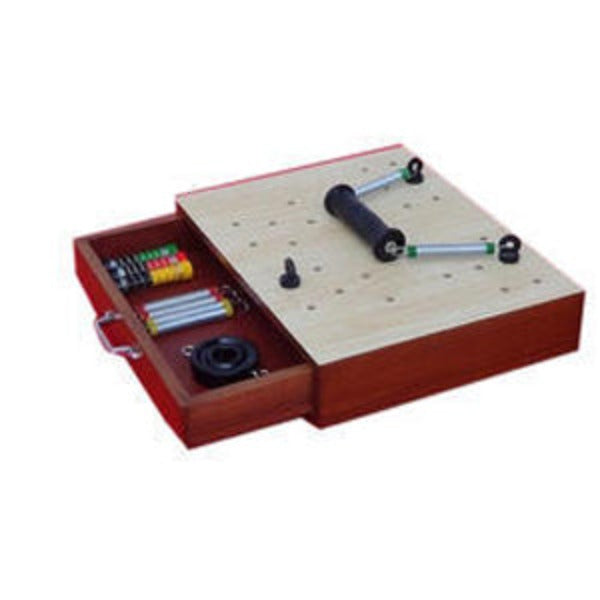
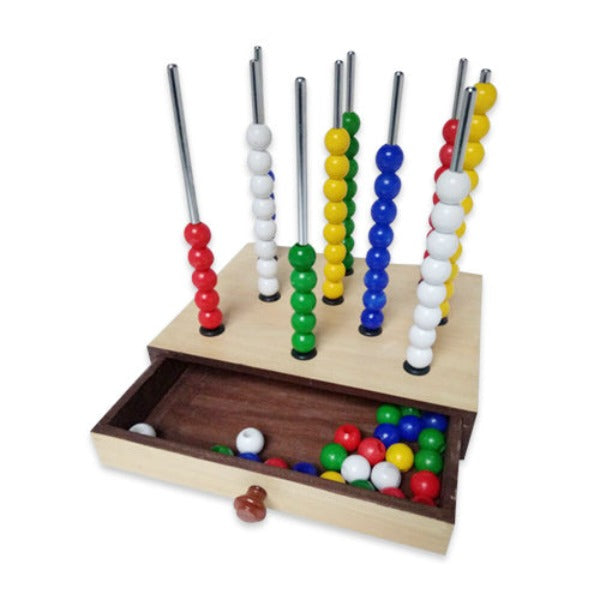
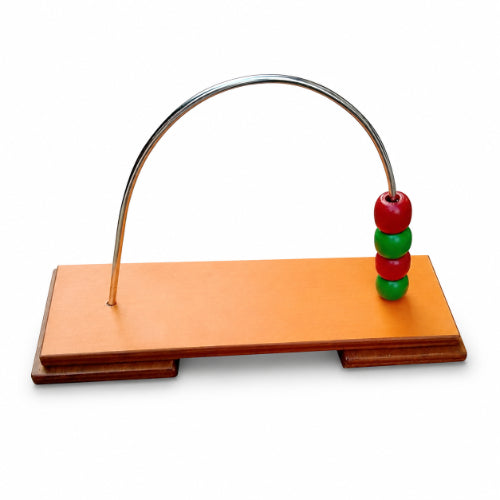
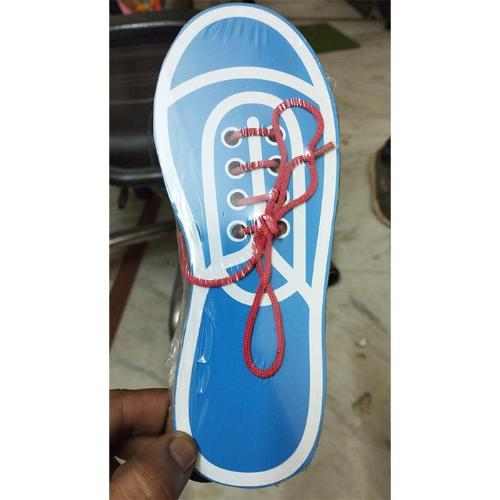
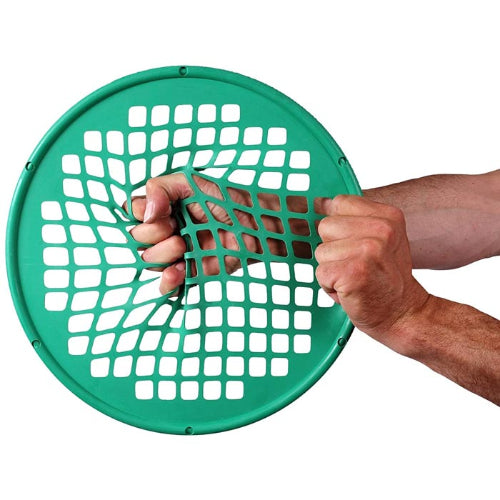
Dressing Practice Fabric Frame Hand Gym Training Board Counting & Colour Beads Board Hand Tool Activity Board Finger Dexterity Board Finger Prehension Board Hand Grip Exerciser
Rather than increasing difficulty too quickly, start with a task the user can understand and attempt. Afterwards, resistance, speed or complexity can be adjusted as advised.
Balance, Coordination & Gross-Motor Activity
Balance and gross-motor work uses larger body movements such as standing, stepping, walking, reaching and changing direction. Consequently, this category includes equipment for both structured rehabilitation and activity-based practice.
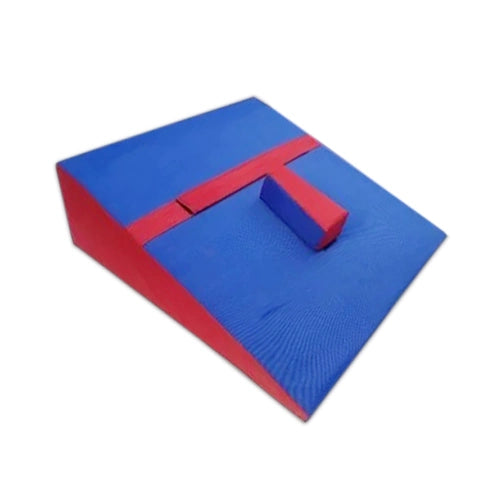
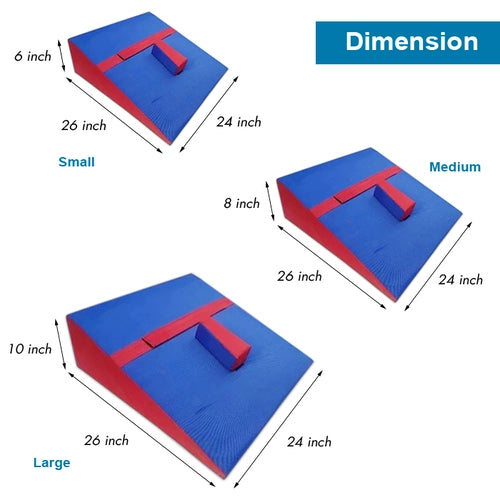
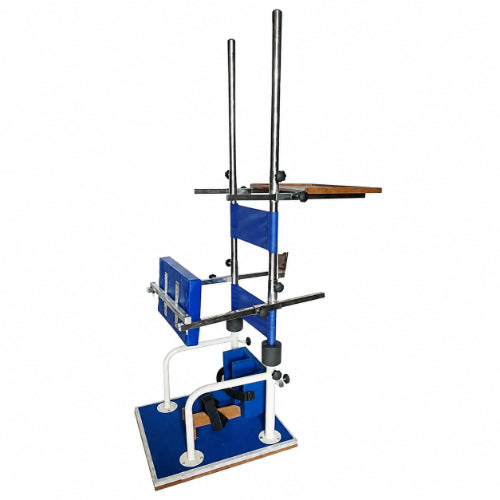
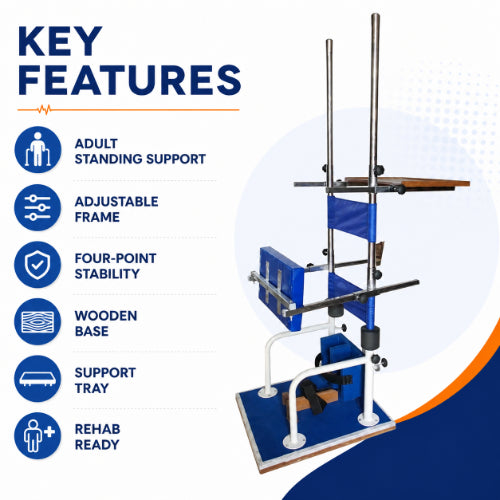
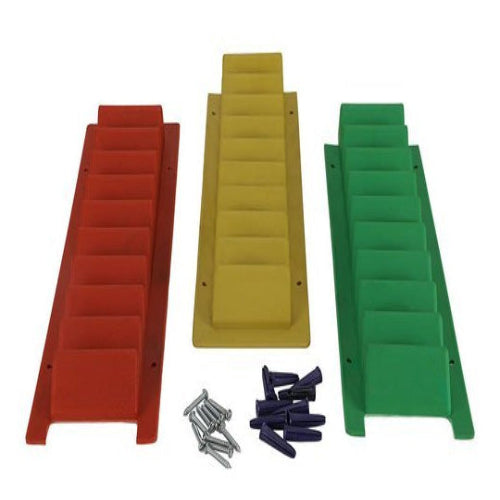
Adjustable Adult Standing Frame 65cm Therapy Gym Ball Therapy Corner Staircase Staircase With Therapy Ramp Manual Gait Trainer Inclined Balance Beam Coordination Agility Hurdles Rectangular Equilibrium Board
For users with limited balance, close supervision may be important. Moreover, clear floor space and suitable support can make practice easier to manage.
Positioning, Seating & Upper-Limb Support
Some occupational therapy programmes need supportive positioning before active tasks can begin. For that reason, seating, standing and upper-limb products may be used alongside sensory activities and hand exercises.
Before buying supportive equipment, compare dimensions, adjustment features and the intended user's size. Similarly, professional input can help when positioning needs are complex.
How to Choose Sensory Toys for Home
When selecting these products for a home programme, begin with the activity rather than the colour or appearance of the item. For example, a child who enjoys movement may use a different type of tool from someone practising fine-motor sorting or hand control.
- First, identify whether the goal involves touch, movement, balance, hand skills or daily-living practice.
- Next, check the recommended age, user size and space needed for the product.
- For swings, balance equipment and climbing activities, consider the supervision and installation requirements.
- With fine-motor tools, choose a task that matches the user's current hand control.
- Before ordering larger equipment, measure the available room.
- Finally, follow any activity plan provided by the treating therapist or rehabilitation professional.
Although sensory toys can make activities enjoyable, the same product will not have the same purpose for every person. Therefore, families should focus on suitable use rather than expecting a toy or therapy product to guarantee a specific result.
Occupational Therapy Equipment for Clinics & Special Schools
Professional settings usually need a broader mix than a household programme. For instance, a clinic may combine sensory toys, swings, hand boards, standing equipment, balance tools and supportive seating so that different activities can be selected during the day.
Special schools may also need durable products that can be used repeatedly with different learners. In addition, easy cleaning, adjustment range, floor space and storage should be considered before larger equipment is purchased.
Instead of building a room around one type of activity, organise products by therapy goal. This approach makes it easier to separate sensory play, fine-motor work, gross-motor exercise and positioning.
| Therapy Goal | Products to Explore | Possible Setting |
|---|---|---|
| Sensory and movement activity | Swings, ball pool, bubble tube and activity gym | Home with guidance, clinic or special school |
| Fine-motor and hand skills | Beads board, hand gym, dexterity and dressing activities | Home, OT clinic or school |
| Balance and coordination | Balance beam, equilibrium board, gym ball and hurdles | Supervised therapy area |
| Standing and gait activity | Standing frame, therapy staircase and gait trainer | Clinic or rehabilitation centre |
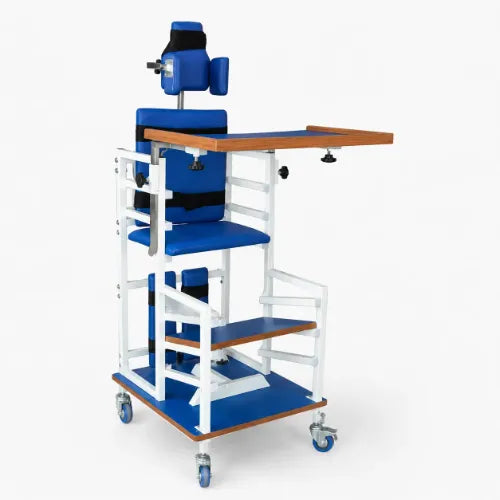
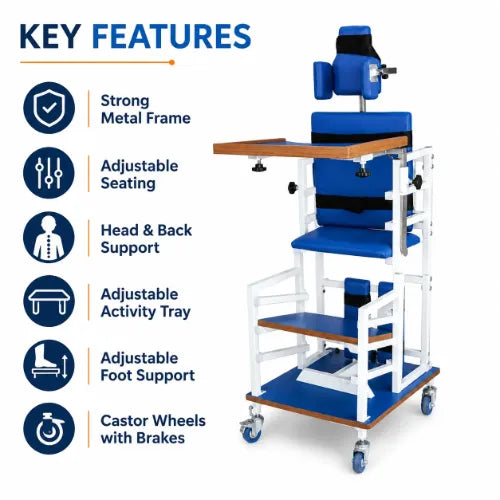
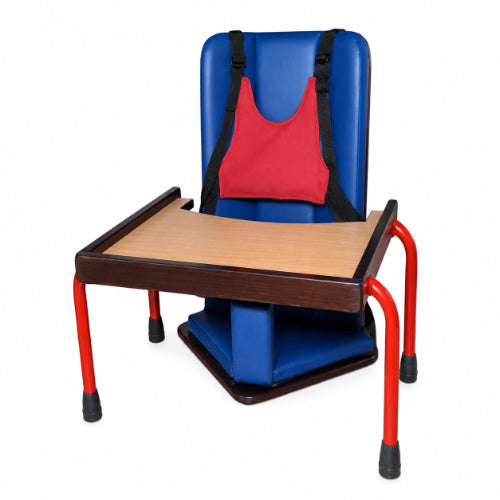
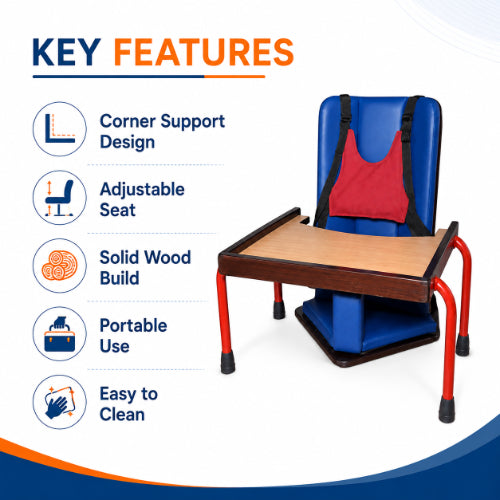
| Positioning and support | CP chairs and selected upper-limb equipment | Home, clinic or rehabilitation setting |
Sensory Toys vs Broader Occupational Therapy Equipment
Sensory toys form one part of the wider occupational therapy range. Other OT products may focus more on hand function, balance, mobility, positioning or everyday activities.
For additional fine-motor products, browse the Peg Board collection. Meanwhile, buyers looking mainly for movement equipment can explore the Swings collection.
For another range of OT-focused products, visit Occupational Equipment. Broader mobility and recovery products are also available under Rehabilitation.
Frequently Asked Questions
What are sensory toys?
These products are designed to create hands-on experiences through touch, movement, sight, sound or body awareness. Depending on the item, an activity may involve sorting, swinging, squeezing, balancing or matching.
Are sensory toys used in occupational therapy?
Yes, some sensory tools and activities may be used within occupational therapy when they match the person's goals. However, occupational therapy can also include hand skills, daily-living tasks, mobility, positioning and coordination work.
How do I choose sensory toys for a child?
Start with the child's interests, current abilities and the type of activity being planned. Then review age guidance, size, supervision needs and whether the product is suitable for the available space.
Can adults use occupational therapy equipment from this collection?
Yes. Several products, including standing frames, hand exercisers, gait tools and supportive seating, are intended for adult or mixed rehabilitation use. Always check the individual product specifications before ordering.
What should a clinic check before buying OT equipment?
Consider the therapy goal, user range, durability, adjustment options, cleaning needs and available space. In addition, larger movement products may require installation or close supervision.
Do sensory toys guarantee better focus or development?
No product can guarantee a specific developmental or therapy result. Instead, sensory activities should be selected according to the user's needs, preferences and appropriate professional guidance.
Need help comparing sensory toys or occupational therapy equipment?
For current specifications, availability or help choosing between products, contact Meddey Customer Care.
WhatsApp +91 85860 12345Medical note: This content is for general product-selection information. Therefore, sensory and rehabilitation products should be chosen according to the user's needs and appropriate professional guidance.
Explore Medical Collections
All Categories
Abdominal & Maternity Support

Accessories

Accu-Chek Instant Strips: Use, Compatibility, Price & Blood Sugar Testing Guide
Accu-Chek Instant Strips: Uses, Features & Complete Guide

Accupressure Products for Pressure Point Therapy, Pain Relief & Wellness

accupuncture

Acupuncture Needles & Supplies

Advanced Physiotherapy Machines & Lumbar Physiotherapy

Airways

Ambulance

Anatomy Models
Anesthesia Machine

Anesthesia Products
Ankle & Foot Supports
Ankle Weights & Exercise Weights for Home & Rehab
You may also need
FOR YOURecommended for you
Save 32%
Save 35%
Save 50%
Save 29%
Save 39%
Save 46%
Save 27%
Save 50%
Save 12%
Save 27%
Save 50%
Save 28%
Save 33%
Save 22%
Save 38%
Save 50%
Save 34%
Save 50%
Save 50%
Save 50%