


Featured ChoiceSave 47%
Save 43%

Save 33%

Save 39%


Sold out

What customers say
★★★★★ 5.0 · 1 review
Pain Management Machine for Home Use
Pain Management Machines for Home Use: TENS, IFT & Ultrasound
Pain Management Machines for Home Use can make daily discomfort easier to manage. They work best with the right advice and realistic expectations. This guide explains each popular pain management device in simple language for users in India. It covers TENS, IFT, ultrasound therapy, EMS, traction, CPM, laser, period pain devices, and back pain massage machines. No pain management device is a guaranteed cure. The safest first step is to ask a doctor or physiotherapist which option suits your pain, body condition, and daily routine. People with a pacemaker, pregnancy, epilepsy, skin problems or open wounds should not use electrical devices without asking a doctor first.
Consult your doctor or physiotherapist before using any pain management machine.
What is a TENS unit used for in pain management?
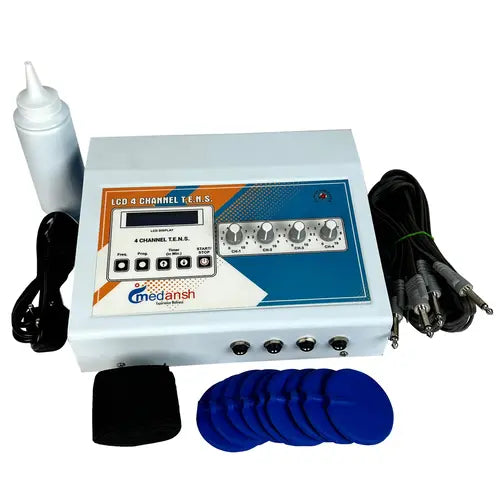
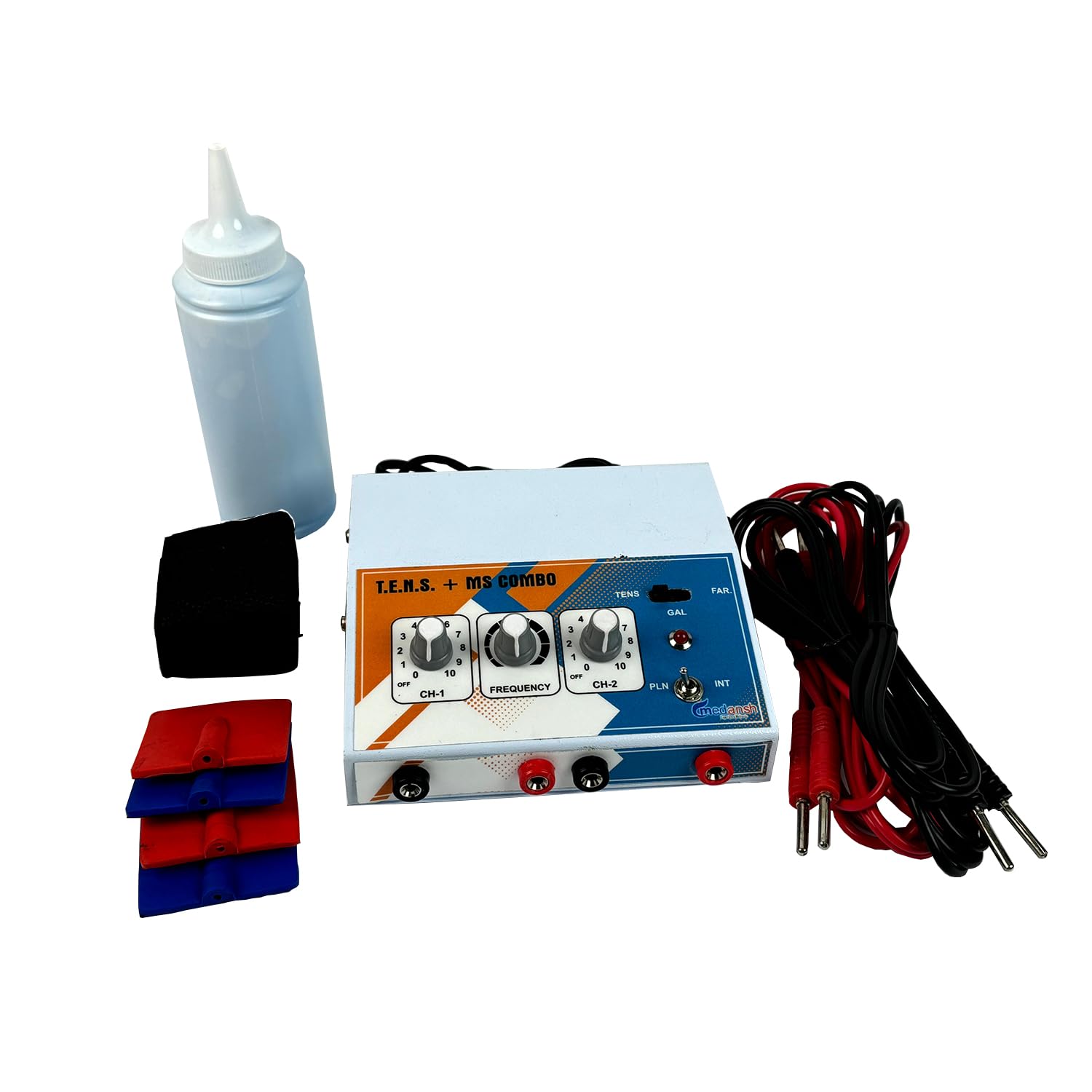
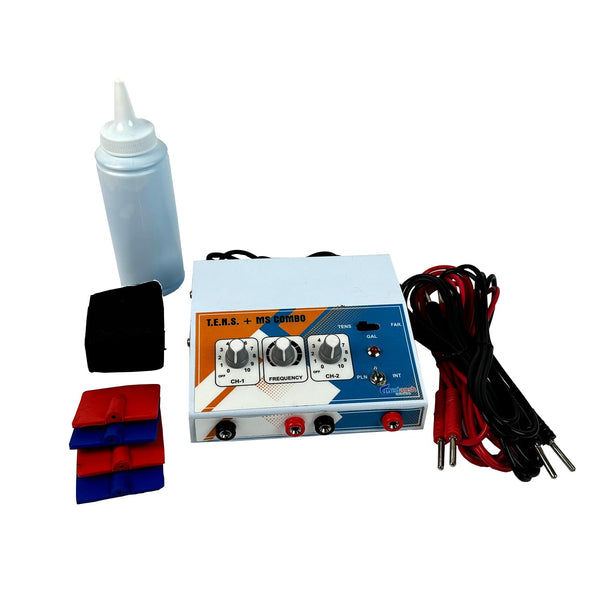
A tens machine sends mild electrical pulses through sticky pads on the skin near the painful area. It is a popular pain management machine for home use. Many home users choose a portable tens machine because it is small and easy to carry. People often use this pain management device for short-term relief in the lower back, knees, shoulders, or neck. People commonly describe TENS as a non-drug option for temporary pain relief. Research findings vary by pain type, so think of it as a pain management support tool, not a complete solution.

A TENS unit may suit people who want a simple pain relief machine for occasional muscle or joint discomfort. Examples include tens for back pain after long sitting, mild knee pain, or general body aches. It may also suit users who prefer a battery-operated electrotherapy machine they can use while resting at home. This pain management unit is not the right choice for unexplained pain, chest pain, sudden weakness, numbness, fever, swelling after injury, or pain that keeps getting worse.
When choosing a TENS unit as your pain management machine, look for clear intensity controls, comfortable electrode pads, easy-to-read settings, and good after-sales support in India. A 4 channel tens machine helps when you need more pads across a wider area. Beginners often manage with a simpler two-channel model. The tens machine price varies widely with brand, channels, modes, pad quality, battery type, and warranty. Compare pain management features instead of choosing only the lowest price.


Safety tips for any pain management device
For safety, start at a low intensity and increase only until the sensation is strong but comfortable. Do not place pads on broken skin, irritated skin, the front of the neck, head, chest, or directly over the heart. A common question is, What are the disadvantages of a TENS machine? The main disadvantages are short-term relief, sensitive skin that pads can irritate, and uncomfortable placement. This pain management option may also not work for every type of pain. Users have reported skin irritation and burns with electrical stimulation devices. Stop if you notice redness, burning, rash, or unusual discomfort.
Before using any pain management device in this article, consult a doctor or physiotherapist. This matters most if your pain is new, severe, recurring, or linked with another health condition. People with pacemakers, pregnancy, epilepsy, heart rhythm problems, metal or electrical implants, or skin problems should check with a doctor before using any pain management machine. General TENS safety guidance also warns against use with pacemakers and uncertain pain causes.
Does TENS therapy really work for pain management?
Does TENS therapy really work? For some people, TENS may reduce pain for a short time. This can happen while the pain management device is running or soon after a session, but results differ from person to person. Evidence reviews suggest that TENS may help certain acute pain situations and some chronic pain users. However, the overall certainty is limited, so no one should present it as a sure result for everyone.
Home users in India should judge TENS by practical response. Does it make movement, sitting, sleeping, or daily activity a little easier without side effects? If yes, it may be worth using as part of a safe pain management routine. If there is no benefit after a few properly guided sessions, do not keep increasing the intensity or duration endlessly.
Daily use of TENS for pain management
Another common question is, Can we use a TENS machine daily? A doctor may advise some users to use it regularly. Daily use should still depend on the cause of pain, skin tolerance, pad placement, and guidance from a doctor or physiotherapist. How many minutes should you use a TENS machine? Many people use short sessions rather than very long use, but the exact time should follow your pain management unit manual and personal advice.
Use this simple pain management checklist before each TENS session:
- Know the pain location: Do not use TENS for pain you cannot explain.
- Check the skin: Avoid cuts, rashes, burns, allergy patches, or numb areas.
- Place pads correctly: Keep pads around the painful area, not across the chest or throat.
- Start low: Increase intensity slowly and stop if it hurts.
- Watch the response: Pain management relief should feel comfortable, not sharp, hot, or shocking.
- Clean and store pads: Poor-quality or dried pads can pull the skin and give uneven stimulation.
IFT machines for pain management
An ift machine uses interferential current, a type of electrical stimulation that usually feels deeper and smoother than basic TENS. Like TENS, it is an electrotherapy machine, but it works with crossing currents through pads around the painful area. Some people use IFT for muscle pain, joint stiffness, back discomfort, or knee pain. Choose this pain management machine carefully for home use.

IFT may suit home users who already understand electrode placement or whom a therapist has shown how to use it safely. It may suit people who feel TENS is too sharp or superficial, though comfort varies. It is not ideal for beginners who want the simplest pain management device, because pad placement and settings can be more confusing.
When choosing an IFT pain management device, look for simple controls, preset programs, clear pad diagrams, and a timer. Avoid overly complicated units if no one at home can understand the manual. If you are comparing IFT with TENS, remember that stronger or deeper-feeling current does not automatically mean better results.
Research on interferential current for musculoskeletal pain exists. Apply the findings cautiously because pain type, settings, and study quality vary. Use IFT only at a comfortable level, never over broken skin, the chest, head, front of the neck, or areas with reduced sensation. People with pacemakers, pregnancy, skin problems, or electrical implants should ask a doctor before using this pain management machine.
Ultrasound therapy machines for pain management
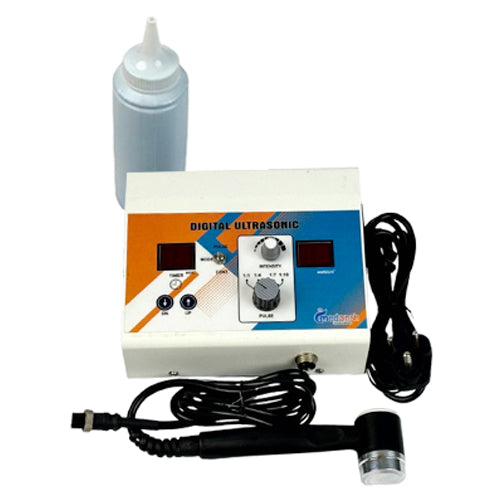
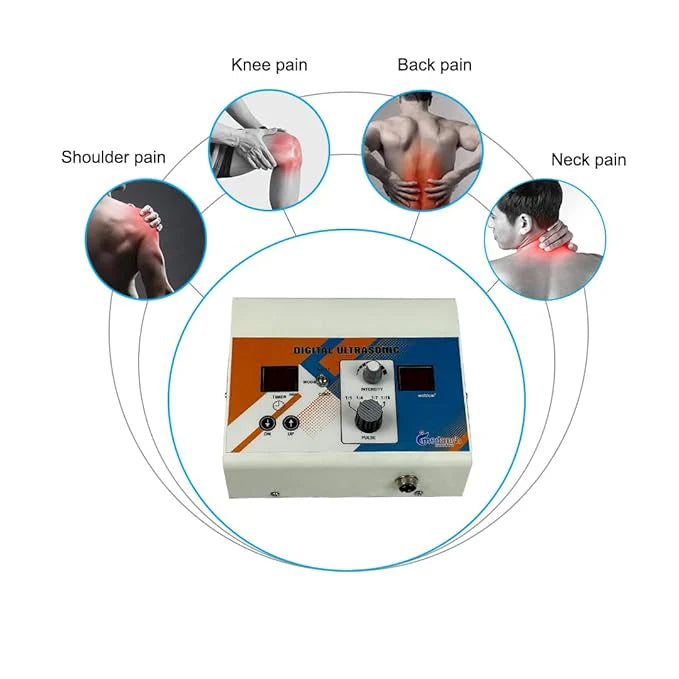
An ultrasound therapy machine sends sound-wave energy into body tissues through a treatment head and gel. Home users often hear about it for muscle tightness, soft tissue discomfort, or stiffness. It is not like diagnostic ultrasound, which doctors use to view inside the body. Therapeutic ultrasound needs correct movement, contact, dose, and timing, so this pain management device is less beginner-friendly than a simple TENS unit.
This pain management device may suit a home user only when a doctor or physiotherapist has clearly recommended it and explained where and how to use it. It is not a casual massage tool, so do not use it just because an area feels painful. It is also not suitable for use over the eyes, head, reproductive organs, active infection, suspected fracture, cancer area, or numb skin.
When choosing an ultrasound therapy machine, check whether the settings are easy to understand. Also look for a timer and for instructions on gel use and treatment-head movement. Avoid very cheap pain management devices with unclear specifications, no manual, or no support. If the unit has multiple modes, do not experiment randomly.
Safety matters because staying too long in one spot may cause discomfort or heating. Keep the head moving as instructed, use proper gel, and stop the pain management machine if the skin feels too hot or painful. Some evidence-based recommendations on routine use for adult pain have become more cautious. Home users should avoid treating this as a must-have pain management device for every ache.

Muscle stimulators and EMS machines for pain management
A muscle stimulator or ems machine sends electrical signals that make muscles contract and relax. The key question, What does a muscle stimulator do?, has a simple answer. It activates the muscle through pads on the skin, which people may use for muscle conditioning, guided strengthening support, or specific recovery routines. It is different from TENS because TENS focuses mainly on pain signals, while EMS focuses more on muscle contraction.

An ems machine for home use may suit people whose doctor advises work on weak muscles, muscle re-education, or gentle strengthening support. Fitness-focused users may also use it for muscle activation, but it should not replace regular movement, exercise, sleep, or nutrition. If pain increases during contraction, stop and get advice.

Choosing an EMS for pain management
When choosing an EMS pain management machine, look for adjustable intensity, clear programs, good electrode pads, a timer, and safety certifications relevant to the product sold in India. Avoid products that promise effortless fat loss, guaranteed muscle growth, or dramatic results without effort. A safe EMS unit should make settings easy to control and should come with clear pad placement instructions.
People often ask, Do electric muscle stimulators actually work? They can create real muscle contractions. The benefit depends on why you use them, where you place the pads, and whether the program fits your body. The FDA regulates electronic muscle stimulators and notes that safety issues can occur if units, cables, or leads do not meet proper standards.
Another important question is, Is it safe to use a muscle stimulator? It can be safe for some users when properly selected and used, but it is not safe for everyone. Do not place EMS pads across the chest, near the throat, over broken skin, or on areas with poor sensation. People with pacemakers, pregnancy, heart rhythm issues, implanted devices, epilepsy, or skin problems should check with a doctor first. FDA guidance also notes that users should not apply powered muscle stimulation across the chest and that no one has established its safety during pregnancy.
Traction devices for pain management
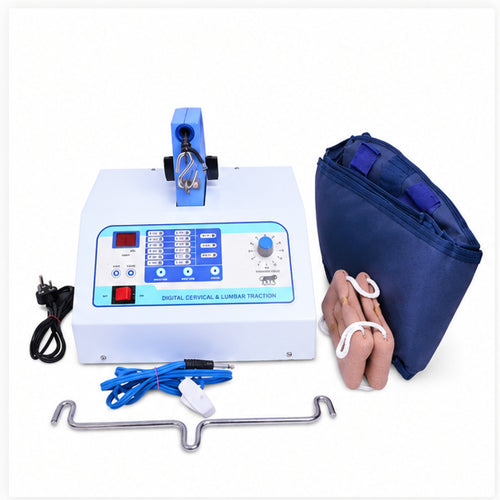
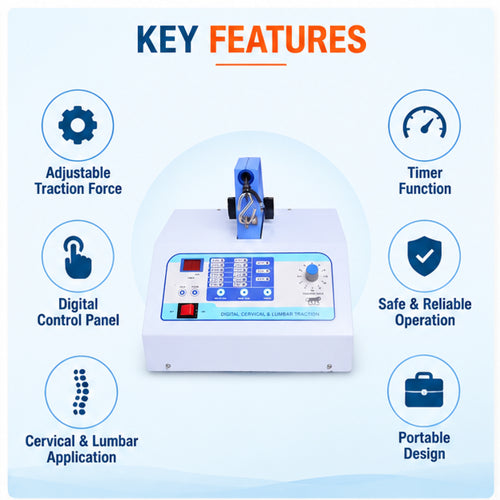
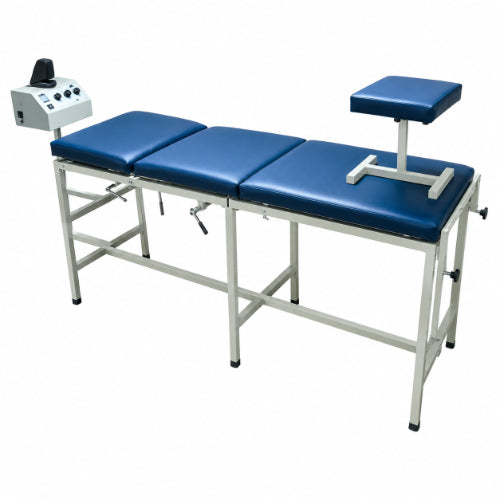
A traction machine applies a gentle pulling force to the neck or lower back to create a stretching effect. A cervical traction machine works on the neck, while other traction units may target the lower back. As a pain management option, traction usually aims to reduce pressure and support relaxation. However, it is not suitable for all neck or spine problems.
Traction may suit a home user who has neck stiffness, posture-related discomfort, or certain nerve-related symptoms. Use it only after a doctor or physiotherapist confirms it is appropriate. It is not a pain management machine to try casually after a fall, accident, sudden severe pain, dizziness, unexplained numbness, or weakness. If your symptoms travel into the arm or leg, get proper advice before considering traction.
When choosing pain management traction equipment, look for a design that is easy to control, stable, and comfortable. For neck use, the head support should fit properly, and the pulling force should increase gradually. Avoid homemade setups, unclear online products, or units that force the neck into an uncomfortable angle.
Safety is very important with pain management traction. Use low force first, follow the exact time limit, and stop if you feel dizziness, headache, nausea, tingling, increased pain, or a heavy feeling in the limbs. Do not sleep while using this pain management machine. Do not combine it with heat, EMS, or TENS at the same time unless specifically advised.

CPM machines for pain management
A cpm machine, or continuous passive motion machine, slowly bends and straightens a joint without the user actively moving it. At home, people most commonly discuss it as a knee pain relief machine after certain knee procedures or when they need guided movement. It is not a general pain management machine for any knee ache, so do not buy it casually for routine knee pain.
A CPM device may suit a person whose doctor has specifically advised guided passive knee movement at home. It may help maintain gentle motion when active movement is difficult, but its role depends heavily on why a doctor recommended it. For ordinary knee pain from daily strain, weight, aging, or mild stiffness, simpler steps usually matter more. These include safe exercise guidance, rest planning, and a correct diagnosis for pain management.
When choosing a CPM pain management unit, check the size range, angle controls, speed settings, padding, timer, and whether it fits the user’s leg comfortably. The unit should allow slow, smooth movement without jerks. Renting may be more practical than buying for short-term use, but only if the unit is clean, functional, and comes with clear instructions.
Evidence on CPM after knee replacement and similar situations shows mixed results. Reviews do not support treating it as a guaranteed way to improve long-term outcomes for everyone. Use this pain management machine only for the advised duration and range. Stop if the knee becomes more swollen, hot, sharply painful, or unstable.

Laser therapy machines for pain management
A laser therapy machine for home use usually means low-level light or laser units that brands promote for pain, stiffness, or tissue comfort. These pain management devices use light energy, not electrical pads, and brands market some as non-heating or low-heat options. Home users should be careful because “laser” products vary widely in power, quality, claims, and intended use.
A home laser device may suit someone only if the maker designs the product for safe home use. A doctor or physiotherapist must also agree it is appropriate for the painful area. It is not suitable for experimenting near the eyes, thyroid area, open wounds, suspicious skin changes, or areas with reduced sensation. Do not use it over pregnancy-related areas unless a doctor clears it.
When choosing a laser pain management device, check the product class, safety instructions, eye protection advice, timer, wavelength details, warranty, and whether the claims are realistic. Avoid products that promise permanent cures, instant joint repair, or one-size-fits-all treatment for every condition. A good pain management machine should make safety limits clear and should not encourage direct eye exposure.
Laser safety is mainly about protecting the eyes and skin. The FDA warns that laser products can present eye and skin injury risks. Users may need protective measures depending on the unit. Never point a laser at the eyes, never let children use it, and stop if the skin burns, stings, or changes colour.

Period pain machines for pain management
A period pain machine is usually a compact TENS-based device designed for menstrual cramps. It sends mild pulses through pads placed on the lower abdomen or lower back, depending on the product instructions. Many users like these pain management devices because they are portable, drug-free, and easy to use while resting at home.
Is there a machine that can relieve period pain? Some TENS-based devices may help reduce menstrual cramp discomfort for some users. However, they do not work for everyone and should not hide warning signs. Do period pain machines work? Evidence reviews suggest high-frequency TENS may help some people with primary period pain. However, the overall evidence is still limited, so expectations should stay realistic.
A period pain device may suit users with regular, already-diagnosed menstrual cramps who want a supportive option during painful days. It is not suitable for sudden severe pelvic pain, unusually heavy bleeding, fever, fainting, or suspected pregnancy. It is also unsuitable for pain after missed periods or pain that differs greatly from your usual cycle. In those cases, ask a doctor rather than relying on a pain management device.
When choosing a pain management machine for period pain, check pad comfort, battery life, discreet design, intensity levels, and the availability of replacement pads in India. Some products are small wearable units, while others are regular TENS devices with suitable settings. Choose a unit with a timer and simple controls, especially for first-time users.
For safety, follow pad placement instructions carefully and keep intensity comfortable. Do not place pads on broken or irritated skin. If you are pregnant, trying to conceive, using an implanted device, or have a skin condition, check with a doctor before using a period pain machine.

Back pain massage machines for pain management
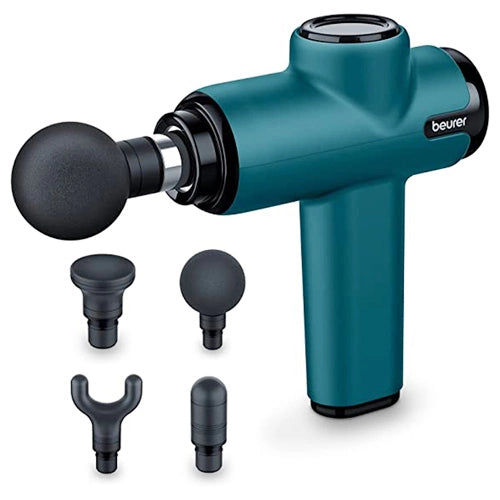
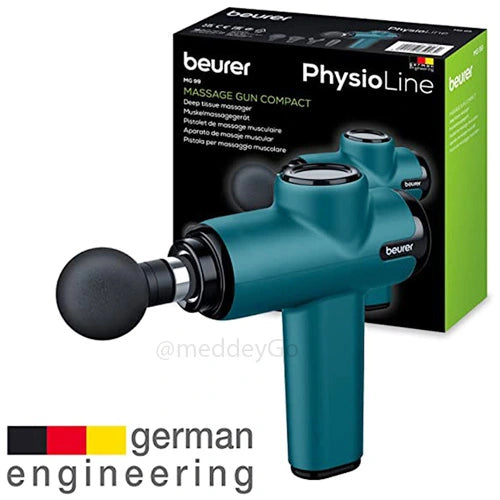
A massage machine for back pain uses vibration, kneading rollers, heat, percussion, or a combination of these to relax tight muscles. Unlike TENS, IFT, or EMS, it does not send electrical stimulation through pads into nerves or muscles. This pain management machine may feel soothing after long sitting, travel, household work, or general muscle tiredness.
A back pain massage machine is a gentle pain management option for home users with mild muscle tightness, posture-related discomfort, or tired back muscles. It is not a good choice for sharp pain, pain after injury, or pain with fever or numbness. It is also unsuitable with unexplained weight loss, leg weakness, or bladder or bowel changes. In those cases, do not massage aggressively; get advice first.
When choosing a pain management massage device, decide whether you need a cushion, handheld massager, massage gun, or chair-style product. For the back, a cushion or handheld unit is often easier to control than a high-powered percussion tool. Look for adjustable speed, auto shut-off, washable covers, and comfortable pressure.
Use any pain management machine gently. Avoid direct pressure on the spine, bruised areas, varicose veins, swollen joints, open wounds, or painful bony points. If the unit includes heat, check the temperature and avoid using it on numb skin. A massage machine can support pain management and comfort, but never use it to force through serious pain.
A simple comparison of pain management options for home users
Different pain management devices serve different needs, so the best choice depends on the pain type, comfort level, and safety profile. A pain management device that helps one person may be wrong for another. Use this comparison as a starting point, not as a replacement for personal advice.

| Pain management device | Main use at home | Best suited for | Choose carefully if |
|---|---|---|---|
| TENS | Mild electrical pulses for temporary pain relief | Back, knee, shoulder, or period-related discomfort | You have sensitive skin or implanted devices |
| IFT | Deeper-feeling electrical stimulation | Muscle or joint pain with guided use | You are new to pad placement |
| Ultrasound | Sound-wave therapy with gel | Specific advised soft tissue use | You are unsure about dose or treatment area |
| EMS | Muscle contraction and activation | Muscle conditioning or guided strengthening support | You have pain during contraction |
| Traction | Gentle pulling or stretching | Selected neck or back concerns | You have dizziness, nerve symptoms, or injury history |
| CPM | Passive joint movement | Specific guided knee movement needs | You want it for general knee pain without advice |
| Laser | Light-based therapy | Carefully selected home use | Eye safety is unclear |
| Period pain device | TENS-style cramp support | Usual menstrual cramps | Pain is sudden, severe, or unusual |
| Back massage machine | Muscle relaxation | Tired, tight back muscles | Pain is sharp, spreading, or unexplained |
How to choose the right pain management machine for your home
Start with the pain, not the gadget. Ask where the pain is, when it started, and what makes it worse. Also ask whether swelling, fever, numbness, weakness, injury, or a known health condition plays a part. If the pain is unexplained or changing, the right step is advice from a doctor or physiotherapist, not a new pain management device.

Next, match the pain management device to the purpose. For nerve-level temporary relief, consider TENS. If you need muscle contraction, EMS is different. If you need gentle joint movement after a specific knee recommendation, a CPM unit is different again. This is why one “best” pain management machine for home use does not exist.
Then check practical details for India. These include replacement pads, warranty, service support, a clear manual, plug compatibility, and battery quality. Also confirm the seller provides genuine product information. Think about who will use it at home. A pain management device with many modes may look impressive, but simple controls are safer for older users or first-time users.
Before buying, use this quick pain management decision list:
- Confirm the pain type: Do not self-treat severe or unexplained pain.
- Ask for guidance: Speak to a doctor or physiotherapist before using a pain management machine.
- Check safety warnings: Pacemaker, pregnancy, skin problems, epilepsy, and implants need extra caution.
- Read the manual first: If the instructions are unclear, choose another pain management device.
- Start gently: Low intensity and short sessions are safer in the beginning.
- Track your response: Stop if pain, swelling, rash, dizziness, or burning increases.
- Avoid cure claims: No home pain management device should promise guaranteed results.
Safe home use of pain management matters more than extra features
Many buyers compare modes, channels, power, and price, but safety and correct use matter more. A pain management device should feel comfortable, controllable, and easy to stop. If a pain management product causes fear, sharp pain, skin irritation, dizziness, or worsening symptoms, it is not helping in that moment.
Do not use multiple pain management devices on one area at once unless a doctor or physiotherapist tells you to. For example, combining heat, EMS, TENS, massage, and traction on a painful back may irritate the area instead of supporting comfort. Give the body time to respond and keep sessions simple.
Also remember that a home pain management machine works best as part of a broader routine. Sleep, hydration, gentle movement, posture changes, weight management, stress control, and correct exercise can all affect pain. A good unit may support comfort, but it should not become your only pain management plan.
Final takeaway on pain management
Home pain management devices can be useful when you choose them for the right reason and use them with care. TENS, IFT, ultrasound therapy, EMS, traction, CPM, laser, period pain devices, and back massage machines all work differently. Do not buy only because a product looks popular or powerful.
For most home users in India, the safest approach is simple. Understand the pain and ask a doctor or physiotherapist. Then choose a pain management machine with clear instructions and start slowly. If symptoms worsen, feel unusual, or do not improve, stop using the pain management machine and seek proper advice.
Explore more pain management machines
TENS machinesIFT machinesUltrasound machinesPain relief products
Explore Medical Collections
All Categories
Abdominal & Maternity Support

Accessories

Accu-Chek Instant Strips: Use, Compatibility, Price & Blood Sugar Testing Guide
Accu-Chek Instant Strips: Uses, Features & Complete Guide

accupuncture

Acupuncture Needles & Supplies

Advanced Physiotherapy Machines & Lumbar Physiotherapy

Airways

Ambulance

Anatomy Models
Anesthesia Machine

Anesthesia Products

Ankle Support for Home Use: Braces, Sleeves & Walker Boots

Ankle Weights & Exercise Weights for Home & Rehab

Anti-Bedsore Air Mattresses
You may also need
FOR YOURecommended for you
Save 47%
Save 43%
Save 33%
Save 39%