


Featured ChoiceSave 11%


Save 13%
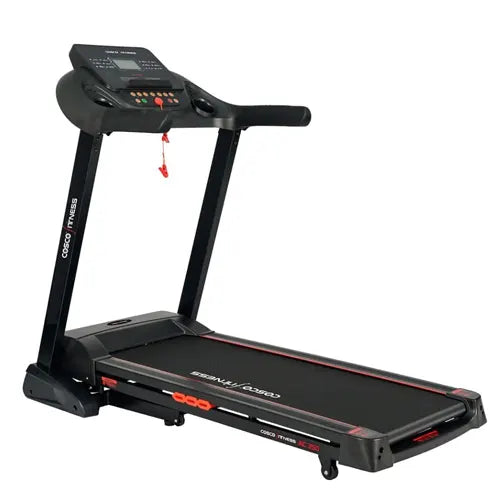


Treadmill: points to check before buying and safe use at home

Before buying a treadmill, check its fit, continuous motor power, belt comfort, safety controls, and service support. For safe home use, follow the maker’s instructions, keep the surrounding area clear, and learn how to stop correctly. This article explains what to compare, how to prepare your space, and which habits need attention.

What should you check before buying a treadmill for home?
Choose a treadmill that suits its intended users, available space, walking needs, and maintenance requirements. Check the actual model rather than relying on photographs or a large motor number. Ask for its owner’s manual before deciding, especially when comparing safety features and installation needs. Manufacturer manuals cover these practical requirements.


Start with a simple household brief. Write down who will use the treadmill, where it will stand, and who will handle routine care. Include any balance concerns or medical advice that could affect the choice.
Then separate essential features from optional extras. Easy controls, a suitable belt, and dependable stopping features deserve close attention. Treat entertainment screens and connected features as secondary considerations.
Use this comparison table while speaking with sellers:
|
Point to check |
What to ask or inspect |
Decision to make |
|---|---|---|
|
User suitability |
Confirm the maker’s user weight limit |
Stay within the stated limit |
|
Motor description |
Request the continuous horsepower rating |
Avoid comparing peak figures alone |
|
Belt and deck |
Arrange a safe demonstration |
Judge your natural walking comfort |
|
Room fit |
Obtain operating and storage measurements |
Check the full layout before ordering |
|
Safety controls |
Locate the stop button and safety key |
Choose controls you understand easily |
|
Folding system |
Request a complete demonstration |
Confirm you can handle it safely |
|
Maintenance |
Read cleaning, lubrication, and service instructions |
Accept only care requirements you can follow |
|
Local support |
Confirm service availability for your location |
Keep written contact details |
These checks reflect common manufacturer instructions and treadmill selection guidance. The exact requirements belong to the model you choose.
Keep your comparison notes together. If a seller gives unclear answers, request written clarification before proceeding. A missing specification should remain a question, not become an assumption.
How much space does a home treadmill need?
Measure the intended room with the treadmill fully open, not merely folded. Include the clearance required around the machine. Manufacturer instructions also require a solid, level surface and an unobstructed rear area.
For rear clearance, use the exact requirement in your model’s manual. Do not replace it with a convenient gap between furniture. Keep the entire required area free from walls, chairs, storage boxes, and other obstacles.
Ask the seller to mark the operating footprint on your room plan. Then add the stated clearance around it. This makes an unsuitable position easier to recognise before delivery.
Consider ordinary household movement as well. Will someone need to cross behind the treadmill to reach a cupboard? Will an open door enter the operating area? Choose another position if normal movement would repeatedly invade the required space.
Check the delivery route separately. Record doorway openings, corridor turns, staircase access, and lift access where relevant. Ask the delivery team which measurements they need before confirming installation.
For electrical setup, follow the model’s supply and earthing instructions. Ask a qualified electrician to check an unsuitable socket. Do not assume an extension board or borrowed adapter meets the treadmill’s requirements.
Also discuss the intended indoor location with the supplier. Ask whether its ventilation, temperature, and moisture conditions meet the manual. Avoid assuming that a covered balcony qualifies as an approved indoor space.
Before delivery, photograph the proposed position and socket. Share these with the installer if they offer layout checks. Keep the room plan available during installation, rather than deciding placement around the unopened carton.

Compare treadmill motor power without chasing peak figures
For home walking, select motor power using the maker’s stated suitability for your intended users and use. There is no single motor figure that answers every household’s needs. Check the continuous rating alongside the user limit and operating instructions.
Continuous horsepower describes power the motor can maintain during use. Peak horsepower describes a brief maximum output. That distinction makes continuous power more useful when comparing sustained treadmill operation.
A large peak number can attract attention without answering your main question. Ask whether the published figure represents continuous horsepower or peak horsepower. If the listing says only horsepower, request clarification rather than guessing.
Keep these questions in your comparison notes:
-
Does the specification clearly identify continuous horsepower?
-
Does the maker recommend this model for the intended walking use?
-
Does every intended user fall within the stated user weight limit?
-
Does the manual place conditions on household use?
-
Can the supplier explain any conflicting figures across listings?
-
Will the seller provide the relevant specification in writing?
Read the complete specification rather than ranking machines by motor figures alone. The belt, deck, controls, and frame also deserve inspection. Selection guidance considers these parts together rather than treating horsepower as the only buying factor.
During a demonstration, ask the seller to explain normal operation. Note anything you want clarified, rather than trying to diagnose the motor yourself. Request technical support when the explanation involves internal electrical parts.
Stay within the maker’s user weight limit. Do not treat that limit as a challenge or an adjustable recommendation. Verify it in the actual model’s documentation before anyone uses the treadmill.

Check the treadmill belt, deck, and walking position
The belt should let you walk naturally without constantly watching its edges. Examine the walking surface and side platforms during a demonstration. Treadmill selection guidance recommends considering belt space, deck comfort, and handrail access together.
Ask every intended adult user to assess the machine where practical. One person’s comfortable fit does not answer another person’s reach or walking needs. Make the demonstration about ordinary use, not the most demanding setting available.
Wear the closed-toe, supportive shoes you expect to use at home. Secure the laces and remove anything caught in the soles. Manufacturer guidance also warns against unsuitable footwear and loose clothing near the moving belt.
Notice whether you can stand upright without reaching forward. Check whether the main controls remain easy to identify. Ask the demonstrator to explain any adjustment that changes your position.
Inspect the side platforms while the belt remains stopped. Confirm where your feet should rest during the model’s starting procedure. Follow its instructions rather than copying another treadmill’s routine.
Use these prompts during the demonstration:
-
Can I identify the belt edges without staring down?
-
Can I reach the stop control without leaning awkwardly?
-
Do the handrails feel accessible during entry and exit?
-
Can I read the essential controls from my normal position?
-
Does anything distract me from walking comfortably?
-
Have I asked about any movement, rubbing, or unfamiliar sound?
Do not accept a comfort claim as a medical guarantee. If pain or balance concerns affect your choice, discuss them with your clinician. Bring their advice into the demonstration instead of relying on a sales description.
Does a folding treadmill suit a small home?
A folding treadmill can suit a small home when its open layout and storage arrangement both work. Folding changes the storage position, not the clearance needed during use. Review both arrangements before deciding that the machine fits.
Ask for a complete folding and unfolding demonstration. Watch how the deck lifts, how the latch engages, and how it releases. The deck must lock securely before you let go.
Then consider your own handling ability honestly. A demonstration by an experienced installer does not establish that you can repeat it comfortably. Ask for another demonstration if any step remains unclear.
Never improvise around an unfamiliar folding mechanism. Different models use different latches and moving arrangements. Follow the instructions for your model, including any requirements before folding.
Compare the practical arrangements below:
|
Arrangement |
Useful question before buying |
|---|---|
|
Treadmill remains open |
Can the required clear area remain available? |
|
Deck folds after use |
Can the intended handler operate the latch confidently? |
|
Machine moves for storage |
Does the manual permit the proposed moving method? |
|
Storage position blocks access |
Is another permanent location available? |
|
Household includes children |
Can you prevent access in both positions? |
Moving instructions also vary between models. Remove the power connection as directed before moving, and protect the cable from damage. Do not assume transport wheels make every doorway or floor transition suitable.
Plan where the cable and safety key will go after storage. Keep the manual accessible rather than buried behind the folded deck. Finally, reject any arrangement that needs unsafe lifting or repeated improvisation.

How can you check treadmill noise in an apartment?
Treadmill noise varies by machine and operating conditions. Read the model’s specific noise information rather than relying on a broad description. Manufacturer guidance notes that operation with a user can sound different from an unloaded demonstration.
Ask to hear the treadmill while someone uses it normally. If you watch a recording, ask how it was made. Treat edited videos as demonstrations, not proof of what your apartment will sound like.
A level installation matters when investigating vibration or unusual sounds. A suitable treadmill mat may reduce some noise on hard flooring. Follow the maker’s guidance and avoid treating a mat as a complete solution.
For an apartment, make a practical noise plan:
-
Ask the supplier about suitable floor protection for the model.
-
Confirm that the installer will check the machine’s level.
-
Read the building’s applicable rules before choosing its position.
-
Discuss a considerate household routine with neighbours where appropriate.
-
Ask support how to report rubbing, knocking, or changing sounds.
-
Keep the installation details with your service records.
Do not cover a developing noise with louder audio. Manufacturer troubleshooting links some sounds with alignment, loose parts, or components needing attention. A new noise deserves inspection through the correct support process.
Avoid adding improvised padding beneath individual feet. Ask the supplier before changing the support surface or installation arrangement. Your aim should be a properly installed treadmill, not an experiment with unstable layers.
If apartment noise strongly affects your decision, resolve that concern before ordering. Ask what installation guidance and return conditions apply. Keep any promises in writing, without assuming another household’s experience predicts yours.
Which treadmill controls and support should you confirm?
Learn the basic controls before focusing on extra features. Identify start, normal stop, emergency stop, and the safety key connection. Manufacturer guidance places control familiarity and stopping procedures at the centre of safe operation.
Ask the demonstrator to explain the difference between stopping and switching off. Also ask what happens when the safety key detaches. You should understand these actions without searching through unfamiliar menus.
Consider the console from your usual walking position. Can you distinguish the essential buttons clearly? Would another intended household user understand them without guessing?
For a treadmill in India, confirm service coverage for your exact location. Ask who handles installation and who answers technical questions. Do not infer local support from a national sales listing.
Request written answers about:
-
Who performs installation and the initial safety demonstration.
-
Which documents you must keep for support.
-
How to report a belt, console, or folding problem.
-
Which routine tasks the owner may perform.
-
Which repairs require an authorised technician.
-
How replacement safety keys and approved maintenance supplies are obtained.
-
Which warranty terms apply to this specific model and purchase.
Read the actual warranty rather than relying on a brief sales summary. Manufacturer warranty documents can distinguish parts, service, exclusions, and repair responsibilities. Do not transfer another model’s coverage to your purchase.
Keep the invoice, model details, manual, and support contacts together. Ask the installer to show where the model information appears. This creates a clear starting point if you later need help.
Who should ask a doctor before starting treadmill workouts?
Ask a doctor first if you have heart disease, diabetes, kidney disease, arthritis, cancer, or high blood pressure. Discuss whether treadmill walking suits your condition and current treatment. Chronic-disease guidance recommends medical input before starting a new exercise programme.
Explain that you plan to use a moving-belt treadmill at home. Mention balance problems, recent treatment, pain, or symptoms during activity. Ask whether you need supervised instruction before using it.
For diabetes, request advice about monitoring and any medicine-related precautions. Do not change medicine or food routines based on a general article. Diabetes guidance highlights the importance of individual precautions when complications or certain treatments apply.
For arthritis or other movement concerns, describe what walking currently feels like. Ask which symptoms mean you should stop. Your clinician can help you decide whether the proposed treadmill routine needs changes.
Bring a short question list to the appointment:
-
Does treadmill walking suit my present condition?
-
Do my medicines change the precautions I should follow?
-
Do I need help with balance or getting on safely?
-
Which symptoms require stopping and medical review?
-
What should my household know before I begin?
Stop exercising and get help for chest pain, dizziness, severe weakness, or unusual breathlessness. Do not dismiss these symptoms as a normal challenge. Seek urgent medical help for chest pain or severe symptoms.
Do not continue simply because the display suggests finishing a programme. Your symptoms take priority over any target. Discuss concerning symptoms with a clinician before returning to treadmill use.
Use the treadmill safety key and emergency stop correctly
The safety key connects to the treadmill and clips to your clothing. If the key detaches, the machine stops the belt. Clip it securely before use rather than leaving it attached only to the console.
Ask the installer to demonstrate the key’s function using the manual’s procedure. Understand where the clip belongs and how the tether should sit. Do not test it by deliberately losing balance.
Know exactly where the emergency stop is before starting. Practise locating it while the machine remains safely stopped. Make sure every intended user receives the same explanation.
The safety key does not replace clear space, attention, or safe stepping. Continue to follow the full operating procedure. Store the key separately when the treadmill is not in use.
Include these points in the installer’s demonstration:
-
Correct attachment of the clip to clothing.
-
The normal stopping procedure for this console.
-
The emergency stopping procedure.
-
The maker’s method for checking the safety system.
-
Safe storage of the key after use.
If the key, clip, or tether looks damaged, contact support. Do not bypass the system to keep using the treadmill. A safety feature should work as the maker intended, without homemade substitutes.

Begin treadmill use with a gentle walking warm-up
Start with a short, easy walking warm-up and build speed slowly. Do not jump straight into a demanding setting. Guidance recommends gradual preparation before activity and a gentle reduction in effort afterwards.
Before starting, complete the entry procedure in your model’s manual. Some instructions begin with your feet on the stationary side platforms. Follow the specified sequence for the safety key and controls.
Keep the warm-up simple. Let yourself settle into the belt’s movement without trying to impress anyone. Choose settings that allow comfortable control rather than forcing a planned increase.
Make one adjustment at a time. This gives you a clearer chance to notice how the change feels. If the movement becomes uncomfortable, reduce the demand rather than pushing through it.
Prepare your clothing before the belt moves. Secure loose fabric, including long hems or a dupatta, away from moving parts. Tie back long hair and keep shoelaces secured. Manufacturer instructions warn against loose clothing during operation.
Use a distraction-free starting routine:
-
Finish adjusting footwear and clothing before starting.
-
Put loose belongings somewhere outside the operating area.
-
Confirm the rear space remains clear.
-
Check that children cannot enter.
-
Attach the safety clip and identify the stop control.
-
Follow the manual’s starting sequence.
Do not add a phone task while learning the belt’s movement. Keep your attention on the treadmill and your position. If you need to change something outside the controls, stop safely first.
How much should you hold the treadmill handrails?
Holding the handrails is fine initially while you settle and establish balance. However, gripping them to keep up signals excessive demand. Reduce the speed or incline before relaxing your grip.
Do not hang from the rails or lean backwards against the belt’s movement. Poor rail-dependent posture can strain your hips and shoulders. Once stable at a manageable setting, lower your hands and allow a natural arm movement.
Keep your gaze forward instead of continually watching your feet. Manufacturer guidance links forward attention with better balance during treadmill use. Avoid turning sideways to speak with someone while walking.
Think of the rails as available support, not a way to tolerate unsuitable settings. If you repeatedly pull yourself forward, stop and review the setup. Ask for instruction rather than repeating an uncomfortable pattern.
Use this self-check during an easy walk:
-
My shoulders feel relaxed rather than lifted.
-
I am not dragging myself forward through my arms.
-
I can reach the stop control without stretching.
-
I am not leaning backwards from the console.
-
I can keep my attention ahead.
-
I feel stable at the chosen setting.
Do not force hands-free walking when balance remains uncertain. Ask your clinician or a qualified instructor whether the treadmill suits your needs. Some users need individual guidance rather than a general instruction to release the rails.
A lower, manageable setting is a sensible adjustment. It lets you focus on controlled walking instead of maintaining a strained position. Choose comfort and stability over the appearance of a harder workout.

Let the treadmill belt stop completely before stepping off
Wait until the belt stops fully before leaving the treadmill. A moving belt can carry your foot while the floor remains still. Manufacturer instructions explicitly prohibit getting on or off while the belt moves.
For an ordinary finish, gradually ease your walking effort. Then use the normal stop procedure and watch for complete belt movement to end. Follow the manual’s exit instructions once the belt remains still.
Do not jump off because a phone rings or someone calls you. Ask them to wait while you stop safely. A household interruption does not make a moving exit safer.
Keep this distinction clear: a normal finish allows a controlled cool-down. A concerning symptom requires stopping and getting help. Do not continue a cool-down when chest pain, dizziness, severe weakness, or unusual breathlessness occurs.
After an ordinary exit, switch off and unplug as the manual directs. Remove the safety key and secure it separately. Child-safety guidance recommends these steps whenever the machine is not in use.
Also check the area before leaving. Remove belongings that could become obstacles during the next session. If you fold the treadmill, complete that separate procedure only after the machine stops.
Keep children away from the treadmill during use and storage
Do not let children play near a treadmill. The moving belt and associated parts can cause serious injuries. Child-safety guidance recommends separating exercise areas from children’s play spaces and securing access.
An adult using the treadmill cannot also provide reliable supervision around its moving parts. Arrange for children to remain elsewhere with appropriate care. Stop the treadmill if a child enters the operating area.
Do not invite children to stand beside the belt and watch closely. Keep toys and tempting household items away from the machine. A clear rule works better than repeated requests to avoid touching particular parts.
When the treadmill is unused, turn it off and unplug it. Remove the safety key and store it somewhere children cannot access. Consider a locked room where your home arrangement allows it.
Make the household rule easy to remember:
-
Children do not play on, under, or beside the treadmill.
-
No one starts the machine without permission.
-
The safety key stays in a separate, secure place.
-
Adults keep the operating area free from toys.
-
Folding does not turn the treadmill into play furniture.
-
Every caregiver follows the same access rule.
A folded deck also needs its correct locking procedure. Check the latch according to the manual before releasing the deck. Do not assume storage alone removes the need to prevent children’s access.
If your proposed room cannot support these rules, reconsider the location. Child safety belongs in the buying decision, not only the first-use discussion. Choose a household arrangement you can maintain consistently.
How do I maintain a treadmill belt at home?
Clean, inspect, lubricate, and service the belt exactly as your model’s manual instructs. Unplug the treadmill before owner maintenance and follow any additional electrical precautions. Different belt surfaces need different care, so generic lubrication advice can be unsuitable.
Begin by finding the maintenance section in the correct manual. Confirm that its model details match your treadmill. Keep the approved products and instructions together so another household member does not guess.
Some treadmill surfaces require specified lubrication. Other surfaces should not receive added lubricant. Never assume that cooking oil, household spray, or another treadmill’s lubricant belongs on your belt.
If lubrication applies, follow the exact product, application method, and schedule. Do not copy roller-bolt adjustments from an unrelated video. Manufacturer procedures can include model-specific steps for loosening, tightening, and checking the belt afterwards.
Keep routine care organised:
-
Remove loose objects from the surrounding area.
-
Clean accessible surfaces with approved methods.
-
Inspect the visible power cable for damage.
-
Check the safety clip and tether as instructed.
-
Observe belt alignment without reaching near moving parts.
-
Record maintenance and any developing concern.
-
Book professional service when the manual requires it.
Use cleaner on a cloth rather than spraying the console directly. Follow the maker’s instructions for the screen and other surfaces. Avoid soaking controls or choosing strong cleaners without approval.
Keep belt lubrication separate from general cleaning. Adding extra lubricant does not replace inspection or repair. If you cannot understand a maintenance step confidently, ask authorised support to demonstrate it.

What treadmill faults mean you should stop using it?
Stop using the treadmill when a fault affects safe operation. Belt rubbing, unexpected slipping, damaged cables, and changing mechanical sounds deserve attention. Manufacturer maintenance guidance calls for inspection and appropriate repair when damage or wear appears.
Write down what you noticed in plain language. Describe whether it happened during starting, walking, stopping, folding, or storage. Clear observations help you ask for support without guessing which component failed.
Use the table below to organise a report, not diagnose the machine:
|
Observation |
What to record |
Safe response |
|---|---|---|
|
Belt moves towards an edge |
Which side and when you noticed it |
Stop and consult the manual or support |
|
New rubbing or knocking |
Where the sound seems to come from |
Request inspection before continued use |
|
Cable damage |
Visible location of the damage |
Keep the treadmill disconnected |
|
Folding latch problem |
What fails to engage or release |
Do not force the mechanism |
|
Safety-key concern |
What differs from the demonstrated function |
Stop use and contact support |
|
Repeated control problem |
The action and any displayed message |
Follow the maker’s reporting process |
Manufacturer troubleshooting and safety instructions support these fault categories and precautions. Internal inspection and electrical repairs belong with authorised personnel.
Do not remove protective covers unless authorised guidance specifically directs you. Do not bypass a safety system to complete a session. Avoid repeated restarting when the same unexplained problem returns.
Keep service messages with your maintenance record. Ask the technician to explain what changed and whether further checks remain necessary. Resume use only after the safety concern has been resolved.
How can a household share one treadmill safely?
A shared home treadmill needs clear responsibilities. Decide who checks the area, stores the key, and books service. Put these arrangements somewhere household users can find them without searching.
Give every intended adult user the same basic demonstration. Cover the start sequence, safety key, emergency stop, and complete belt stop. Use the model’s manual as the common reference.
Do not assume the previous user left everything ready. Check for belongings, changed settings, or a newly reported concern. Make reporting a problem easier than quietly leaving it for someone else.
Keep a simple household record with these details:
-
Model identification and support contact information.
-
The location of the owner’s manual.
-
Approved maintenance supplies for this model.
-
The last completed maintenance action.
-
Any fault awaiting service.
-
The agreed safety-key storage place.
-
Any personal instructions a user chooses to share.
Avoid displaying private medical information in a common area. Each user can keep detailed clinical advice separately. The shared record only needs practical information that helps others use the treadmill responsibly.
Review the arrangement after furniture changes or a room move. Recheck the required clearances rather than trusting the old layout. Moving and levelling procedures must still follow the manufacturer’s instructions.
Final treadmill checklist: before buying and before each use
Bring your notes together before committing to a model. An attractive feature should not distract from an unresolved safety or installation question. Ask the supplier to clarify anything that remains uncertain.
Use this plain checklist before buying:
-
I have read the correct model’s owner’s manual.
-
I have confirmed suitability for every intended user.
-
I understand the continuous motor rating.
-
I have checked the maker’s user weight limit.
-
I have planned the full operating area and required clearances.
-
I have checked delivery access and electrical requirements.
-
I understand folding and moving instructions, if applicable.
-
I have requested model-specific noise information.
-
I know the maintenance requirements and local support process.
-
I can prevent children from accessing the treadmill.
Before each use, check the essentials again:
-
The belt and surrounding area contain no loose objects.
-
Clothing, hair, and laces remain secure.
-
The safety key clips correctly to clothing.
-
The emergency stop remains easy to locate.
-
Children cannot enter the operating area.
-
No unresolved fault affects safe use.
-
I feel well enough to begin and understand my medical precautions.
These checks bring together manufacturer operating instructions, maintenance guidance, and child-safety advice. They do not replace the manual or individual medical guidance.
Choose a treadmill you can use and care for confidently
The right treadmill fits more than a room. It also fits its users, household rules, and realistic maintenance habits. Keep those needs ahead of impressive-looking extras.
Resolve unclear specifications before buying. Learn the controls before starting, and follow the manual throughout ownership. A thoughtful choice gives you a clearer, more manageable approach to treadmill use at home.
Explore Medical Collections
All Categories
Abdominal Belt: Support After Surgery, in Pregnancy and After Delivery

Accessories
Accu-Chek Instant Strips: Use, Compatibility, Price & Blood Sugar Testing Guide
Accu-Chek Instant Strips: Uses, Features & Complete Guide

accupuncture

Acupuncture Needles & Supplies

Advanced Physiotherapy Machines & Lumbar Physiotherapy

AED Defibrillator: How It Works, Who Can Use It and Where to Place It

Airways

Alcohol Swab: Uses, Safe Use and Disposal Guide

Ambu Bag Full Form: Is There an Official Meaning?
Ambu Bag: Parts, Uses and Safety Guide

Ambu Full Form: What the Name Means and BVM Basics

Ambulance

Anatomy Models
You may also need
FOR YOURecommended for you
Save 11%
Save 13%