


Featured ChoiceSave 6%

Save 14%

Save 43%

Save 31%

Save 39%


Save 50%
Save 44%

Save 43%

Save 26%

Save 50%
Save 27%
Save 50%
Save 25%

Save 34%

Save 27%

Save 50%

Save 50%
Save 36%


Save 22%

Save 29%

Save 33%

Save 17%

Save 36%

Save 18%
Save 50%
Save 50%
Save 50%
Save 50%
Save 50%

Save 26%


Save 50%


Save 14%
Save 50%
Save 50%
Save 60%

Sold out


What customers say
★★★★★ 5.0 · 3 reviews
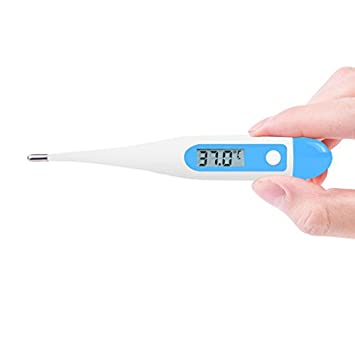
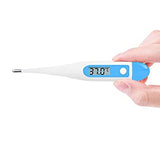 Digital Thermometer Fixed Tip
“The Digital Thermometer Fixed Tip is highly accurate and easy to use. A great tool for quick temperature re...”
“This Digital Thermometer with a fixed tip is a great buy! It’s compact, easy to use, and gives fast, accura...”
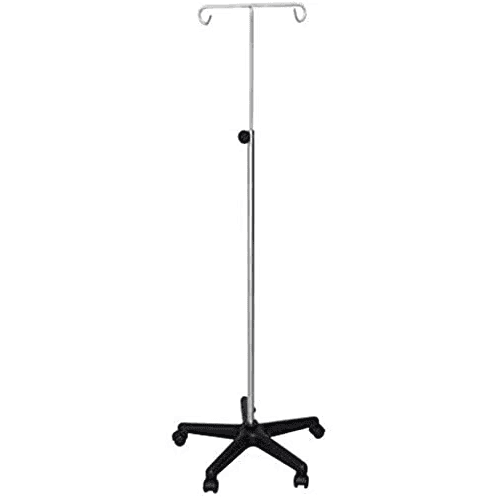
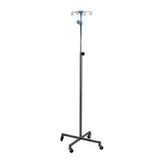 IV Stand with 4 Hooks Chrome Plated Pipe and Metal Base
“Ideal for clinics, hospitals, and home use”
Medical Equipment for Home: What a Family Needs and How to Choose
medical equipment includes tools used for health checks, movement, and professionally guided care at home. Families should choose only what matches a real need, the user’s abilities, and their home setting. A doctor or trained professional should guide selection, use, and care, especially for medical equipment requiring personal settings. This article explains the main choices, buying checks, cleaning routines, and maintenance questions.
What is medical equipment?
Medical equipment is a practical name for tools used during health-related monitoring, movement, or care. At home, examples include thermometers, blood pressure monitors, walking frames, and prescribed breathing equipment. The term covers both simple handheld items and larger powered machines.

Start with the person’s daily needs rather than a long shopping list. Someone may need help moving between rooms. Another person may need readings recorded according to a doctor’s plan.
Those situations call for different equipment. Buying more items does not remove the need for training or medical advice.
What are the main types of medical equipment?
For families, grouping equipment by its purpose makes selection easier. The table below offers a starting point, not a recommended shopping list.
Equipment group |
Common examples |
Main selection question |
|---|---|---|
Home monitoring |
Thermometer, blood pressure monitor, glucose meter |
Can the person use it and understand the reading instructions? |
Movement support |
Walking frame, wheelchair |
Does it fit the person and their movement needs? |
Bathroom and bedside support |
Shower chair, commode, adjustable medical bed |
Can the person transfer safely with suitable help? |
Breathing equipment |
Nebuliser, oxygen concentrator, prescribed airway-pressure machine |
Has a doctor specified the device and its use? |
Use these groups to organise questions for a medical professional. Avoid choosing a device simply because a neighbour uses something similar.
A useful purchase should have a clear place in the household routine. Before choosing it, identify who will use, clean, check, and store it.
What is the difference between medical equipment, devices and supplies?
What is the difference between medical equipment and medical devices?
Medical device is the broader technical term and can include instruments, machines, accessories, and other health-related products. Medical equipment commonly describes the reusable tools or machines within that wider group. These terms overlap; they do not create a simple difference in safety or quality.
For a family, the practical question is the product’s intended use. Read what the manufacturer says it is for. Then confirm whether that purpose matches the person’s needs.
Do not assume that a product becomes suitable for home use because its listing says “medical.” A familiar-looking item may still require training.
How is medical equipment different from medical supplies?
Equipment usually means a reusable item, while supplies often means items used up or replaced during its use. However, those everyday terms overlap, so follow each item’s instructions rather than relying on its label alone.
This distinction matters when planning care. Owning a machine does not mean the household has everything needed to operate it.
Ask which accompanying parts belong to the exact model. Also ask which parts can be cleaned, which need replacement, and which must never be shared.
Keep these answers with the item. That prevents relatives from making different assumptions when taking turns helping.
Is home medical equipment different from hospital equipment?
Is medical equipment for home use different from hospital equipment?
Home-use medical equipment must suit its intended user and home environment. Medical equipment used by professionals may depend on training, supervision, or arrangements unavailable at home. Check the intended setting and instructions rather than judging by appearance.
A machine that looks straightforward may involve unfamiliar controls. A larger item may also be difficult to position or move through the home.
For an Indian household, consider the actual room where medical equipment will stay. Think about narrow passages, shared bedrooms, doorstep changes, and nearby electrical sockets.
Make a simple sketch before ordering larger devices. Mark the bed, doorway, furniture, and space needed for a helper.
Ask whether the person can reach controls without leaning awkwardly. Check whether another family member can move around the equipment during everyday tasks.
Do not treat a medical demonstration as proof that every family member can operate it. Ask each regular helper to practise the relevant steps.
For powered devices, discuss the home’s electricity arrangements before installation. Manufacturer guidance and medical advice should determine suitable connections and backup arrangements. Do not improvise electrical changes yourself.
The right home setup should be understandable, manageable, and appropriate for the person. Bigger equipment is not automatically the better choice.
How do I choose medical equipment for an older person?
Choose equipment around the older person’s medical needs, movement, vision, hearing, memory, and hand control. Include them in the decision and arrange professional fitting or training where needed. Recheck suitability when their abilities or care needs change.
Start by asking which daily task feels difficult. “Getting up from bed” gives a clearer starting point than “buy something for old age.”
Then work through these steps:
Describe the task. Explain where the difficulty happens and who usually helps.
Confirm the need. Ask a doctor, physiotherapist, or occupational therapist which medical equipment category fits that task.
Observe actual use. Let the person try the controls or movement sequence during a supervised demonstration.
Check the surroundings. Consider furniture, doorway access, seating, and the helper’s working space.
Plan daily care. Decide who will clean, inspect, and arrange servicing.
Arrange review. Ask when the device should be checked again, especially after changes in mobility or health.
Do not speak only to the younger relative making the purchase. The person using the device should explain what feels uncomfortable or confusing.
For example, ask them to show how they would switch a monitor on. Notice whether they can read the display without another person interpreting everything.
For movement aids, request a practical assessment rather than guessing the fit. A comfortable trial in one room does not answer every question about home use.
Also discuss the caregiver’s role. Medical equipment that needs assistance is unsuitable for unsupervised use unless a medical professional has confirmed otherwise.
Write down unresolved questions before buying. A short pause is better than choosing a device nobody feels confident using.
Medical equipment for temperature checks: how to choose a thermometer
A thermometer records body temperature using the method described in its instructions. Choose one appropriate for the person’s age and intended measurement site. Learn the method before you need it urgently.

Keep the thermometer with its instructions in a familiar place. Avoid separating it from its case or accessories during household tidying.
Ask the medical professional demonstrating it to explain placement and completion signals. Do not assume that every thermometer works like one previously used.
For children, confirm the appropriate method with a healthcare professional. Follow the instructions for the exact thermometer rather than copying another family’s routine.
Record the reading alongside the time and measurement method when asked to keep a log. This gives the doctor context without requiring you to interpret the number yourself.
Clean the thermometer according to its own instructions. Do not guess whether the whole item can be washed or immersed.
Can I use the same method for every thermometer?
No; placement and measurement methods depend on the thermometer’s design. Read its instructions and ask for help if the method remains unclear.
Before choosing, consider who will take the reading at night. The person buying the thermometer may not be the person using it most often.
Medical equipment for blood pressure checks: monitor and cuff fit
A home blood pressure monitor records blood pressure through a cuff and measuring unit. Choose it with medical guidance, including a suitable cuff fit. Ask for a demonstration using the actual person’s arm.


Before purchasing, ask the user to practise positioning the cuff. Check whether they can manage it alone or need a regular helper.
Ask the medical professional to show suitable sitting and arm positions. Follow the monitoring routine they provide rather than creating one from online examples.
Keep a simple record if requested. Include the date, time, readings, and any notes the doctor asks you to capture.
Avoid turning every check into a family discussion about whether the number looks good. Follow the agreed plan for recording results and seeking medical advice.
Bring the monitor to an appointment if the medical professional requests a technique check. A demonstration can reveal misunderstandings that written instructions may miss.
Can two family members use the same cuff?
Only use a cuff suitable for each person’s arm and the monitor’s instructions. Ask a medical professional to check the fit rather than assuming one cuff suits everyone.
Plan storage so the cuff and monitor remain together. Do not pack them so tightly that the tubing becomes trapped or sharply bent.
Medical equipment for glucose checks: using a meter with a doctor’s guidance
A blood glucose meter measures glucose in a small blood sample. Choose it with a doctor’s guidance and learn the complete checking process. The person using it should understand preparation, recording, and the agreed response plan.

Ask whether the user can handle the meter comfortably. Consider vision, hand control, and whether another person will help with checks.
Learn the process using the exact meter. Similar-looking models may have different instructions, so avoid relying on memory from another device.
Wash and dry hands as instructed before checking. Follow the manufacturer’s directions for storage and handling of the meter’s accompanying test components.
Ask the doctor when readings should be recorded. Also ask what information to note when the reading does not match how the person feels.
Do not change medical care based on a reading unless you have a specific medical plan. Keep that plan accessible to every trained helper.
Can relatives share a home glucose meter?
Do not share a meter intended for single-person use. Follow its instructions and ask the healthcare team about safe equipment arrangements for each user.
Keep the meter’s manual available even after the routine becomes familiar. Error messages and checks may require instructions that nobody remembers from the demonstration.
Medical equipment for oxygen checks: what a pulse oximeter can and cannot tell
A fingertip pulse oximeter estimates blood oxygen saturation and pulse rate. Use it as part of medical guidance, not as a stand-alone judgement about someone’s condition. Readings have limitations and can be affected by several factors.


Ask a healthcare professional to demonstrate finger placement and the reading process. Discuss when to check and what action the person’s care plan requires.
Skin pigmentation, poor circulation, skin temperature, and nail polish can affect readings. This makes professional interpretation important rather than optional.
Avoid repeatedly moving the oximeter between fingers without understanding the instructions. If a reading seems unexpected, follow the medical professional’s medical advice for checking technique and seeking help.
Does a reassuring reading mean I can ignore symptoms?
No; do not rely only on a pulse oximeter when someone feels seriously unwell. Seek medical help for serious or worsening symptoms, even when a displayed reading appears reassuring.
Before buying, ask whether home oxygen checks are needed at all. Some households need a clear symptom-response plan rather than another monitoring item.
Keep the oximeter somewhere accessible but protected. Store it according to its instructions, and make sure the person responsible knows where it belongs.
Medical equipment for walking and sitting: frames and wheelchairs fitted to the person
Walking frames and wheelchairs require selection around the person’s movement and support needs. Ask a trained professional to assess fit and demonstrate use. Include the home’s layout in that assessment.

Describe the person’s usual route through the home. Mention bedroom access, bathroom turns, changes in floor level, and places where another person assists.
A walking frame should not be selected by appearance alone. Ask the medical professional to show how the person should position and move it.
For a wheelchair, learn the recommended transfer method. Parking brakes and footplates need particular attention during entry and exit. Never stand on footplates while transferring.
Do not let relatives invent different lifting or transfer methods. Agree on the method taught for the person and their medical equipment.
Can the person practise alone after one demonstration?
Ask the assessing professional when independent practice is appropriate. Until then, follow the recommended supervision and assistance arrangements.
Make inspection part of the routine. Ask which signs of wear require a service call and which checks a family member can perform.
Tell the medical professional if the item becomes difficult to use. A change in the person’s movement may require reassessment rather than more force or improvised adjustments.
Medical equipment for the bathroom and bedside: shower chairs and commodes
Shower chairs, commodes, and bedside aids should match the person’s transfer and support needs. An occupational therapist or another suitable professional can assess the task. Check suitability for the exact place of use.
For a bathroom item, discuss floor space and the helper’s position. Ask whether the person can sit, stand, and turn using the recommended method.
Do not replace a purpose-designed shower chair with an ordinary household chair. Also avoid assuming that medical equipment intended for one setting suits another.
Can a bedside commode also be used in the shower?
Only use it there if the manufacturer identifies that use and a medical professional confirms suitability. A commode’s appearance does not establish whether it belongs in a wet area.
Adjustable medical beds and pressure-management products also need individual assessment. Discuss the person’s movement, support needs, and the caregiver’s tasks before choosing accessories.
Are bed rails a routine addition for every older person?
No; bed rails require an individual assessment because they can create entrapment and climbing risks. Their compatibility with the bed, mattress, and person must be considered together.
Report changes to the mattress or bed setup before adding accessories. A previously assessed arrangement should not be changed casually.
Medical equipment for breathing support: nebulisers and other devices
A breathing device needs a clear medical plan before home use. Do not select a machine because another person has similar symptoms. Ask who will set it up, teach its use, and provide ongoing support.

Nebulisers: A nebuliser produces a mist from prescribed liquid. Use one only under medical guidance, with training for the exact equipment and cleaning process.
Can I use any liquid in a nebuliser?
No; use only what the prescribing professional directs for that medical equipment. Do not add homemade mixtures or substitute liquids on your own.
Oxygen equipment: A concentrator or cylinder arrangement requires a doctor’s prescription and medical guidance. Learn the operating instructions, safety precautions, and backup plan before use.
Can I increase oxygen when someone feels breathless?
Do not change the prescribed setting yourself. Follow the individual care plan and seek medical help when symptoms worsen.
Keep the oxygen device away from smoking, flames, heat, and flammable products. Ask the medical professional to explain placement and tubing arrangements in the actual home.
Airway-pressure equipment: CPAP and related machines require medical assessment, suitable setup, and mask guidance. Ask for help with fit, routine use, and the care instructions for each part.
Can a family member change pressure settings for comfort?
Ask the prescribing team about discomfort rather than changing prescribed settings independently. Explain the problem clearly so they can guide the next step.
For every breathing machine, learn what alarms mean. Do not silence an unfamiliar alarm and continue without checking the instructions or contacting the support team.
Medical equipment that needs a doctor’s advice before use
Which medical equipment should be bought only on a doctor's medical advice?
Get medical advice before choosing oxygen devices, airway-pressure machines, nebulisers, or other medical equipment involving prescribed settings. Monitoring devices also need a medical plan when readings guide medical decisions. Movement and transfer aids may require assessment by a physiotherapist or occupational therapist.
Use this distinction when discussing a purchase:
Equipment situation |
Medical advice to arrange first |
|---|---|
Oxygen or airway-pressure equipment |
Doctor’s assessment, prescribed use, setup, and follow-up |
Nebuliser |
Medical direction, suitable machine, and cleaning training |
Blood pressure or glucose monitoring |
Selection, checking schedule, and response plan |
Walking or transfer equipment |
Individual fitting and movement training |
Bed rails or pressure-management equipment |
Assessment of the person and the complete setup |
Ask what you should know before the equipment arrives. Do not leave questions about settings or safe handling until the first unsupervised use.
Make sure the plan identifies the responsible professional. “Someone told us to buy this” is not enough for medical equipment requiring personal guidance.
If relatives disagree about the purchase, return to the assessed need. A medical professional can explain why one category is appropriate and another is unnecessary.
Avoid buying advanced devices “just in case.” First ask what action it would support and whether anyone at home can use it correctly.
What should I check before buying medical equipment online?
Before buying medical equipment online, confirm its intended use, the exact model, and access to clear instructions. Check the seller’s identity, customer support, and return conditions. For medical equipment needing medical guidance, arrange that guidance before ordering.

A medical equipment online store should provide enough information for you to ask informed questions. Photographs and customer reviews cannot replace the manufacturer’s instructions or a suitability assessment.
Compare the same model across all written information. If the listing, invoice description, and manual appear inconsistent, ask for clarification before proceeding.
Use this plain checklist when considering medical equipment online:
Confirm the full product name and model with the seller.
Read the intended-use information before selecting the item.
Check whether the product is intended for home users.
Ask for the model-specific user manual.
Confirm what arrives with the device.
Ask whether professional fitting or setup is needed.
Check how to contact technical support after delivery.
Read return conditions, including any restrictions after opening or use.
Ask how damaged or incorrect deliveries are handled.
Confirm how servicing and replacement parts are arranged.
Keep copies of the listing, order details, and written answers.
These checks add to widely shared medical advice to use a reliable source and review support and return information. They are questions to resolve, not promises about any seller.
Be cautious when an answer remains vague. “Easy for everyone” does not explain whether a person with poor vision can operate the controls.
Do not rush because relatives want equipment delivered quickly. If the need is urgent, ask the healthcare professional how to arrange suitable equipment safely.
Medical equipment setup and first-use training
Arrange training for the person who will actually use the device. Include regular helpers rather than relying on one relative to explain everything later.
Ask the trainer to demonstrate the complete routine. Then perform it yourself while they observe and correct any missed steps. Written instructions should remain close to the item.
A useful demonstration should cover:
Preparing the equipment and the person.
Recognising the correct controls and connections.
Starting and ending the routine.
Understanding common alerts and error messages.
Knowing which settings must remain unchanged.
Cleaning and storing the device afterward.
Contacting help when something goes wrong.
Take notes in the language the household understands best. Keep the manufacturer’s original instructions as the reference for model-specific details.
If a demonstration feels rushed, ask for another explanation. Confidence should come from understanding the process, not from feeling embarrassed to ask questions.
For medical equipment needing fitting, do not copy another person’s adjustments. Ask which adjustments a trained family member may make and which need professional attention.
Before the first independent use, confirm that everyone knows the support contact. Also agree who will call if medical equipment stops working.
A training session should finish with fewer uncertainties. If nobody can explain the next step, the household needs more guidance before proceeding.
Cleaning and storing home medical equipment
How should home medical equipment be cleaned and stored?
Follow the manufacturer’s instructions for each item and each removable part. Use only the cleaning methods described, and follow the stated storage conditions. If instructions are missing, ask the manufacturer or healthcare professional before cleaning.
Different parts may need different care. A washable component does not mean the whole machine can be washed.
Avoid creating one cleaning routine for every item in the house. Keep a separate care note for each piece of medical equipment.
Before cleaning: Check whether the device must be switched off or disconnected. Follow the instructions for any required separation of parts.
During cleaning: Use the stated method and cleaning agent. Do not replace it with a stronger product because the item looks dirty.
After cleaning: Follow the drying and reassembly directions. Check that each part returns to its correct position before the next use.
For nebulisers, pay attention to the separate instructions for the compressor, chamber, mask, and tubing. The cleaning process for one part may not apply to another.
For a CPAP machine, follow the machine and accessory instructions. Do not assume that an advertised cleaning gadget replaces the required cleaning process.
Choose a dedicated storage location rather than moving items between cupboards. Make it easy for trained helpers to find the correct item and manual.
Keep food, drinks, children, and pets away from a running device. Protect cords and tubing from handling or chewing.
In a shared household, separate equipment care from general tidying. A relative should not dismantle unfamiliar parts while cleaning the room.
Record who completed cleaning when several people share care duties. A simple dated note can prevent both missed cleaning and unnecessary repeated handling.
Medical equipment servicing and calibration
Does medical equipment need regular servicing or calibration?
Some equipment needs scheduled servicing, performance checks, or calibration according to its manufacturer’s instructions. The requirement and interval depend on the item, so avoid applying one timetable to everything. Ask who is authorised to perform each task.
Servicing and calibration are not the same question. When contacting support, explain whether you need routine maintenance, a repair, or a check of measurement performance.
Keep a small equipment record containing:
Product name and model.
Date it entered household use.
Manufacturer and service contact details.
Required checks from the manual.
Dates of professional visits or repairs.
Faults noticed and medical advice received.
This record helps relatives avoid repeating incomplete explanations. It also gives the service team a clearer account of what happened.
Do not open a machine’s casing or attempt unfamiliar internal repairs. Ask support which checks a home user can safely perform.
For movement equipment, follow guidance on checking brakes, wheels, and other working parts. Report damage or wear rather than trying an improvised repair.
If medical equipment is dropped, develops damage, or behaves differently, contact the appropriate support team. Follow the agreed backup plan while awaiting medical advice, particularly for essential equipment.
Do not keep using a faulty item simply because it still switches on. Explain the problem and ask whether continued use is appropriate.
Keep simple instructions and handover notes for medical equipment
Where can I find simple instructions for using home medical equipment?
Start with the exact model’s user manual and official manufacturer guidance. Ask a trained professional to explain unclear steps in everyday language. If the manual is missing, contact the manufacturer or healthcare team rather than using instructions for a similar-looking item.
A short household reminder can sit beside the full manual. It should summarise the approved routine without adding new settings or shortcuts.
Use clear wording such as “follow the recorded setting” rather than “adjust until comfortable.” Have the medical professional check your reminder when medical equipment involves prescribed controls.
For shared caregiving, create a handover note. Record what was done, any medical equipment alerts, and any medical advice received.
Mention unfinished tasks clearly. “Cleaning still needed” is more useful than assuming the next relative will notice.
Ask each helper to explain the routine back in their own words. This is a practical way to uncover different understandings before they cause confusion.
Keep videos only as supporting material when the medical professional or manufacturer provides suitable guidance. A general social-media demonstration should not override the model’s instructions.
If the person’s vision, hearing, memory, or movement changes, review the routine. Medical equipment that was manageable earlier may now require more assistance.
How should you plan for power cuts and faults with medical equipment?
Powered equipment needs a plan for interruptions before they happen. Discuss backup arrangements with the prescribing team and manufacturer, especially when continuous use matters. Do not assume the household’s existing backup electricity arrangement is suitable.
Ask what to do if the machine stops during use. Write the answer beside the support contacts rather than relying on memory.
Make sure more than one responsible adult can find that information. A plan is less useful when it exists only on one person’s phone.
For unfamiliar alarms, consult the instructions and contact support as directed. Avoid repeatedly restarting equipment without understanding the problem.
When a reading seems unusual, describe both the equipment behaviour and the person’s condition. Follow the medical professional’s instructions about repeating a check or seeking medical help.
Do not let repeated measurements delay help for serious or worsening symptoms. Medical equipment readings should not replace attention to how the person feels.
For damaged essential equipment, use the agreed professional backup plan. Do not make improvised substitutions or change prescribed settings to compensate.
After the immediate issue is addressed, record what happened. Include the alert, time, action taken, and medical advice received.
Review the plan after a real interruption. Ask whether any unclear step needs a better explanation before the next incident.
Which medical equipment is useful to keep at home?
Which medical equipment is useful to keep at home?
There is no single list for every family. A suitable thermometer may be a practical starting point, while other medical equipment should match assessed needs. Ask a medical professional which items belong in your household and which are unnecessary.
Before buying, make sure you can answer four questions: Who needs it? Who will use it? Who will care for it? Who will help if something goes wrong?
The best next step is a focused discussion about the task your family needs to manage. Bring your questions, describe the home, and request a practical demonstration.
Choose only when the purpose, instructions, and support arrangements are clear. Then keep the device’s care plan as organised as the purchase itself.
Explore Medical Collections
All Categories
Abdominal Belt: Support After Surgery, in Pregnancy and After Delivery

Accessories
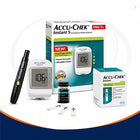
Accu-Chek Instant Strips: Use, Compatibility, Price & Blood Sugar Testing Guide
Accu-Chek Instant Strips: Uses, Features & Complete Guide

accupuncture

Acupuncture Needles & Supplies

Advanced Physiotherapy Machines & Lumbar Physiotherapy
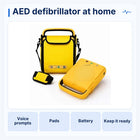
AED Defibrillator: How It Works, Who Can Use It and Where to Place It

Airways

Alcohol Swab Uses: A Guide to Safe and Effective Application
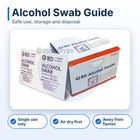
Alcohol Swab: Uses, Safe Use and Disposal Guide
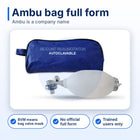
Ambu Bag Full Form: Is There an Official Meaning?
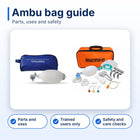
Ambu Bag: Parts, Uses and Safety Guide
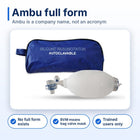
Ambu Full Form: What the Name Means and BVM Basics

Ambulance
You may also need
FOR YOURecommended for you
Save 6%
Save 14%
Save 43%
Save 31%
Save 39%
Save 50%
Save 44%
Save 43%
Save 26%
Save 50%
Save 27%
Save 50%
Save 25%
Save 34%
Save 27%
Save 50%
Save 50%
Save 36%
Save 22%
Save 29%