


Featured ChoiceSave 38%


Save 18%

Save 32%
Save 22%

Save 32%
Save 50%
Save 50%

Save 35%

Save 50%
Save 29%

Save 39%
Save 46%

Save 50%

Save 27%

Save 50%
Save 12%
Save 12%
Save 25%
Save 27%
Save 50%

Save 28%
Save 33%
Save 22%

Save 38%

Save 50%
Save 34%
Save 39%
Save 50%

Save 25%

Save 17%

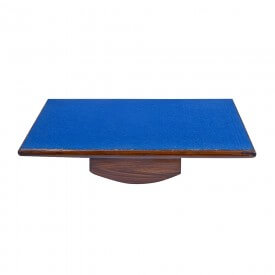
Save 50%
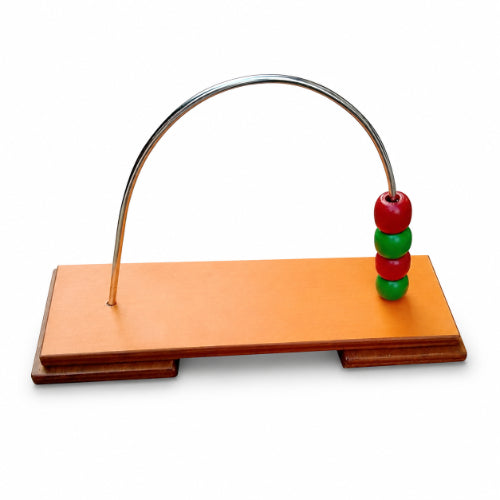
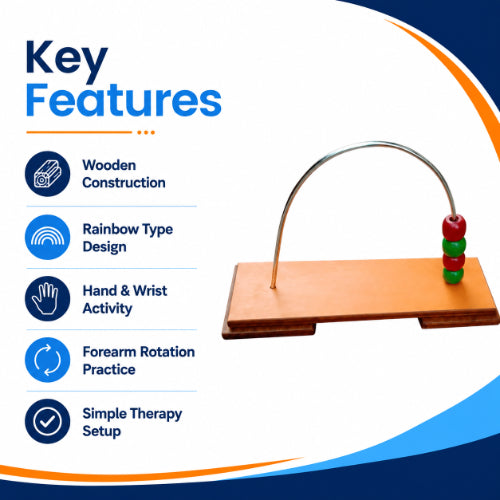

Save 50%
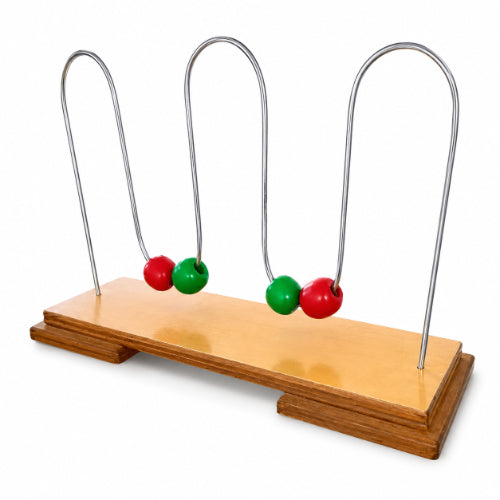
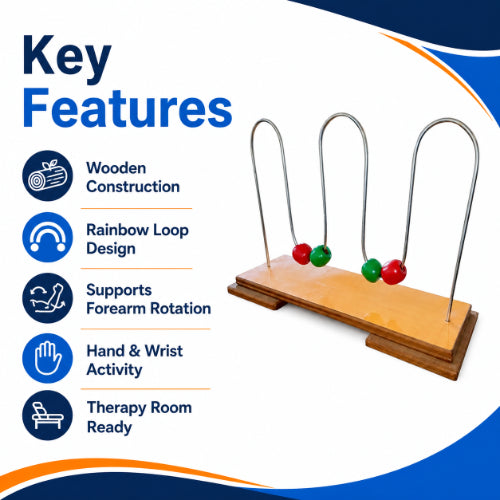

Save 50%
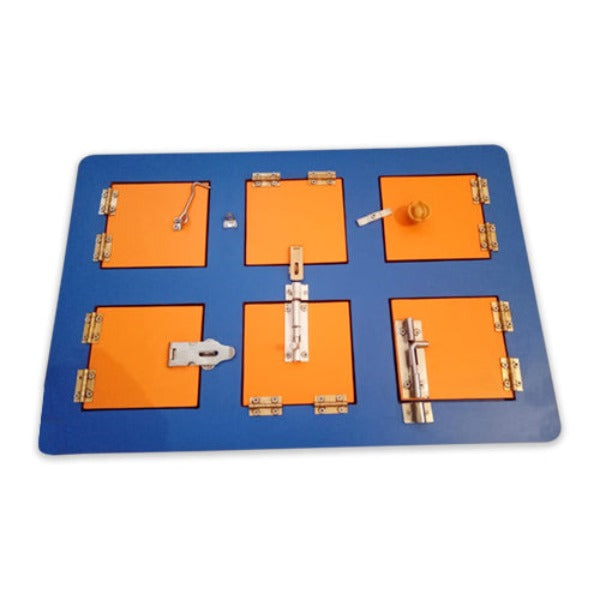
Save 50%
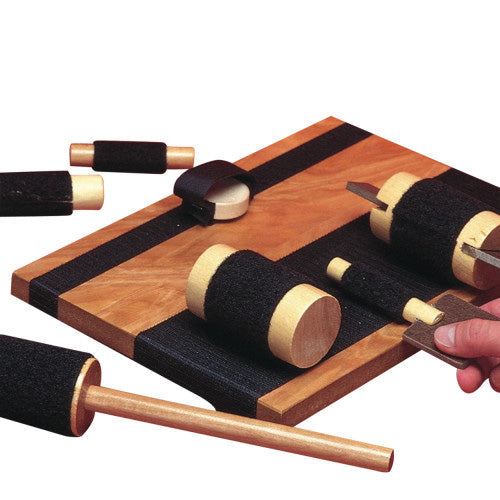
Sold out
What customers say
★★★★★ 5.0 · 10 reviews
 Shoulder Finger Ladder
“Great for shoulder rehabilitation exercises!”
“This is a fantastic tool for shoulder rehab and improving mobility. It’s easy to use,”
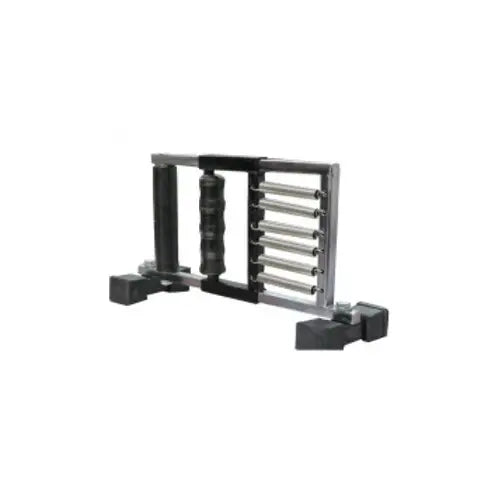
 Finger Exerciser With Metal Base
“Perfect for improving finger strength and mobility!”
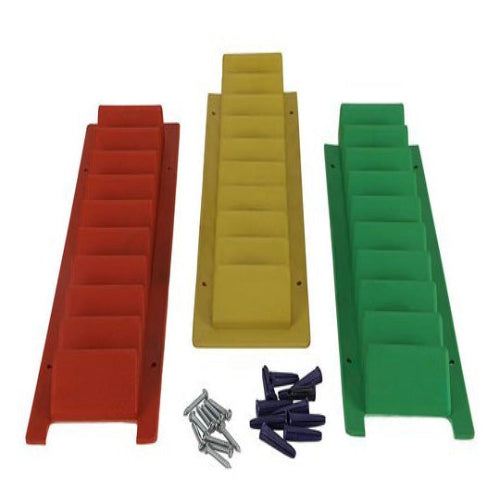
 Wedges for Occupational Therapy
“The Wedges for Occupational Therapy are fantastic for improving posture, balance, and coordination. They ar...”
 Hand Gym Kit Board Premium Quality
“This is a great tool for improving hand strength and flexibility. It’s well-built, durable,”
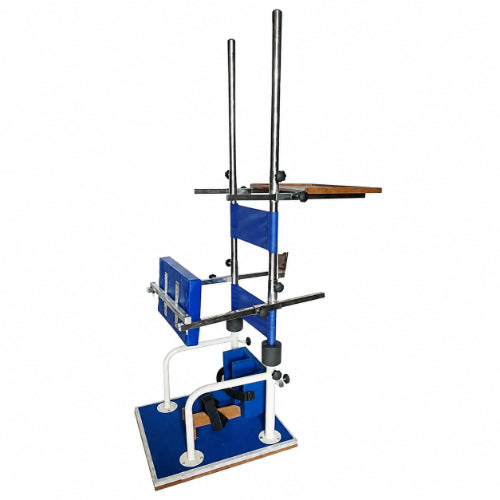
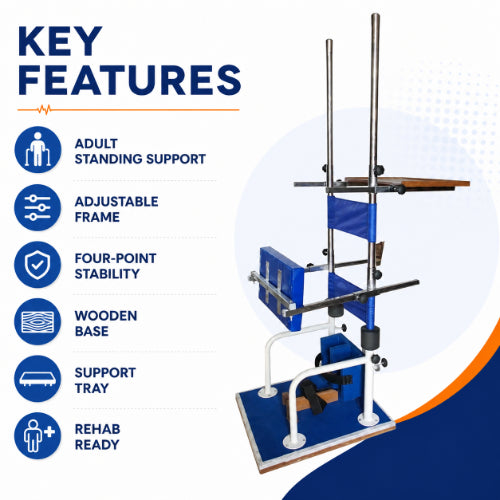
 Adjustable Metalic Standing Frame Adult with Wooden Base
“The Adjustable Metallic Standing Frame with Wooden Base is perfect for providing reliable support.”
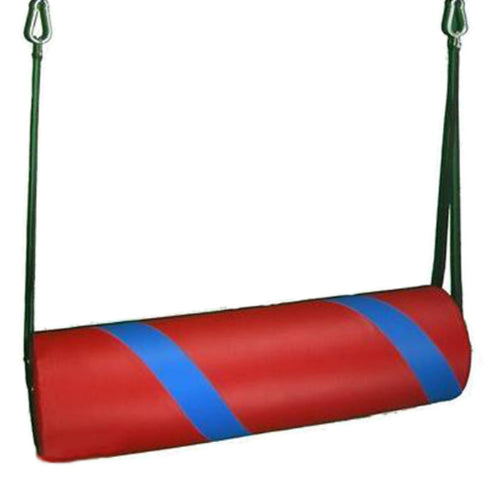
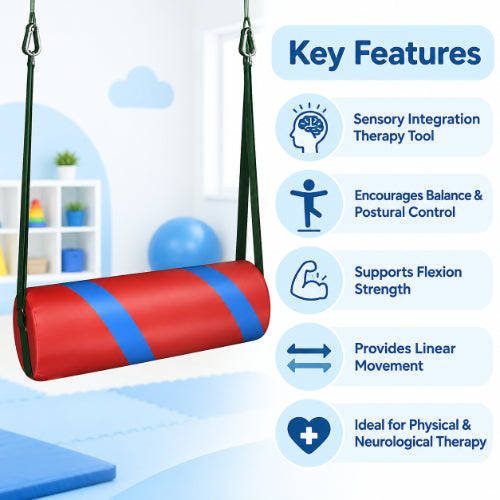
 Bolster Swing with Rope and Hooks Delulx Quality
“I’m really impressed with the Bolster Swing with Rope and Hooks Deluxe Quality! The swing is made of sturdy...”
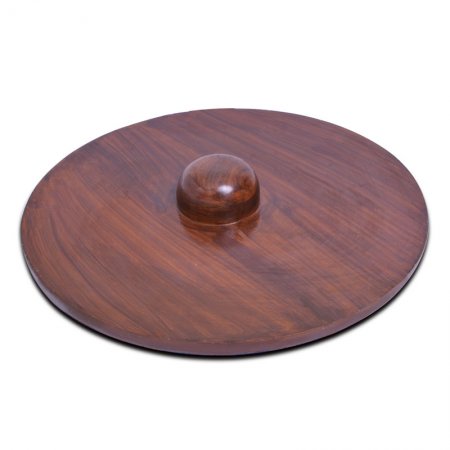
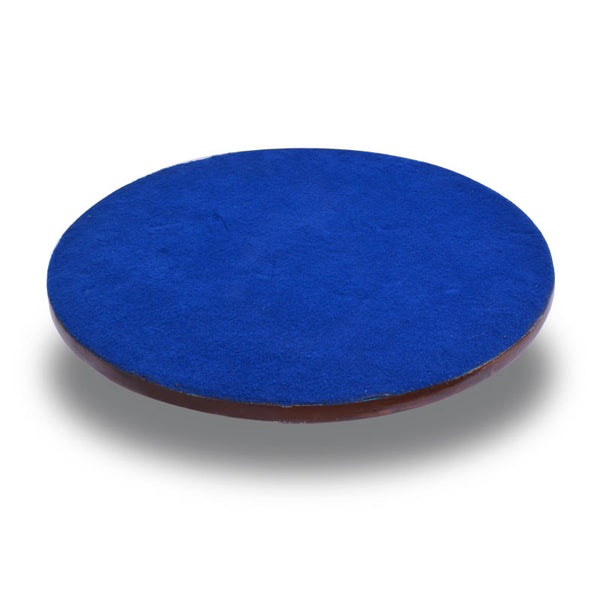
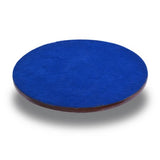 Wooden Wobble Board
“Great for improving balance and stability!”
“The Wooden Wobble Board is an excellent tool for improving balance and stability. It’s sturdy, easy to use,”
Occupational Therapy Instruments for Home Use: Types & Uses
Occupational therapy instruments for Home Use: Types, Uses & Buying Guide
Occupational therapy instruments are simple aids people use at home to build skills such as hand control, shoulder movement, balance, posture, and body positioning. The right occupational therapy instruments can make home exercise easier to understand, safer to repeat, and more useful between occupational therapy visits. This guide explains common home-use options, what they are used for, and how to choose them without overbuying or guessing.
What are occupational therapy instruments?
Occupational therapy instruments are devices that support skill building for everyday movement, body control, and task participation. At home, they may be used for guided activities such as reaching, gripping, sitting upright, shifting weight, or improving awareness of body position. They do not replace an occupational therapist, and they should not be used to push through pain or force a movement.


Many occupational therapy instruments look simple, but their value comes from how they are used. A therapy wedge can change body position during floor activities. Someone can train finger control with a finger exerciser. A shoulder pulley can support gentle shoulder movement when it is part of a plan.
The best occupational therapy instruments are not always the most complex ones. They are the ones that match the person’s age, comfort, goals, space, and supervision needs.
Which occupational therapy instruments are used at home?
Occupational therapy instruments used at home often include items for hand, shoulder, balance, and posture training. Common examples are a shoulder pulley, shoulder wheel, finger exerciser, balance board, wedges, and a bolster roller. These occupational therapy instruments are popular because they can support clear, repeatable exercise in a home setting.

A basic home setup may include:
- Hand instruments: finger exerciser, therapy putty, pegs, or small task objects.
- Shoulder instruments: shoulder pulley or shoulder wheel when recommended.
- Balance instruments: balance board or stable stepping and weight-shifting aids.
- Posture instruments: therapy wedge, bolster roller, mats, or supportive seating items.
This guide does not focus on sensory toys, a leg exerciser, a hand exerciser, or larger exercise machines; those may be considered separately if a professional recommends them. For most home routines, simple occupational therapy instruments are easier to store, supervise, and use with consistency.


Occupational therapy tools are safest when matched to a plan
Occupational therapy tools are safest when they are used for a clear purpose, not chosen only because they look useful. An occupational therapist may choose an instrument to support strength, range of motion, coordination, sitting balance, posture, or task training. The same occupational therapy instrument can be helpful for one person and unsafe or frustrating for another.
Safety line: Always follow the therapist’s plan when using the tools, including the suggested position, time, repetitions, and level of help.
Stop the activity if there is sharp pain, dizziness, unusual swelling, new weakness, breathing trouble, or distress. If safety is a concern, or if you are unsure whether a tool is right for the person, see a doctor or trained professional before using it.
Home activity should feel controlled and purposeful. It should not feel like a test of how much discomfort someone can tolerate.
How do you choose occupational therapy tools for a child or adult?
Occupational therapy instruments should be chosen by matching the person’s goal, body size, ability level, and home environment. If you are asking, “How do you choose occupational therapy tools for a child or adult?” start with the activity the person needs to work on, not with the product. A child learning postural control may need different support than an adult practicing shoulder movement after a change in function.
Use this simple checklist before buying:
- Goal: What skill is being practiced: grip, reach, balance, posture, or sitting control?
- Fit: Is the tool the right size for the person’s hands, body, and movement range?
- Safety: Can it be used without slipping, tipping, or forcing movement?
- Supervision: Does someone need to stand nearby or give hands-on help?
- Space: Is there enough room to use and store it safely?
- Plan: Has an occupational therapist explained how to use it?
A good occupational therapy instrument should make practice clearer, not more confusing.
Shoulder pulley tools support gentle shoulder practice
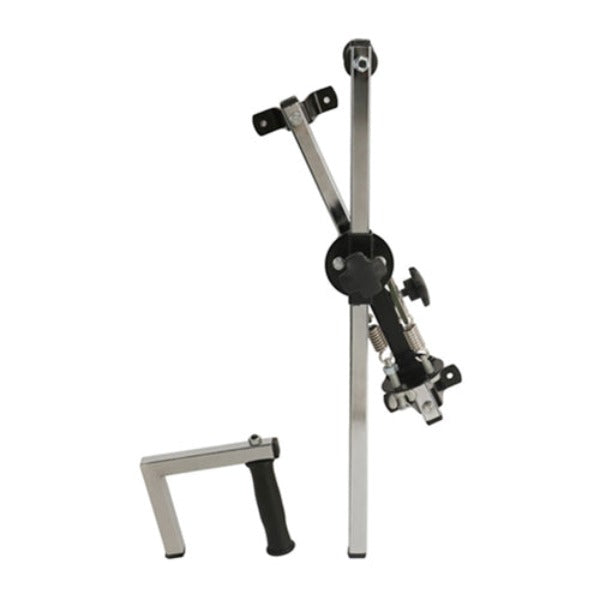
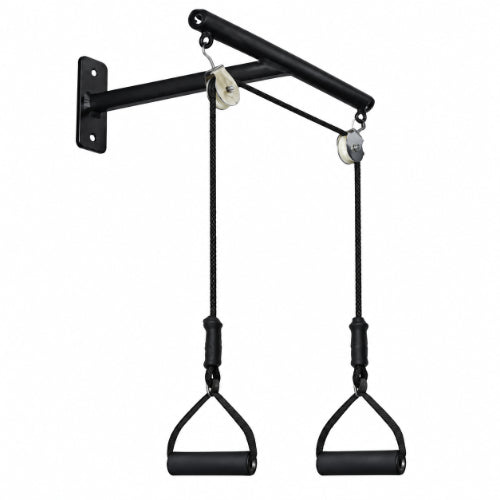
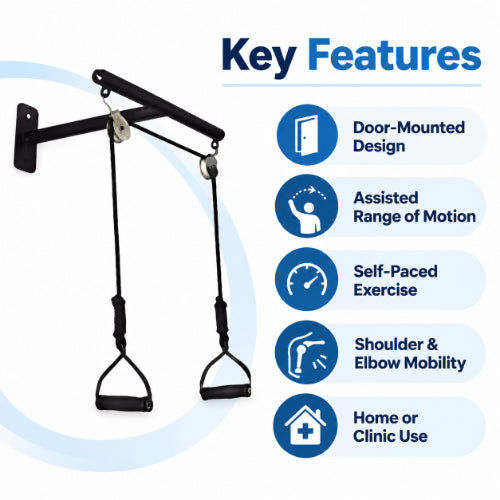
Shoulder pulley tools are used for guided shoulder movement, usually with a rope-and-pulley system placed over a door or fixed point. The person holds handles and uses one arm to help move the other arm through a controlled range. This can make shoulder practice smoother when an occupational therapist has recommended that type of motion.

How does a shoulder pulley work? One hand pulls down on a handle while the other handle rises, helping the opposite arm move. The movement should be slow and controlled. The goal is not to yank, bounce, or force the shoulder higher than is comfortable.


A shoulder pulley may be used for movements such as forward lifting or side movement, depending on the plan. It should be set up securely, with the person sitting or standing in a stable position. If the shoulder feels pinched, painful, or unstable, stop and ask for guidance.
Shoulder wheel tools guide controlled arm movement
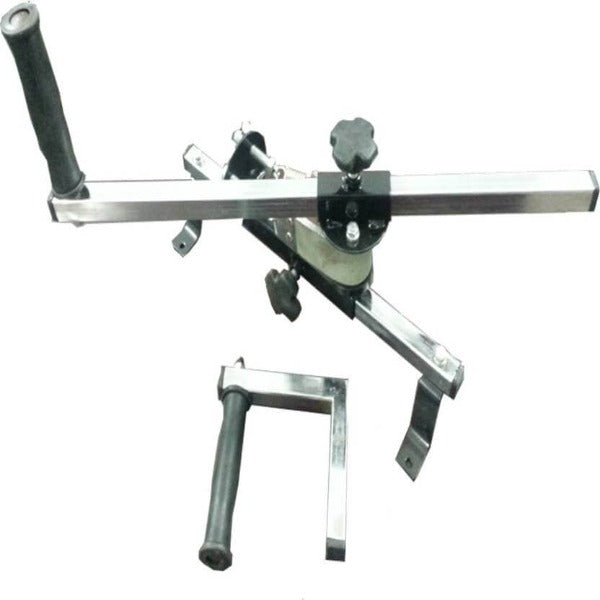
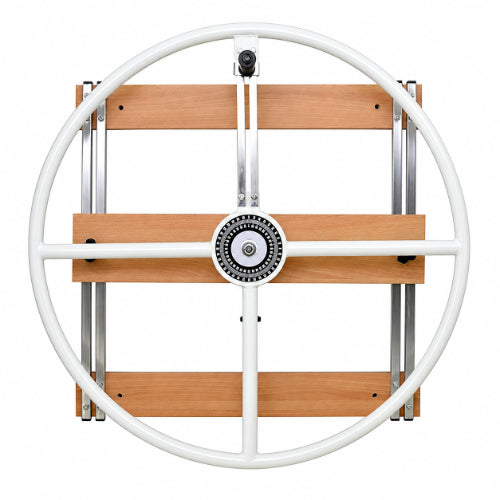
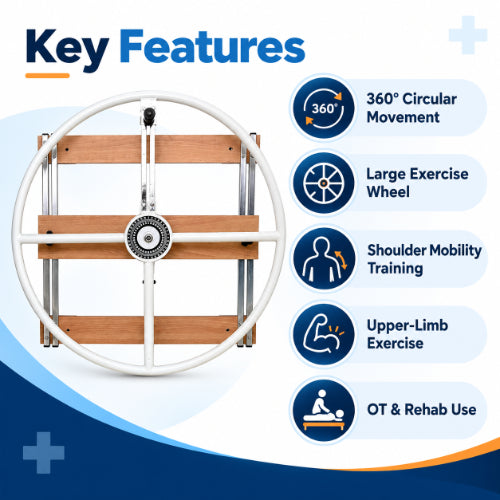
Shoulder wheel tools help guide the arm in a circular or arcing movement while the person holds a handle. A shoulder wheel is often mounted on a wall or sturdy surface, so it usually needs more space than a pulley. It can support steady shoulder and arm practice when the person can stand or sit safely near it.


What is a shoulder wheel used for? A shoulder wheel is used for controlled shoulder movement, arm reach training, and coordination of the upper limb. The wheel gives a clear path to follow, which can help the person move with less guessing.
This tool should be adjusted to a safe height when possible. The person should keep the movement smooth and avoid leaning, twisting, or shrugging too much unless the occupational therapist has planned it that way. A shoulder wheel is not a race; slow control matters more than speed.
Finger exerciser tools support hand and finger control
Finger exerciser tools are used to practice finger movement, grip control, and hand coordination. Some models give resistance for individual fingers, while others help the person work on pressing, spreading, or coordinating finger actions. These occupational therapy instruments may be useful for short, focused hand activities at home.

A finger exerciser should feel manageable. If it is too hard to press, the person may compensate by using the wrist, shoulder, or whole arm instead of the fingers. That can turn a hand activity into an awkward full-arm effort.
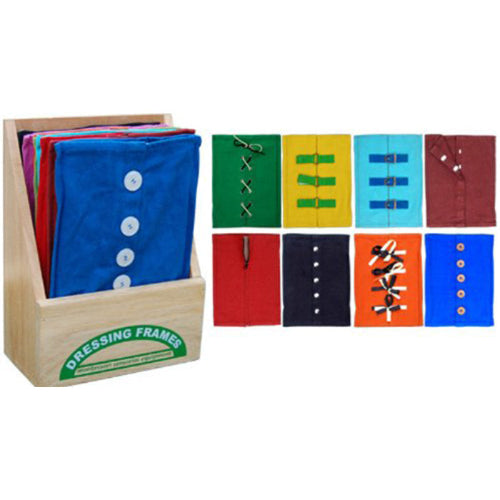
Good hand training often works best in small amounts. A few careful repetitions may be more useful than a long session done with poor form. For daily function, finger training can also be paired with simple tasks such as picking up coins, buttoning practice fabric, sorting small objects, or opening safe household containers.
Balance board tools build controlled weight shifting
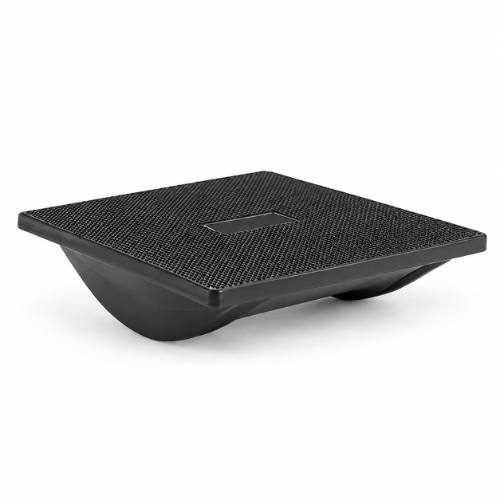
Balance board tools are used for standing balance, weight shifting, and body awareness practice. A balance board may rock, tilt, or wobble, depending on its design. Because it changes the support surface, it should be used only when the person can do so safely with the right level of supervision.

For home use, start simple. The person may stand with both feet on the board while holding a stable surface, then try small shifts forward, backward, or side to side. An occupational therapist may also suggest using it for seated foot placement or supported standing.


A balance board is not the right tool for every person. It may be unsafe for someone with high fall risk, dizziness, poor judgment, or limited standing control. Clear space, non-slip flooring, supportive shoes, and close supervision can reduce risk during use.
Therapy wedge tools help with posture and positioning
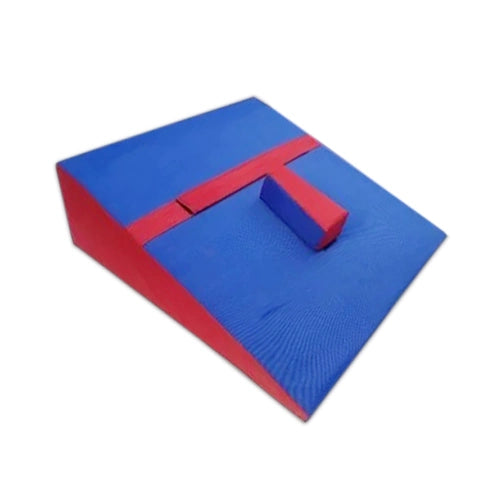
Therapy wedge tools are sloped foam supports used to change body position during practice. Wedges can support sitting, lying, kneeling, tummy time, reaching, or weight-bearing positions, depending on the person’s needs. The slope can make an activity easier or harder by changing how the body works against gravity.


For children, wedges are often used during floor activities to support head, trunk, shoulder, or arm position. For adults, a wedge may help with supported positioning during safe movement training or comfort-based activity. The wedge should be firm enough to support the body without collapsing.
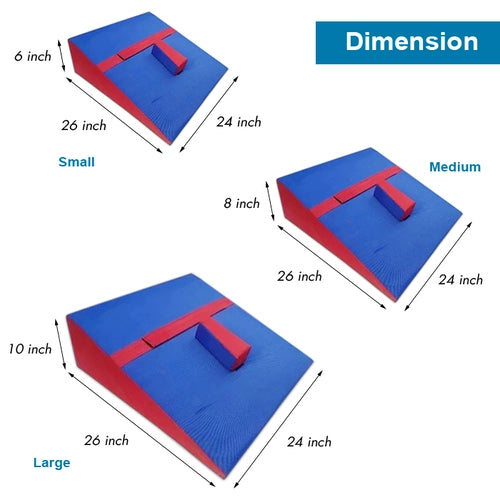
Size matters. A wedge that is too steep can make posture harder to control, while one that is too small may not give enough support. The surface should be easy to clean and stable on the floor or mat.
Bolster roller tools support posture, rolling, and balance
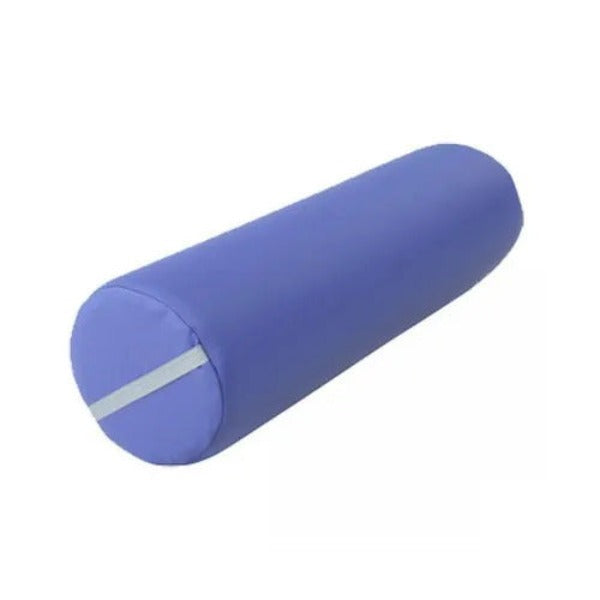
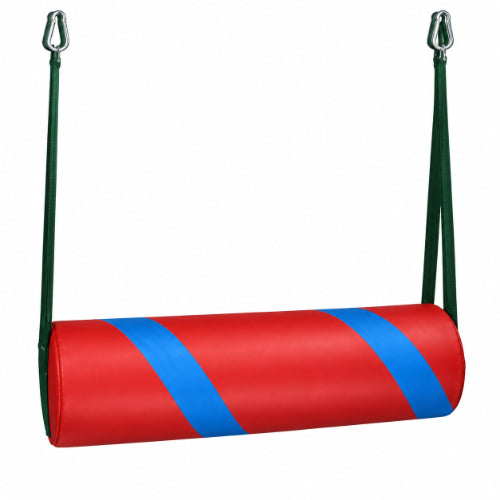
Bolster roller tools are firm cylindrical supports used for posture, weight shifting, rolling practice, and supported positions. A bolster roller can be placed under the chest, hips, knees, or arms, depending on the activity and the occupational therapist’s instructions. It can also be used for seated balance work when the person has safe support.
For children, a bolster roller may be used during play-based activity, such as reaching for toys while lying over the roller. For adults, it may support positioning, trunk control training, or gentle movement activities. The key is stability; the roller should not move faster than the person can control.
Choose a size that fits the body and the task. A large bolster roller may give more support, while a smaller one may create a bigger balance challenge. Use it on a mat or non-slip surface.
Occupational therapy tools by practice area
Occupational therapy tools are easier to choose when grouped by the type of practice they support. Instead of buying many items at once, think about the main area that needs home carryover. A simple tool used correctly is better than a full closet of items that never become part of a routine.


| Practice area | Common instrument | Home use example |
|---|---|---|
| Hand and fingers | Finger exerciser | Practicing controlled finger pressing or grip release |
| Shoulder movement | Shoulder pulley | Guided arm lifting within the planned range |
| Shoulder control | Shoulder wheel | Following a smooth arm path on a wall-mounted wheel |
| Balance | Balance board | Practicing small weight shifts with support nearby |
| Posture | Therapy wedge | Supporting sitting, reaching, or floor positioning |
| Trunk control | Bolster roller | Practicing supported rolling or reaching |
This table is a starting point, not a prescription. The person’s occupational therapist should guide which item fits the goal and how it should be used.
Occupational therapy instruments for children at home
Occupational therapy instruments for children should feel safe, simple, and easy to build into play. Children often practice best when the occupational therapy instrument supports an activity they understand, such as reaching for blocks, pressing a finger exerciser, or lying over a therapy wedge to complete a puzzle. The tool should not make the activity feel like a punishment.

For younger children, size and supervision are especially important. A bolster roller that is too large may be hard to control, while a balance board may be unsafe without close help. Small parts should be avoided for children who may mouth objects.
Home sessions for children should usually be short and clear. A few minutes of well-supported activity can be easier to repeat than a long session. Caregivers can ask the occupational therapist how to make the activity playful while still following the plan.
Occupational therapy instruments for adults at home
Occupational therapy instruments for adults should match the person’s goals, comfort level, and daily routine. An adult may use a shoulder pulley for guided shoulder movement, a finger exerciser for hand control, a wedge for positioning, or a balance board for supervised balance practice. The choice depends on ability and safety, not age alone.

Adults may prefer occupational therapy instruments that fit naturally into a routine. For example, hand work may happen at a table before a daily task, while shoulder pulley use may be done at a set time when the person is rested. Consistency is easier when the tool is stored in a visible but safe place.
Avoid making home routines too complicated. If a person has five instruments but only uses one correctly, the setup is not working well. A smaller, focused plan is often more practical.
Occupational therapy tools can support daily routines
Occupational therapy tools can be most useful when they connect to real daily activities. A finger exerciser may support the hand control needed for grasping and releasing objects. Using a therapy wedge may help a person work on reaching from a better-supported position. A shoulder pulley may prepare the arm for safe movement during a daily routine.
Think about carryover. If the goal is dressing, reaching, writing, meal prep, play, or sitting at a table, the tool should connect to that goal in some way. Practice that feels related to daily life is often easier to understand.
A simple routine might look like this:
- Set up the space and tool.
- Review the occupational therapist’s instructions.
- Do a short warm-up or easy movement.
- Practice the planned activity.
- Stop before fatigue leads to poor form.
- Put the tool away safely.
The occupational therapy instrument supports the routine; it is not the whole routine.
Occupational therapy instruments for small spaces
Occupational therapy instruments for small spaces should be easy to store, move, and set up safely. Not every home has room for large equipment, and many people do better with compact occupational therapy instruments. A finger exerciser, small wedge, shoulder pulley, and foldable mat may fit into a closet or storage bin.

Before buying, measure the area where the instrument will be used. A shoulder wheel may need wall space and safe clearance around the arm. Any balance board needs floor space and a stable support nearby. A bolster roller needs enough room for the person to get on and off safely.


Storage matters too. Instruments left in walkways can become tripping hazards. Keep items clean, dry, and away from pets or young children when not in use.
Occupational therapy tools buying checklist
Occupational therapy tools should be bought with function, fit, and safety in mind. A low-cost item that fits the plan may be more useful than an expensive item that does not match the person’s needs. Avoid buying based only on pictures or broad product claims.
Use this buying checklist:
- Purpose: Does the tool match the specific goal?
- Instructions: Can the occupational therapist explain how to use it?
- Size: Does it fit the user’s height, hand size, and body position?
- Resistance or challenge: Is it easy enough to use with good control?
- Stability: Will it stay in place during use?
- Cleaning: Can it be wiped or cleaned after use?
- Storage: Is there a safe place to keep it?
- Supervision: Can the needed helper be present?
If an instrument fails several items on this list, pause before buying. The right choice should make home practice safer and clearer, not harder to manage.
Occupational therapy instruments need proper cleaning and storage
Occupational therapy instruments should be cleaned and stored in a way that keeps them ready for safe use. Foam wedges, bolster rollers, handles, and balance surfaces can collect dust, sweat, or spills. Follow the product care instructions when available, and use gentle cleaning methods that do not damage the surface.

Check occupational therapy instruments often for wear. Look for cracks, loose parts, frayed pulley rope, unstable handles, damaged foam, or slippery surfaces. A tool that looks unsafe should be removed from use until it can be checked or replaced.
Storage should be simple. Keep the shoulder pulley where the rope does not tangle. Store a balance board flat or in a safe upright location where it will not fall. Keep finger exercisers in a small container so they do not get lost or damaged.
Occupational therapy tools need careful setup
Occupational therapy tools need careful setup before each session. A good setup reduces distractions and helps the person focus on the planned movement. It also lowers the chance of slipping, falling, or using the tool the wrong way.
Before starting, check these points:
- The floor is dry and free of clutter.
- Mats, wedges, or rollers are stable.
- The shoulder pulley is secure if used over a door.
- Any shoulder wheel is mounted or positioned safely.
- A balance board has support nearby.
- The person understands what to do.
- A helper is present when needed.
Setup should not be rushed. If a tool feels unstable, too high, too low, or hard to control, stop and adjust it before continuing. Safe use begins before the first repetition.
Occupational therapy instruments should fit comfort and fatigue levels
Occupational therapy instruments should be used with attention to comfort, fatigue, and body signals. More exercise is not always better. When someone gets tired, their movement may become less controlled, and the activity may stop matching the occupational therapist’s goal.

Watch for signs that the session should pause or end. These may include holding the breath, grimacing, leaning heavily, losing balance, rushing, shaking from fatigue, or becoming upset. Pain is also a signal to stop, not a reason to push harder.
Short sessions can still be useful when they are done with care. For some people, several brief sessions may work better than one long session. The occupational therapist can help set the right amount and adjust it over time.
Occupational therapy tools should grow with progress
Occupational therapy tools should be adjusted as the person’s skill, confidence, and goals change. A wedge may be used for more support at first and less support later. A balance board activity may start with two hands on a stable surface and later move to lighter support if appropriate.
Progress does not always mean making the instrument harder. Sometimes progress means better control, smoother movement, less help, or more carryover into daily tasks. A finger exerciser, for example, may stay at the same resistance while the person improves accuracy and timing.
Keep notes if helpful. Write down what instrument was used, how long the session lasted, and what felt easy or hard. These notes can help the occupational therapist adjust the plan.
Occupational therapy instruments are not one-size-fits-all
Occupational therapy instruments are not one-size-fits-all, even when two people have similar goals. A shoulder pulley may work well for one person but feel awkward for another. A balance board may be a good challenge for one user and too risky for someone else.
This is why professional guidance matters. The same tool can be used in many ways, and small changes in position, resistance, height, or supervision can change the activity completely. An occupational therapist can help match the instrument to the person instead of asking the person to adapt to the instrument.
Be cautious with online advice that gives one routine for everyone. Home routines should be personal, clear, and realistic. If the instrument does not fit the person’s needs, it may not be the right choice.
Occupational therapy tools mistakes to avoid
Occupational therapy tools can be helpful, but common mistakes can make home exercise less safe or less useful. The biggest mistake is buying a tool without knowing why it is needed. Another common mistake is doing too much too soon.
Avoid these problems:
- Using a shoulder pulley to force range.
- Standing on a balance board without proper support.
- Choosing a finger exerciser with too much resistance.
- Using wedges or a bolster roller on a slippery floor.
- Skipping supervision when it is needed.
- Turning exercise into a painful or stressful task.
- Ignoring the occupational therapist’s setup instructions.
A tool should support steady practice. It should not create fear, pain, or confusion. When in doubt, pause and ask for help.
Occupational therapy instruments can make home practice clearer
Occupational therapy instruments can make home practice clearer when they are chosen for the right goal and used with the right guidance. A shoulder pulley or shoulder wheel may support shoulder movement practice, a finger exerciser may support hand control, a balance board may support balance practice, and wedges or a bolster roller may support posture and positioning.
The best home setup is usually simple, safe, and easy to repeat. Start with the plan, choose occupational therapy instruments that fit the person, and keep each session calm and controlled. If an instrument does not feel right, do not force it; ask the occupational therapist for another option.
Used wisely, occupational therapy tools can help connect therapy goals with everyday home routines. The goal is not to own every instrument. The goal is to use the right instrument, in the right way, at the right time.
Explore Medical Collections
All Categories
Abdominal & Maternity Support

Accessories

Accu-Chek Instant Strips: Use, Compatibility, Price & Blood Sugar Testing Guide
Accu-Chek Instant Strips: Uses, Features & Complete Guide

Accupressure Products for Pressure Point Therapy, Pain Relief & Wellness

accupuncture

Acupuncture Needles & Supplies

Advanced Physiotherapy Machines & Lumbar Physiotherapy

Airways

Ambulance

Anatomy Models
Anesthesia Machine

Anesthesia Products
Ankle Support for Home Use: Braces, Sleeves & Walker Boots
Ankle Weights & Exercise Weights for Home & Rehab
You may also need
FOR YOURecommended for you
Save 38%
Save 18%
Save 32%
Save 22%
Save 32%
Save 50%
Save 50%
Save 35%
Save 50%
Save 29%
Save 39%
Save 46%
Save 50%
Save 27%
Save 50%
Save 12%
Save 12%
Save 25%
Save 27%
Save 50%