


Featured ChoiceSave 50%
Save 29%

Save 12%
Save 50%
Save 31%

Save 27%
Save 50%
Save 40%
Save 50%
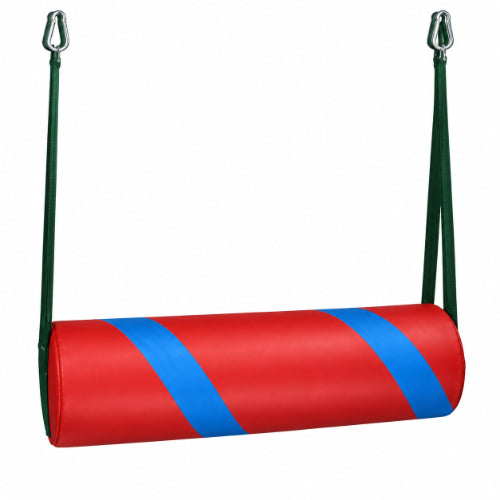
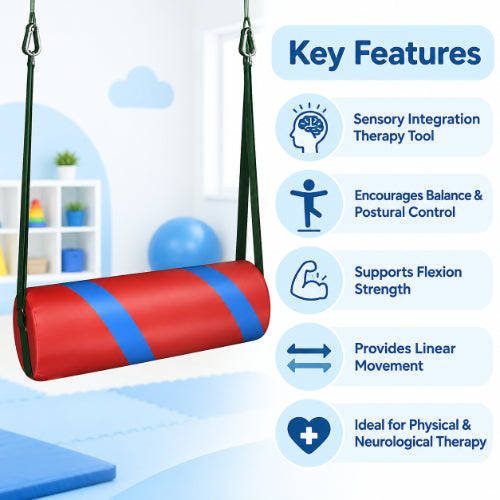

Save 20%
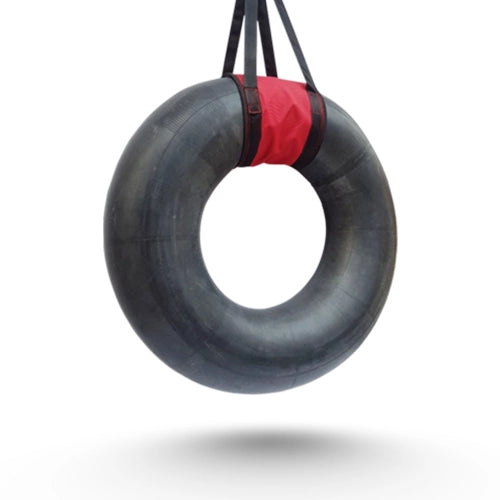
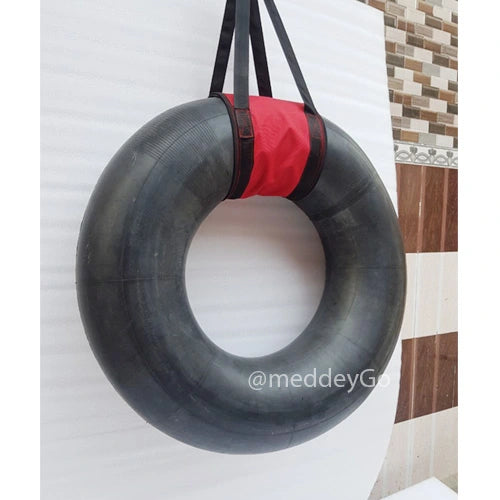

Save 48%

Save 23%

Save 35%

Save 50%
Save 19%
Save 15%
Save 29%


Save 50%


Save 50%

Save 50%

Save 50%
Save 50%
Save 37%


Save 24%


Save 8%
Save 38%
Save 50%

Save 50%


Save 50%

Save 24%

Save 31%
Save 20%


Save 22%

Save 39%


Sold out


What customers say
★★★★★ 5.0 · 10 reviews
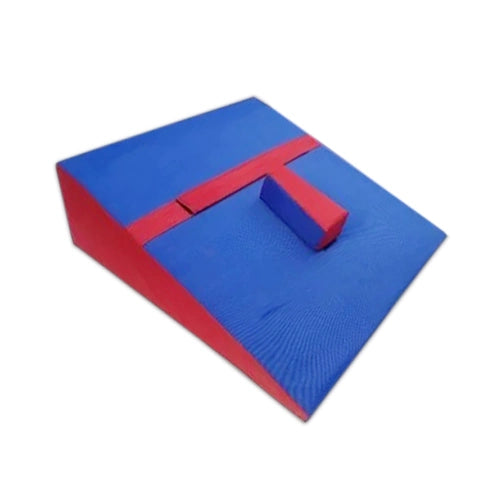
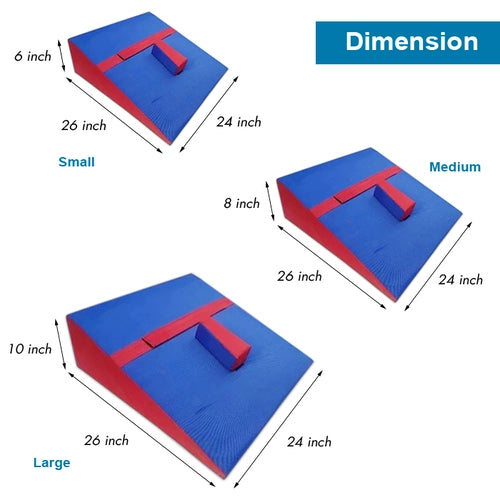
 Wedges for Occupational Therapy
“The Wedges for Occupational Therapy are fantastic for improving posture, balance, and coordination. They ar...”
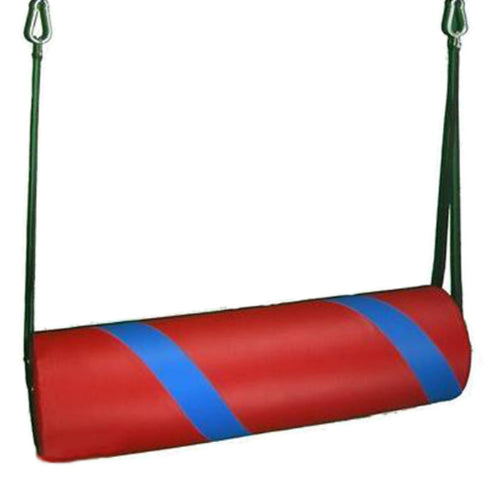
 Bolster Swing with Rope and Hooks Delulx Quality
“I’m really impressed with the Bolster Swing with Rope and Hooks Deluxe Quality! The swing is made of sturdy...”
 Platform Swing 24 x 36 Inch for Sensory Integration Therapy
“It’s sturdy, durable, and provides a smooth, enjoyable swing experience. The size is perfect for both kids ...”
 Multi Colour Peg Board
“This is an excellent tool for enhancing hand-eye coordination and fine motor skills. It’s sturdy,”
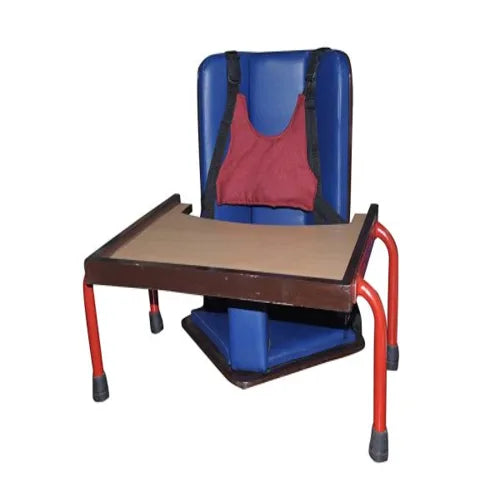
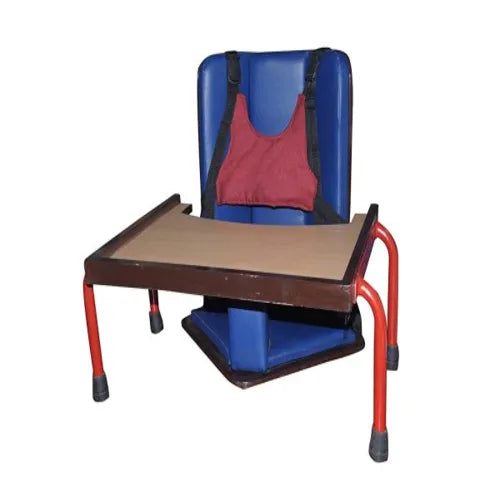
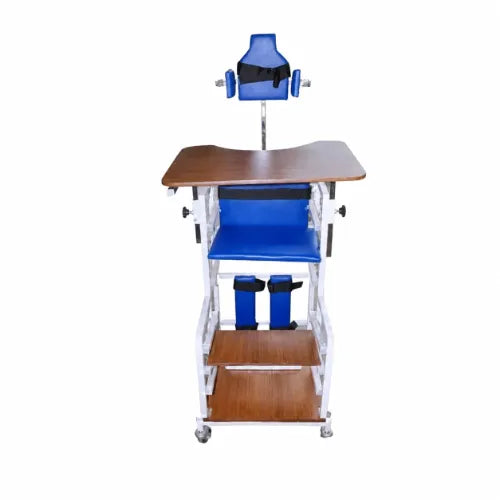
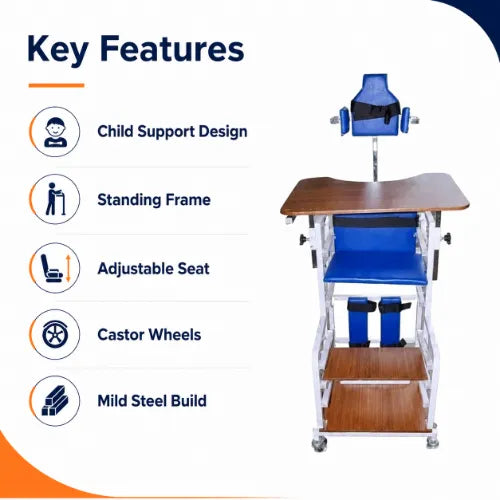
 CP Corner Chair Delux Quality
“The CP Corner Chair Deluxe Quality is incredibly comfortable and provides excellent support for therapy ses...”
 Tube Swing For Occupation Therapy
“The Tube Swing for Occupational Therapy is an excellent addition to therapy sessions. It’s durable, comfort...”
“The Tube Swing for Occupational Therapy has been a fantastic addition to our home! It’s perfect for kids wh...”
 Foam Blocks With Tunnel
“This is absolutely fantastic! My kids love creating different structures and crawling through the tunnel—it...”
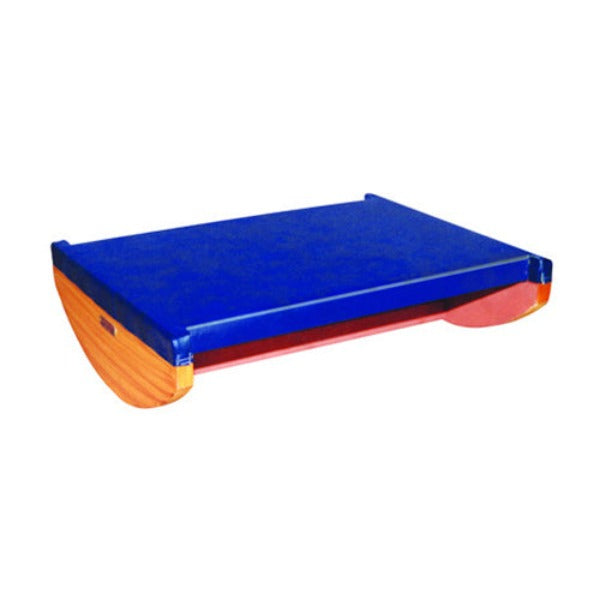
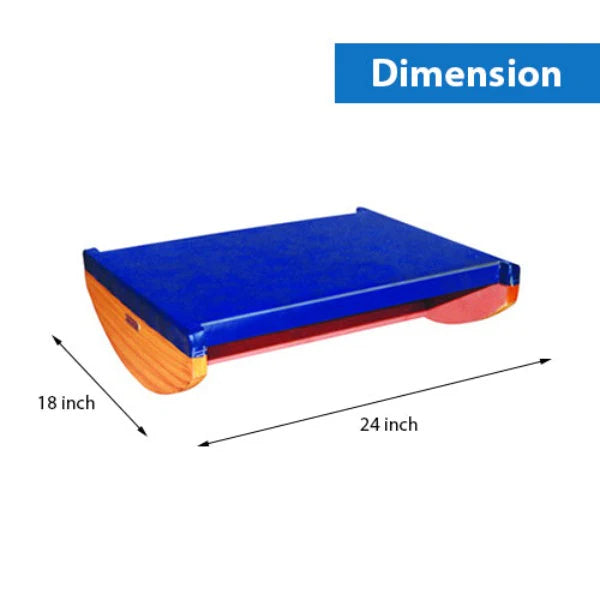
 Equilibrium Board (Rectangular)
“The Equilibrium Board (Rectangular) is perfect for improving balance and stability. It’s durable, easy to use,”
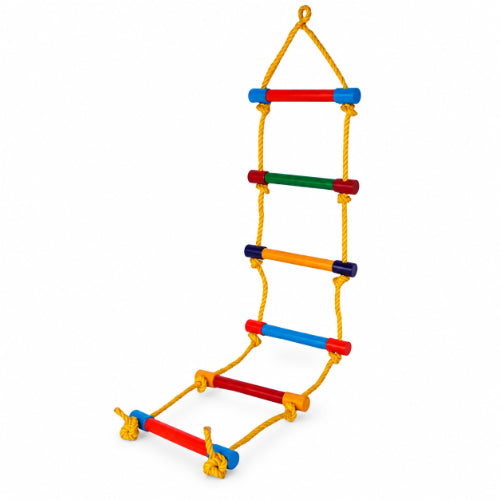
 Wooden Rope Ladder for Kids with S-Hook
“The Wooden Rope Ladder for Kids is a great way to encourage physical activity and play. It’s sturdy, easy t...”
Sensory Toys & Therapy Equipment for Kids: Types & Guide
Sensory toys & therapy equipment for kids: types & buying guide
Sensory toys and home therapy equipment can help children explore movement, touch, balance, hand use, and calming routines in a safe, playful way. For parents and caregivers in India, the right choice depends on your child’s age, space at home, sensory preferences, motor needs, and your ability to supervise use safely. This guide explains common options such as sensory swings, bubble tubes, sensory mats, ball pools, sensory balls, and fine motor skills toys so you can make a more confident, practical decision.
A pediatric occupational therapist can guide you on what is suitable for your child’s needs, especially if your child has autism, ADHD, developmental delays, low muscle tone, balance concerns, or strong sensory likes and dislikes. No toy or equipment should be seen as a treatment or cure for any condition, but the right tools can support everyday play, participation, and skill practice at home.
What should parents in India know before buying sensory equipment for home?
Parents should choose sensory therapy equipment based on the child’s safety, age, interest, body size, and daily routine, not only on what looks popular online. In Indian homes, space, flooring, ceiling strength, climate, storage, cleaning, and product quality matter a lot. Start with one or two useful items, observe how your child responds, and add more only when you are sure the equipment fits your home and your child’s needs.

Many parents search for sensory toys for autism India, sensory toys for toddlers, occupational therapy toys, or sensory room equipment and find hundreds of options. Some are simple, like textured balls and peg boards. Others, such as a sensory swing, therapy swing, bubble tube sensory setup, or sensory floor mats, need more planning.
Before buying, ask yourself:
- What does my child enjoy? Some children seek movement, while others prefer deep pressure, textures, lights, or quiet hand activities.
- What skill do we want to support? Balance, body awareness, sitting tolerance, grasp, dressing practice, hand coordination, or calming routines may need different tools.
- Where will we use it? A bedroom corner, living room, balcony, or play area should have enough space and safe flooring.
- Who will supervise? Adult supervision is essential, especially for swings, ball pools, small parts, and climbing or balance items.
- Can we clean and maintain it? India’s dust, humidity, and heat can affect fabric, foam, plastic, and electrical items.
- Is the product strong enough? Check weight limits, material quality, seams, fasteners, hooks, and installation instructions.
Prices vary depending on size, quality, material, brand, and installation needs. Avoid choosing only the cheapest option for equipment that carries body weight, uses electricity, or includes small parts.
A home-first approach to sensory toys and therapy equipment
Sensory toys and therapy equipment for kids work best when they are part of normal home life. A child may use a sensory mat during play, a peg board at the table, a therapy swing before homework, or sensory balls during a quiet evening routine. The goal is not to fill the house with products, but to create a small, safe set of tools that your child will actually use.

A home sensory corner does not need to be large. A washable mat, a few sensory toys for kids, a basket of fine motor activities, and one movement item can be enough for many families. If you are planning bigger sensory room equipment, such as bubble tubes, ball pools, or an ot platform swing, think carefully about installation, cleaning, storage, and supervision.


Helpful buying principles
Use these simple rules before adding any item to your home:
- Match the equipment to your child, not the trend. Popular items may not suit every child.
- Check the age range clearly. Toddlers, preschoolers, and older children need different sizes and safety features.
- Look for easy cleaning. Wipeable surfaces, washable covers, and non-toxic materials are useful for Indian homes.
- Choose sturdy construction. Strong stitching, rounded edges, stable bases, and good-quality hardware matter.
- Plan the floor first. Soft flooring is important under swings, balance equipment, mats, and active play areas.
- Supervise every session. Even simple sensory toys need adult attention if they have small parts, cords, or heavy components.
Sensory toys for everyday touch, sound, and movement play
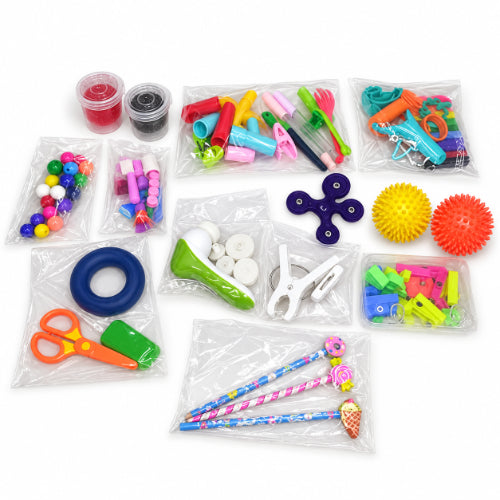
Sensory toys are simple tools that give children safe ways to explore textures, pressure, sound, movement, and visual input. They may include textured rings, squishy toys, fidgets, pop toys, rattles, chew-safe items, light-up toys, tactile blocks, and activity cubes. For many parents, these are the easiest starting point because they are affordable compared with larger equipment and can be used in short play sessions.
These toys may suit babies, toddlers, preschoolers, and older children, depending on design and safety. Sensory toys for toddlers should be large enough to avoid choking risk, smooth enough to prevent injury, and strong enough to handle mouthing, throwing, squeezing, and dropping. Older children may enjoy more complex sensory toys that involve problem-solving, finger movement, or calming repetition.
When choosing sensory toys for autism or sensory toys for kids with strong sensory preferences, observe what your child seeks or avoids. A child who enjoys pressure may like firm squeezable toys or textured balls. A child who is sensitive to sound may prefer quiet tactile toys instead of noisy items. A child who enjoys visual input may like slow-moving liquid timers, soft lights, or bubble tubes under supervision.
Safety matters even with small toys. Use adult supervision, especially with toddlers and children who mouth objects. Check for loose parts, sharp edges, leaking gel, weak seams, magnets, batteries, and detachable pieces. Follow age labels, avoid items that are too small, and keep toys clean and dry.
How to choose sensory toys for home
- For calming play: soft textured toys, slow visual toys, squeezable items, and weighted lap-friendly items if advised.
- For active hands: pop toys, stretchy bands, tactile blocks, nesting cups, and simple puzzles.
- For oral seeking: choose only chew-safe products made for that purpose and inspect them often.
- For toddlers: pick large, washable, non-toxic toys without tiny parts.
- For older children: choose toys that combine sensory input with thinking, sorting, building, or hand coordination.
Sensory balls build touch awareness and active play
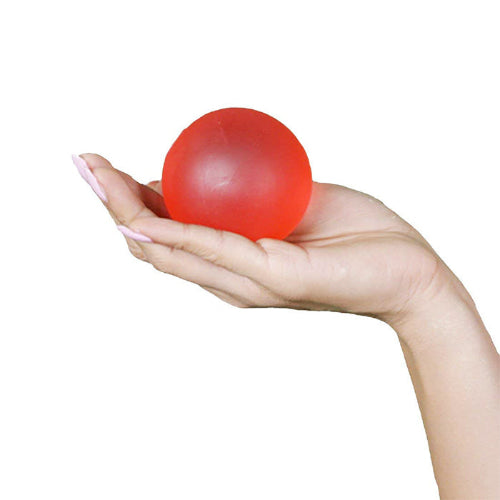
Sensory balls are textured, soft, spiky, smooth, bumpy, light, heavy, squeezable, or rollable balls used for tactile play and simple movement activities. They can support grasping, squeezing, rolling, catching, pressing, and two-hand coordination. Because they are easy to use, sensory balls are often among the first occupational therapy toys parents buy for home.
They are suitable for a wide age range, but the ball must match the child’s age and strength. Babies and toddlers need large, soft balls without detachable parts. Preschoolers may enjoy rolling, throwing into a basket, squeezing, or matching textures. Older children may use firmer balls for hand strength activities, wall pushes, balance games, or seated movement play.
Choose sensory balls based on texture, firmness, size, and cleaning needs. A child who dislikes strong textures may need a soft, gentle surface first. A child who seeks deep pressure may enjoy a firmer ball for squeezing or rolling under adult guidance. In warm Indian weather, choose materials that do not become sticky, crack easily, or collect dust too quickly.
Safety is simple but important. Supervise play, especially if the child may bite or mouth the ball. Check weight and size recommendations, avoid balls that are too small, and do not allow standing on balls unless they are designed for that use. Use sensory balls on soft flooring or a mat if your child is rolling, bouncing, or doing active games.
Sensory swings, therapy swings, and OT platform swings
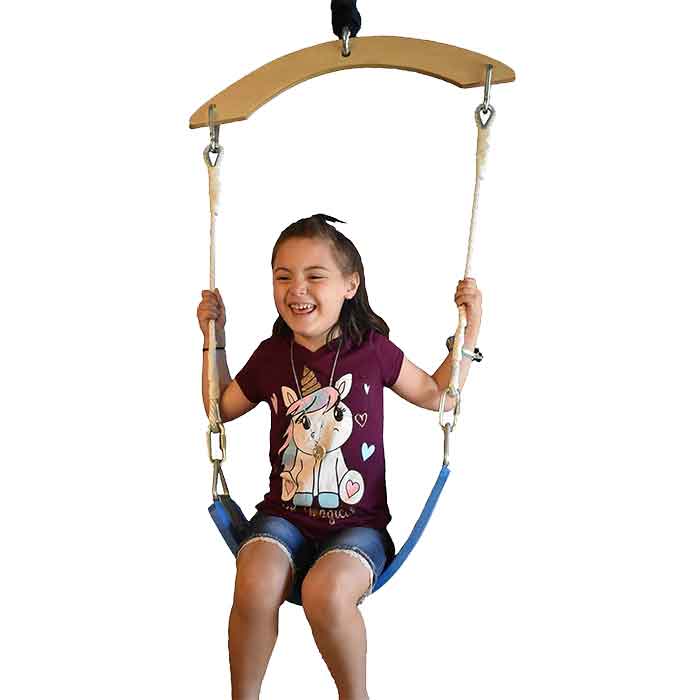
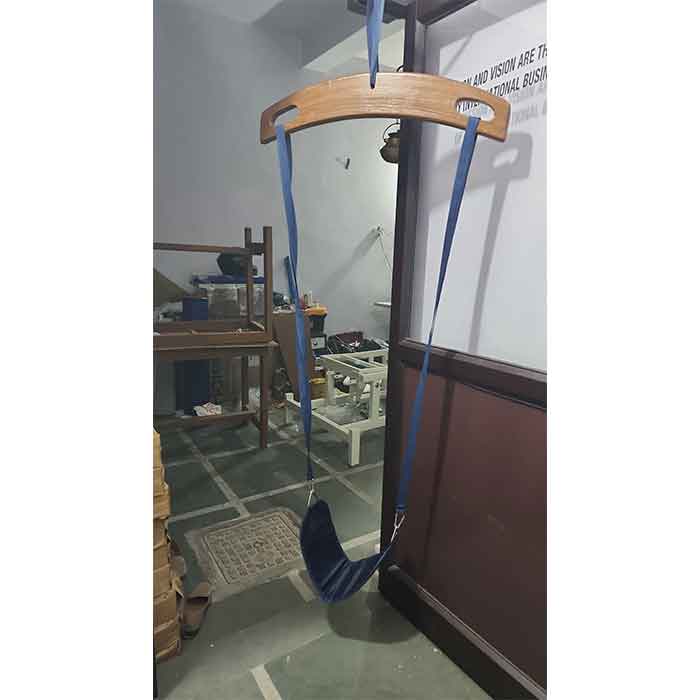
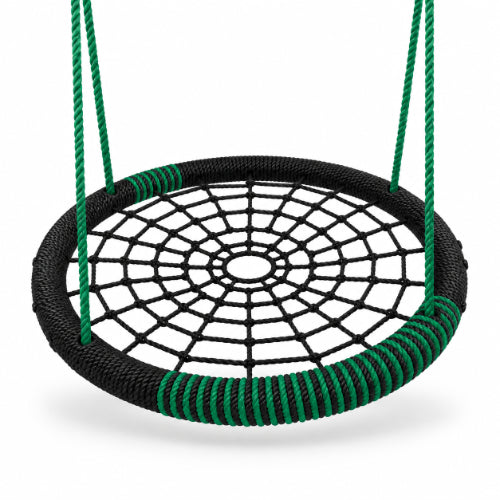
A sensory swing provides movement input through swinging, rocking, spinning, or gentle linear motion. Many children enjoy this movement because it can feel organizing, playful, or calming, depending on the child and the type of swing. A therapy swing may be a hammock-style swing, pod swing, platform swing, bolster swing, or Lycra-style swing used at home with careful supervision.

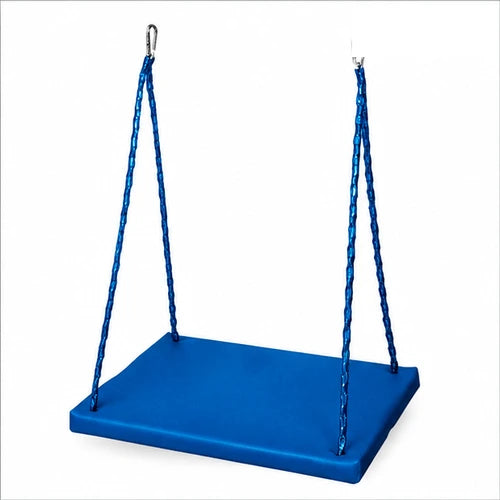
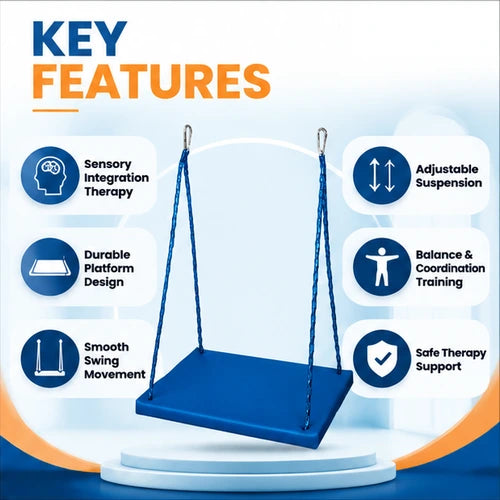
An ot platform swing is a flat suspended platform that allows the child to sit, lie on the tummy, kneel, or hold on while moving. It is often chosen for activities that involve balance, posture, body awareness, and hand-eye coordination. For example, a child may lie on the platform and reach for beanbags, hold a rope while gently swinging, or sit with support while practicing balance.


Sensory swings may be suitable for toddlers, preschoolers, and older children when the swing is designed for their age and body weight. A toddler needs a secure, supportive design and close adult support. Older children may use larger swings, but only within the stated weight limits and with enough space around the swing. Some children may become dizzy, overexcited, or uncomfortable, so start slowly and watch their response.
Choosing a sensory swing is not only about fabric colour or online reviews. Check the swing type, maximum weight limit, hook quality, rope strength, stitching, ceiling or frame requirements, and space needed for movement. If you live in a rented flat, ask about safe installation options before buying. Door-frame bars, ceiling hooks, and swing stands all need proper fitting and regular inspection.
Safety is critical for every sensory swing or therapy swing. Use adult supervision every time. Follow the weight limit strictly, ensure secure installation by a qualified person where needed, keep the swing low enough to reduce fall risk, and place soft flooring or thick mats below and around the swing. Remove nearby furniture, glass, sharp corners, and loose objects.
Safe swing use at home
- Start with slow, gentle movement for short periods.
- Stop if your child looks dizzy, pale, upset, overexcited, or unsafe.
- Keep only one child on the swing unless the product is specifically designed otherwise.
- Inspect hooks, ropes, fabric, knots, stitching, and frames regularly.
- Do not leave a child alone in a swing, even for a few seconds.
- Use soft flooring under the swing and keep the surrounding area clear.
Sensory mats and floor panels create safe tactile spaces
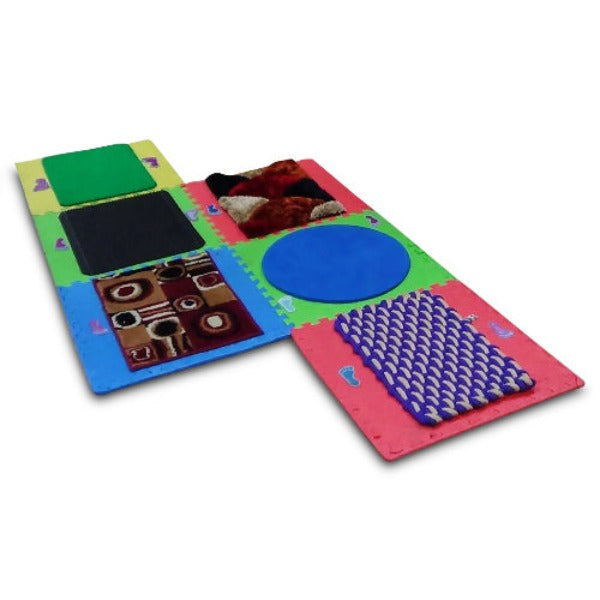
Sensory mats, sensory floor mats, and floor panels give children a defined area for sitting, crawling, stepping, rolling, and tactile exploration. Some mats are soft and cushioned, while others have textures such as bumps, ridges, grass-like surfaces, foam patterns, or puzzle pieces. Sensory mats for autism are often searched by parents who want a predictable and safe surface for play, but they can be useful for many children with different sensory and motor needs.

These mats may suit infants during tummy time, toddlers learning to crawl or walk, preschoolers exploring textures, and older children who enjoy barefoot sensory paths. A soft mat can also make floor play more comfortable for caregivers. Textured sensory mats may support body awareness and foot exploration, while cushioned mats help reduce impact during active play.
When choosing sensory mats, think about thickness, grip, size, texture, washability, and whether the pieces lock securely. In Indian homes, dust, food spills, sweat, and humidity are practical concerns, so easy cleaning is important. If you use floor panels, make sure they do not slide on tile or marble floors. Non-slip backing or an additional anti-skid layer can be helpful.
Safety includes adult supervision, especially when toddlers walk or jump on textured surfaces. Check that mats do not curl at the edges, split, or create tripping hazards. Use soft flooring for active play areas, even if the sensory mat itself is textured. For any mat placed near a swing, ball pool, or balance activity, ensure it is thick enough and positioned correctly.
Bubble tubes and bubble tube sensory setups
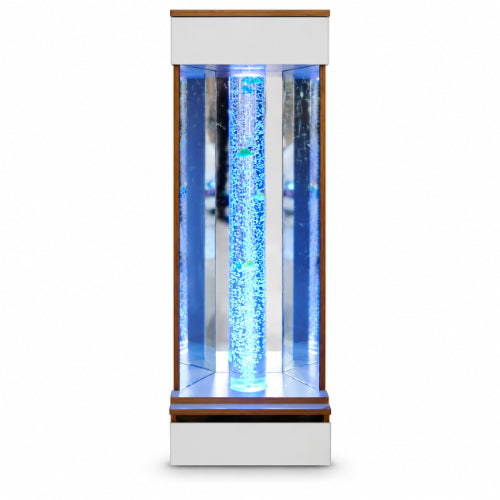
Bubble tubes are vertical tubes filled with water, bubbles, lights, and gentle movement. They provide visual sensory input and can make a home sensory corner feel calm and engaging. A bubble tube sensory setup may be especially interesting for children who enjoy watching slow movement, changing colours, and predictable visual patterns.

Bubble tubes may suit toddlers, preschoolers, and older children, but they need careful adult supervision because they are electrical items and may be heavy or tall. Younger children should never pull, climb, push, or lean on the tube. Some children may enjoy watching from a cushion or mat, while others may use it as part of a quiet routine before reading, rest, or seated play.
When choosing bubble tubes, check height, base stability, water quality requirements, noise level, light settings, and ease of maintenance. A sturdy base is important because Indian homes may have smooth floors where tall items can shift if bumped. Choose a model with safe wiring, reliable switches, and clear cleaning instructions. Avoid placing it where cords cross a walking path.
Safety includes adult supervision, secure placement, and soft flooring around the area where the child sits. Keep the tube away from water spills, open windows, rough play, and direct pulling. Follow the product’s electrical instructions, switch it off when not in use, and check for leaks or cracks. Although a bubble tube does not have a child weight limit like a swing, it still needs stability and safe positioning.
Ball pools for deep pressure and whole-body play
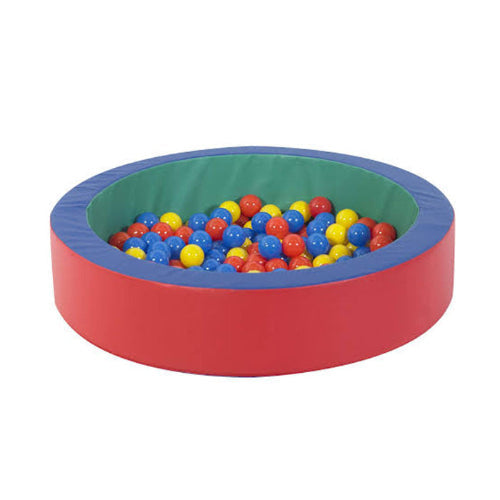
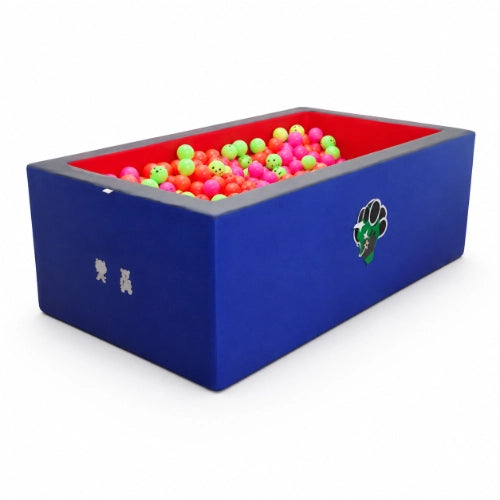
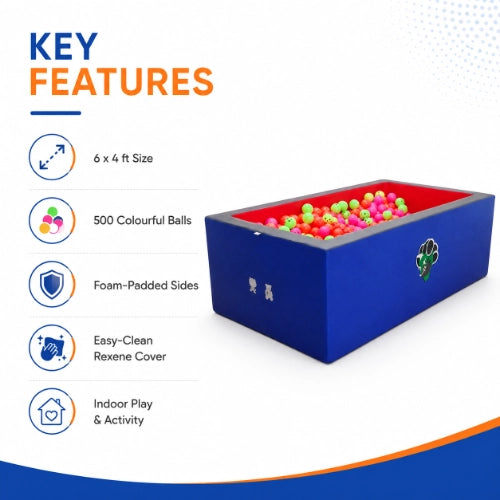
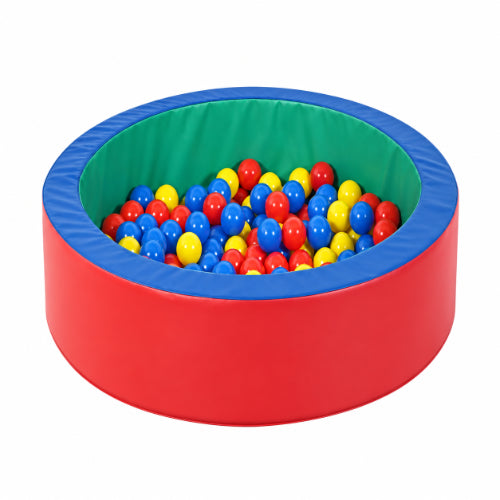
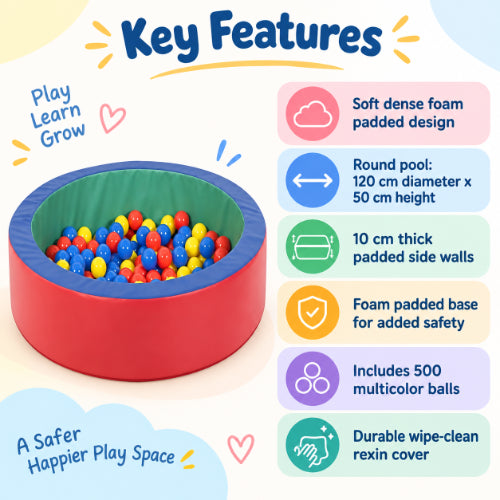
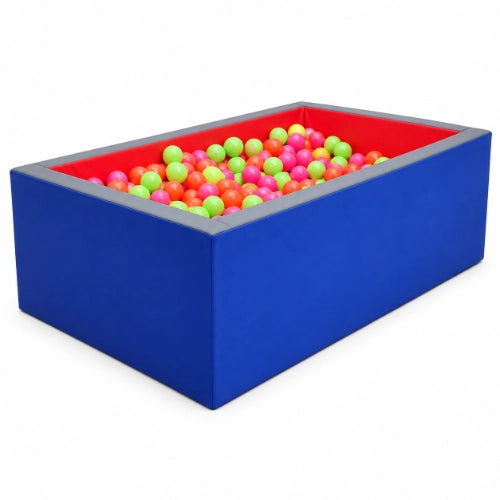
A ball pool is a padded pit, tent, or soft-sided container filled with lightweight plastic balls. Children may sit, crawl, roll, hide their hands, search for objects, or gently push through the balls. The experience can provide touch input, body awareness, and playful resistance as the child moves.

Ball pools may suit toddlers, preschoolers, and older children, depending on size and depth. For toddlers, keep the pool shallow and use large balls to reduce choking risk. Older children may enjoy finding hidden toys, colour sorting, or simple movement games. A child who feels overwhelmed by too much touch may need a very short introduction or may prefer playing beside the pool first.
Choose a ball pool with soft sides, washable material, enough space for your child to move, and balls made from safe, non-toxic plastic. The balls should not crush too easily, crack, or have sharp seams. Consider storage because even a small ball pool can take up space in an Indian flat. If the pool is foldable, check that it remains stable during use.
Safety includes adult supervision, soft flooring under and around the ball pool, and regular cleaning of the balls. Check the product’s age and weight guidance, especially if the child may lean heavily on the sides. Do not allow jumping from furniture into the pool. Keep food, sharp toys, small objects, and broken balls out of the pool.
Fine motor skills toys for hands, fingers, and daily tasks
Fine motor skills toys are designed to encourage small hand and finger movements. These toys to improve fine motor skills may include peg boards, lacing cards, tweezers games, shape sorters, stacking toys, finger dexterity boards, shoelace boards, dressing boards, puzzles, nuts-and-bolts toys, and hand coordination toys. They are often used at a table, on the floor, or during short play routines at home.

These toys can suit toddlers, preschoolers, and older children, but the difficulty level should match the child. A toddler may start with large knobs, chunky pegs, and simple posting games. Preschoolers may try lacing, stacking, buttoning, and sorting. Older children may enjoy more detailed finger tasks such as threading beads, using tongs, tying laces, or completing dressing frames.
When choosing fine motor skills toys, look at grip size, number of pieces, level of challenge, and safety. If a toy is too easy, the child may lose interest. If it is too hard, the child may become frustrated. Choose materials that are smooth, durable, washable, and comfortable to hold. Wooden toys should have safe finishing and no splinters; plastic toys should not have sharp mould lines.
Safety includes adult supervision, especially with beads, pegs, strings, buttons, and small parts. Follow age recommendations and keep choking hazards away from toddlers and children who mouth objects. Use the toys on a stable surface with good seating and enough light. Soft flooring is useful if the child sits on the floor or if pieces may fall and create slipping hazards.
Simple fine motor activities at home
- Place large pegs into a board and remove them one by one.
- Push pom-poms through holes in a container lid.
- Use child-safe tongs to pick up cotton balls.
- Thread large beads onto a thick lace.
- Open and close Velcro, buttons, buckles, and zips on a dressing board.
- Roll play dough into balls, snakes, and flat shapes.
- Sort objects by colour, size, or texture.
Finger dexterity boards for precise hand control
Finger dexterity boards are fine motor boards that include tasks such as turning knobs, sliding locks, twisting caps, pressing switches, moving beads, or guiding pieces through tracks. They help children practise controlled finger movement and hand coordination in a playful way. Many parents like them because they combine curiosity with practical hand use.
These boards are usually suitable for preschoolers and older children, although simpler versions may suit toddlers under close supervision. They may be useful for children who need practice using fingertips, coordinating both hands, or staying with a seated hand task. A child who enjoys opening household items may find these boards especially engaging.
Choose a finger dexterity board with smooth edges, securely fixed parts, and task types that match your child’s current ability. Avoid boards with tiny screws, sharp metal, loose locks, or parts that can detach easily. If your child is easily frustrated, choose a board with a few simple tasks first instead of a busy board with too many sections.
Safety includes adult supervision, checking for loose hardware, and using the board on a stable surface. Weight limits are usually not relevant unless the board is wall-mounted or large enough for leaning, but the product should still be sturdy. If wall-mounted, secure installation is important. Use soft flooring nearby if the board is heavy or may fall.
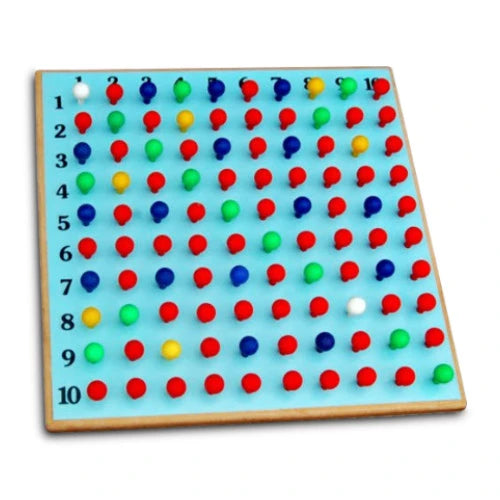
Peg boards for grasp, placement, and matching
Peg boards are classic fine motor tools where children place pegs into holes, match colours, create patterns, or stack pieces. They support grasp, release, visual attention, and hand-eye coordination. Peg boards can be simple for toddlers or more complex for older children who can copy patterns and sequences.


For toddlers, choose large pegs that are easy to hold and too big to swallow. Preschoolers may use medium-sized pegs for colour sorting, counting, and simple designs. Older children may enjoy smaller pegs, pattern cards, or timed challenges if they like games. Always match the peg size to the child’s safety and hand ability.
When buying a peg board, check peg size, board stability, hole smoothness, and storage. A board that slips around the table can make the task harder, so choose one with a stable base or use it on a non-slip mat. Bright colours can be engaging, but avoid paint that chips easily.
Safety includes adult supervision because pegs can become choking hazards. Follow age labels carefully. Keep the board on a stable table or floor surface, and store pegs in a closed box after use. Soft flooring helps if the child plays on the floor or if pieces scatter and create slipping risks.
Shoelace boards for tying, threading, and two-hand use
Shoelace boards are practice boards shaped like shoes or panels with eyelets and laces. Children use them to thread, pull, cross, tighten, and eventually practise tying. They are useful because tying laces requires both hands, finger control, sequencing, and patience.
Shoelace boards are usually best for preschoolers and older children, especially when they show interest in shoes, knots, or threading. Younger toddlers may start with large lacing cards instead of true shoelace boards. Some children may need many small steps, such as pulling a lace through one hole before learning a full bow.
Choose a board with large eyelets, thick laces, smooth holes, and a firm surface. A board that looks like a shoe may feel more meaningful for daily life practice. For children who struggle with thin laces, start with flat, wide, colourful laces that are easier to see and hold.
Safety includes adult supervision because laces can wrap around fingers, neck, furniture, or other children during play. Keep sessions short and store laces safely after use. Weight limits are not usually an issue, but the board should be sturdy and free from sharp edges. Use it on a table or soft floor area where the child can sit comfortably.
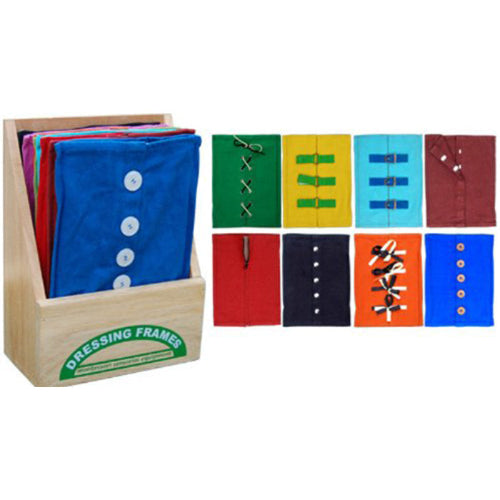
Dressing boards for buttons, zips, buckles, and snaps
Dressing boards are fine motor boards that let children practise clothing fasteners such as buttons, zips, buckles, Velcro, hooks, press buttons, and sometimes belts. They connect hand skills with everyday independence tasks. Many parents use them as part of a calm routine, not as a test or pressure activity.

Dressing boards may suit preschoolers and older children, depending on the fasteners included. Younger children may begin with Velcro and large zips. Older children may try buttons, buckles, and laces. A child who avoids dressing tasks may benefit from starting with playful practice away from the stress of getting ready to go out.
Choose dressing boards with large, easy-to-grip fasteners at first. Check fabric quality, stitching, button attachment, zipper smoothness, and whether the board can be washed. Avoid tiny buttons or stiff buckles for beginners. A board with removable panels may be useful if you want to introduce one skill at a time.
Safety includes adult supervision, especially with buttons, straps, buckles, cords, and detachable pieces. Inspect regularly for loose buttons that could become choking hazards. If the board hangs on a wall, secure installation matters. If used on the floor, place it on a clean, soft surface and keep the child seated comfortably.
Choosing equipment by age and need
Age labels are helpful, but every child develops differently. Some children enjoy toddler toys for longer because they feel safe and predictable. Others are ready for more complex occupational therapy toys earlier than expected. Instead of rushing, choose equipment that gives the child a little challenge without creating stress.

Babies and young toddlers
For babies and young toddlers, keep equipment simple, soft, and easy to clean. Sensory balls, soft sensory mats, large textured toys, rattles, simple stacking toys, and tummy-time mats may be suitable when age-appropriate. Avoid small parts, cords, heavy equipment, and anything that requires the child to balance without support.
Toddlers and preschoolers
Sensory toys for toddlers should support exploration without creating risk. This age group may enjoy sensory mats, ball pools, large peg boards, lacing cards, simple dressing boards, textured balls, and supportive swings if advised and safely installed. Close adult supervision is essential because toddlers climb, mouth, pull, and test limits.


Older children
Older children may enjoy more structured sensory integration equipment, such as a platform swing, balance activities, more detailed fine motor boards, shoelace boards, and hand coordination toys. They may also be able to explain what feels good or uncomfortable. Include them in choices where possible, because interest improves cooperation.

A practical home setup for Indian families
You do not need a large room to create a useful sensory area. Many families can begin with a corner that includes a washable mat, a basket of sensory toys, a few fine motor activities, and one movement option if space and safety allow. Keep the setup calm, uncluttered, and easy to reset.

For Indian homes with tile, marble, or granite flooring, soft flooring is especially important. Falls can hurt more on hard floors, and mats can slip if they do not have grip. Use anti-skid mats, foam flooring, or thick play mats under active equipment. In warm climates, choose materials that are breathable, wipeable, and not too heat-trapping.
Storage also matters. Small flats can quickly feel crowded if every item stays out. Use labelled baskets for sensory toys, closed boxes for small parts, and wall hooks only when they are safely installed and out of reach. Electrical items such as bubble tubes should have safe cord placement and be switched off after use.
A simple starter kit
A balanced starter kit may include:
- One soft sensory mat or cushioned floor mat.
- Two or three sensory balls with different textures.
- A small set of sensory toys for touch, squeeze, and visual play.
- One peg board or finger dexterity board.
- One dressing board or shoelace board for daily-life practice.
- A ball pool, bubble tube, or sensory swing only if space, safety, and supervision are suitable.
This approach lets you observe what your child actually uses before buying more. It also keeps the home manageable and reduces waste.
Safety checklist before every use
Safety should be part of the routine, not an afterthought. Children can use equipment in unexpected ways, so adults should check the space before each session. This is especially important for sensory integration equipment that involves movement, height, electricity, water, cords, or small parts.

Use this checklist:
- Adult supervision: Stay close enough to help immediately.
- Weight limits: Check the product’s stated limit for swings, platforms, ball pools, seats, and frames.
- Secure installation: Inspect hooks, ropes, frames, wall mounts, screws, and hanging points.
- Soft flooring: Use mats under and around swings, ball pools, floor play, and active movement areas.
- Clear space: Remove sharp furniture, glass items, cords, and clutter.
- Age-appropriate parts: Keep small pieces away from young children or children who mouth objects.
- Product condition: Look for cracks, tears, loose stitching, broken plastic, leaking liquid, or frayed ropes.
- Cleanliness: Wash or wipe items regularly, especially balls, mats, and shared hand toys.
- Child response: Stop if the child appears dizzy, scared, tired, upset, or overly excited.
Common buying mistakes to avoid
One common mistake is buying too much too quickly. A full set of sensory room equipment may look impressive, but your child may only enjoy a few items. Start small, watch your child’s response, and build slowly.

Another mistake is ignoring installation. A sensory swing or ot platform swing is only as safe as its hanging point, hardware, and surrounding floor. If you are unsure, get professional installation support and ask a pediatric occupational therapist whether the swing type suits your child.
Parents may also choose toys that are too advanced. Fine motor boards with tiny fasteners may frustrate a child who is still learning to grasp large objects. On the other hand, toys that are too simple may not hold attention. Aim for the “just right” level: possible with a little effort.
Finally, avoid treating any item as a guaranteed solution. Sensory toys, sensory mats, bubble tubes, and therapy swings are tools for play and support. They do not replace professional guidance when a child has significant sensory, movement, feeding, sleep, behaviour, or daily-living concerns.
Bringing it all together
The best sensory toys and therapy equipment for kids are safe, age-appropriate, easy to use at home, and matched to the child’s real needs. For Indian parents and caregivers, practical details such as space, cleaning, flooring, installation, and supervision are just as important as product features. A thoughtful mix of sensory toys, sensory balls, sensory mats, fine motor skills toys, and carefully selected larger equipment can create a useful home play routine.
If you are unsure where to begin, start with simple items and speak with a pediatric occupational therapist for personalised advice. Choose quality over quantity, introduce one item at a time, and watch how your child responds. The right setup should feel safe, manageable, and supportive for both the child and the caregiver.
FAQ
What toys develop fine motor skills?
Peg boards, finger dexterity boards, lacing toys, dressing boards, play dough tools, stacking toys, and tweezer games can support fine motor practice. Choose toys that match your child’s age and avoid small parts for toddlers.
What are 5 examples of fine motor skills?
Five examples are grasping small objects, buttoning clothes, using a spoon, threading beads, and turning pages. These skills use the small muscles of the fingers, hands, and wrists.
What does a sensory swing do?
A sensory swing gives movement input through rocking, swinging, or gentle spinning. It may support play, body awareness, and calming routines, but it must be used with adult supervision and safe installation.

What is the best age to start using a sensory swing?
There is no single best age for every child. Use only swings designed for your child’s age and weight, and ask a pediatric occupational therapist if you are unsure.
How much does a sensory swing cost?
Sensory swing prices vary depending on size, fabric quality, hardware, brand, and installation needs. Avoid choosing only by price, because strength, safety, and proper fitting are very important.

What are the top 10 sensory toys?
Common choices include sensory balls, textured mats, fidget toys, pop toys, stacking toys, lacing toys, peg boards, bubble tubes, ball pools, and sensory swings. The best option depends on your child’s age, interests, and safety needs.
Are sensory toys for autism different from regular sensory toys?
Many sensory toys for autism are similar to regular sensory toys, but they may be chosen more carefully based on a child’s sensory preferences. They do not treat or cure autism, but they can be part of supportive play at home.
Are bubble tubes safe for children at home?
Bubble tubes can be used at home with adult supervision, stable placement, safe wiring, and regular checks. Keep children from climbing, pulling, or leaning on the tube.
Are sensory mats good for toddlers?
Sensory mats can be useful for toddlers when they are soft, non-slip, easy to clean, and age-appropriate. Always supervise toddlers, especially if the mat has raised textures or separate pieces.
Should I buy a full sensory room setup at once?
It is usually better to start small and add items slowly. Begin with safe basics, observe what your child enjoys, and get guidance from a pediatric occupational therapist when needed.
More sensory equipment from Meddey


Explore Medical Collections
All Categories
Abdominal & Maternity Support

Accessories

Accu-Chek Instant Strips: Use, Compatibility, Price & Blood Sugar Testing Guide
Accu-Chek Instant Strips: Uses, Features & Complete Guide

accupuncture

Acupuncture Needles & Supplies

Advanced Physiotherapy Machines & Lumbar Physiotherapy

Airways

Ambulance

Anatomy Models
Anesthesia Machine

Anesthesia Products
Ankle Support for Home Use: Braces, Sleeves & Walker Boots
Ankle Weights & Exercise Weights for Home & Rehab

Anti-Bedsore Air Mattresses
You may also need
FOR YOURecommended for you
Save 50%
Save 29%
Save 12%
Save 50%
Save 31%
Save 27%
Save 50%
Save 50%
Save 40%
Save 35%
Save 20%
Save 48%
Save 23%
Save 50%
Save 19%
Save 15%
Save 29%
Save 50%
Save 50%