


Featured ChoiceSave 50%
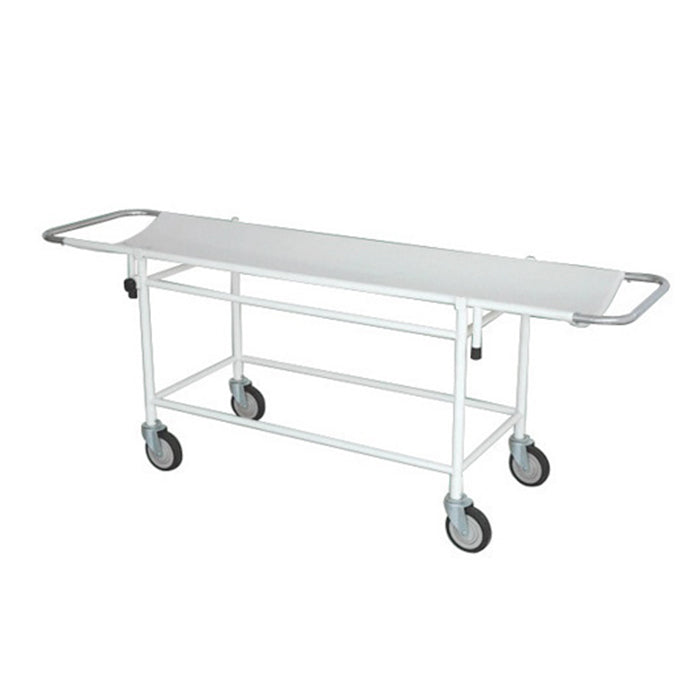
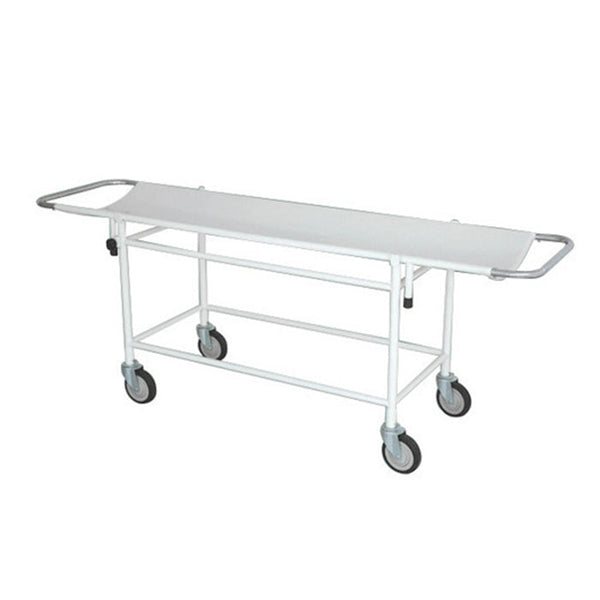
Stretcher Trolley for Home Care: Types, Features & Choosing
Stretcher trolley for home care: types, features & how to choose
Stretcher trolley selection for home care is about safe movement, simple handling, easy cleaning, and the right support for the person you move. Families and small care setups often need practical equipment that fits through doorways, rolls smoothly, locks securely, and stays easy to clean without stress. This guide explains the main stretcher types, important features, and safe use tips in plain language so you can compare options with more confidence.
A stretcher trolley is not the only kind used in care. A dressing trolley, medicine trolley, and instrument trolley may also help keep supplies organized, reduce unnecessary walking, and make daily care routines calmer and safer.


What is a stretcher trolley used for?
You use a stretcher trolley to move a person in a lying position from one area to another when walking or sitting for transfer is not suitable. In home care, it may help during room-to-room movement, basic care routines, first-aid support, or planned transport inside a small care setup. The main purpose is to support the person’s body while helpers move them with less strain and better control.

For families, the value is practical. A stable patient transfer stretcher can reduce awkward lifting, help keep the person level, and make movement smoother when used correctly. Always choose it with the person’s size, strength, condition, and safety needs in mind.
Stretcher trolley basics for home care
A stretcher trolley usually has a flat or padded top, a frame, wheels, brakes, and often side rails. Some models are simple and fixed-height, while others may include adjustable height or backrest sections. For home care, the best choice is often the one that is easy to move, easy to clean, and safe in the available space.

Think about where you will use it every day. Narrow hallways, door thresholds, floor rugs, and tight corners can all affect movement. A stretcher that looks suitable on paper may be hard to use if it is too wide, too heavy, or difficult to turn in the home.
Stretcher trolley types for home care
Different stretcher trolley types suit different care situations. A basic patient stretcher may be enough for short, level movement inside one building. A padded patient transfer stretcher can be more comfortable for repeated use, especially when the person needs better body support.
Some stretchers have side rails, which help reduce the chance of rolling or slipping during movement. Others may have adjustable sections for head or upper-body support. In a home care setting, avoid choosing by appearance only. The type should match the user’s body size, transfer frequency, helper strength, floor surface, and storage space.
Hospital trolley for home care explained
The phrase hospital trolley for home care usually means a stretcher style that brings clinical practicality into a family or small care environment. It should be strong, easy to clean, stable, and simple for trained helpers or family caregivers to use. The goal is not to make the home feel clinical; it is to make daily movement and care safer.
For home use, smaller details matter. Smooth corners, wipe-clean surfaces, quiet wheels, and reliable brakes may make a big difference. A stretcher should support safe movement without making the space crowded or difficult to manage.
Stretcher trolley frame and material
The frame material affects strength, weight, cleaning, and long-term use. Common stretcher frames use metal materials that suit repeated handling and regular cleaning. The surface should feel solid, resist wobbling, and not have sharp edges or hard-to-clean gaps.
For families, the best material is usually one that balances durability with manageable weight. A very heavy frame may feel strong, but it can be difficult to push or store. A very light frame may be easier to move, but it still needs enough stability for safe patient transfer.
Stretcher trolley wheels and brakes
Wheels decide how easily the stretcher trolley moves, turns, and stays steady on different floors. Larger or better-quality wheels often roll more smoothly over small floor changes, while swivel wheels help with turning in tight spaces. However, smooth movement is only helpful when control is good.
Brakes are just as important as wheels. They help keep the stretcher still during transfer, care, cleaning, or positioning. A brake that is hard to reach or weak can create risk.
Safety line: lock brakes before moving a person.
In practice, check the brakes before every use, especially before turning, repositioning, or helping someone on or off the stretcher.
Stretcher trolley side rails and support
Side rails can add a layer of security during movement, especially when the person may shift, feel weak, or be unable to hold position. They are not a replacement for helper attention, but they can reduce sudden side movement when used correctly. Rails should move smoothly and lock firmly when raised.
Check rail height, latch strength, and comfort. A rail that is too low may not provide enough support, while one that is hard to operate can slow down care. Helpers should make sure hands, clothing, and tubes or small items are clear before raising or lowering side rails.
Stretcher trolley height and helper comfort
Height affects both patient comfort and helper safety. If the stretcher is too low, helpers may bend too much and strain their backs. If it is too high, transfer may become awkward or unsafe. Adjustable height can be useful, but only if the controls are simple and stable.
In home care, the right height depends on the transfer method and the helpers’ body position. The aim is to keep movements controlled, close to the body, and free from twisting. Before choosing, measure the space and think about who will usually assist.
How do you choose a stretcher trolley?
You choose a stretcher trolley by matching it to the person’s needs, the helpers’ ability, and the space where you will use it. Start with safety, then compare comfort, cleaning, storage, wheel quality, brake strength, side rails, height, and weight capacity. A good choice should make care easier without adding new risks.
Use this simple checklist before buying or selecting:
- Measure doorway and hallway width.
- Check the person’s height and weight needs.
- Confirm the stretcher has strong, easy-to-use brakes.
- Look for smooth wheels that suit the floor.
- Choose wipe-clean materials.
- Check side rails if you need extra support.
- Make sure helpers can move and store it safely.
Stretcher trolley weight capacity and safe limits
How much weight can a stretcher trolley carry? The answer depends on the model, frame, wheels, platform, and manufacturer’s stated safe working load. Never guess this number, and never use it beyond the stated limit.
Weight capacity is not only about the person’s body weight. It also includes pressure during movement, turning, repositioning, and transfer. A stretcher close to its maximum limit may be harder to steer or stop. Always leave a sensible safety margin and check that the wheels, brakes, and platform are suitable for regular use, not just occasional movement.
Patient transfer stretcher comfort features
A patient transfer stretcher should support the person without creating pressure points or unstable positions. Padding can make short transfers more comfortable, especially when the person is frail or sensitive to hard surfaces. The surface should be firm enough to support the body but not so hard that it causes discomfort during care.
Other comfort features may include a raised head section, side supports, or an easy-clean mattress surface. Comfort also depends on how calmly helpers move it. Smooth starts, slow turns, and clear communication often matter as much as the stretcher design.
Patient stretcher cleaning and hygiene
A patient stretcher used at home should be easy to wipe, dry, and inspect. Smooth surfaces are better than deep seams or rough edges because dust and spills are easier to remove. Clean the stretcher after use, after spills, and before storing it if you will not use it for a while.
Use cleaning products suitable for the material. Avoid soaking parts that may rust, swell, or trap moisture. Pay close attention to handles, side rails, brake pedals, wheels, and the top surface, because people touch these areas often.
Stretcher trolley storage at home
Storage is easy to overlook until it arrives. A stretcher can take up more space than expected, especially if it has raised rails, a wide frame, or large wheels. Before choosing one, decide where it will stay when not in use.
The storage area should be dry, clean, and clear of clutter. Apply the brakes when you park it. If the stretcher folds or has removable parts, store those parts together so they are ready when needed. Keep the path to the stretcher clear in case you must use it quickly.
Dressing trolley for daily care
A dressing trolley helps organize dressing supplies, cleaning materials, gloves, waste bags, and small care items. In home care, it can help keep everything within reach during wound dressing support or skin care routines, without making repeated trips across the room. It is especially useful when care needs to be calm and organized.
A good dressing trolley should have easy-clean shelves, raised edges, smooth wheels, and brakes. Keep clean and used items separate. Do not overload it, and clean it after each care routine so supplies stay organized and ready for next time.
Medicine trolley for safer organization
A medicine trolley helps store and move medicines, charts, cups, and basic medication supplies in one controlled place. For home care families, the main benefit is organization. It can reduce confusion when you need several items at different times of day.

Safety is essential. Store medicines according to instructions and keep them away from children or anyone who should not access them. A medicine trolley may need drawers, locks, labels, or separate sections. Families should follow medical instructions exactly and ask a qualified professional if anything is unclear.
Instrument trolley for small care setups
An instrument trolley holds clean tools, small devices, and care items during a procedure or routine task. In a small care setup, it keeps items visible, organized, and off unsuitable surfaces. It is not for random storage; it should support a clean and careful workflow.
Choose an instrument trolley with smooth shelves, stable wheels, and a surface that is simple to disinfect. Keep clean tools separate from used items. After each use, remove waste, clean the surface, and return only the items that belong there.
Stretcher trolley compared with other care trolleys
A stretcher trolley carries or moves a person, while a dressing trolley, medicine trolley, and instrument trolley carry supplies. This distinction is important because the safety requirements are different. You must check a stretcher used for a person for body support, side rails, brakes, wheels, height, and weight capacity.


You judge a supply trolley more by organization, shelf strength, cleaning, and secure storage. Families sometimes group all care equipment together, but each one has a specific role. Keeping those roles clear helps prevent misuse and supports safer daily care.

A common stretcher trolley comparison question
Some readers ask: What is the difference between a stretcher trolley and a wheelchair? In simple terms, the main difference is body position and use case: a stretcher trolley supports a person lying down, while the other device supports seated movement. For this guide, the focus stays on wheeled care equipment for home and small care settings.
If you are unsure which equipment is suitable, do not guess. The person’s condition, strength, comfort, and transfer ability all matter. A trained professional can help decide what is safest for the situation.
How should a patient be moved on a stretcher trolley safely?
Move a patient on a stretcher slowly, with clear communication, locked brakes during transfer, and at least two capable helpers when the person needs hands-on support. One helper should guide the upper body and head area while the other supports the hips and legs, following a planned count. Move only when both helpers are ready.
Keep the route clear before starting. Remove rugs, cords, loose items, and obstacles. Use smooth, controlled movements and avoid sudden turns. If the person feels pain, dizziness, fear, or unusual discomfort, stop and reassess.
see a doctor or trained professional
Two-helper stretcher trolley transfer method
A two-helper transfer works best when both helpers know their roles before touching the person. First, explain the plan to the person in simple words. Next, position the stretcher close to the transfer surface, align it well, and apply the brakes.
One helper stands near the shoulders and upper body. The second helper stands near the hips and legs. On a clear count, both helpers move together, keeping the person’s body supported and avoiding twisting. After you position the person, raise side rails if needed, check comfort, and confirm the brakes before adjusting anything else.

Stretcher trolley brake safety checklist
Brakes should be part of every care routine, not an afterthought. A stretcher can move unexpectedly if you miss the brakes, apply them partly, or let them wear. Home floors may also be uneven or slippery, and mats and thresholds can affect them.
Use this brake checklist:
- Check brakes before each use.
- Apply brakes before transfer or care.
- Test that the stretcher does not roll.
- Release brakes only when ready to move.
- Move slowly after releasing brakes.
- Reapply brakes when stopping.
- Report or repair weak brakes immediately.
Never use a stretcher for patient movement if the brakes do not hold properly.
Stretcher trolley wheel safety checklist
Wheels carry the load, guide the movement, and affect how safe the stretcher feels. Poor wheels can make pushing difficult or cause sudden jerks. In home care, wheel safety matters because floors may change from tile to wood, carpet edges, or outdoor entry areas.
Check wheels for:
- Cracks, wobbling, or loose fittings.
- Hair, thread, or dirt wrapped around axles.
- Uneven rolling or pulling to one side.
- Noise that suggests friction or damage.
- Brake connection problems.
- Trouble turning in small spaces.
Clean wheels regularly and test movement before placing a person on the stretcher.
Stretcher trolley route planning
Before moving a person, plan the route from start to finish. A safe route is wide, dry, well-lit, and free of clutter. Even a strong patient transfer stretcher can become difficult to control if something blocks the path or the floor changes suddenly.
Open doors fully, move small furniture, and check that there is enough turning space. If the route includes a threshold, move slowly and keep both helpers alert. Do not rush because someone is waiting or because the movement seems short. Short transfers can still cause risk when planning is poor.

Stretcher trolley communication during movement
Clear communication makes movement safer and less stressful. Tell the person what will happen before it happens. Use simple phrases such as “We are going to move now,” “We are turning slowly,” or “We are stopping here.”
Helpers should also speak to each other. Agree on commands like “ready,” “move,” and “stop.” One person should lead the count so movements happen together. If either helper loses grip, feels strain, or notices a problem, they should say “stop” immediately and pause the transfer.
Stretcher trolley positioning after transfer
After you move the person onto the stretcher, take a moment to check position before rolling away. Center the body, with arms and legs supported and clear of side rails or edges. Do not trap clothing, sheets, or small items under the person in a way that causes discomfort.
Raise side rails if appropriate and make sure they latch. Check that the person feels stable and understands what will happen next. Do not start moving until helpers are ready, the route is clear, and you release the brakes only at the right time.
Stretcher trolley maintenance at home
Basic maintenance helps keep the stretcher safe for repeated use. A quick check before each use can catch loose parts, weak brakes, torn padding, or dirty wheels. Small problems can become serious if ignored.
Create a simple routine. Wipe surfaces after use, clean wheels weekly or when dirty, check screws and joints, and look for rust or cracks. If it has moving parts, follow the supplier’s care instructions. Do not modify the frame or safety parts unless a qualified person confirms it is safe.
Stretcher trolley mistakes to avoid
Many home care problems come from rushing, guessing, or using the wrong type for the task. Do not overload a stretcher, push it too fast, or use it with faulty brakes. Do not use it as a storage shelf when you may need it for movement.

Avoid these common mistakes:
- Moving before the route is clear.
- Forgetting to apply brakes during transfer.
- Ignoring weight capacity.
- Pulling from an awkward angle.
- Letting one helper do a two-person task alone.
- Skipping cleaning after use.
- Using damaged wheels or rails.
Stretcher trolley size and room fit
Size affects daily use more than many families expect. A wide stretcher may feel stable, but it must still pass through doors and turn in rooms. A long stretcher may support the person well, but it needs enough space at both ends for helpers to stand.
Measure the full route, not just one doorway. Include corners, furniture gaps, bathroom entrances, storage areas, and any space where it must turn. Also check handle height and rail width, because these can add to the working space needed.
Patient trolley surface and padding
The top surface of a patient trolley should be supportive, cleanable, and suitable for the expected use. A smooth waterproof cover may help with cleaning, while padding can improve comfort during short movements or care routines. The surface should not be slippery in a way that makes positioning harder.
Inspect padding often. Tears, soft spots, or loose covers can trap dirt and reduce support. If the surface becomes damaged, repair or replace it according to the supplier’s instructions before regular use continues.
Dressing trolley, medicine trolley, and instrument trolley placement
Care trolleys work best when placed close enough to help but not so close that they block movement. Keep a dressing trolley near the care area, with supplies arranged in the order you need them. Store a medicine trolley securely and move it only when necessary.

Prepare an instrument trolley before the task starts and clear it afterward. Keep walkways open around all trolleys. When you use several trolleys in a small space, apply brakes when parked and return each one to its storage spot after use.
Stretcher trolley buying questions to ask
Before choosing a stretcher, ask practical questions that match real use. A simple model may be enough for occasional movement, while regular transfers may require stronger brakes, better wheels, and easier cleaning. The best option is the one that fits the person, helpers, and home environment.
Ask:
- What is the stated weight capacity?
- Does it fit through all planned spaces?
- Are brakes easy to reach and test?
- Do side rails lock securely?
- Is the height suitable for helpers?
- Is the surface easy to clean?
- Where will you store it?
- Who will maintain it?
Stretcher trolley safety for small care setups
Small care setups may use these more often than a family home, so consistency is important. Everyone who handles the stretcher should understand brakes, wheels, rails, cleaning, and safe transfer steps. Written routines can help reduce mistakes when different helpers take part.
Keep a basic inspection log if you use it often. Note brake issues, wheel problems, cleaning concerns, or repairs. Do not keep using a stretcher that feels unstable or unsafe. Safe routines protect both the person receiving care and the helpers doing the work.
Stretcher trolley care planning with professionals
Some situations need more than general advice. If the person has pain, recent injury, limited movement, breathing concerns, confusion, or high fall risk, get professional guidance before using a patient transfer stretcher. The safest method depends on the person’s condition and the helpers’ ability.
A doctor, nurse, therapist, or trained care professional may suggest transfer methods, positioning advice, or equipment features to consider. This article gives general information only. It does not replace personal medical or safety guidance.
Stretcher trolley key takeaways
A stretcher trolley can make home care movement more organized and controlled when you choose and use it with care. Focus on brakes, wheels, side rails, height, weight capacity, material, cleaning, and storage before making a decision. The safest choice is not always the most complex one; it is the one that fits the person, the helpers, and the space.
Also remember the role of other care trolleys. A dressing trolley supports care supplies, a medicine trolley supports medicine organization, and an instrument trolley supports clean tool handling. Used correctly, each trolley can make daily care smoother, safer, and easier to manage.
Explore Medical Collections
All Categories
Abdominal & Maternity Support

Accessories

Accu-Chek Instant Strips: Use, Compatibility, Price & Blood Sugar Testing Guide
Accu-Chek Instant Strips: Uses, Features & Complete Guide

accupuncture

Acupuncture Needles & Supplies

Advanced Physiotherapy Machines & Lumbar Physiotherapy

Airways

Ambulance

Anatomy Models
Anesthesia Machine

Anesthesia Products

Ankle Support for Home Use: Braces, Sleeves & Walker Boots

Ankle Weights & Exercise Weights for Home & Rehab

Anti-Bedsore Air Mattresses
You may also need
FOR YOURecommended for you
Save 50%