


Featured ChoiceSave 55%

Save 57%
Save 59%
Save 54%

Save 57%
Save 32%
Save 36%

Save 50%
Save 22%

Save 33%

Save 50%

Save 39%


Save 46%

Save 49%

Save 39%


Save 36%

Save 50%
Save 46%


Save 50%



Save 40%


Save 44%

Save 56%

Save 50%


Save 50%
Save 34%

Save 14%

Save 50%


Save 36%


Save 13%


Save 50%

Save 50%

Sold out

Sold out


What customers say
★★★★★ 5.0 · 3 reviews
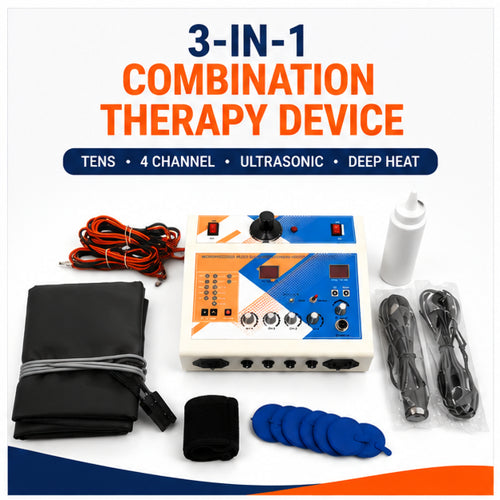
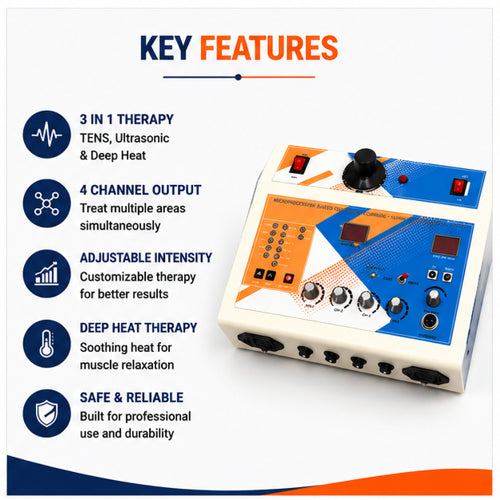
 Medansh COMBINATION THERAPY 3 in 1 - TENS 4 Channel Ultrasonic and Deep Heat for Pain management
“Effective, multi-functional, great for pain relief!”
“This is a game-changer! It combines TENS, ultrasonic, and deep heat for effective pain management. Easy to ...”
 Medansh Portable Digital Ultrasonic Therapy Machine with 1 Year Warranty
“Portable, powerful, great for pain relief!”
Physiotherapy Equipment: Types, Uses, Machines & Professional Buying Guide
Physiotherapy equipment includes machines, exercise tools, treatment furniture, gait devices and rehabilitation accessories used to support recovery, movement and physical function. In practice, physiotherapists use these tools to help manage pain, improve strength, restore joint movement, develop balance and support mobility.
However, physiotherapy does not depend on machines alone. Exercise, movement training, education and hands-on treatment are also important parts of rehabilitation. Therefore, equipment should support a complete treatment plan rather than replace active therapy.
For example, a professional physiotherapy clinic may use TENS units, IFT machines, muscle stimulators, ultrasound machines, traction systems, treatment couches and exercise tools. By comparison, a home rehabilitation programme may require only resistance bands, an exercise mat, a pedal exerciser or a portable TENS unit.
In addition, the equipment required depends on the patient's condition, treatment goals and stage of recovery. As a result, healthcare professionals should select devices according to clinical requirements rather than buying machines simply because they provide more functions.
Moreover, cost, safety, warranty and service support should be considered before purchase. Consequently, choosing the right physiotherapy machine involves both clinical and practical assessment.
This guide explains the main types of physiotherapy equipment, common physiotherapy machines, basic physio tools, clinic setup needs, home rehabilitation products, safety factors and buying considerations. Furthermore, it explains how to compare physiotherapy machine price and select suitable products for professional use.
Doctors, physiotherapists, clinics, hospitals and rehabilitation centres can also browse physiotherapy machines available on Meddey.
What Is Physiotherapy Equipment?
Physiotherapy equipment refers to devices, tools and machines used during physical rehabilitation. Generally, these products help therapists support movement, improve physical function and guide patients through structured rehabilitation programmes.
Depending on the treatment objective, equipment may help with:
- Pain management
- Muscle activation
- Strength training
- Joint mobility
- Balance training
- Gait rehabilitation
- Post-surgery recovery
- Sports rehabilitation
- Neurological rehabilitation
- Functional movement training
Therefore, the term equipment physiotherapy can include both basic exercise tools and advanced treatment machines.
For instance, resistance bands may support strengthening exercises, whereas an electrotherapy unit serves a different purpose. Similarly, gait-training devices can assist mobility practice, while balance tools can increase the challenge during standing exercises.
Ultimately, the equipment should match the clinical goal. Thus, selecting tools based only on popularity or price may not provide the best rehabilitation value.
What Equipment Do Physiotherapists Use?
The exact equipment used by physiotherapists depends on the type of patients they treat. For example, a sports rehabilitation clinic may require different tools from a neurological rehabilitation centre.
Likewise, a small outpatient practice may focus on essential equipment. In contrast, a large rehabilitation department may require advanced machines, gait systems and specialised treatment furniture.
| Equipment Category | Examples | Common Purpose |
|---|---|---|
| Electrotherapy | TENS, IFT, EMS, muscle stimulators | Pain support and muscle stimulation |
| Ultrasound Therapy | 1 MHz and 3 MHz ultrasound machines | Selected therapeutic applications |
| Exercise Therapy | Resistance bands, weights, exercise balls | Strength, movement and endurance training |
| Balance Training | Balance boards, wobble boards, foam pads | Balance and coordination training |
| Gait Training | Parallel bars, walkers, gait trainers | Walking and mobility practice |
| Traction | Cervical and lumbar traction systems | Clinician-directed spinal traction |
| Treatment Furniture | Treatment couch, Hi-Lo table, tilt table | Patient positioning and therapy support |
Which Machine Is Used in Physiotherapy?
There is no single physiotherapy machine suitable for every patient. Instead, therapists select different devices according to the treatment objective, clinical condition and stage of recovery.
1. TENS Machine
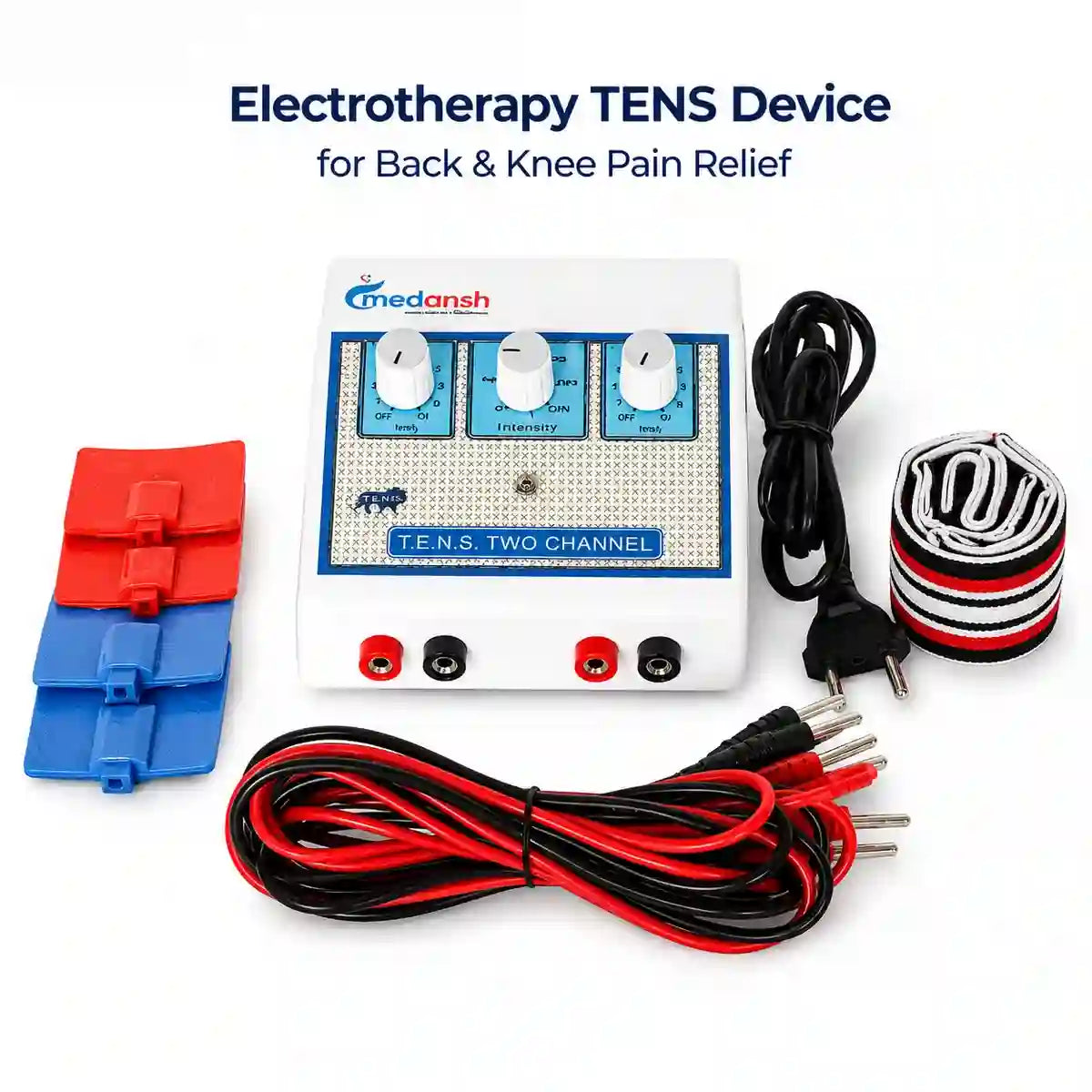
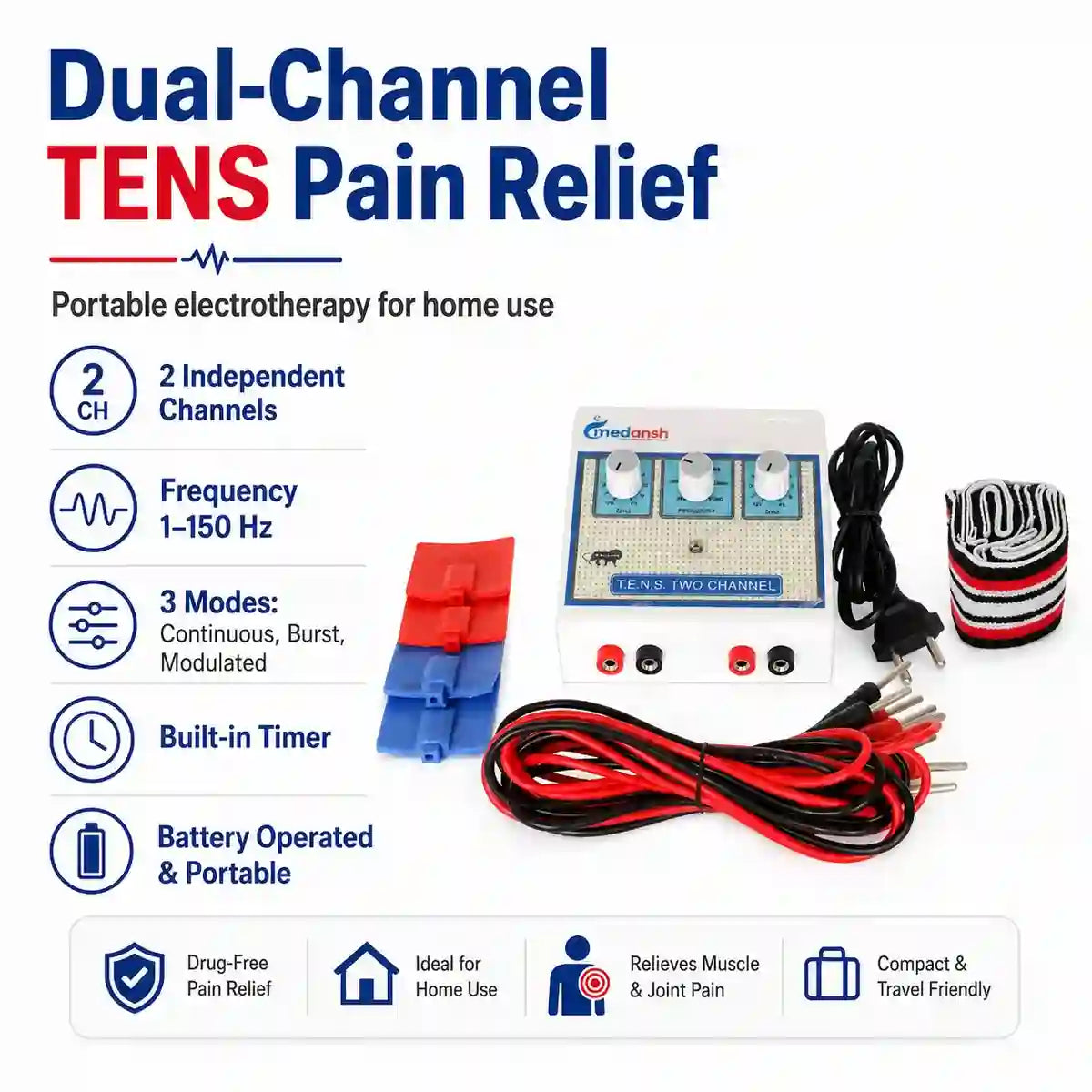
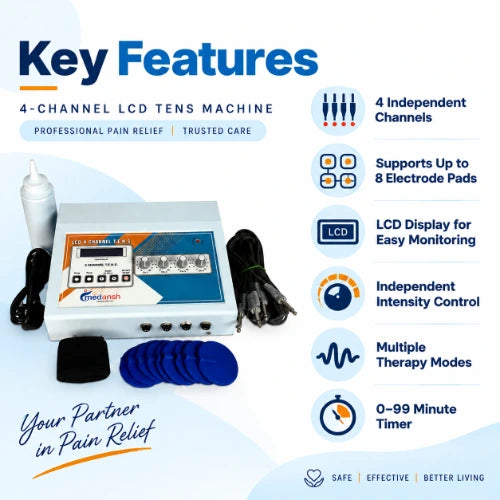
TENS stands for Transcutaneous Electrical Nerve Stimulation. This machine sends mild electrical pulses through electrode pads placed on the skin.
Primarily, TENS is used as a pain-management support modality. However, the level of benefit may vary between users.
A typical TENS unit may include:
- Control unit
- Lead wires
- Electrode pads
- Adjustable intensity
- Different treatment modes
Because portable TENS machines are compact, they may also be used at home after suitable professional guidance. Nevertheless, users should follow correct electrode placement and intensity instructions.
For available options, visit the TENS and electrotherapy collection on Meddey.
2. Interferential Therapy Machine
Interferential therapy, commonly known as IFT, is another form of electrical stimulation. In this method, medium-frequency electrical currents interact within the treatment area.
Depending on clinical assessment, IFT may form part of treatment for:
- Pain management
- Muscle spasm
- Selected musculoskeletal problems
- Rehabilitation support
Furthermore, many professional IFT systems provide adjustable intensity, timing and treatment modes. Therefore, they are commonly used in physiotherapy clinics and rehabilitation centres.
3. Muscle Stimulator or EMS Machine
Electrical muscle stimulation, also called EMS, uses electrical current to produce controlled muscle contractions.
As a result, therapists may select an EMS machine for:
- Muscle re-education
- Weak muscle activation
- Strengthening support
- Neuromuscular rehabilitation
However, the device should be used according to the patient's treatment plan. In particular, electrode position, intensity and treatment duration should be selected carefully.
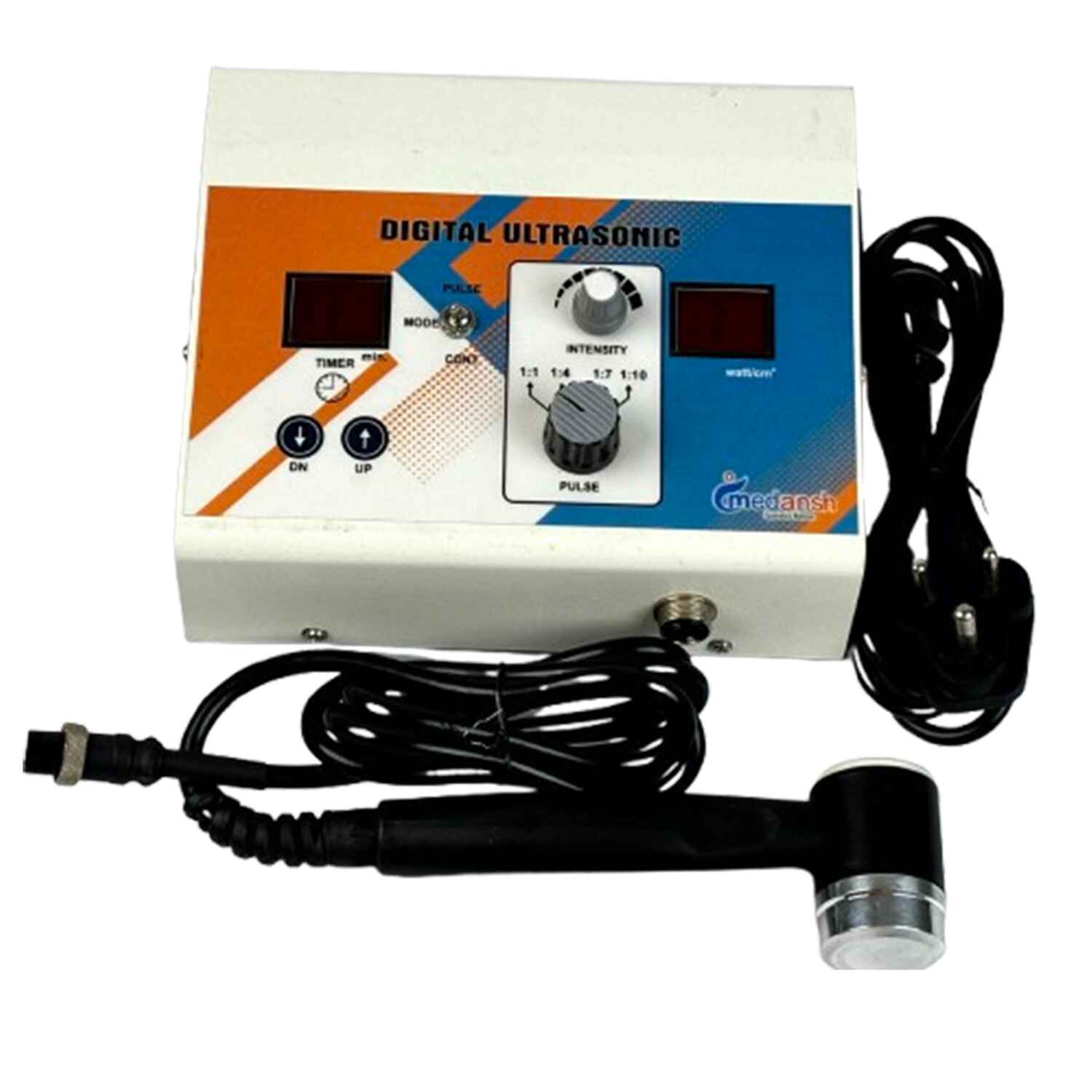
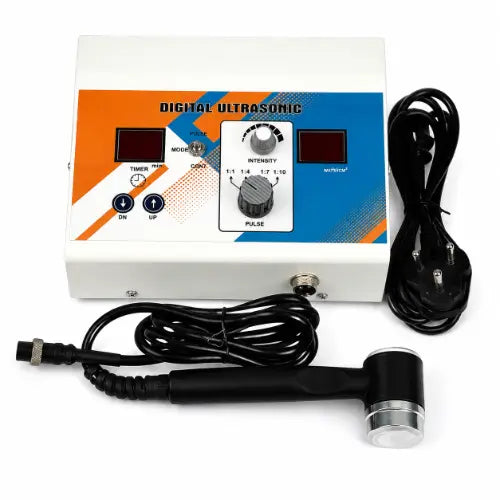
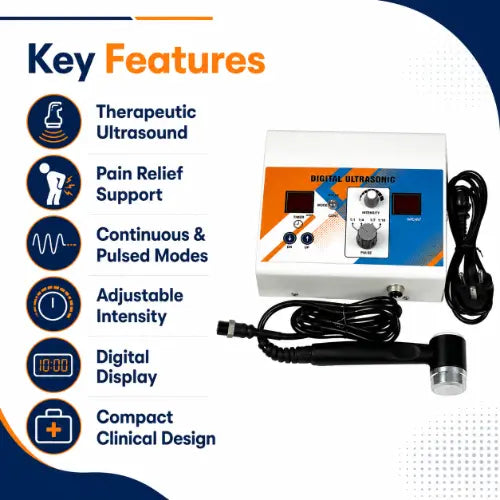
4. Therapeutic Ultrasound Machine
A therapeutic ultrasound machine delivers high-frequency sound waves through a treatment head. Usually, ultrasound gel is applied between the probe and the patient's skin.
Common treatment frequencies include 1 MHz and 3 MHz. Accordingly, the therapist chooses a setting based on treatment depth and clinical requirements.
Importantly, therapeutic ultrasound is different from diagnostic ultrasound used for medical imaging. Therefore, the two technologies should not be confused.
Healthcare professionals can also compare ultrasound and combination physiotherapy machines on Meddey.
5. Combination Therapy Machine
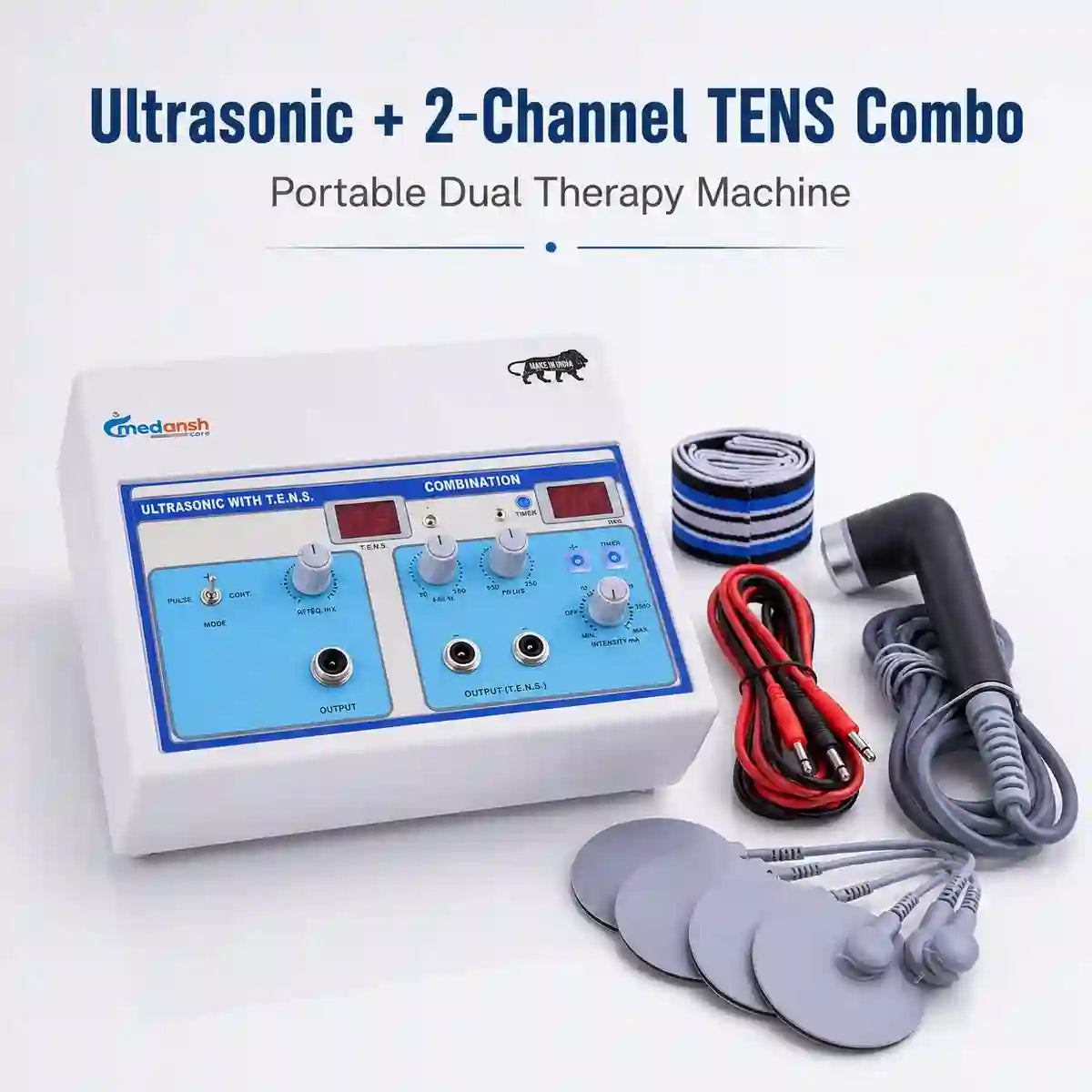
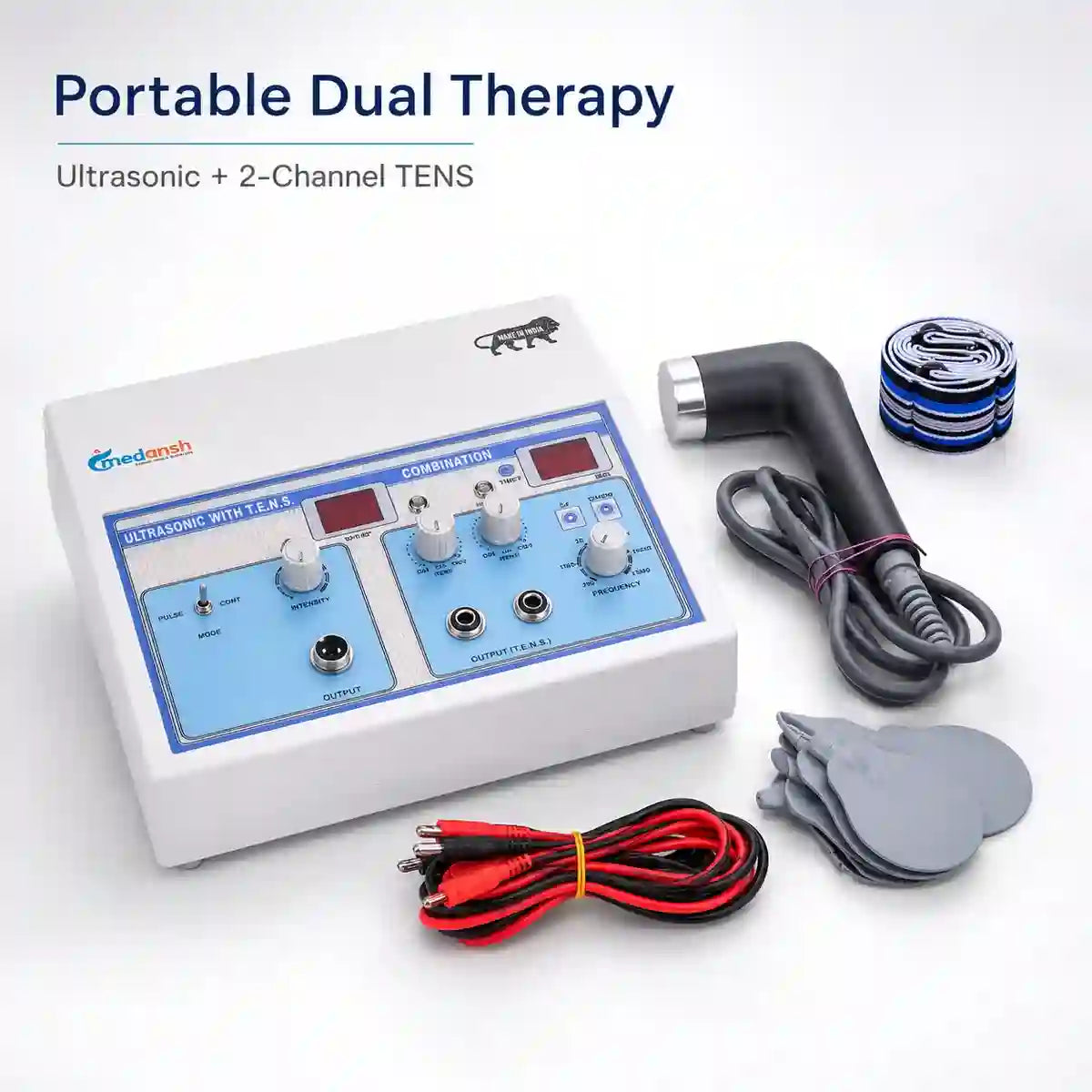
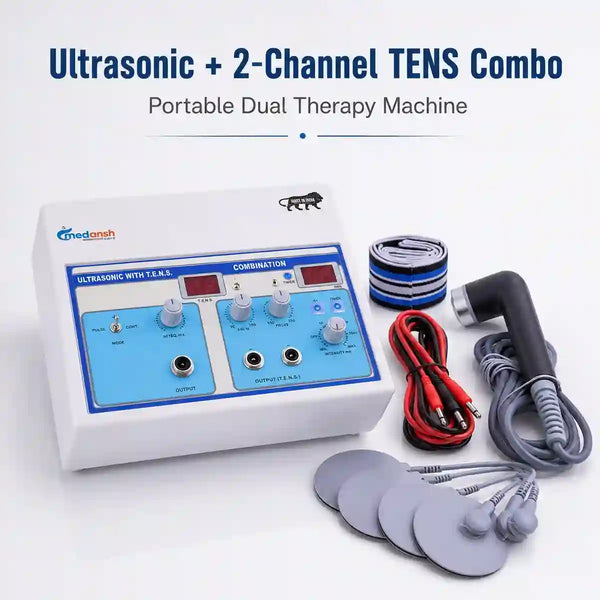
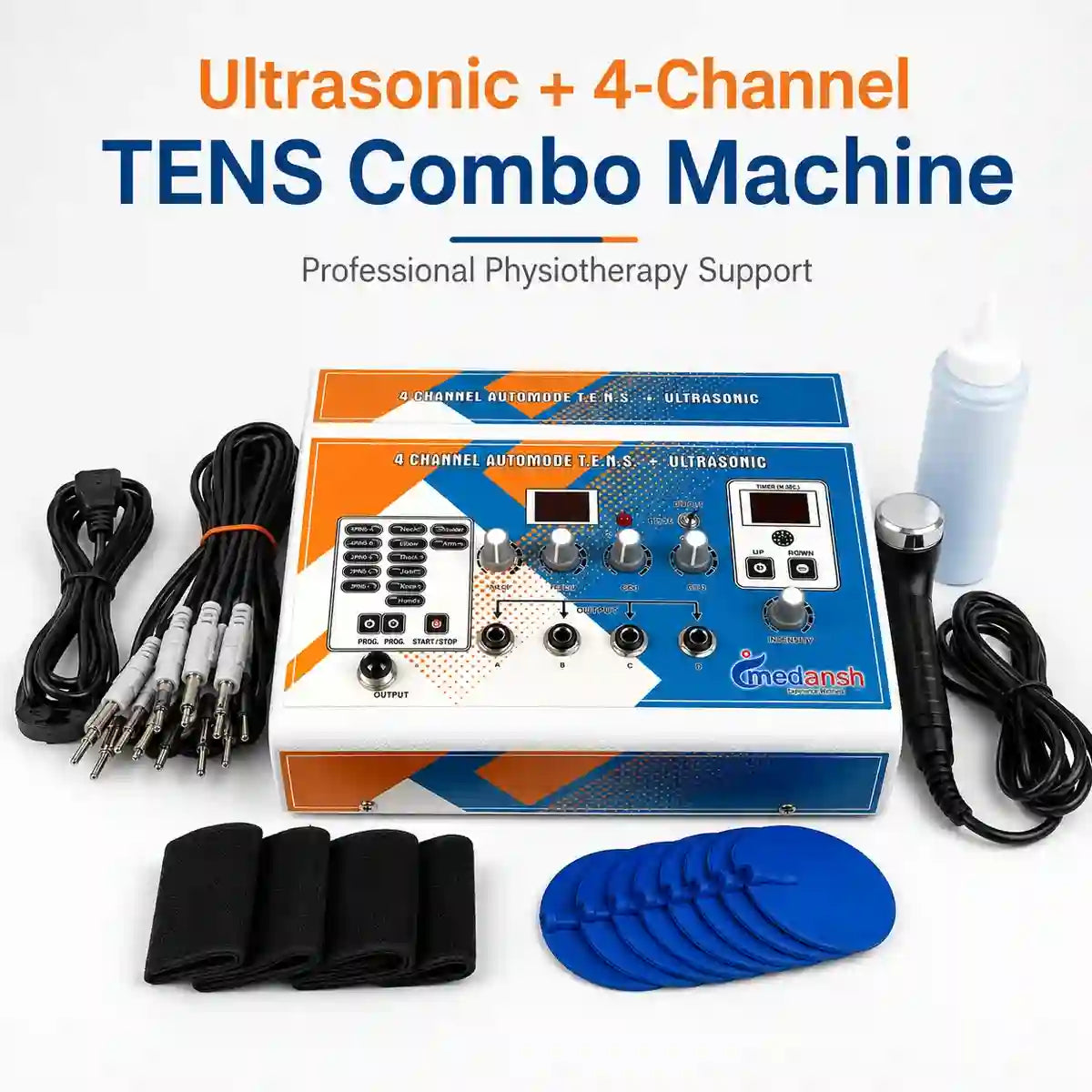
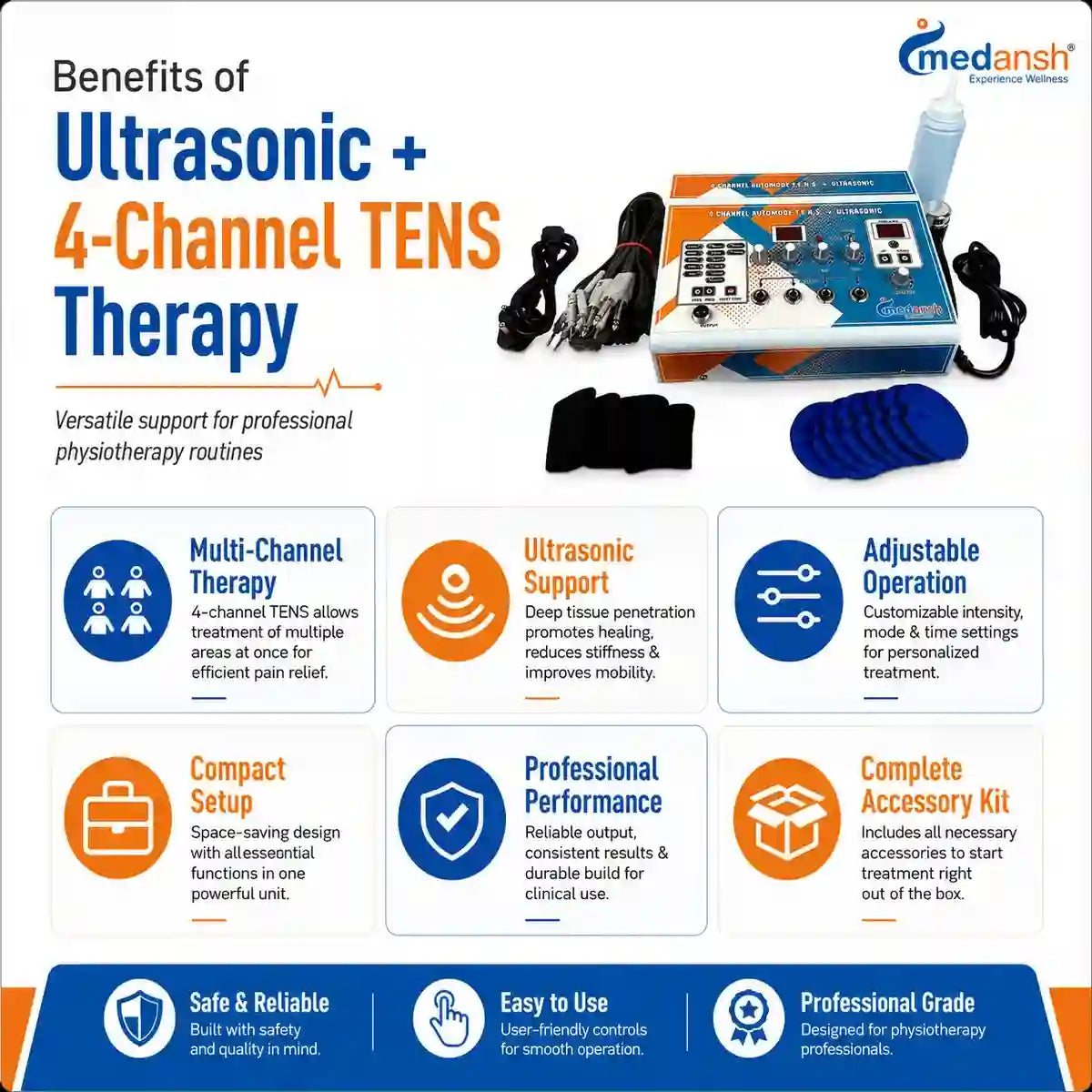
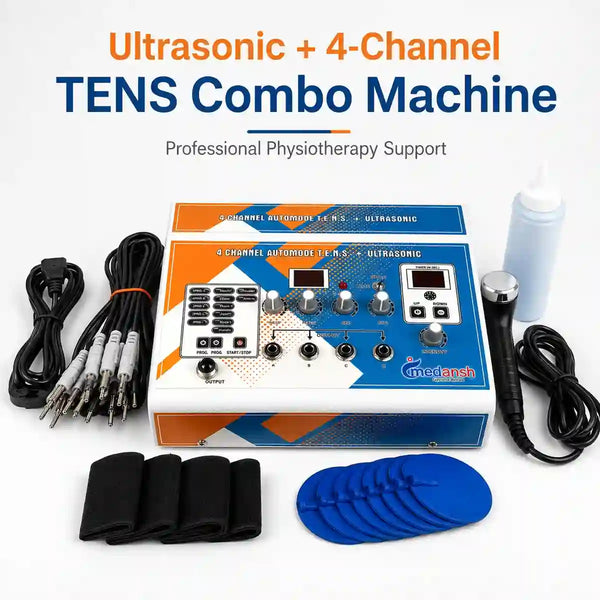
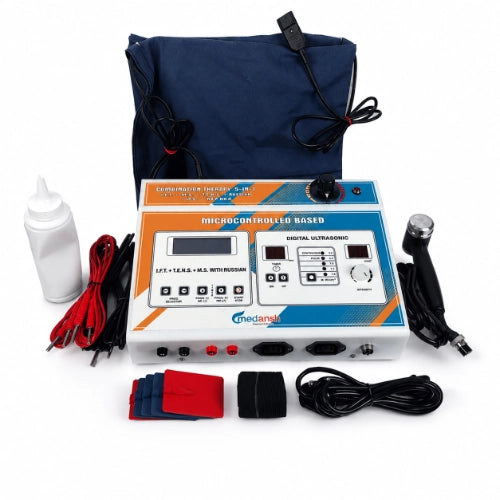
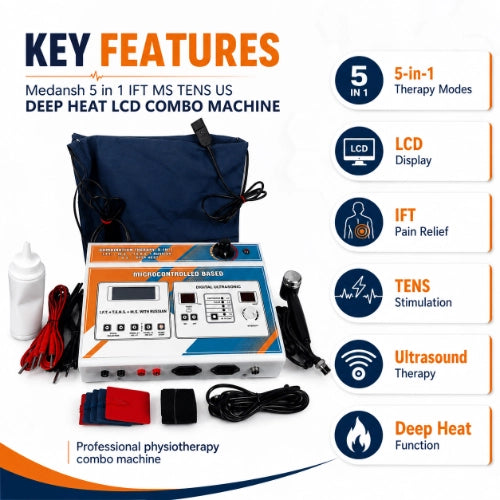
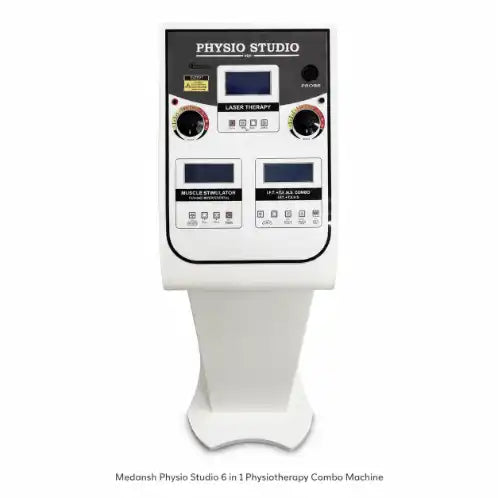
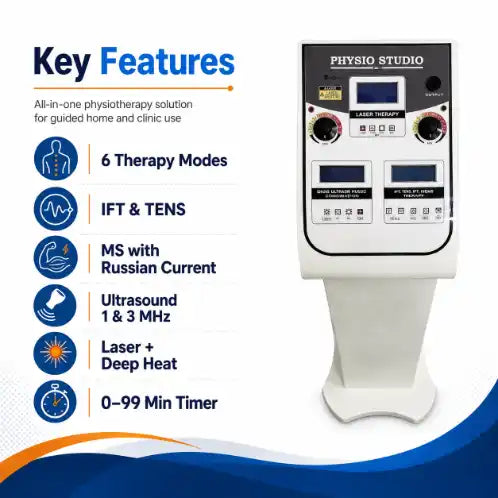
A combination physiotherapy machine includes two or more therapy modes in one system. Consequently, it may help clinics reduce the number of separate machines required.
Common combinations include:
- TENS + muscle stimulation
- IFT + TENS
- IFT + EMS + TENS
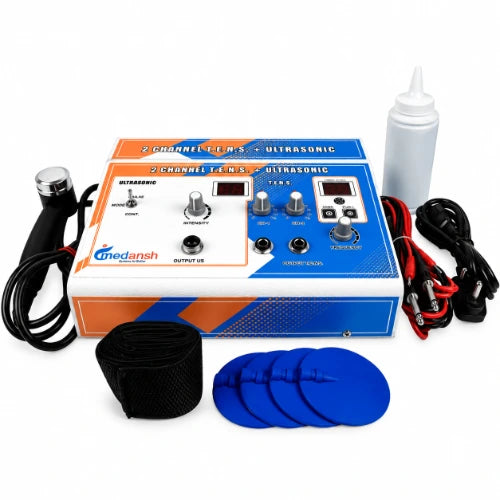
- Ultrasound + TENS
- Ultrasound + multiple electrotherapy modes

Even so, more functions do not always provide better clinical value. Instead, buyers should compare output control, safety, build quality, accessories, warranty and service support.
6. Short-Wave Diathermy Machine
Short-wave diathermy, commonly called SWD, uses electromagnetic energy for selected therapy applications.
Since SWD is professional equipment, trained operation is important. Moreover, therapists should check the patient and treatment environment for relevant safety concerns before use.
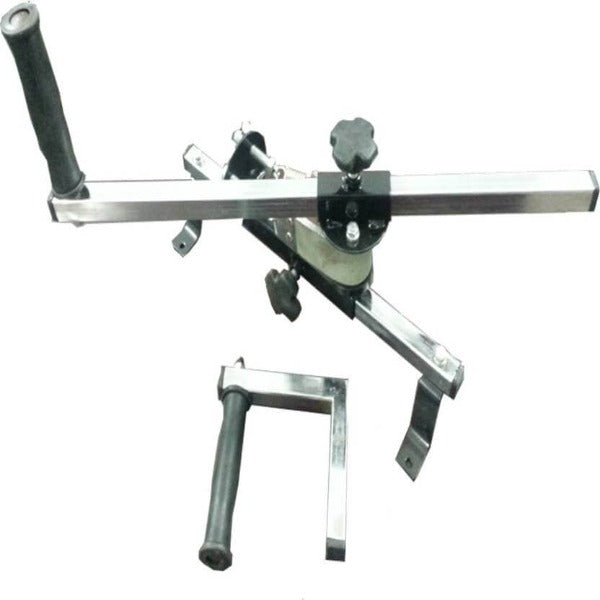
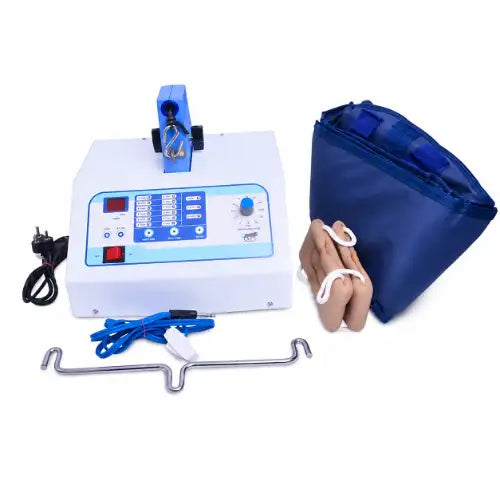
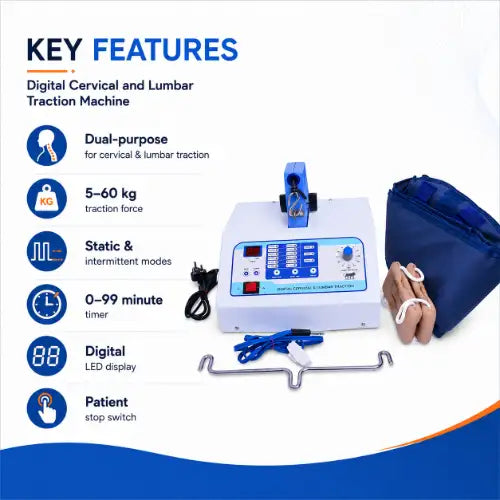
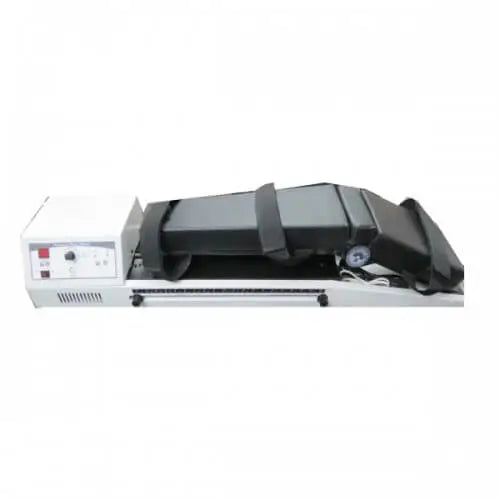
7. Cervical and Lumbar Traction Machine
A traction machine applies controlled pulling force to the cervical or lumbar region.
Depending on the model, a digital traction system may provide:
- Adjustable traction force
- Treatment timer
- Static traction
- Intermittent traction
- Cervical or lumbar settings
However, traction is not suitable for every spinal condition. For this reason, it should only be used after proper clinical assessment.
What Are the Basic Physio Tools?
Many useful physiotherapy tools are simple, affordable and easy to use. In fact, active exercise tools can be especially valuable because they encourage patients to participate directly in rehabilitation.
Common basic tools include:
- Resistance bands
- Exercise balls
- Hand exercisers
- Finger exercisers
- Balance boards
- Wobble boards
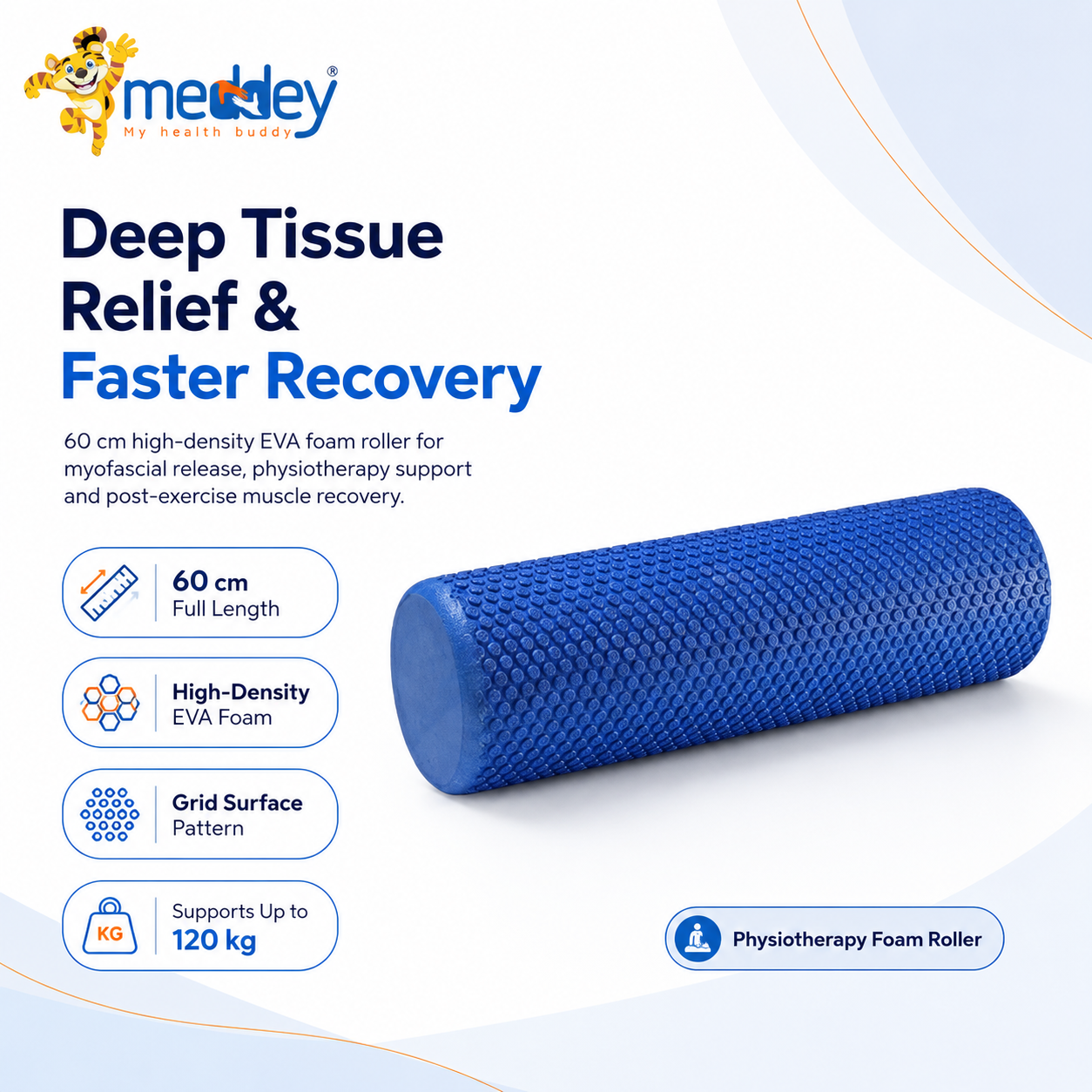
- Foam rollers
- Ankle weights
- Dumbbells
- Exercise mats
- Shoulder pulleys
- Pedal exercisers
- Goniometers
- Grip-strength tools
- Walking aids
Moreover, these tools allow gradual progression. For example, resistance can increase as muscle strength improves. Similarly, balance exercises can become more challenging as control develops.

What Equipment Is Needed for a Physiotherapist?
A physiotherapy clinic should be equipped according to the services it provides. Initially, a new clinic may focus on essential equipment. Afterwards, additional machines can be introduced according to patient demand.
Basic Treatment Furniture
- Physiotherapy treatment couch
- Therapist stool
- Exercise mat
- Storage unit
- Patient chair
Assessment Tools
- Goniometer
- Measuring tape
- Reflex hammer
- Stopwatch
- Blood pressure monitor
- Pulse oximeter where needed
Exercise Equipment
- Resistance bands
- Exercise balls
- Dumbbells
- Ankle weights
- Balance boards
- Pedal exercisers
- Shoulder wheel or pulley system
Electrotherapy Equipment
- TENS machine
- IFT machine
- Muscle stimulator
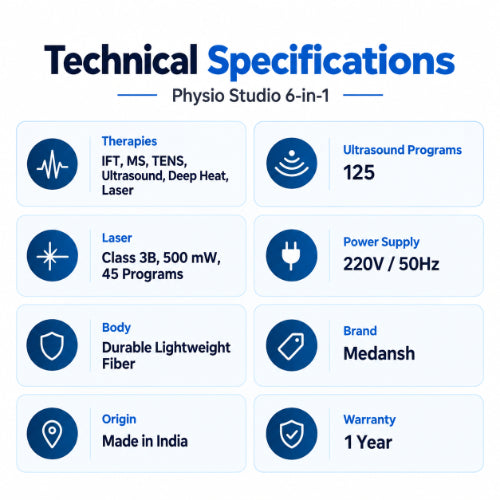
- Ultrasound therapy machine
- Combination therapy machine
Advanced Rehabilitation Equipment
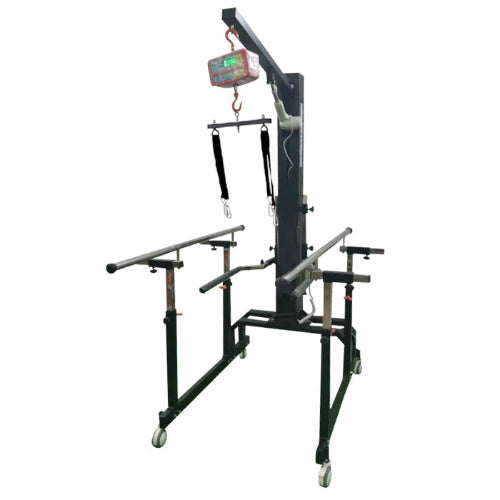
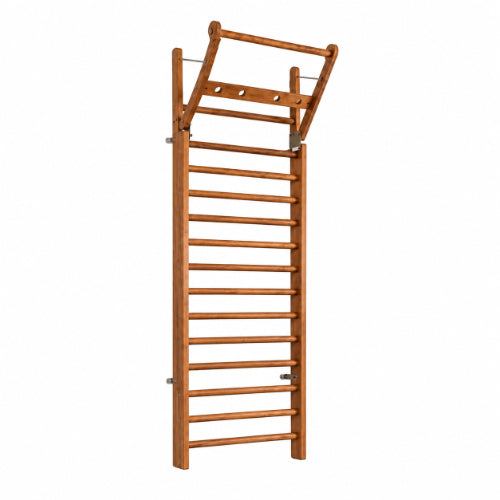
- Parallel bars
- Tilt table
- Traction machine
- Continuous passive motion equipment
- Advanced balance systems
- Shockwave therapy systems
Therefore, a physiotherapy clinic does not need every available machine from the beginning. Instead, equipment can be added gradually as services expand.
What Is an Electrotherapy Machine?
An electrotherapy machine provides controlled electrical stimulation through electrodes placed on the body.
Different modes have different purposes. For instance, TENS is mainly used for pain support, whereas EMS may assist selected muscle activation programmes. Meanwhile, IFT may be used for other rehabilitation applications.
| Modality | Main Role | Typical Setting |
|---|---|---|
| TENS | Pain support | Home and clinic |
| IFT | Selected pain and rehabilitation applications | Mostly clinic use |
| EMS | Muscle activation and re-education | Home or clinic depending on device |
| Combination Unit | Multiple therapy modes | Clinics and rehabilitation centres |
Is Electrotherapy Safe?
Electrotherapy can be used safely when the correct device, settings and treatment area are selected. However, it may not be appropriate for every patient.
For example, additional care may be required in people with implanted electrical devices, pregnancy, epilepsy or reduced skin sensation. Likewise, electrodes should not be placed over damaged or infected skin.
Furthermore, treatment around sensitive anatomical areas requires suitable knowledge. Therefore, users should always follow professional guidance and manufacturer instructions.
Physiotherapy Equipment for Pain Management
Several types of physiotherapy equipment can support pain management as part of a wider treatment plan.
For example, commonly used options include:
- TENS machines
- IFT machines
- Heat therapy products
- Cold therapy products
- Therapeutic ultrasound
- Exercise equipment
Nevertheless, pain relief should not be the only objective. In many rehabilitation programmes, improved movement, strength and daily function are also important goals.
Physiotherapy Equipment for Exercise and Strength
Exercise-based rehabilitation plays an important role in many physiotherapy programmes. Therefore, simple exercise equipment can provide significant practical value.
Resistance Bands
Resistance bands provide different levels of resistance for upper-limb, lower-limb and trunk exercises. In addition, they are lightweight and convenient for both clinic and home use.
Ankle Weights
Ankle weights add resistance to selected lower-limb exercises. However, the selected weight should match the patient's current strength and recovery stage.
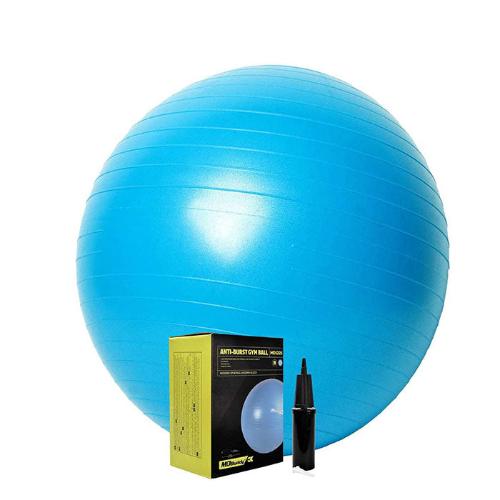
Exercise Balls
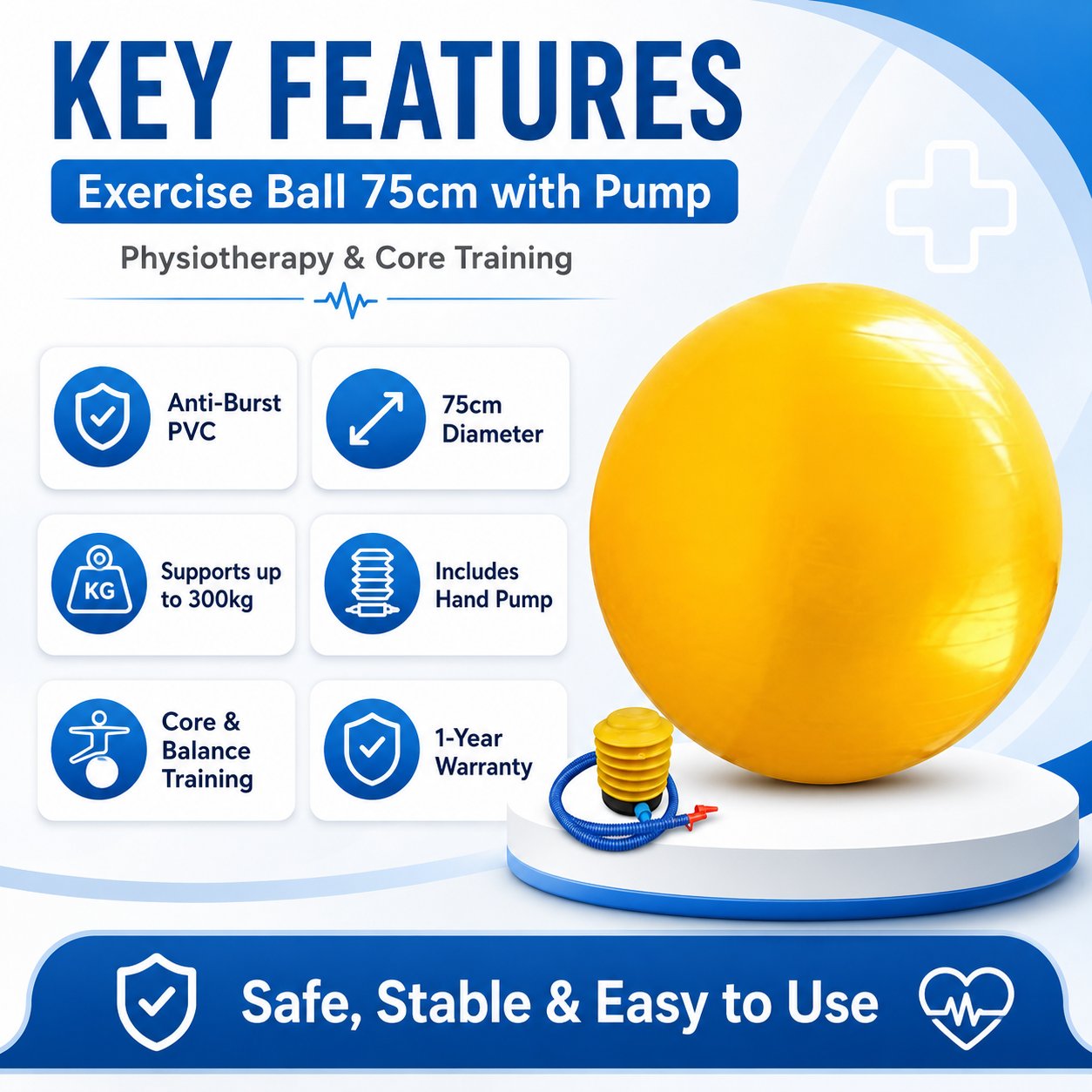
Exercise balls can support balance, trunk control and movement training. Furthermore, therapists may include them in selected stability programmes.
Pedal Exercisers
A pedal exerciser supports repeated limb movement. Consequently, it may be useful for seated exercise, mobility training and general physical activity.
Hand Therapy Tools
Hand exercisers, grip devices and therapy putty can support finger movement and grip training. Similarly, resistance can be changed as hand function improves.
Physiotherapy Equipment for Balance and Gait Training
Balance and walking training are important in many neurological and orthopaedic rehabilitation programmes. Therefore, clinics may use dedicated tools to support standing and gait practice.
Common options include:
- Parallel bars
- Balance boards
- Wobble boards
- Foam balance pads
- Walking frames
- Gait trainers
- Step platforms
- Tilt boards
For example, parallel bars provide hand support during early walking practice. Meanwhile, balance boards can increase the challenge once the patient develops better control.
For clinic setup requirements, buyers can review the Physio Studio equipment collection on Meddey.
How Can I Do Physiotherapy at Home?
Home physiotherapy should ideally follow a plan provided by a qualified physiotherapist. This is especially important after surgery, significant injury or neurological illness.
A home programme may include:
- Range-of-motion exercises
- Strength training
- Stretching
- Balance exercises
- Walking practice
- Postural exercises
- Condition-specific movements
In addition, simple equipment can make regular exercise easier. For instance, resistance bands provide portable strength training, while a pedal exerciser may support seated movement.
Common Home Physiotherapy Equipment
- Resistance bands
- Exercise mat
- Therapy ball
- Hand exerciser
- Pedal exerciser
- Balance board where appropriate
- Portable TENS unit where suitable
- Heat or cold therapy products
However, equipment should not replace professional assessment. Therefore, significant worsening of symptoms or new weakness should lead to clinical review.
Can a TENS Machine Be Used at Home?
Many portable TENS machines are designed for home use. Even so, users should first confirm whether TENS is appropriate for their condition.
General precautions include:
- Read the product instructions.
- Apply electrodes to clean and healthy skin.
- Use suitable electrode positions.
- Begin with a comfortable intensity.
- Avoid using the device while driving.
- Do not use it in water.
- Stop if significant skin irritation develops.
Moreover, people with implanted electrical devices or relevant medical conditions should seek professional advice before treatment.
What Is the Best Brand for Physiotherapy Equipment?
There is no single brand that is best for every type of physiotherapy equipment. Instead, professional buyers should compare individual products according to their intended use.
For example, one company may offer suitable electrotherapy units, whereas another may specialise in treatment furniture or exercise tools.
Therefore, important buying factors include:
- Clinical application
- Technical specifications
- Build quality
- Electrical safety
- Warranty
- Service support
- Accessory availability
- Replacement parts
- Ease of operation
- Price
Ultimately, clinics should choose products based on clinical requirements rather than purchasing every item from one manufacturer.
Physiotherapy Machine Price in India
The physiotherapy machine price varies widely because different machines use different technologies and provide different treatment modes.
Generally, portable TENS and EMS devices are more affordable. In contrast, IFT systems, ultrasound machines, traction units and advanced combination machines usually cost more.
Furthermore, several factors influence the final price:
- Type of therapy
- Number of channels
- Output controls
- Preset programmes
- Digital interface
- Portable or clinical construction
- Included accessories
- Warranty
- Brand
- Service support
Therefore, buyers should compare the physiotherapy machine price with actual clinical requirements rather than selecting only the least expensive product.
For updated prices, visit the current physiotherapy machine collection on Meddey.
Product prices, discounts and stock can change. Therefore, always review the live product page before purchasing.
How to Choose Physiotherapy Equipment for a Clinic
1. Identify the Patient Group
First, determine the main patient group treated by the clinic. For example, sports rehabilitation may require more strength-training equipment, whereas neurological rehabilitation may require gait and balance systems.
2. Start with Essential Equipment
Next, purchase treatment furniture, assessment tools and basic exercise equipment. Afterwards, additional machines can be added according to demand.
3. Check Daily Treatment Volume
Professional equipment should support repeated use. Consequently, expected patient volume should influence equipment selection.
4. Review Service Support
Electrotherapy equipment may require replacement electrodes, lead wires or technical service. As a result, dependable after-sales support is valuable.
5. Compare Warranty
Before ordering, review warranty duration and coverage. Additionally, check whether technical service is readily available.
6. Consider Consumables
Electrode pads, ultrasound gel and other accessories require regular replacement. Therefore, ongoing running costs should form part of the purchase decision.
7. Check Available Space
Large products such as treatment tables, traction systems and parallel bars require sufficient room. Consequently, clinic layout should be checked before purchase.
8. Focus on Safety
Finally, electrical and mechanical physiotherapy products should be used according to manufacturer instructions and normal clinical safety practices.
Portable vs Clinical Physiotherapy Machine
| Feature | Portable Machine | Clinical Machine |
|---|---|---|
| Size | Compact | Usually larger |
| Typical User | Home user or mobile therapist | Clinic or hospital |
| Functions | Usually fewer | May provide more modes and controls |
| Frequency of Use | Usually lighter use | Often suitable for repeated daily use |
| Price | Generally lower | Usually higher |
Common Mistakes When Buying Physiotherapy Equipment
Several buying mistakes can increase cost or reduce equipment usefulness. Therefore, professional procurement should focus on clinical need and long-term value.
- Buying equipment without a clear clinical purpose
- Choosing a machine only because it has many modes
- Ignoring service and warranty
- Using home devices for heavy clinic workloads
- Ignoring replacement accessory costs
- Buying advanced equipment without trained staff
- Expecting machines to replace active rehabilitation
- Ignoring contraindications
- Choosing equipment only by the lowest price
In short, an effective buying decision combines clinical need, safety, quality, support and price.
Frequently Asked Questions About Physiotherapy Equipment
1. What equipment do physiotherapists use?
Physiotherapists may use TENS, IFT, muscle stimulators, therapeutic ultrasound, exercise tools, treatment couches, balance equipment, parallel bars and other rehabilitation products.
2. What equipment is needed for a physiotherapist?
A basic clinic generally needs treatment furniture, assessment tools, exercise equipment and selected therapy machines. However, the exact setup depends on the services provided.
3. Which machine is used in physiotherapy?
Common machines include TENS, IFT, EMS, therapeutic ultrasound, combination therapy units, SWD and traction systems.
4. What are the basic physio tools?
Basic tools include resistance bands, exercise balls, hand exercisers, ankle weights, balance boards, exercise mats, pedal exercisers and goniometers.
5. What is the best brand for physiotherapy equipment?
No single brand is best for every category. Instead, compare specifications, build quality, warranty, service support and suitability for the intended treatment.
6. How can I do physiotherapy at home?
Follow a programme recommended by a qualified physiotherapist. In addition, resistance bands, exercise mats, therapy balls and pedal exercisers may help support home rehabilitation.
7. Is a TENS machine useful in physiotherapy?
TENS may provide temporary pain relief for some people. However, it should support a broader rehabilitation programme rather than replace active therapy.
8. Is ultrasound used in physiotherapy?
Yes. Therapeutic ultrasound is used for selected treatment purposes. However, it is different from diagnostic ultrasound imaging.
9. What is an electrotherapy machine?
An electrotherapy machine provides controlled electrical stimulation through electrodes. For example, TENS, IFT and EMS are common electrotherapy types.
10. Can physiotherapy machines be used at home?
Some portable machines are suitable for home use. In contrast, professional systems may require trained operation and clinical supervision.
11. How much does a physiotherapy machine cost?
The price depends on machine type, number of channels, treatment modes, build quality, accessories, warranty and intended use.
12. Is physiotherapy only done with machines?
No. Physiotherapy also involves exercise, education, movement training, hands-on techniques and functional rehabilitation. Therefore, machines are only one part of treatment.
Professional Checklist Before Buying Physiotherapy Equipment
- Identify the clinical purpose.
- Decide whether the product is for home or professional use.
- Review technical specifications.
- Check safety requirements.
- Confirm staff training needs.
- Evaluate build quality.
- Check warranty coverage.
- Confirm service availability.
- Review spare parts and accessories.
- Consider consumable costs.
- Assess treatment capacity.
- Check available clinic space.
- Compare price with actual clinical requirements.
Where to Buy Physiotherapy Equipment Online in India?
When buying physiotherapy equipment online, doctors, physiotherapists, clinics and hospitals should compare product specifications, intended use, warranty and service support.
In addition, buyers should confirm whether a device is designed for home or professional use. This distinction matters because a compact home unit may not be suitable for frequent high-volume clinical work.
Meddey offers physiotherapy machines, electrotherapy systems, rehabilitation tools and clinic setup equipment for different requirements.
Browse Physiotherapy Machines:
https://meddey.com/collections/physiotherapy-machine
Compare Electrotherapy & TENS Machines:
https://meddey.com/collections/electrotherapy-tens-machines
View Physio Studio Equipment:
https://meddey.com/collections/physio-studio
Visit Meddey:
https://meddey.com/
Conclusion
Physiotherapy equipment includes a wide range of rehabilitation products, from simple resistance bands and exercise balls to advanced electrotherapy and traction systems. Therefore, equipment should be selected according to the patient's condition, treatment objective and clinical environment.
For pain support, therapists may use TENS or IFT. Meanwhile, EMS may help with selected muscle-training programmes. In addition, exercise equipment, balance boards and parallel bars can support strength, mobility and functional recovery.
However, a physiotherapy machine should not replace exercise, education or professional assessment. Instead, machines work best when they support a structured rehabilitation programme.
For home physiotherapy, simple tools may often be sufficient. For example, resistance bands, exercise mats, therapy balls and pedal exercisers can support regular exercise. Similarly, portable TENS devices may be considered when appropriate.
Furthermore, the physiotherapy machine price can vary widely depending on technology, functions, build quality and intended use. As a result, buyers should compare warranty, accessories, service support and long-term value instead of selecting equipment only by price.
Ultimately, suitable physiotherapy equipment should meet a clear clinical need, support safe treatment and fit the rehabilitation environment.
Doctors, physiotherapists, clinics, hospitals and rehabilitation centres can compare available physiotherapy equipment on Meddey according to their treatment and clinic setup requirements.
Medical Disclaimer
This article is intended for professional education and general information only. It does not replace physiotherapy assessment, diagnosis or an individual treatment plan from a qualified healthcare professional. Electrotherapy, ultrasound, traction and other rehabilitation machines may have contraindications. Therefore, users should follow manufacturer instructions and appropriate professional guidance.
Explore Medical Collections
All Categories
Abdominal & Maternity Support

Accessories

Accu-Chek Instant Strips: Use, Compatibility, Price & Blood Sugar Testing Guide
Accu-Chek Instant Strips: Uses, Features & Complete Guide

Accupressure Products for Pressure Point Therapy, Pain Relief & Wellness

accupuncture

Acupuncture Needles & Supplies

Advanced Physiotherapy Machines & Lumbar Physiotherapy

Airways

Ambulance

Anatomy Models
Anesthesia Machine

Anesthesia Products
Ankle Support, Braces & Walker Boots for Recovery
Ankle Weights & Exercise Weights for Home & Rehab
You may also need
FOR YOURecommended for you
Save 55%
Save 57%
Save 59%
Save 54%
Save 57%
Save 32%
Save 36%
Save 50%
Save 22%
Save 33%
Save 50%
Save 39%
Save 46%
Save 49%
Save 39%
Save 50%
Save 36%
Save 50%
Save 46%